8 Flowers To Avoid Planting In Your Virginia Garden
That gorgeous bloom you just bought might have big plans. Nurseries rarely mention plants with hidden agendas.
Warm, sticky Virginia summers push your flowers into overdrive. Roots spread underground while you sleep soundly.
Seeds hitch rides on wind, birds, even your shoes. Native wildflowers near you lose ground to fast newcomers.
Pollinators you rely on slow down when food options change. Birds slow down since imported plants rarely feed them well.
Gardeners like you discover trouble after it spreads too far. Money you spend goes toward replacing what aggressive plants claim.
Ecosystems across Virginia depend on your daily choices. Beautiful native alternatives await you for every troublemaker worth naming.
Skipping the wrong plant now saves you real trouble later. Your garden deserves better than trouble dressed up as beauty.
Choices made today decide what grows in your soil tomorrow. Nothing pushes you forward until you know exactly what to skip.
1. Butterfly Bush Spreads Into Natural Areas
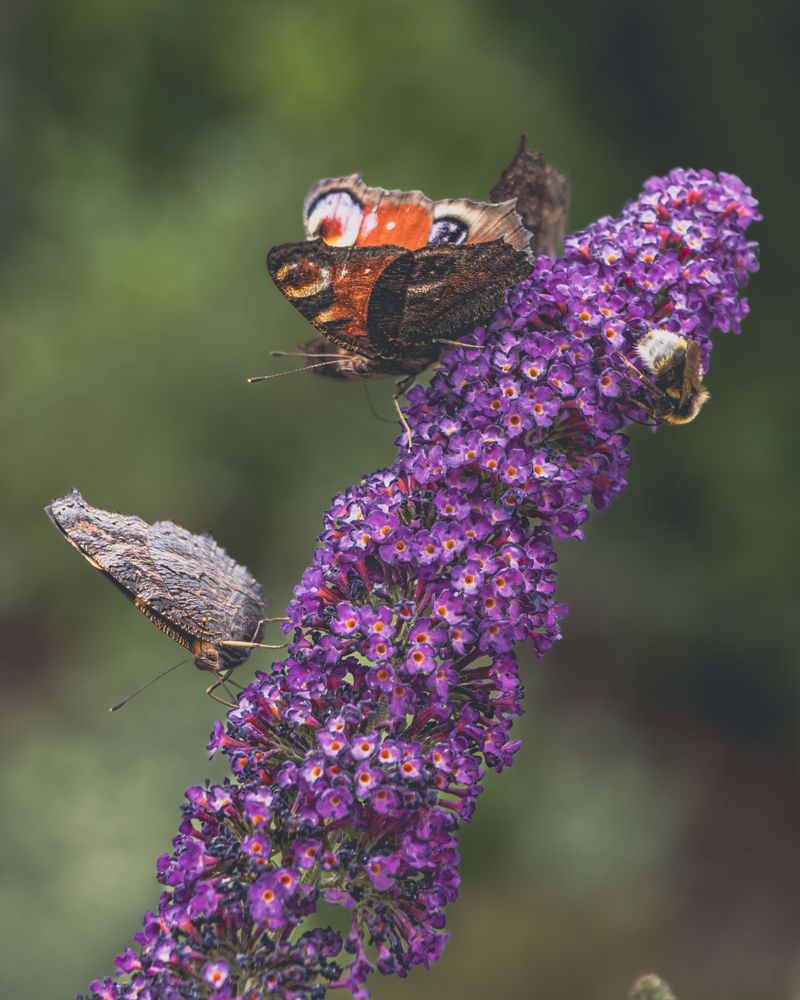
It looks like a pollinator paradise, but butterfly bush has an important drawback. Buddleja davidii lures butterflies close, yet gives almost nothing back in return.
Native caterpillars cannot digest its leaves, so it fails to support the insect life your garden actually needs. Without caterpillars, you lose the birds that depend on them to feed their young.
The blooms offer limited nutritional value for struggling insect populations, despite looking bright and tempting. Look closer and you will notice few native insects sticking around beyond a quick sip of nectar.
A single mature plant can produce well over ten thousand seeds annually, and those seeds travel remarkably far on wind currents.
Once they land along roadsides, stream banks, and forest edges, they germinate quickly and outcompete native shrubs for space and sunlight.
Virginia’s Department of Conservation and Recreation lists butterfly bush as an invasive plant species, largely because of how easily it escapes cultivated boundaries.
Check the current DCR invasive plant list for the latest classification details. You might assume yours stays contained, but seeds ignore fences, property lines, and garden borders entirely.
Fortunately, real alternatives exist that do not force this tradeoff. Native buttonbush and native spicebush provide genuine food, shelter, and breeding habitat for local wildlife.
Swapping a single shrub can meaningfully shift the balance for pollinators in your neighborhood. If butterfly bush already grows on your property, trim the flowers consistently before seeds have a chance to form each season.
Better yet, remove it entirely and replace it with something that gives real ecological value back. Your Virginia garden can still look stunning while actually supporting the wildlife it claims to attract.
2. English Ivy Smothers Native Groundcovers
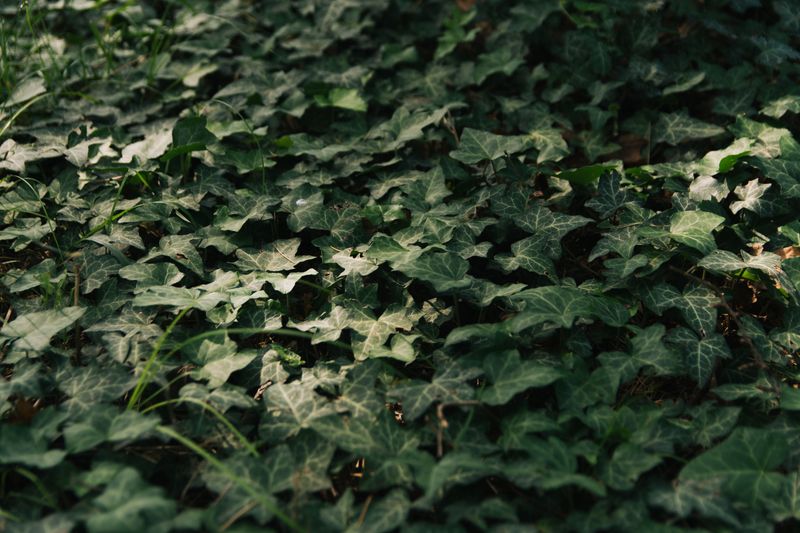
English ivy looks elegant draped over a brick wall, but on the ground it behaves very differently. This vine spreads fast, roots at every node, and forms dense mats that block sunlight from reaching the soil below.
Native wildflowers like trillium and wild ginger cannot push through those thick layers of ivy. Over time, entire forest floors get taken over, leaving little else growing beneath it. Very little else can grow once ivy dominates an area.
Your Virginia Garden Changes Every Week. Your Plan Should Too.
Gardening in Virginia changes quickly throughout the season. Every Friday you’ll receive a simple weekly plan showing exactly what to plant, prune, fertilize, harvest, and protect so you never miss the right timing.
Birds do eat ivy berries, which sounds helpful until you realize what happens next. They drop seeds in natural areas far from your yard, sometimes miles away.
That is exactly how ivy spreads into parks, trails, and woodland preserves across the state. What starts in one garden ends up affecting nearby forest areas.
Removing established ivy is a serious workout, and there is no shortcut around it. Roots dig deep, and any small piece left behind will regrow with persistent regrowth.
Several Virginia conservation groups and local parks departments run ivy removal programs because infestations have become a widespread problem in local forests.
Some neighborhoods organize ivy pulls just to reclaim natural areas that have been overrun for years.
Native groundcovers like wild strawberry, green-and-gold, or creeping phlox give you that lush, low carpet look without the ecological damage.
Making the switch is one of the smartest moves you can make for your Virginia garden and the wild spaces nearby.
3. Purple Loosestrife Chokes Wetlands And Waterways
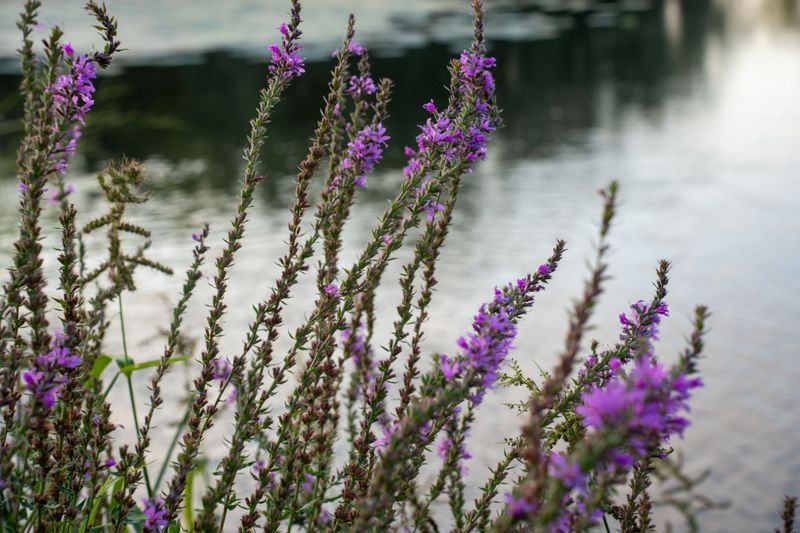
Few plants look as dramatic as purple loosestrife standing tall along a wetland edge in full bloom. Those bright magenta spikes are genuinely stunning, which explains why gardeners planted it for decades without asking questions.
Nobody realized what those flowers were quietly setting in motion nearby. The problem is that one mature plant can produce over a million seeds in a single season.
Those seeds float easily on water and wash downstream, spreading to new wetlands quickly. By the time it becomes visible, entire waterways are already affected.
Purple loosestrife forms dense walls of growth that native marsh plants simply cannot compete against for light or space. Cattails, sedges, and native rushes get pushed out entirely, and the wildlife depending on them follows close behind.
Waterfowl lose critical nesting habitat almost overnight. Amphibians lose the shallow plant cover they need to breed safely each spring.
Even fish populations feel the impact once wetland plant communities begin to collapse under pressure.
Purple loosestrife appears on Virginia’s noxious weed list, and its sale is restricted or banned in numerous states nationwide. Check your state’s current agricultural or conservation department listing for specifics.
If you spot it at a plant sale or garden center, walk away immediately and alert the seller. Reporting it helps prevent further spread into unsuspecting gardens.
Native swamp rose, blue flag iris, and cardinal flower bring bold color to wet garden spots without threatening local waterways.
Choosing those alternatives instead keeps your garden beautiful while keeping local wetlands genuinely healthy for the long haul ahead.
4. Japanese Honeysuckle Overwhelms Fences And Plants
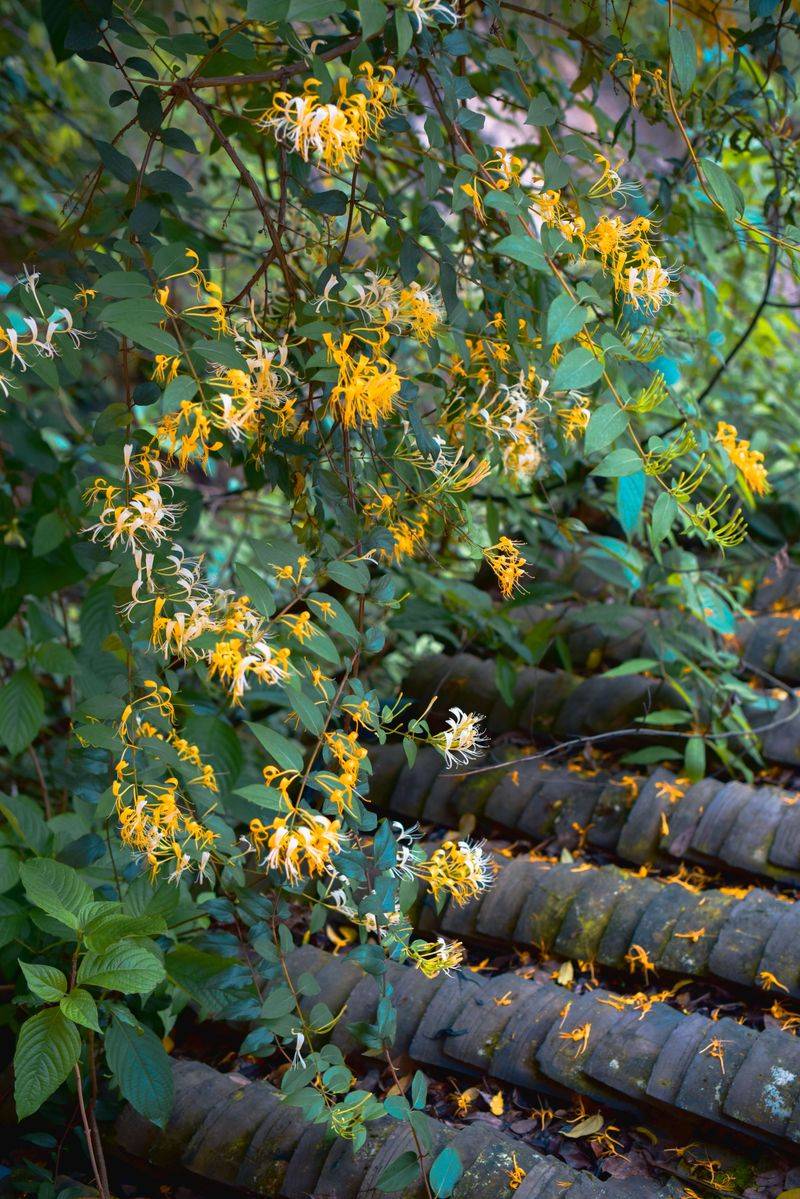
The scent of Japanese honeysuckle on a warm summer evening is one of those memories that sticks with you forever. It smells incredible, and that is a huge part of why it traveled from Asia to American gardens in the first place.
But that sweet smell comes with a serious cost for native plants growing nearby. Japanese honeysuckle vines climb fast, wrap tight, and can girdle young trees and shrubs as they grow.
Once established, this vine spreads both by seed and by runners along the ground. Birds spread the berries widely, so colonies pop up in forests and edges far from the original planting.
Native plants like spicebush, pawpaw, and young oaks are especially vulnerable to being overwhelmed. A single vine can blanket a small shrub completely, blocking all light and stunting growth permanently.
Controlling Japanese honeysuckle is a long, frustrating process that requires repeated cutting and root removal over multiple seasons. Many land managers spend years trying to reclaim areas where it has taken hold.
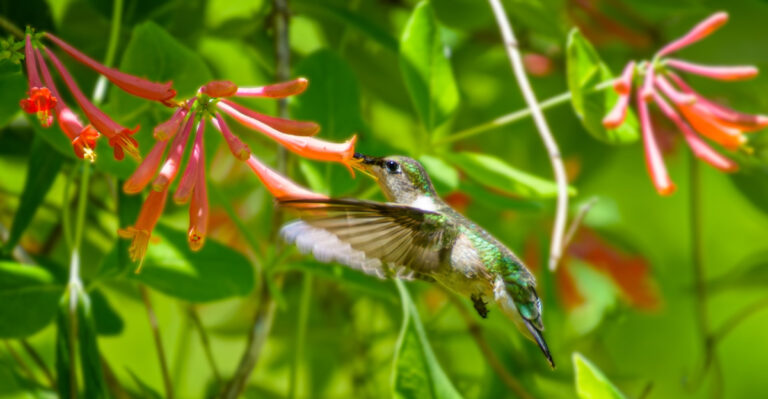
Coral honeysuckle is a native alternative that smells wonderful and attracts hummingbirds with its bright red tubular blooms. Planting it instead gives you the climbing vine look you love without putting your Virginia garden neighbors at risk.
5. Chinese Wisteria Overtakes Nearby Shrubs
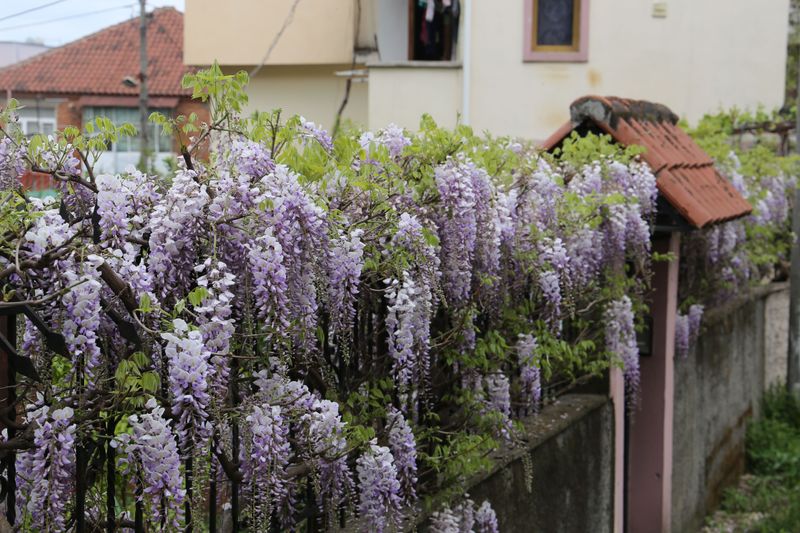
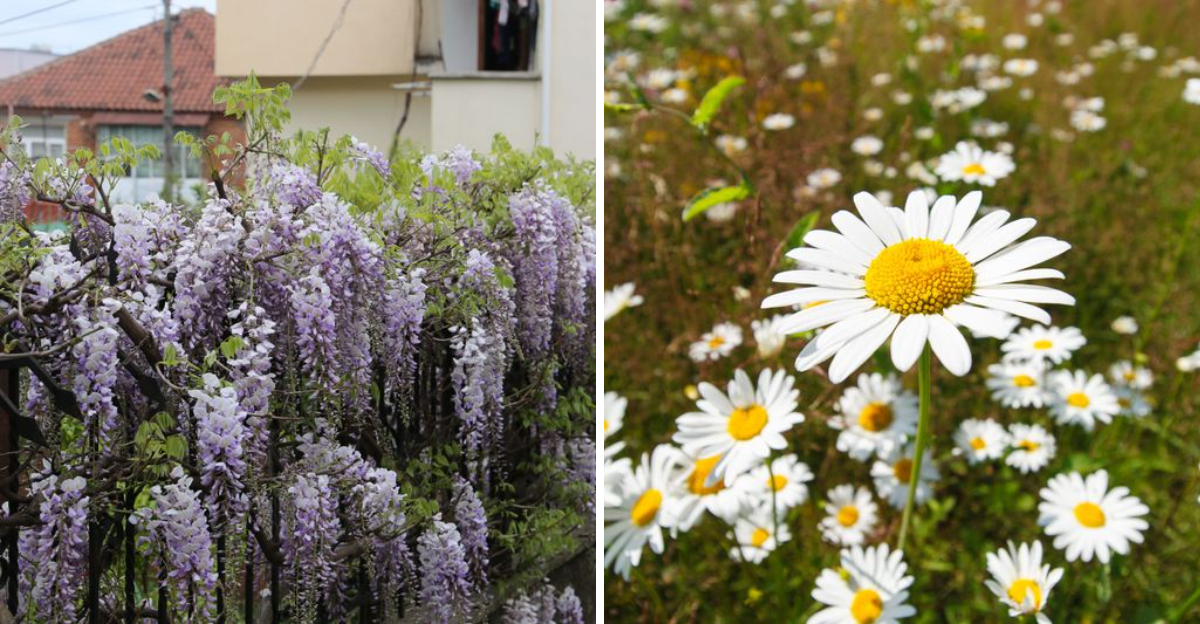
Chinese wisteria in full bloom is one of the most visually striking sights in any garden. Those cascading purple clusters look strikingly beautiful, and it is easy to understand why homeowners fall hard for this vine.
What those photos never show is what happens five years later when the vine has wrapped itself around every structure and shrub in reach. Wisteria stems thicken over time and can crush wooden arbors, gutters, and even tree trunks.
The twining growth habit is relentless, and the plant spreads by both seed pods and underground runners. A single plant can expand across a large area without any help from the gardener.
Native trees like dogwood and redbud are especially at risk from nearby wisteria growth. Once the vine gets a grip on a young tree, removing it without causing damage becomes nearly impossible.
Chinese wisteria has naturalized across much of the eastern United States and appears in forests, roadsides, and abandoned lots throughout the state. What starts as a garden plant can spread across a landscape quickly.
American wisteria is a native alternative that offers similar beauty with far better manners. It blooms reliably, stays more manageable, and supports native insects without escaping into natural areas around your Virginia garden.
6. Periwinkle Displaces Native Forest Flowers
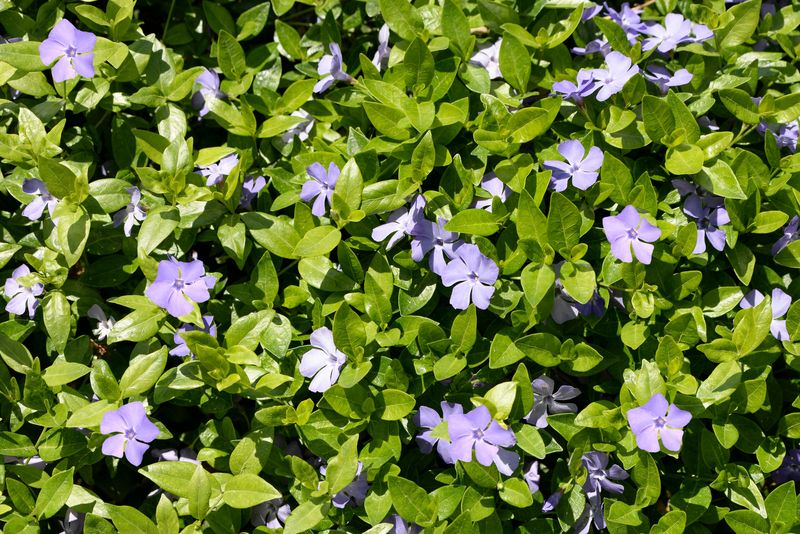
Periwinkle gets planted everywhere as a shade groundcover, and it is honestly hard to blame gardeners for choosing it. The glossy leaves stay green all winter, and those little blue flowers are genuinely charming in early spring.
The trouble starts when periwinkle creeps beyond the garden bed and into nearby natural areas. It forms thick mats that shade out native spring ephemerals before they even get a chance to bloom.
Spring wildflowers like Virginia bluebells, bloodroot, and Dutchman’s breeches depend on open forest floors to complete their life cycles. Periwinkle reduces the light and space available to them each season.
Unlike many invasives, periwinkle spreads vegetatively rather than by seed, which means it moves slowly but very steadily. By the time you notice it has left the garden, it has already established a solid foothold nearby.
Removing periwinkle from a naturalized area requires pulling up every stem and root fragment, which is tedious and time-consuming work. Many people give up partway through, and the plant simply regrows from whatever was left behind.
Wild ginger, native sedges, and green-and-gold are excellent shade groundcovers that support native wildlife instead of competing with it.
Choosing them keeps your forest edges healthy and your Virginia garden in harmony with the natural world around it.
7. Oxeye Daisy Crowds Out Native Wildflowers
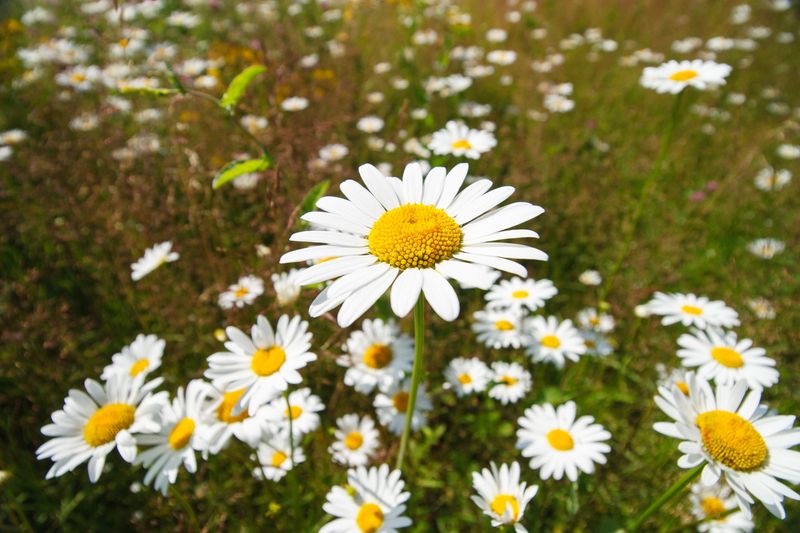
Oxeye daisy looks like a familiar wildflower in open meadows. Those white petals and sunny yellow centers feel wholesome and innocent, and they commonly appear in wildflower seed mixes sold at garden retailers.
The problem is that oxeye daisy is not a native North American wildflower at all. It came from Europe and has naturalized aggressively across meadows, roadsides, and open fields throughout the eastern United States.
In a mixed meadow planting, oxeye daisy tends to outcompete slower-growing native species over time. Black-eyed Susans, wild bergamot, and native clovers often lose ground to this persistent European import season after season.
The plant spreads by both seed and creeping root segments, giving it two reliable pathways for expansion. A small patch can become a monoculture within just a few growing seasons if left unchecked.
Pollinators do visit oxeye daisy, but they get far more nutritional value from native composite flowers like coneflowers and native asters. The difference matters especially for specialist native bees that evolved alongside specific local plants.
Swapping oxeye daisy for native ox-eye sunflower or black-eyed Susan gives your meadow a similar look with real ecological value. Your Virginia garden will burst with color while actually supporting the native insects and birds that need it most.
8. Yellow Flag Iris Invades Ponds And Streams
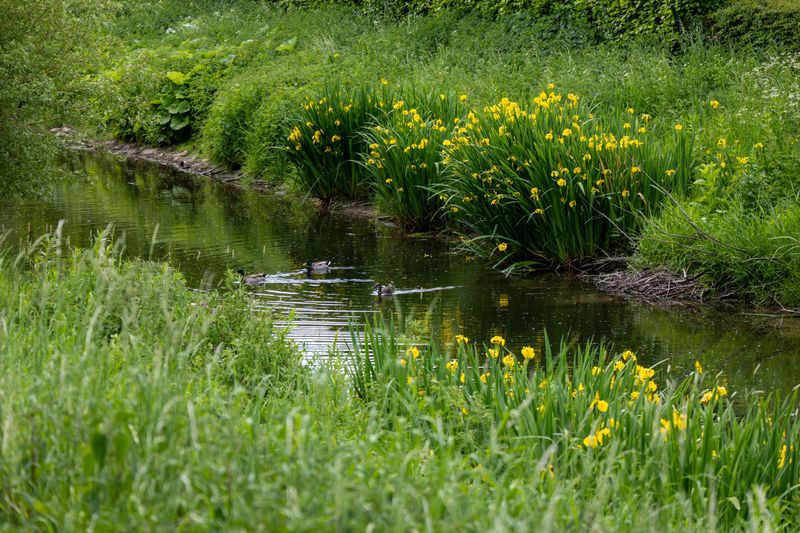
Yellow flag iris is one of those plants that looks perfectly at home near water, and that is exactly the problem. Its bold yellow blooms and sword-shaped leaves look stunning at the edge of a backyard pond.
Once it gets its roots into a natural waterway, though, it spreads with serious speed and determination. Dense colonies form along stream banks and pond edges, blocking the native plants that fish and amphibians rely on.
The plant spreads by both seed and rhizome, meaning it colonizes new areas through water movement and underground root growth simultaneously.
Floods and high water carry seeds and root fragments downstream, seeding new infestations far from the original plant.
Native turtles and frogs lose the open, shallow-water areas they need for basking and breeding. Waterfowl have a harder time finding the native aquatic vegetation they feed on when yellow flag takes over.
Removing yellow flag iris from a pond or stream bank is physically demanding work that often requires repeated visits over several years. Even small rhizome fragments left in the mud will resprout and restart the cycle.
Blue flag iris is the native alternative that thrives in wet conditions with similar dramatic flair. Planting it instead keeps your water feature beautiful and keeps your Virginia garden from creating problems for local streams and ponds.