These 7 Missouri Wild Edibles Must Be Left Alone On State Lands
Missouri’s forests hide a real treat for anyone who loves exploring nature, but not everything beside the trail belongs in your basket. Some tempting wild finds on state land come wrapped in strict rules, and the penalties run steeper than most expect.
Behind these restrictions lies something more serious than red tape. Certain plants and fungi grow so slowly that a single careless harvest can set their population back decades before it recovers.
The real question isn’t just what you’re allowed to pick. It’s why a free meal from the wild might cost far more than it seems, and that answer changes how you look at every future hike.
Seven species on this list deserve a closer look, and the reasons behind their protection are far more surprising than you’d guess.
1. Wild Ginseng Faces Strict Harvest Rules
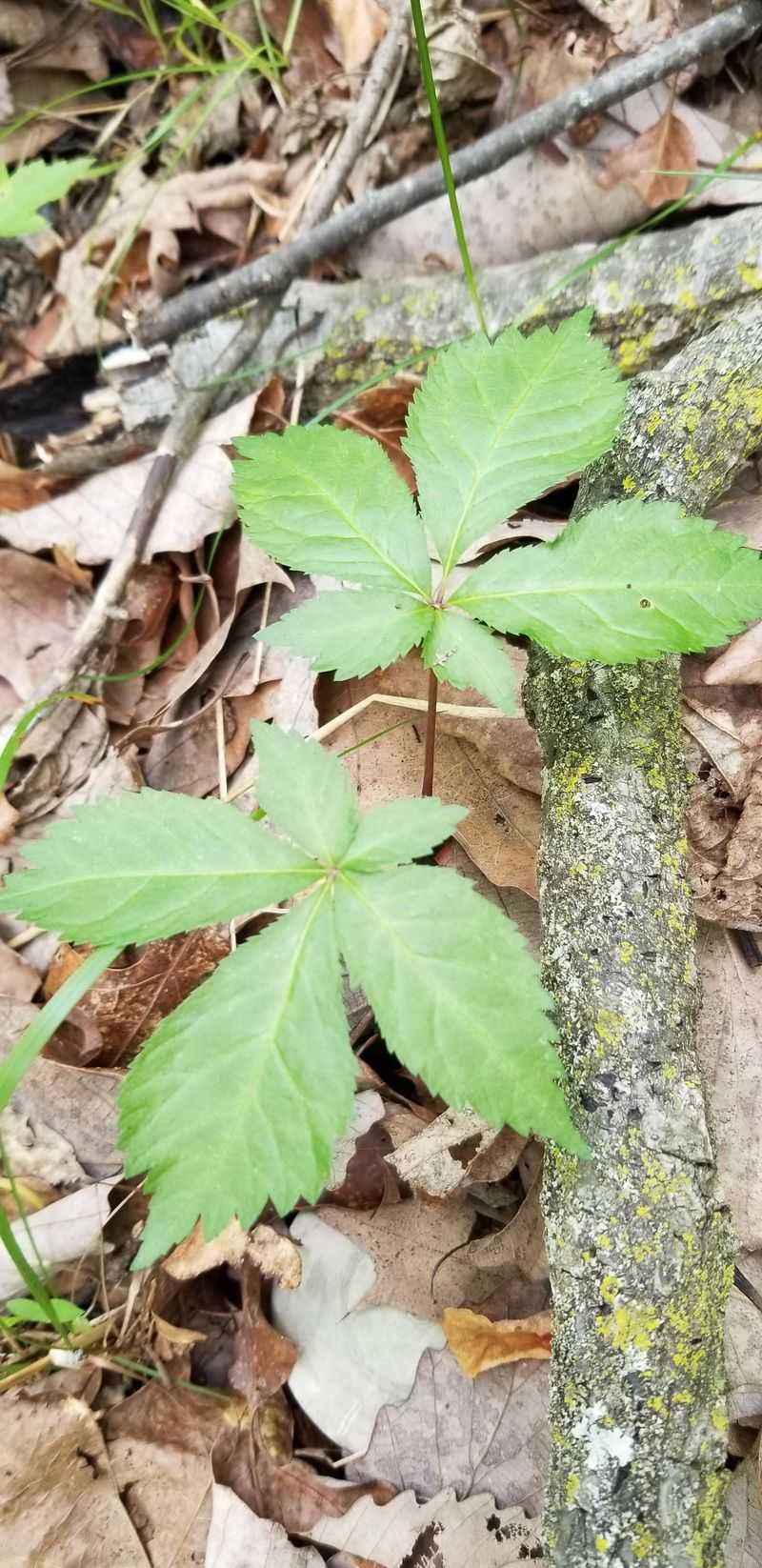
Pull out a ginseng root on Missouri state land, and you might pull out a hefty fine too. Wild ginseng is one of the most regulated plants in the entire state, and for good reason.
American ginseng has been harvested for centuries, prized in traditional medicine across Asia and North America. That demand pushed many wild populations into steep decline.
Today, Missouri tracks ginseng populations closely and enforces strict harvest rules. On conservation areas and state parks, collecting ginseng is prohibited.
Harvest is only permitted on private land, and only with the landowner’s permission. Even there, harvesters need a valid permit and must follow tight guidelines about root size and replanting seeds. Ginseng grows slowly, taking around five to ten years just to reach maturity.
One careless afternoon of digging can set back a patch that took generations to establish. That slow growth rate is exactly why patience matters more than a quick dig.
The plant prefers shaded, north-facing slopes with rich, well-drained soil. It often grows near other woodland herbs like black cohosh and bloodroot.
Spotting it in the wild feels like a treasure hunt, but the treasure is better left in the ground. If you love ginseng for its health benefits, buy it from licensed cultivators instead.
Cultivated ginseng is widely available and does not carry the ecological cost of wild harvesting. Protecting wild populations now means future generations can still find this remarkable plant growing quietly on a Missouri hillside.
2. Goldenseal Populations Are Already Under Pressure
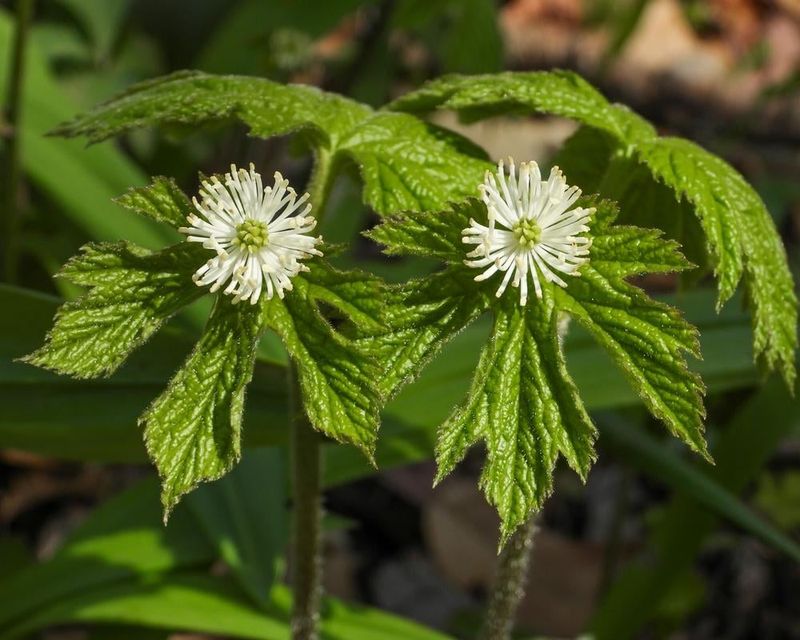
Goldenseal looks modest from above, just a cluster of broad leaves on a shady forest floor. But underground, it holds a bright yellow root that has made it one of the most over-collected medicinal plants in America.
Early Appalachian settlers relied on goldenseal as a natural remedy for a wide range of ailments, passing the knowledge down through generations. Its reputation as a cure-all herb eventually pushed demand far beyond the mountains where it first grew.
Demand for goldenseal in herbal supplements skyrocketed in the 1990s and hasn’t really slowed down since. Wild populations across the Midwest declined sharply.
In Missouri, goldenseal is considered vulnerable in the region, and its numbers are closely watched. Harvesting goldenseal on conservation areas and state parks is prohibited.
Your Missouri Garden Changes Every Week. Your Plan Should Too.
Gardening in Missouri changes quickly throughout the season. Every Friday you’ll receive a simple weekly plan showing exactly what to plant, prune, fertilize, harvest, and protect so you never miss the right timing.
The plant reproduces slowly and does not bounce back quickly after disturbance. A single growing season of heavy picking can set a colony back by years.
Goldenseal thrives in rich, moist woodland soil, often growing alongside trillium and wild ginger. Finding a healthy patch is genuinely exciting for any nature lover.
But the right response is to photograph it, not pocket it. Some foragers argue that sustainable harvesting is possible in the wild. That argument falls apart on public land, where dozens of people might visit the same patch.
Cumulative pressure from multiple visitors adds up faster than the plant can recover. Licensed growers in Missouri and neighboring states cultivate goldenseal specifically for the supplement market.
Choosing cultivated sources protects wild colonies without sacrificing access to the herb. Leaving goldenseal alone on state land is one of the simplest ways to help a struggling native species hold its ground and survive.
3. Edible Greens Are Off Limits In Natural Areas
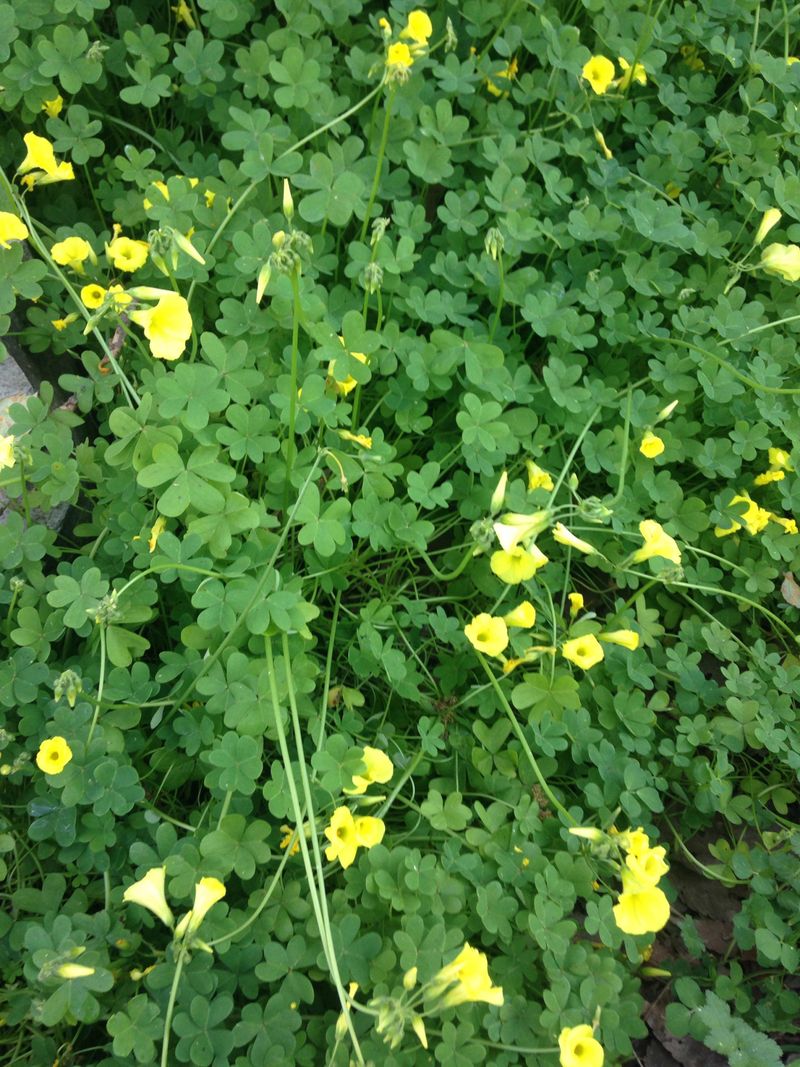
Imagine a crisp spring morning and a creek bank lined with tender wild greens. It sounds like the perfect foraging moment, but on Missouri natural areas, picking those greens is against the rules.
Natural areas are a specific designation in Missouri’s conservation system. These sites are set aside to protect rare ecosystems and native plant communities in their most intact form.
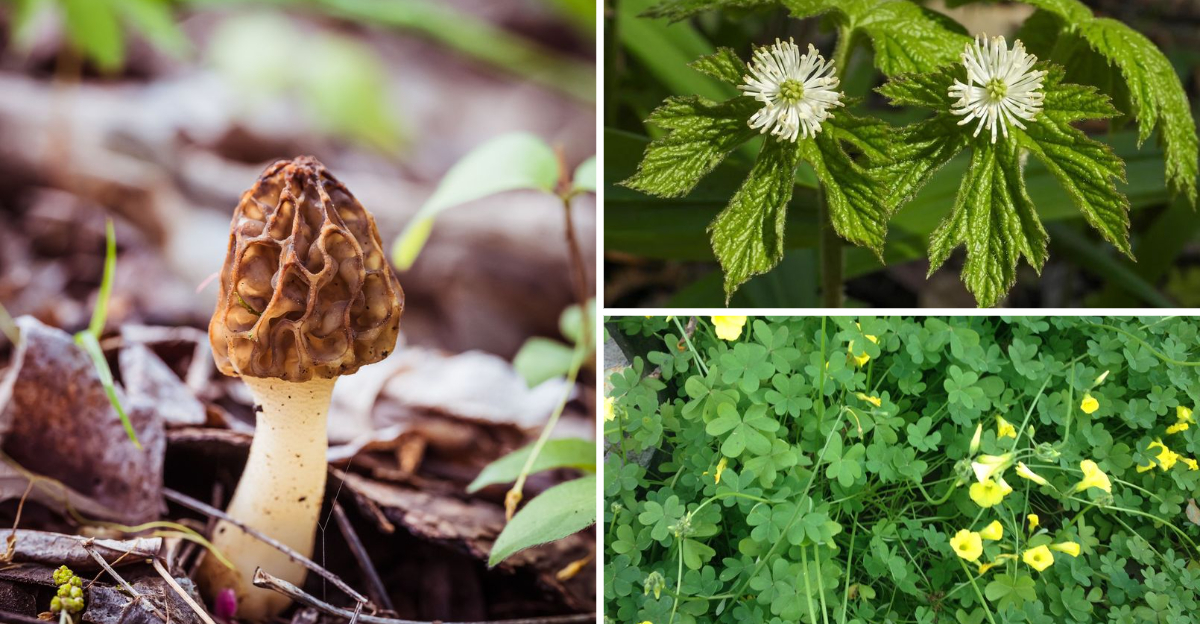
Harvesting edible wild greens is specifically prohibited in these zones. Plants like wood sorrel, watercress, and wild violets might seem abundant, but their presence supports entire food webs.
Insects, birds, and small mammals depend on these plants for food and shelter. Removing even a modest amount disrupts those relationships in ways that are hard to predict.
Missouri has dozens of designated natural areas spread across the state. They range from glades and fens to old-growth forest remnants.
Each one is managed to keep human impact as low as possible, which means hands off the plants. Foragers sometimes assume that common greens are fair game anywhere outdoors.
That assumption gets people into legal trouble fast. Conservation agents do patrol natural areas, and fines for plant collection can be surprisingly steep.
Many of these same greens grow abundantly on private land and along roadsides outside protected zones.
Learning to identify them in the wild is a valuable skill you can practice without picking a single leaf on public land. That’s why hands stay off the greens here, so the ecosystem keeps functioning the way nature intended.
4. Ramps Take Years To Recover From Picking
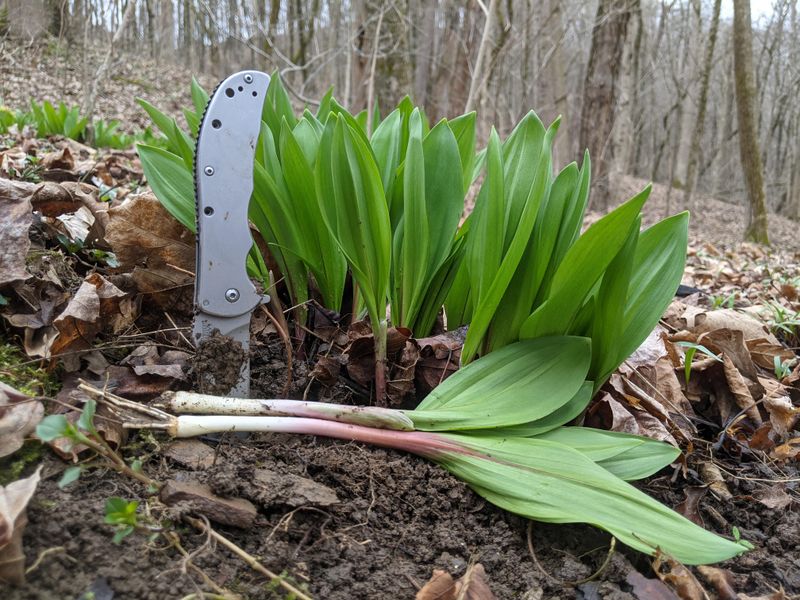
Few wild foods inspire as much excitement as ramps in early spring. That garlicky, oniony punch is unlike anything you can buy at a grocery store.
But ramps are one of those plants that pay a serious price for their popularity. Wild ramps grow in dense colonies in moist, shaded forests.
They look vigorous and plentiful, which tricks people into thinking they can handle heavy harvesting. The reality is quite different beneath the surface.
Ramps reproduce slowly through both seed and bulb division. A colony can take years to double in size.
When foragers dig bulbs or strip leaves from a patch, recovery can take many seasons. On Missouri conservation areas and state parks, collecting ramps is restricted or prohibited depending on the specific location.
Some areas allow limited leaf harvest without digging bulbs, but even that guidance varies by site. Always check the specific rules before visiting.
The ecological role of ramps goes beyond their flavor. Their early spring leaves capture sunlight before the forest canopy fills in, feeding energy back into the soil as they decompose.
Deer, wild turkeys, and other animals also browse on ramp colonies throughout the season. Chefs and food enthusiasts have driven demand for ramps to new heights in recent years.
That cultural moment has real consequences for wild populations on public land. If you love ramps, support farmers who cultivate them responsibly instead of depleting a colony that took generations to grow.
Patience and restraint are the best tools a ramp lover can carry into the woods.
5. Mushroom Foraging Is Restricted In Certain Zones
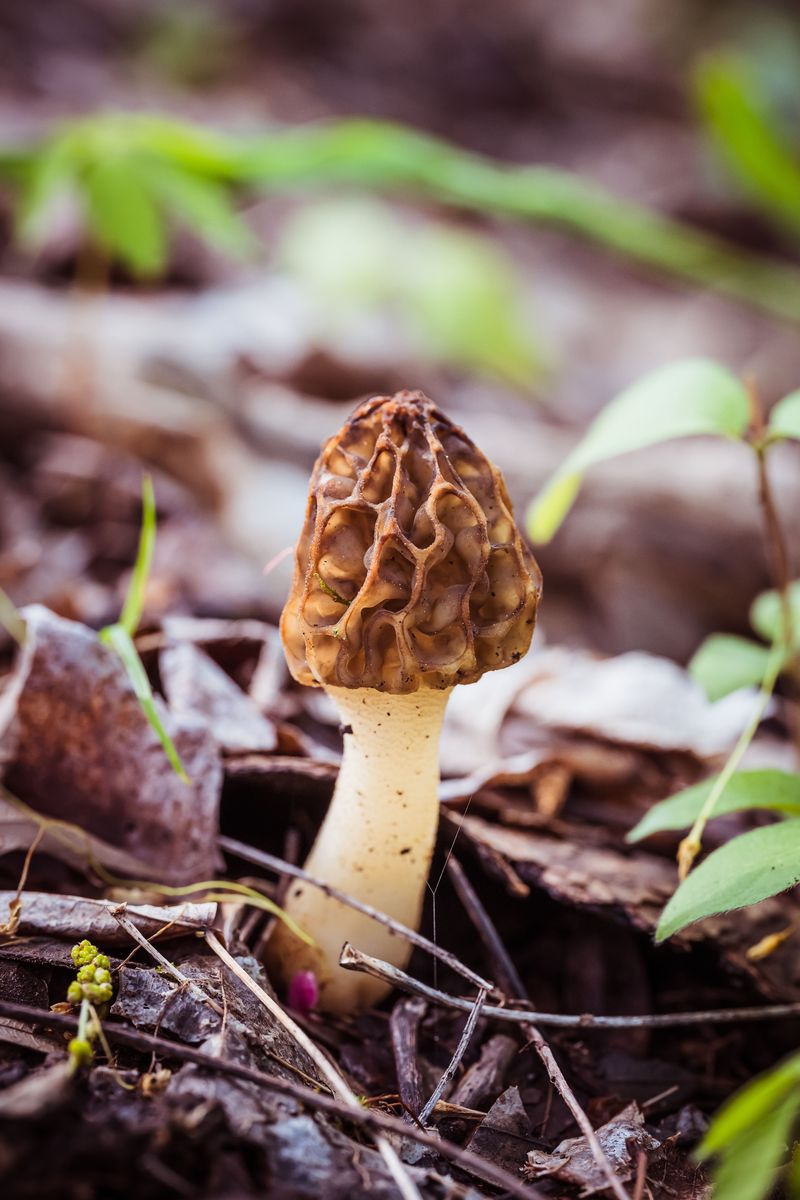
Morel season in Missouri is practically a holiday for outdoor enthusiasts. Those honeycomb-capped fungi are delicious, elusive, and fiercely sought after every spring.
But not every patch of public woods is open for the picking in the same way. Missouri state parks limit mushroom collection to small personal-use amounts, and some sites restrict it further.
The parks system prioritizes ecological preservation over recreational harvesting, so rules can vary from park to park. Taking more than the allowed amount from a state park is a violation, even if the mushrooms seem plentiful.
Conservation areas managed by the Missouri Department of Conservation operate under their own rules. Personal use harvest of mushrooms is generally allowed on conservation areas, but there are quantity limits and zone-specific restrictions.
Checking the regulations for your specific destination before you go is non-negotiable. Mushrooms play a critical ecological role that most people overlook.
They break down bare wood, cycle nutrients back into the soil, and form underground networks that connect tree roots. Removing large quantities disrupts those systems in ways that ripple through the whole forest.
Some foragers argue that picking the fruiting body does not harm the underground mycelium. While that is partially true, heavy foot traffic, soil compaction, and repeated disturbance around fruiting sites do cause measurable damage over time.
The mushroom you see is just the tip of a vast underground organism. Learning the rules for each specific area is the smartest move any mushroom hunter can make.
A quick call to the local conservation office or a check of the MDC website takes five minutes. That’s why restraint matters here, letting fungal networks keep doing their quiet work underground.
6. Nuts And Berries Have Personal Use Limits
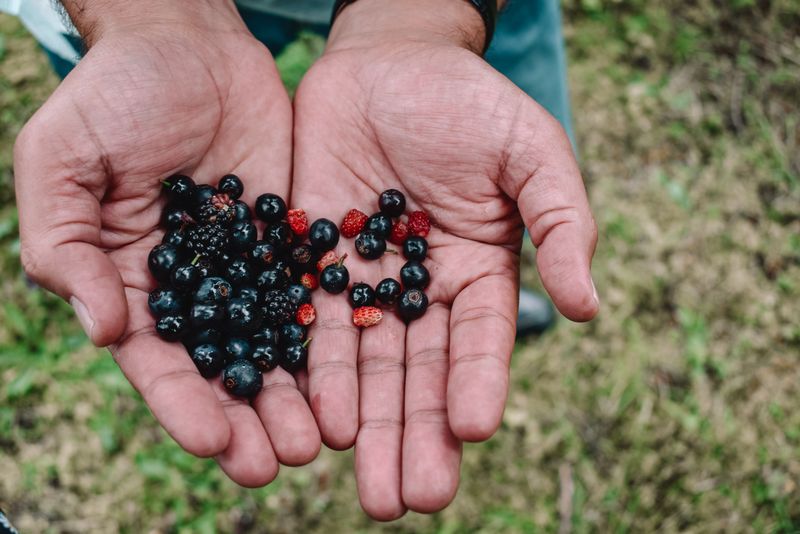
Grabbing a handful of wild berries on a hike feels as natural as breathing. Cracking open a black walnut and tasting that rich, earthy flavor is one of fall’s great pleasures.
But even these seemingly casual acts come with rules on public land. Missouri conservation areas allow personal use harvest of nuts and berries, but there are firm quantity limits.
Many areas cap personal collection at around one gallon per visit. Exceeding that amount, even accidentally, puts you in violation of state regulations.
State parks have their own rules. Missouri state parks allow only small personal-use amounts of nuts and berries, capped at about one gallon per visit, and picking flowers or damaging plants is prohibited.
The goal is to keep the park environment as undisturbed as possible for all visitors and wildlife. Wildlife depends heavily on nut and berry crops to build fat reserves before winter.
White-tailed deer, wild turkeys, black bears, and dozens of songbird species rely on these food sources during critical parts of their annual cycle. A good mast crop can mean the difference between a healthy wildlife population and a struggling one.
Elderberries, pawpaws, persimmons, and wild grapes are among the most commonly found edible fruits on Missouri public lands. Each one supports a specific set of wildlife species that evolved alongside it.
Stripping a shrub bare leaves nothing for the animals that counted on that food source. Keeping your harvest modest and within legal limits is the right approach.
Take what you need for a snack or a small recipe, then leave the rest. That simple habit keeps both the ecosystem and your conscience in good shape all season long.
7. American Lotus Grows In Protected Wetland Habitat
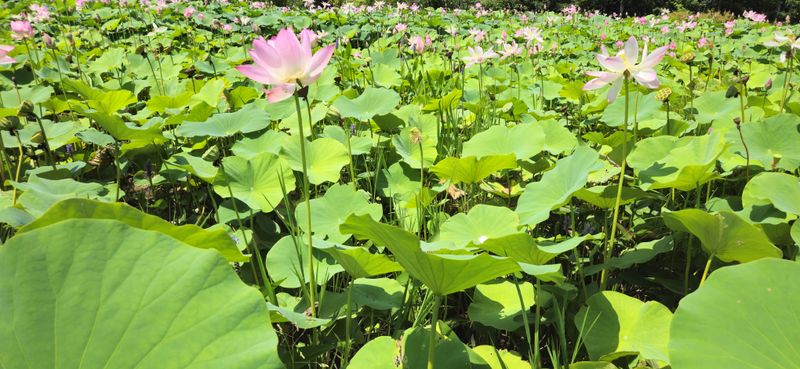
Few sights in Missouri nature are as stunning as a wetland covered in American lotus blooms. Those giant pale-yellow flowers rising above circular leaves make the whole pond look like a painting.
But this plant is far more than a pretty face. American lotus is a native aquatic plant that grows in shallow lakes, ponds, and slow-moving rivers across Missouri.
Most parts of the plant are technically edible, from the seeds to the roots to the young leaves. Indigenous communities used it as a food source for thousands of years.
On protected wetland areas and state parks, collecting American lotus is prohibited. Wetland habitats are among the most fragile and ecologically valuable ecosystems in the state.
Disturbing aquatic vegetation can destabilize entire wetland communities almost immediately. Lotus plants provide nesting cover for waterfowl, feeding habitat for fish, and shelter for amphibians.
Their large leaves shade the water, reducing algae growth and keeping water temperatures stable. Pulling roots or harvesting seeds removes resources that dozens of species depend on throughout the year.
Wetland regulations in Missouri are enforced by both state conservation agents and federal authorities in some cases. Violations can carry significant fines under wetland protection laws.
The stakes are genuinely high for anyone who ignores the posted rules at a wetland site. That’s exactly why wetland zones call for extra restraint, since the balance there is already so delicate.
Watching a lotus bloom from the bank is a reward in itself. Some things are worth more as experiences than as ingredients, and American lotus is one of them.