Why Assassin Bugs Show Up On North Carolina Zinnias As Garden Pest Activity Builds
Zinnias are basically the life of the party in a North Carolina garden, and once those bright blooms open up, the guest list gets very interesting very fast.
Aphids, beetles, caterpillars, and all kinds of small arthropods show up to the flowers, and where prey insects gather, predators are usually not far behind.
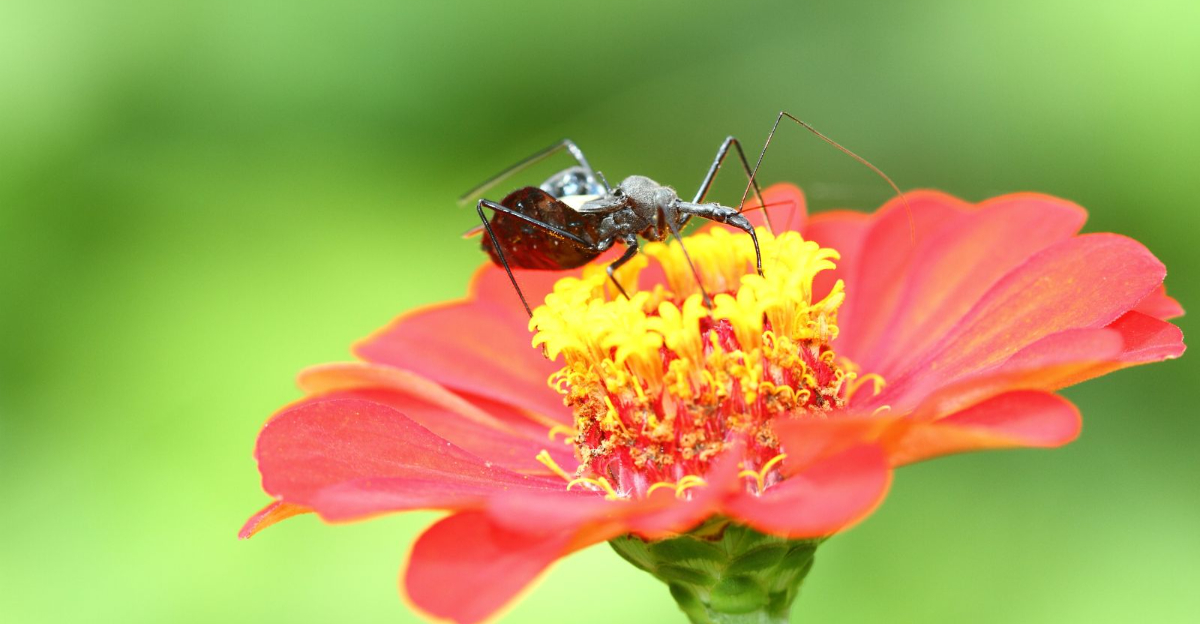
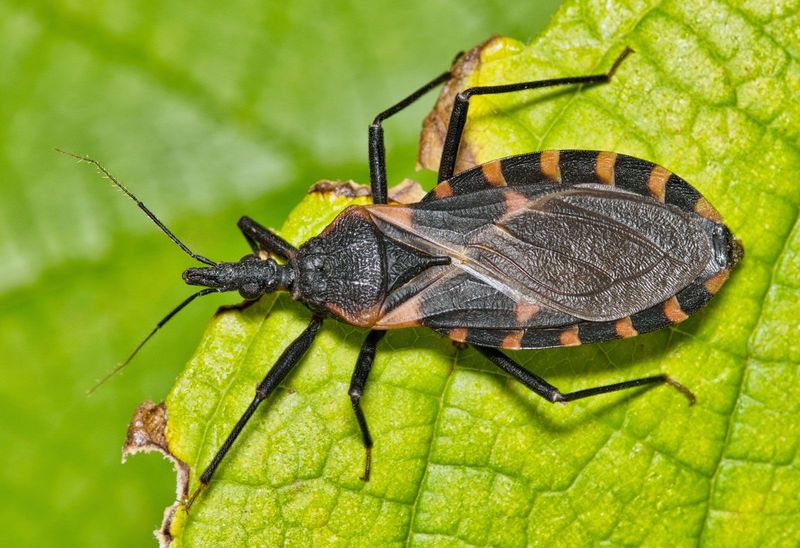
Assassin bugs are among the generalist hunters that may show up around insect-active zinnias, quietly doing their thing while you are busy admiring the blooms. It sounds a little dramatic, and honestly it kind of is.
Learning to tell the difference between plant-feeding pests, pollinators just passing through, and beneficial predators actually working in your favor is one of the more rewarding skills a North Carolina gardener can develop.
Your zinnia bed has more going on than it looks.
1. Zinnias As A Magnet For Beneficial Insects
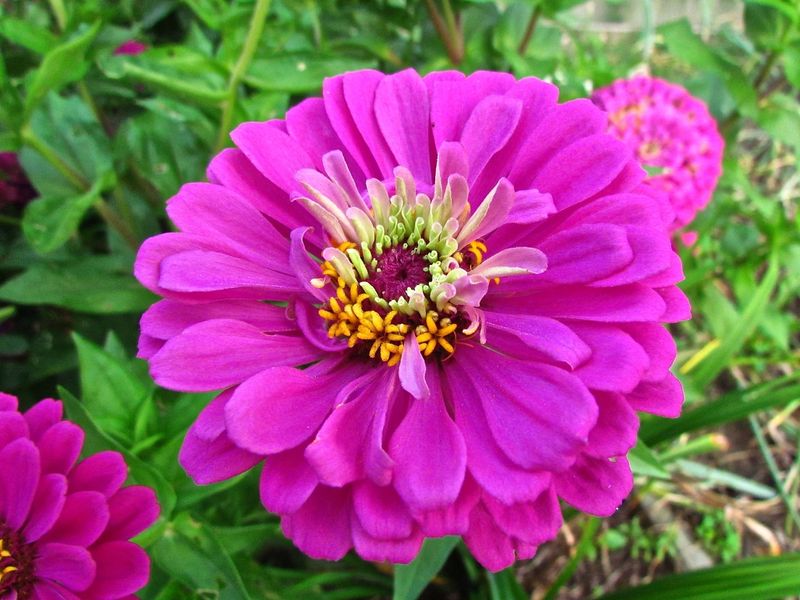
Flower beds packed with zinnias tend to draw a surprising variety of insects, and much of that traffic has nothing to do with damage.
Open, easy-to-reach blooms offer nectar and pollen, which can support pollinators like bees and other flower visitors moving from plant to plant.
Their long flowering period can also keep zinnia beds active with visitors for much of the growing season. That steady activity gives gardeners plenty of chances to observe how different insects use the flowers.
Not every zinnia planting attracts the same crowd, though. The insects you notice depend on your local surroundings, the season, and what else is growing nearby in your North Carolina landscape.
A yard with a mix of plants often provides more places for insects to forage and shelter.
Because zinnias can gather so much insect activity, they may also become spots where predatory insects show up looking for food. Where small prey insects are present, hunters may follow.
That connection is part of why these flowers can feel so lively during the warmer months.
It helps to remember that a busy zinnia bed is not automatically a troubled one. Seeing insects on and around your flowers is normal, and many of those visitors are harmless or even helpful.
Watching who comes and goes gives you useful information. Over time, you start to recognize which insects are simply passing through, which are feeding on the plant, and which might be predators keeping an eye out for a meal among the blooms.
2. Common Pests Found On Zinnias
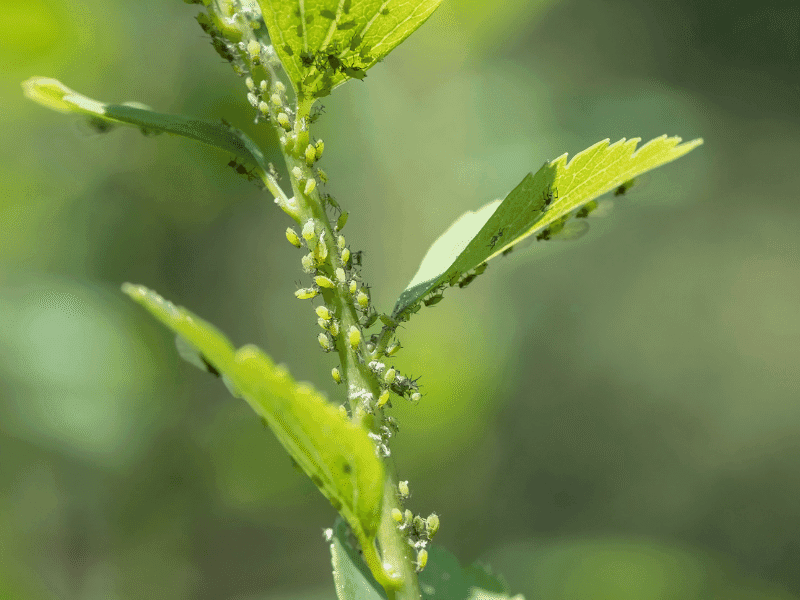
Gardeners inspecting their zinnias may come across a few familiar troublemakers.
Aphids are among the small, soft insects that can cluster on tender growth, and chewing insects such as certain beetles and caterpillars may leave holes or ragged edges on leaves and petals.
NC State Extension specifically notes that Japanese beetles, aphids, and mites may be seen on common zinnias. Checking the plant closely can help you tell whether you are seeing an isolated visitor or a pest problem that may need more attention.
How much of a problem these insects become can shift from one garden to the next. Location, weather, plant health, and the time of season all influence which pests appear and how severe their feeding turns out to be.
Your North Carolina Garden Changes Every Week. Your Plan Should Too.
Gardening in North Carolina changes quickly throughout the season. Every Friday you’ll receive a simple weekly plan showing exactly what to plant, prune, fertilize, harvest, and protect so you never miss the right timing.
A rough patch one summer may not repeat the next.
There is an important difference between simply spotting an insect and having enough feeding to justify action. A single aphid or a couple of chewed leaves usually does not signal a crisis.
Zinnias are fairly tough and can often shrug off minor nibbling without much trouble.
Paying attention to the amount of damage matters more than the presence of any one bug. Light feeding that stays light may need nothing at all, while spreading damage on many plants deserves a closer look.
Keeping a mental note of what you find, and how it changes week to week, helps you respond in a measured way. That habit keeps you from overreacting to normal insect activity in your North Carolina zinnia bed while still catching real issues early.
3. Assassin Bugs Following Available Prey
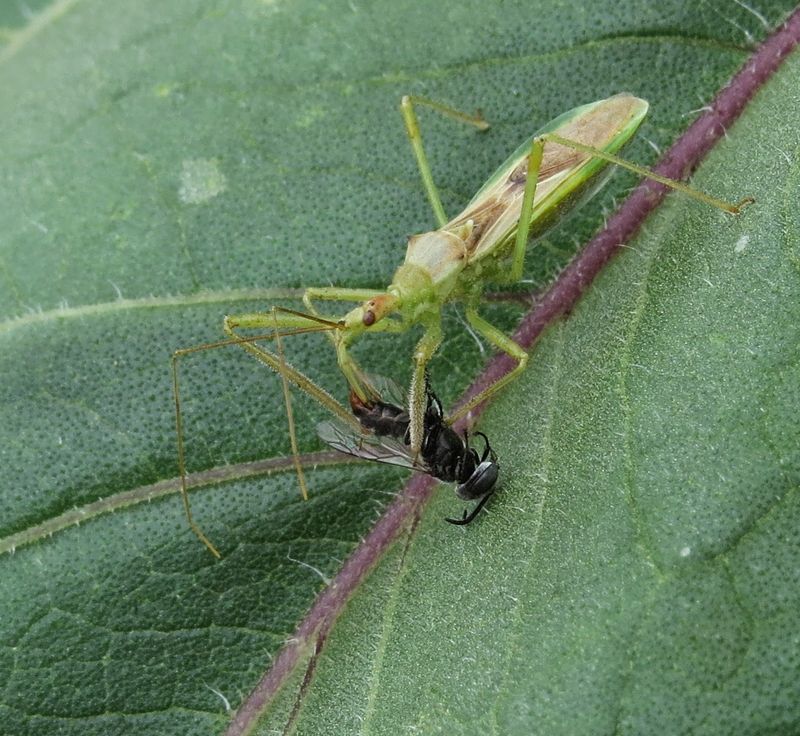
Where prey insects gather, predators often turn up nearby, and assassin bugs fit that pattern well. These insects are generalist predators, meaning they feed on a broad range of other insects rather than sticking to a single type of meal.
That broad feeding habit can put assassin bugs in the same garden spaces as aphids, caterpillars, beetles, and other potential prey.
An assassin bug grasps its prey and feeds using piercing-sucking mouthparts, which lets it handle many different soft-bodied insects. That flexible diet is a big reason they can show up in gardens where suitable food is around.
It would be a stretch to say assassin bugs seek out zinnias because they favor the flower itself. What draws them is more likely the insect activity happening on and around the blooms.
Prey availability is a key piece of understanding why any predator appears in a particular spot.
So if your North Carolina zinnias are hosting aphids or other small insects, an assassin bug wandering through is simply following the food. The plant becomes a hunting ground rather than a chosen home.
This helps explain why predator sightings often line up with times when other insects are active. When you notice an assassin bug on a zinnia stem, it usually means the local menu has something worth investigating.
Recognizing that link makes the whole scene easier to read and less mysterious.
4. Assassin Bugs As Beneficial Garden Predators
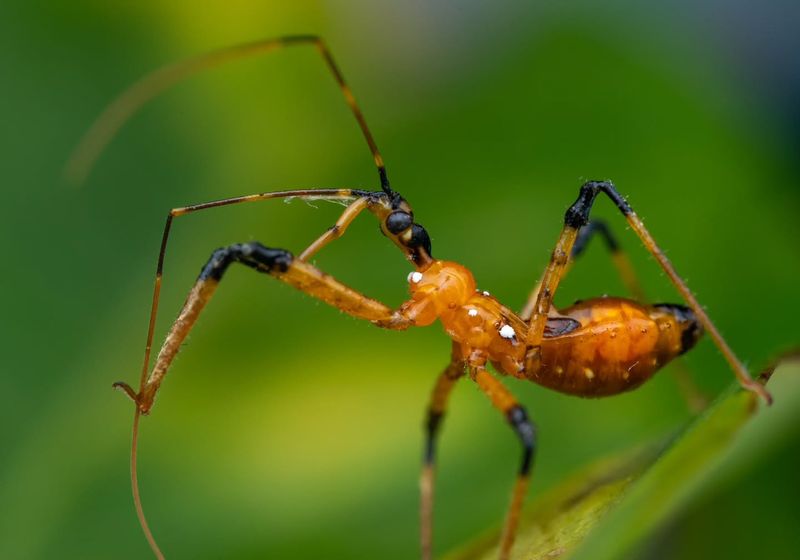
Despite a name that sounds a little dramatic, assassin bugs earn their place as helpful garden residents. They are predatory insects, which means they feed on other insects, and that habit can make them part of biological pest management in a home landscape.
By consuming pest insects they find, assassin bugs may help reduce some of the feeders that gardeners would rather not see on their zinnias. Their role is one small piece of a larger web of natural checks working in the background.
Still, it would be wrong to treat them as a full solution to pest troubles. A single predator species is not a stand-in for careful gardening, and their impact varies from place to place and season to season.
There is also a practical safety note worth keeping in mind. Assassin bugs are best observed rather than picked up, because some species can deliver a painful defensive bite if handled roughly.
Watching them do their thing is the smarter approach.
Think of them as quiet helpers rather than pets or pest-control machines. They are not harmful to your garden, and they can add value simply by being present where prey exists.
Giving them space to move among your North Carolina zinnias lets them contribute naturally without any effort on your part.
5. Natural Predators Helping Keep Pest Populations In Check
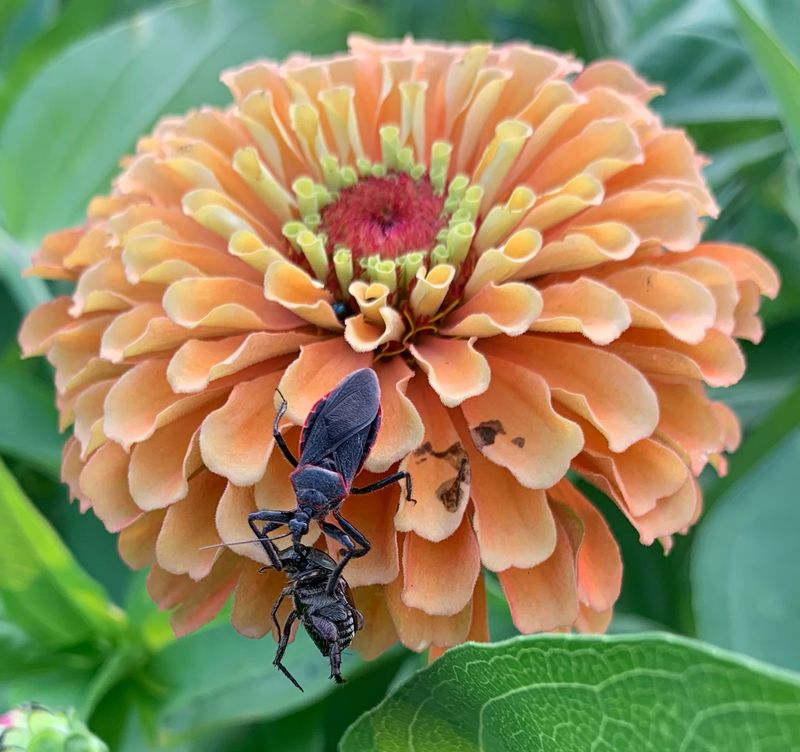
Biological control sounds fancy, but at heart it just means natural enemies helping limit pest numbers. Predators, along with other beneficial organisms, can contribute to keeping certain pest populations from growing out of hand in a garden.
Their effect is real, yet it is not steady or complete. How much help predators provide can change with the weather, the season, and how many prey insects are around at a given time.
Some situations get plenty of natural control, while others get little.
Because of that variability, it would be unwise to count on assassin bugs or any predator to remove a pest problem on their own. They may reduce some feeders, but they will not always provide enough help to protect every bloom.
Thinking of predators as partners rather than guaranteed fixers keeps expectations realistic. They work alongside healthy soil, good plant spacing, and your own attention to the garden.
In North Carolina beds, this teamwork often plays out quietly. You might not even notice predators trimming aphid numbers until you realize the problem never grew as large as you feared.
Supporting a variety of beneficial insects, rather than relying on one, gives your zinnias a better shot at staying balanced. That mix is what makes natural pest control more dependable over the long run.
6. Insect Activity Supporting Beneficial Predator Populations
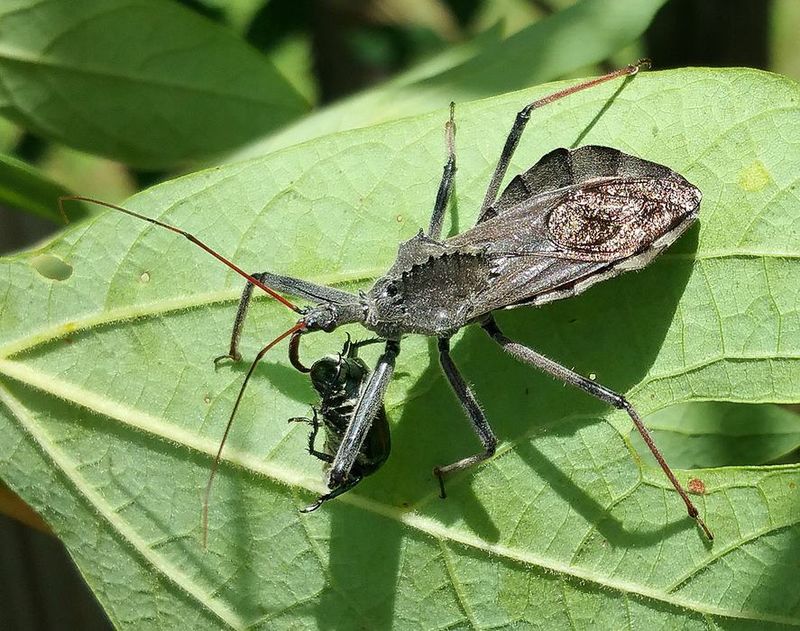
Predators need something to eat, and that simple fact shapes how many of them a garden can hold. A yard with some prey insects can offer food that supports predatory species, while a spot with almost no prey tends to attract far fewer hunters.
This is why predator and prey numbers are so closely tied together. When prey runs low, introduced or wandering predators may move on to find better feeding grounds elsewhere.
They follow the food.
None of this means you should let a damaging infestation build on purpose. Encouraging pests to feed heavily just to draw predators would put your zinnias at unnecessary risk, and that is not the goal.
The gentler takeaway is that a small amount of insect activity is normal and does not call for immediate treatment. A few insects moving through your North Carolina flower bed can actually help sustain the predators already living there.
Tolerating minor activity gives beneficial insects a reason to stick around. That patience often pays off, because predators present today may handle a small flare-up tomorrow before you ever need to step in.
Balance, not sterility, is what keeps this system working. A garden humming with a little life tends to support more helpers than one scrubbed clean of every bug.
7. Broad-Spectrum Insecticides Affecting Beneficial Insects
Reaching for a spray at the first sign of insects can backfire, which is why identifying the problem comes first. Knowing exactly what you are dealing with helps you decide whether any treatment is even needed.
Some insecticides work broadly, meaning they can affect beneficial organisms along with the target pests. When helpful predators like assassin bugs get caught in the crossfire, you may lose the very allies that were helping manage your zinnia pests.
That said, it would be unfair to lump every product together, since they differ in how they act and what they affect. The safest habit is to read and follow the product label carefully, because the label is the guide for correct and legal use.
An integrated pest management approach fits well here. That simply means combining observation, identification, and a range of tactics, saving chemical treatments for times when they are truly warranted.
Before spraying, ask whether the damage is serious enough to justify it and whether beneficial insects are already active. If predators are on the job, giving them time may be the wiser move for your North Carolina garden.
Thoughtful choices protect both your zinnias and the helpful insects living among them. A little restraint often keeps the whole system healthier than a quick, broad spray ever could.
8. Monitoring Zinnias Before Choosing A Pest Treatment
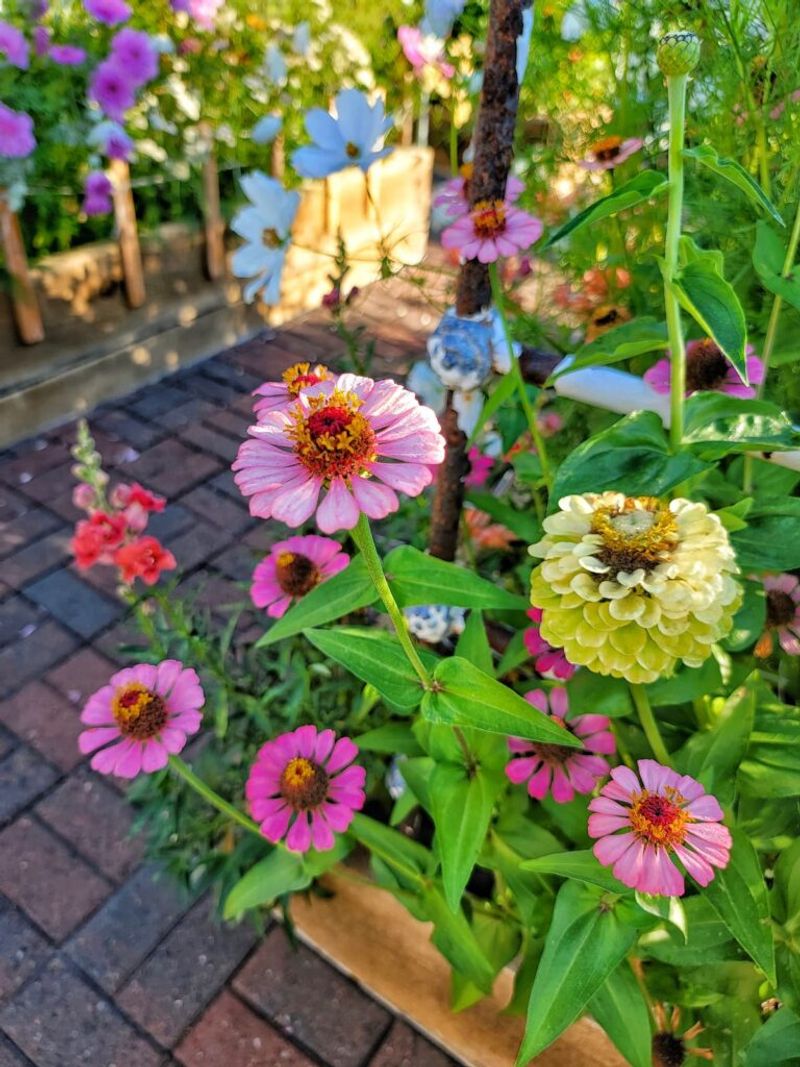
Good decisions start with a close look, so make regular inspection part of your zinnia routine. Check the leaves, stems, buds, and flowers, turning a few over to see what might be hiding underneath.
Once you spot something, try to identify what it is before reacting. Figuring out whether an insect is a plant-feeding pest, a pollinator, a casual visitor, or a beneficial predator changes everything about how you should respond.
Assessing the amount of damage matters just as much as naming the insect. A little chewing on a few leaves is very different from spreading damage across many plants, and only one of those situations may call for action.
Notice, too, whether predators are already active in the bed. If assassin bugs or other helpers are present and working, holding off on treatment may let nature handle a small issue for you.
Seeing a handful of insects does not automatically mean it is time to spray. Many North Carolina gardeners find that patience and observation solve more problems than they expect.
Following integrated pest management thinking keeps your response measured and sensible. Watch first, identify carefully, weigh the damage, and act only when the evidence clearly points that way.
That steady approach protects your zinnias and the beneficial insects that share them.