Keep Your Indiana Tomatoes Producing Through September With These August Tasks
You already sense your tomato plants are struggling. Heat this intense tests every choice you make.
Soil dries faster than your watering can fix. Roots struggle while your leaves curl from stress.
Leaves yellowing now warn you of deeper trouble. Fruit stalls when your plants doubt the weather.
Pests strike the instant your defenses look weak. Disease spreads fastest through plants you have overlooked.
Mulch gives your roots protection heat cannot break. Water timed wrong wastes your effort and money.
Pruning done wrong now costs you fruit later. Timing decides whether your harvest continues or fades.
Indiana weather shifts fast, and your plants notice everything. September in Indiana rewards you for protecting your plants now. Nothing about this season has to discourage you now.
Every choice you make now shapes what remains. Small adjustments protect the harvest you worked for. Ignore these signs, and your tomato season ends quickly.
1. Water Deeply And Consistently Through Hot Spells
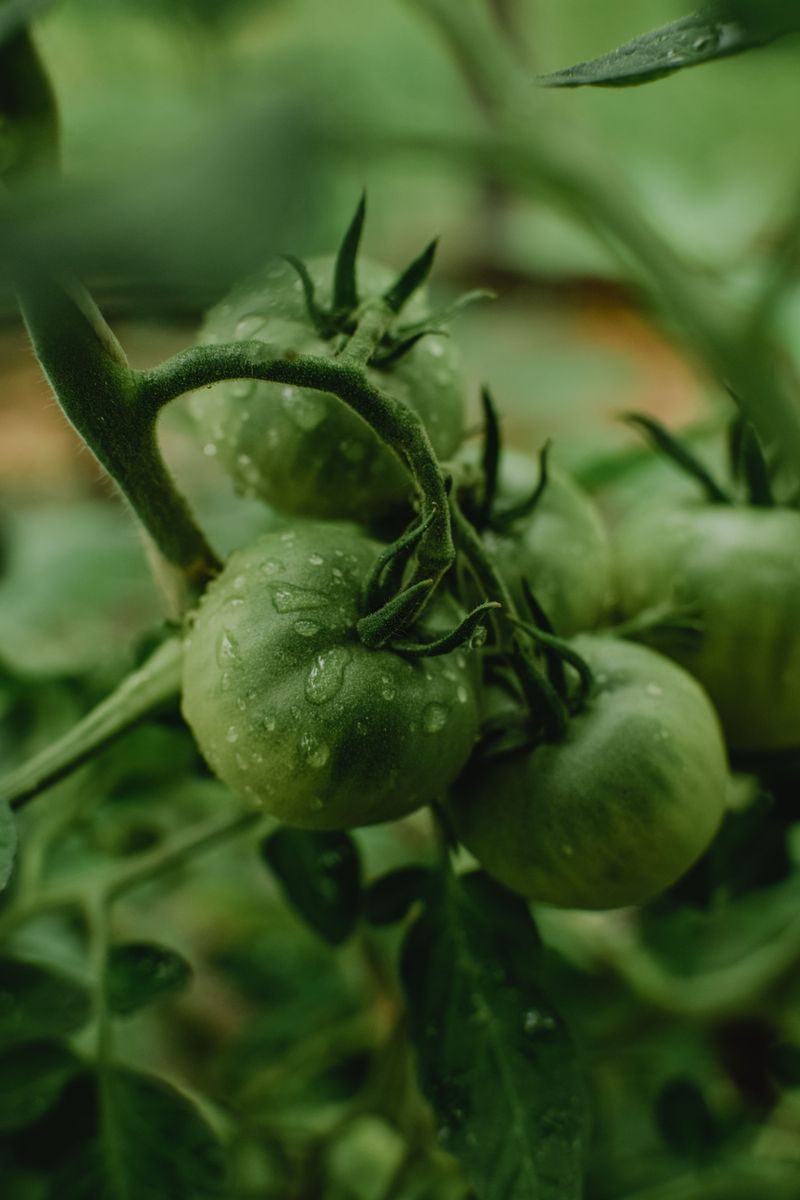
August heat in Indiana is no joke. Your tomato plants can lose moisture faster than you think, and shallow watering makes things worse.
Deep watering means soaking the soil at least six to eight inches down. That encourages roots to grow deeper, where the ground stays cooler and more moist.
Aim for one to two inches of water per week. A slow drip from a soaker hose works better than a quick sprinkle from overhead.
Watering in the early morning is the best habit you can build. The leaves dry before nightfall, which cuts down on fungal problems.
Inconsistent watering contributes to blossom end rot and cracked fruit by disrupting calcium uptake. Both of those affect otherwise healthy tomatoes right before harvest.
Set a timer if you tend to forget. Even a basic garden timer from a hardware store can save your crop during a heat wave.
Check the soil before you water by pushing a finger two inches deep. If it feels dry at that depth, it is time to water again.
Keeping your Indiana tomatoes producing through September starts with this one basic habit. Water well now, and your plants will reward you later.
2. Feed Plants With A Balanced Fertilizer Boost
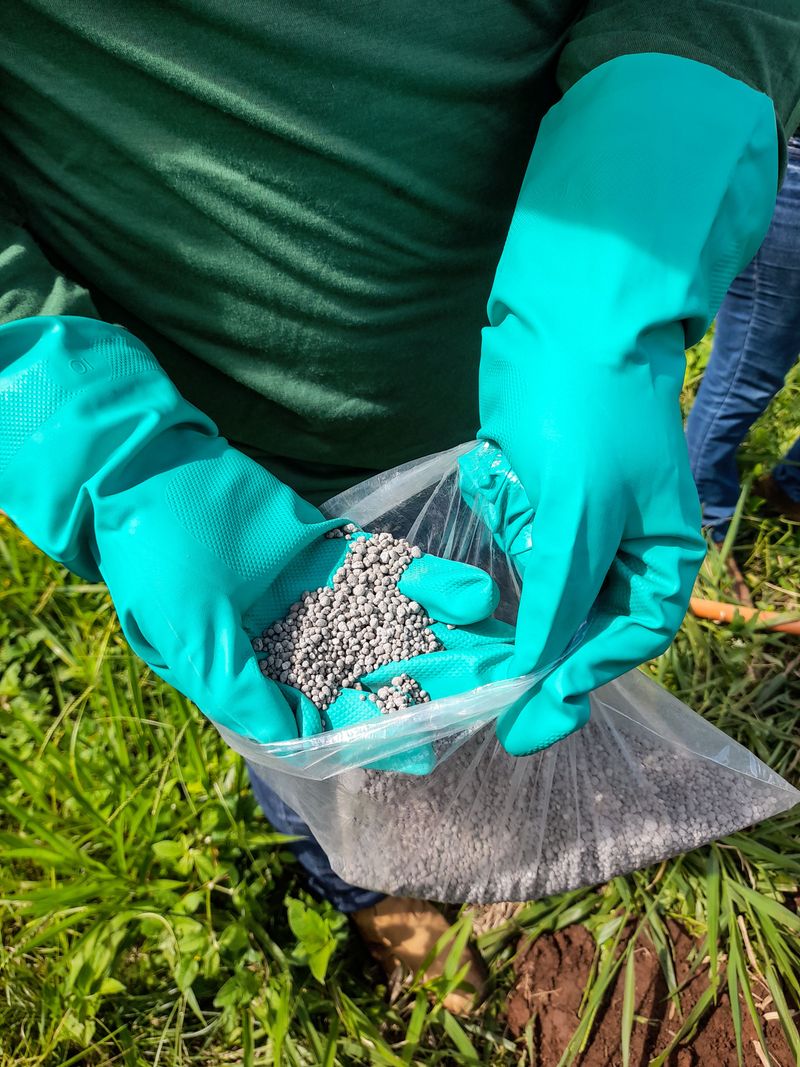
Tomatoes are heavy feeders, and by August, your soil may be running low on nutrients. A well-timed fertilizer boost can restart fruit production fast.
Choose a fertilizer lower in nitrogen but rich in phosphorus and potassium. A formula like 5-10-10 works well at this stage of the season.
Avoid going heavy on nitrogen alone in August. Too much nitrogen pushes leafy green growth instead of fruit, which is the opposite of what you want.
Granular fertilizers work great when scratched lightly into the soil around the base. Water them in well so the nutrients reach the roots quickly.
Liquid fertilizers are another solid option for a fast boost. They absorb quickly and can show results within just a few days.
Tomato-specific fertilizers often include calcium and magnesium too. Those extra minerals help prevent common problems like blossom end rot and yellowing leaves.
Your Indiana Garden Changes Every Week. Your Plan Should Too.
Gardening in Indiana changes quickly throughout the season. Every Friday you’ll receive a simple weekly plan showing exactly what to plant, prune, fertilize, harvest, and protect so you never miss the right timing.
Feed your plants every two to three weeks through the rest of the growing season. Consistent feeding keeps energy levels high for continued fruit set.
Gardeners who skip August fertilizing often wonder why their plants slow down. A small bag of balanced fertilizer is an easy fix that pays off in pounds of tomatoes.
3. Prune Away Yellowing Or Diseased Leaves
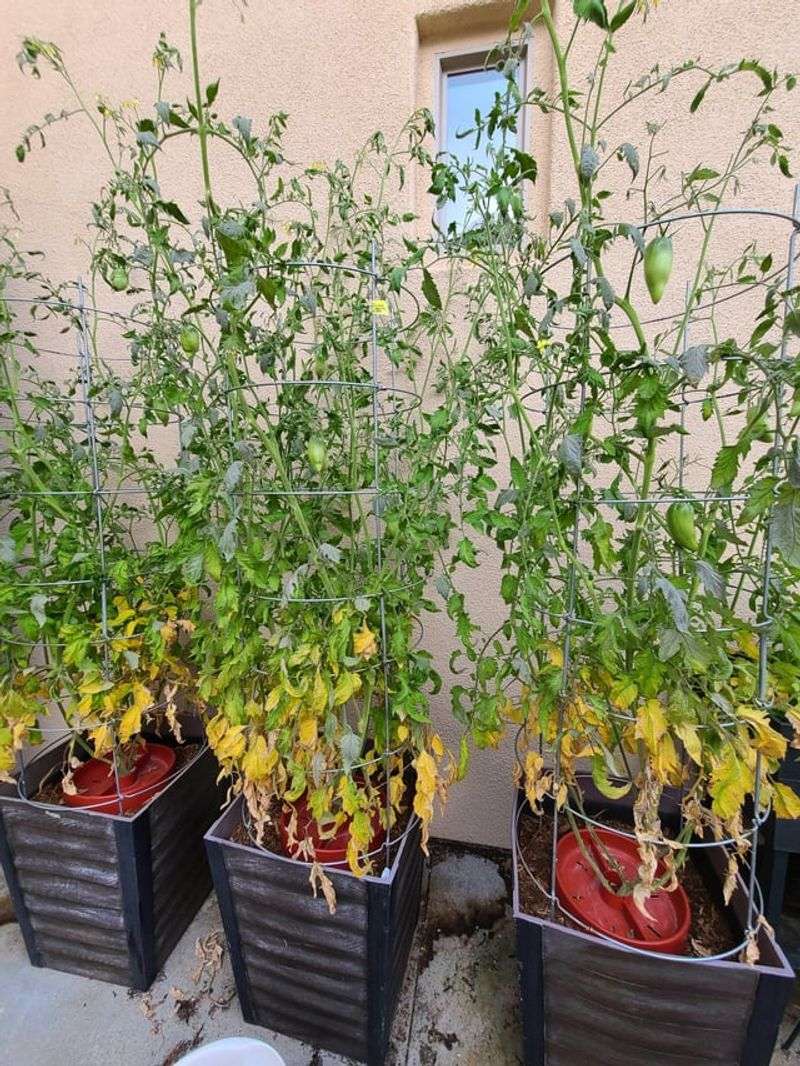
Yellow leaves on a tomato plant are a warning sign you should not ignore. They can signal disease, pest damage, or simply a plant running out of steam.
Removing those leaves right away stops problems from spreading to healthy parts of the plant. It also improves airflow, which is crucial in Indiana’s humid August weather.
Use clean, sharp pruning shears every time. Dirty blades can carry fungal spores from one plant to another without you even realizing it.
Cut the affected leaf off at the stem cleanly and completely. Do not leave a small stub behind, as that can become an entry point for disease.
Bag the removed leaves and toss them in the trash. Leaving diseased leaves on the ground near the garden lets problems linger and spread.
Focus on the lower third of the plant first. Those bottom leaves are usually the first to show signs of trouble because they sit closest to the soil.
A little pruning each week keeps your plants looking tidy and working efficiently. Healthy plants put their energy into producing fruit, not fighting off spreading disease.
Staying ahead of leaf problems is one of the most underrated ways to keep your tomatoes producing strong. A few minutes of pruning now saves a lot of trouble later
4. Remove Suckers To Redirect Plant Energy
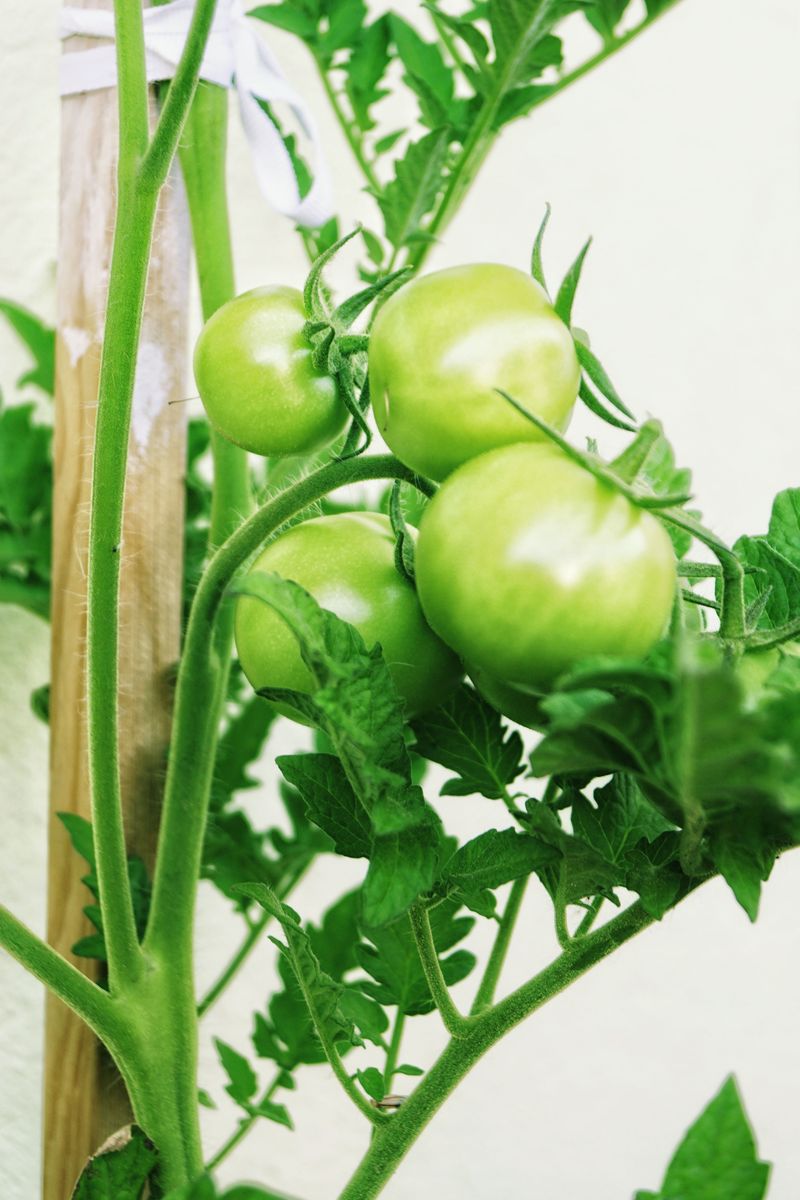
Suckers are sneaky little growths that pop up between the main stem and a branch. Left alone, they turn into full branches and drain energy from your fruit.
Pinching suckers off is one of the fastest ways to redirect a plant’s focus. You want that energy going straight into the tomatoes already forming on the vine.
Check for suckers every few days in August because they grow fast in the heat. A sucker that is small today can be a thick branch by next week.
Snap off small suckers with your fingers for a clean, quick removal. Larger suckers should be cut with pruning shears to avoid tearing the main stem.
Some gardeners debate whether to remove all suckers or just the lower ones. For late-season production, removing most of them keeps the plant focused on ripening existing fruit.
Indeterminate tomato varieties, which keep growing all season, benefit the most from regular suckering. Determinate varieties are more self-limiting, but they still benefit from occasional cleanup.
Think of suckering as a budget decision for your plant. Every sucker you remove is energy that goes back into the tomatoes you actually want to eat.
Keeping your Indiana tomatoes producing through the end of summer depends on these small weekly choices. Sucker removal is one of the easiest and most rewarding habits to build.
5. Mulch Heavily To Retain Soil Moisture
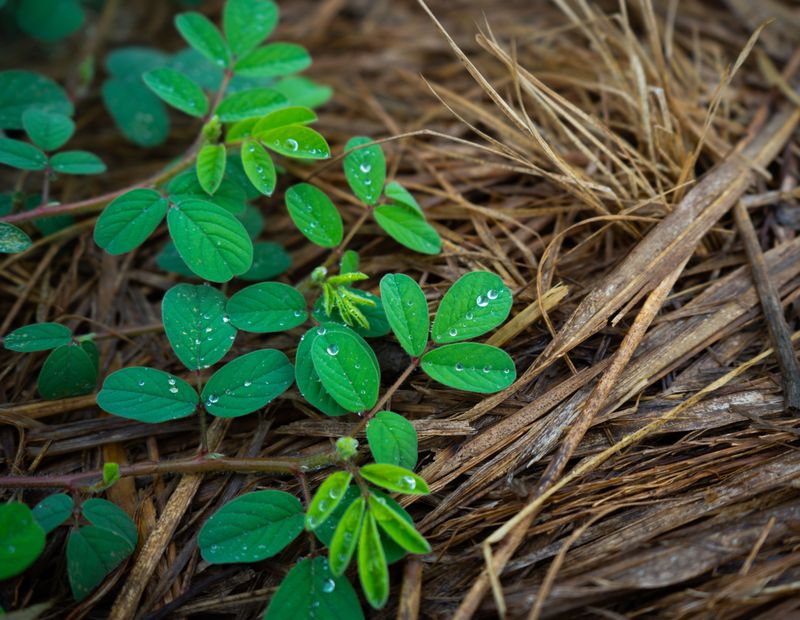
Bare soil in August bakes fast under the Indiana sun. A thick layer of mulch acts like a blanket that keeps moisture locked in and soil temperatures steady.
Straw mulch is a classic choice for tomato beds because it is cheap and effective. Spread it three to four inches deep around the base of each plant.
Wood chips and shredded leaves also work well as mulch materials. The key is keeping the mulch a few inches away from the main stem to prevent rot.
Mulch slows down water evaporation from the soil surface significantly. That means you can water less often without letting your plants get stressed.
Beyond moisture retention, mulch also suppresses weeds that compete with your tomatoes. Fewer weeds means fewer plants stealing water and nutrients from your crop.
Another benefit is splash reduction during watering or heavy rain. When soil splashes up onto leaves, it can carry fungal spores that cause early blight and other diseases.
If your mulch layer has thinned out since spring, add more now. August is actually a great time to refresh it before the hottest weeks hit.
Mulching is one of those garden tasks that keeps on giving long after you do it. A single afternoon of spreading straw can protect your plants for the rest of the season.
6. Check Regularly For Pests Like Hornworms
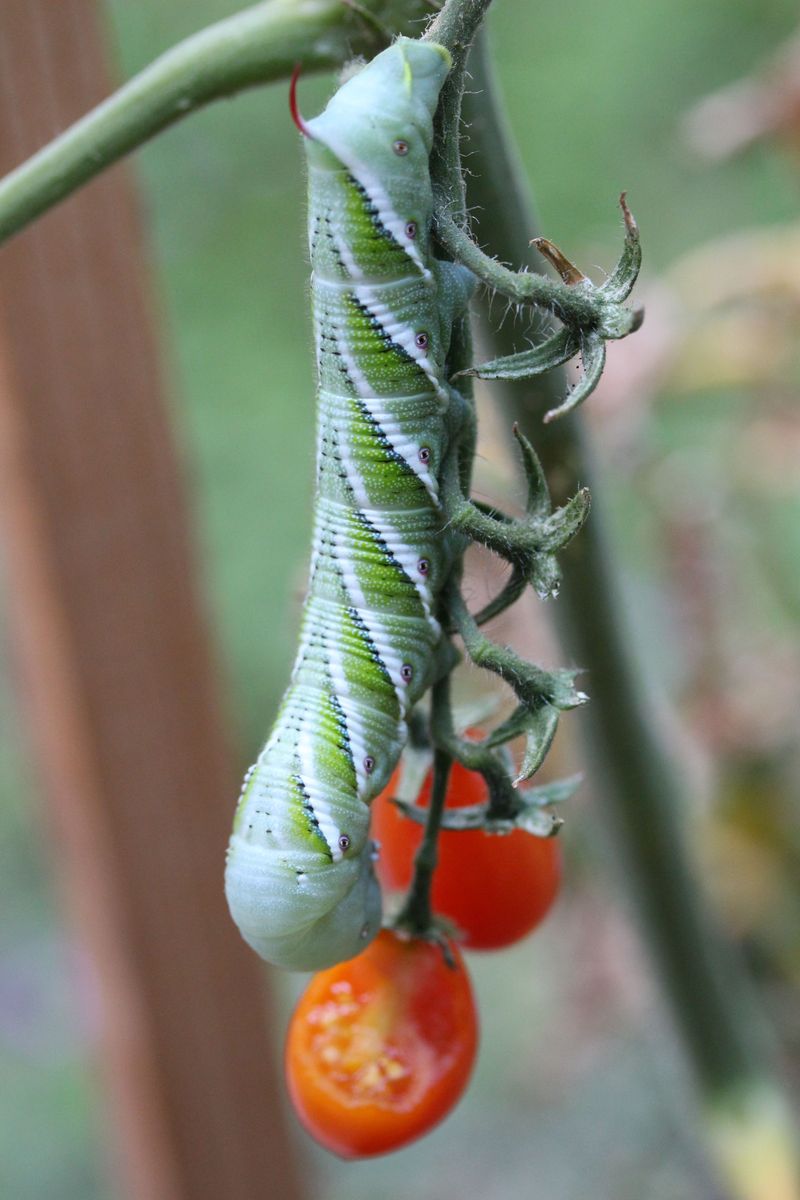
Tomato hornworms blend in easily with the foliage. These bright green caterpillars can cause significant leaf loss if left unchecked.
Check the undersides of leaves and along main stems every two to three days. Hornworms leave behind dark green droppings that look like tiny pellets, which is often the first clue.
Pick hornworms off by hand and drop them into a bucket of soapy water. Gloves are optional, but some people prefer them since the caterpillars can feel a bit slimy.
Besides hornworms, watch for aphids clustering on new growth at the top of plants. A strong spray of water from a hose knocks them loose quickly and effectively.
Spider mites are another August pest, especially during dry stretches. They leave a dusty, speckled look on leaves and can spread across a plant surprisingly fast.
Stink bugs also show up late in summer and pierce tomato skin to feed. Damaged fruit develops hard white spots underneath the surface that ruin the texture completely.
Neem oil spray is a low-toxicity, effective option for soft-bodied pests. Apply it in the early morning or evening, when pollinators are least active, to avoid burning leaves and protect beneficial insects.
Staying on top of pest checks is one of the most satisfying parts of gardening. Catching a problem early means your harvest stays healthy right through September.
7. Support Heavy Branches With Stakes Or Cages
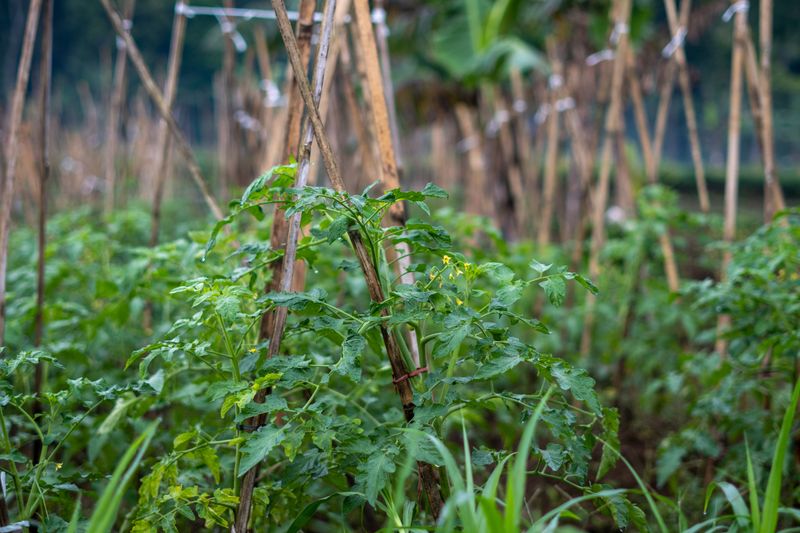
A tomato branch loaded with fruit is a beautiful sight. It is also a branch that is at risk of breaking under its own weight in strong wind.
August storms in Indiana can develop with little warning. Branches that are not supported can break under the combined weight of fruit and wind pressure.
Check your cages and stakes now to make sure they are still firmly anchored. Soil can loosen over a long summer, especially after heavy rain or repeated watering.
Soft garden twine is the best material for tying branches to supports. Avoid wire or rough string that can cut into the stem and damage the plant.
Figure-eight ties work well because they cushion the branch while still holding it securely. Loop the twine around the stake first, then around the branch with a gentle wrap.
Cages work great for bushy determinate varieties that spread outward. Tall indeterminate plants often need additional stakes beyond the original cage as they keep growing through August.
Look for branches that are bending low under the weight of developing fruit. Adding a small stake or extra tie at the right moment can save an entire cluster of tomatoes.
Giving your plants proper physical support is a sign of a gardener who plans ahead. Strong support now means a full, unbroken harvest through the end of the season.
8. Pinch Off New Flowers Late In The Month
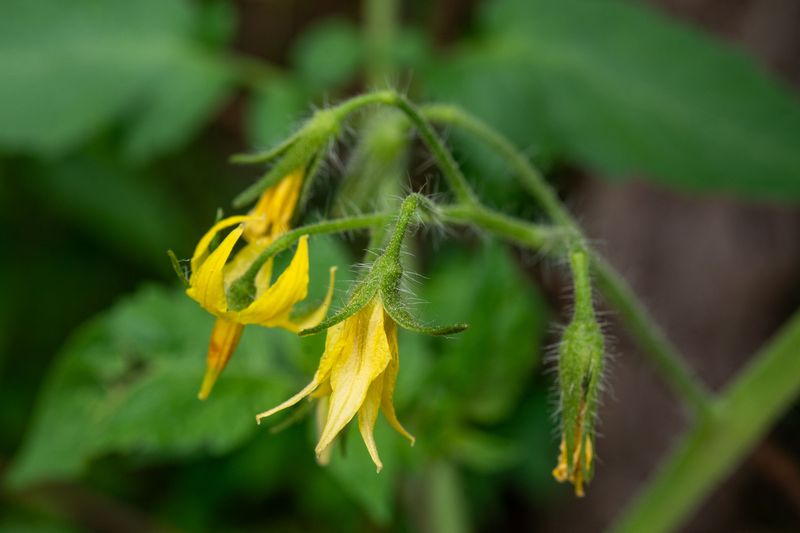
By late August, your tomato plants may still be pushing out fresh yellow flowers. Those flowers look promising, but most of them will not have enough time to become ripe tomatoes before frost hits.
Indiana’s first fall frost typically arrives anywhere from late September in the north to late October in the south. New flowers set in late August would need forty to fifty days to fully ripen, which pushes them right past the safe window.
Pinching off those late flowers redirects the plant’s energy to tomatoes already on the vine. Fruit that is already formed has a real shot at ripening before the cold moves in.
This task feels counterintuitive at first. Removing flowers from a tomato plant seems like you are reducing your harvest, but the opposite is actually true.
Focus the plant on finishing what it started rather than beginning something new. A tomato half-formed in August has far better odds than a flower that bloomed in late August.
Use your fingers to pinch the small flower clusters off cleanly. This takes only a few minutes and makes a noticeable difference in how the plant spends its remaining energy.
Some gardeners call this process topping. Whatever you call it, the result is the same: more ripe fruit before the season ends.
Keeping your Indiana tomatoes producing through September means making strategic choices now. Pinching late flowers is one of the smartest moves you can make this time of year.