What Arizona Yards Have When Lizards Keep Sunning On The Walls
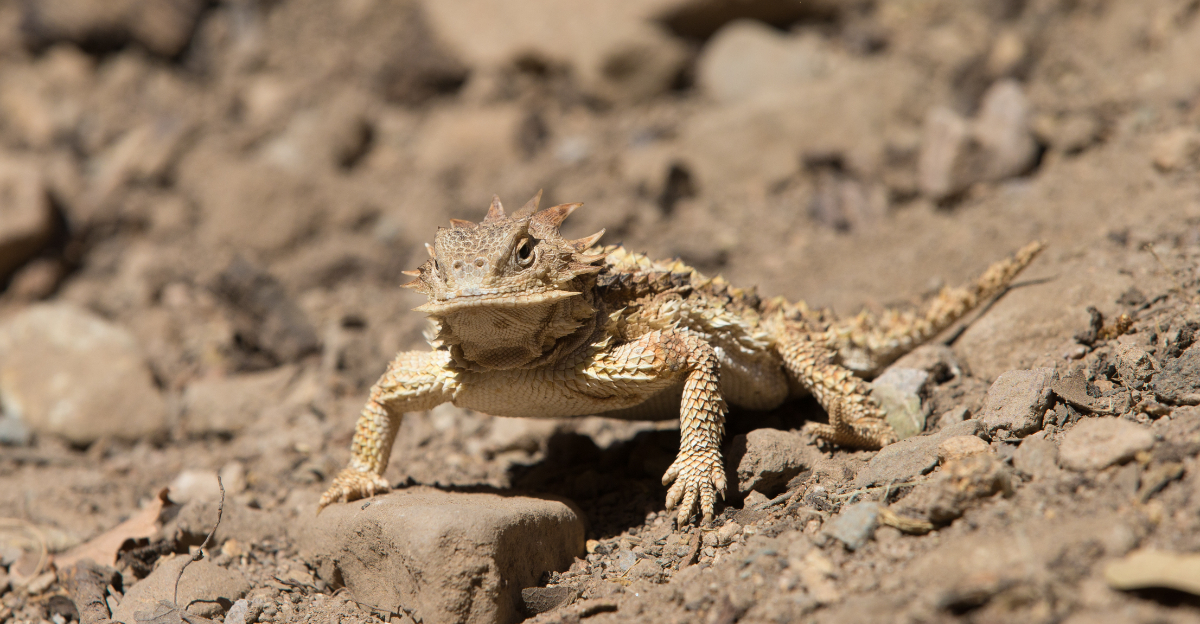
If lizards keep stretching out on your walls, your yard may be giving them what they need. Those surfaces can offer warmth and access to shelter.
In Arizona, walls heat up quickly and create basking spots for lizards. Watch where they gather, because their spots can reveal clues about your yard.
A wall beside plants, rocks, or hiding spaces can be appealing. Lizards often stay near areas where they can retreat when something approaches.
Their visits may tell you something about the food available nearby. Insect activity can give them reason to linger around your property.
You do not need to chase these visitors away when you spot them. Instead, notice when and where they appear often.
Their wall routine can reveal more about your yard than you might expect.
1. Those Sunny Walls Are Offering More Than Meets The Eye
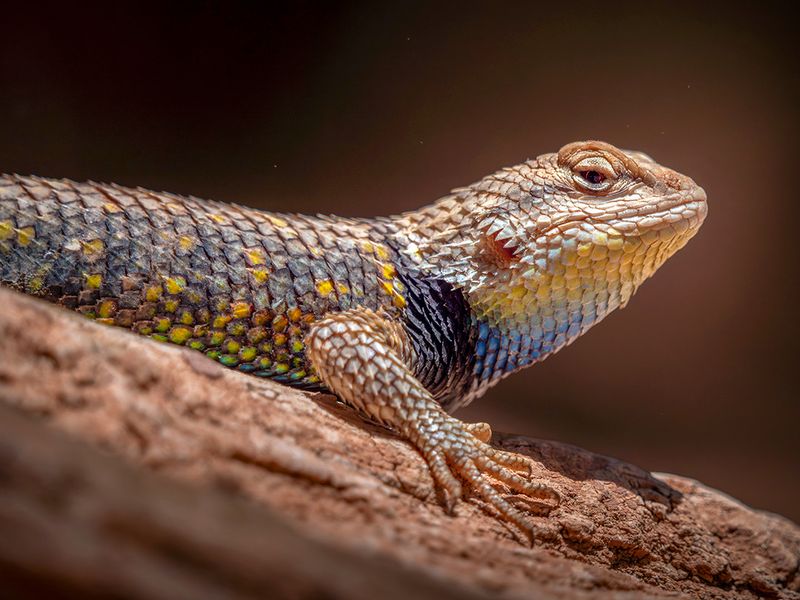
Walls absorb heat all morning and hold onto it for hours. Lizards know this better than most people realize.
A south-facing stucco or block wall can stay warm long after the sun shifts, giving reptiles a reliable heating pad right in your backyard.
Lizards are ectothermic, meaning their body temperature depends on their surroundings. Sunning on a warm wall is not laziness.
It is how they fuel their digestion, speed up their reflexes, and stay sharp enough to spot prey or escape a threat.
Walls also offer a raised vantage point. From up there, a lizard can scan for insects below and watch for predators at the same time.
A flat, sun-soaked surface at the right height is genuinely useful to them.
Stucco and concrete absorb solar energy especially well. If your wall faces south or west, it likely gets intense afternoon exposure.
That makes it one of the warmest spots in the yard by mid-afternoon. Lizards pick up on that quickly.
You do not need to do anything special to attract them. The wall itself is the draw.
As long as it stays warm and offers a clear sightline, it will likely keep getting visits from your small, sun-loving neighbors throughout the warmer months.
2. Warm Surfaces Give Reptiles A Useful Basking Spot
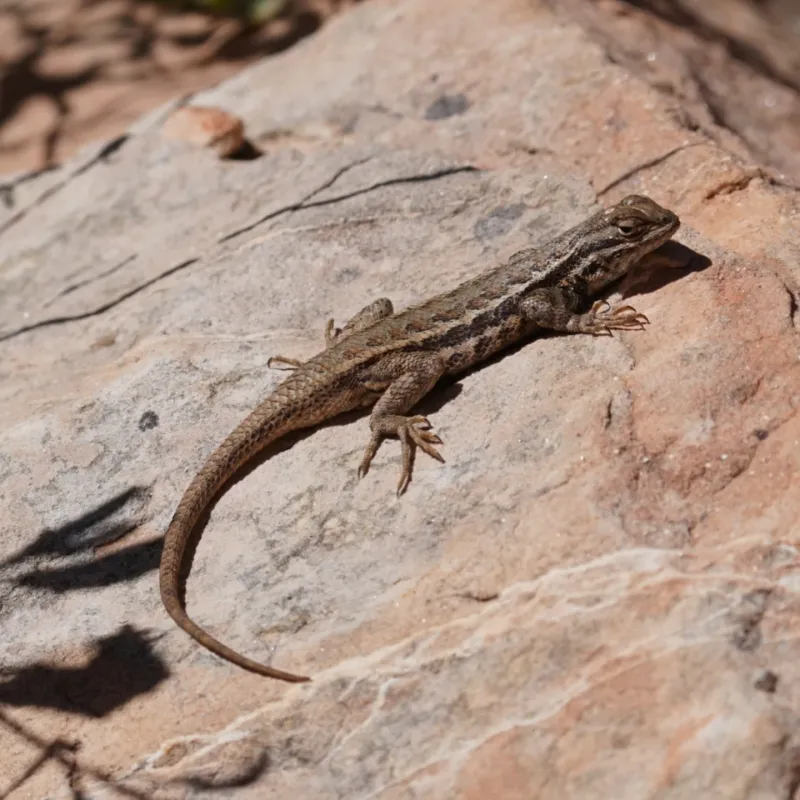
Not every surface works equally well for a lizard trying to warm up. Smooth, dark, or dense materials tend to hold heat longer.
Concrete block, brick, and painted stucco all tend to work well in dry, sunny climates.
Basking is a precise activity for these animals. A lizard will adjust its angle, shift positions, and move between shaded and sunny patches to fine-tune its body temperature.
Watching one carefully, you will notice small movements that look almost calculated.
Walls near patios or driveways often get extra reflected heat from surrounding pavement. That combination can make certain spots noticeably warmer than others.
Lizards tend to find those sweet spots and return to them regularly.
Morning hours are often when basking is most active. Lizards need to warm up before they can hunt effectively.
A wall that catches early sun gives them a head start on the day and makes your yard a dependable stop in their routine.
Your Arizona Garden Changes Every Week. Your Plan Should Too.
Gardening in Arizona changes quickly throughout the season. Every Friday you’ll receive a simple weekly plan showing exactly what to plant, prune, fertilize, harvest, and protect so you never miss the right timing.
If you have noticed a lizard returning to the same patch of wall day after day, that spot is probably meeting a real need.
Consistent warmth, good exposure, and a safe height off the ground can turn one section of your wall into a go-to basking location for the same individual lizard across an entire season.
3. Nearby Insects Can Make The Area Even More Appealing
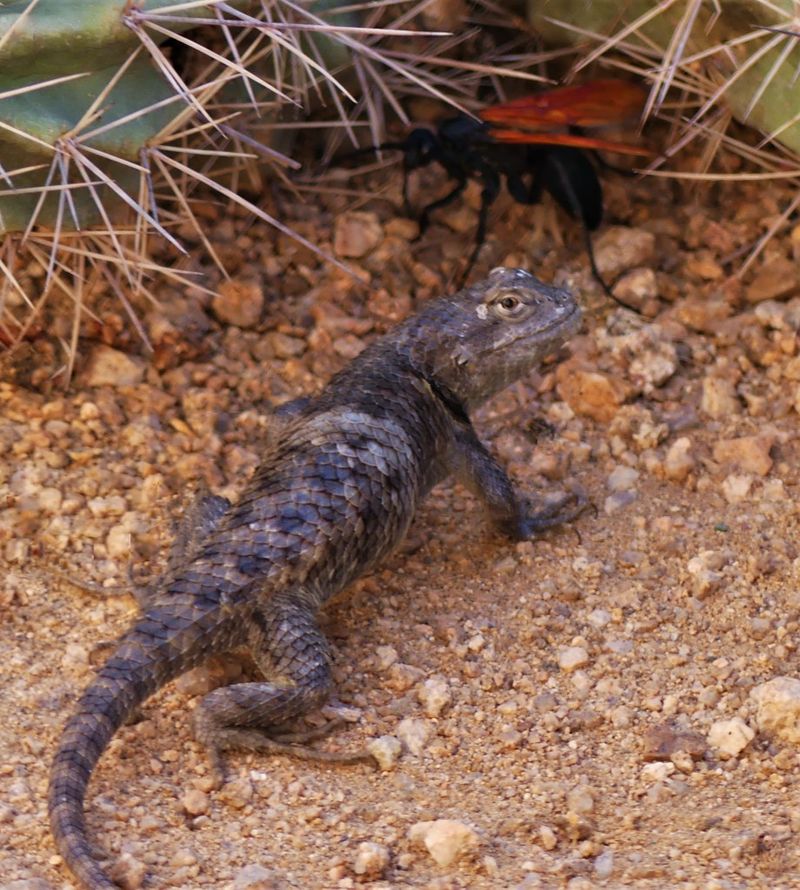
Lizards do not pick a spot based on warmth alone. Food matters just as much.
Walls near outdoor lights, garden beds, or compost areas often attract insects, and where insects gather, lizards tend to follow.
Outdoor lighting is a big factor. Porch lights and path lights draw moths, beetles, and small flies after dark.
Even during daylight hours, insects linger near those spots. A lizard that figures this out will stake out that section of wall and return regularly.
Native flowering plants near the wall can also bring in pollinators and small bugs. Brittlebush, desert marigold, and globe mallow are known to attract a range of insects in dry Southwest landscapes.
More insects close to the wall means more reasons for a lizard to hang around.
Overripe fruit, standing water, or compost near the base of a wall can draw flies and gnats. Lizards pick up on these food concentrations quickly.
If you have seen a lizard near a specific corner of your yard repeatedly, check what is attracting bugs to that spot.
Removing or relocating food sources for insects will usually reduce lizard activity in that area over time, though results vary. Keeping the yard tidy around the wall base can shift where lizards choose to hunt without chasing them off completely.
4. Cracks And Crevices Provide Convenient Places To Hide
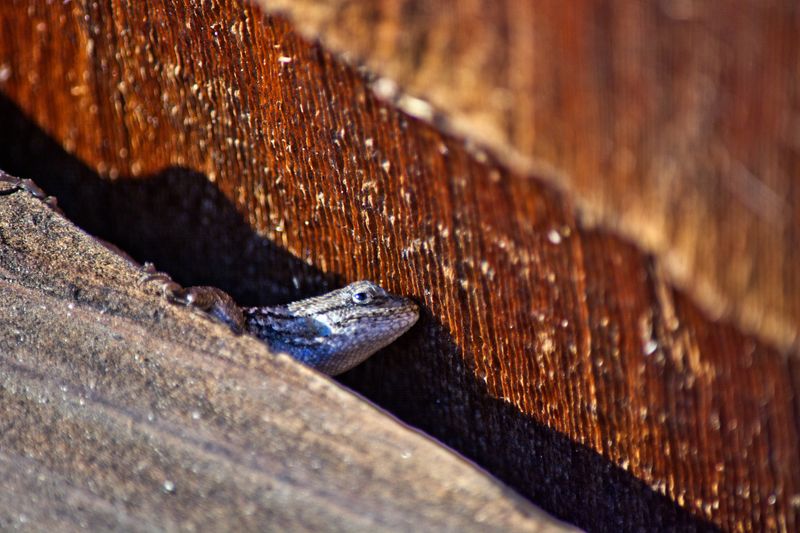
A warm wall with nowhere to hide is still risky for a small lizard. Cracks, gaps, and crevices change that completely.
They give lizards a fast escape route when a hawk passes overhead or a cat wanders too close.
Older walls tend to have more of these gaps. Settling foundations, weathered mortar, and patched stucco all create small openings that lizards can squeeze into quickly.
Even a gap the width of a finger can be enough for a small species to disappear in seconds.
Weep holes in block walls are another common hiding spot. These small openings are built into walls for drainage, but lizards use them as shelters, sleeping spots, and escape hatches.
You might spot a tail disappearing into one if you move too quickly.
Gaps between wall and gate posts, or where wall meets a raised planter, offer similar protection. Lizards tend to memorize these exits relative to their basking spots.
Safety and warmth close together is a combination they seem to prefer strongly.
If your wall has significant cracks, filling some may reduce lizard activity in those specific areas. However, lizards are adaptable and will often find alternative hiding spots nearby.
The presence of multiple crevices along a wall suggests the habitat is well-suited to supporting them through most of the active season.
5. Landscaping Around The House Can Support Their Visits
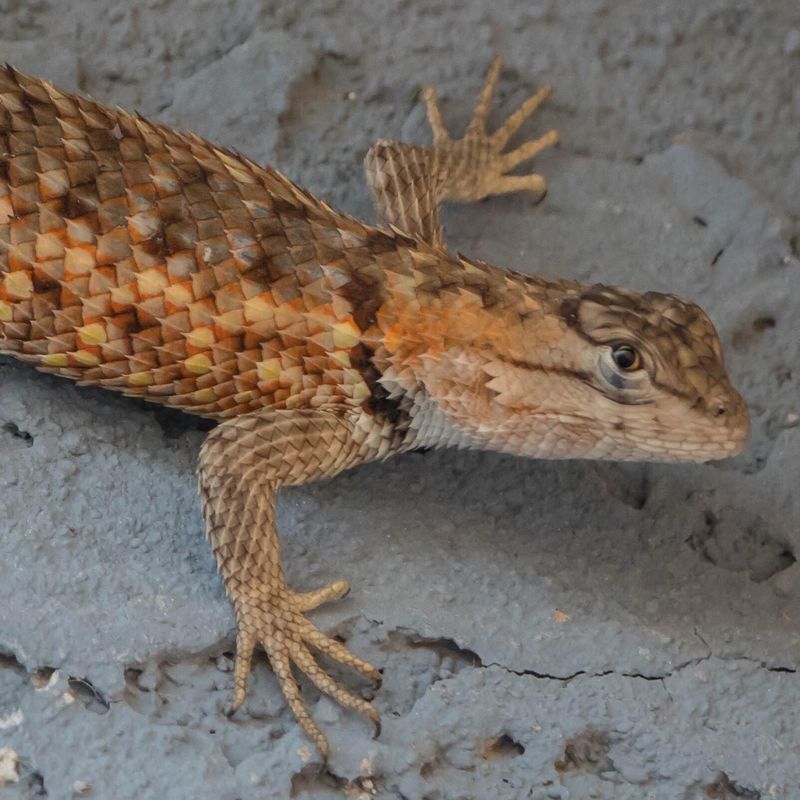
Yard design plays a bigger role in lizard activity than most homeowners expect. Native plants, rock borders, and gravel groundcover create the kind of environment where lizards feel comfortable spending time.
Boulders and decorative rocks near the base of a wall are especially useful. Lizards use rocks to bask, hide under, and navigate between spots.
A rock garden near a warm wall essentially creates a layered habitat that supports their whole daily routine.
Dense low-growing plants like desert sage or creosote near the wall give lizards cover at ground level. They can move from plant to plant and reach the wall without crossing too much open space.
That sense of protected movement matters to prey animals.
Mulched or bare soil near the wall can also support insect populations, which feeds back into the food supply for lizards. Yards with varied textures and plant types in Arizona tend to host more diverse wildlife overall, and lizards are often part of that mix.
Raised planters attached to or near a wall create additional warm surfaces and shaded gaps. Drip irrigation lines can attract insects, which again draws lizards closer.
Even small landscaping choices compound over time. A yard that feels natural and layered will likely see more consistent lizard visits than one that is mostly open hardscape with little variation.
6. Frequent Sightings Often Point To A Suitable Backyard Habitat
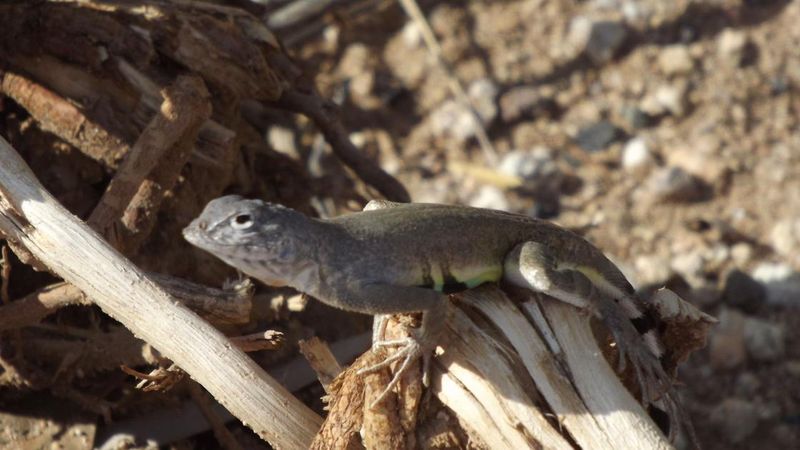
Seeing a lizard once is luck. Seeing one in the same spot every afternoon for weeks is a pattern worth paying attention to.
Repeat sightings usually mean the yard is genuinely meeting the needs of that animal on a regular basis.
Lizards are territorial to varying degrees depending on species. A male lizard may claim a stretch of wall and surrounding ground as his regular zone.
If you keep seeing what looks like the same individual, that is likely what is happening.
Consistent sightings across different times of day can also point to multiple individuals using the same wall. One might bask in the morning while another takes over in the afternoon.
Observing the size and color patterns can help tell them apart if you are curious.
A yard that provides warmth, food, water nearby, and shelter all in one area is essentially checking every box for a desert lizard. Frequent visits suggest those elements are reliably present.
Changing one of them, like removing a water source or trimming a shading plant, can shift the pattern.
Keeping a simple log of when and where you spot lizards can reveal useful patterns over a season. You might notice they appear more after watering, or less during the hottest part of summer.
Those observations can help you understand your yard as a living habitat rather than just a landscaped space.
7. Their Presence Can Be A Normal Part Of Desert Living
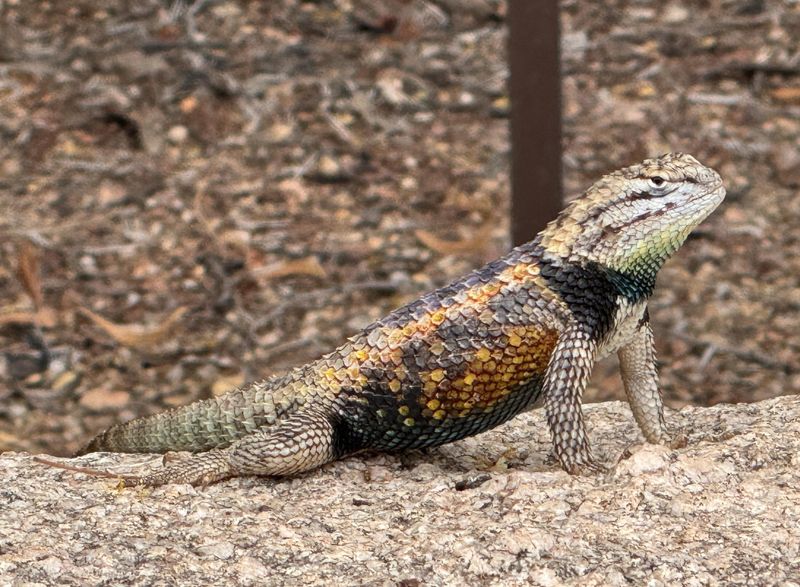
Lizards on the wall are not a sign that something is wrong with your yard. In most cases, they are a sign that something is right.
A healthy, functioning desert yard tends to attract wildlife, and lizards are often among the first to show up.
Common species like the western fence lizard, desert spiny lizard, and side-blotched lizard are all well-adapted to suburban desert environments.
Seeing them regularly in a residential yard in the Southwest is completely normal, especially during spring and early summer.
Most lizards you encounter near homes are not aggressive toward people. They may puff up, do push-up displays, or run quickly, but those are defensive behaviors.
Giving them space is usually enough to keep interactions calm and uneventful.
Lizards also offer a practical benefit. Eating insects near your walls and plants means they are doing some natural pest control work on your behalf.
That said, they should not be counted on as a complete solution for insect problems.
Learning to coexist with lizards is a realistic and reasonable approach for desert homeowners. You do not need to encourage or discourage them beyond basic yard maintenance.
A well-kept yard with native plants and good drainage will naturally support a balanced mix of wildlife, including the small reptiles that have lived in these landscapes far longer than any neighborhood has existed.