What It Means When Antelope Squirrels Keep Visiting Your Arizona Yard
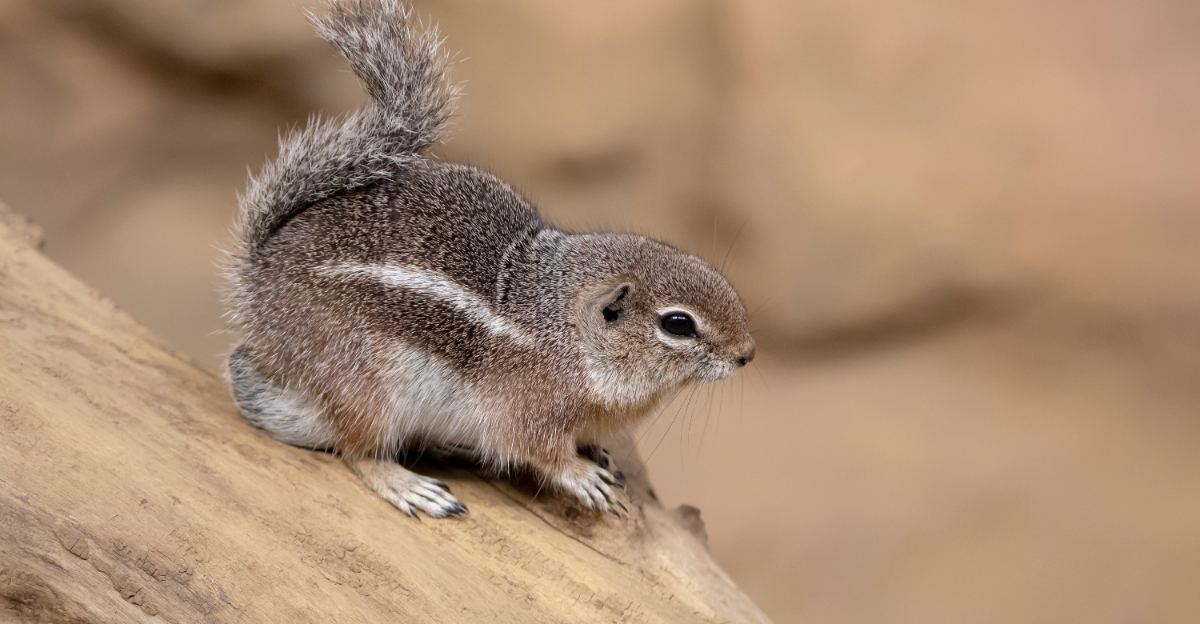
Antelope squirrels do not keep visiting the same yard without finding something useful there. If you see them often, your outdoor space may be meeting some of their everyday needs.
In Arizona, these small desert squirrels are well adapted to hot, dry conditions. Your yard can become part of their regular route when certain resources stay available.
Pay attention to where they spend the most time during each visit. Their favorite spots can offer useful clues about what keeps drawing them back.
Food is only part of what can make a property appealing. Nearby cover and comfortable resting areas may also influence where they spend their time.
You may even notice them returning at similar times on different days. That routine can develop when conditions remain favorable.
Their visits can tell you more than you think.
1. Those Repeat Visits Are Usually Happening For A Reason
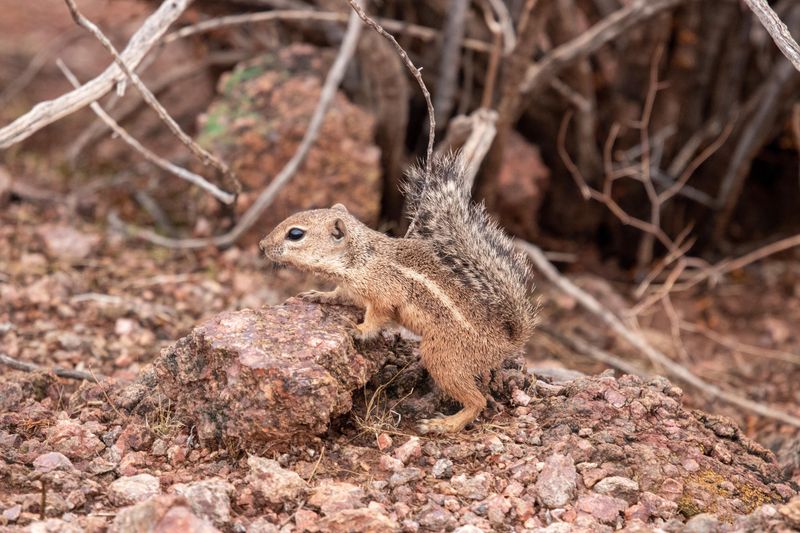
Antelope squirrels don’t wander randomly. When one keeps coming back to your yard, something specific is pulling it there.
Repeat behavior in wildlife usually signals a reliable reward. Squirrels are quick learners, and once they connect your space with something useful, they’ll return on a schedule that feels almost predictable.
You might notice the same individual showing up at similar times each day. That kind of pattern is a strong indicator that your yard offers something consistent, whether it’s food, shelter, or safe open ground to move through.
Antelope squirrels are active during daylight hours, especially in the cooler parts of the morning. Spotting them midday in summer is less common since extreme heat pushes most desert wildlife into shade or underground.
Watching when they visit can tell you a lot. Morning visits often mean they’re foraging.
Quick dashes through without stopping may just mean your yard sits along a regular travel route between patches of habitat.
Pay attention to where they go first. Do they head straight for a specific plant, a shaded corner, or a rock pile?
That first move usually reveals the main reason they’re there. Once you identify it, you’ll have a much clearer picture of what’s attracting them consistently.
2. Food Sources Can Turn One Visit Into A Regular Routine
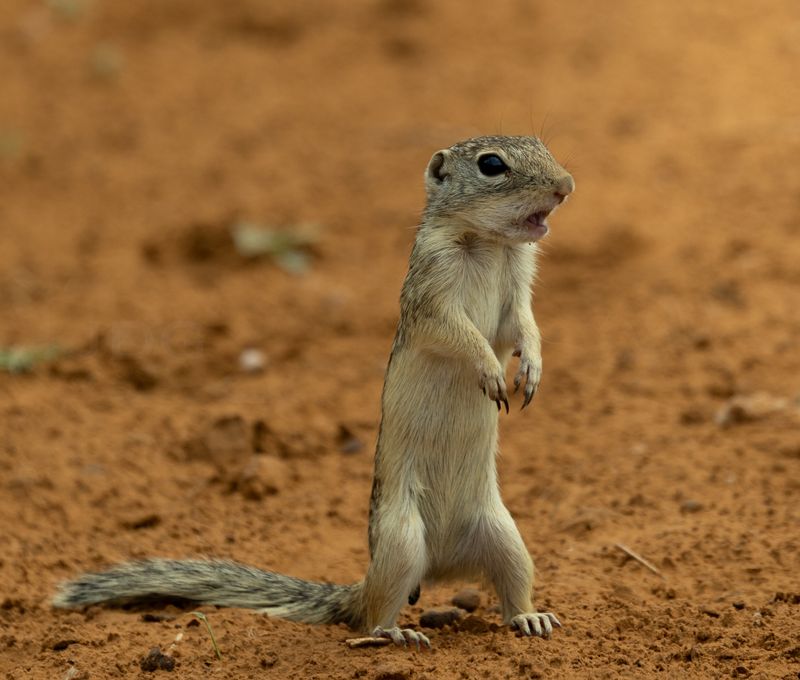
Food is the most common reason any wild animal becomes a repeat visitor. Antelope squirrels eat seeds, cactus fruits, insects, and small plant material, so a yard with diverse desert plants can easily become a reliable snack spot.
Prickly pear cactus is a big draw. When the fruit is ripe and falling, squirrels will visit frequently to collect it.
Native grasses that drop seeds also attract them, especially during fall and early winter months.
Bird feeders are another unintentional food magnet. Spilled seed on the ground is easy pickings for a foraging squirrel.
If your feeder drops millet or sunflower seeds onto bare soil, expect regular visits from ground-level foragers.
Pet food left outside is worth mentioning too. Even a small bowl of dry kibble left on a patio can attract squirrels and other desert wildlife looking for an easy meal.
Your Arizona Garden Changes Every Week. Your Plan Should Too.
Gardening in Arizona changes quickly throughout the season. Every Friday you’ll receive a simple weekly plan showing exactly what to plant, prune, fertilize, harvest, and protect so you never miss the right timing.
Antelope squirrels also cache food, meaning they collect and store it in small underground spots. If your yard has loose, sandy soil, it may be serving as a temporary pantry without you realizing it.
Removing or relocating obvious food sources is one of the most direct ways to reduce visits. It won’t happen overnight, but cutting off reliable food access usually shifts their foraging patterns within a few weeks.
3. Open Ground Gives Them Space To Search And Move Around
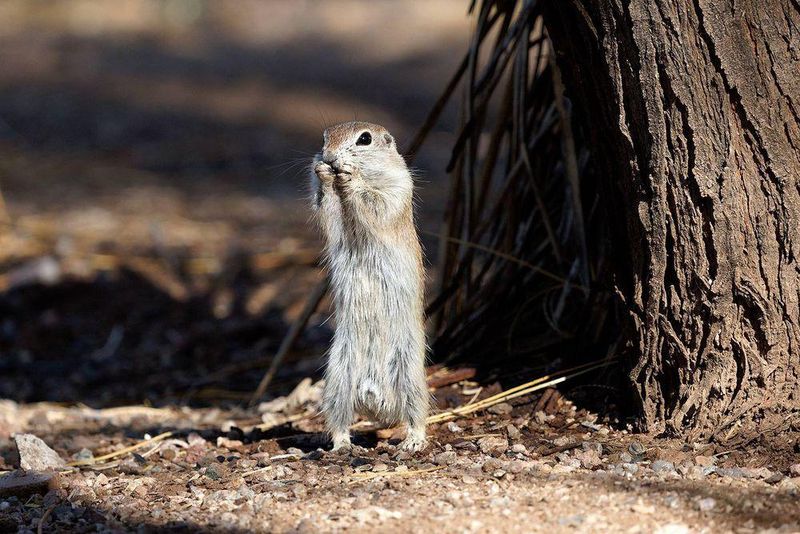
Open ground is prime real estate for antelope squirrels. Unlike tree squirrels that rely on canopy cover, these small desert mammals prefer wide, clear areas where they can spot predators and move fast.
Gravel yards, bare soil patches, and sparse desert landscaping all create the kind of open terrain they’re comfortable crossing. If your yard has large stretches of open ground, it may function as a natural corridor for them.
Yards with minimal ground cover tend to attract more visits from these squirrels compared to densely planted spaces. Open areas let them forage efficiently while keeping an eye out for hawks, roadrunners, and other predators.
Sandy or gravelly soil is especially appealing. It’s easy to dig in, quick to move across, and similar to the natural desert habitat they prefer.
Arizona’s low-water landscaping trends have actually made many yards more squirrel-friendly by mimicking open desert conditions.
You may notice them pausing frequently, sitting upright, and scanning the area before moving again. That behavior is normal.
It’s how they stay aware of their surroundings while foraging.
If you’d rather not have them using your yard as a travel route, adding low ground cover plants can break up the open space. Dense plantings make squirrels less comfortable and may redirect their paths without causing harm.
4. Nearby Cover Offers A Quick Place To Retreat
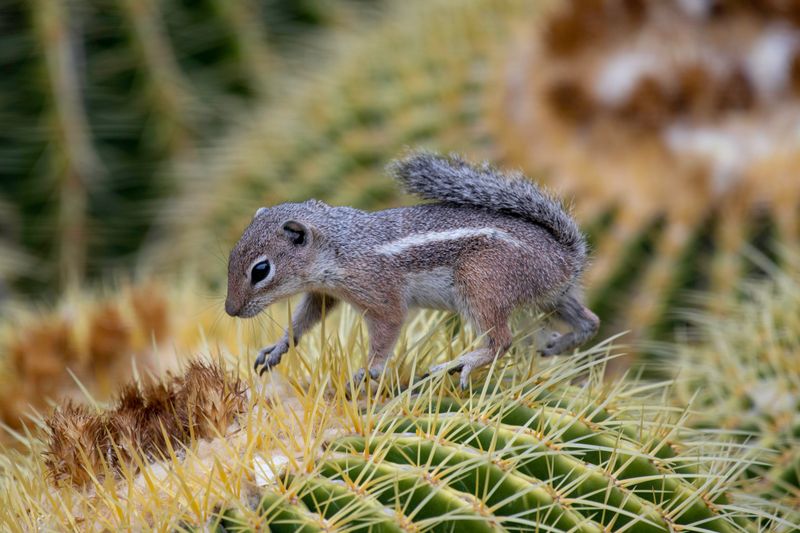
Safety matters as much as food for any small desert animal. Antelope squirrels won’t stay in a space where they can’t escape quickly, so the presence of cover near your yard plays a big role in repeat visits.
Rock piles, dense shrubs, low walls, and wood debris all serve as quick retreat spots. If your yard borders a wash, rocky hillside, or natural desert area, that nearby cover makes your yard feel much safer to them.
Squirrels use these escape routes constantly. Watch closely and you’ll notice they rarely stray far from a potential hiding spot.
Their movements tend to follow a path between open foraging areas and nearby cover.
Brush piles near fences or garden edges can become regular resting or hiding spots. Once a squirrel establishes a familiar escape route through your yard, it tends to stick with that same path repeatedly.
Removing or tidying up brush piles and rock stacks near your yard’s edges can make the space feel less secure to them. Without reliable cover nearby, they may spend less time in your yard overall.
That said, cover removal should be done thoughtfully. Many beneficial animals, including lizards and native birds, also rely on rock piles and brush for shelter.
Consider what other wildlife you’d like to keep around before making significant changes.
5. Desert Landscaping Can Create The Conditions They Prefer
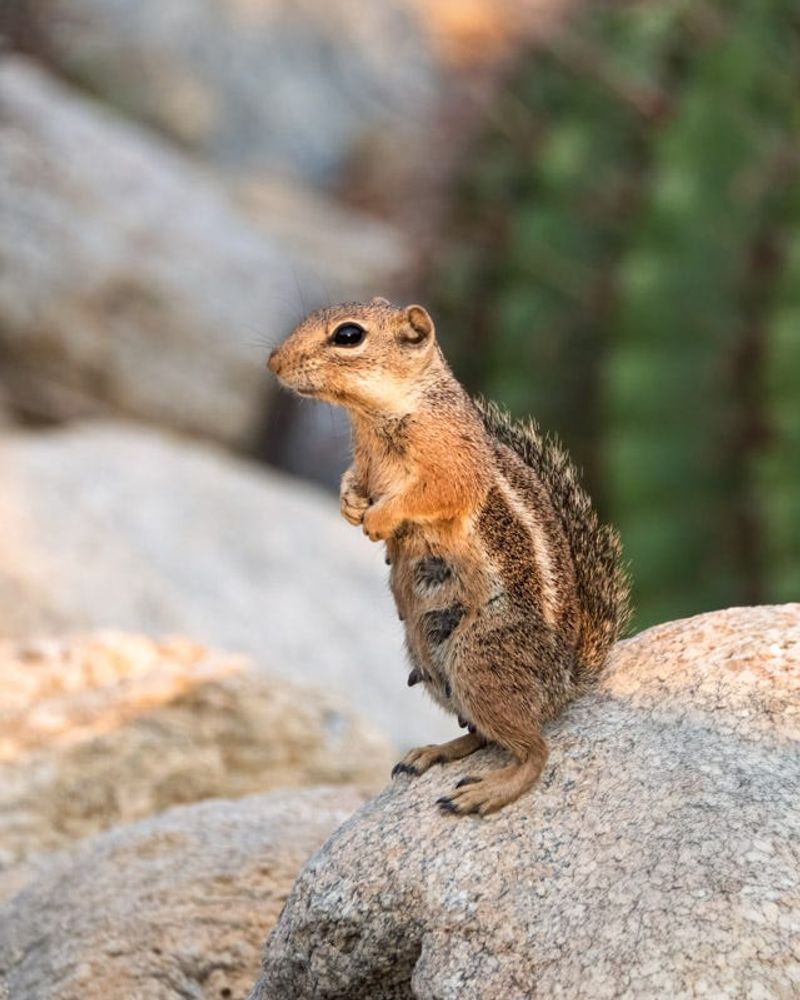
Low-water desert landscaping has become popular across the Southwest, and it’s genuinely attractive to antelope squirrels. Native plants, gravel ground cover, and open soil patches closely mimic the natural desert environment these animals prefer.
Palo verde trees, saguaro cactus, and native wildflowers all produce seeds or fruits that antelope squirrels actively seek out. A yard planted with these species is essentially offering a natural buffet at certain times of year.
Gravel mulch is another factor. It’s easy to dig in, stays relatively cool compared to concrete, and provides the kind of loose, workable ground squirrels use for caching food.
Many desert yards unintentionally create ideal foraging conditions.
Native grass species like desert marigold or brittlebush can produce seeds squirrels collect through fall and winter. Yards with a mix of these plants see more wildlife activity in general, not just from squirrels.
If your landscaping closely mirrors natural desert habitat, expect more wildlife visits across the board. Antelope squirrels are just one part of that broader ecosystem response to native planting choices.
Switching to non-native plants or reducing seed-producing species won’t eliminate visits, but it can reduce the frequency. Yards with fewer native food plants tend to be less appealing to foraging squirrels over time.
6. Frequent Activity May Signal A Reliable Yard Habitat
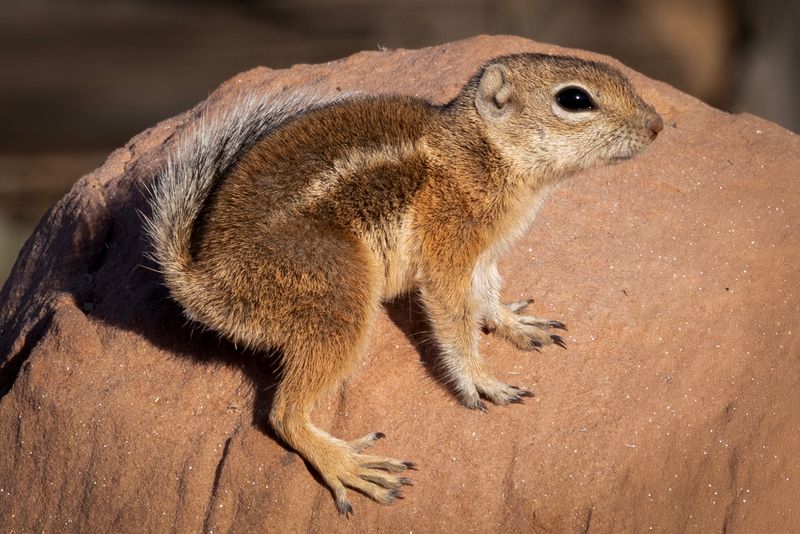
Seeing antelope squirrels often isn’t just a coincidence. Regular, frequent activity usually means your yard has become part of their established home range, not just a random stop along the way.
Antelope squirrels have relatively small home ranges, often covering just a few acres. If your yard falls within that range and consistently offers food or shelter, it becomes a regular stop in their daily routine.
You might notice multiple individuals visiting over time. What starts as one squirrel can expand as others in the area learn that your yard is worth checking out.
Squirrels observe each other, and successful foraging spots get noticed.
Consistent activity through different seasons is a strong sign of an established habitat. A yard that attracts squirrels in spring, summer, and fall is likely meeting several of their needs, not just one.
Burrow activity near your yard’s edges is another indicator. Antelope squirrels use burrows for rest and to escape extreme heat.
If you notice small holes near rock borders or under dense shrubs, a squirrel may have set up a regular resting spot nearby.
Frequent visits aren’t necessarily a problem, but they’re a clear sign your yard is functioning as genuine wildlife habitat. Whether that’s a good thing or not depends on your goals for the space and your comfort level with regular wildlife activity.
7. Simple Changes Can Make The Space Less Attractive
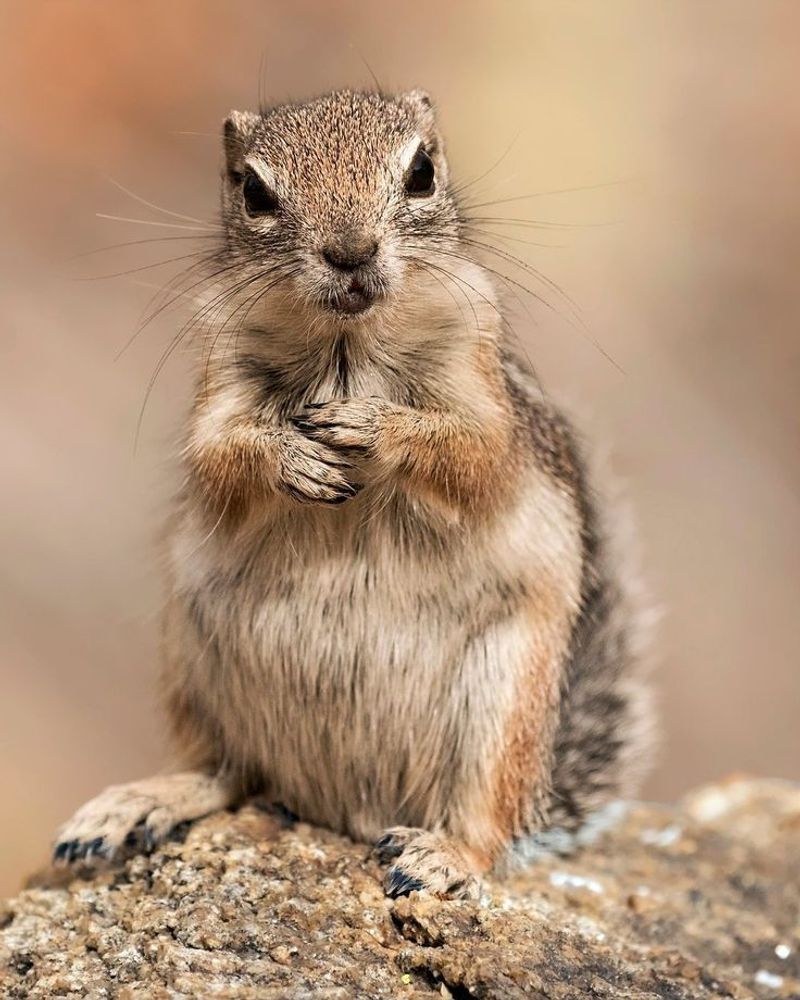
Reducing antelope squirrel visits doesn’t require drastic action. Small, practical adjustments to your yard can shift the balance without causing harm to the animals or disrupting the rest of your landscape.
Start with food access. Switching to a squirrel-resistant bird feeder and cleaning up spilled seed regularly removes one of the easiest food sources in most yards.
It’s a low-effort change that often produces noticeable results within a few weeks.
Covering or removing pet food bowls when not in use is another quick step. Even brief access to easy food can reinforce a squirrel’s habit of visiting your yard each day.
Tidying up rock piles and brush near your fence line reduces available cover, making the space feel less secure. Squirrels are cautious animals, and yards with fewer hiding spots feel riskier to them.
Adding dense, low ground cover plants can break up open stretches of gravel or bare soil. Less open terrain means fewer comfortable foraging opportunities for ground-level animals like antelope squirrels.
Motion-activated sprinklers are sometimes used as a deterrent in yards across the region. They’re not a permanent fix and work better in some situations than others, but they can interrupt established patterns without causing injury.
Consistent small changes tend to work better than one large effort. Patience matters here, since it may take a few weeks for squirrels to fully adjust their routine.