The Leaf-Rolling Caterpillar Curling Leaves On Texas Cannas
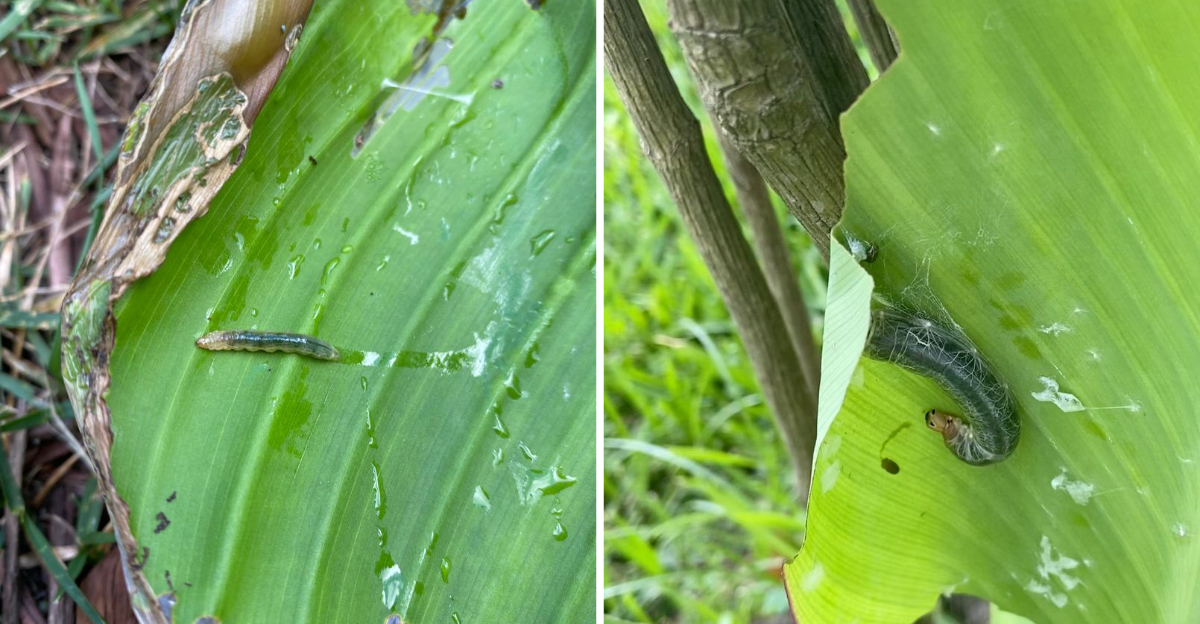
Something is quietly reshaping the leaves in your canna bed, and it isn’t the wind. Look closer and you’ll spot tight little tubes forming along the edges, as if someone rolled the foliage up on purpose and tucked it away to hide.
Texas gardens seem especially prone to this pattern, showing up fast and spreading through a patch before most people notice anything’s off. One week the leaves look fine, the next they’re curled shut like tiny green scrolls.
Inside those rolls, something is working steadily, and it’s not doing your cannas any favors. The damage builds quietly, leaf by leaf, until the plant’s usual show starts to look thin and tired.
A Common Pest Behind Rolled And Damaged Leaves
Your canna leaves looked perfect last week, and now they are curled into tight green cigars. This unexpected shift catches even experienced gardeners off guard, and it happens faster than most people expect.
This pest is the larval stage of a moth called Calpodes ethlius, also known as the Brazilian skipper. It sneaks onto your plants and rolls leaves around itself for shelter while it feeds inside.
The caterpillar uses silk threads to hold the rolled leaf in place. Once it is tucked in, it chews through the leaf tissue without much exposure to predators or sprays.
Unlike many chewing pests, this one rarely appears out in the open. It builds its hideout first, then feeds safely tucked inside, which is part of why it goes unnoticed for so long.
Many gardeners mistake the damage for a disease or water problem at first glance. The rolled leaves can look wilted or bleached, which adds to the confusion.
By the time several leaves show rolling, the caterpillar has often been feeding for days already. Acting quickly at that point still makes a meaningful difference for the rest of the plant.
Catching this pest early makes a real difference in how much damage your cannas suffer. The sooner you spot the signs, the faster you can act and protect your plants.
Left unchecked, a single infestation can spread across an entire canna bed within weeks. Your garden deserves better than that kind of quiet setback.
Identifying The Canna Leafroller On Your Plants
Spotting this pest requires a closer look than most gardeners expect. It stays tucked inside its rolled shelter, making it easy to miss during a casual walk-through.
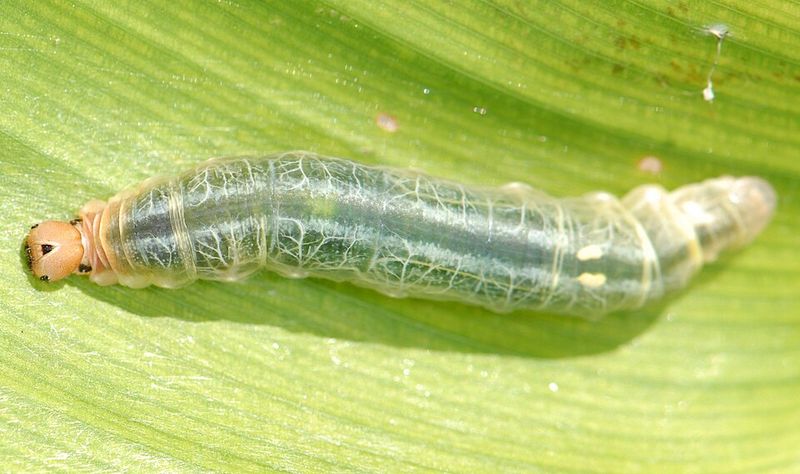
Look for leaves that are folded lengthwise and held shut with fine silk webbing. Gently unroll one, and you will likely find a pale green or yellowish caterpillar inside, usually one to two inches long.
The caterpillar has a translucent body with a darker head capsule, often brown or black. Its movement is quick once exposed, so have a container ready if you plan to remove it by hand.
Check the newest, tenderest leaves first, since those are the easiest for a young caterpillar to fold and hold shut. Older, tougher leaves are less likely to show fresh rolling.
Your Texas Garden Changes Every Week. Your Plan Should Too.
Gardening in Texas changes quickly throughout the season. Every Friday you’ll receive a simple weekly plan showing exactly what to plant, prune, fertilize, harvest, and protect so you never miss the right timing.
A flashlight can help on cloudy days or in shaded parts of the bed. Shining light through a rolled leaf sometimes reveals the caterpillar’s outline before you even unroll it.
Adult moths are medium-sized with brown wings and a fast, darting flight pattern. Seeing them hovering around your canna bed at dusk is a strong clue that eggs have already been laid.
Eggs are tiny, flat, and laid singly on the upper surface of canna leaves. They hatch within a few days, and the young larvae immediately begin rolling and feeding.
Checking your plants at least twice a week during warm months gives you the best chance of catching an infestation early. Your eyes are honestly your best tool in this situation.
Cannas Make An Easy Target For This Pest
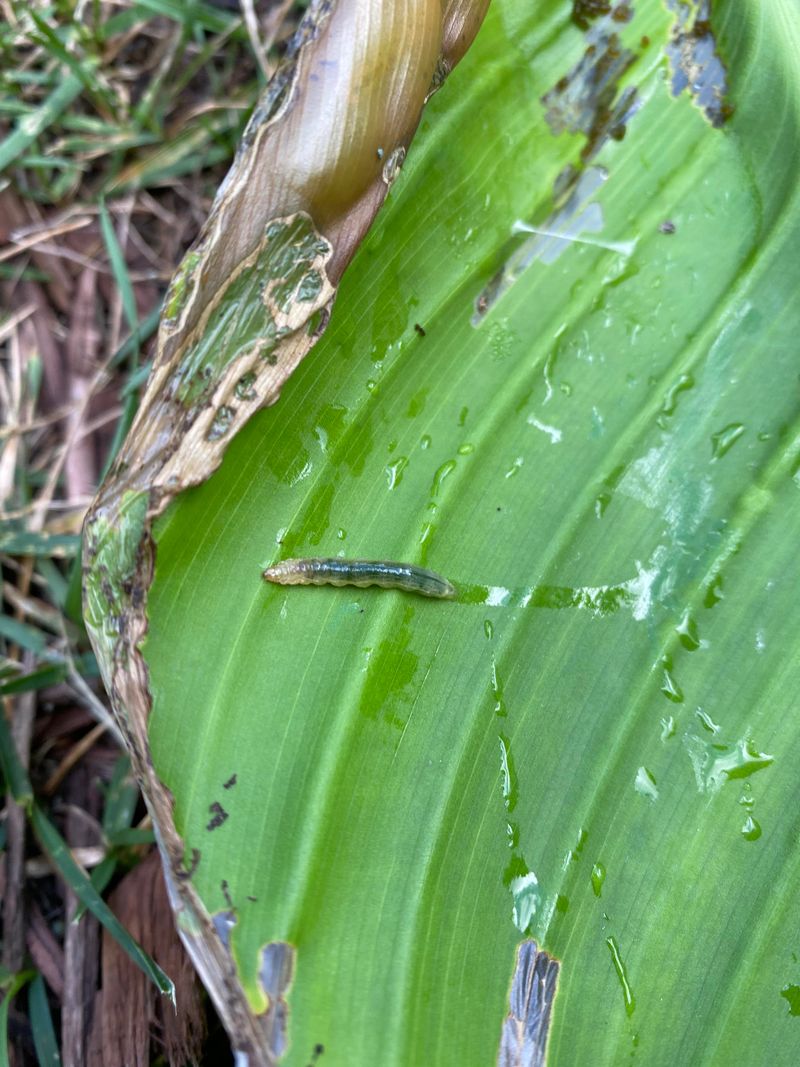
Cannas are basically a five-star hotel for this particular caterpillar. Their large, broad leaves create perfect shelter, and their fast growth gives caterpillars a steady food supply all season long.
The Brazilian skipper moth evolved alongside canna plants in tropical and subtropical regions. Texas summers mirror those warm, humid conditions almost perfectly, making local gardens prime real estate for this pest.
Cannas also tend to grow in dense clusters, which helps caterpillars move between plants without much risk. The thick foliage creates a sheltered microclimate that both larvae and adult moths find appealing.
Gardeners who grow cannas near water features or in low-lying areas may see heavier infestations. Moist soil and high humidity speed up the moth’s reproductive cycle significantly.
Even healthy, well-fertilized cannas aren’t spared. Vigorous new growth is often the first target, since tender tissue is easiest for young larvae to fold and feed on.
The plant’s natural oils and soft leaf texture make it easy for young caterpillars to chew through tissue. Compared to tougher plants nearby, cannas are simply the path of least resistance.
Gardeners who mix cannas with sturdier companion plants sometimes notice less concentrated damage. Spreading plantings out can make a bed less of a single easy target.
Understanding why your cannas are targeted helps you make smarter planting decisions going forward. Spacing plants a bit wider and improving airflow can reduce how attractive your garden is to this pest.
Signs Of Damage Beyond Rolled Leaves
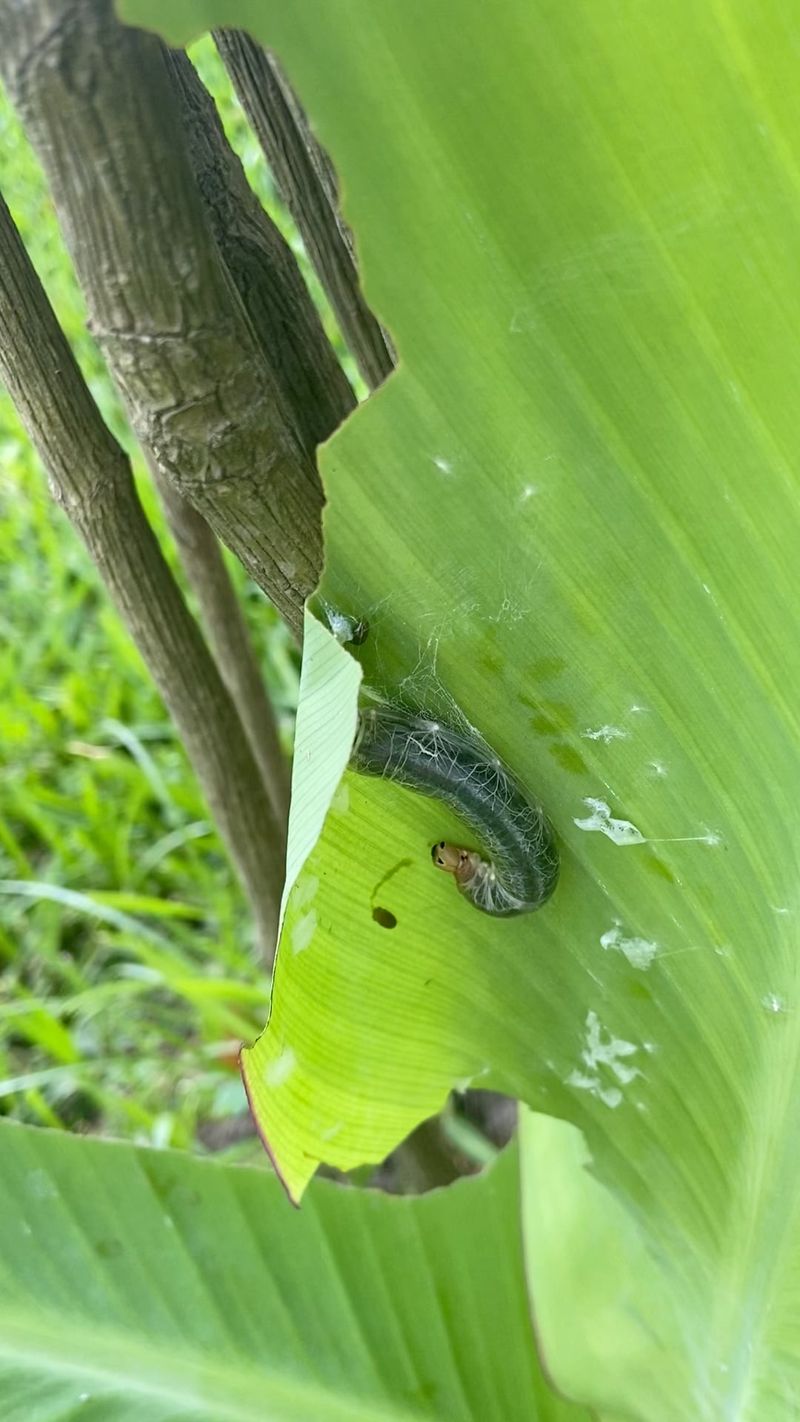
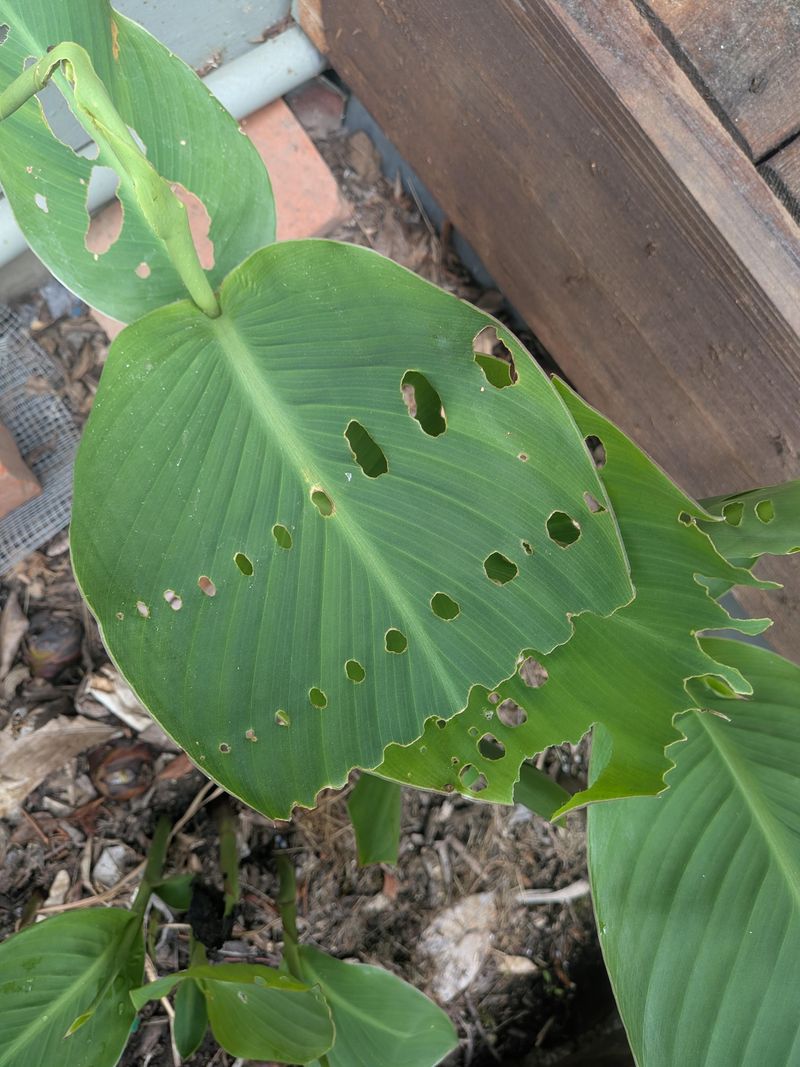
Rolled leaves are the obvious sign, but the damage does not stop there. Once a caterpillar finishes one leaf, it moves on and leaves a trail of chewed foliage across the entire plant.
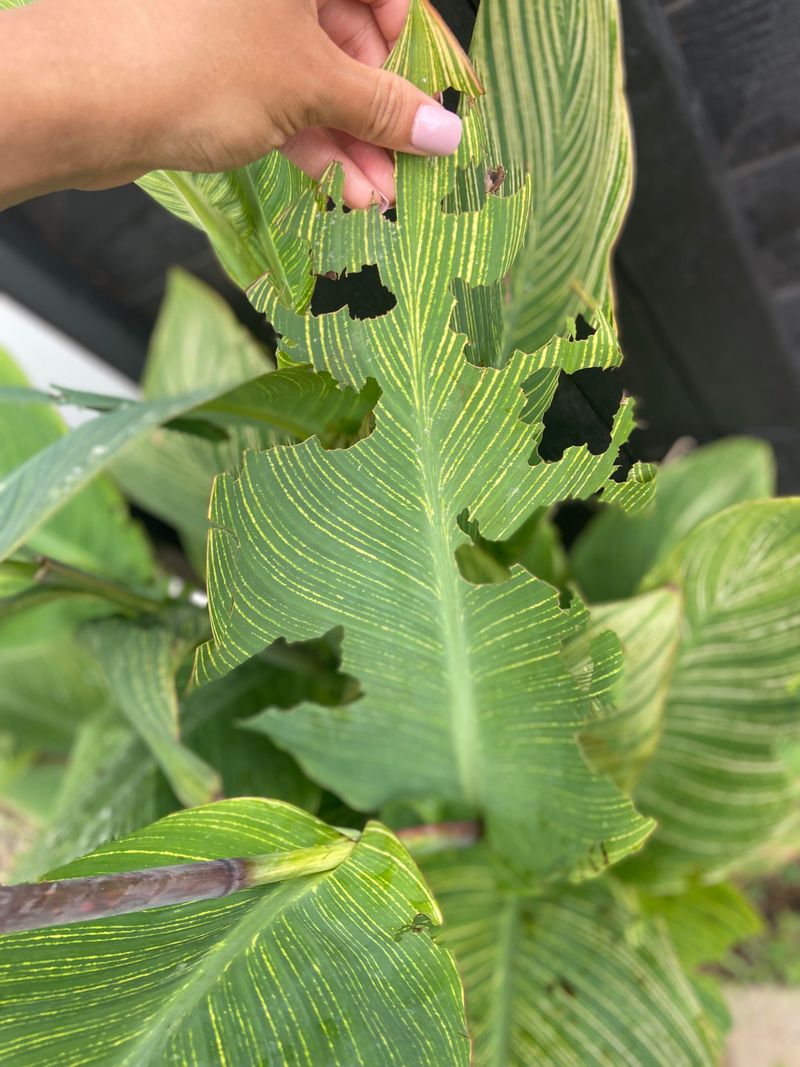
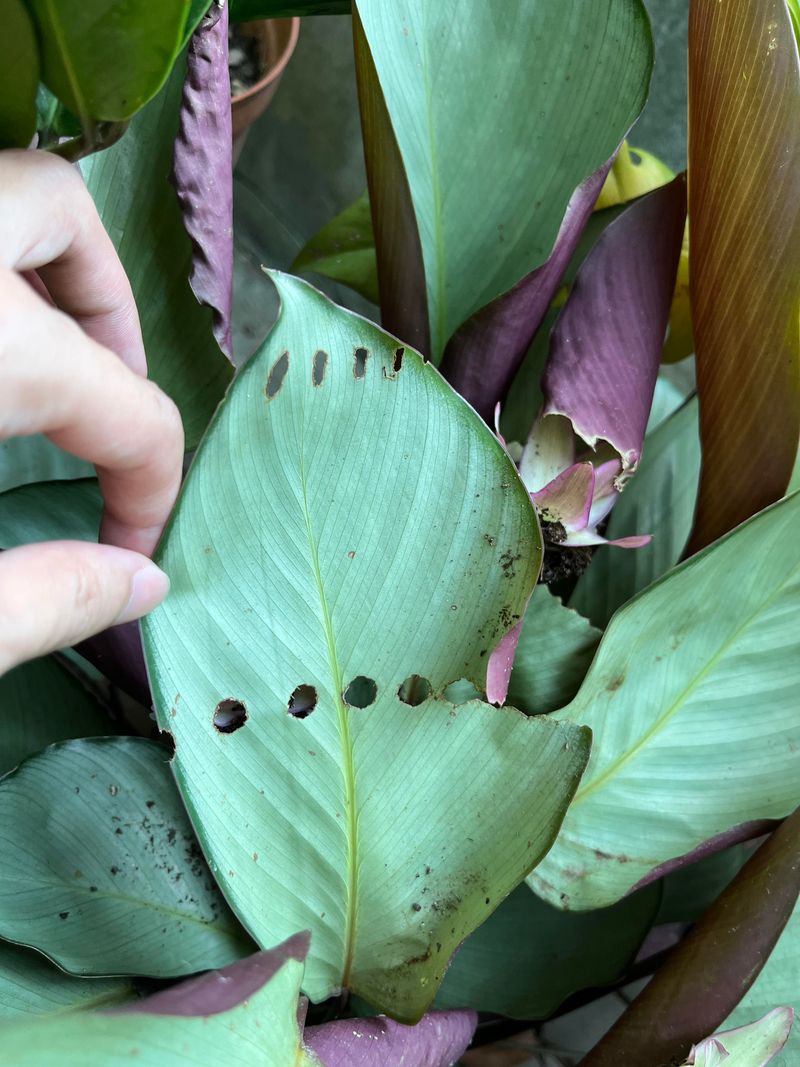
Look for irregular holes chewed through leaf surfaces, especially near the midrib. Brown or bleached patches along leaf edges are another clue that feeding has been happening for a while.
Heavily infested plants may show stunted new growth because caterpillars target emerging leaves before they even unfurl. Those tightly coiled new shoots are especially vulnerable and often get damaged before they have a chance to open properly.
Comparing leaves across the plant can help you gauge how far the infestation has spread. A few rolled leaves on one stem is very different from rolling scattered throughout the whole clump.
You might also notice dark frass, which is caterpillar droppings, inside or near the rolled leaves. Finding frass is a reliable confirmation that an active infestation is present right now.
Keep an eye on flower stalks too, not just the foliage. Occasional feeding near developing buds can affect bloom quality even when leaf damage looks moderate.
In severe cases, the plant may produce fewer flowers or smaller blooms than usual. Stress from repeated feeding weakens the plant’s ability to put energy into flowering.
Secondary issues like fungal infections can develop in areas where the leaf tissue has been broken. Damaged spots let moisture and pathogens in, creating a second wave of problems after the caterpillar is gone.
Treatment Options That Protect Your Plants
You have real options for treating a leafroller infestation without harsh chemicals. The most effective and garden-safe treatment is Bacillus thuringiensis, commonly called Bt.
Bt is a naturally occurring soil bacterium that targets caterpillars specifically. Spray it directly onto your canna leaves, making sure to coat both sides thoroughly for the best results.
For Bt to work, the caterpillar must eat treated leaf tissue. That means you need to unroll affected leaves before spraying so the product actually reaches where the pest is hiding.
Treating in the early morning or evening reduces the risk of affecting pollinators like bees and butterflies visiting nearby flowers. Both Bt and spinosad also break down faster under direct sunlight, so timing your application matters.
Spinosad is another organic option that works well against leafrollers. It is derived from a naturally occurring organism and breaks down quickly in the environment, which is a major plus.
Hand-picking is surprisingly effective when you catch the infestation early. Simply remove rolled leaves, drop them into soapy water, and dispose of them away from your garden.
If you have a large canna bed, treating in stages helps you track which areas are improving. This makes it easier to spot rolled leaves that still need another round of treatment.
Neem oil can act as a deterrent when applied regularly, though it works better as a preventive than a cure. Combining neem oil with Bt gives you a strong one-two approach that covers both bases.
Consistent treatment every five to seven days during peak season keeps populations from rebounding. Staying on schedule is honestly the biggest factor in how well your treatment plan works.
Prevention Tips For Future Growing Seasons
Stopping this pest before it starts is always easier than chasing it down mid-season. A few smart habits during planting and early care can make a noticeable difference in how your cannas hold up.
Start by spacing your cannas generously so air circulates freely between plants. Crowded beds trap moisture and create the warm, sheltered conditions that moths love for laying eggs.
Inspect new plants carefully before adding them to your garden. Caterpillar eggs or young larvae can hitch a ride on nursery stock and establish themselves before you even notice.
Rotating where you plant cannas each year, when possible, can also lower the odds of a heavy infestation. Moths often return to the same general area if conditions stayed favorable the previous season.
Removing old leaf debris from around your canna bed reduces overwintering habitat for moth pupae. Cleaning up thoroughly at the end of the season is one of the simplest preventive steps you can take.
Encouraging natural predators like parasitic wasps and birds helps keep leafroller populations in check over time. Planting native flowering plants nearby attracts beneficial insects that feed on pest larvae.
Applying a preventive neem oil spray at the start of warm weather creates a protective barrier on leaf surfaces. Repeating applications every two weeks through summer keeps your plants less attractive to egg-laying moths.
Keeping a simple log of when you first spot rolled leaves each year helps you anticipate the pest’s timing going forward. Over a season or two, this makes prevention feel far less like guesswork.
Staying attentive through the growing season remains your strongest tool against this pest. A ten-minute check twice a week can save you hours of treatment work later on.