What It Really Means When Deer Keep Coming Back To The Same Spot In Your North Carolina Yard
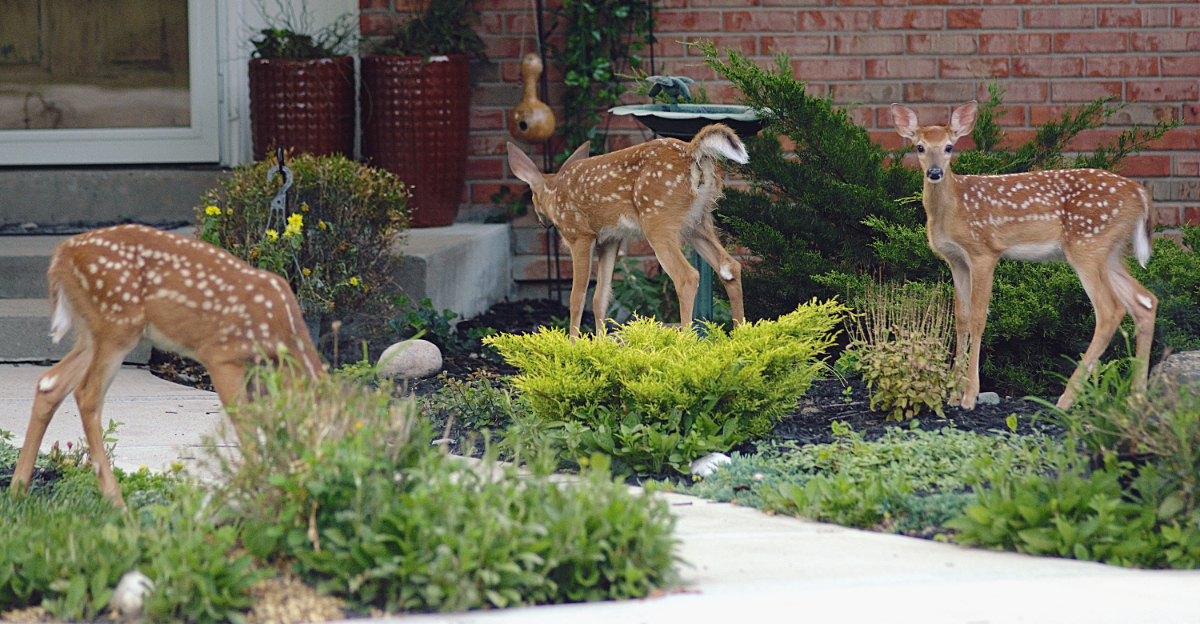
Deer returning to the same spot repeatedly usually means they’ve found a reliable, consistent food source that keeps drawing them back to that exact location.
This pattern often develops around a favorite plant, since deer tend to remember and revisit areas that previously provided an easy meal.
Water sources can create similar repeat visits, especially during dry stretches when reliable water becomes harder to find elsewhere.
Well worn paths through a yard often indicate deer are using the same route regularly, connecting bedding areas to feeding spots nearby.
Checking which specific plants show the most damage helps identify exactly what’s drawing them to that particular location. Applying repellents directly to frequently targeted plants can help break this established pattern over time.
Installing physical barriers around especially vulnerable areas offers more reliable, longer term protection than repellents alone.
Understanding this repeat behavior helps North Carolina homeowners target prevention efforts exactly where they matter most.
1. They Found A Favorite Food
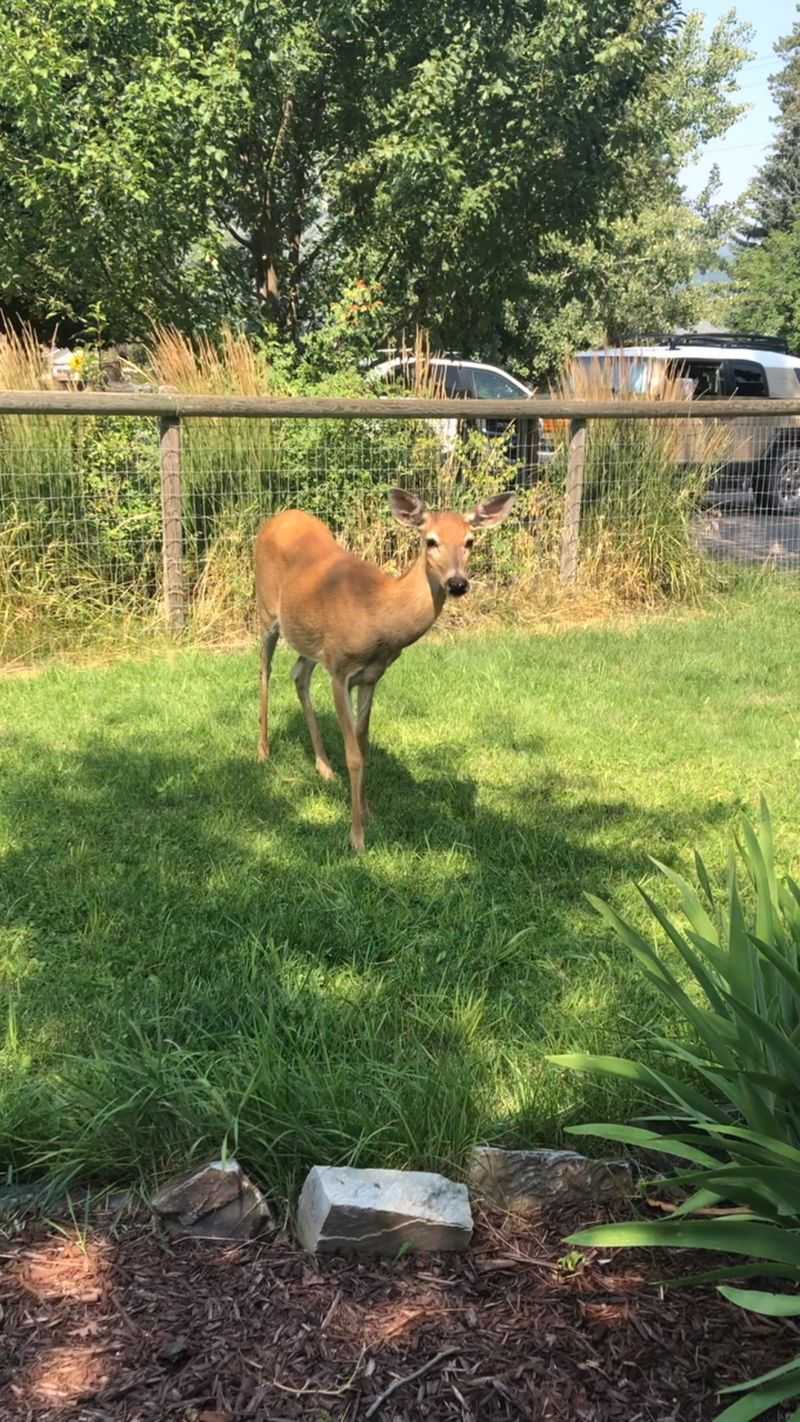
Deer have great memories when it comes to a good meal. If your yard offers tasty leaves, colorful flowers, or juicy fruit, they will remember exactly where to find it and come back for seconds.
Certain plants act like a magnet. Hostas, daylilies, tulips, and young vegetable shoots are all favorites for deer roaming through North Carolina neighborhoods.
Once they taste something sweet and tender, that spot becomes a regular stop on their daily rounds.
The tricky part is that deer are creatures of habit. A single visit to a flowerbed can turn into a nightly routine, especially if the food keeps growing back after they browse it.
You can shift their interest by planting things deer tend to avoid. Aromatic herbs like lavender, rosemary, and sage, along with prickly or fuzzy plants, usually get ignored. Placing these around your prized flowers adds a natural layer of protection.
Rotating your plantings also helps keep deer guessing. When the buffet suddenly changes or disappears, they often wander off to search elsewhere.
Keep an eye on which plants get nibbled most. That tells you exactly what the deer love, and it points you toward the areas that need fencing or repellent first.
Understanding their taste gives you the upper hand. Once you know what keeps pulling them in, you can make smart choices that protect your garden while still keeping it beautiful and full of life.
2. Fresh Growth Keeps Them Coming Back
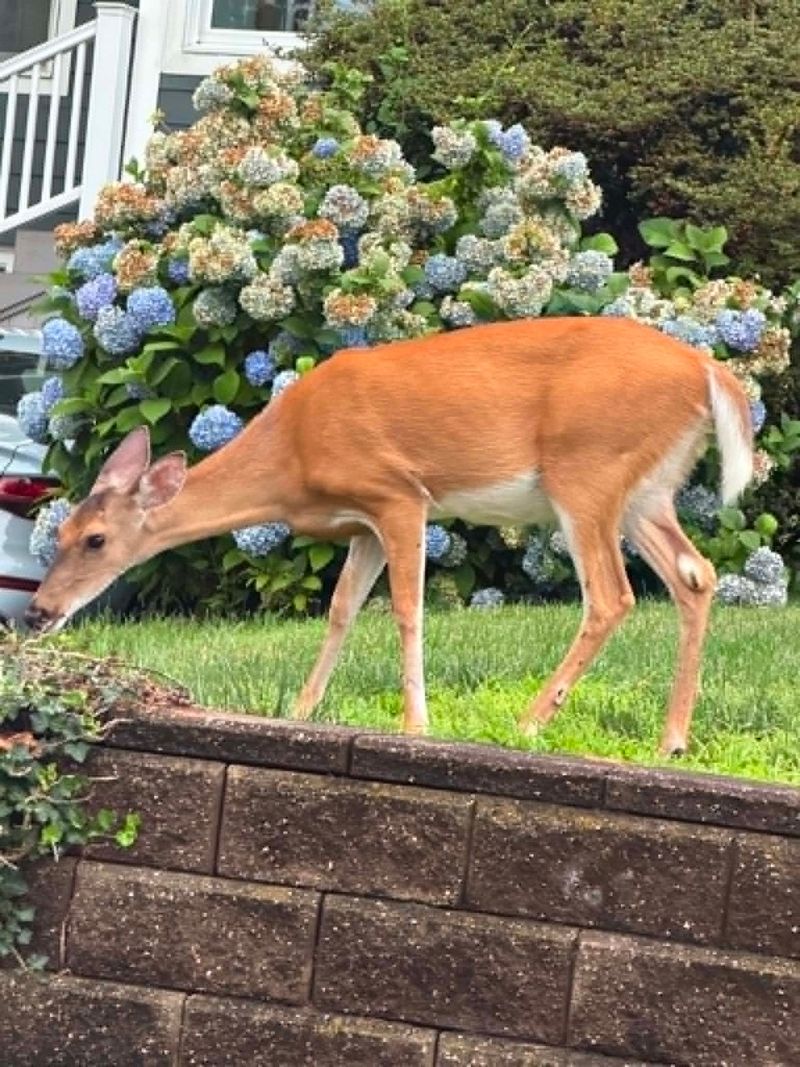
New growth is like candy to a deer. Those soft, bright green shoots that pop up in spring and after rain are packed with moisture and nutrients, and deer can spot them from a distance.
Tender leaves are easier to chew and digest than older, tougher plants. That is why a freshly trimmed hedge or a garden bed bursting with new sprouts often becomes the first place deer check when they wander through.
Fertilized plants make the problem bigger. When you feed your garden to help it grow lush and full, you also make it more tempting to hungry visitors looking for the best bite around.
Your North Carolina Garden Changes Every Week. Your Plan Should Too.
Gardening in North Carolina changes quickly throughout the season. Every Friday you’ll receive a simple weekly plan showing exactly what to plant, prune, fertilize, harvest, and protect so you never miss the right timing.
Timing matters a lot here. Early spring, when everything is waking up, tends to bring the most deer activity because natural food in the woods is still limited.
You can protect that vulnerable new growth by covering young plants with netting or lightweight garden cloth. This simple barrier lets sunlight through while keeping curious mouths away.
Spraying repellents right when new shoots appear also works well. The strong scent or bitter taste teaches deer that this fresh growth is not worth the trip.
Watch your garden closely during growth spurts. A few extra steps during these key weeks can save your plants from being stripped bare.
Once deer learn your fresh growth is off limits, they usually move along to easier meals somewhere else in the neighborhood.
3. Your Yard May Sit On Their Regular Route
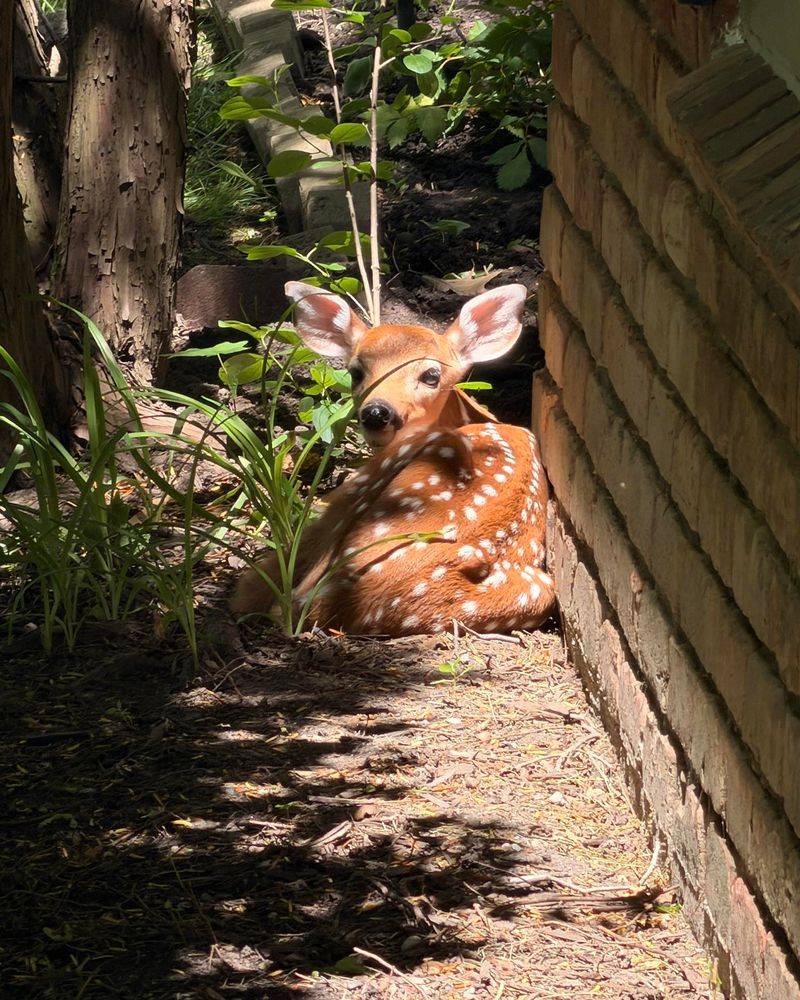
Deer are surprisingly predictable travelers. They roam within an area called a home range, and they use the same paths over and over as they move between food, water, and resting spots.
If your yard happens to sit along one of these familiar trails, the deer are not really targeting you. They are simply following a route their family has used for a long time.
You might even notice worn paths through grass or gaps in shrubs where they slip through. These little trails are clues that your property is part of their daily journey.
Habit plays a huge role in deer behavior. Once a path feels safe and rewarding, they stick with it, sometimes passing through at nearly the same time each evening or morning.
You can gently redirect them by blocking these travel lanes. Fencing, dense plantings, or motion activated sprinklers placed along their path encourage them to choose a different route.
Changing up your yard also helps break the pattern. Moving objects around, adding new obstacles, or using scent deterrents can make the familiar trail feel unfamiliar again.
Look for signs of movement near property edges, especially where your yard meets woods or open fields. Those transition zones are where deer feel most comfortable slipping in and out.
Once you understand that your yard is a stop on their commute, you can plan smarter and steer them elsewhere with a few simple changes.
4. Nearby Cover Makes The Spot Feel Safe
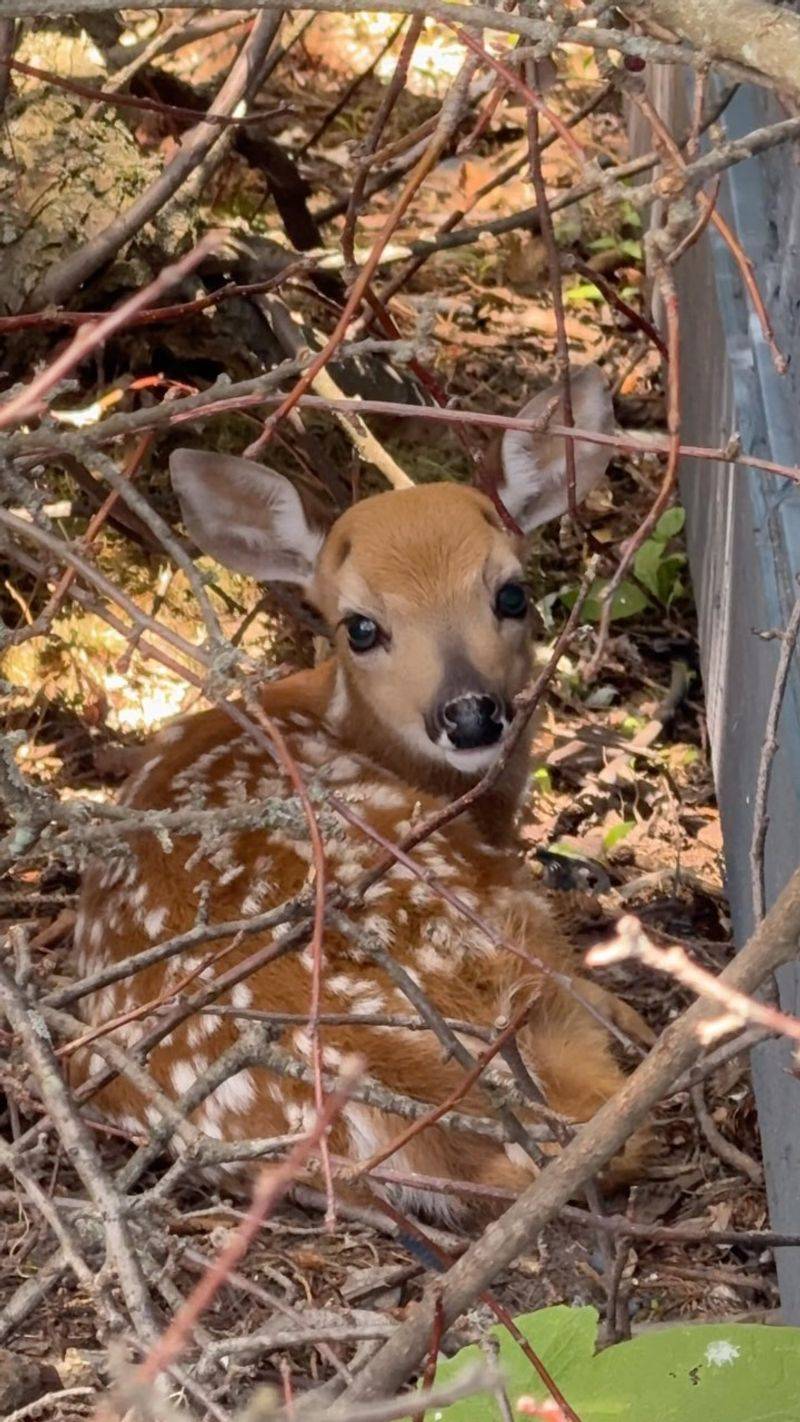
Safety matters just as much as food when a deer picks a favorite spot. If your yard sits close to woods, thick bushes, or tall grass, deer feel like they can duck for cover the moment anything startles them.
Cover gives them a quick escape. A feeding area near dense vegetation lets deer eat calmly, knowing they can vanish into the shadows in seconds if a person or dog appears.
Thick shrubs also work as hiding spots during the day. Deer often rest in these protected areas and then step out into your yard to browse when things feel quiet.
The closer your tasty plants are to this cover, the more attractive your yard becomes. It is the perfect combo of an easy meal and a safe getaway all in one place.
You can make your yard feel less secure for them by trimming back overgrown edges. Opening up sightlines removes the cozy hiding spots that make deer comfortable lingering.
Adding motion lights or wind chimes near these edges also helps. Sudden light or sound reminds deer that the area is not as calm as they hoped.
Keep leaf piles, brush, and tall weeds cleared away too. A tidy yard offers fewer places to hide and rest, which often sends deer looking elsewhere.
When the cover disappears, so does much of the appeal. Deer prefer spots where they feel protected, so removing that comfort makes a real difference.
5. Water May Be Drawing Them In
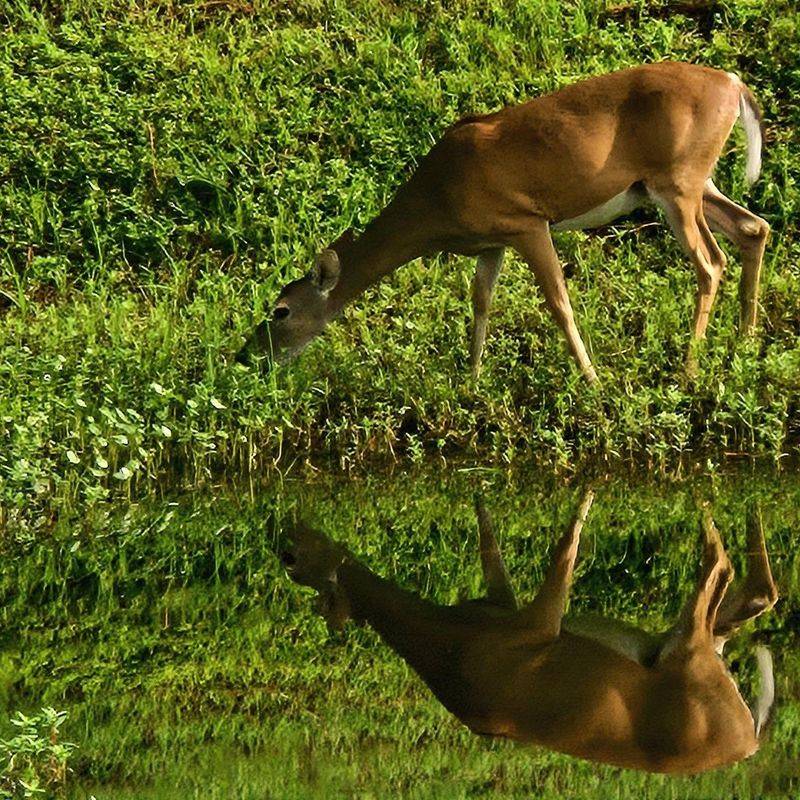
Water is a powerful draw, especially during hot North Carolina summers. Deer need to drink often, and a reliable water source in or near your yard can keep them coming back day after day.
Ponds, birdbaths, leaky faucets, and even shallow puddles all count. If deer discover dependable water on your property, that alone can make your yard a favorite destination.
Combine water with nearby snacks, and you have created the perfect stop. Deer love spots where they can eat and drink without traveling far between the two.
Rain gardens and low areas that collect moisture also attract them. These damp spots grow lush plants that deer enjoy, doubling the appeal of the location.
You can reduce the pull by fixing drips and leaks around your home. A dry yard is far less inviting than one offering an easy drink.
Covering or fencing off decorative ponds during peak deer season helps too. If they cannot reach the water easily, they often move on to other sources.
Emptying birdbaths at night is another simple trick. Deer tend to visit during quiet evening hours, so removing water then can break their routine.
Pay attention during dry spells especially. When natural streams and puddles shrink, your yard’s water becomes even more valuable to thirsty deer.
Once the easy water disappears, many deer wander off in search of it elsewhere, leaving your plants in peace and your yard a little quieter.
6. Fallen Fruit Or Acorns Can Create A Hotspot
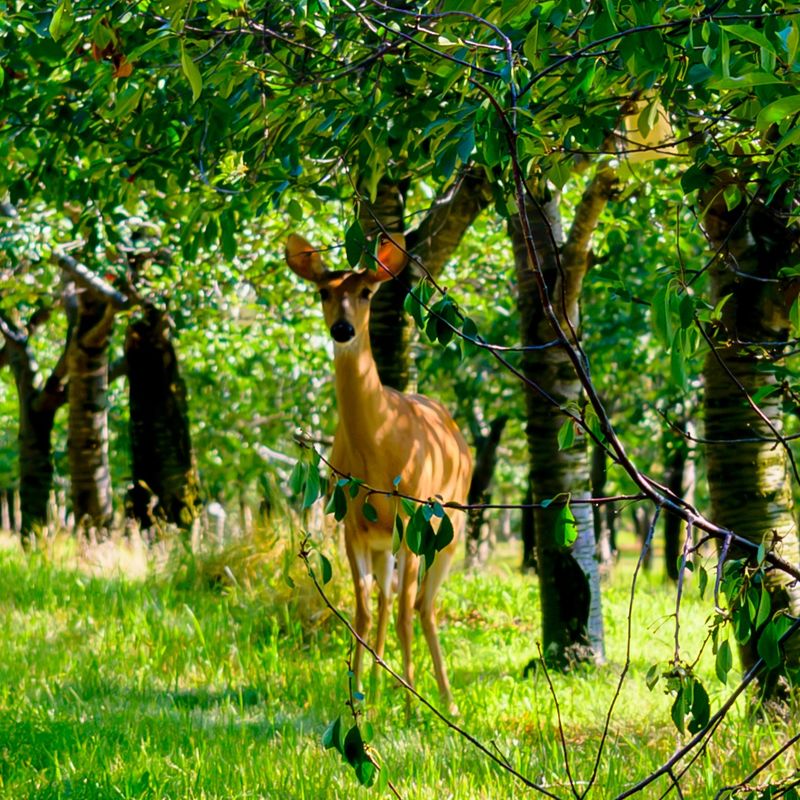
Autumn turns some yards into deer magnets. When acorns, berries, apples, and other fruit drop to the ground, deer gather to feast on the free buffet nature provides.
Oak trees are especially popular. A single oak can drop thousands of acorns, and deer will return to that same tree night after night to gobble up the fallen treats.
Fruit trees create the same effect. Apples, pears, and persimmons that tumble to the ground are packed with sugar, giving deer plenty of energy as the seasons change.
These seasonal foods are hard to resist. During fall, when deer bulk up for the colder months, your yard’s fallen goodies can become one of their top feeding spots.
You can cut down the appeal by raking up fallen fruit and nuts regularly. Clearing the ground removes the reward that keeps them coming back.
Collecting acorns takes effort, but even reducing the pile makes a difference. Fewer treats mean fewer reasons for deer to linger near your trees.
Composting or bagging the fruit quickly also helps. Leaving it out overnight practically invites deer to stop by for a midnight snack.
Netting under fruit trees can catch what falls before deer reach it. This simple setup makes cleanup faster and keeps the ground clear.
Once the seasonal feast dries up, deer usually spread out to find food elsewhere, and your yard loses its status as the neighborhood hotspot.
7. Human Food Can Teach Them To Return
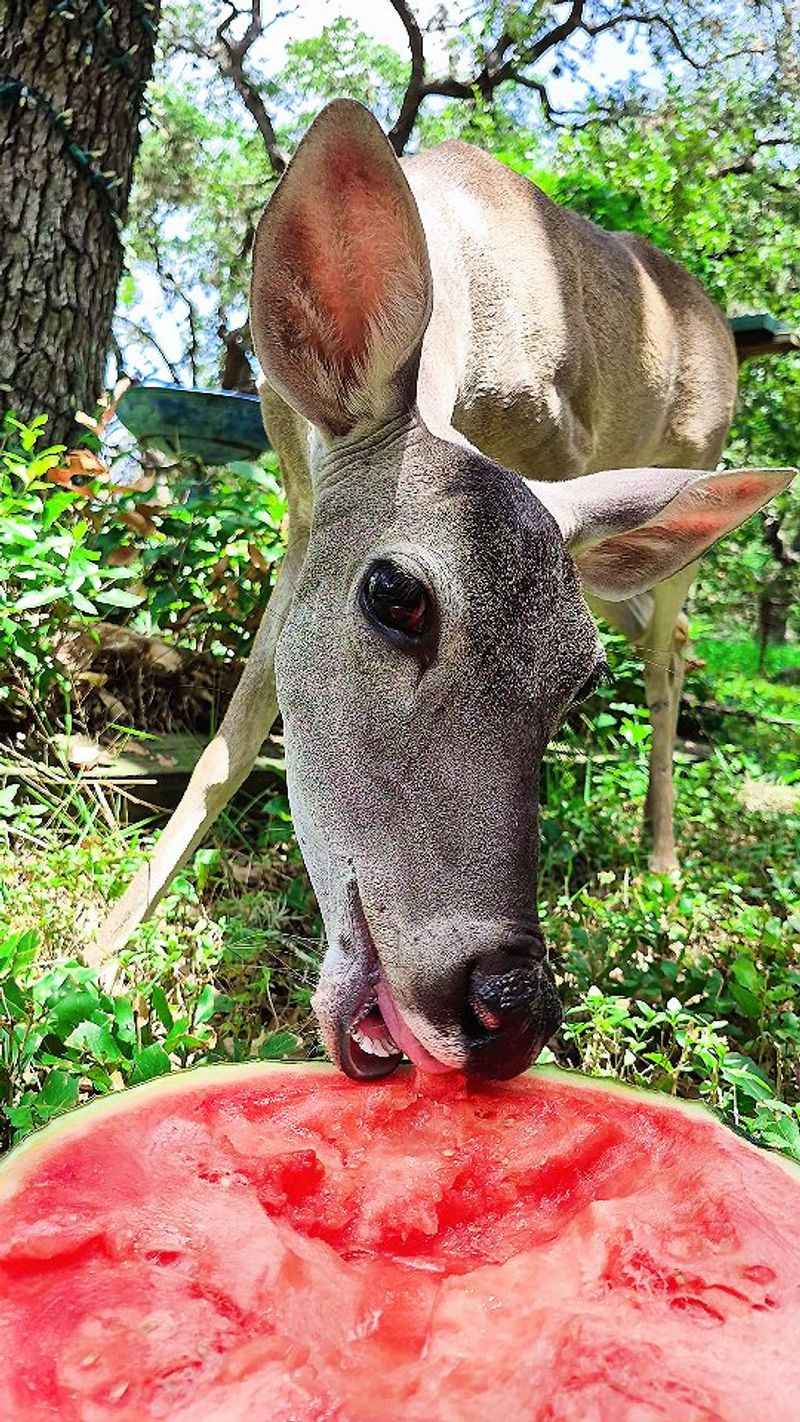
Feeding deer might feel kind, but it teaches them a lesson that causes trouble later. Once deer connect your yard with an easy meal, they return again and again, expecting more.
Corn, pet food, birdseed, and kitchen scraps all fall into this category. Even food left out for other animals can quickly become a deer’s favorite snack.
The problem grows fast. Deer that get used to human food lose their natural caution and start showing up boldly, sometimes during daylight and closer to your home.
Regular feeding also brings more deer over time. Word spreads through their behavior, and soon a single visitor turns into a whole group counting on your yard.
You can break this cycle by removing all accessible food sources. Store pet food indoors and clean up any scraps that end up outside.
Switching to deer resistant bird feeders helps too. Feeders placed high or designed to spill less give deer fewer chances to grab a free bite.
Securing trash cans is another smart move. A tight lid keeps curious noses out and removes another reason for deer to explore your property.
It is best to avoid feeding deer on purpose entirely. What seems helpful can lead to damaged gardens, bold behavior, and problems for both you and the deer.
Once the free food stops appearing, deer usually lose interest and return to foraging naturally, which is far healthier for them anyway.
8. Repeated Browsing Means Act Early
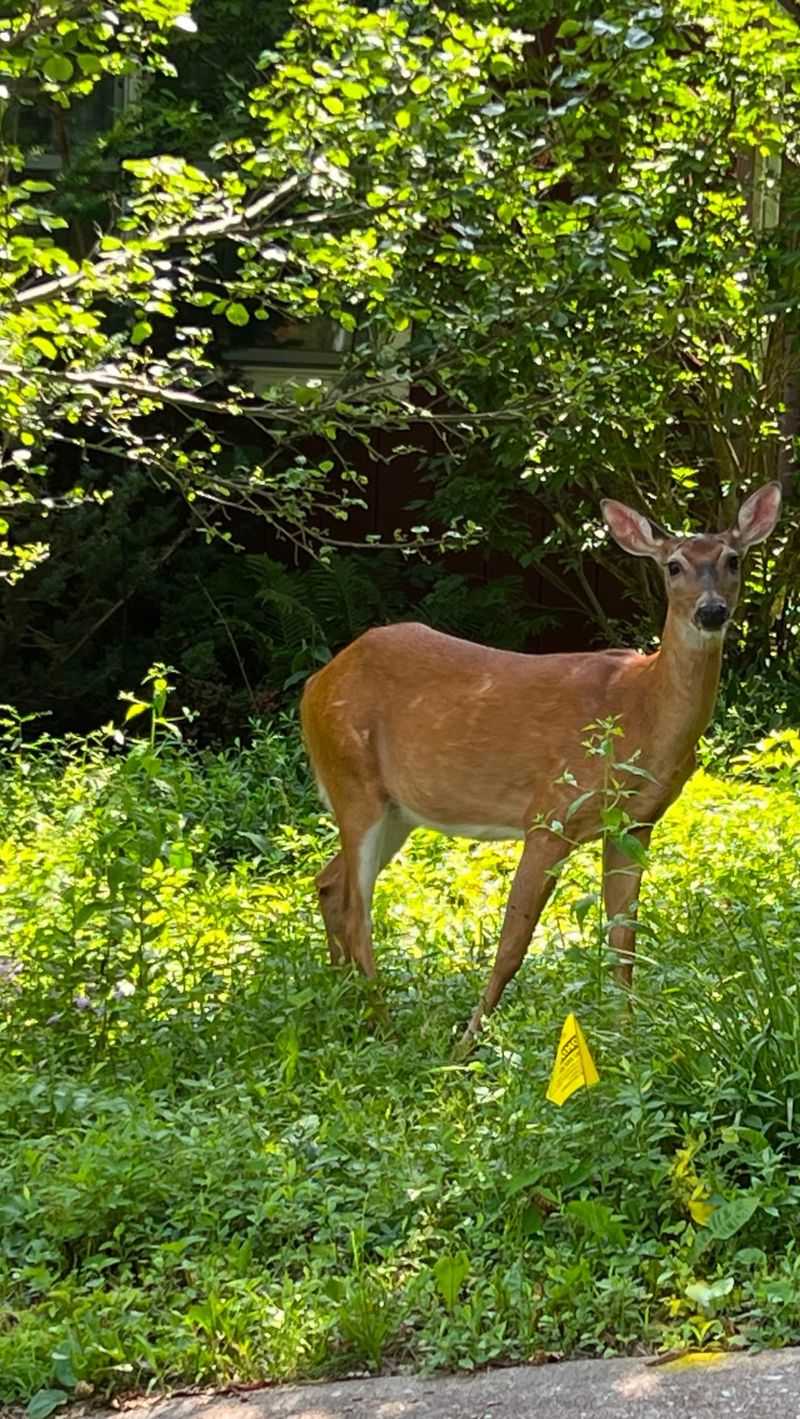
Timing is everything when it comes to keeping deer away. The moment you notice repeated browsing, that is your signal to act before the habit becomes locked in.
Deer that feed in the same spot for weeks grow comfortable and confident. Breaking that routine gets much harder once they consider your yard a reliable food source.
Early action pays off big. Setting up barriers, fences, or repellents right away stops the pattern before it turns into a nightly ritual they refuse to give up.
Tall fencing works best for serious deer pressure. A barrier around seven or eight feet high keeps most deer from jumping into your garden space.
Motion activated sprinklers add a fun surprise. A quick burst of water startles deer and teaches them your yard is unpredictable and not worth the risk.
Rotating your deterrents keeps deer from getting used to them. Switching between sprays, noises, and visual scares stops them from figuring out the tricks.
Netting and individual plant cages protect your most valuable greenery. These focused defenses guard the plants deer love most while you sort out a bigger plan.
Consistency matters more than anything. Checking your defenses often and refreshing repellents after rain keeps your yard protected all season long.
The sooner you step in, the easier the whole process becomes. Stopping deer early saves your plants, your effort, and a whole lot of frustration down the road.