Why Japanese Knotweed Is So Difficult To Remove From Oregon Yards
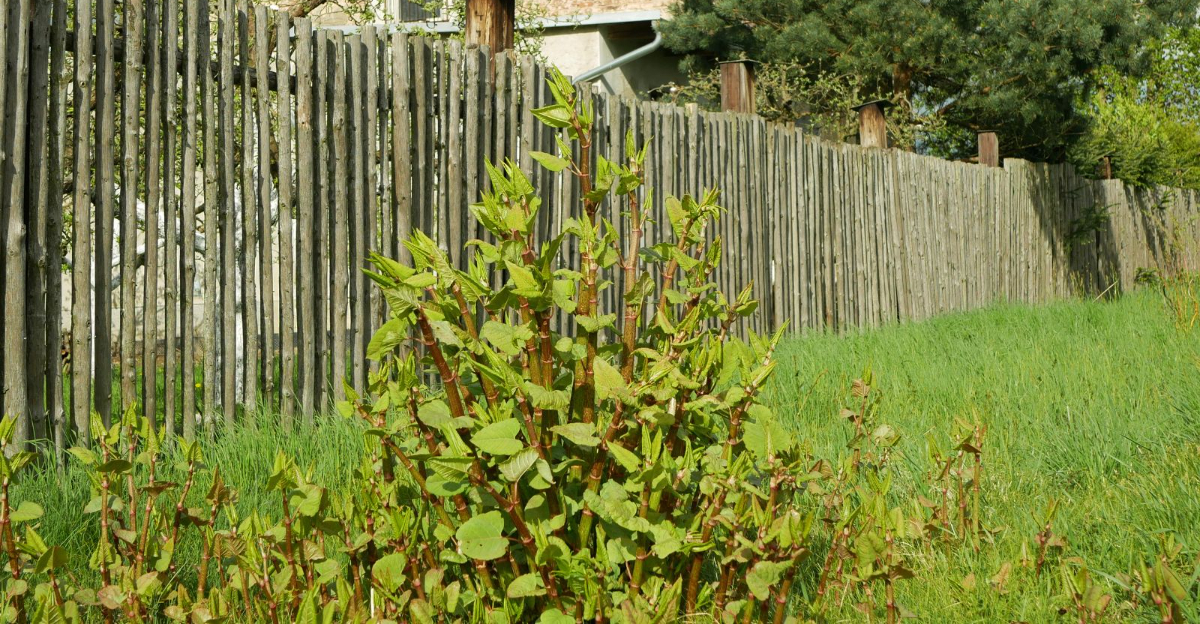
Japanese knotweed has a talent for looking completely manageable right up until you try to actually get rid of it.
Those hollow bamboo-like stems and creamy summer flowers give it an almost innocent appearance, and plenty of Oregon homeowners have made the mistake of thinking a weekend of digging would sort the problem out.
It will not. What is happening underground is the real story, and it is considerably more ambitious than what you can see above the soil surface.
A vigorous rhizome network stores energy and pushes up fresh growth season after season, and that system can regrow from surprisingly small pieces left behind after digging or mowing.
Moving contaminated soil to another part of the property can spread the problem just as effectively as doing nothing at all.
Understanding the biology before you start is genuinely the most important first step.
1. Deep Rhizomes Can Persist For Years
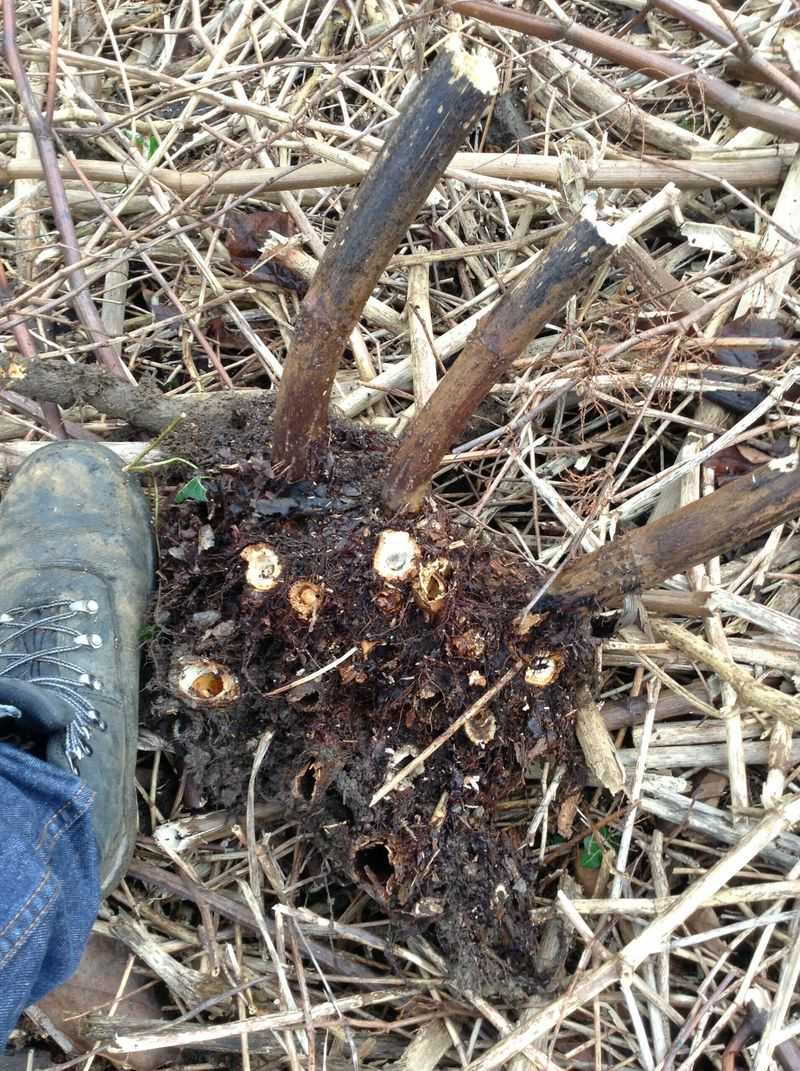
Beneath a knotweed patch sits a woody, branching root and rhizome network that acts like an underground pantry. Those rhizomes store carbohydrates the plant made during the growing season, and stored energy is exactly what fuels new shoots later on.
Cutting or pulling the canes you can see removes the leafy part of the plant, but it does little to the structure holding all that reserve energy.
Many Oregon homeowners clear a stand of stems in July, feel satisfied, then watch fresh red-tipped shoots appear in the same spot within weeks.
The rhizome system also spreads sideways, which is why a patch that started near a fence line slowly creeps toward a lawn, patio edge, or vegetable bed. Shoots popping up several feet from the original clump are often still connected to the same underground plant.
Because that network can extend under hardscaping, shrubs, and property boundaries, hand removal rarely reaches all of it in one pass. Any rhizome section left in the soil has the potential to produce new growth.
What this means practically is that success gets measured in seasons, not weekends. Repeated visits to the same patch, careful record-keeping of where shoots emerge, and patience tend to work better than one big effort.
Oregon’s mild, wet winters and long growing season give knotweed plenty of opportunity to rebuild reserves, so anything that only removes top growth is likely to be a temporary fix rather than a lasting one.
2. Small Fragments Can Start New Growth
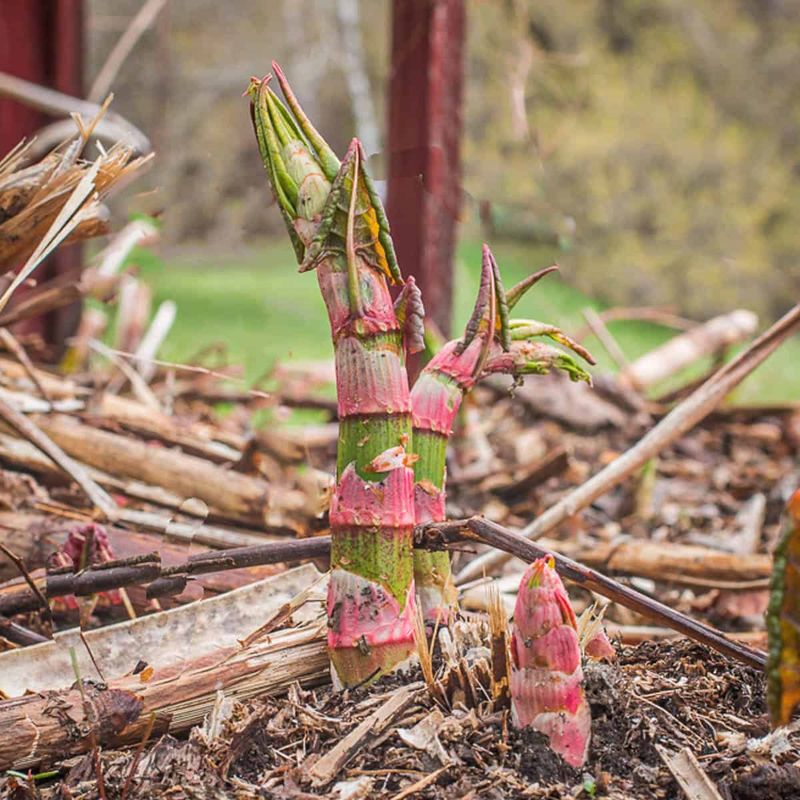
Here is the detail that surprises most gardeners: knotweed reproduces mainly without seeds. Pieces of root and rhizome can sprout on their own, producing a brand-new plant that is genetically identical to the parent patch.
Even a cleanup that removes most visible growth can leave viable material behind in the soil. That means new shoots may appear later from fragments that were missed during the first attempt.
Stem fragments can also take hold when conditions stay moist, which describes a lot of Oregon yards from fall through spring. A cut cane tossed into a damp ditch, a shady side yard, or a compost heap may root instead of breaking down.
Your Oregon Garden Changes Every Week. Your Plan Should Too.
Gardening in Oregon changes quickly throughout the season. Every Friday you’ll receive a simple weekly plan showing exactly what to plant, prune, fertilize, harvest, and protect so you never miss the right timing.
That single trait explains why so many well-meaning cleanup efforts backfire. A shovel slices through rhizomes, a rake drags cane pieces across the lawn, and suddenly there are satellite clumps in places knotweed had not grown before.
Being fussy about plant material pays off. Keeping cut stems and any excavated roots contained, out of the yard debris cart, and away from streams or moist low spots reduces the chance of accidental starts.
Oregon county weed programs can advise on acceptable disposal for a given area.
Fun bit of history: knotweed arrived in North America as an ornamental and erosion-control planting, admired for how fast it filled space. That same vigor is what makes it persistent now.
Since fragments travel easily on boots, tools, and tarps, a quick rinse-and-inspect habit after working near a patch is one of the simplest preventive steps a homeowner can take.
3. Digging Can Spread Established Patches
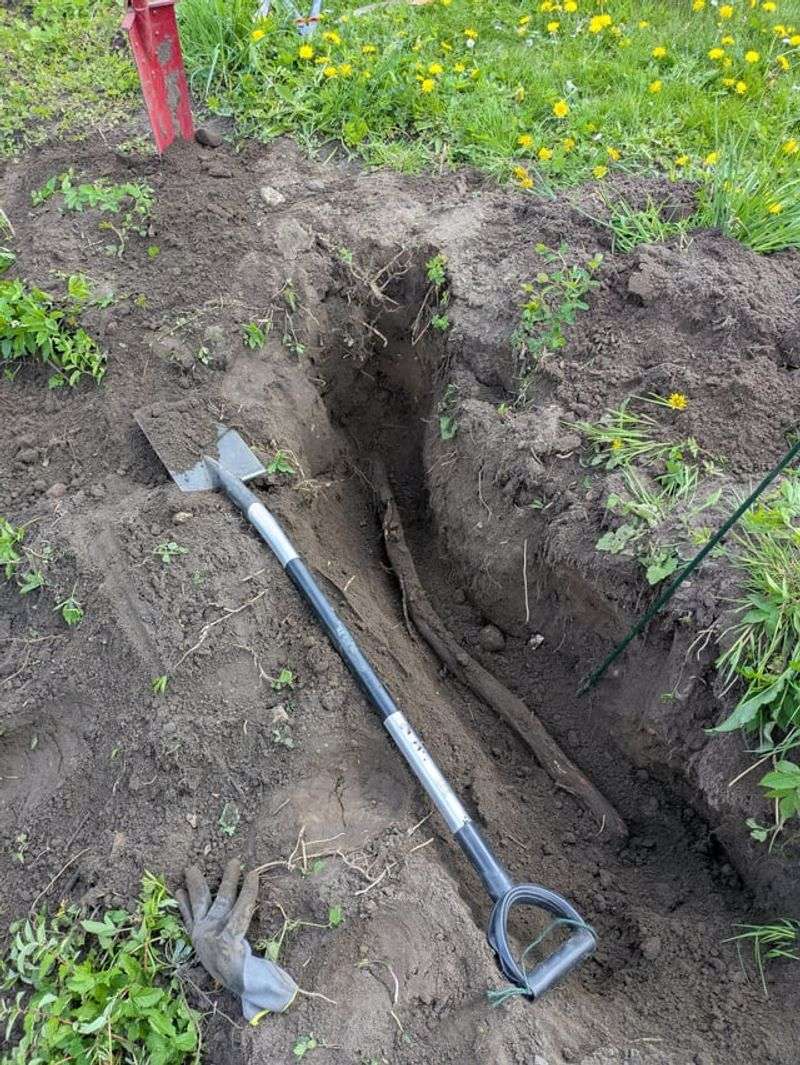
Grabbing a shovel feels like the natural response to an unwanted plant, and for many weeds it is. With knotweed, turning the soil around a mature patch chops the rhizome network into many smaller pieces, and each piece left behind may sprout.
The underground network can also extend beyond the area where stems are visible aboveground, making it easy to underestimate the size of an established patch.
Careful follow-up monitoring matters because new shoots can emerge from rhizome material that remains after excavation.
Homeowners often describe the same pattern. One dense clump gets excavated, and the following spring there are several scattered shoots ringing the old hole, spread out by the digging itself.
That said, digging is not off the table in every case. For a small, isolated, newly noticed patch, thorough excavation can be worth attempting, as long as the work is meticulous and repeated.
All visible root and rhizome material needs to come out, the site needs monitoring for regrowth, and follow-up removal is part of the plan from day one.
Scale is the deciding factor. Once a stand is large, well established, or growing along a fence, foundation, or stream bank, hand removal rarely reaches enough of the underground system to gain the upper hand.
Excavated material also needs a plan before the first shovelful. Piling knotweed-laden soil in a back corner of an Oregon property or spreading it as fill simply relocates the infestation.
Talking with a county weed coordinator or an OSU Extension office before digging helps homeowners weigh whether excavation, herbicide-based management, or a combination suits their particular patch and site conditions.
4. Mowing Can Scatter Plant Pieces
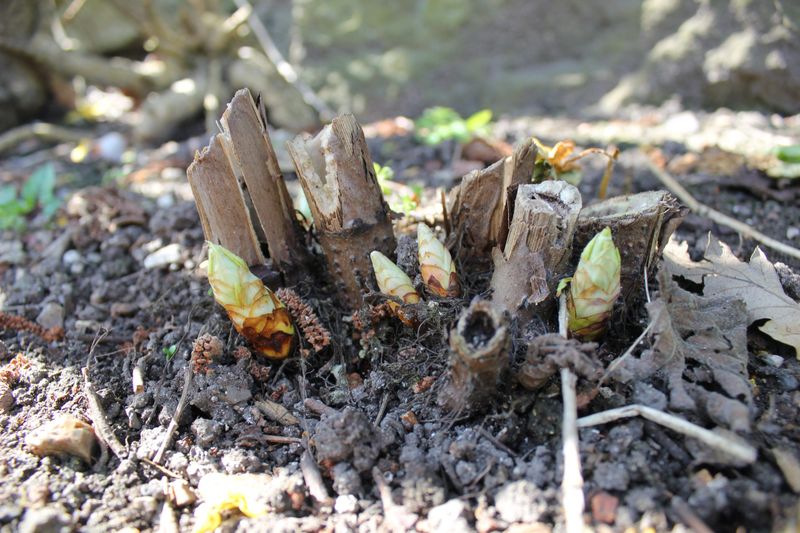
Tall, leafy, and fast-growing, knotweed practically begs to be mowed down like any other overgrown weed along a fence or driveway. Cutting equipment, though, turns stems into dozens of pieces and flings them across the yard.
Even fragments that seem insignificant can become a problem if they land where conditions support rooting. This makes cleanup after cutting just as important as the cutting method itself.
String trimmers and mowers scatter fragments into flower beds, under hedges, and into gutters or ditches where moisture collects. Those damp landing spots are where stray pieces have the best chance of rooting.
Repeated cutting also encourages the plant to push out more stems from the crown, so a patch can end up denser and bushier rather than smaller. The underground reserves keep funding that regrowth.
None of this means cutting has no place. Some management plans include cutting at specific times to reduce plant size before other control steps, but it works as part of a strategy rather than a stand-alone fix, and cut material still has to be handled carefully.
Practical habits help. Sweeping up clippings instead of leaving them on the ground, bagging them rather than blowing them into a ditch, and cleaning mower decks and trimmer heads before moving to another part of the yard all lower the odds of spreading pieces.
Oregon’s rainy stretches make careless clippings especially risky, since fragments stay moist for weeks. Treating knotweed differently from ordinary tall weeds from the very first cut saves a lot of frustration later.
5. Soil And Yard Debris Can Spread Knotweed
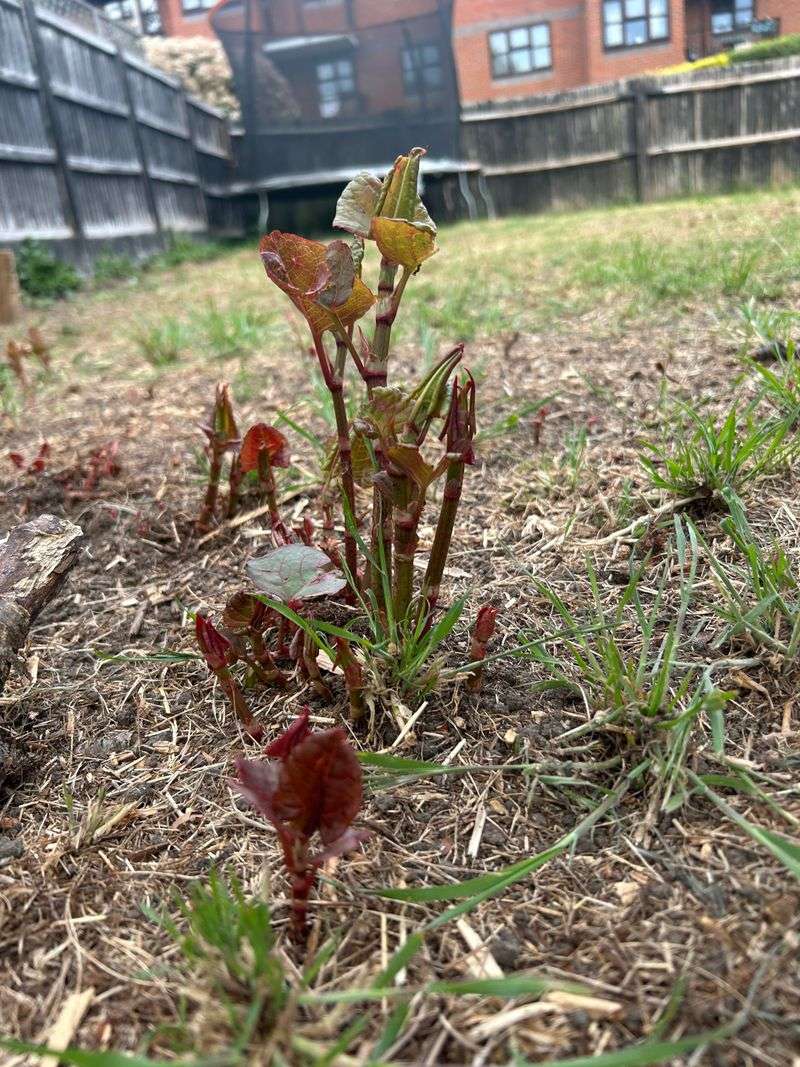
Soil moves around a property constantly during landscaping projects, and knotweed rides along with it. Rhizome and root fragments mixed into fill dirt, topsoil, mulch, or a pile of yard waste can start growth wherever that material lands.
Once contaminated material is moved, the new growth may appear well away from the original patch and make the infestation harder to track. Keeping soil from an affected area separate from clean material can help reduce that risk.
Equipment carries pieces too. Shovel blades, tiller tines, wheelbarrow beds, tractor buckets, boot treads, and tarps all pick up bits of rhizome, and a quick trip across the yard is enough to introduce the plant somewhere new.
That is why Oregon homeowners are encouraged to be cautious about relocating anything from an infested area. Using knotweed-area soil to level a low spot, fill a raised bed, or backfill around a new shrub can create a fresh patch far from the original one.
Composting is another weak point. Backyard compost piles rarely handle woody rhizomes reliably, and finished compost spread around the yard can carry viable fragments with it.
Before hauling soil or debris, it helps to check with a local county weed program or solid waste provider about disposal options in the area, since guidance varies around the state.
Contractors deserve a heads-up as well. Letting a landscaper or excavator know knotweed is present lets them clean equipment before leaving and avoid mixing contaminated soil into other piles.
A little caution with dirt and debris protects the rest of a yard, and it protects neighboring Oregon properties too.
6. Large Infestations May Need Repeated Treatment
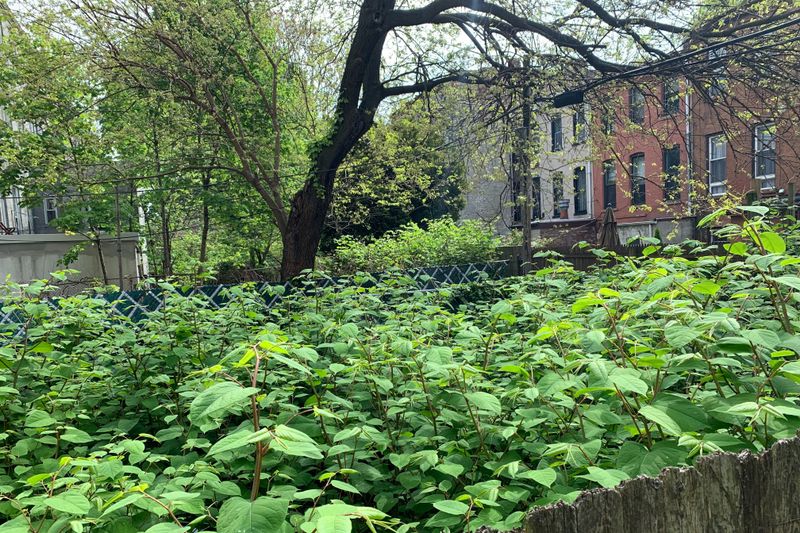
Anyone hoping for a one-and-done solution with an established knotweed stand is likely to be disappointed, and that is not a reflection of effort. The size of the underground energy reserve simply outlasts a single season of work.
Management plans for larger patches usually stretch across multiple growing seasons. Even after top growth stops appearing, monitoring continues, because shoots can show up again from surviving rhizome sections.
Timing matters a great deal. Extension guidance generally points to late-season treatment, when the plant is moving energy down into its rhizomes, as more effective than early-summer efforts.
Working with the plant’s yearly rhythm beats fighting it whenever the mood strikes.
For sizable infestations, herbicide-based management is commonly recommended, and label directions plus site conditions, especially near water, determine what is appropriate.
Oregon has specific rules about products used near streams, ditches, and wetlands, so checking current OSU Extension or Oregon Department of Agriculture guidance before starting is worthwhile.
Keeping simple notes turns a long project into a manageable one. Marking patch boundaries, photographing the area each year, and logging treatment dates makes progress visible even when it feels slow.
Hiring a licensed applicator is a reasonable choice for big stands or awkward sites near property lines and water.
Persistence really is the deciding factor here. Homeowners who plan for several seasons of follow-up tend to see steady shrinking, while one-time efforts usually lead back to square one.
7. Knotweed Can Spread Across Property Lines
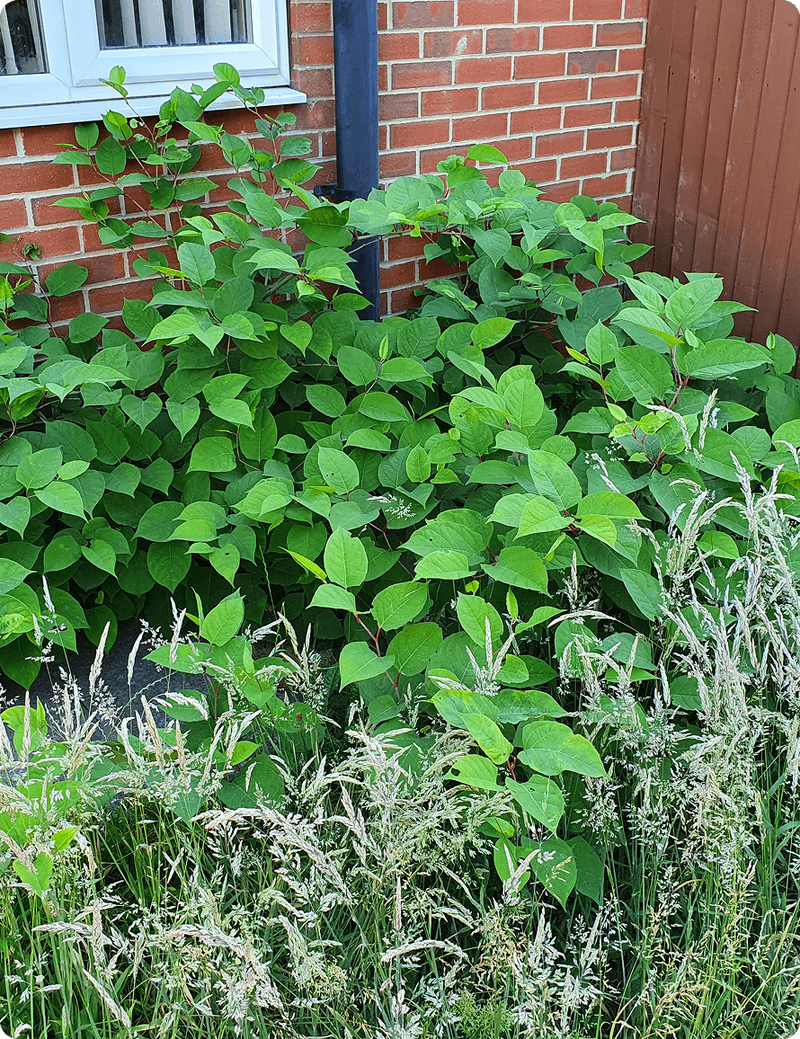
Fences mark where a yard ends, but rhizomes pay no attention to surveys. A large infestation can extend underground past a boundary, linking what look like two separate patches into one connected plant.
Oregon homeowners sometimes clear their side thoroughly, then watch shoots return from the neighboring yard within a season or two. The treated area was only part of a bigger system all along.
Coordination changes the math. When adjoining property owners treat their patches during the same season and stick with follow-up together, the whole infestation loses ground instead of shifting back and forth across the fence.
Starting that conversation does not need to be awkward. Sharing a photo of the plant, explaining that it regrows from underground pieces, and describing the plan usually gets a friendly response, since most neighbors would rather not deal with it either.
Shared arrangements can also save money. Splitting the cost of a licensed applicator or scheduling one visit for both yards is often cheaper and more effective than two separate attempts.
When knotweed grows near a creek, canal, or shared easement, county weed coordinators and local watershed councils can offer advice and sometimes help organize neighborhood-scale projects.
Rented properties add another layer, so looping in a landlord or property manager early keeps everyone on the same page.
Treating knotweed as a shared project rather than a fence-line dispute gives Oregon neighborhoods a much better shot at lasting results.