The Best Dwarf Crape Myrtle Varieties For North Carolina Small Yards And Containers
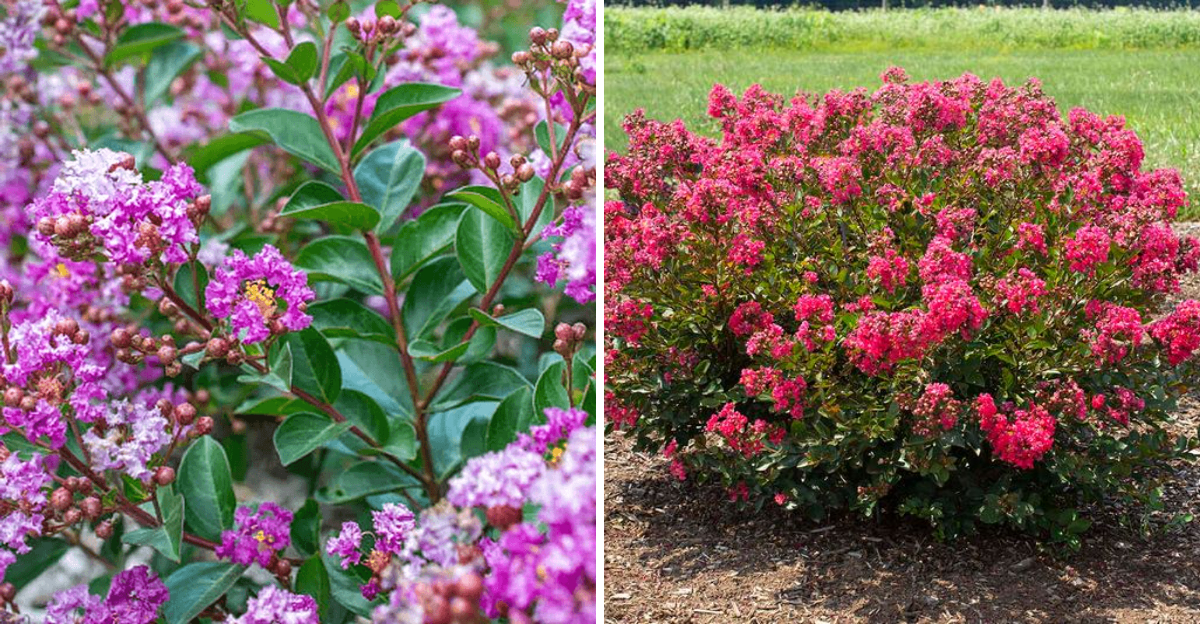
Dwarf crape myrtle varieties give North Carolina gardeners all the classic summer blooms without requiring the space larger traditional trees typically demand.
Pocomoke stays especially compact, making it a popular choice for small garden beds or even large containers on a patio.
Petite series varieties offer a similar manageable size while providing a wide range of bloom colors to choose from. These smaller varieties still tolerate North Carolina’s heat and humidity just as well as their full sized counterparts.
Container grown dwarf crape myrtles do require slightly more attention to watering, since pots dry out faster than ground soil. Their compact root systems make them a practical option for smaller yards or tight urban garden spaces.
Pruning needs are also reduced compared to larger varieties, since dwarf types naturally maintain a more manageable shape.
Choosing one of these smaller varieties brings crape myrtle’s signature color to spaces that couldn’t otherwise support the larger trees.
1. Chickasaw Stays Exceptionally Compact
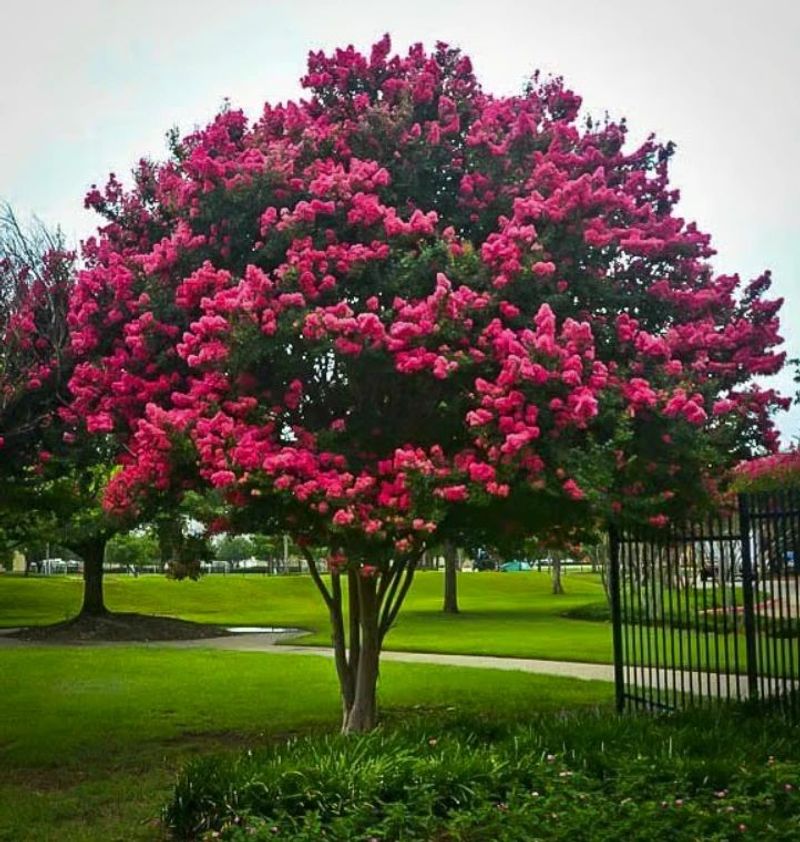
Some plants seem almost too good to be true, and Chickasaw is one of them. This tiny powerhouse grows to only about 20 inches tall, making it one of the smallest crape myrtles you can find.
For North Carolina gardeners who are working with tight spaces, a narrow flower bed, or a container on a small porch, Chickasaw fits the bill perfectly.
What really sets Chickasaw apart is its naturally mounded habit. You do not need to prune it into shape because it forms a tidy, rounded mound all on its own.
That means less work for you and a consistently neat look throughout the growing season. The flowers come in a soft rosy-purple color that pops beautifully against green summer foliage.
North Carolina summers can be hot and humid, but Chickasaw handles that kind of weather without complaint.
It loves full sun and rewards you with blooms from mid-summer into fall, which is a longer flowering window than many other small shrubs offer.
Plant it along a walkway, tuck it into a rock garden, or place it in a decorative pot near your front door.
Because Chickasaw stays so small, it also works wonderfully as a ground cover or edging plant along borders. You can plant several together to create a colorful low hedge that stays in bounds year after year.
Pair it with ornamental grasses or coneflowers for a low-maintenance garden bed that looks professionally designed. If you want big color without big commitment to space, Chickasaw delivers exactly that in the most charming, compact way possible.
2. Pocomoke Is Made For Small Spaces
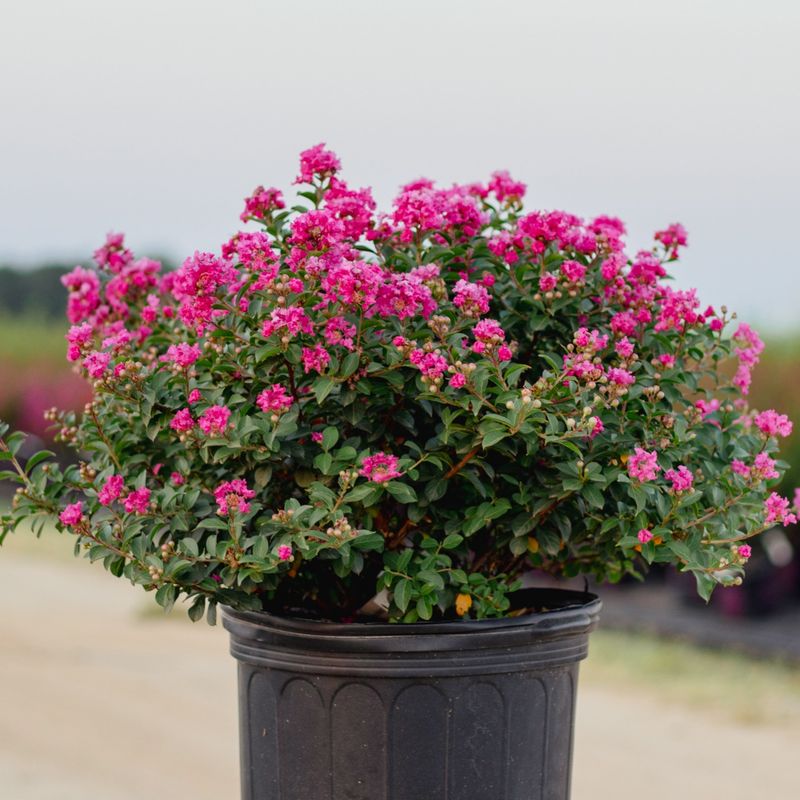
Pocomoke has built quite a reputation among small-space gardeners, and for good reason. This true miniature crape myrtle tops out at around two to three feet tall and wide, keeping its neat, mounded shape without any aggressive pruning needed.
For gardeners in North Carolina working with tight side yards, narrow raised beds, or container gardens on a balcony, Pocomoke feels like it was designed with exactly those situations in mind.
The flowers are a rich, deep rose-pink that look almost jewel-like against the glossy green leaves. Bloom time stretches from summer into early fall, giving you weeks of color when many other shrubs have already finished their show.
Your North Carolina Garden Changes Every Week. Your Plan Should Too.
Gardening in North Carolina changes quickly throughout the season. Every Friday you’ll receive a simple weekly plan showing exactly what to plant, prune, fertilize, harvest, and protect so you never miss the right timing.
The flowers appear in dense clusters, so even a single plant creates a bold visual impact in a small garden setting.
One of the most practical things about Pocomoke is how well it handles container life. Plant it in a large pot with good drainage, give it full sun, and water it consistently during dry spells, and it will reward you with season-long blooms.
Bring the container to a sheltered spot during harsh winters in the North Carolina mountains or Piedmont region if temperatures dip below the typical comfort zone.
Pocomoke also pairs beautifully with companion plants like black-eyed Susans, salvia, or ornamental sweet potato vine in container arrangements.
Its tidy size means you can mix and match plantings without worrying about one plant crowding out another.
For anyone who loves the classic crape myrtle look but simply does not have the room for a full-sized tree, Pocomoke is a genuinely smart and rewarding choice.
3. Monow Gives You White Flowers
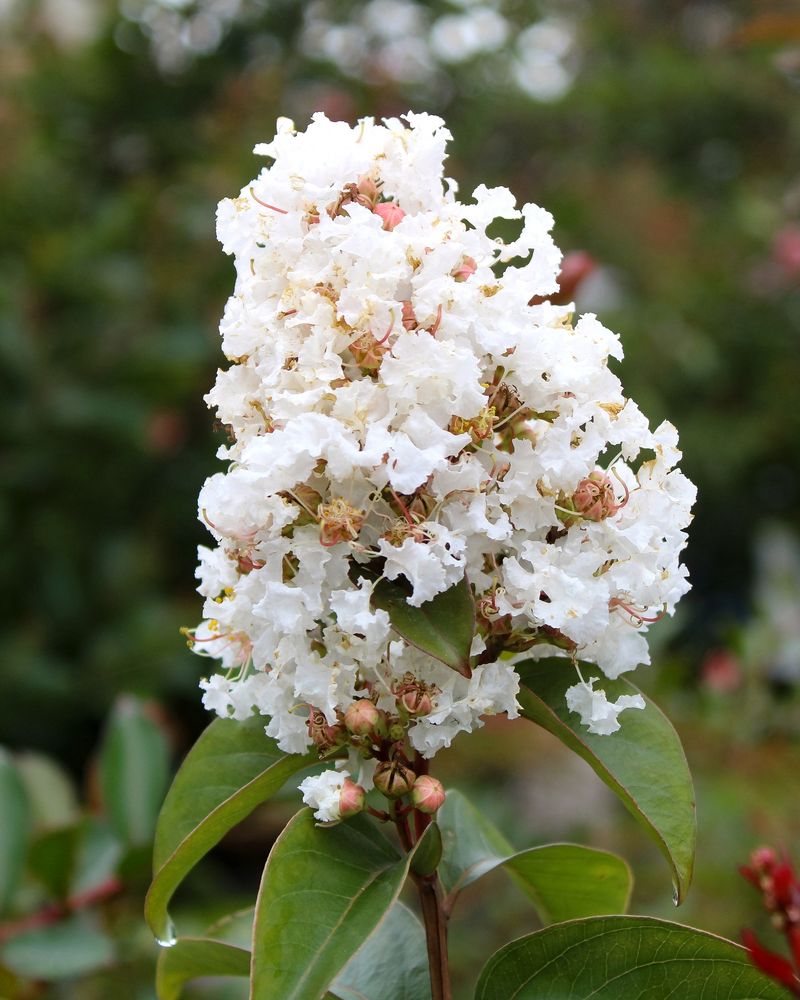
White flowers in the garden have a way of making everything around them look brighter, and Monow delivers exactly that kind of fresh, clean beauty.
This dwarf crape myrtle reaches about three to four feet tall at maturity, which puts it in a very useful size range for small yards, mixed borders, and large containers.
If you have been searching for a compact shrub that offers something a little different from the typical pink or purple crape myrtle palette, Monow is a refreshing option.
The white flower clusters bloom in summer and stand out especially well against the plant’s lush green foliage. In the evening light or against a dark fence or wall, those white blooms practically glow.
Monow works especially well in garden designs that use a limited color palette or in spaces where you want the surrounding plants and flowers to take center stage while Monow adds a calm, elegant backdrop.
Growing Monow in North Carolina is straightforward because it thrives in the state’s warm, sunny summers. Plant it in well-drained soil with at least six hours of direct sunlight daily, and it will establish quickly.
Once settled in, it shows good drought tolerance, which is a big plus during the hot stretches that North Carolina summers regularly bring.
Monow also looks stunning when planted in groups of three along a fence line or walkway. The repeating clusters of white flowers create a rhythm in the landscape that feels both intentional and beautiful.
For container gardening, pair it with trailing white or silver plants to keep that crisp, cohesive look. Monow is a quiet showstopper that earns its place in any small garden.
4. Ruby Dazzle Adds Pink Flowers And Red Foliage
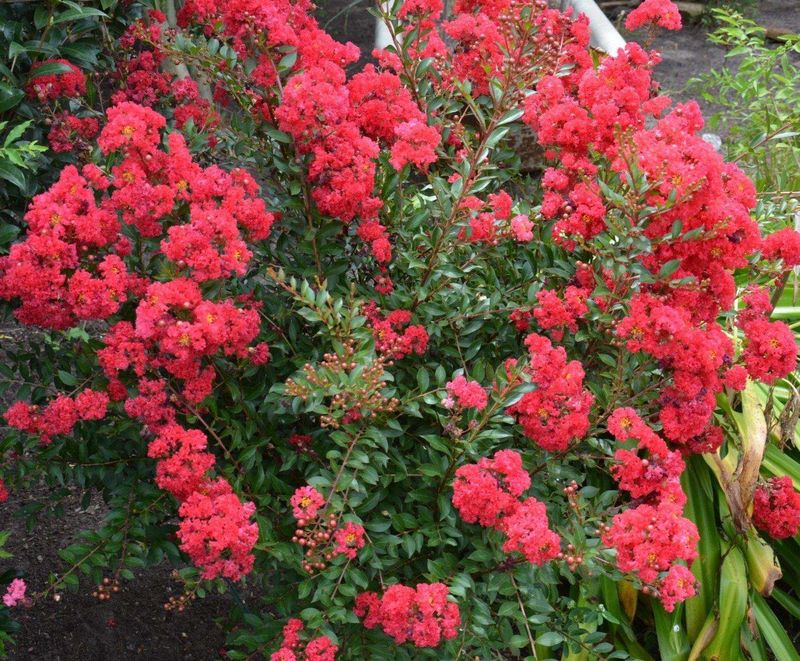
Ruby Dazzle earns its name in the most literal way possible.
This compact dwarf crape myrtle brings two seasons of color to your garden, first with its striking reddish-bronze foliage in spring, and then with cheerful bright pink flowers that emerge in summer.
Growing anywhere from two to five feet tall depending on conditions, Ruby Dazzle fits comfortably into small yards, patio container arrangements, and tight garden corners where other plants might feel cramped.
The combination of colorful foliage and vivid blooms is what makes Ruby Dazzle stand out from more straightforward crape myrtle options. Even before the flowers open, the plant is already contributing rich color to your landscape.
That extended visual interest across multiple seasons is exactly what busy gardeners want from a low-maintenance plant, and Ruby Dazzle delivers without demanding a lot of attention in return.
In North Carolina’s climate, Ruby Dazzle performs reliably in full sun and handles the summer heat without skipping a beat.
Plant it in well-drained soil and water it during dry periods, especially in its first growing season while the roots are getting established.
After that, it becomes quite independent and continues putting on a colorful show year after year. For patio gardeners, Ruby Dazzle is a natural fit in a large decorative container.
Its manageable size means it will not outgrow the pot too quickly, and the colorful foliage makes the container look attractive even when the plant is between bloom cycles.
Try pairing it with lime-green sweet potato vine or silver dusty miller for a container combination that turns heads all season long. Ruby Dazzle is truly a two-for-one garden treasure.
5. Violet Filli Is One Of The Smallest Choices
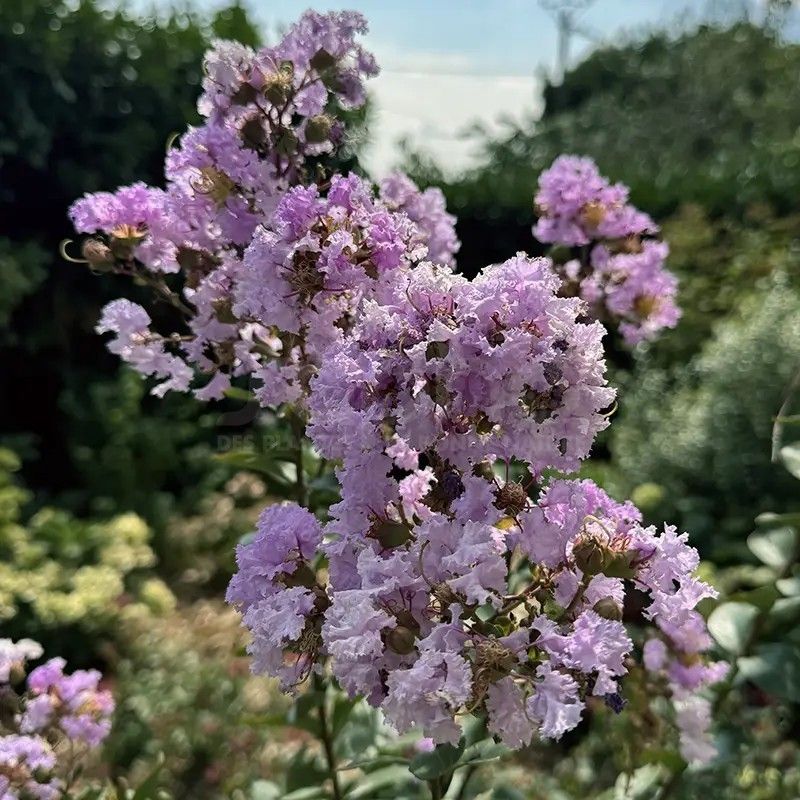
Gardening in a very small space, like a balcony, a window box, or a narrow strip of soil along a fence, calls for a plant that takes up almost no room but still delivers real visual impact. Violet Filli fits that description beautifully.
Reaching only about one to one and a half feet tall, this petite crape myrtle is among the smallest selections available, yet it blooms with energy that surprises people who see it for the first time.
The flowers are a vivid, eye-catching violet-purple that look almost electric against the plant’s small green leaves. Because the plant itself is so tiny, those bold blooms feel especially dramatic by comparison.
Violet Filli blooms in summer and holds its color for an extended period, making it a reliable source of interest in garden spaces that might otherwise feel bare or unfinished during the hottest months.
North Carolina gardeners who grow Violet Filli in containers have found it to be an easy and rewarding choice. It needs full sun to bloom its best, so position it where it gets at least six hours of direct light each day.
Regular watering during dry summer weeks keeps it looking fresh and encourages continuous blooming throughout the season.
Because of its tiny footprint, Violet Filli works brilliantly as an edging plant along a pathway or as a front-of-border accent in a mixed flower bed.
You can also group several plants together to create a low, colorful mass planting that adds a burst of purple to any corner of your yard.
For anyone who thought crape myrtles were only for large landscapes, Violet Filli is a delightful and convincing counterargument.
6. Bellini Grape Brings Purple Color
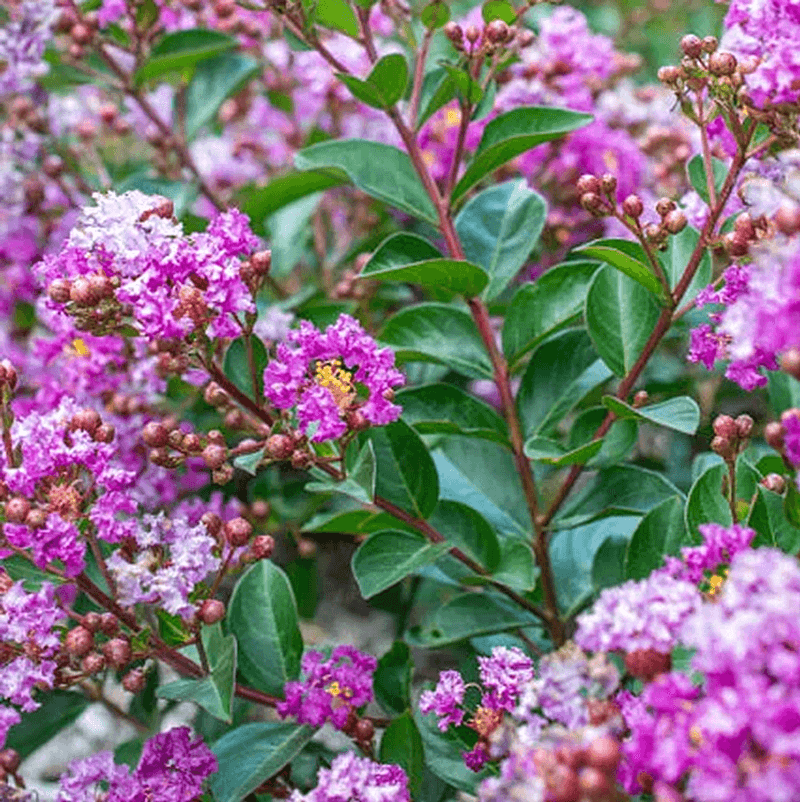
Purple is one of the most requested flower colors in home gardens, and Bellini Grape delivers it with style.
Part of the Bellini series, which NC State University specifically classifies as a dwarf crape myrtle group, Bellini Grape was developed with smaller landscapes in mind.
The plant typically stays in the range of two to four feet tall, giving it a manageable, tidy presence that works in garden beds, borders, and containers without any fuss.
The deep purple blooms are the clear star of the show. They appear in summer and create a rich, jewel-toned effect that pairs beautifully with chartreuse foliage plants, white flowers, or even silvery ornamental grasses.
If you enjoy designing garden combinations that feel intentional and polished, Bellini Grape gives you a strong anchor color to build around throughout the growing season.
Growing well in North Carolina’s warm climate, Bellini Grape appreciates full sun and well-drained soil. It tolerates summer heat with ease and does not require a lot of supplemental water once it has settled into the ground.
Gardeners who want a mostly hands-off shrub that still brings bold color will find Bellini Grape to be a reliable and satisfying choice from spring planting through fall.
The Bellini series as a whole was designed to offer gardeners compact options with reliable performance, and Bellini Grape lives up to that promise with consistent blooming and a naturally tidy growth habit.
Plant it near the edge of a patio, use it to frame a garden gate, or let it serve as a colorful focal point in a container arrangement. Bellini Grape makes purple gardening both easy and rewarding.
7. Bellini Raspberry Adds Another Dwarf Option
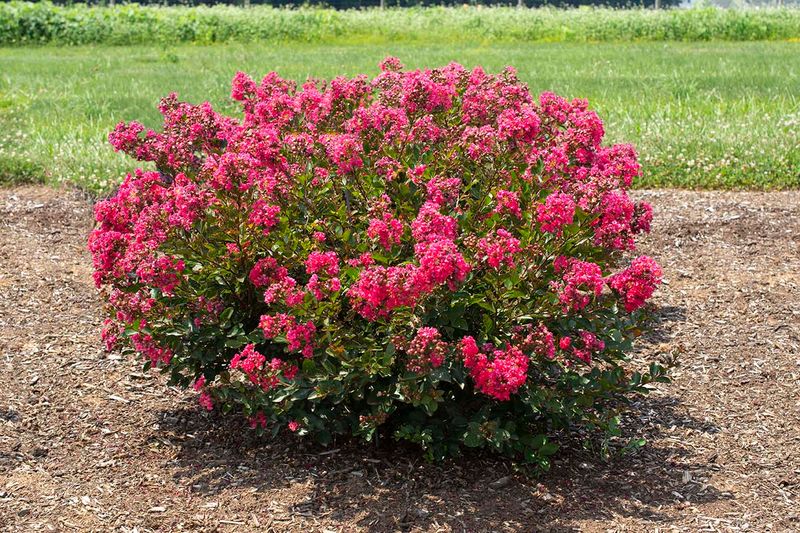
Not every gardener wants purple or white flowers, and that is exactly where Bellini Raspberry steps in with its warm, cheerful personality.
Also part of the NC State-recognized Bellini dwarf series, this variety brings rich raspberry-pink blooms to the table in a compact package that stays around two to four feet tall.
For small yards and container gardens across North Carolina, Bellini Raspberry offers the crape myrtle experience without any of the size concerns that come with standard varieties.
The raspberry-pink flower color is warm and inviting without being overwhelming. It pairs naturally with deep green foliage, and the blooms appear reliably each summer, giving your garden a consistent burst of color when the heat is at its peak.
That summer-long performance is one of the reasons crape myrtles in general have such a devoted following in the South, and Bellini Raspberry carries on that tradition at a much more manageable scale.
In North Carolina, Bellini Raspberry performs best in full sun with well-drained soil. It handles the heat and humidity of a Carolina summer without any trouble and requires only basic care once established.
Water it during extended dry spells and give it a light feeding in spring, and it will reward you generously through the growing season.
For gardeners who already love Bellini Grape and want to create a layered, multi-color planting scheme, adding Bellini Raspberry nearby creates a beautiful contrast that feels lively and cohesive at the same time.
Both plants share the same compact habits and care requirements, making them natural companions in a small yard or a collection of patio containers. Bellini Raspberry proves that good things really do come in small, colorful packages.