What Oregon Hydrangeas Need After A Heat Wave To Recover Before Fall
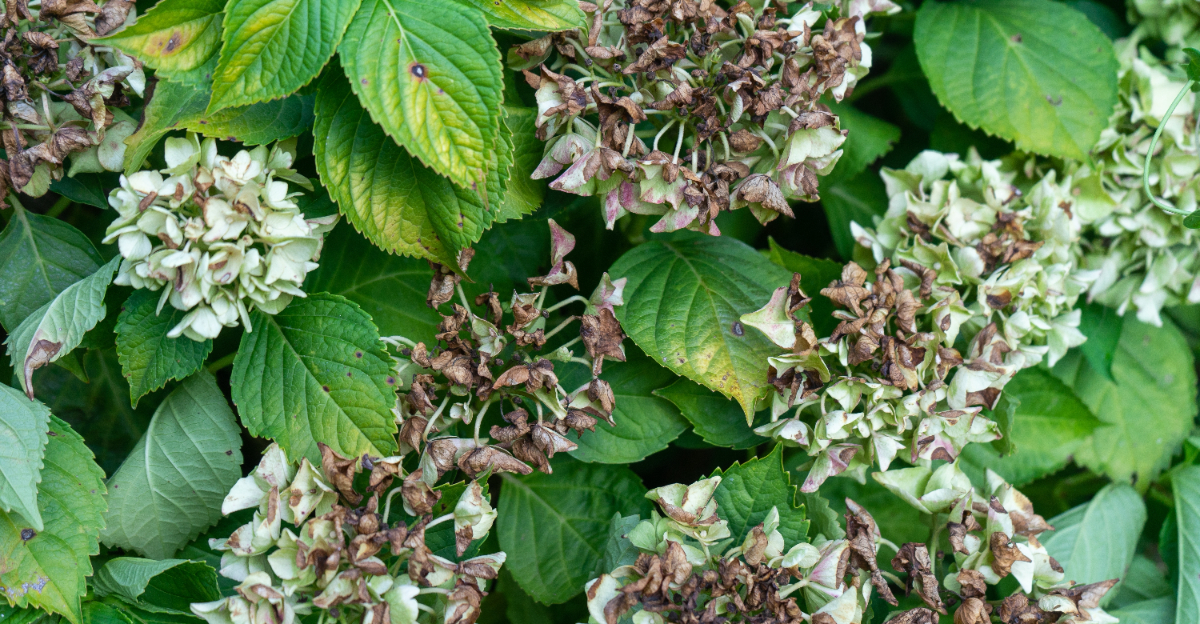
Summer heat in Oregon does not announce itself gently. One scorching stretch and those velvety hydrangea blooms suddenly look scorched at the edges, drooping like they gave up halfway through the season.
If your shrub is showing crispy petals and limp leaves right now, plenty of gardeners across the state are staring at the same sight. The damage looks alarming, but it rarely tells the whole story underneath.
What your hydrangea actually needs in the weeks after a heat spike is not what most people reach for first. Some common instincts actually slow down recovery instead of speeding it up.
A few small adjustments now can pull a stressed shrub back from the brink and set it up for a strong autumn bloom.
Watering Deeply To Rebuild Root Strength
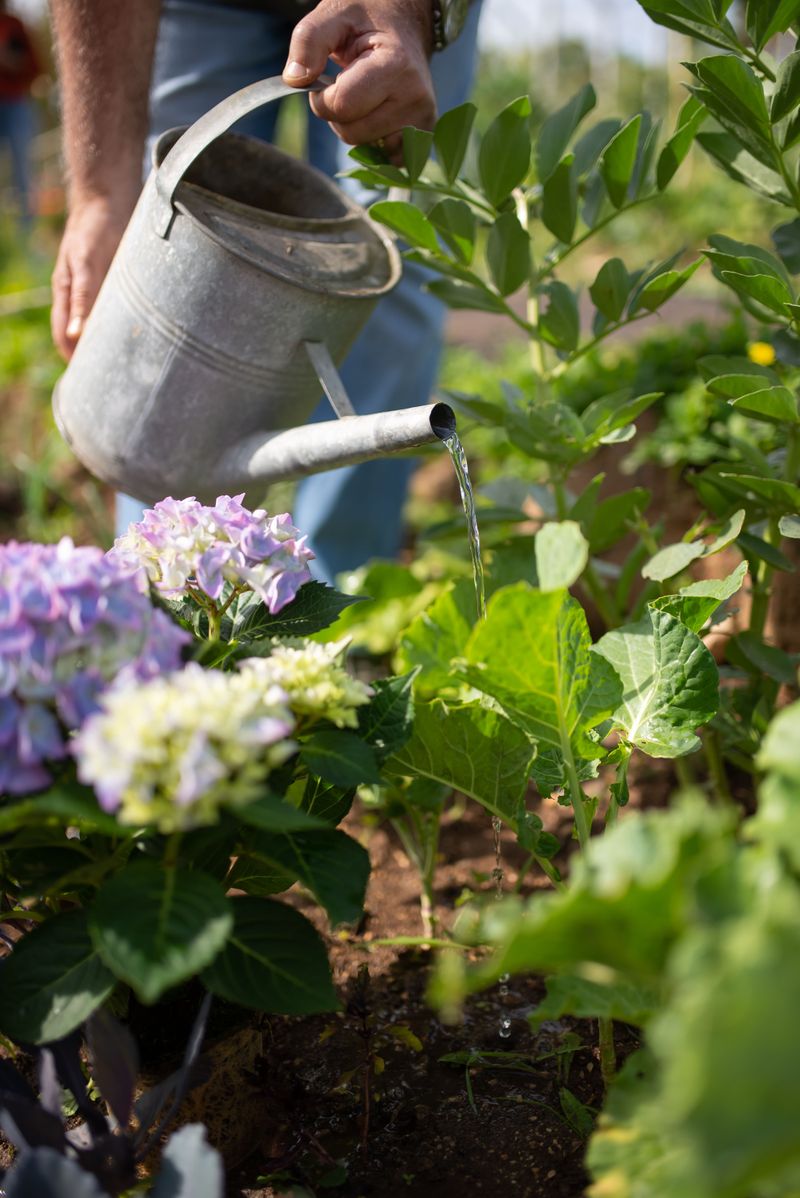
Shallow watering after a heat wave is like putting a bandage on a broken leg. Oregon hydrangeas need deep, slow soaking to push moisture down where roots actually live.
Roots spread wide and low beneath the soil. Surface sprinkles only wet the top inch, leaving the real root zone completely dry.
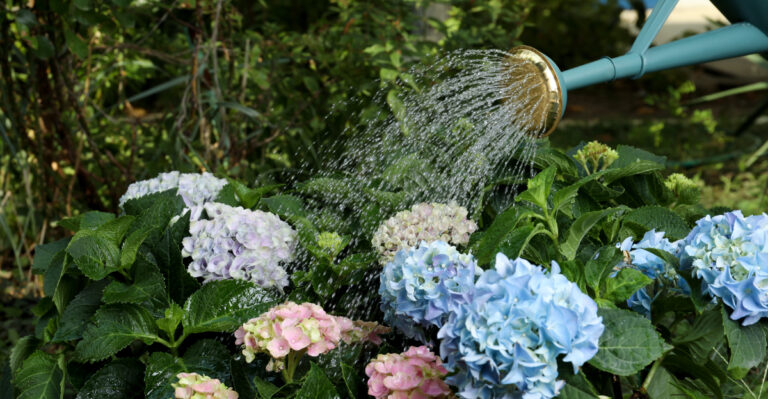
Water slowly at the base for 20 to 30 minutes at a time. A slow trickle almost always beats a fast blast. Soil absorbs moisture more efficiently before afternoon heat kicks back in.
Check the soil with your finger before each session. If the top two inches feel dry, it is time to water again.
Hydrangeas in containers dry out faster than those planted in the ground.
Potted shrubs may need watering every single day during recovery. After a heat wave, plan on deep watering every two to three days.
Consistency builds root confidence and helps the plant rebuild from the inside out. Think of deep watering as physical therapy for a heat-stressed shrub.
It takes repetition, patience, and the right technique to rebuild true strength. Adding a soaker hose around the drip line makes the job easier.
Set it on a timer and let the slow drip do the work while you handle other tasks. Strong roots mean stronger blooms next season. Deep watering now is the fastest way to turn a rough summer into a comeback story.
Reading Leaves For True Heat Damage
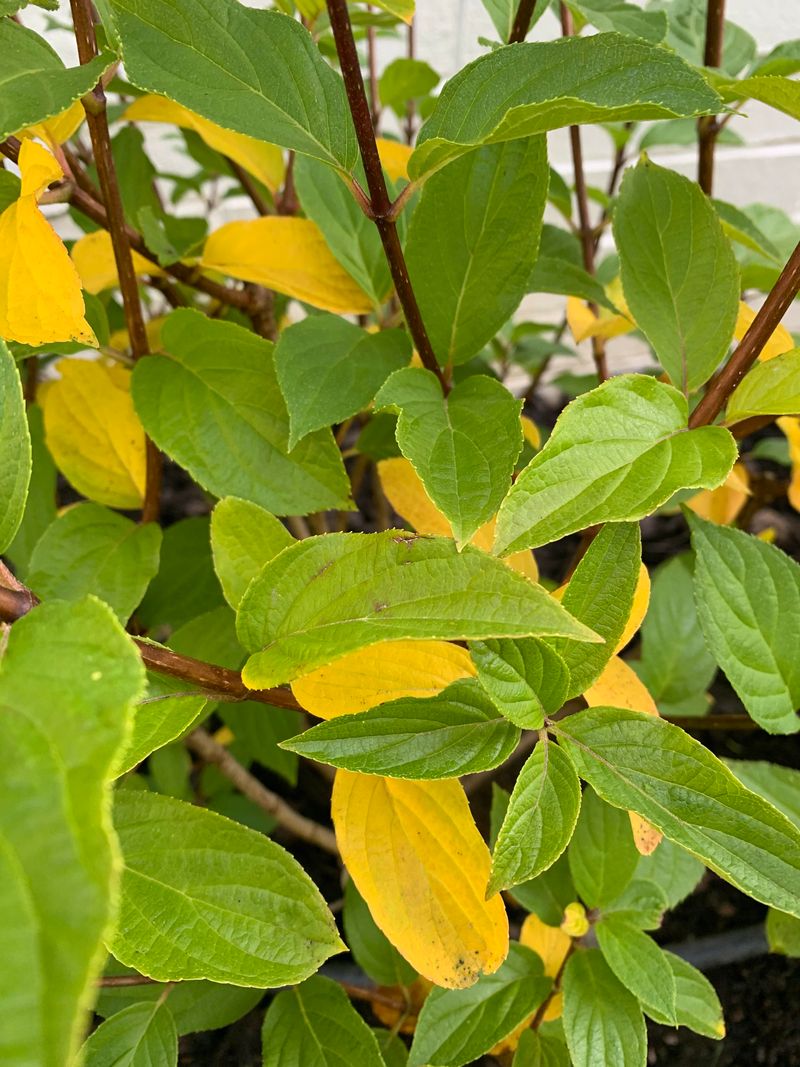
Leaves tell stories if you know how to listen. After a heat wave, hydrangea foliage gives clear signals about how much damage actually happened below the surface.
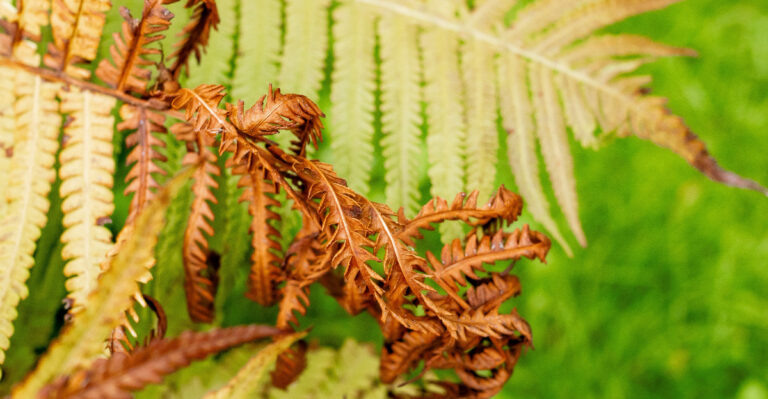
Crispy brown edges usually mean the plant lost moisture faster than it could absorb it. That kind of damage is cosmetic and does not signal the end of the season.
Yellowing between leaf veins can point to nutrient stress triggered by heat. The roots struggled to pull minerals from dry, compacted soil.
Fully brown and papery leaves are the most dramatic sight in a heat-stressed garden. They look alarming, but they do not always mean the whole shrub is in trouble.
Gently tug on a damaged leaf. If it releases easily, the plant already dropped it as a survival move.
New green growth pushing through at the base is the best sign you can spot. That means the root system survived and is already working on recovery.
Your Oregon Garden Changes Every Week. Your Plan Should Too.
Gardening in Oregon changes quickly throughout the season. Every Friday you’ll receive a simple weekly plan showing exactly what to plant, prune, fertilize, harvest, and protect so you never miss the right timing.
Check the stems by lightly scratching the bark with a fingernail. Green underneath means the branch is alive and worth saving.
Tan or hollow stems should be left alone until late fall. Pruning them now can confuse the plant and waste energy it needs for root recovery.
Oregon hydrangeas are surprisingly tough once you understand their signals. Once you know what to look for, a damaged leaf stops being a mystery and starts being a map.
Accurate damage assessment saves time and protects next year’s blooms. Look closely before you cut anything.
Adjusting Mulch To Lock In Moisture
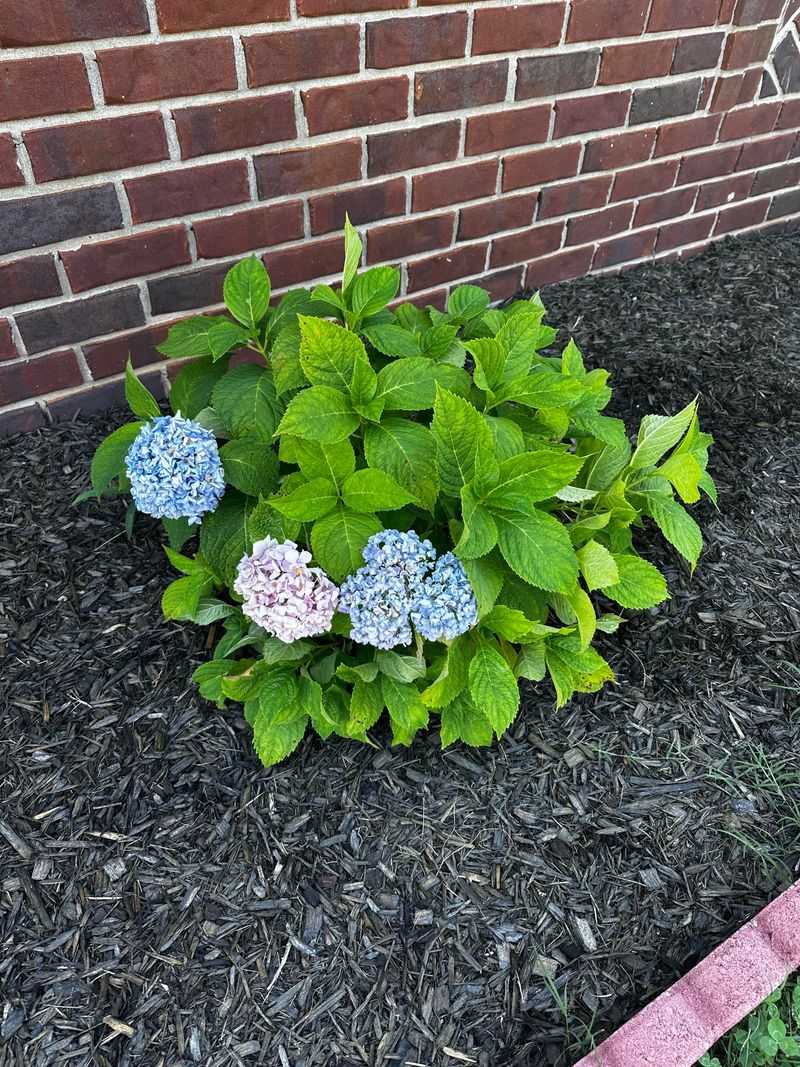
Mulch is one of the cheapest tools in your recovery toolkit. A proper layer around your hydrangea acts like a blanket that keeps soil cool and moisture locked in tight.
After a heat wave, check your existing mulch layer first. Heat can dry it out and compress it, making it nearly useless at regulating soil temperature.
Pull back any matted mulch and loosen it before adding a fresh layer on top. Air circulation in the mulch layer matters just as much as depth.
Aim for two to three inches of organic mulch around the base of each shrub. Shredded bark, wood chips, or straw all work well in Pacific Northwest gardens.
Keep mulch a few inches away from the main stem. Piling it against the bark traps moisture and creates a perfect spot for rot to start.
Fresh mulch also slows evaporation between watering sessions dramatically. That means your deep watering efforts last longer and do more good.
As organic mulch breaks down, it adds nutrients back into the soil naturally. That slow feed supports root recovery without the risks of chemical fertilizer.
Dark-colored mulch absorbs heat during the day and releases it slowly at night. That temperature stability helps stressed roots settle back into their normal rhythm.
Refreshing mulch after a heat event is one of the fastest wins available to any gardener. A 20-minute task protects weeks of recovery progress.
Good mulch management sets the foundation for everything else you do this season. Mulch does more quiet work than almost any other step on this list.
Avoiding The Fertilizer Mistake Too Many Make
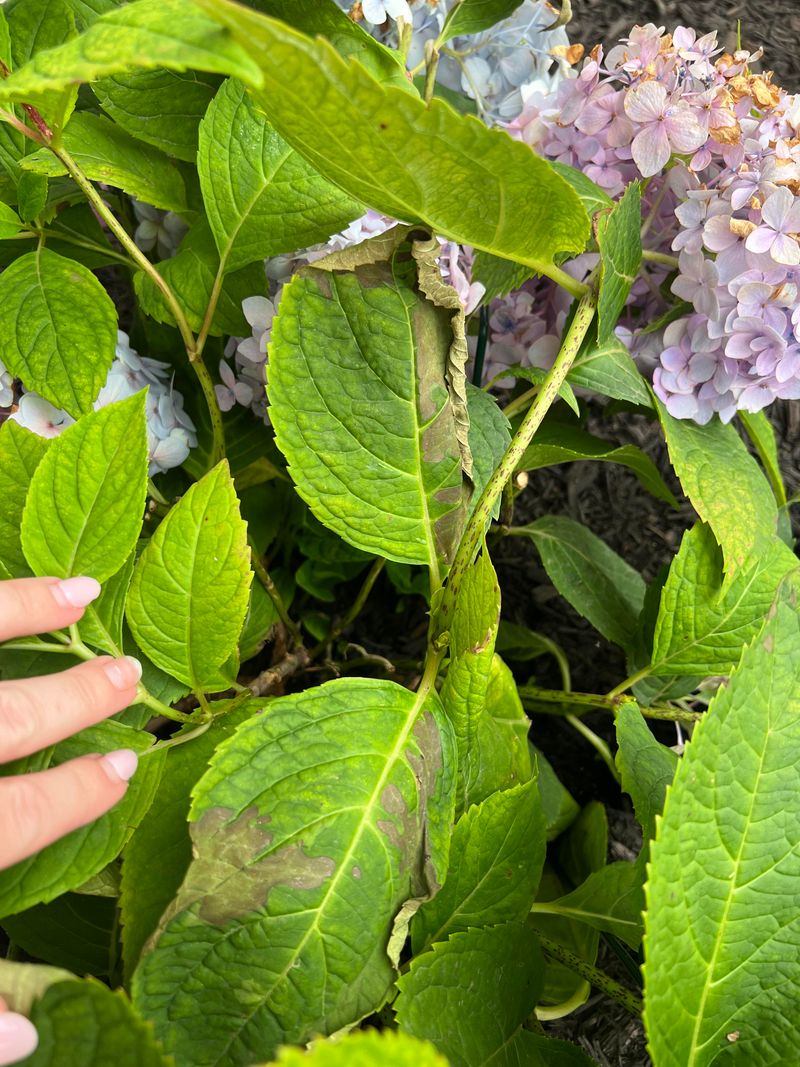
Grabbing the fertilizer bag after a heat wave feels like the right move. It is actually one of the most common mistakes gardeners make with stressed shrubs.
Fertilizer pushes plants to grow fast. A heat-stressed hydrangea cannot handle that pressure when its root system is still in recovery mode.
Forcing new growth too quickly pulls energy away from root repair. The shrub splits its focus and ends up doing neither job well.
High-nitrogen fertilizers are especially risky right after a heat event. They spike tender new growth that wilts almost immediately in lingering warm temperatures.
Salt buildup from fertilizer in dry soil can also scorch roots further. Damaged roots are far more sensitive to chemical burn than healthy ones.
Wait at least four to six weeks after a heat wave before feeding. Give roots time to rehydrate and stabilize before adding any extra demands.
If the urge to do something is strong, a light compost top-dress is a safer choice. Compost feeds slowly and gently without shocking a vulnerable root system.
Liquid seaweed or diluted fish emulsion can offer mild support without the risks. These gentle options work with the plant instead of pushing it too hard.
Read the label on any product before applying it to a stressed shrub. Timing and dosage matter far more than most gardeners realize.
Restraint is the harder skill here, but it is the one that actually pays off. Letting the plant rest first leads to stronger, healthier growth when conditions improve for Oregon hydrangeas.
Timing Pruning To Protect Next Year’s Blooms
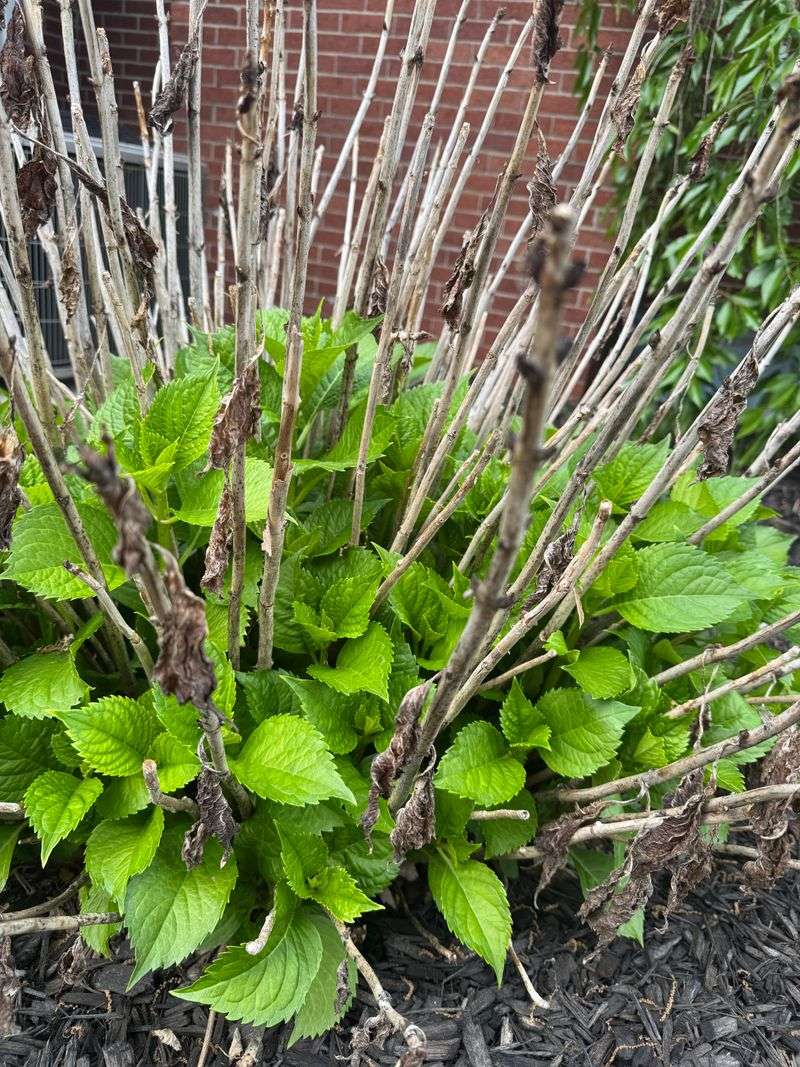
Pruning after a heat wave feels satisfying, like cleaning up a messy room. The problem is cutting at the wrong time can cost you an entire season of flowers.
Most Oregon hydrangeas set their bloom buds for next year during late summer and early fall. Cutting stems now means cutting off future flowers before they even form.
Bigleaf and oakleaf varieties are the most common types in Pacific Northwest gardens. Both bloom on old wood, which means last year’s stems carry next year’s buds.
Resist the urge to trim back browned or wilted stems right after a heat event. Those stems may still be protecting live bud tissue just beneath the surface.
Wait until you see clear signs of new growth before making any cuts. Green leaves pushing out from the base signal that the plant is stable enough to handle pruning.
If a stem snaps cleanly and looks hollow or brown all the way through, it is safe to remove. Anything with green tissue inside deserves more time before the shears come out.
Light removing of spent blooms is generally safe at any point in the season. Removing old flower heads rarely threatens next year’s buds.
Mark any stems you are unsure about with a small piece of garden tape. Check them again in three to four weeks before making a final decision.
Pruning with intention protects years of garden investment. Wait a few weeks, and the flowers you save will be worth far more than the ones you’d get by rushing.
Providing Shade Through The Remaining Heat
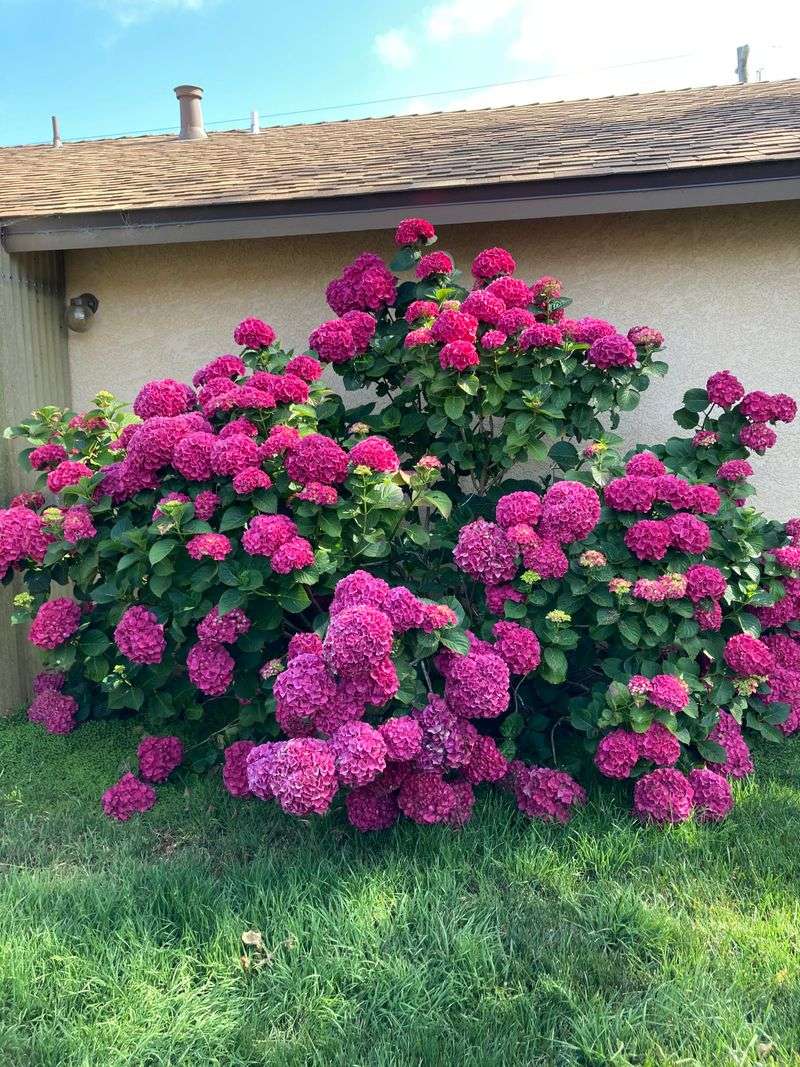
Even after a heat wave breaks, warm afternoons keep coming in late Oregon summers. Giving your hydrangeas some afternoon shade can mean the difference between slow recovery and a full setback.
Hydrangeas are not full-sun plants by nature. They thrive in dappled light and struggle when baked by direct afternoon sun for hours at a time.
Shade cloth is an easy and affordable solution for exposed garden beds. A 30 to 40 percent shade rating blocks enough heat without cutting out too much light.
Drape the cloth over a simple frame or garden stakes positioned above the shrub. Keep it loose so air can still circulate around the foliage freely.
Natural shade from nearby trees or fences works just as well if you have it. Position your shrubs strategically during future plantings to take advantage of those natural barriers.
Temporary shade structures can be removed on cooler days to let the plant breathe fully. Flexibility is the key to using shade as a recovery tool without overdoing it.
Afternoon shade between 1 and 5 p.m. has the biggest protective impact. That window covers peak heat hours when moisture loss is at its highest rate.
A large patio umbrella can serve as quick shade in a pinch. Angle it to block western sun and move it as needed throughout the afternoon hours.
Protecting stressed shrubs from additional heat stress speeds up recovery measurably. A few hours of shade can undo more heat damage than any product on the shelf.
Watching For Pests Drawn To Stressed Growth
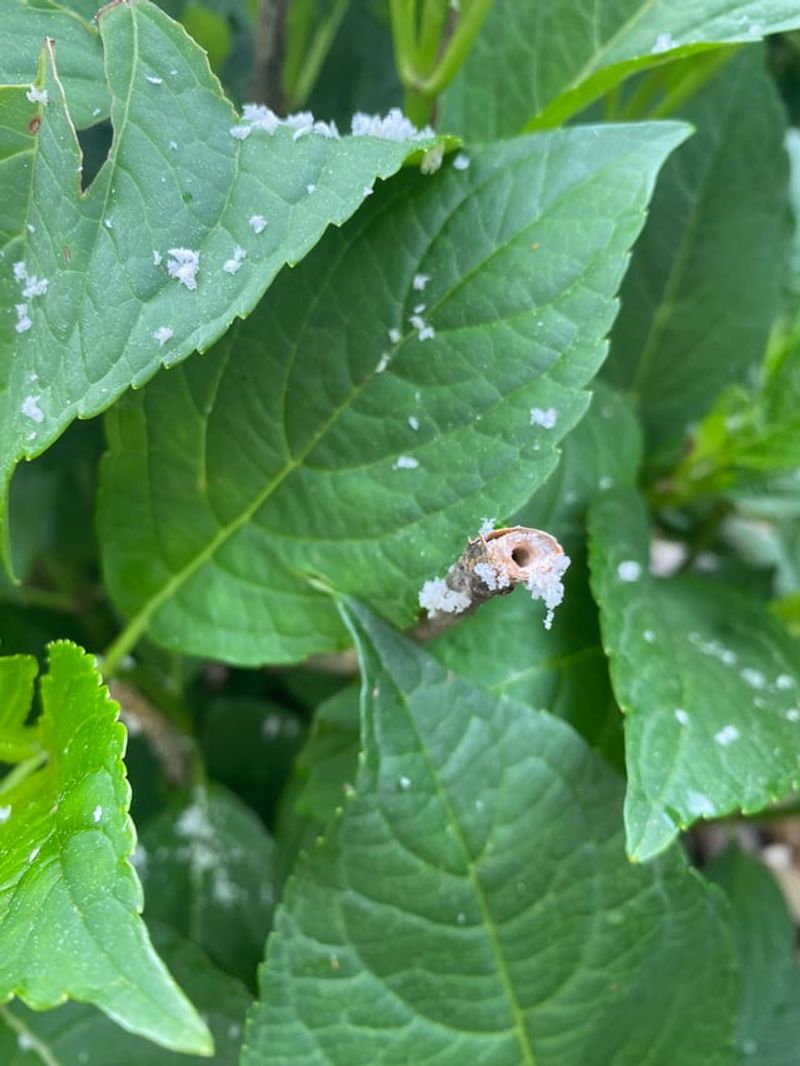
Stressed plants send out chemical signals that pests can detect from surprisingly far away. After a heat wave, hydrangeas become a magnet for insects looking for an easy target.
Aphids are usually the first to show up on heat-weakened foliage. They cluster on new growth and tender stems, sucking out moisture the plant desperately needs for recovery.
Spider mites love hot, dry conditions and often explode in population after a heat event. Look for fine webbing on the undersides of leaves and a dusty, stippled texture on the leaf surface.
Scale insects cling to stems and look like tiny brown bumps at first glance. They are easy to miss but drain plant energy steadily over weeks.
Check your shrubs every few days during the recovery period. Catching a pest problem early makes treatment far simpler and less disruptive to the healing process.
A strong spray of water from a garden hose can knock aphids off without any chemicals. Repeat every two to three days to keep populations from rebounding quickly.
Insecticidal soap is a low-risk option for more stubborn infestations. Apply it in the early morning or evening to avoid burning already-stressed foliage.
Avoid broad-spectrum pesticides that wipe out beneficial insects along with the harmful ones. Ladybugs and lacewings are natural pest controllers you want to keep around.
Healthy plants resist pests far better than struggling ones. A healthy shrub simply gives pests less reason to stick around.
Preparing The Shrub For A Strong Fall Push
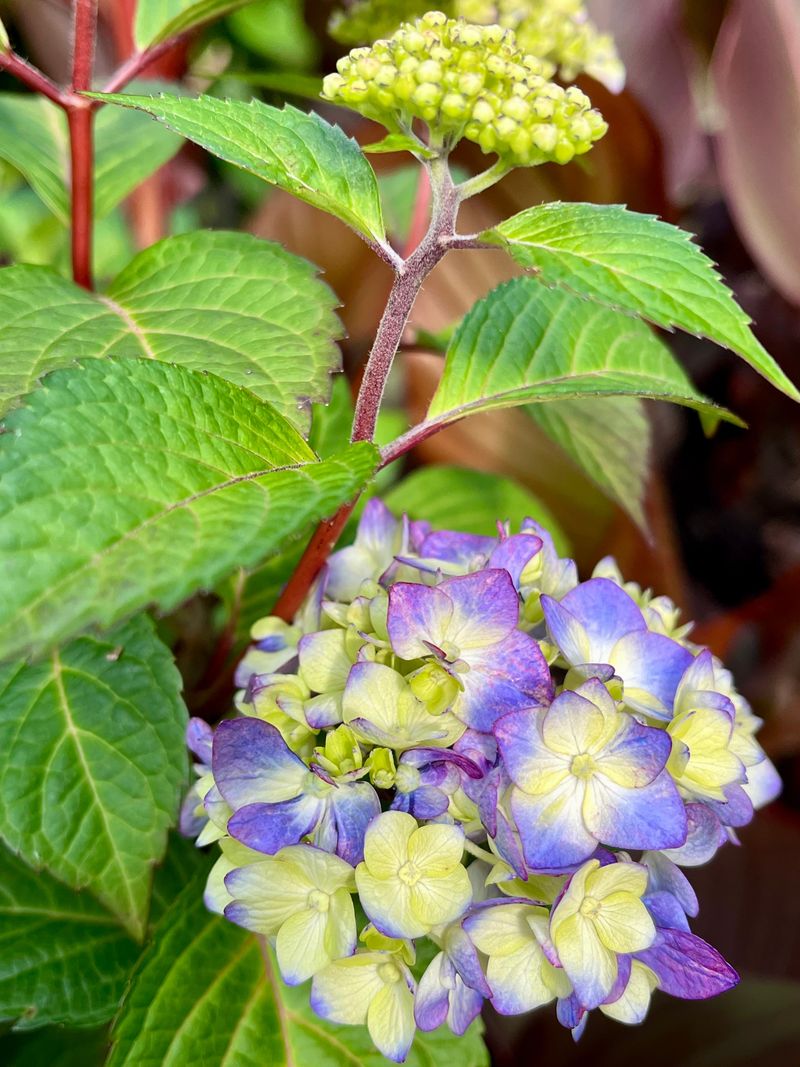
Fall is not the end of the story for a heat-stressed hydrangea. With the right support, these shrubs can finish the season stronger than you might expect.
As temperatures cool, root systems shift into high gear naturally. Cooler soil encourages root expansion, which sets the stage for a healthier plant heading into winter.
Oregon hydrangeas that recover well before frost arrive in better shape than those left to fend for themselves. A little focused attention now pays dividends for years ahead.
Resume a regular watering schedule as fall rains become more reliable. Do not stop watering entirely just because the air feels cooler in the mornings.
A light application of balanced, slow-release fertilizer in early fall can help, but only if the shrub shows strong new growth first. Timing matters more than the product itself.
Remove any remaining damaged leaves to reduce disease pressure going into the wet season. Clean foliage means fewer fungal problems once fall rains arrive in force.
Fallen leaves around the base of the shrub can harbor pests and mold. Rake them away and replace with a fresh layer of clean mulch for winter insulation.
Avoid heavy pruning in fall for varieties that bloom on old wood. Save that task for late winter when bud locations become easier to identify clearly.
A shrub that finishes fall with strong roots, clean foliage, and stable soil is ready for anything winter brings. Fall does not have to mean a weaker hydrangea, with the right timing, it can be the season it fully bounces back