Why Yellow Jackets Get Aggressive In Ohio Yards Every Late August
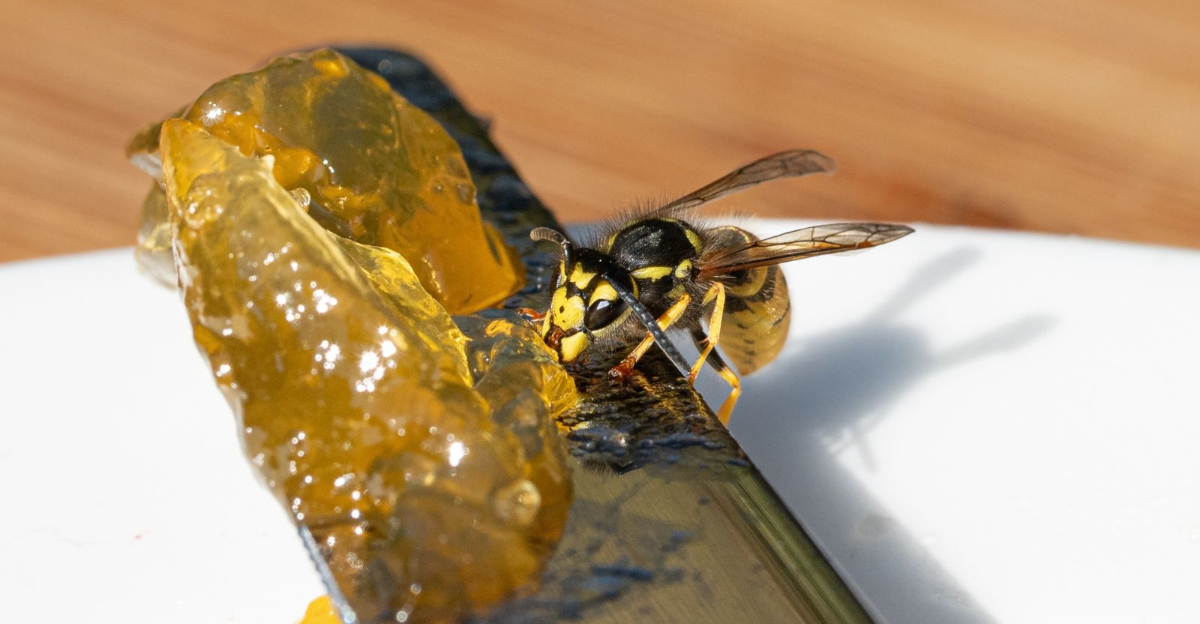
One day you are enjoying a perfectly peaceful Ohio backyard cookout and the next there are yellowjackets hovering over every drink, investigating every plate, and generally acting like they received a personal invitation.
What happened?A few weeks ago they were barely noticeable.
Here’s the thing: yellowjackets follow a very predictable colony cycle, and late summer is when that cycle peaks in the most inconvenient way possible.
A nest that started with a single queen in spring can hold hundreds or even thousands of workers by August, and those workers are suddenly very interested in your lemonade, your fallen fruit, and your open trash can.
They are not being aggressive for the fun of it.
They are just doing exactly what late-summer yellowjackets do. Understanding that makes the whole situation a lot easier to manage and a lot less stressful.
1. Yellowjacket Colonies Reach Their Largest Populations In Late Summer
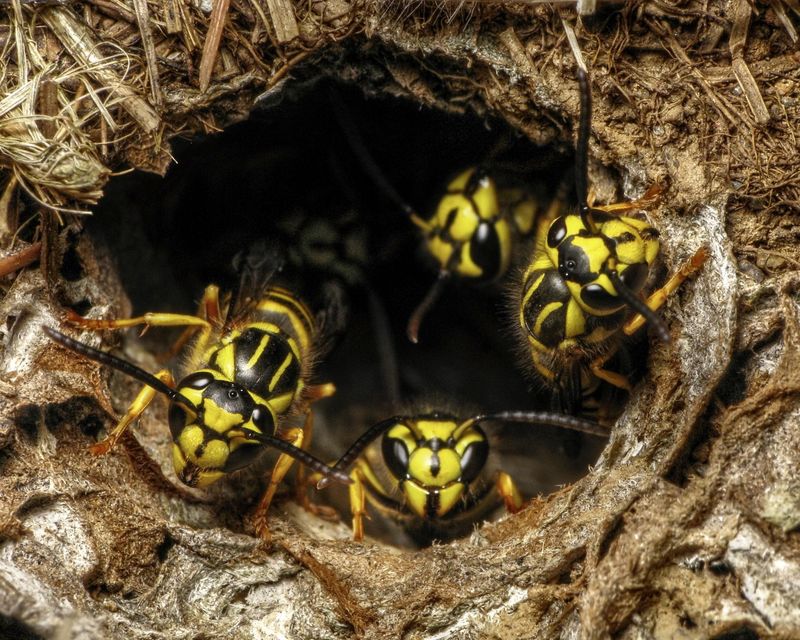
Picture one queen waking up in an Ohio spring, finding a small cavity, and starting a nest completely on her own. She builds a few cells, raises the first handful of workers, and from there the colony takes over the building and feeding duties.
Growth continues all through the growing season. Each new batch of workers means more foragers, more cells, and faster expansion, so a nest that was barely noticeable in June can become a busy operation by August.
Depending on the species and local conditions, an established colony may contain hundreds or even thousands of individuals by the end of summer. That range varies, and some nests stay smaller if weather, food, or nest space limits development.
More workers simply means more insects flying around the same neighborhood. A homeowner walking the same garden path all summer may suddenly feel like yellowjackets appeared overnight, when the colony was quietly growing the whole time.
Timing shifts from year to year. A cool, wet Ohio spring can slow early colony development, while favorable conditions may push populations up sooner, so peak activity is not tied to a specific date on the calendar.
Knowing the pattern helps you plan. If you host outdoor gatherings in the last stretch of summer, expect more insect traffic than you had in early July, and give yourself extra room around flower beds, compost areas, and any spot where you have seen repeated activity.
2. Late-Summer Colony Changes Shift Yellowjackets Toward Sugary Foods
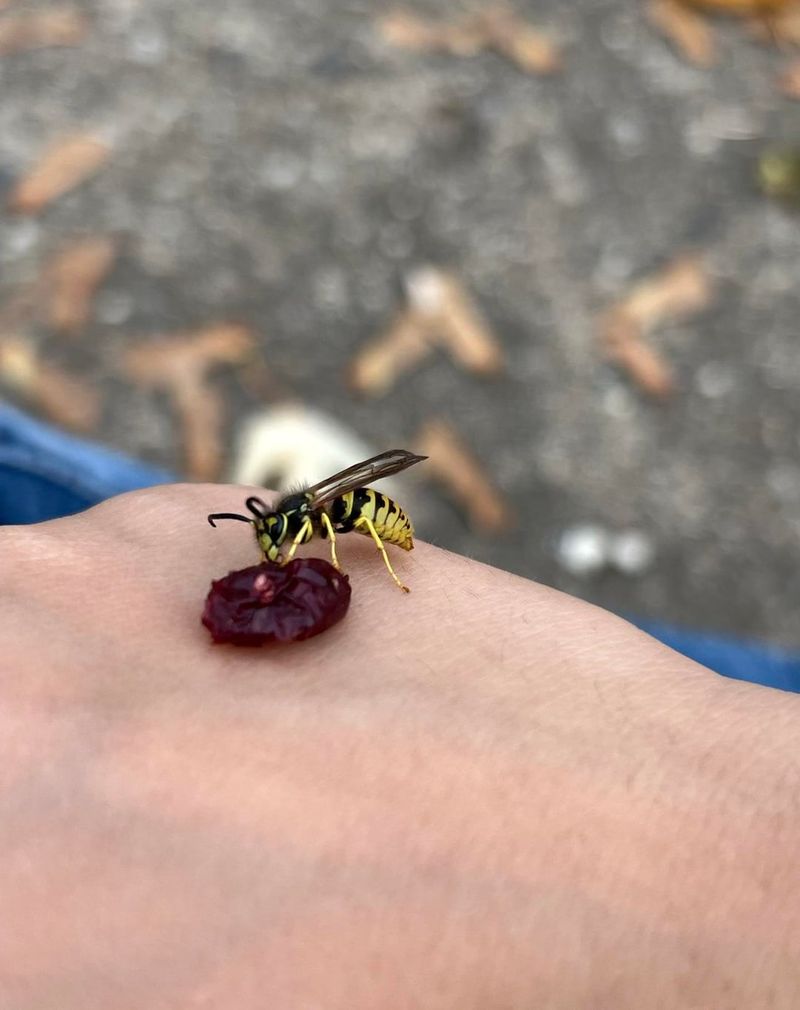
Food priorities inside a nest change as the season moves along, and that shift explains a lot about Ohio backyard encounters.
Earlier in the year, workers spend much of their time hunting protein, including caterpillars, flies, and other insects, because developing larvae need that protein to grow.
Those hunting trips often go unnoticed. A yellowjacket carrying a caterpillar back to the nest is not hanging around your patio table, so people rarely think about them in June.
Later in the season, colonies generally have fewer larvae to feed, and adult workers increasingly look for carbohydrate-rich foods. Sugary liquids give adults quick energy, so foraging attention turns toward sweet materials rather than protein alone.
Your Ohio Garden Changes Every Week. Your Plan Should Too.
Gardening in Ohio changes quickly throughout the season. Every Friday you’ll receive a simple weekly plan showing exactly what to plant, prune, fertilize, harvest, and protect so you never miss the right timing.
That is a biological change in what the colony needs, not a mood swing. Yellowjackets are not upset or angry when they land on your lemonade; they are foraging for the kind of food that matches the season.
The practical result is that they start visiting places people use. Sweet spills, dessert plates, and open cups become worth investigating, which puts insects and people in the same small space more often.
Once you see that pattern, reacting calmly gets easier.
A foraging yellowjacket near your food is usually focused on the food, and slow movements, covered containers, and a little patience often work better than swatting, which can provoke a defensive sting response you would rather avoid.
3. Sweet Foods And Drinks Bring Yellowjackets Closer To People
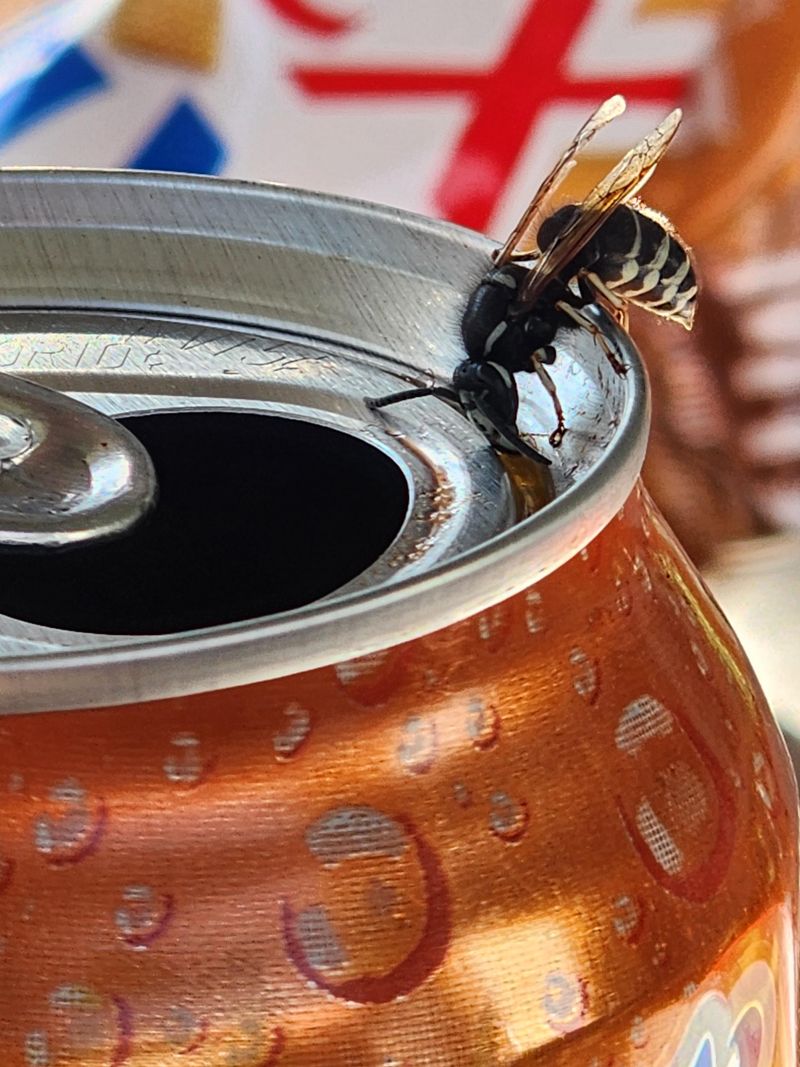
Backyard cookouts are practically an Ohio tradition in the closing weeks of summer, and unfortunately they line up perfectly with peak yellowjacket foraging.
Soda cans, sweet tea, juice boxes, watermelon, frosted desserts, and grilled meats all offer something a late-season forager may want.
Open containers cause the most trouble. A yellowjacket can slip inside a can or cup without being seen, which is why many stings around food happen when someone takes a drink without looking.
Crowded picnic tables raise the odds even more. More plates and more spills mean more scent cues drifting through the yard, and a single forager that finds a good source may return repeatedly.
Simple habits reduce the friction. Use lidded cups or bottles, keep dishes covered until people are ready to eat, wipe sticky spots off tables and chairs, and rinse recyclables before setting them outside.
Location matters too. Serving food away from flower beds, fruit trees, and trash cans can lower traffic, and moving the dessert table indoors is often the easiest fix during a busy stretch of the season.
If a yellowjacket does land nearby, staying calm generally works better than fast swatting. Waving arms can be read as a threat, while gently covering the food or stepping away for a moment often ends the visit.
Kids benefit from hearing this too, since a steady reaction can prevent most sting situations at outdoor gatherings.
4. Ripening Fruit And Honeydew Can Draw Yellowjackets Into Ohio Yards
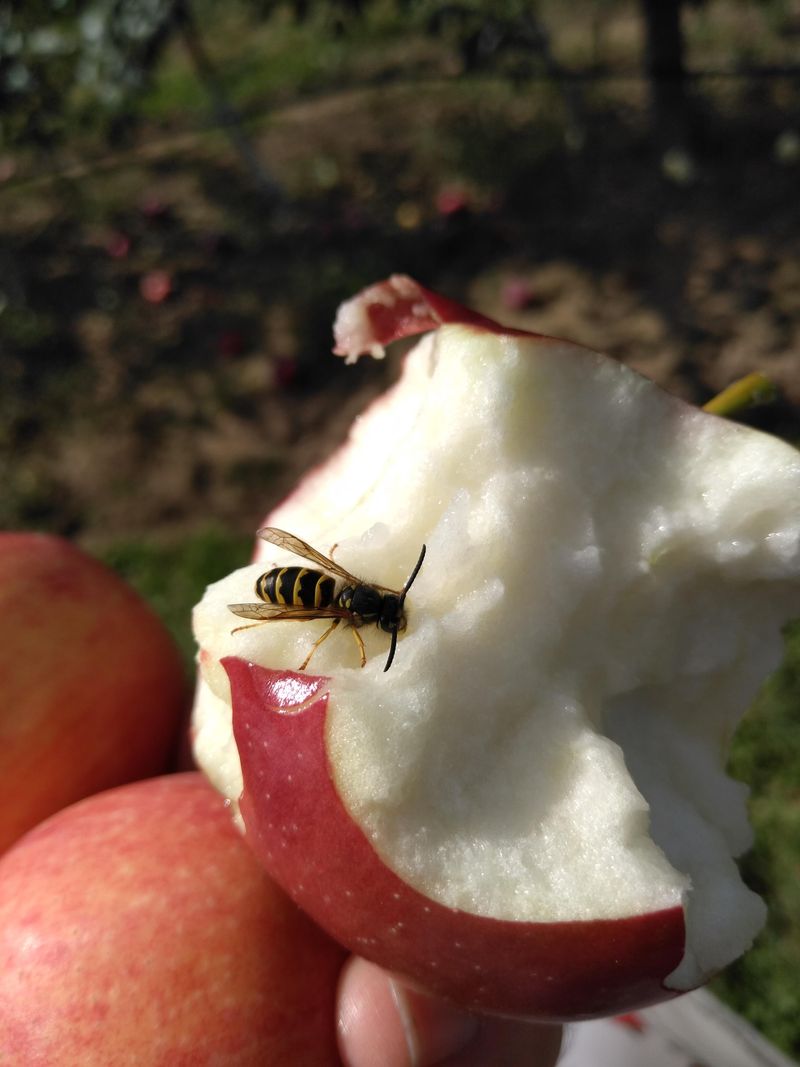
Walk under an old apple or pear tree in an Ohio backyard in late summer and you may hear a soft hum before you see anything. Split, bruised, and overripe fruit on the ground leaks sugary juice, and that juice is easy energy for adult yellowjackets.
Fruit that is already damaged tends to attract the most attention. Birds, squirrels, and rot open the skin, and foragers take advantage of the exposed liquid rather than doing much damage themselves.
Honeydew is the other sweet source people rarely think about. Sap-feeding insects such as aphids produce a sticky, sugary excretion on leaves and stems, and yellowjackets may feed on it in trees, shrubs, and garden plants.
Having a fruit tree does not automatically create a yellowjacket problem. Plenty of Ohio yards grow apples, plums, and grapes without much trouble, especially when fruit is picked regularly and windfall is cleared.
Cleanup is the most useful step. Raking up fallen fruit every few days, composting it in a closed bin, and harvesting promptly can reduce the feeding opportunities sitting in your grass.
Wear closed shoes when you gather windfall, since insects can be hidden under the fruit. Checking the ground before kids run barefoot through an orchard corner is a small habit that prevents a surprising number of stings during the last weeks of the growing season.
5. Garbage And Outdoor Food Provide Easy Late-Summer Feeding Opportunities
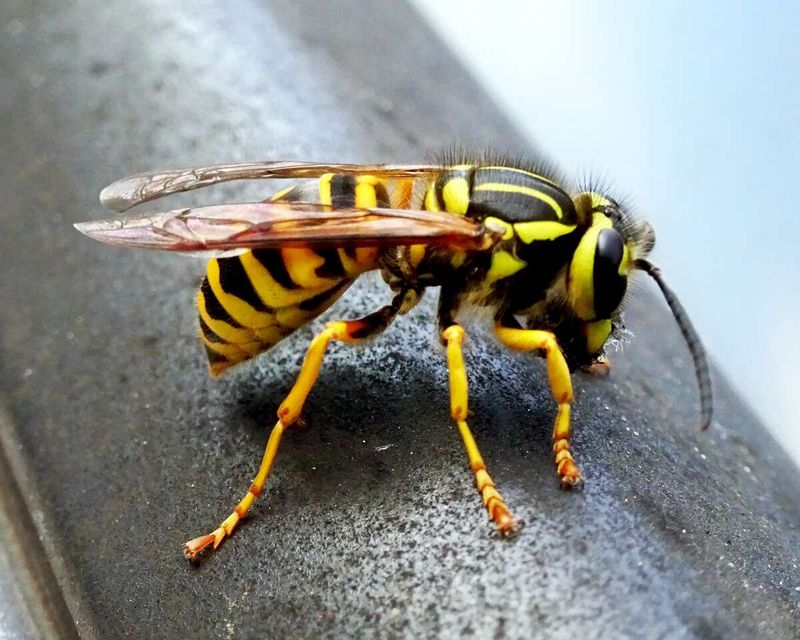
An overflowing trash can on the driveway is basically a buffet sign for scavenging insects. Food scraps, sticky bottles, half-eaten leftovers, and sugary residue inside recycling bins all give late-season foragers something worth returning to.
Open lids make it effortless. When a can sits uncovered near a patio or garage door, yellowjackets can move in and out freely, and people walking past may end up closer to the insects than they realize.
Public spaces show the same pattern. Park shelters, ballfield concession areas, and campgrounds around Ohio often see more activity in late summer simply because food waste collects faster than it gets removed.
Several habits help lower the traffic. Keep garbage in cans with tight-fitting lids, bag food waste before tossing it, rinse cans and bottles, clean up spills quickly, and move bins away from doors and seating areas when possible.
Rinsing the inside of bins occasionally makes a difference too, since sugary buildup at the bottom can keep attracting foragers even after the trash is gone.
None of this removes yellowjackets from the neighborhood. Foragers may travel a good distance from the nest, so activity can continue even in a spotless yard.
What sanitation does is reduce the reasons for them to gather where your family sits, cooks, and plays, which lowers the chance of an accidental sting during the busiest stretch of the season.
6. Mature Nests Can Make Accidental Disturbance More Serious
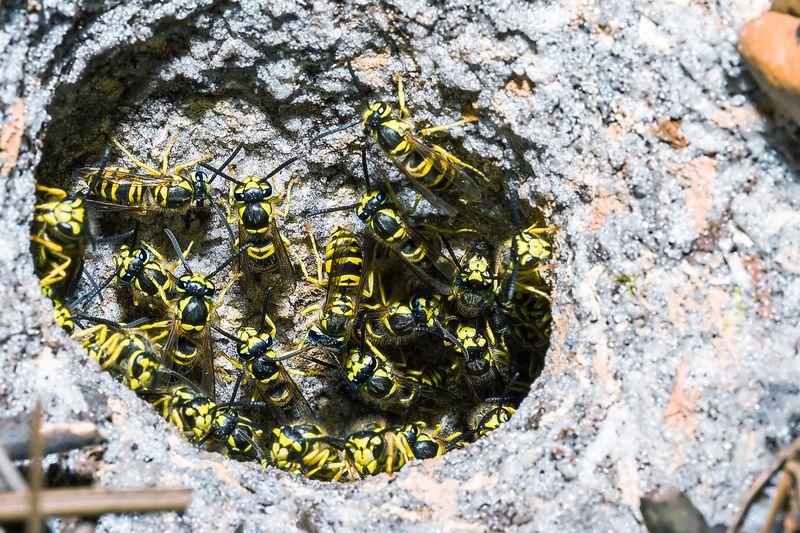
There is a big difference between a yellowjacket sniffing around your plate and a yellowjacket defending its home.
Foragers near food are usually focused on the food, while insects near a nest entrance may respond to vibration, movement, or anything that seems like a threat to the colony.
Social wasps protect the nest as a group. When one worker responds, others may follow, and that group response is what makes disturbed nests risky compared with a single visitor at a picnic table.
Colony size changes the math. A nest in June had relatively few workers available to respond, while a mature late-summer nest may have many more, so an accidental bump can bring a much stronger reaction.
Most stings around nests are unintentional. Bumping a wall void, brushing shrubs where a nest hangs, or stepping near a ground opening can set off a defense that had nothing to do with you seeking out trouble.
Being observant helps. Watch for steady insect traffic at a single spot on a building, shrub, or the ground, and mark that area so family members can keep their distance.
Please avoid do-it-yourself heroics. Digging into, plugging, flooding, burning, or hitting an active nest can create a dangerous situation, especially close to doorways, decks, or play areas.
When a nest sits somewhere your household uses often, contacting a qualified pest management professional in Ohio is the safer route.
7. Underground Nests Put Yellowjackets In The Path Of Yard Work
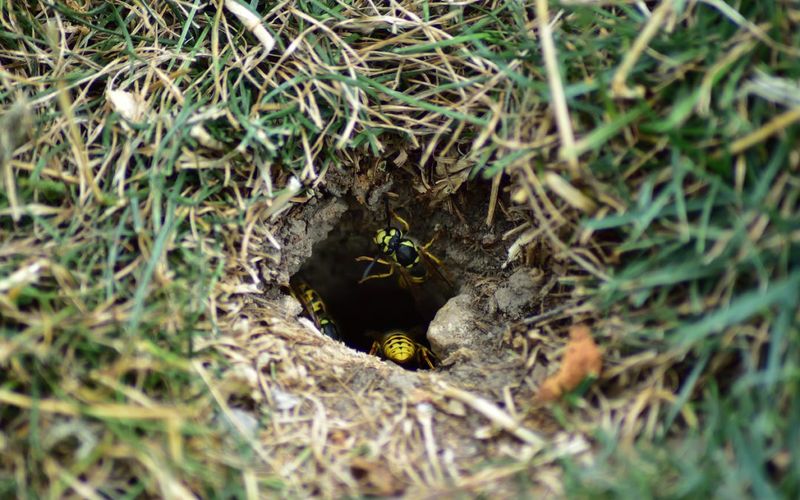
Mowing the same patch of grass you have cut all summer can suddenly turn eventful, and an underground nest is often the reason.
Several common yellowjacket species build in soil cavities, including abandoned rodent burrows, spaces under landscape timbers, and voids beside sidewalks or retaining walls.
Nothing about the entrance looks dramatic. Many Ohio homeowners first notice a nest by seeing repeated insect traffic going in and out of one small opening in the ground, sometimes hidden by grass, mulch, or ivy.
Vibration and noise are the usual triggers. Lawn mowers, string trimmers, edgers, tillers, and even heavy foot traffic can send a signal that something is threatening the colony, which may bring a quick defensive response.
Scouting first is a smart habit late in the season. Take a slow walk across the lawn before mowing and look for those steady streams of insects, especially along fence lines, tree bases, and neglected corners of the yard.
If you find an entrance, mark the area from a safe distance with a stake or flag and route your work elsewhere for the day. Evening and early morning tend to be lower-activity times, though caution still applies.
Skip the risky home remedies. Pouring liquids, plugging the hole, or striking the ground can provoke a strong response.
For a nest near walkways, patios, or children’s play spaces, professional help is generally the safest choice.
8. Yellowjacket Activity Can Continue Well Into Fall
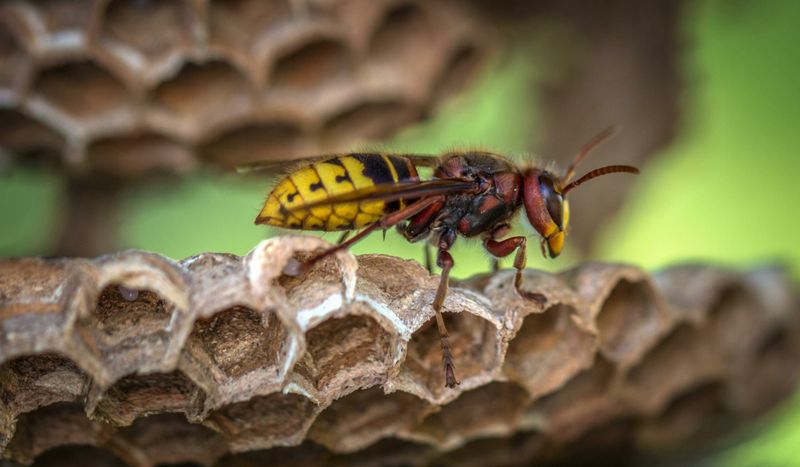
Flipping the calendar past August does not send yellowjackets packing. Noticeable activity often continues through September and into fall, and warm, sunny stretches can keep foragers moving around yards, patios, and gardens.
Fall traditions overlap with that activity. Apple picking, cider, football tailgates, and outdoor festivals across Ohio all involve sweet foods and drinks, which is exactly what late-season workers tend to seek.
Yard chores continue too. Raking leaves, cleaning garden beds, pulling spent tomato plants, and cutting grass late in the season can still bring people near a ground nest that has not yet slowed down.
These colonies are annual, so nest activity eventually declines as cold conditions settle in. Workers stop being produced, the nest is not reused the following year, and new queens overwinter elsewhere to start fresh in spring.
Exact timing varies quite a bit. Northern Ohio may cool sooner than the southern part of the state, and a mild autumn can stretch activity later than a chilly one, so no single date fits everywhere.
Keeping the same habits going through fall pays off. Cover drinks at tailgates, clear windfall fruit, secure garbage lids, and scan the lawn before firing up equipment.
A little awareness through the last warm weeks means fewer surprises and more comfortable time outside while the weather is still worth enjoying.