The Texas Garden Plants Worth Collecting Seeds From Before August Ends
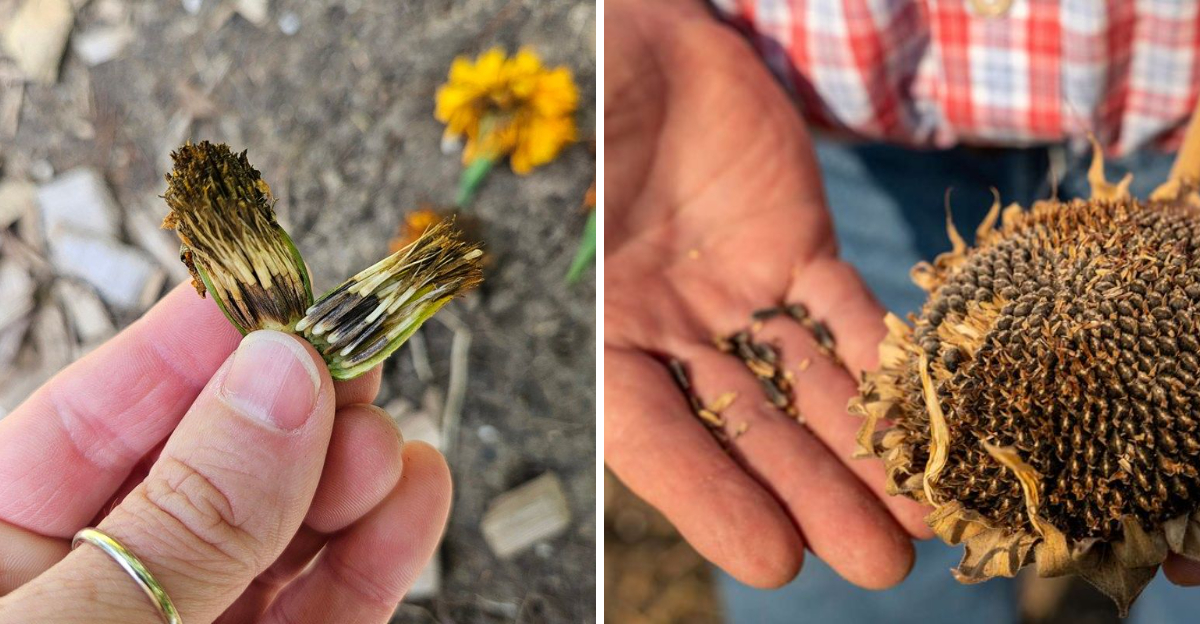
Late August in Texas is one of the best seed collecting windows of the entire gardening year, and most homeowners let it slip by without taking advantage of it.
The spring and summer bloomers that carried your garden through the season are setting seed right now, and those seeds represent something genuinely valuable.
Next year’s plants, completely free, from varieties that have already proven they can handle your specific Texas conditions. Seed saving is not complicated. But timing is everything.
Wait too long and seeds disperse on their own, carried off by wind, birds, and gravity before you ever get to them. Move too early and seeds haven’t fully matured, reducing germination rates significantly.
The end of August hits the sweet spot for a surprising number of Texas garden plants, and knowing which ones to prioritize right now makes the difference between a successful seed saving season and a missed opportunity.
These are not just any seeds. They’re seeds from plants that survived a Texas summer. That resilience is worth preserving.
1. Zinnias
Few flowers make seed saving feel as easy and rewarding as zinnias. These cheerful, colorful blooms are a staple in Texas gardens, and they practically beg you to save their seeds each year.
If you have never tried saving seeds before, zinnias are the best place to start. The key is patience. Do not rush to harvest a flower head just because the petals look faded or spent.
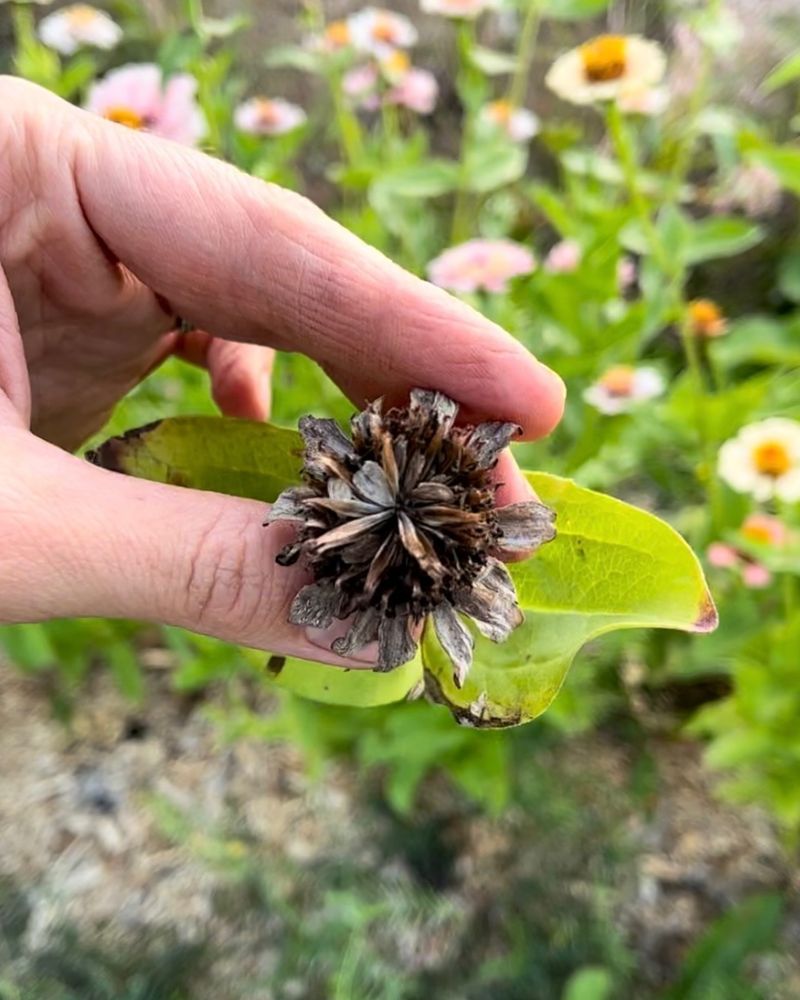
You need to wait until the entire flower head has turned completely brown and dry right there on the stem. That is your signal that the seeds inside are fully mature and ready to be collected.
When you are ready, simply snip the dried flower head off and hold it over a paper bag or tray. Gently pull the head apart with your fingers and you will find arrow-shaped seeds tucked inside each petal base.
Spread them out on a paper towel for a few days to make sure they are completely dry before storing.
Store your zinnia seeds in a small paper envelope or glass jar in a cool, dry spot away from direct sunlight. Label the envelope with the color and the year so you remember what you saved. A garage shelf or a kitchen cabinet works well for most Texas homes.
One fun bonus with zinnias is that open-pollinated varieties will come back true to the parent plant.
That means if you loved a deep orange zinnia this summer, there is a good chance you will get that same color again next year. Saving seeds also lets you slowly select for your favorite colors over multiple seasons.
2. Marigolds
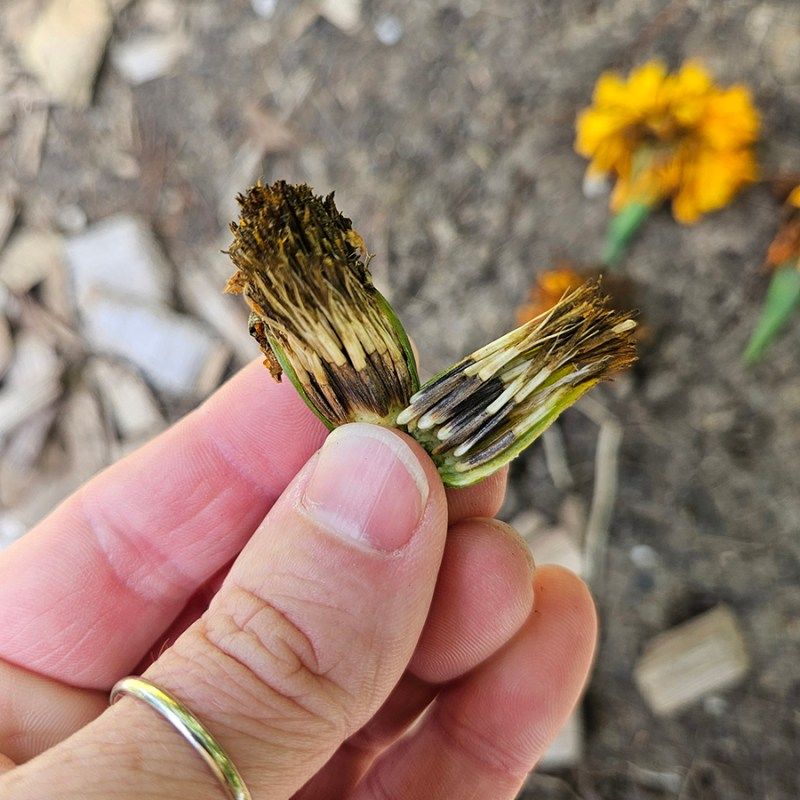
Marigolds are one of those plants that seem to do everything right in a Texas garden. They repel certain pests, they bloom for months, and when the season winds down, they hand you a generous supply of seeds for next year.
Saving marigold seeds is almost too easy once you know the trick. The biggest mistake most gardeners make is deadheading every single spent bloom to keep plants looking tidy.
Your Texas Garden Changes Every Week. Your Plan Should Too.
Gardening in Texas changes quickly throughout the season. Every Friday you’ll receive a simple weekly plan showing exactly what to plant, prune, fertilize, harvest, and protect so you never miss the right timing.
That habit, while helpful for continuous flowering, removes the very blooms that would have become your seed source.
Pick a few of your healthiest, most vigorous plants and let several flower heads stay on the plant without removing them.
Watch those chosen blooms carefully over the following weeks. The petals will shrivel and fade, and then the entire head will start to feel papery and dry.
Once it is fully brown and crisp, it is ready to harvest. Pinch or snip the dried head off and pull it apart gently over a clean surface.
Inside each dried marigold head you will find long, thin seeds that look almost like tiny black and white striped slivers.
Spread them on a paper towel and let them air out for several days before sealing them away for storage. Moisture is the enemy of stored seeds, so dryness matters a lot.
Paper envelopes work better than plastic bags for long-term storage because they allow a little airflow and prevent condensation.
Tuck your labeled envelopes into a cool drawer or cabinet until planting time comes around again next spring. Marigolds saved this way tend to germinate quickly and grow into strong, healthy plants.
3. Cosmos
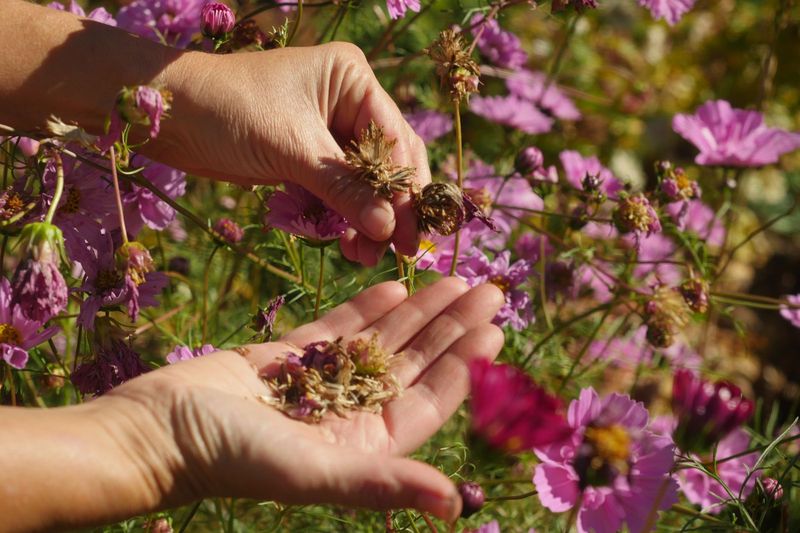
Cosmos are the tall, wispy, effortlessly elegant flowers that sway in the breeze and make any garden look like a wildflower meadow.
They are also one of the most generous seed producers you can grow, and Texas summers give them just enough heat to finish strong before fall arrives.
Here is something a lot of gardeners get wrong with cosmos seeds. When the petals drop off a flower, it can look like the bloom is finished and the seeds must be ready.
But that is actually just the beginning of the seed-maturing process. The seeds need more time on the plant to fully develop and dry out before they are worth collecting.
Keep an eye on older flowers that have already lost their petals. The remaining seed head will elongate into a cluster of slender, pointed seeds arranged in a starburst pattern.
Wait until those seed clusters look dry and straw-colored before you harvest them. If you try to collect too early, the seeds may not be viable.
Gently run your fingers along the seed head and the seeds will come right off into your hand.
They are light and easy to carry, so do this on a calm day or work close to the ground to avoid losing seeds to a breeze. A small bowl or paper bag nearby keeps things organized.
Cosmos are typically open-pollinated, which means saved seeds will usually grow into plants similar to the parent.
Mixed-color cosmos packets are popular, and saving seeds from your favorites lets you gradually shift your garden toward the shades you love most. It is a slow, satisfying kind of garden design.
4. Sunflowers
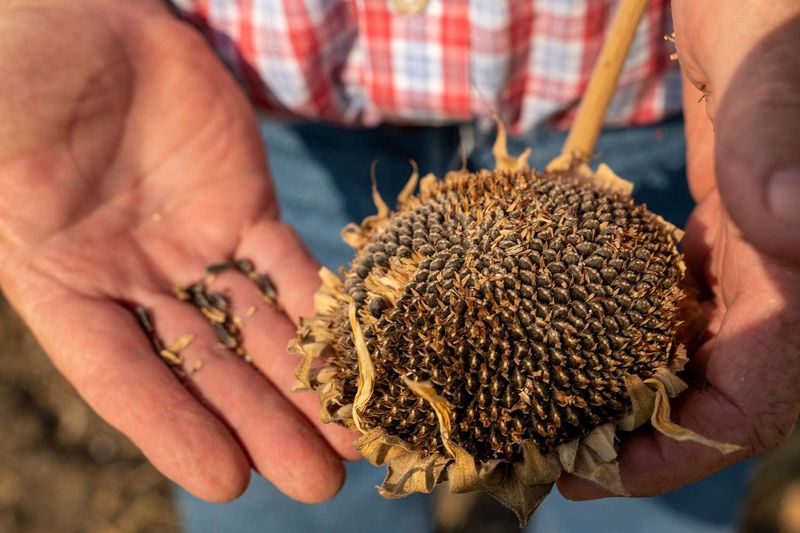
A single sunflower head can produce hundreds of seeds, which makes sunflowers one of the most satisfying plants to save seeds from in a Texas garden. There is something almost magical about pulling seeds from a head that was a tiny seedling just a few months ago.
Timing matters more with sunflowers than almost any other plant on this list. You want the seed head to look dry and the back of the head to turn from green to yellow or brown.
The seeds themselves should feel firm and plump, not soft or pale. Soft or very light-colored seeds are usually not mature enough yet and will not sprout reliably next season.
One thing to watch out for is birds. Sunflower seeds are a favorite snack for many backyard birds, and a ripe head will not last long once the local wildlife figures out it is ready.
You can loosely tie a paper bag or a piece of cheesecloth over the head while it finishes drying on the stalk. That small effort protects your seed supply.
When the head is ready, cut it from the stalk and rub your hand across the face of the head to release the seeds. They should pop out fairly easily.
Spread them in a single layer on a tray or screen and let them air dry indoors for at least a week before storing them away.
If you grew an open-pollinated or heirloom sunflower variety this year, the seeds you save should grow into plants very similar to the ones you enjoyed.
Hybrid sunflowers may not come back true, so check your seed packet from the original planting if you are unsure what type you grew.
5. Basil
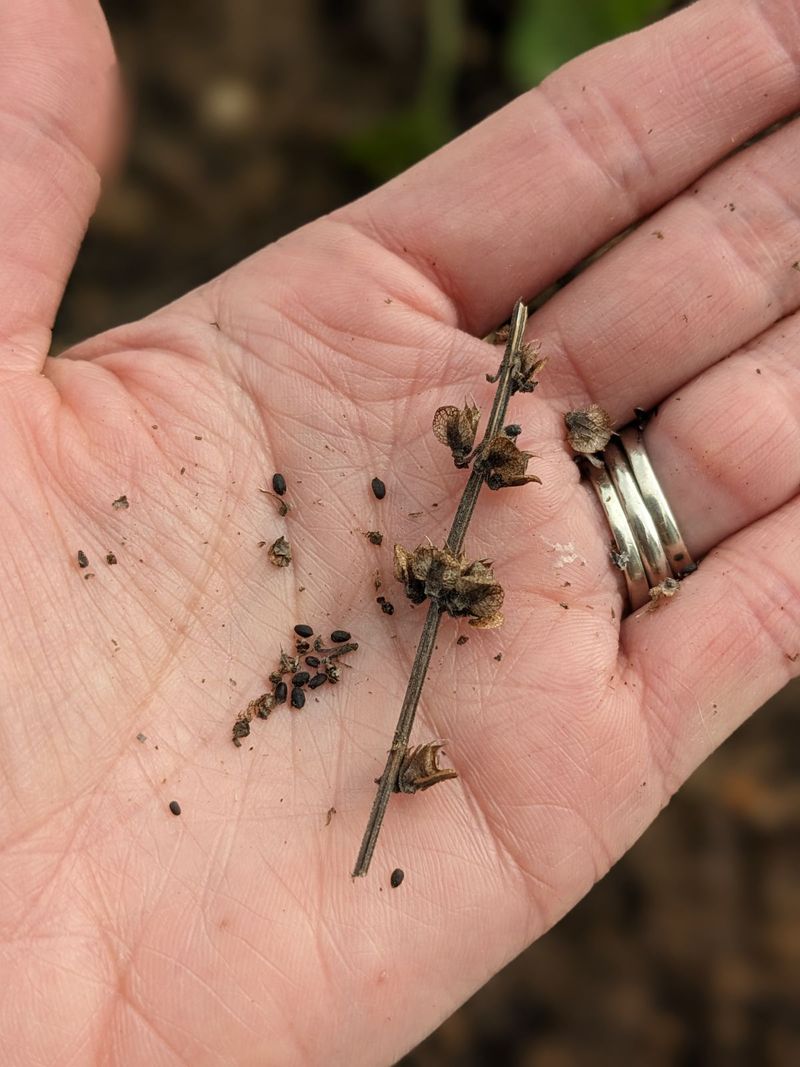
Most herb gardeners spend the whole summer pinching basil flowers off to keep the plant producing fresh leaves. That is great advice for harvesting basil, but it also means missing out on one of the easiest seed-saving opportunities in the garden.
Letting a few plants go to flower and seed at the end of summer is a smart move for any Texas gardener.
Basil flowers are small and white, arranged in whorls along tall spikes that shoot up from the center of the plant. Once the flowers have been pollinated, they start producing tiny seeds inside small husks right where each flower was.
The trick is waiting long enough for those husks to dry and turn brown on the plant before collecting them.
Choose your strongest, most flavorful plants for seed saving. Healthy plants tend to pass on strong traits to their offspring, so selecting the best ones now gives you better basil next year. Let the flower spikes mature fully on the plant without cutting them back.
When the spikes look dry and papery, snip them off and place them upside down in a paper bag. Give the bag a gentle shake and the tiny seeds will fall to the bottom.
Basil seeds are very small, almost like specks of black pepper, so handle them carefully during this step.
Stored basil seeds stay viable for about three to five years when kept in a cool, dry place. Label your envelopes with the variety name if you grew more than one type, since sweet basil, Thai basil, and lemon basil all look similar as seeds.
Next spring, start them indoors a few weeks before your last frost date.
6. Okra
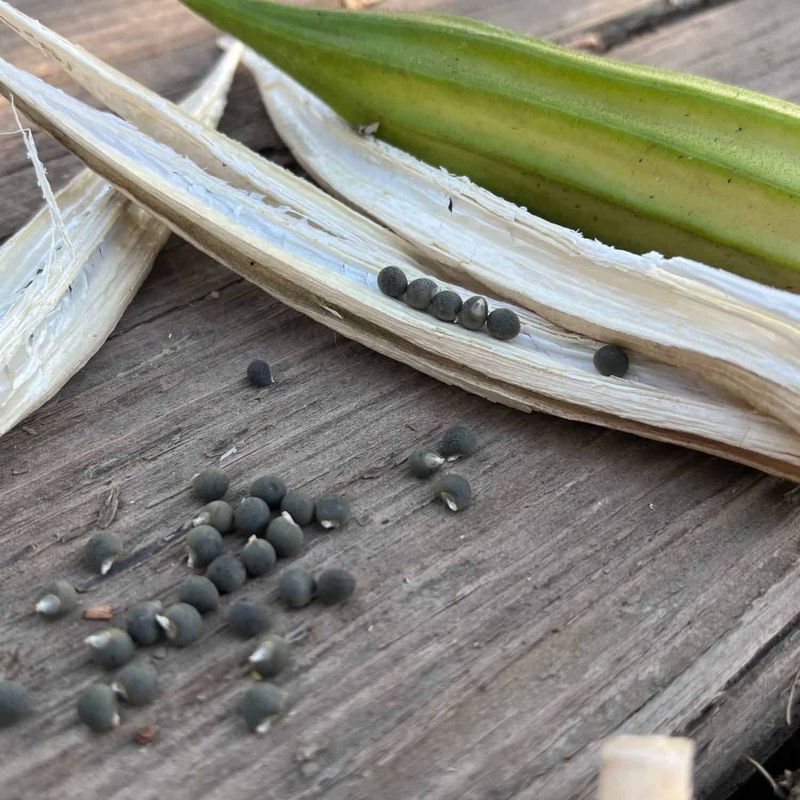
Okra was practically made for Texas summers. It loves the heat, shrugs off drought, and keeps producing long after other vegetables have given up.
For seed savers, okra is an especially rewarding choice because the pods grow large and the seeds inside are easy to work with once they have fully matured.
The challenge with okra seed saving is resisting the urge to harvest every pod for eating. You need to leave at least a few pods on selected plants well past the stage where you would normally pick them for the kitchen.
A pod that is perfect for eating is nowhere near ready for seed saving. You need to let it stay on the plant until it is enormous, tough, and starting to dry out.
A mature okra seed pod will turn from green to tan or light brown, and the pod itself will feel hard and woody rather than tender.
The seams along the sides of the pod may even start to split open slightly when it is fully ready. That is a reliable sign that the seeds inside are mature and dry.
Once you pull the pod off the plant, open it up and you will find rows of round, firm seeds. Spread those seeds on a tray and let them air dry indoors for another week or two just to be safe.
Even seeds that feel dry on the outside can still hold a little moisture that might cause problems in storage.
Okra is mostly self-pollinating, which means saved seeds tend to grow true to the parent variety. If you grew a specific heirloom variety like Clemson Spineless or Burgundy, saving seeds is a great way to preserve that variety for your garden year after year.
7. Southern Peas (Cowpeas)
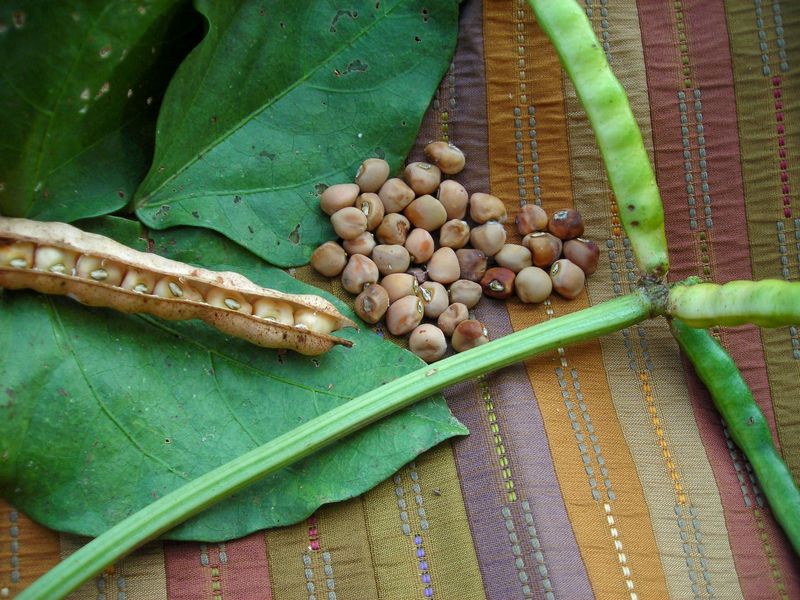
Black-eyed peas, purple-hull peas, cream peas, and crowder peas all belong to the southern pea family, and they have been a cornerstone of Texas vegetable gardens for generations.
These crops are built for summer heat, and they produce abundantly even when other vegetables struggle. Saving seeds from your best plants is a tradition worth keeping alive.
Southern peas are naturally easy to save seeds from because the process is almost the same as letting them dry for cooking. You simply leave selected pods on the vine longer than you normally would for fresh eating.
The pods will shift from green or purple to a dry, papery tan or brown color as they mature fully.
Pick plants that looked healthy all season, produced a lot of pods, and seemed to handle the Texas heat without much trouble. Those are the traits you want to carry forward into next year’s garden.
Avoid saving seeds from plants that showed signs of disease or produced poorly, even if the pods look fine on the outside.
When the pods feel dry and crinkly and you can hear the seeds rattling around inside, they are ready to shell. Pull the pods off the vine and shell them just like you would dried beans.
The seeds inside should be hard and fully colored, whether that means black-eyed, speckled, or cream-colored depending on your variety.
Spread the shelled seeds on a screen or tray and let them finish drying indoors for another week. Southern pea seeds store well for two to three years in a cool, dry location.
Keeping your own saved seed from year to year means you are slowly building a strain perfectly adapted to your specific Texas garden conditions.