Why Brown Thrashers Scratch Through North Carolina Mulch And When Gardeners Should Let Them
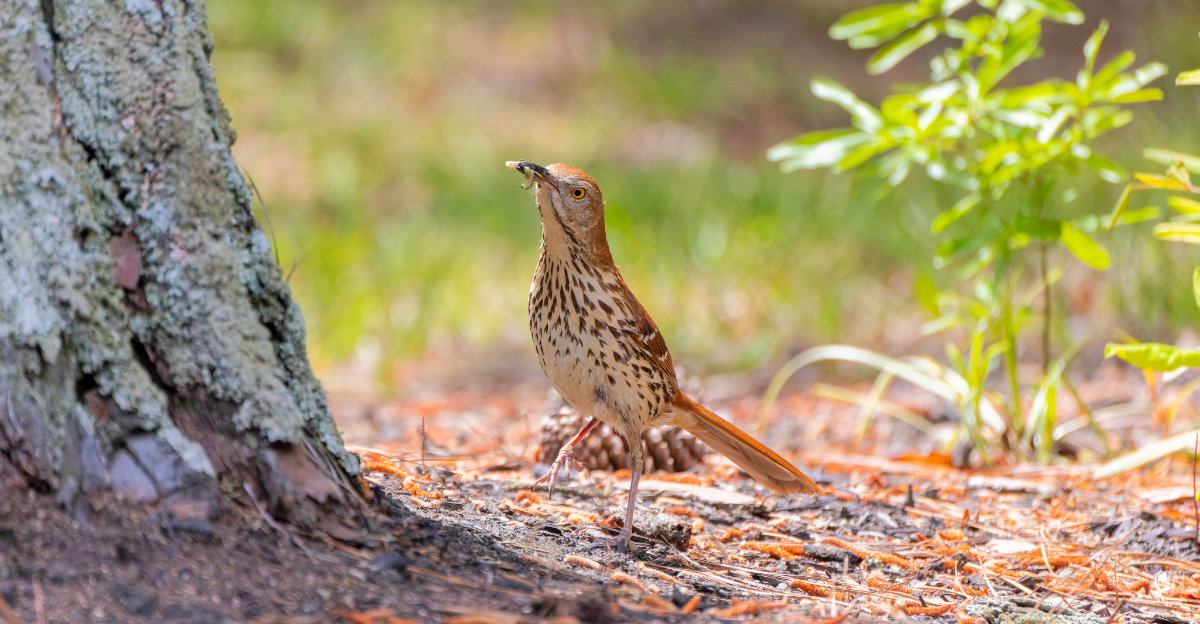
Mulch flung across the walkway, wood chips scattered over the grass, and a shallow crater where your hostas were neatly framed just yesterday. Something has been working that bed hard.
The visitor behind the mess is not a squirrel, and it is not the neighbor’s cat. It moves through leaf litter with a loud, steady rhythm you can hear from the porch, tossing material aside in quick sweeps.
Some North Carolina gardeners find the racket entertaining and stop to watch. Others spend their evenings raking the same border back into shape, wondering how many mornings this is going to repeat.
Most of this activity has a purpose, and it often points to something happening under your mulch that you have not noticed yet. Learning what drives it into your beds, and when that digging works in your favor, shifts the whole picture.
Brown Thrashers Search Mulch For Insects And Larvae
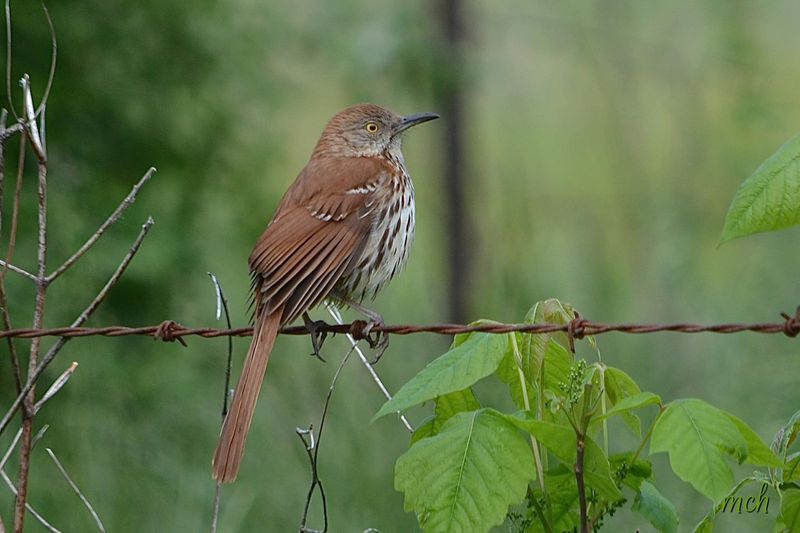
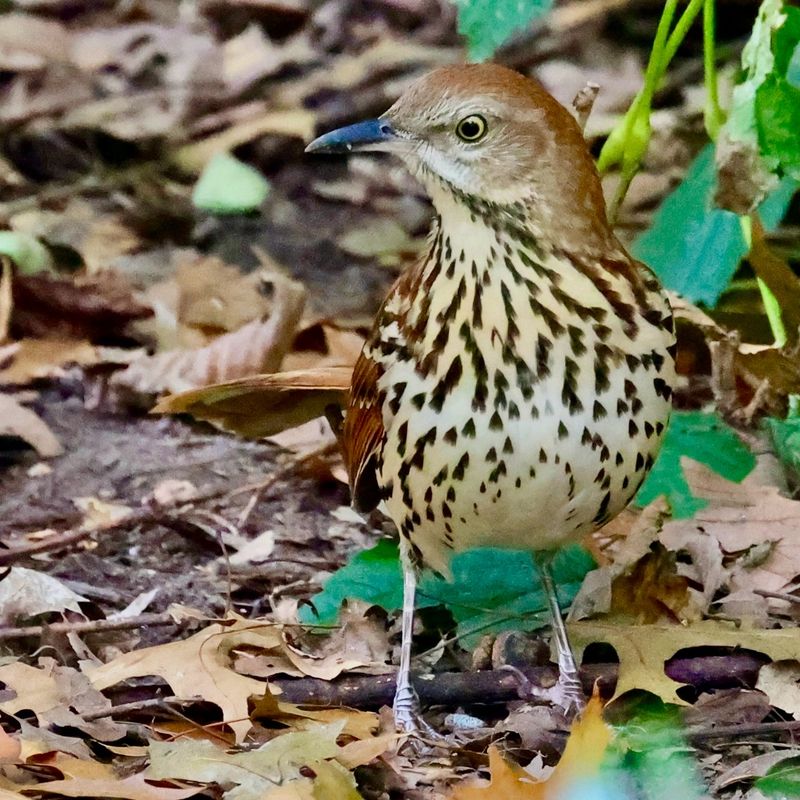
Picture this: you just laid fresh mulch, and minutes later a bird is flinging it sideways with total indifference to your work. That bold, rust-colored bird is almost certainly a brown thrasher, and he is not being destructive on purpose.
Mulch is basically a buffet for these birds. Brown thrashers use their long, curved beaks to sweep and toss mulch aside in quick, sweeping strokes.
Beneath that layer of wood chips or pine straw, a whole hidden world of insects, beetle larvae, earthworms, and grubs waits quietly. Those creatures are exactly what the thrasher came for.
North Carolina gardens are especially attractive to brown thrashers because the climate supports rich insect populations through most of the growing season. Mulched beds hold moisture, which encourages soil organisms to thrive close to the surface.
That makes mulched garden beds prime hunting ground for a hungry thrasher. Scratching through mulch is not random behavior.
The brown thrasher is one of the most skilled ground foragers among songbirds in the eastern United States. Studies of their diet show they consume enormous quantities of beetles, caterpillars, and other invertebrates throughout spring and summer.
A single thrasher can remove a substantial number of harmful grubs from a garden bed during one foraging session. That natural pest control happens without any chemicals or effort from the gardener.
Letting these birds work through your mulch might be the smartest gardening move you make all season.
Ground Foraging Is A Natural Feeding Behavior For This Species
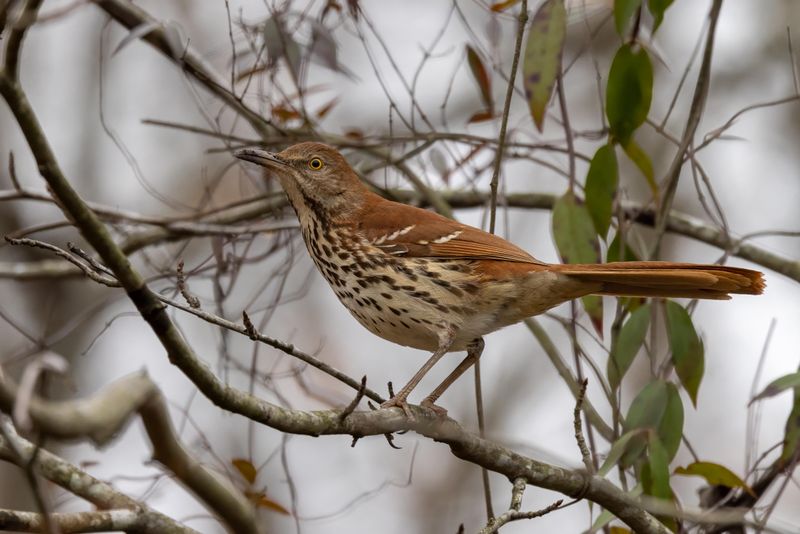
Not every bird scratches through your garden. Brown thrashers are built for it, literally. Their bodies are long, their legs are strong, and their beaks curve just enough to hook and flip debris with precision.
Ground foraging is not a quirk for this species. It is survival. Unlike birds that hunt from branches or hover mid-air, brown thrashers spend most of their feeding time on or near the ground.
They move in quick bursts, scratching two or three times with both feet, then pausing to inspect what they uncovered. That rhythm is unmistakable once you learn to spot it.
This behavior is deeply instinctive and has been part of the species for thousands of years. Brown thrashers evolved alongside North American forests and thickets, where leaf litter and loose soil hid plentiful food.
Your North Carolina Garden Changes Every Week. Your Plan Should Too.
Gardening in North Carolina changes quickly throughout the season. Every Friday you’ll receive a simple weekly plan showing exactly what to plant, prune, fertilize, harvest, and protect so you never miss the right timing.
Your mulched garden bed mimics that natural habitat almost perfectly. Juvenile thrashers learn foraging techniques by watching adult birds during their first summer.
Young birds practice the same scratch-and-pause method, though they are slightly less efficient at first. By late summer, young thrashers are typically foraging with enough confidence to feed on their own.
Recognizing this behavior as natural, rather than destructive, shifts the whole perspective. The thrasher is not attacking your garden. He is doing exactly what his biology has always told him to do.
Respecting that instinct opens the door to a more rewarding relationship between gardeners and wildlife.
Scattered Mulch Often Signals A Healthy Yard Ecosystem
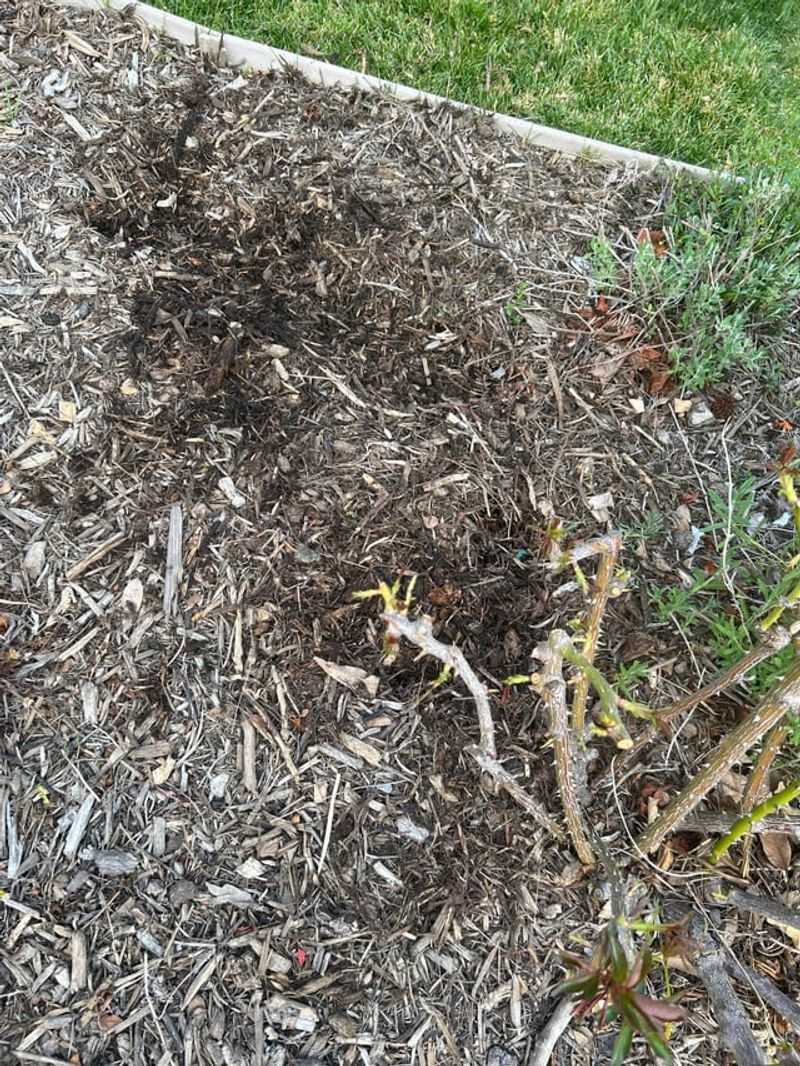
Finding mulch scattered across your garden path used to drive me up the wall. Then I learned what it actually meant, and my whole attitude flipped.
Scattered mulch is often a sign that your yard is alive with the kind of biodiversity most gardeners spend years trying to build. When a brown thrasher tosses mulch around, it exposes the soil layer beneath.
That exposure temporarily brings hidden insects, worms, and larvae into the open. Other birds, like robins or Carolina wrens, sometimes follow thrashers to snag whatever gets uncovered.
Your garden becomes a functioning food web. Healthy mulch also harbors beneficial fungi, decomposing organic matter, and microorganisms that support plant roots.
A thrasher scratching through that layer is not destroying it. The mulch still does its job even after being moved around a bit.
North Carolina gardeners who track bird activity often notice that thrashers return repeatedly to the same beds. That pattern suggests the soil beneath those beds is especially rich in food.
Consistent thrasher visits are a compliment to your soil health, not a complaint about your garden design. Think of scattered mulch the way you think of a messy kitchen after a big home-cooked meal.
The mess is evidence that something good happened. Raking everything back into place is fine, but knowing the disorder came from a thriving ecosystem makes it far less irritating. A little wildness in the yard is often worth celebrating.
When Scratching Becomes A Sign Of Garden Bed Damage
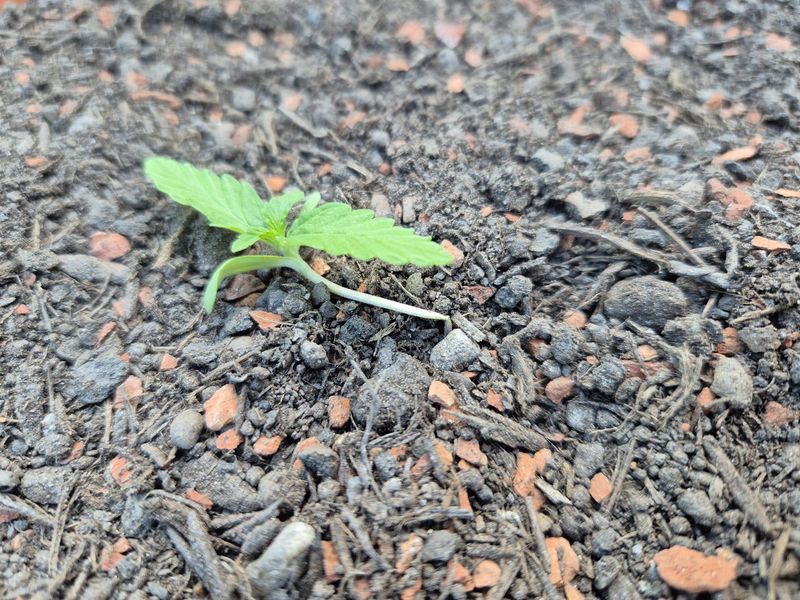
Brown thrashers are welcome guests in most yards, but there are moments when their enthusiasm crosses a line. Knowing the difference between normal foraging and actual garden damage saves you a lot of frustration.
Not every scratch is harmless, and context matters a lot here. The biggest concern is seedlings. Young plants with shallow root systems can be knocked loose when a thrasher scratches aggressively near the base.
A bird focused on hunting grubs does not notice a two-week-old tomato transplant in its path. That is where gardener intervention becomes genuinely necessary.
Newly planted bulbs are another vulnerability. Thrashers sometimes unearth bulbs while digging for grubs, especially in freshly turned soil.
If you notice bulbs sitting on top of the mulch surface, a thrasher likely pulled them up during a foraging session. Replanting and adding a light barrier usually solves the issue quickly.
Erosion-prone slopes covered with mulch can also suffer when thrashers forage heavily. The scratching loosens mulch that rain then carries downhill.
Over time, repeated disturbance on a slope can thin the mulch layer enough to expose bare soil. That creates a weed-friendly environment you definitely want to avoid.
Watching for these specific signs, loose seedlings, displaced bulbs, thinning mulch on slopes, helps you respond with targeted solutions. The goal is never to push the birds away entirely.
Protecting vulnerable spots while leaving the rest open for foraging keeps everyone, bird and gardener, reasonably happy.
Simple Adjustments That Protect Both Mulch And Birds
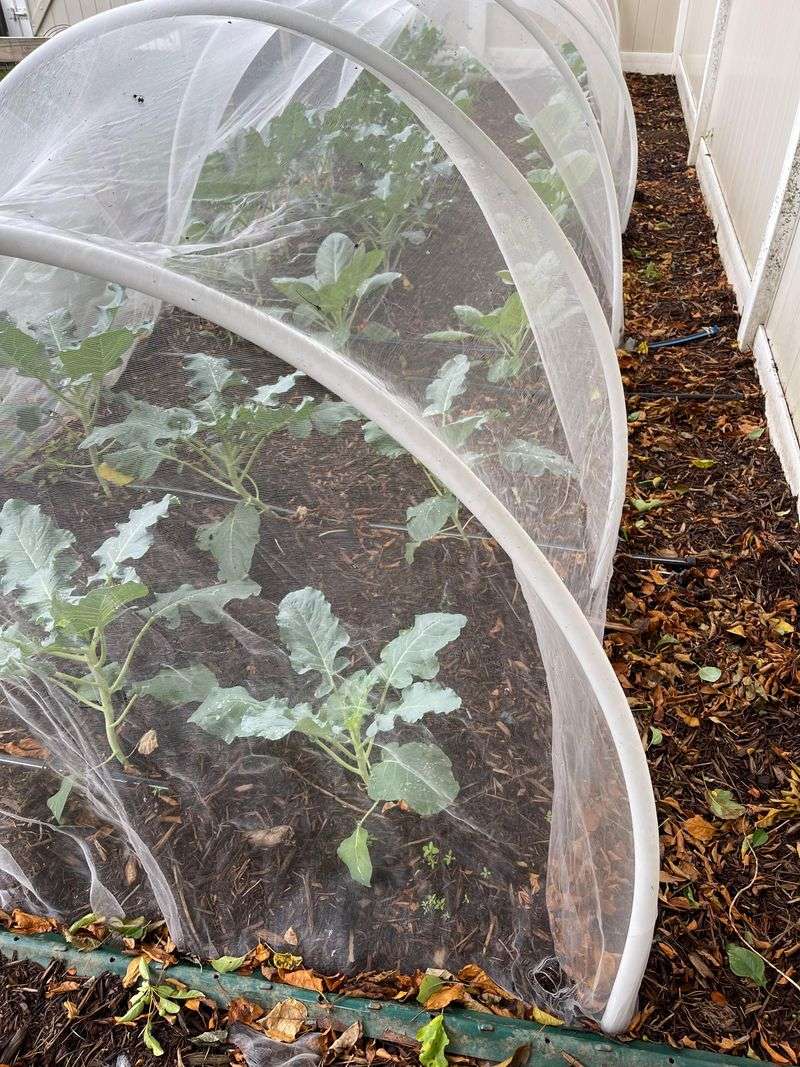
You do not have to choose between a tidy garden and a bird-friendly yard. A few smart, low-cost adjustments let both exist at the same time.
The key is protecting what is vulnerable without locking thrashers out of the entire space. Lightweight row covers or small pieces of chicken wire placed over new seedlings work surprisingly well.
Thrashers will skip past covered areas and forage in open mulch zones instead. The covers are easy to remove once seedlings are established and strong enough to handle a little disturbance.
Applying a slightly thicker layer of mulch in high-traffic foraging zones also helps. A three-to-four-inch layer absorbs scratching better than a thin coat.
The top layer gets tossed around, but the lower layer stays in place and continues doing its job for your soil. Planting dense groundcovers around the edges of beds creates natural barriers thrashers tend to avoid.
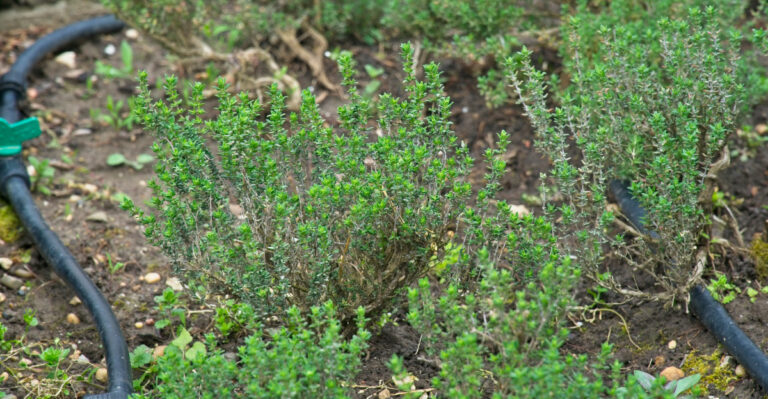
Low-growing plants like creeping thyme or liriope make it harder for a bird to get good footing for scratching. These plants also add visual texture and fill in gaps that weeds would otherwise claim.
Offering an alternative foraging zone nearby is one of the most effective strategies. A small patch of leaf litter or loosely piled compost near the garden edge gives thrashers an easy target.
They often choose the path of least resistance, and a well-placed leaf pile can redirect foraging away from your prized beds entirely. Everybody wins with that approach.
Knowing When To Leave Their Foraging Undisturbed
Sometimes the best gardening move is doing nothing at all. Brown thrashers are doing work in your yard that benefits your plants more than most gardeners realize.
Knowing when to step back is a skill worth developing, especially during key times of the growing season. Spring is prime foraging season for brown thrashers in North Carolina.
Soil temperatures rise, insects become active near the surface, and mulch beds are freshly laid. A thrasher working through your beds in April or May is likely pulling out grubs that would otherwise feed on plant roots all summer.
That trade-off strongly favors letting the bird work. Nesting season adds another layer of reason to leave thrashers undisturbed.
A foraging pair near your North Carolina garden may be collecting protein-rich insects to feed nestlings. Disrupting their feeding rhythm during nesting can stress the adults and affect how well they care for young birds.
Late summer foraging is equally important. Thrashers need consistent access to high-calorie food sources in late summer, and northern birds passing through will stop wherever reliable foraging is available.
Learning to read the situation, checking whether vulnerable plants are at risk, and then choosing to observe rather than intervene, turns you into a more intuitive gardener.
Brown thrashers scratching through North Carolina mulch are not a problem to solve. They are a partnership waiting to be appreciated, and the garden is richer for their presence.