The Real Reasons Your Illinois Trees Are Losing Leaves In August
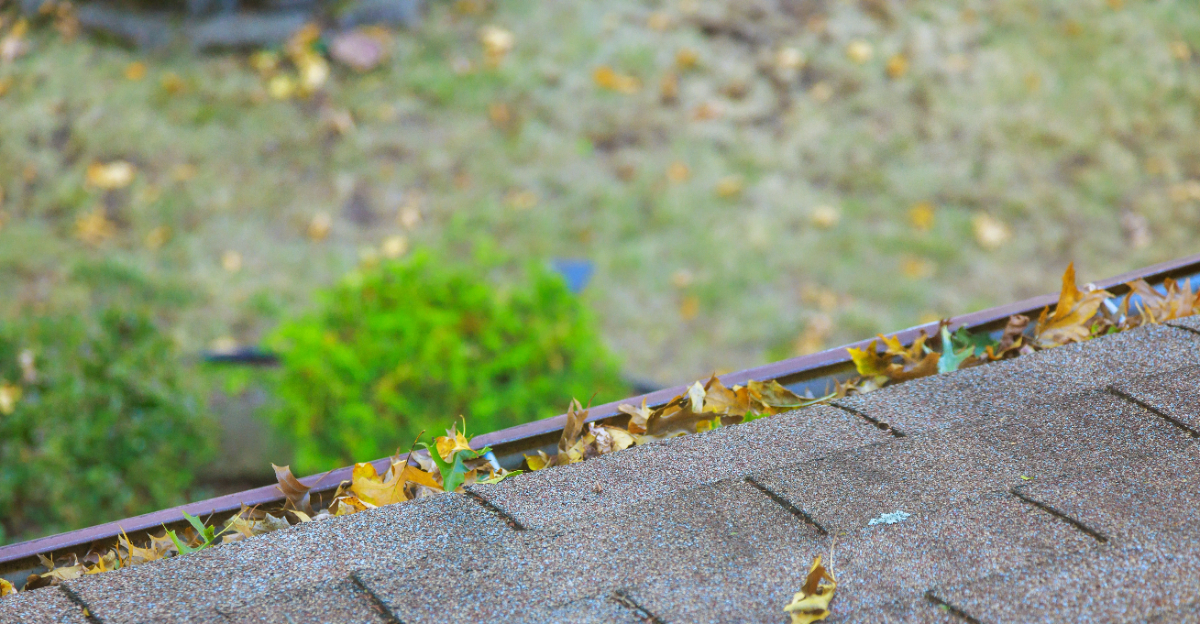
Something feels off when leaves blanket your lawn this early. Warm air should never arrive alongside bare, empty branches overhead suddenly. Illinois homeowners like you keep noticing early leaf drop now.
Trees rarely shed leaves early without a hidden reason underneath. Drought quietly drains roots for weeks before leaves ever show damage. Fungal disease spreads fast, turning canopies thin and sparse.
Insects tunnel silently through bark while you suspect the weather. Compacted soil restricts roots slower than you might notice. Weather across Illinois swings wildly between drought and downpours.
Stress compounds quickly whenever multiple triggers strike the same tree. Every fallen leaf carries a clue worth decoding right now. Ignoring these warning signs harms your trees come next spring.
Diagnosis calms worry, since real solutions exist for most causes. Most cases of sudden leaf drop have an identifiable explanation. Your trees are talking, and you cannot afford to stop listening.
Why Midsummer Leaf Drop Catches Illinois Homeowners Off Guard
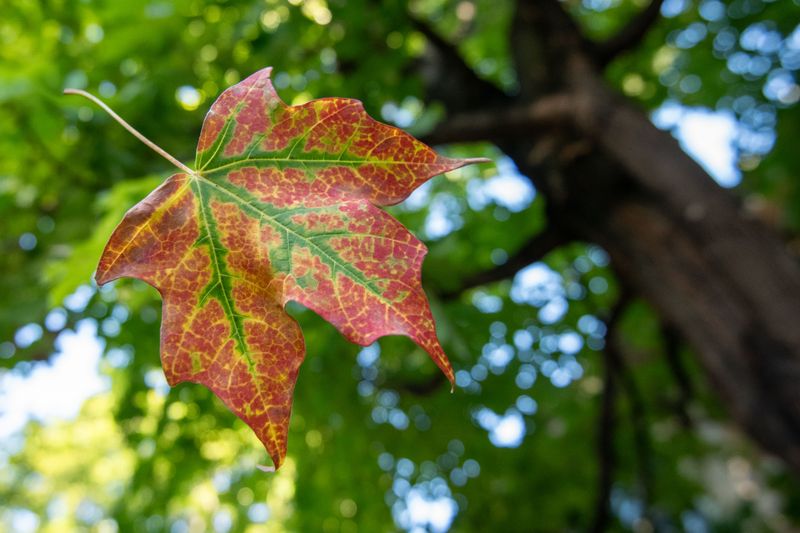
Most people expect leaf drop in October, not August. When leaves start falling in midsummer, it feels like something is off.
The truth is, Illinois trees losing leaves in August is more common than most homeowners realize. The state’s climate swings between extremes, and trees feel every bit of that stress.
August in the Midwest can bring intense heat, dry spells, and sudden storms. Trees respond to these conditions in ways that mimic autumn, even when summer is still in full swing.
Homeowners often worry unnecessarily and assume the worst. But early leaf drop is frequently a survival mechanism, not something irreversible.
Understanding why trees shed early starts with knowing how they manage resources. A tree under pressure will sacrifice leaves to protect its roots and core structure.
Think of it like a business cutting costs to stay afloat. The tree drops what it cannot afford to maintain.
Midsummer leaf drop in Illinois also catches people off guard because it happens fast. One week the tree looks fine, the next it is half bare.
The speed of the change often signals the severity of the stressor. Slow yellowing suggests one problem, while rapid brown drop suggests another.
Paying attention to the pattern of leaf loss gives you clues. Are leaves falling from the top down, or from the inside out?
Each pattern points to a different cause, and knowing the difference puts you one step ahead of serious tree damage.
Drought Stress And How Trees Shed Leaves To Cope
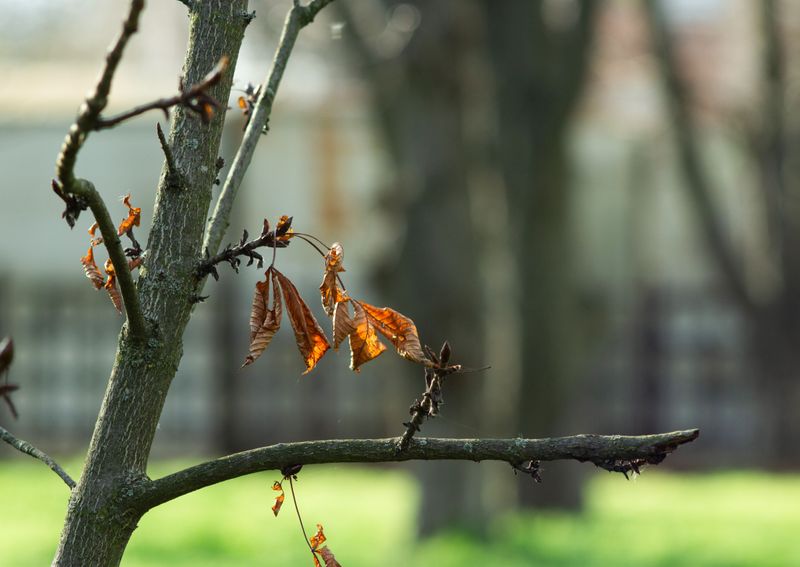
Drought stress is one of the most common reasons Illinois trees drop leaves in August. When soil moisture drops, trees make a calculated trade-off.
Leaves lose water through tiny pores called stomata. During a drought, keeping all those leaves open is too costly for the tree to handle.
So the tree starts shedding. It drops leaves strategically to reduce water loss and keep the trunk and roots alive.
You might notice leaves turning yellow or brown at the tips first. That is the tree pulling moisture back toward its core before releasing the leaf.
Your Illinois Garden Changes Every Week. Your Plan Should Too.
Gardening in Illinois changes quickly throughout the season. Every Friday you’ll receive a simple weekly plan showing exactly what to plant, prune, fertilize, harvest, and protect so you never miss the right timing.
Illinois summers have become increasingly unpredictable. A stretch of hot, dry weeks in July can set off a chain reaction that shows up as leaf drop in August.
Even trees that were watered regularly can show stress if the heat is intense enough. Shallow-rooted species like silver maples and birches are especially vulnerable.
Watering deeply and infrequently is far more effective than light daily watering. Deep watering encourages roots to grow downward where moisture is more stable.
Mulching around the base of your tree also helps lock in soil moisture. A 3-inch layer of wood chips can make a significant difference during dry stretches.
Avoid fertilizing a drought-stressed tree in late summer. Fertilizer pushes new growth, which demands even more water from an already-taxed system.
Give your tree water and time. Most drought-stressed trees bounce back fully the following spring if the damage has not gone too deep.
Fungal Diseases Common To Illinois Summers
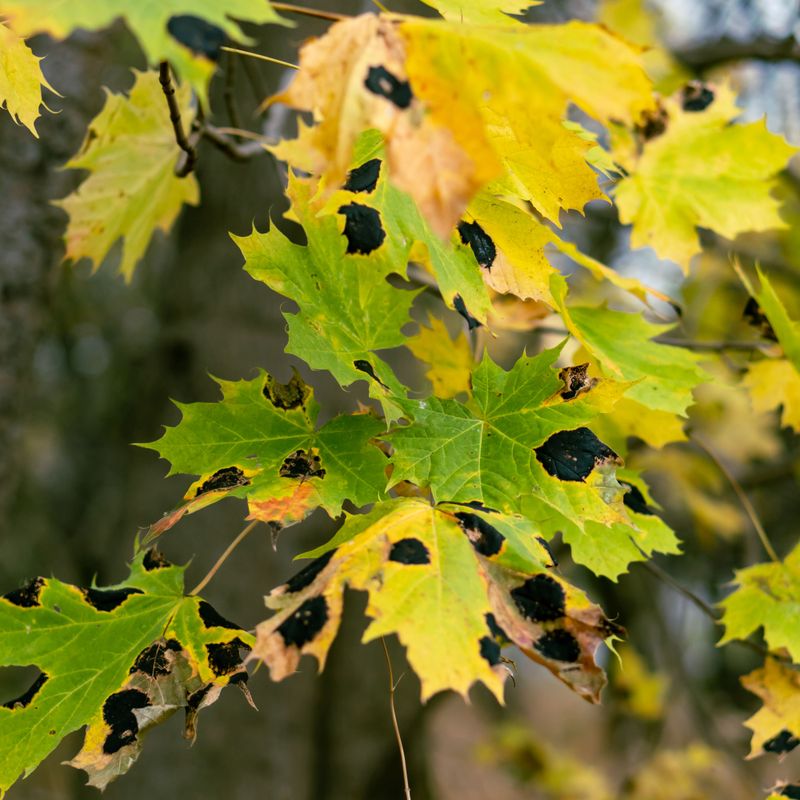
Fungal diseases thrive in warm, humid conditions, and Illinois summers deliver both in abundance. Several common fungi can cause trees to drop leaves weeks ahead of schedule.
Anthracnose is one of the most widespread. It affects oaks, maples, and sycamores, leaving dark blotches on leaves before they fall prematurely.
Tar spot is another frequent offender, especially on silver and Norway maples. The disease creates bold black spots that look alarming but are rarely fatal.
Apple scab and powdery mildew hit ornamental trees hard. Both cause significant leaf drop that can strip a tree by late August if left unchecked.
Fungi spread through water, which is why rainy springs followed by humid summers create perfect outbreak conditions. Spores travel on wind and splashing rain from infected leaves on the ground.
Raking up fallen leaves promptly is one of the best defenses you have. Leaving infected leaves under a tree creates a spore reservoir that reinfects the canopy.
Fungal issues rarely cause lasting harm to established trees outright. But repeated annual infections weaken a tree over time and make it vulnerable to other stressors.
Fungicide sprays can help, but timing matters enormously. Applications are most effective in early spring before symptoms appear, not after the leaves are already falling.
Improving air circulation around your tree also reduces fungal pressure. Pruning dense interior branches lets sunlight and airflow reach the canopy more effectively.
A healthy tree with good drainage and proper spacing has a much better chance of fighting off fungal disease on its own.
Root Damage And Compacted Soil As Hidden Causes
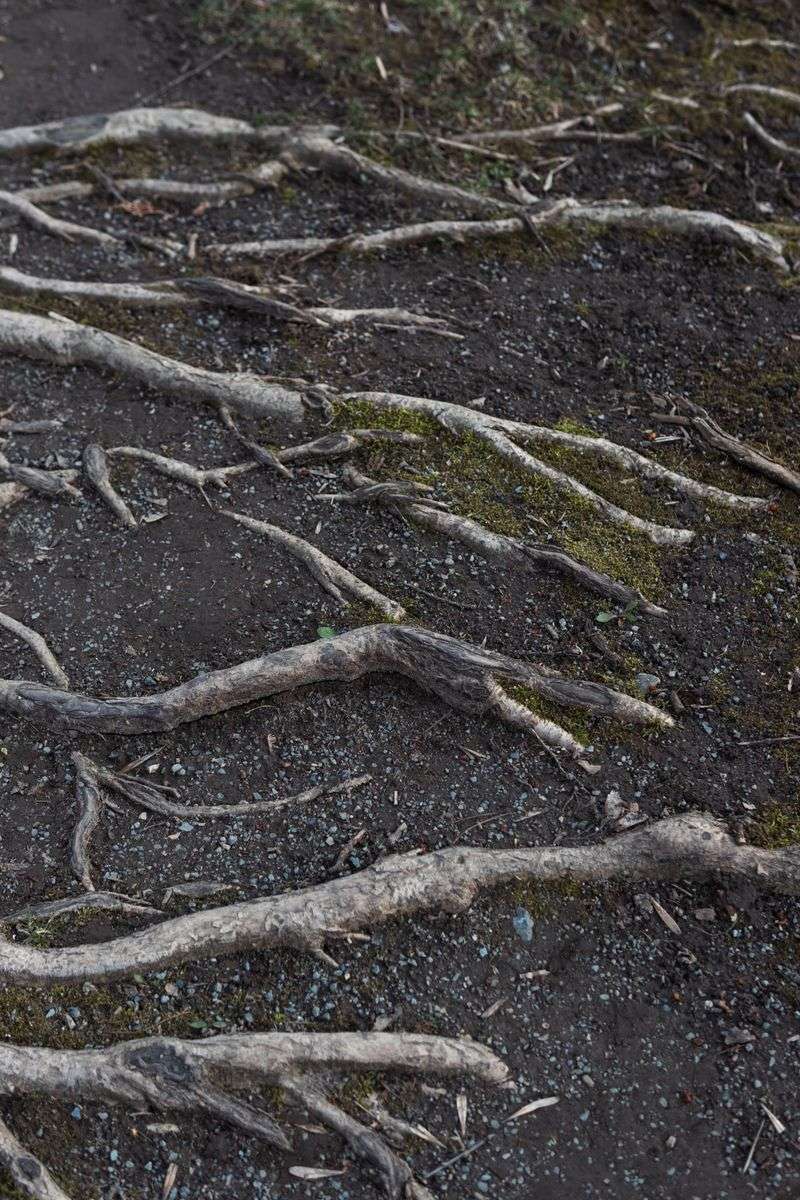
Sometimes the problem is not above ground at all. Root damage and compacted soil are less obvious causes of early leaf loss that homeowners rarely suspect.
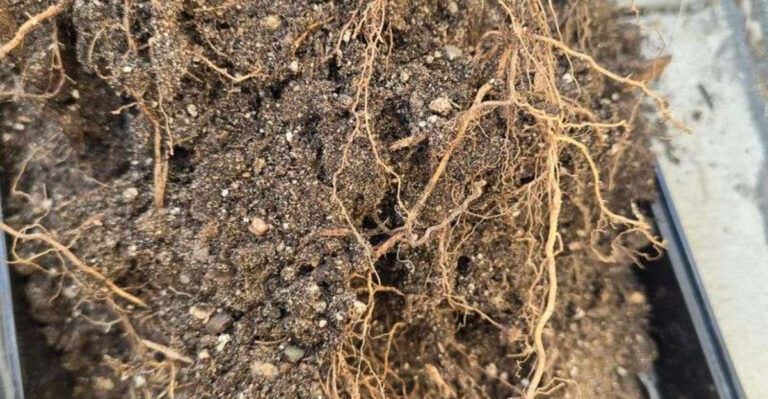
Tree roots need oxygen just as much as they need water. When soil gets compacted, air pockets disappear and roots begin to lose access to oxygen.
Construction projects are a major culprit. Even parking a heavy vehicle under a tree for a few weeks can compact soil enough to cause lasting root stress.
Trenching for utilities, grading the yard, or adding fill soil over existing roots can all trigger leaf drop months later. The tree looks fine at first, then declines sharply in summer.
Root damage from lawn mowers and string trimmers is also more common than people think. Repeated nicks to surface roots add up over time and compromise the tree’s ability to absorb nutrients.
Aerating the soil around your tree helps restore oxygen flow to the root zone. A certified arborist can also apply specialized treatments to improve root health in compacted areas.
Avoid piling mulch directly against the trunk. Volcano mulching, where mulch is mounded up against the bark, traps moisture and encourages rot at the base.
If you have had recent construction near your trees, keep a close eye on them through the season. Symptoms of root stress can appear months or even years after the initial damage.
Giving the root zone space, air, and consistent moisture is the best long-term strategy. Healthy roots mean a resilient tree that can handle whatever summer throws at it.
Pest Infestations That Trigger Early Leaf Loss
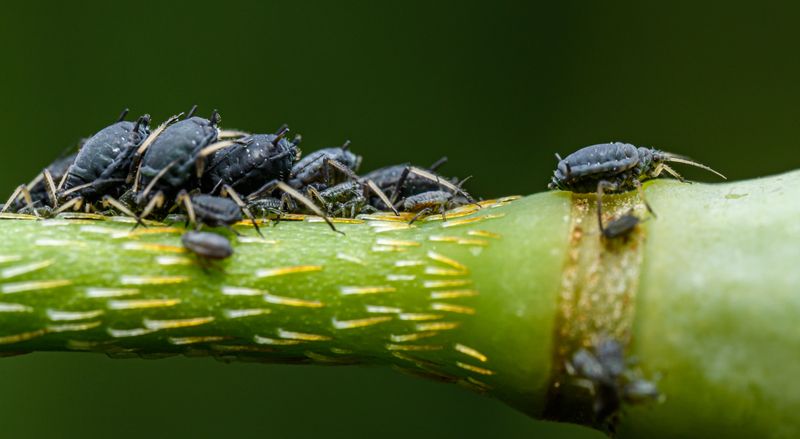
Pest damage can spread through a tree quickly. Certain pest infestations cause Illinois trees to drop leaves in August as a direct result of feeding damage.
Spider mites are a big summer problem, especially during hot and dry stretches. They feed on leaf tissue and cause a dusty, stippled look before the leaf browns and drops.
Aphids cluster on new growth and suck sap from leaves and stems. A heavy infestation can cause widespread yellowing and early leaf shed across the whole canopy.
Scale insects are harder to spot but equally damaging. They attach to branches and slowly drain the tree of nutrients, leading to thinning foliage and early drop.
Japanese beetles are easy to identify because of the skeletonized leaves they leave behind. Heavy feeding pressure from a large beetle population can trigger significant leaf loss by late summer.
Bagworms are another pest worth watching for on evergreens and some deciduous species. They build silky pouches on branches and feed voraciously, sometimes defoliating entire sections of a tree.
Most pest problems are treatable when caught early. A strong blast of water from a garden hose can knock back spider mites and aphids effectively.
For larger infestations, insecticidal soap or neem oil works well on soft-bodied insects. Always follow label directions and avoid spraying during the hottest part of the day.
Illinois trees losing leaves in August due to pests usually recover well if treated promptly. Act fast, and your tree has a strong chance of bouncing back by next spring.
Nutrient Deficiency And Soil pH Imbalances
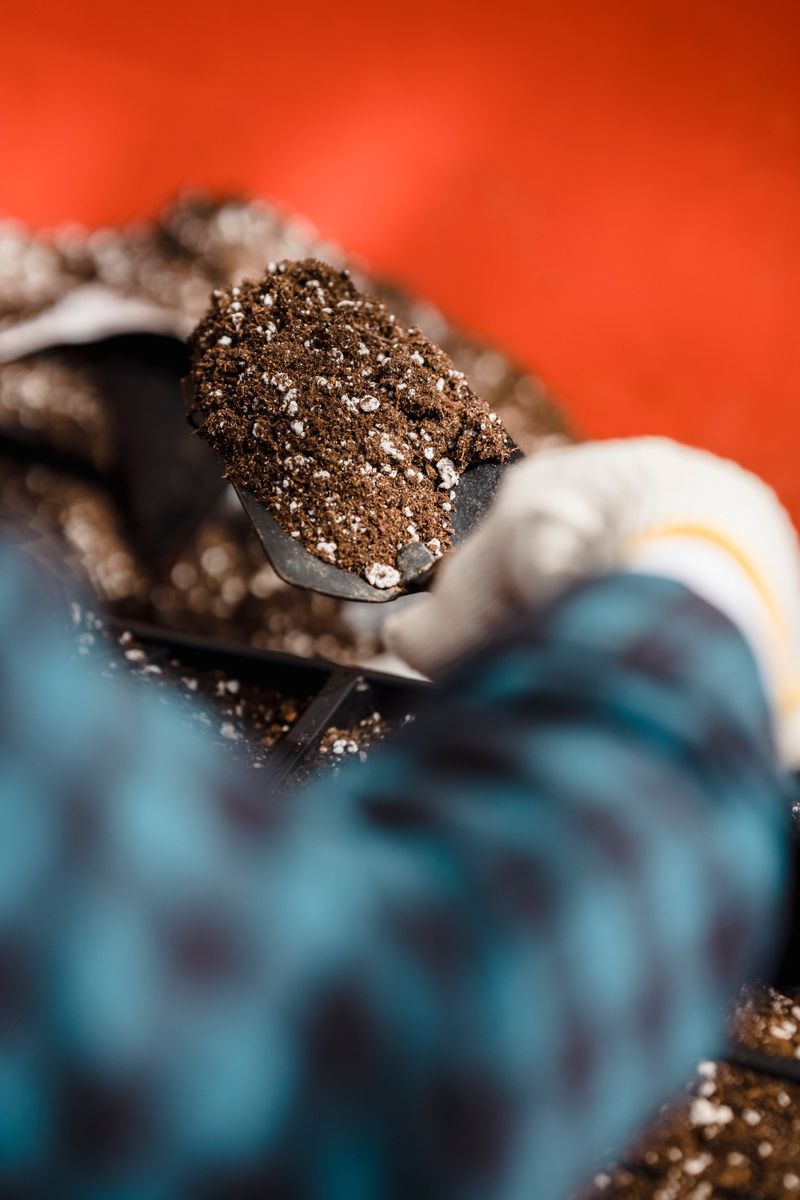
Sometimes a tree sheds leaves simply because it is not getting what it needs from the soil. Nutrient deficiency often shows up as early leaf drop long before homeowners suspect a feeding problem.
Iron and manganese deficiencies are common in Illinois, especially in areas with alkaline or heavily disturbed soil. Leaves affected by these deficiencies often turn pale yellow between the veins before dropping.
Soil pH plays a bigger role than most people realize. When pH climbs too high, trees struggle to absorb the nutrients they need, even if those nutrients are technically present in the soil.
New construction sites and areas near concrete foundations tend to have more alkaline soil. Trees planted in these spots may show nutrient stress within a few growing seasons.
A simple soil test can reveal a lot about what is happening beneath the surface. Testing pH and nutrient levels helps you avoid guessing and instead treat the actual cause.
Adding chelated iron or sulfur-based soil amendments can help correct many deficiencies over time. These treatments work gradually, so patience matters more than speed here.
Avoid over applying fertilizer as a quick fix. Excess fertilizer can create additional imbalances and add more stress to a tree that is already struggling.
Working with a local arborist or extension office can help you interpret soil test results accurately. University of Illinois Extension offers testing resources that many homeowners find useful.
A tree with balanced soil chemistry tends to hold onto its leaves longer through the heat of summer.