The Invasive Grass Spreading Through Connecticut Gardens That Often Goes Undetected
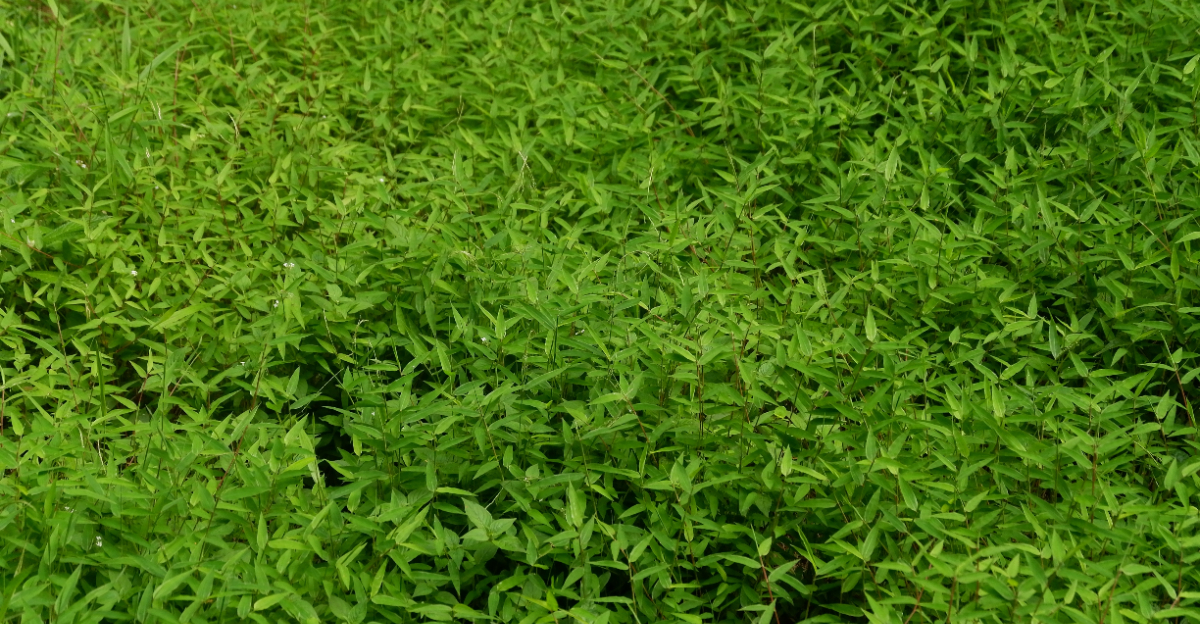
A quiet invader has already slipped silently past your garden fence. Connecticut lawns are hosting it without a single warning bell. Something fragile-looking has been quietly drifting between your flower beds.
Nothing about its thin, soft leaves suggests any real danger yet. Roots spread fast, quietly crowding soil your perennials depend on. Shade doesn’t stop it, and neither does relentless mowing season.
Every single patch you ignore becomes territory you eventually surrender. Birds, boots, and lawn equipment carry its seeds farther each week. Rich Connecticut soil gives this invader exactly what it needs most.
Native wildflowers fade quietly while this stranger claims their space. Your instincts might tell you it’s harmless, and that’s the problem.
Experts note that removal gets tougher with every passing month. Waiting costs you ground you won’t easily reclaim right now. You need to know exactly what’s hiding in your garden before it spreads any further.
What’s Quietly Spreading Through Connecticut Yards Right Now
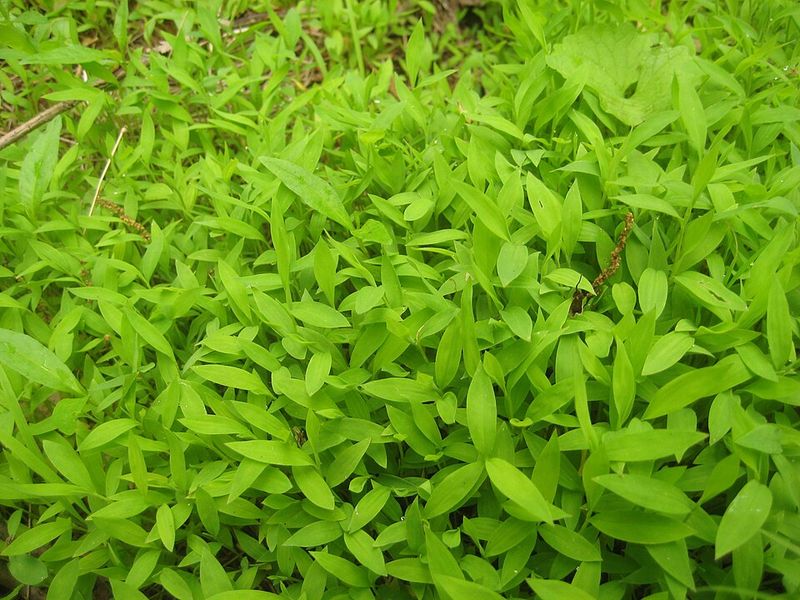
Your yard has a new tenant, and it never asked permission. Japanese stiltgrass has been spreading across Connecticut gardens for years, moving from forest edges into backyards, flower beds, and even lawn borders without triggering any obvious alarm.
Most people mistake it for a harmless annual grass. The blades are narrow, pale green, and almost delicate-looking, which makes it easy to ignore during the busy spring season.
Originating from Asia, this plant was accidentally introduced to the United States in the early 1900s through packing material.
Since then, it has marched steadily through the eastern states, thriving in exactly the kinds of spots Connecticut homeowners love to landscape.
Shaded paths, moist garden edges, and areas near streams are prime targets. Once established, a single patch can expand rapidly across a yard in just one growing season.
Right now, in gardens across the state, stiltgrass is quietly outcompeting native ground covers and low shrubs. It does not announce itself with bright flowers or unusual shapes, which is precisely why so many people overlook it until the damage is already done.
Catching this invader early is one of the most effective steps any homeowner can take. The sooner you spot it, the easier the process ahead becomes.
How To Identify It Before It Spreads Further
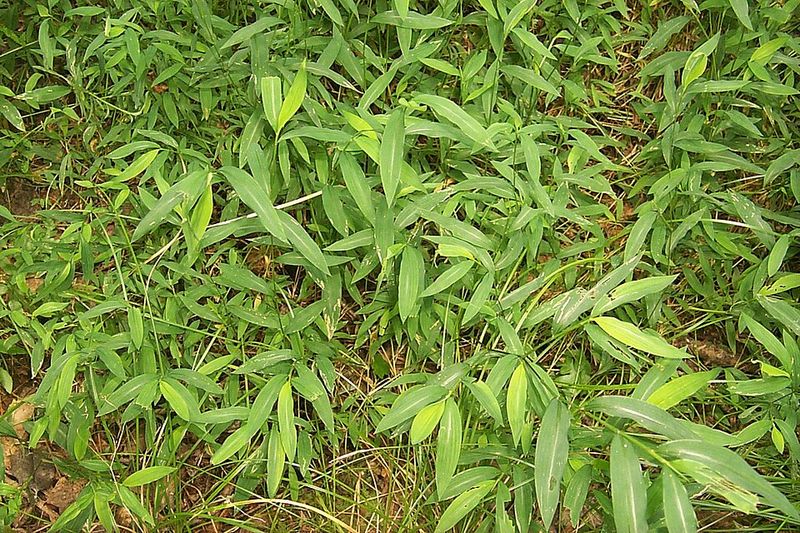
Spotting Japanese stiltgrass early requires knowing exactly what to look for. The most reliable identification clue is a shimmery silver stripe running straight down the center of each blade, catching light in a way that native grasses simply do not.
The leaves are lance-shaped and asymmetrical, meaning one side of the blade is slightly wider than the other. Once you see that detail, you will never mistake it for something else again.
Stiltgrass grows low at first, forming a loose mat that hugs the soil. By midsummer, stems shoot upward and can reach one to three feet tall if left unchecked in shaded spots.
The stems have a distinctive zigzag pattern between each leaf node, which gives the plant its “stiltgrass” nickname. Running your finger along the stem, you can feel each tiny joint clearly.
Your Connecticut Garden Changes Every Week. Your Plan Should Too.
Gardening in Connecticut changes quickly throughout the season. Every Friday you’ll receive a simple weekly plan showing exactly what to plant, prune, fertilize, harvest, and protect so you never miss the right timing.
Another useful clue is where it grows. Find it along shaded fence lines, under trees, near garden borders, or anywhere foot traffic has disturbed the soil. Disturbed ground creates favorable conditions for this species.
Pull a small sample and crush the leaf between your fingers. Stiltgrass has almost no smell, while many native grasses carry a faint grassy or earthy scent when bruised.
Knowing these identification markers puts you firmly in control. Recognition is the first real weapon against this quietly spreading grass.
Why Shade Gives This Grass A Hidden Advantage
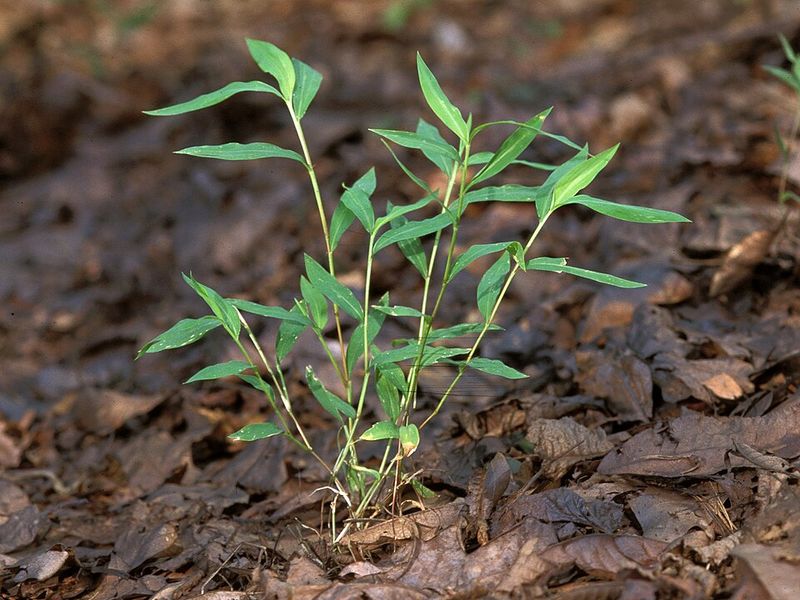
Most lawn grasses struggle in deep shade, but stiltgrass actually thrives there. This shade tolerance is one of the biggest reasons it has become such a persistent problem in Connecticut landscapes, where mature trees create large areas of low light.
Native ground covers and turf grasses compete poorly under a dense tree canopy. That opens up bare soil, and stiltgrass moves in immediately to claim every available inch.
The plant has evolved an impressive ability to photosynthesize efficiently under low-light conditions. Where other plants stretch and weaken, stiltgrass stays compact, green, and highly productive.
This advantage extends to areas beneath decks, along north-facing fences, and under shrubs with low branching. Anywhere that sunlight is limited becomes a potential stronghold for this invader.
Homeowners often assume shaded spots need less attention because fewer weeds grow there. That assumption is exactly what allows stiltgrass to establish itself without any interference during its most vulnerable seedling stage.
Once a shaded patch is colonized, stiltgrass creates a thick mat that blocks sunlight from reaching the soil. That mat prevents native seeds from germinating, locking out competition for seasons to come.
Understanding this shade strategy changes how you approach garden maintenance. Shaded areas deserve just as much inspection as your sunniest beds, especially from late spring onward.
The Seeding Process That Complicates Long-Term Control
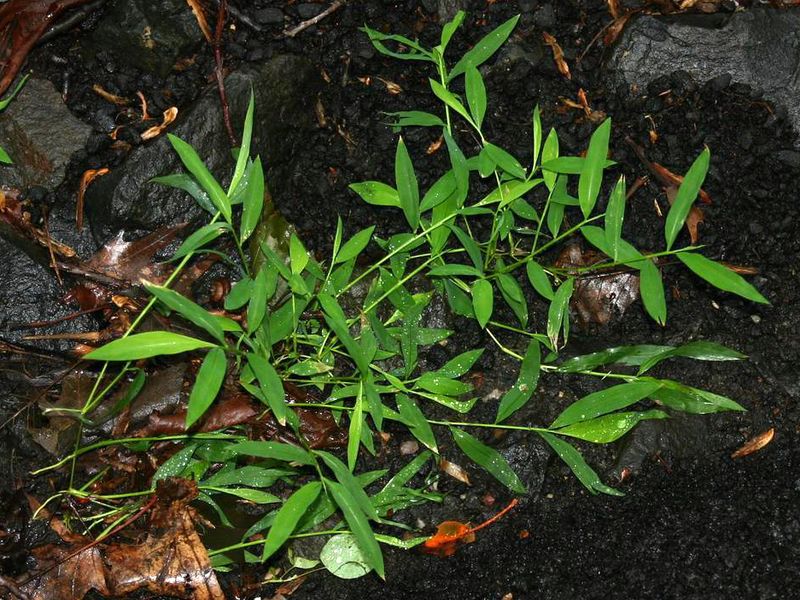
One plant. Thousands of seeds. That math is exactly why stiltgrass is so difficult to remove once it gets a foothold in your yard.
A single stiltgrass plant can produce up to one thousand seeds in a single growing season. Those seeds remain viable in the soil for up to five years, waiting patiently for the right conditions to sprout.
Seed heads appear in late August and September, forming slender spike-like structures at the tips of each stem. By the time most homeowners notice them, the seeds are already mature and ready to drop.
Seeds spread through multiple pathways that are almost impossible to fully control. Water, foot traffic, wildlife, lawn equipment, and even wind carry seeds far beyond the original plant.
Deer are a known contributor to seed spread in Connecticut. They walk through stiltgrass patches, picking up seeds on their fur and hooves, then deposit them across wide areas during their nightly movements.
The soil seed bank is the most frustrating part of managing this plant. Even after you remove every visible plant, dormant seeds underground will sprout the following spring, making persistence absolutely essential.
Pulling or cutting plants before seed heads fully mature is one of the most important timing windows in a removal effort. Missing that window by even two weeks can reset an entire season of hard work.
Common Mistakes That Accidentally Help It Spread
Good intentions can backfire badly when stiltgrass is involved. Many of the most common garden habits actually help this plant spread faster, turning routine yard work into an accidental seeding event.
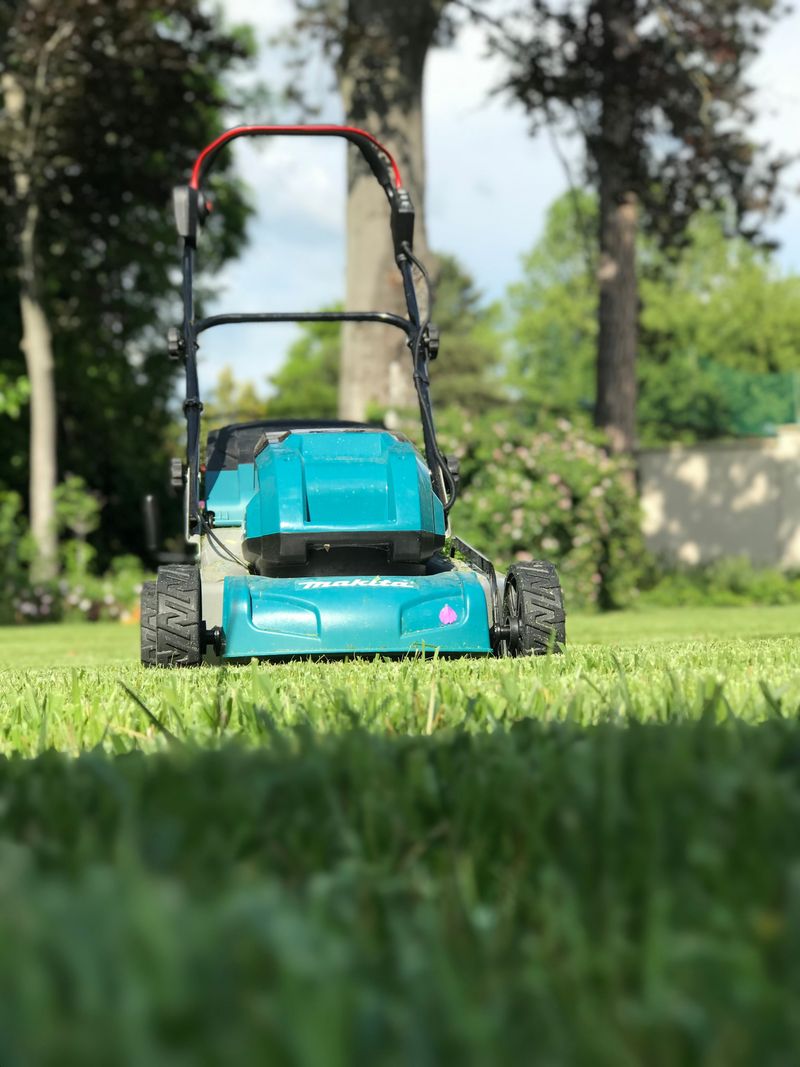
Mowing over mature stiltgrass is one of the biggest mistakes homeowners make. The mower blades scatter seeds across a wide area, planting next year’s problem in a single afternoon pass.
Composting pulled stiltgrass is another error that surprises many people. Home compost piles rarely reach temperatures high enough to destroy viable seeds, so adding stiltgrass clippings simply creates a seed-rich compost to spread later.
Tilling infested soil in spring feels productive, but it actually brings dormant seeds up from deeper layers where they cannot germinate. Tilling puts those seeds right at the surface, exactly where they need to be to sprout.
Leaving bare soil after removing other plants is an open invitation. Stiltgrass seeds are opportunists, and bare ground is the easiest environment for them to establish without competition.
Tracking seeds on boots, gloves, and tools from one garden area to another is surprisingly common. A quick rinse of tools and a boot scrape before moving between garden zones can prevent significant unintentional spread.
Awareness of these habits shifts the entire dynamic of managing stiltgrass. Changing a few small routines can make the difference between losing ground and actually gaining it back.
Effective Ways To Remove It Before September
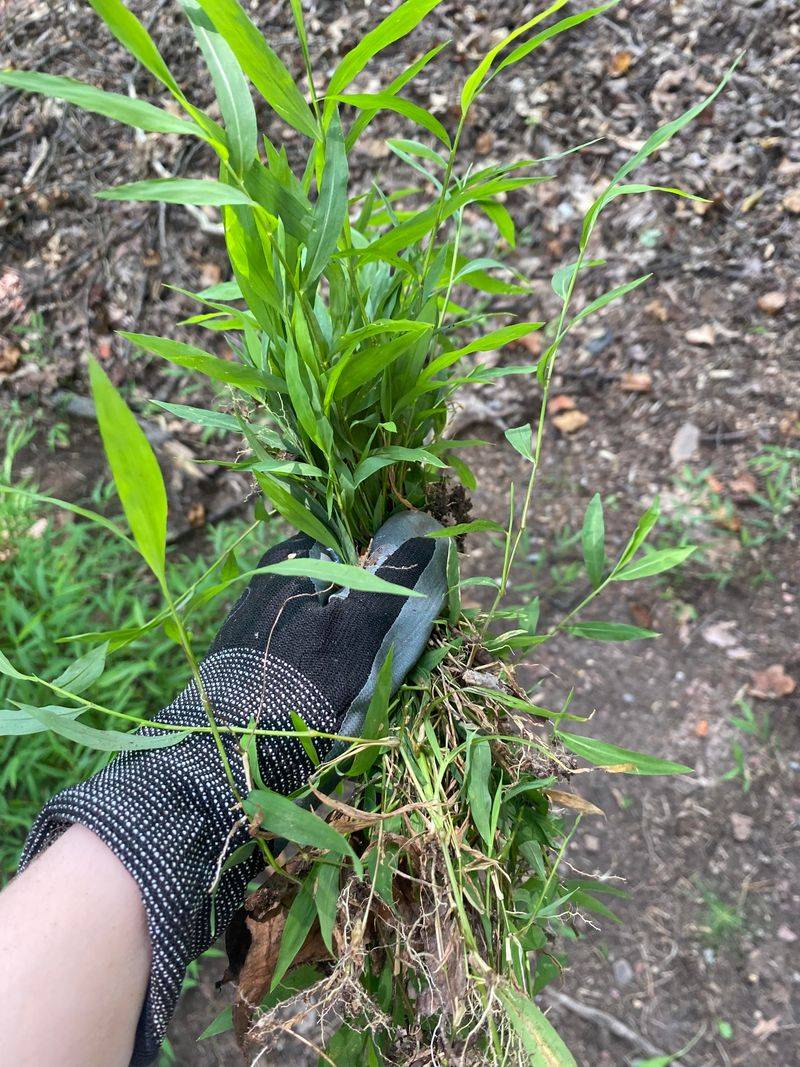
August is your best window, and it narrows quickly. Removing Japanese stiltgrass takes commitment, but protecting your Connecticut garden from a full spread is absolutely worth every effort you put in.
Hand-pulling works well when the soil is moist after rain. Grasp each plant near the base and pull steadily upward, taking the shallow roots with it before they can re-anchor.
For larger patches, a sharp garden hoe used just below the soil surface cuts stems cleanly and disrupts root systems without deep tilling. Repeat every two to three weeks through August to exhaust remaining plants.
Solarization is a powerful option for heavily infested areas. Cover the patch with clear plastic sheeting for four to six weeks during the hottest part of summer, trapping heat that destroys seeds and plants beneath.
After removal, replanting with dense native ground covers is essential. Plants like wild ginger, Pennsylvania sedge, or golden groundsel fill bare soil quickly and leave little room for stiltgrass to return.
Mulching bare soil with three inches of wood chip mulch after removal suppresses germinating seeds effectively. Avoid leaving any exposed ground, even briefly, during the active growing season.
Persistence across multiple seasons is important with this invasive grass. Removing Japanese stiltgrass before September seed set is one of the most effective strategies any Connecticut gardener can follow this season.