The Trailing Porch Plants That Love Arizona’s Bright Summer Shade
An Arizona porch can sit in shade all afternoon and feel bright enough to make you squint. That combination fools plenty of plant shoppers.
Covered patios block direct desert sun, yet pale walls, concrete, and open sky can pour reflected light into the space. For several trailing plants, that bright shade is far more useful than a blast of western sun.
The trick is choosing foliage that likes protection without treating shade as permission to forget the heat.
Many houseplants can spend warm months outdoors, with light shade beneath trees, overhangs, or ramadas as the better location during the hottest period. So which trailers fit that setup?
Pothos, grape ivy, spider plant, asparagus fern, purple heart, and elephant’s food each bring a different texture. They also ask for different moisture levels.
Give every pot drainage, check the root zone instead of a calendar, and keep direct afternoon sun off tender leaves.
A covered porch can look lush while the yard outside feels baked.
1. Trail Golden Pothos From A Hanging Basket
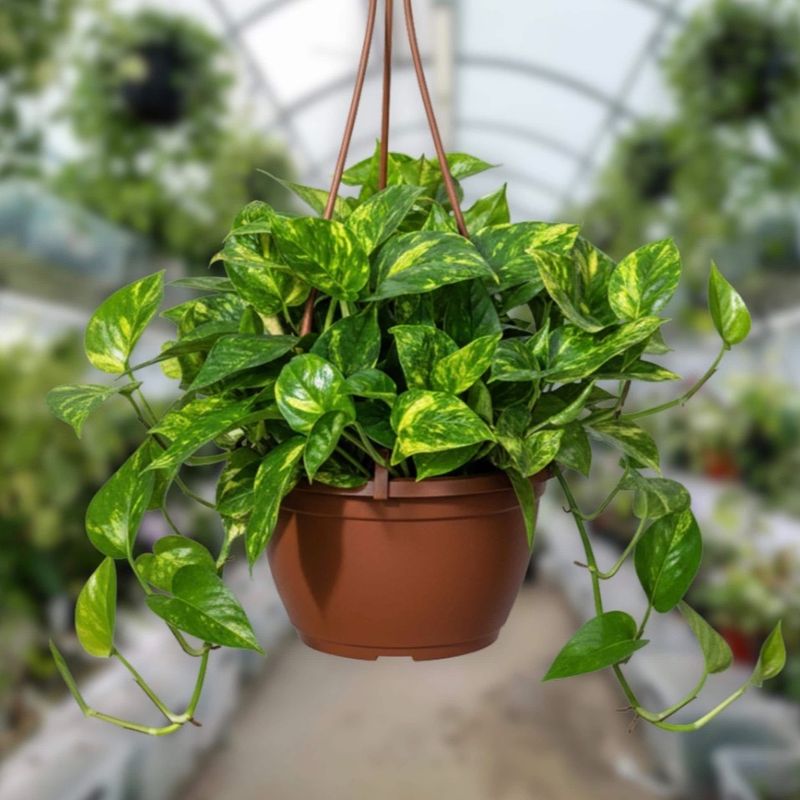
A shaded porch gives golden pothos a much safer summer seat than an exposed west wall. Golden pothos tolerates lower light, and light outdoor shade beneath overhangs or ramadas suits many houseplants during the hottest months.
Set the basket where bright ambient light reaches both sides of the plant. Long vines can drape over a rail or fall from a hook without contact with hot masonry.
Use a container with drainage holes and a loose potting mix. Rocks at the bottom do not improve drainage, so give the roots actual soil volume instead.
Water thoroughly once the upper inch of mix feels dry, then let excess water leave the pot. Skip the fixed two-day schedule.
Arizona heat, pot size, wind, and container material can change moisture use fast. Check the mix with a finger and let the root zone make the decision.
Trim vines that become sparse near the crown. A few shorter stems can make the basket look fuller without a full porch haircut session.
Keep the plant beyond reach of pets and young children. Golden pothos contains calcium oxalate crystals and can cause significant mouth irritation after ingestion.
Bright shade handles the leaves gently. Good drainage handles everything below them.
2. Let Marble Queen Pothos Spill Over
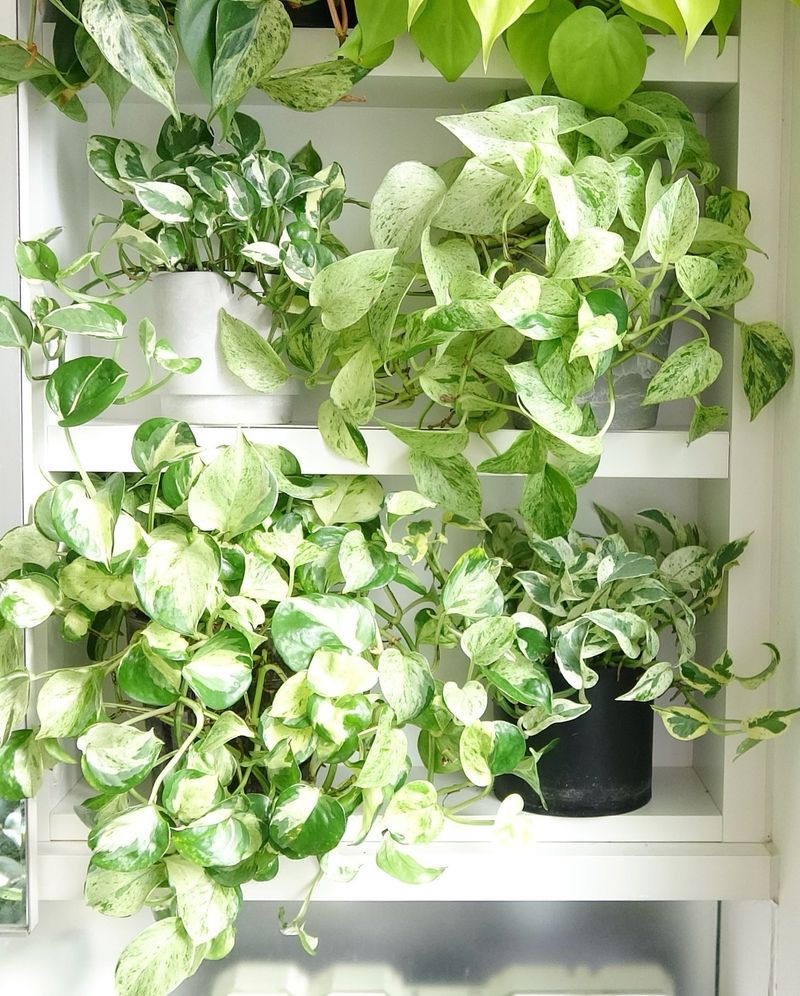
Creamy leaves make Marble Queen pothos the prettier diva of the two pothos choices, but the care stays simple. This cultivar tolerates lower light, though variegated foliage can lose contrast when light falls too low.
Place the pot near the bright outer half of the porch, not where western sun cuts across the rail late in the day.
Reflected light from pale stucco can add plenty of brightness without direct rays on the leaves. Give the roots the same drainage discipline as golden pothos.
Use a porous, well-aerated mix and a pot with an open drain hole. Water the entire root ball once the upper layer feels dry, then empty any saucer that collects runoff. A wet saucer can pull water back into the pot and increase root trouble.
Your Arizona Garden Changes Every Week. Your Plan Should Too.
Gardening in Arizona changes quickly throughout the season. Every Friday you’ll receive a simple weekly plan showing exactly what to plant, prune, fertilize, harvest, and protect so you never miss the right timing.
Check the leaves for clues. Long spaces between leaves and weaker color can signal too little light, while bleached or scorched patches can point toward excess exposure.
Move the basket a foot or two before you overhaul the care routine.
That tiny shift often changes the light far more than gardeners expect on a covered Arizona porch. Marble Queen does not need desert sun to prove its name. It needs enough brightness to keep the cream visible without crisp edges.
3. Grow Grape Ivy In Filtered Light
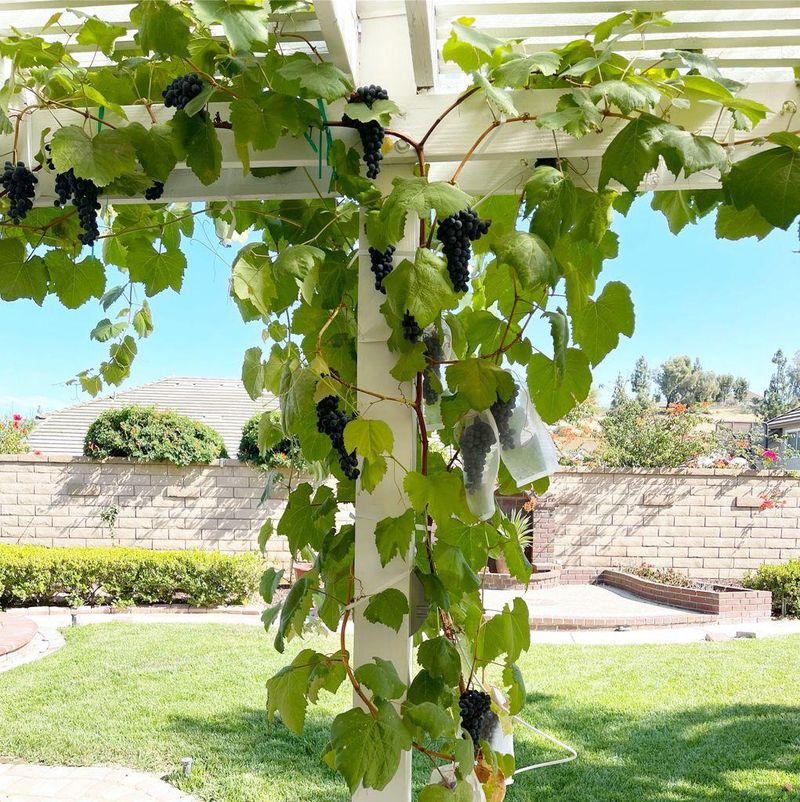
Dark green grape ivy gives a shaded porch a softer, less tropical look than pothos. Grape ivy fits medium-light conditions and works well in a hanging basket with bright, indirect light.
Use the bright middle zone of a covered porch, where the plant gets strong ambient light but no hard afternoon beam. A spot too deep under the roof can stretch the stems and thin the foliage. Give the vine room to arch.
A basket near a post or rail lets the stems fall naturally without constant contact with a hot wall. Prune bare or overly long sections to keep more foliage near the center.
Grape ivy can tolerate varied light levels, but bright indirect light remains the stronger target for a full plant.
Let the mix lose some moisture between thorough soaks, then water until excess leaves the drain hole. Never leave the basket in a saucer full of runoff.
Check more often during very hot, dry spells because outdoor containers can lose moisture faster than indoor pots.
Grape ivy also appreciates a little shelter from blast-furnace wind. Give the porch edge to tougher plants and keep this vine one step farther back.
It does not need to impersonate a cactus. It simply wants bright shade, open drainage, and enough moisture to keep those layered leaves relaxed.
4. Use Sprengeri Asparagus For Soft Cascades
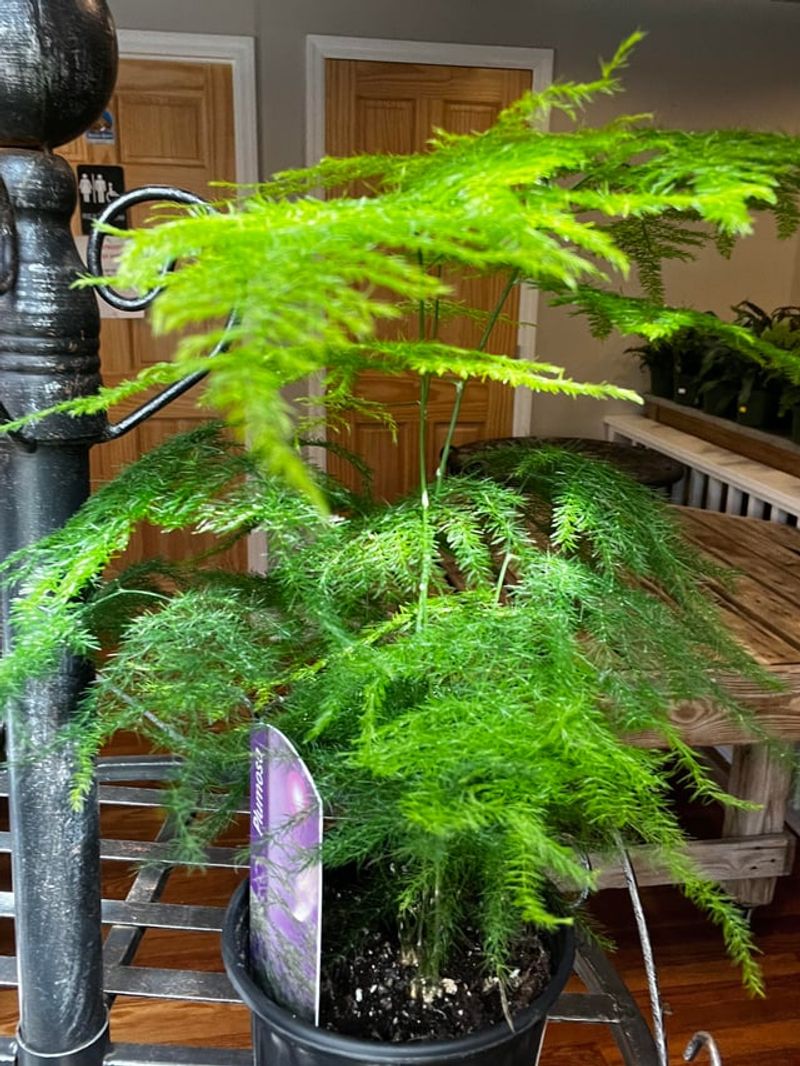
Soft texture is the reason Sprengeri asparagus earns a porch pot even though the stems can hide tiny spines.
Asparagus densiflorus ‘Sprengeri’ suits medium light and works especially well in containers and baskets, where its long arching stems can spill over the rim.
Give it a sturdy pot. The fleshy roots store water and can become powerful enough to crowd a container, so a substantial vessel offers more stability than a flimsy basket. Good drainage still matters.
Keep the mix moist enough to prevent a full dry-out, then let surplus water escape. Watch the foliage too. A plant that stays too dry can lose its fresh green color and shed fine foliage.
A constantly saturated pot creates a different set of root problems. Check the mix rather than follow a fixed clock.
Set the pot where afternoon rays cannot hit the foliage directly. Light shade beneath an overhang is especially useful during the hottest weather.
Use gloves for major cleanup because the stems carry small sharp spines. Mature female plants may also produce red berries, and those fruits can cause stomach trouble after ingestion and are toxic to cats and dogs.
The plant looks delicate. The roots disagree completely.
Give Sprengeri asparagus shade, drainage, and enough pot volume, and the porch gets a soft cascade with a surprisingly stubborn backbone.
5. Let Spider Plant Arch Over The Pot
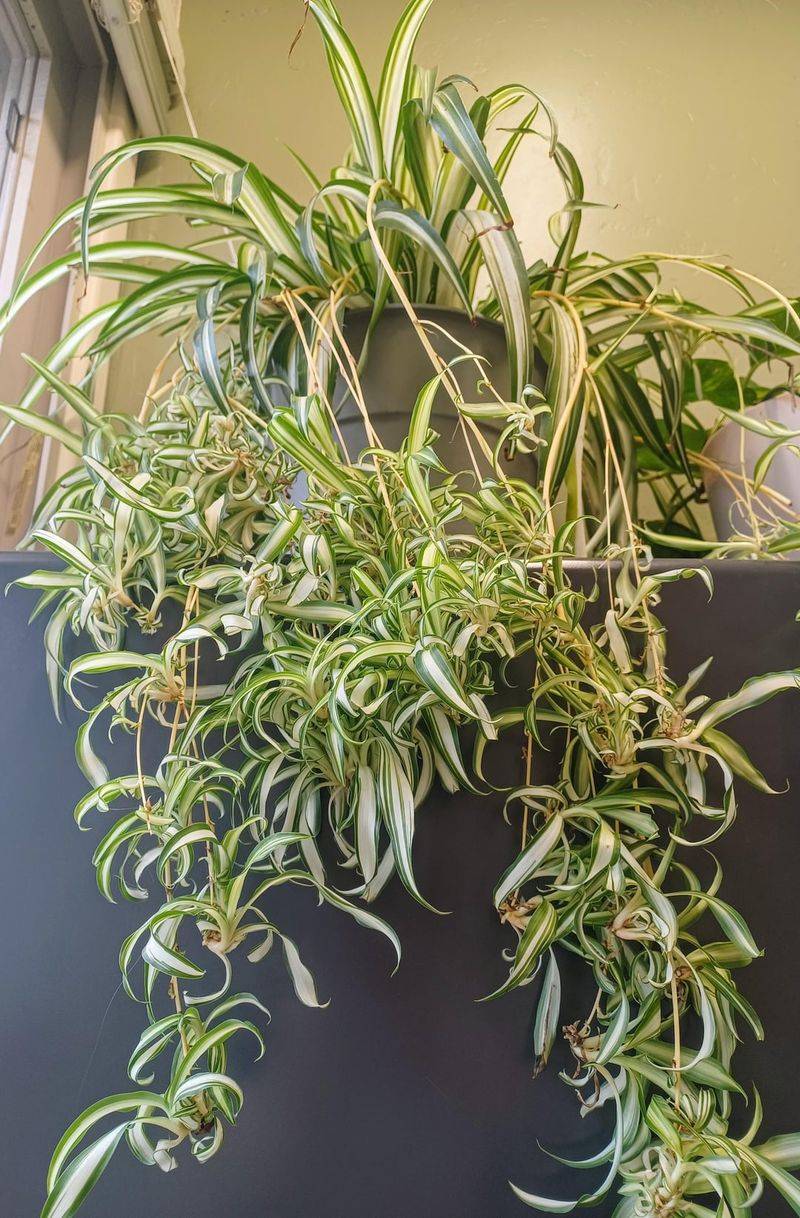
Spider plant brings movement to a porch without any need for direct desert sun. Long striped leaves arch over the rim, and mature plants can send out stems with small plantlets that hang below the basket.
Bright indirect light and outdoor shade suit this familiar container plant well.
Use a protected spot with plenty of sky glow. Direct sun can scorch the leaves, so a covered east-facing porch or a bright position several feet back from a hotter exposure makes more sense than a rail that takes a western blast.
Water thoroughly, then let the upper mix dry slightly before the next soak. Spider plants have fleshy roots that store some water, but outdoor Arizona heat can shorten the interval between checks.
Keep the drain hole open and do not leave runoff beneath the pot.
Brown tips need a closer look rather than an automatic extra drink. Dry soil, low humidity, salt buildup, excess fertilizer, and chemicals such as fluoride or chlorine in tap water can all contribute.
Distilled water or rainwater can help where water chemistry appears to play a role.
Do not rely on an overnight cup of tap water to solve fluoride concerns. Trim only the brown tip when the rest of the leaf stays healthy.
With bright shade and sensible moisture, spider plant turns a plain porch hook into a fountain of striped foliage.
6. Add Purple Heart For Dark Foliage
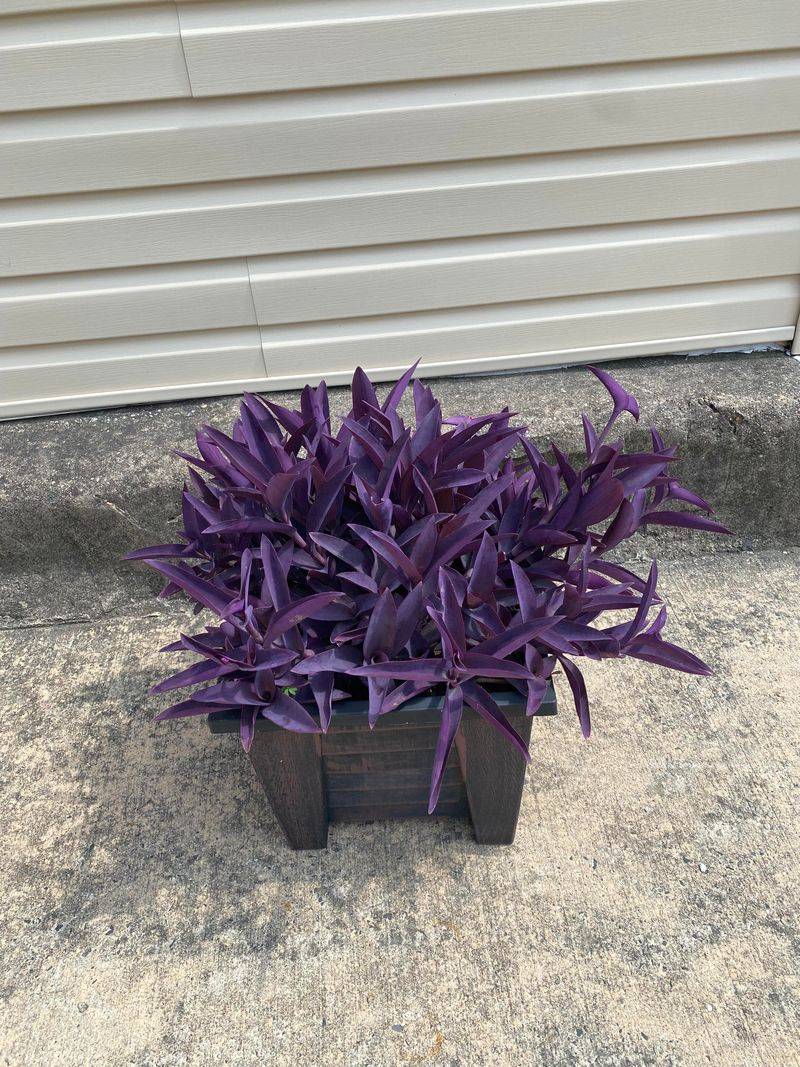
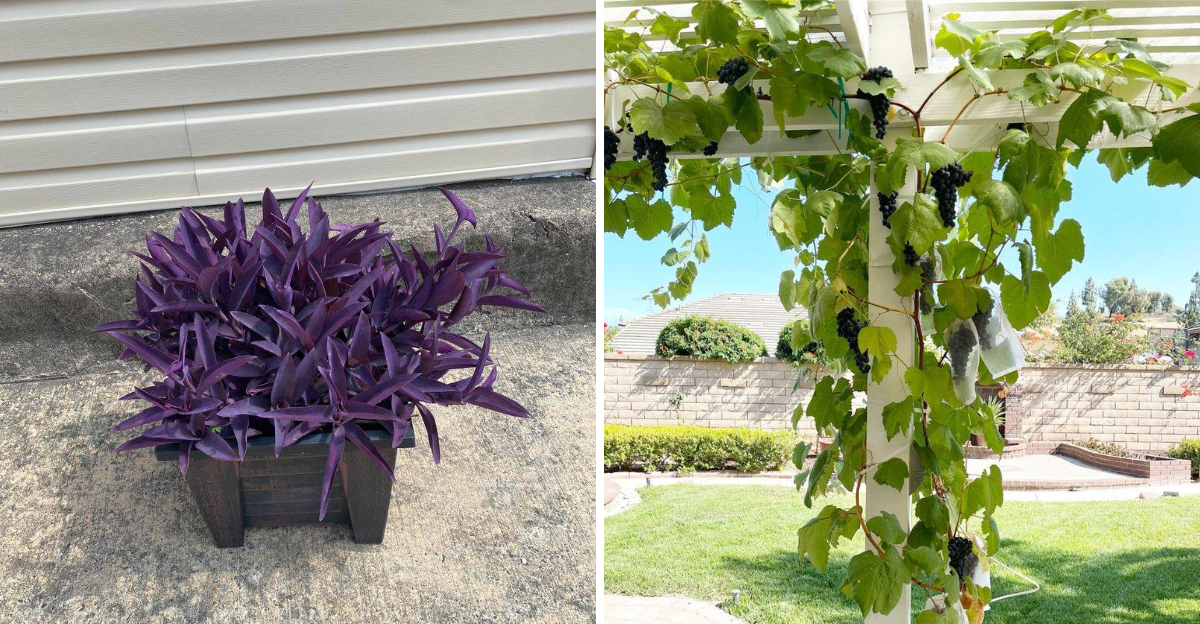
Purple heart earns the dramatic foliage slot, but it wants the brightest shade on the porch. The long violet stems spill easily over a wide pot, and Tradescantia pallida works well as a trailer for baskets and mixed containers.
Light level changes the color. Full sun produces the richest purple, while shade pushes the foliage toward greener tones. Use that clue on an Arizona porch.
Place purple heart close to the outer edge where ambient light stays strong, yet direct late-afternoon desert sun cannot bake the leaves and pot. A deeply recessed corner can support growth, but the famous jewel color may lose intensity.
Let the mix dry somewhat between thorough soaks. The fleshy stems offer some drought tolerance, and constant wetness serves no purpose. Purple heart tolerates dry periods better than many soft-foliage trailers.
Pinch long stems back once the center starts to look sparse. Fresh shoots can restore a fuller mound, and trimmed pieces root readily for another pot.
Handle the stems gently because they snap with little force. Sap from the leaves or stems can irritate the skin of some people and dogs.
Purple heart is not the choice for the darkest porch corner. Give it the bright boundary between shade and sun instead.
That placement protects it from the harshest Arizona exposure and preserves far more of the color that earned it a place in the basket.
7. Spill Elephant’s Food From A Wide Pot
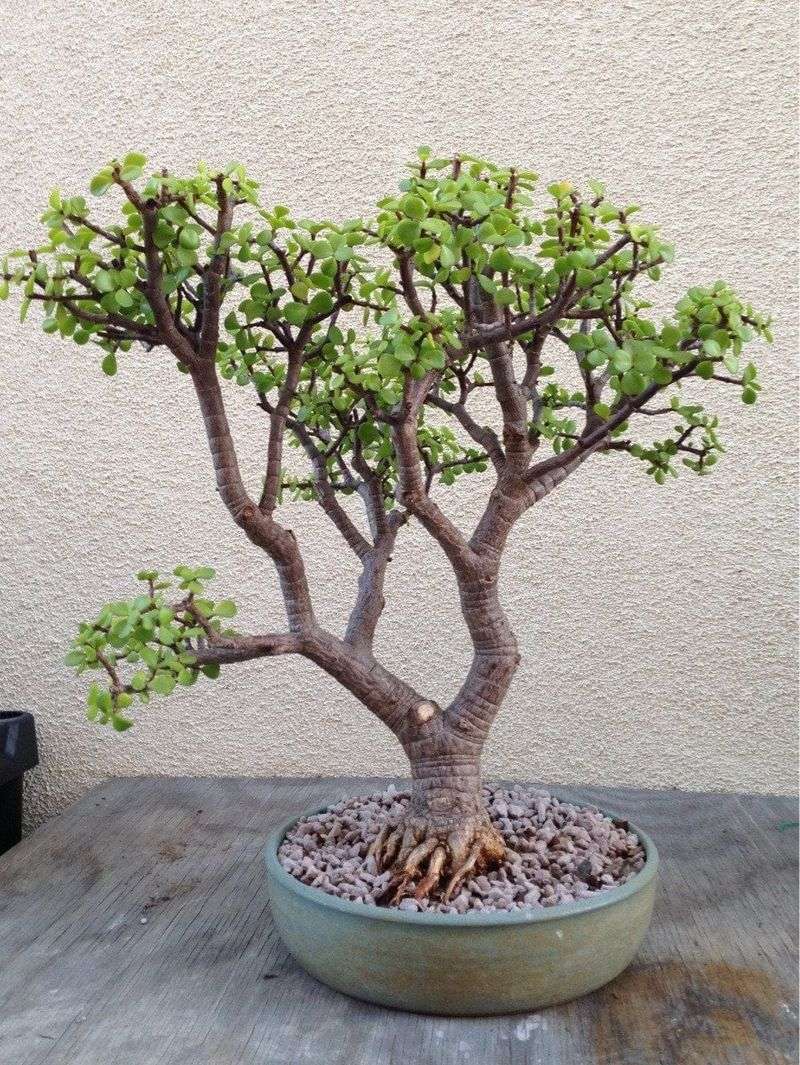
Elephant’s food gives the porch a succulent option without a demand for full desert exposure. Portulacaria afra suits sun to partial shade, uses relatively little water, performs well in containers, and responds well to pruning.
Use a wide, stable container with an open drain hole and a coarse, fast-drained mix. The small round leaves and fleshy stems hold water, so this pot belongs on a different schedule from pothos or spider plant.
Check the mix several inches down. Give the plant a thorough soak after the root zone has dried substantially, then let water escape.
Succulents can go longer between water applications than thin-leaved foliage plants, and container moisture should guide the schedule.
Monsoon humidity does not automatically mean the pot received useful rain, especially under a roof. The container itself gets the final vote.
Keep reflected western heat in mind. Partial shade can protect foliage and the root zone from the harshest afternoon exposure while enough light still reaches the plant for compact growth.
The species is specifically listed for sun to partial shade in Arizona landscape material.
Trim long stems to shape the cascade rather than let one side become top-heavy. A broad pot also gives the plant a steadier base near monsoon wind.
Do not treat low water use as no water use. A container has limited reserves, even for a succulent.
Elephant’s food handles restraint beautifully. The real skill is a timely soak before the dry spell goes too far.
8. Try Creeping Zinnia For Seasonal Color
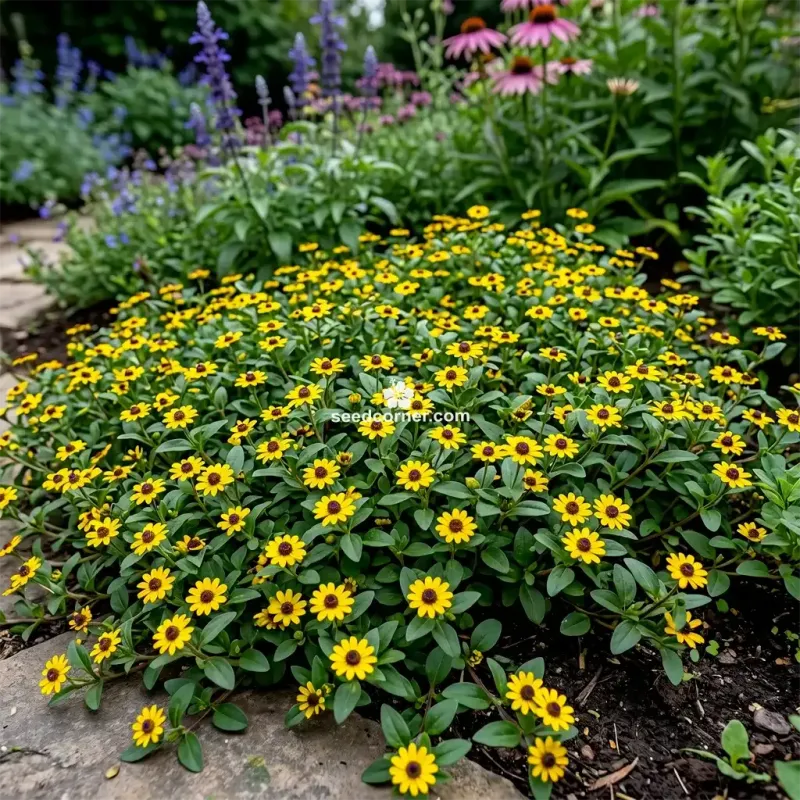
Creeping zinnia needs one correction before it earns a place on this porch list. Sanvitalia procumbens is a trailing annual and works well in containers, but its preferred exposure is full sun, defined as six or more hours of direct light.
It also has credentials as a hot-weather container plant. Illinois Extension includes creeping zinnia among plants suited to dry, hot conditions and among choices for baskets. That still does not make deep bright shade the best site for flowers.
Use creeping zinnia only at the porch’s sunniest outer edge where substantial direct light reaches the plant. A position deep under a roof can leave you with a weaker flower show than the cheerful nursery pot promised.
Keep the container well drained. The species comes from rocky, dry habitat and prefers good drainage, so constantly wet roots offer no advantage.
Treat this plant as the colorful exception rather than proof that every trailer likes shade. A truly shaded Arizona porch is better served by pothos, grape ivy, spider plant, or asparagus fern.
Creeping zinnia belongs where the porch creates a transition between shelter and open sun.
That detail saves a frustrating summer. The little yellow flowers look cheerful enough to agree with every location, but the plant has standards.
Give it the brightest seat in the group, and let the foliage plants handle the deeper shade farther back.