What It Really Means When Geckos Take Over Your Texas Porch This Summer
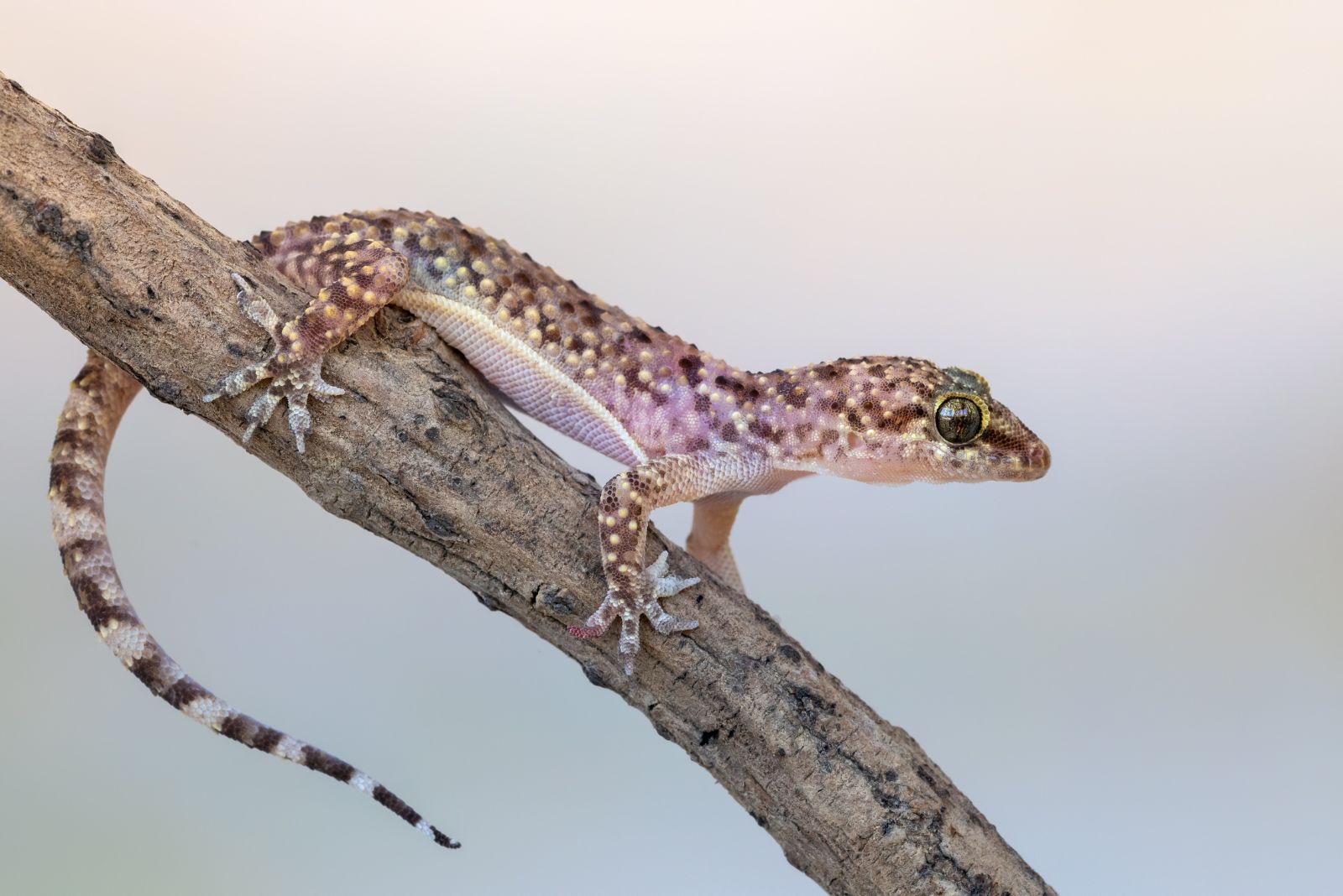
If your Texas porch has become gecko territory this summer, you’ve probably noticed. They’re on the walls, near the light fixtures, tucked into corners, doing their silent, sticky footed patrols with complete confidence that the porch belongs to them.
For most Texas homeowners, the reaction falls somewhere between mild amusement and genuine curiosity about why there are suddenly so many of them. The answer is more interesting than most people expect.
Geckos don’t gather on a porch without reason. They’re highly efficient hunters, and when they concentrate in a specific location, that location is offering something they need reliably and consistently.
A porch full of geckos is a porch that has built up a food source significant enough to support multiple animals competing for the same territory.
That information tells you something specific about what else is happening on and around your porch after dark, and some of it is genuinely useful from a pest management perspective.
Here’s what a gecko takeover of your Texas porch is really telling you and whether you should do anything about it.
1. Your Porch Lights Are Attracting Their Food

Walk outside on a warm Texas evening and look up at your porch light. You will almost always see a cloud of moths, gnats, and other flying insects buzzing around it.
That glowing bulb is basically ringing a dinner bell for every hungry gecko in your neighborhood.
Geckos are smart hunters. They have learned that outdoor lights create easy feeding zones.
Instead of chasing insects through dark grass, they simply park themselves near a light source and wait. The bugs fly in, and the gecko snaps them up. It is a low-effort meal, and geckos take full advantage of it.
This is why you often see geckos on walls and window frames near your porch light rather than out in the yard. They are positioning themselves for the best hunting spot possible. The closer to the light, the more insects pass through, and the easier it is to eat well.
If you want fewer geckos on your porch, switching to yellow or amber LED bulbs can help. These wavelengths attract far fewer insects than white or blue-tinted lights.
Fewer bugs means less food available, and geckos will eventually move on to better hunting grounds.
Motion-sensor lights are another solid option. They only turn on when needed, which limits the amount of time insects have to gather.
You can still enjoy your porch without turning it into an all-night insect buffet. Your porch light is doing more than lighting up your outdoor space. It is quietly building a whole food chain right on your wall.
Once you understand that connection, managing your gecko visitors becomes a lot simpler and less stressful.
2. Those Little Lizards May Not Actually Be Native Texans
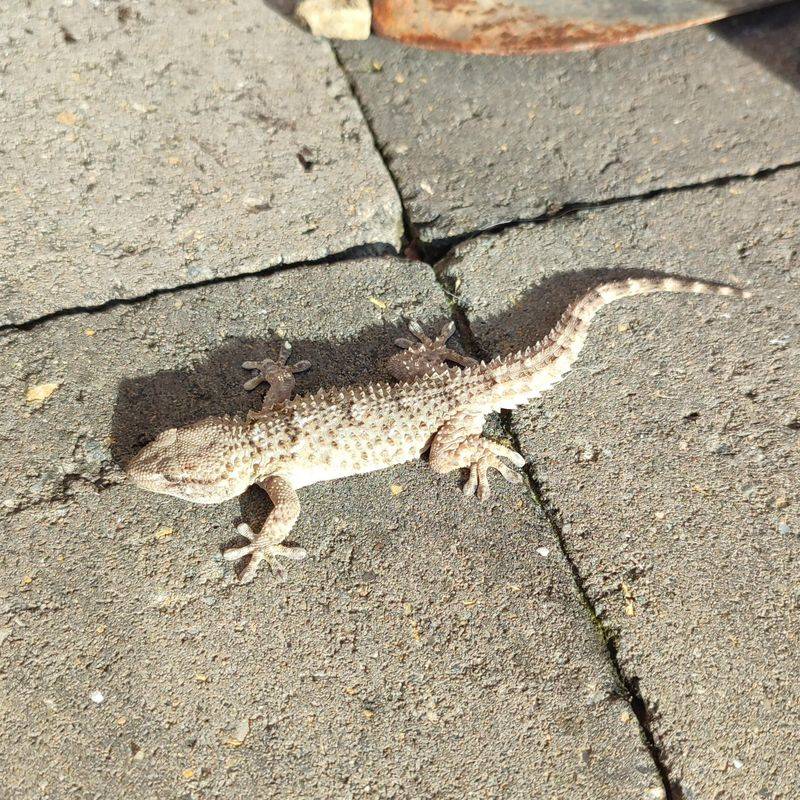
Here is something surprising: the geckos on your porch may have roots far from Texas. The Mediterranean house gecko is one of the most common species found around Texas homes, and as the name suggests, it originally came from Europe and the Middle East.
Your Texas Garden Changes Every Week. Your Plan Should Too.
Gardening in Texas changes quickly throughout the season. Every Friday you’ll receive a simple weekly plan showing exactly what to plant, prune, fertilize, harvest, and protect so you never miss the right timing.
It arrived in the United States decades ago and has been spreading steadily ever since. Mediterranean house geckos are small, pale, and almost see-through under bright light. Their big, round eyes help them see well at night.
One of their most fascinating features is their toe pads, which are covered in tiny hair-like structures that let them grip smooth surfaces like glass, tile, and painted walls with ease.
Because of those sticky toes, you will often spot them clinging upside down on ceilings or scaling vertical walls without any effort. It looks almost like a superpower, and in a way, it is. That grip is one of the reasons they thrive so well in human-built environments.
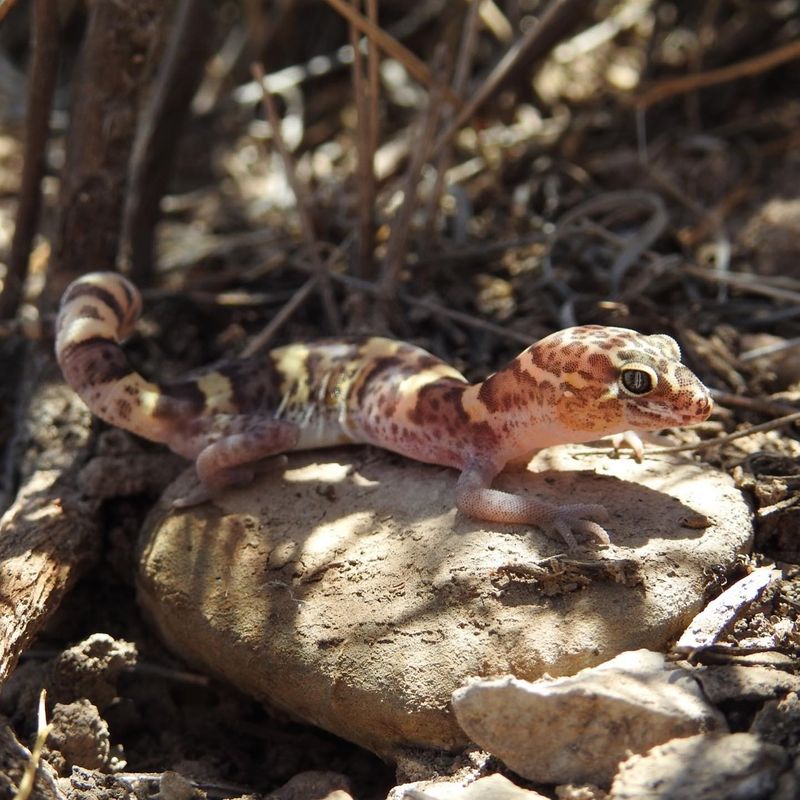
Native Texas geckos also exist, including the Texas banded gecko, which prefers rocky and desert habitats. However, that species is rarely seen on porches.
If you are spotting geckos near your house lights, Mediterranean house geckos are the most likely culprits.
Their ability to adapt to new environments is remarkable. They eat a wide variety of insects, tolerate heat well, and hide in tight spaces with no trouble. All of those traits make suburban Texas an ideal home for them.
Knowing which species you are dealing with can help you understand their behavior better. These geckos are survivors, and your porch just happens to check every box on their list of requirements for a comfortable life.
3. Summer Makes Them Much More Noticeable
Geckos are cold-blooded, which means the temperature around them controls how active they feel. When Texas summer heat arrives, geckos shift into high gear.
Warm nights give them the energy they need to hunt, explore, and move around freely. That is a big reason why you suddenly seem to see them everywhere once June rolls around.
During cooler months, geckos slow way down. They tuck themselves into cracks and sheltered spots and stay mostly hidden.
You might not notice them at all in winter. But as temperatures rise, they become bolder and more visible, especially after dark when the heat has settled into the concrete and walls.
Summer is also breeding season for house geckos. Males become more active as they search for mates, and females lay small clutches of eggs in hidden spots around your porch.
By midsummer, you may start noticing smaller, younger geckos appearing alongside the adults. Baby geckos are tiny and fast, and they can be a bit startling if you are not expecting them.
The combination of warm temperatures and breeding activity creates a noticeable spike in gecko sightings every year. It is not that a new group of geckos suddenly invaded your porch.
They were likely there all along, just much less active and harder to spot. Think of summer as gecko rush hour. Everything that drives their behavior, warmth, food availability, and the urge to reproduce, peaks at the same time.
Your porch becomes the busiest spot in their world during these months. Once fall arrives and temperatures drop, sightings will naturally decrease again. Summer is simply their season to shine, and your porch is right in the middle of all the action.
4. Your Porch Offers Good Hiding Places
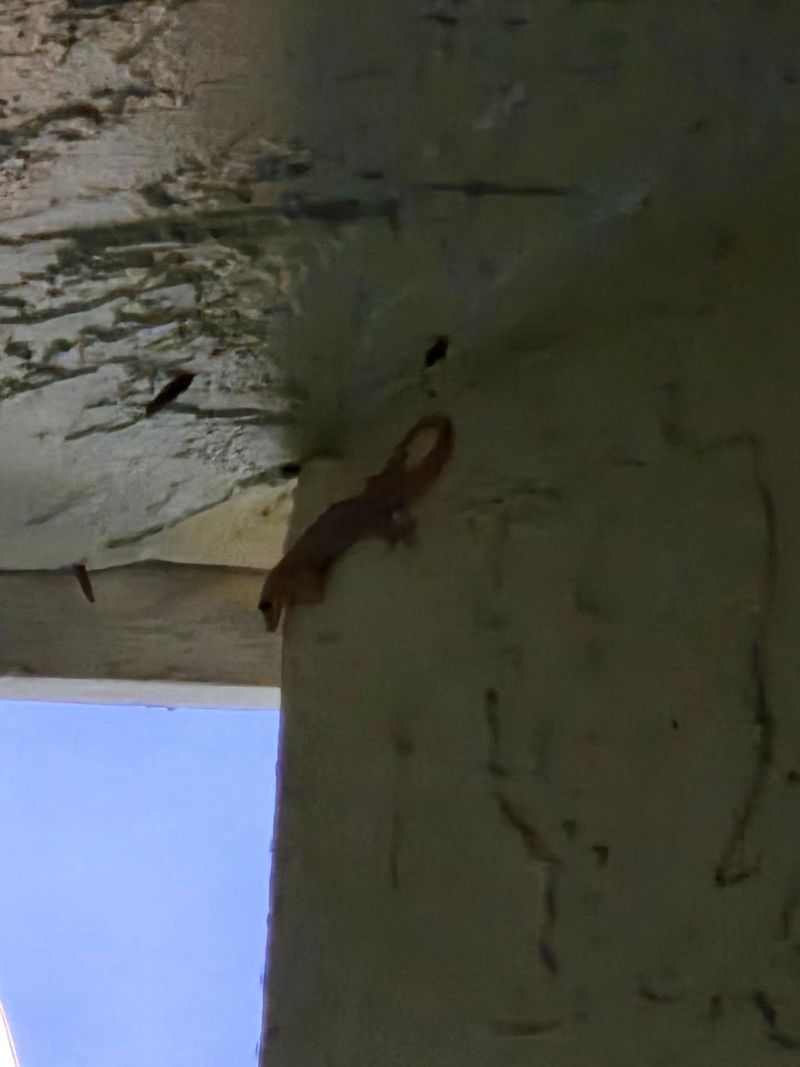
Geckos are not just visiting your porch for food. They are also looking for shelter, and porches tend to offer plenty of it.
Gaps around door frames, cracks in the foundation, spaces behind shutters, and loose siding all create perfect hiding spots for a small lizard trying to stay safe during the day.
During daylight hours, geckos rest in cool, dark, and tight spaces. Your porch gives them exactly that.
A gap behind a light fixture or a crack near a window frame might seem like nothing to you, but to a gecko, it is prime real estate. Once they find a spot they like, they tend to return to it night after night.
Frequent sightings in the same area of your porch are a strong clue that geckos have found a reliable hiding place nearby. They are not wandering randomly.
They have a home base, and they are simply moving between that spot and their hunting zone near your lights.
If you want to reduce how many geckos settle in around your porch, sealing up entry points is one of the most effective steps you can take. Use weatherstripping around doors and windows.
Fill in any visible cracks with caulk. Check behind outdoor fixtures and around pipe openings for gaps that might be easy to overlook.
Reducing clutter on your porch also helps. Stacked pots, stored wood, or piles of outdoor cushions all create shelter that geckos love. Keeping things tidy removes some of those cozy hiding options.
Your porch is basically a gecko apartment complex. It has food nearby, warmth in the walls, and plenty of places to hide. Once you see it from their perspective, it all makes perfect sense.
5. They Are Helping Eat Some Insects
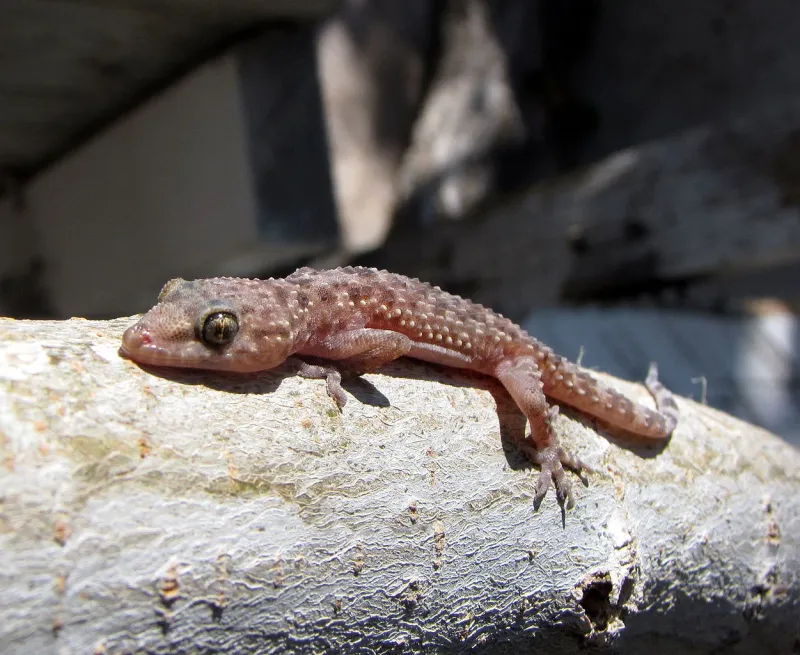
Before you shoo every gecko off your porch, consider what they are actually doing for you. Every night, those little lizards are working hard to reduce the insect population around your home.
Moths, roaches, mosquitoes, and other small bugs are all fair game for a hungry gecko on the hunt.
A single gecko can consume a surprising number of insects in one evening. They are efficient hunters with quick reflexes and excellent night vision.
They do not need to chase their prey far because the insects come right to them, drawn in by your porch light. It is a natural pest-control system running quietly in the background every single night.
For homeowners who deal with roaches or mosquitoes around the porch, having geckos around can actually be a welcome thing.
They are not going to wipe out every bug, but they do put a meaningful dent in the population over time. Think of them as a free, low-maintenance pest management crew.
A porch that is rich in insect activity will keep geckos coming back regularly. If your outdoor space tends to attract a lot of bugs, you can expect the geckos to stay as long as the food supply holds up.
They are loyal to a reliable food source. Some homeowners actively appreciate their gecko visitors for exactly this reason. Fewer mosquito bites on a summer evening is never a bad thing.
And unlike chemical sprays, geckos leave no residue and require zero effort on your part.
Of course, if you want fewer insects and fewer geckos, addressing the root cause, your outdoor lighting, is the smartest place to start. But if you can live with the geckos, your porch ecosystem will thank you for it.
6. They Usually Aren’t A Reason To Worry
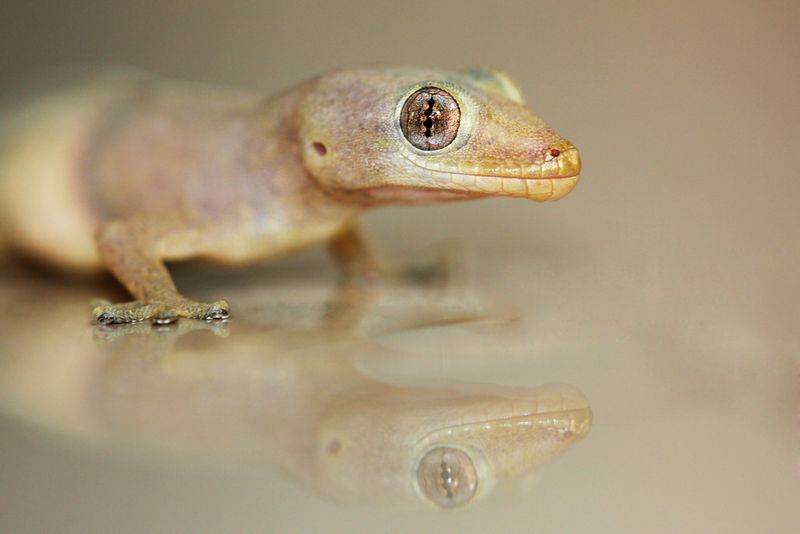
Spotting a gecko on your porch for the first time can catch you off guard, especially if you are not used to them. But here is the reassuring truth: house geckos are harmless to people, pets, and property.
They do not bite unprovoked, they are not venomous, and they have no interest in coming inside to cause trouble.
Most geckos will scurry away the moment they sense you coming. They are far more afraid of you than you are of them.
Their instinct is to hide, not to confront. If one does end up inside your home by accident, it will almost always head straight for a dark corner or a gap in the wall rather than approach you.
From a health standpoint, geckos are generally considered low-risk. Like most reptiles, they can carry salmonella bacteria, so washing your hands after handling one is a smart habit.
However, since geckos rarely come into direct contact with people, the actual risk is very low for most households.
If you simply do not want them around, there are easy and humane ways to reduce their presence. Switching to insect-repelling light bulbs cuts off their food supply.
Sealing cracks and gaps removes their hiding spots. Together, those two steps make your porch significantly less attractive to them over time.
You can also try placing cedar near entry points, as some homeowners report that geckos tend to avoid the scent. It is not a guaranteed solution, but it is a simple and natural option worth trying.
At the end of the day, geckos are just small creatures doing what they do best: surviving. Your Texas porch happens to be the perfect place for that, and a little understanding goes a long way.