The Simple Amish Mulching Trick Kentucky Homeowners Wish They Started Sooner
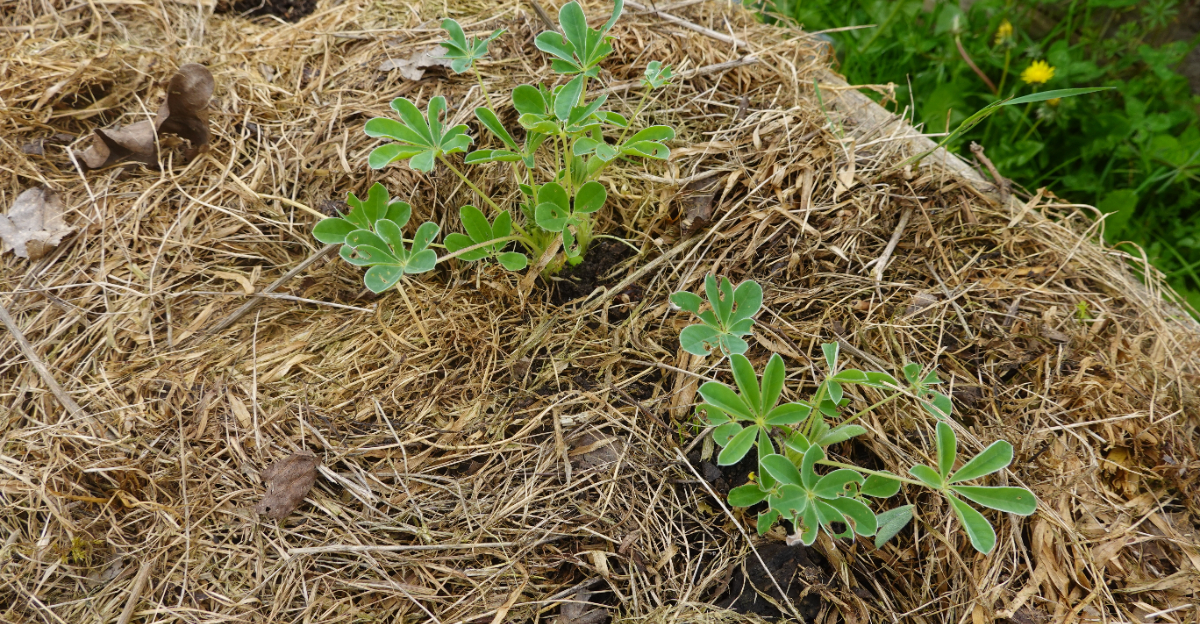
Straw is quietly rewriting backyard gardening rules across central Kentucky. You’ve watched neighbors cope with dry, stubborn soil every summer.
Amish farmers have used this approach for generations. Nobody there sprays chemicals or drags hoses across dry ground.
Instead, they pile straw thick and simply walk away. Kentucky clay hardens quickly, but straw slows that process completely.
Machinery, chemicals, and pricey irrigation systems aren’t required here. Your hands and a garden fork are genuinely enough.
Moisture stays locked beneath that straw long after sunrise. Weeds have real trouble pushing through such dense coverage.
Tomatoes, peppers, and squash respond to it almost immediately. Timing matters far more than most gardeners ever realize.
Thickness matters even more than timing itself does. This isn’t guesswork.
It’s a proven, decades-old method you can trust completely. Curiosity alone won’t fix your struggling garden beds quickly.
You’re about to discover exactly why straw changes everything.
The Amish Mulching Method Kentucky Gardeners Are Catching Onto
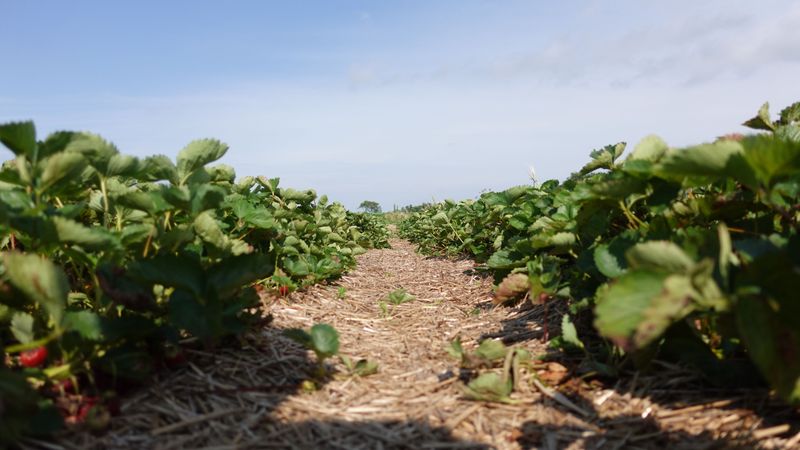
Word travels fast down gravel roads in farm country. A neighbor leans on the fence and asks what changed in your beds.
Amish growers have trusted thick organic blankets for generations. They pile straw deep around plants and let it break down naturally.
No fancy equipment shows up in this system. A pitchfork, a few bales, and one free Saturday cover most backyard plots.
The idea sounds too plain to matter much. Still, many gardeners who try it notice softer ground within a season or two.
Plants quit wilting by lunchtime. Tomatoes and beans push roots outward instead of fighting a baked crust.
Amish families never treated dirt as a problem needing repair. They fed it slowly with whatever the homestead already produced.
Patience is the real trick here. Nothing gets sprayed, tilled hard, or hauled off in plastic sacks.
Growers across the Bluegrass are borrowing the practice quickly. Many say they struggled with stubborn ground for years before covering it.
Bales from a local barn are often more affordable than bagged mulch, though prices vary by area. That small purchase replaces bottles of spray and hours of hoeing.
Grandparents did all of this without calling it a method. They simply protected the ground and trusted whatever grew from it.
Your beds can begin healing this coming weekend. All it takes is one honest layer and a little trust.
This traditional method still holds up well today. Sometimes the answer sits in a barn loft, waiting quietly for you.
Why Deep Straw Mulch Beats Thin Store-Bought Layers
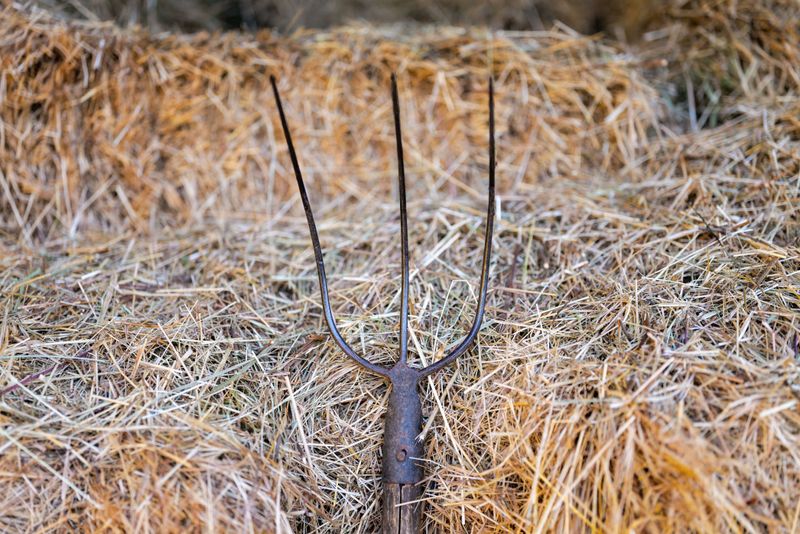
Two inches of dyed wood chips look tidy in May. By the middle of July, those chips are bone dry and offer little benefit.
Depth does the heavy lifting in this system. Amish beds are often mulched with a generous, several-inch layer of straw.
Thin coverings cannot block sunlight for long. Weed seeds find the gaps and sprout right through open seams.
A generous blanket smothers those seeds completely. Light never reaches them, so they stay asleep below the surface.
Your Kentucky Garden Changes Every Week. Your Plan Should Too.
Gardening in Kentucky changes quickly throughout the season. Every Friday you’ll receive a simple weekly plan showing exactly what to plant, prune, fertilize, harvest, and protect so you never miss the right timing.
Bagged products also drain your wallet fast. Bales often cost less overall than a full pallet of mulch, though prices shift by season.
Straw gradually breaks down into dark, rich material over time. Hardwood chips tend to sit on top and feed almost nothing.
Fluff the stems as you toss them around. Loose material traps air, and air keeps roots breathing through soggy weeks.
Rain behaves differently under thick cover. Drops slow down instead of hammering bare ground into a hard shell.
Measure with your hand rather than a ruler. Slide a finger through the layer until you feel cool, damp earth.
If that finger comes out dry, pile on more. Beds settle over time, so a fall top-up keeps things even.
Skimping feels thrifty until August arrives. Then the difference between two inches and eight becomes clearly noticeable.
Generous is the entire point of this practice. Once you see the results, thin layers simply won’t compare.
Timing The Mulch Right For Kentucky’s Unpredictable Spring Weather
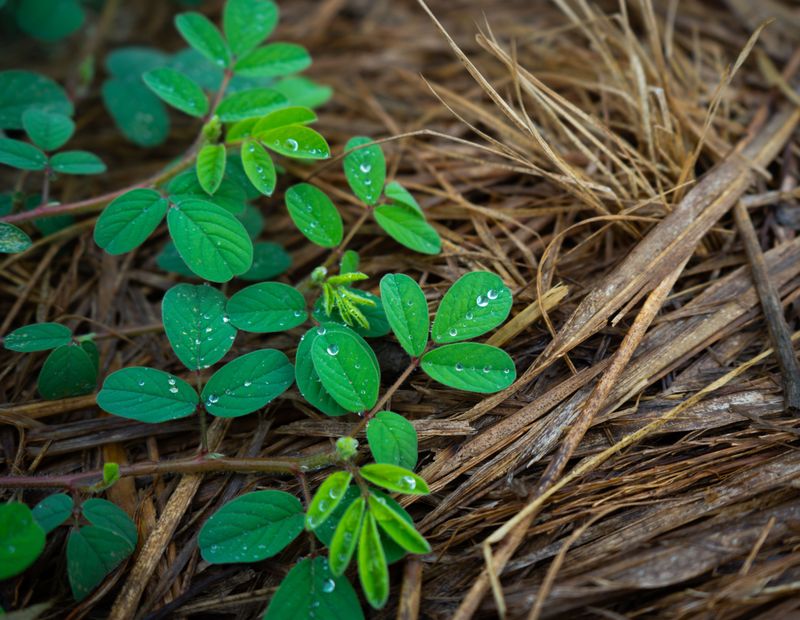
Spring around here cannot make up its mind. Seventy degrees on Tuesday, frost warning Friday, thunderstorms all weekend.
Timing matters far more than most folks expect. Spread straw too early and chilly ground stays chilly for weeks.
Soil needs warmth before you tuck it in. Wait until seedlings stand tall and the earth feels pleasant to touch.
Mid to late May often works well, depending on your local frost dates. Trust your palm on the ground instead of the calendar page.
Cool crops like peas can hold off longer. Cover those rows once real heat settles in during June.
Storm season pushes the other direction, though. Bare beds wash toward the driveway during one violent downpour.
A thick layer pins everything in place. Water sinks in slowly rather than racing away in muddy sheets.
Check the forecast before hauling bales home. Dry days make spreading simpler and keep straw from matting flat.
Damp material clumps into a soggy pad. Toss it loosely with a fork so air can move through freely.
Late frost still sneaks in some years. Pull the covering snug against stems for a quick overnight shield.
Rake it back once mornings turn mild. Young roots want a little sunshine reaching the soil surface.
Nail the timing and summer feels almost lazy. You will sip coffee while neighbors wrestle tangled hoses.
How Thick Mulch Fights Heavy Clay Soil Problems
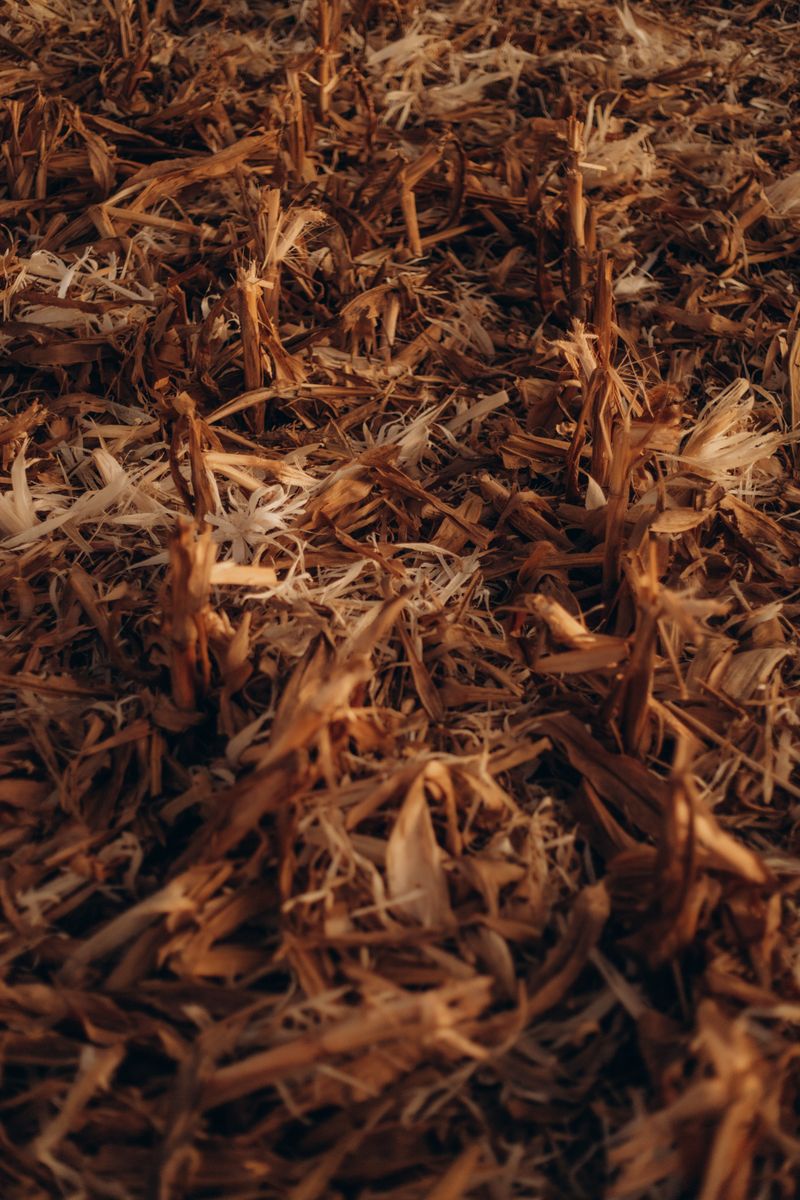
Clay in this region can become extremely hard and dense. Dry weeks can turn it into a hard, cracked surface that’s difficult to work.
Rain flips the problem completely. Suddenly the same ground grabs your boots and refuses to let go.
Straw changes that story from the top down. Worms and microbes pull it under, loosening tight particles as they work.
Roots follow those new channels eagerly. Carrots stop forking and beets finally swell into decent globes.
Tilling can loosen soil short term, but it doesn’t address the underlying issue the way mulching does. Covering costs nothing but a little sweat.
Soil organisms do the deep work while you relax. Water moves better under a thick blanket too.
Puddles shrink because the ground drinks instead of shedding. Compaction tends to ease gradually over a few seasons.
A shovel that once bounced starts sliding in with easy pressure. The color shift surprises people most.
Pale, chalky dirt slowly darkens into something rich and coffee-colored. Earthworm tunnels act like tiny plumbing lines.
Air and moisture travel down where roots actually need them. Add fresh material every year without stopping.
Clay improves slowly, but it responds well to consistent care. Give it a few seasons of steady care.
The stubborn ground you once struggled with can start to feel like garden center bagged mix.
Weed Control Without A Single Drop Of Chemicals
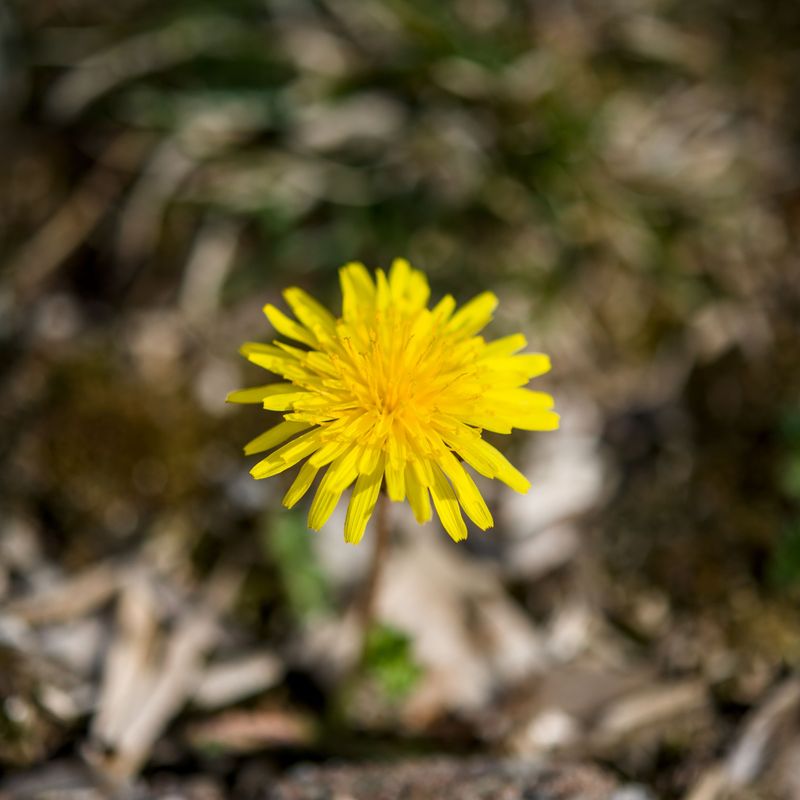
Nobody enjoys hoeing in ninety-degree humidity. Sweat runs into your eyes while crabgrass keeps coming back despite your effort.
Weed seeds need light to wake up. Bury them under a thick layer of straw and they simply stay dormant.
Sprays never solve the underlying issue. They knock down today’s growth while tomorrow’s seeds wait patiently below.
A deep blanket blocks the whole cycle. Fewer seedlings appear, and the stragglers pull out with two fingers.
Kids and pets can wander freely afterward. No warning labels, no waiting periods, no chemical smell drifting over the fence.
Amish gardens rarely show bare dirt anywhere. Every open inch gets covered before something unwanted takes root instead.
Pathways deserve the same treatment. Straw between rows keeps mud off boots and grass out of beds.
Watch for gaps near plant stems. Thin spots become nurseries for the very weeds you wanted gone.
Perennial troublemakers need extra muscle. Bindweed and thistle may push through, so add another armful over them.
Handle the few survivors while they are small. Five minutes of light patrol beats a whole Saturday of digging.
Money stays in your pocket too. One bale can go further than several bottles from the garden aisle.
Fewer weeds means more time enjoying the harvest. That trade feels good every single evening.
Holding Moisture Through Long, Muggy Afternoons
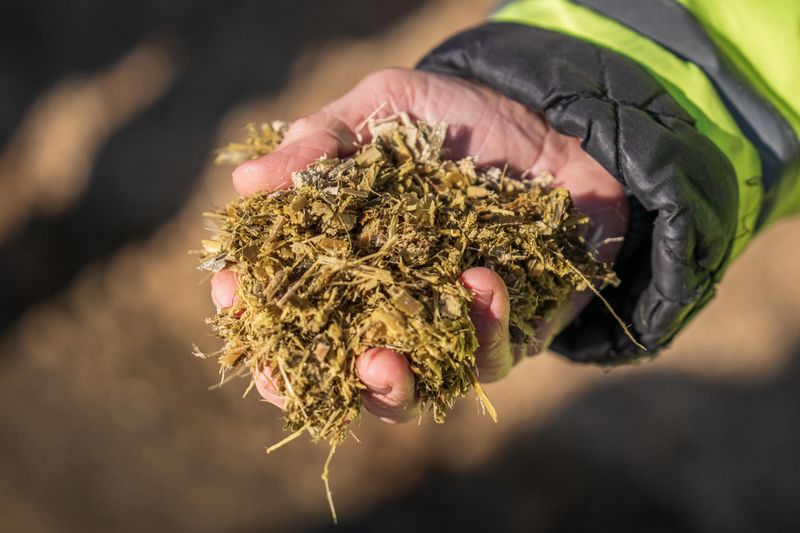
August heat here comes with wet, heavy air. Plants still wilt because the top few inches of ground turn to dust.
Straw acts like a wide-brimmed hat for soil. Sun hits the covering instead of stealing water from bare dirt.
Evaporation drops dramatically underneath. Ground stays cool and damp long after the last rain has passed.
Watering chores shrink to almost nothing. Many Kentucky gardeners run the hose once a week rather than every evening.
Steady moisture also prevents ugly problems. Tomatoes crack less and blossom end rot shows up far less often.
Plants respond poorly to a wet-dry rollercoaster. Even hydration keeps fruit swelling smoothly from flower to harvest.
Soak the beds well before spreading. Dry straw over dry ground traps the wrong condition in place.
Peek underneath every week or so. Cool, dark earth means the system is doing its job well.
Well water and city bills both matter. Less irrigation saves cash and spares your pump some strain.
Vacation worries fade a bit too. Covered beds survive a long weekend without a neighbor babysitting them.
Container plants benefit from the same idea. A handful of straw on top slows drying between drinks.
Fewer trips with the watering can feel like a real relief. Your Kentucky garden practically takes care of itself.