The Fast-Growing Shade Tree Florida Yards Need For 95° Afternoons
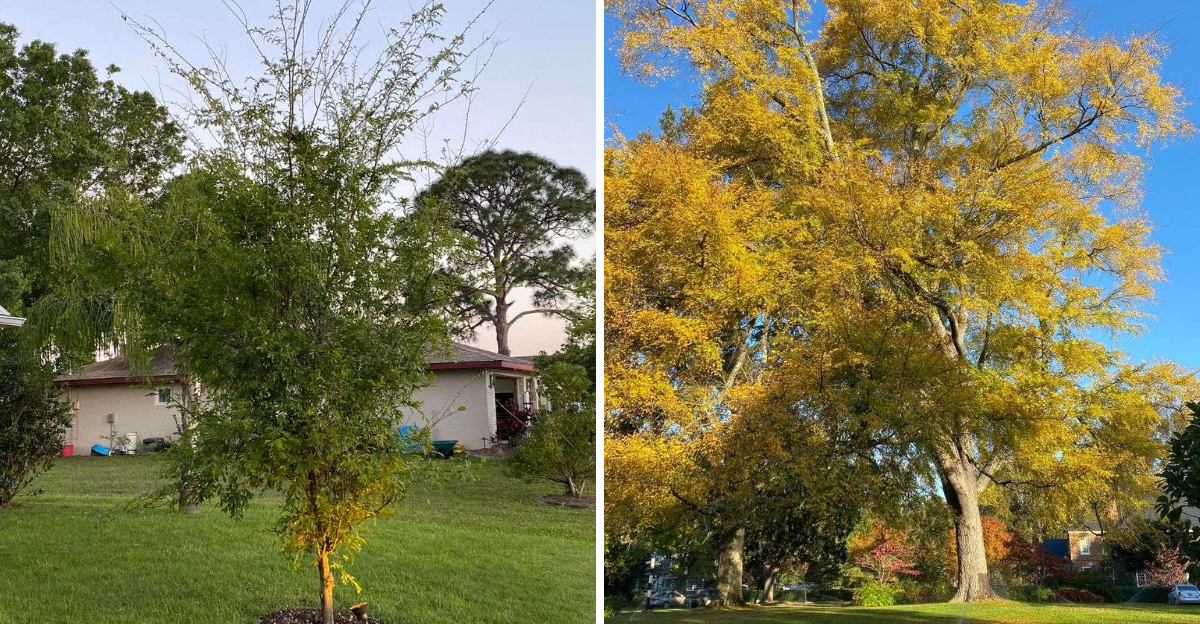
Ninety-five degree Florida afternoons have a way of making shade feel less like a landscaping feature and more like a survival requirement. Not the filtered, partial shade that ornamental trees deliver.
Real shade. The kind that drops the temperature on a patio by ten degrees and makes outdoor living in August feel like something other than an endurance exercise.
Most shade trees make you wait. Five years for meaningful coverage, ten for the kind of canopy that actually changes the experience of being outside in the afternoon.
One tree skips that timeline without the root problems, the invasive spread, or the structural weakness that fast-growing shade trees in Florida usually come packaged with. It earns its canopy on a schedule that impatient homeowners find genuinely surprising.
And it does it without eventually becoming the yard’s biggest maintenance problem. Fast shade in Florida without the fine print is rarer than it should be.
This tree delivers it.
1. Winged Elm Builds A Shade Canopy Faster Than Its Fine Leaves Suggest
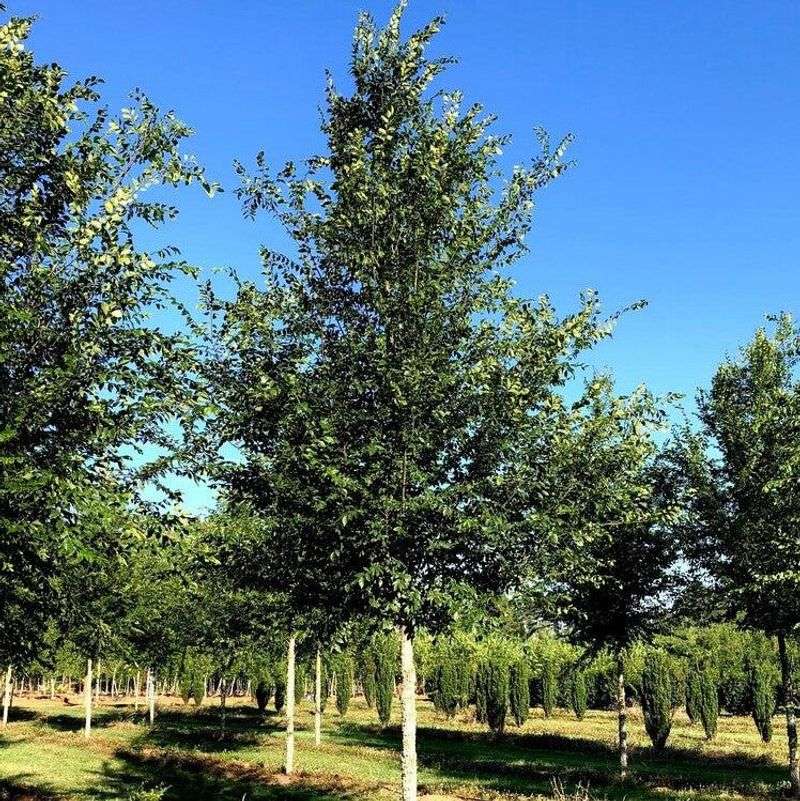
Looking at the delicate, finely textured leaves of a winged elm, you might not expect a big shade canopy to follow.
Yet UF/IFAS classifies Ulmus alata as a fast-growing native tree, and that classification matters when you are planning a landscape for real shade relief.
At maturity, winged elm commonly reaches 45 to 70 feet tall with a crown spread of roughly 30 to 40 feet. That is a substantial canopy capable of shading meaningful portions of a yard.
Crown form does vary between individual trees, so some specimens develop a more rounded shape while others grow a bit more upright.
Fast-growing does not mean instant shade after planting. A newly planted tree needs time to establish roots before it pushes significant top growth.
Florida homeowners should plan with the mature spread in mind before choosing a planting spot. Placing a tree too close to a fence or structure because it looks small today can create crowding problems later.
Thinking about that eventual 30-to-40-foot canopy width from the beginning helps you site the tree where it will perform best.
The fine leaves and modest nursery size can be deceiving, but the long-term payoff in shade is genuinely worthwhile for patient homeowners.
2. Full Sun Is Exactly Where This Native Tree Wants To Grow
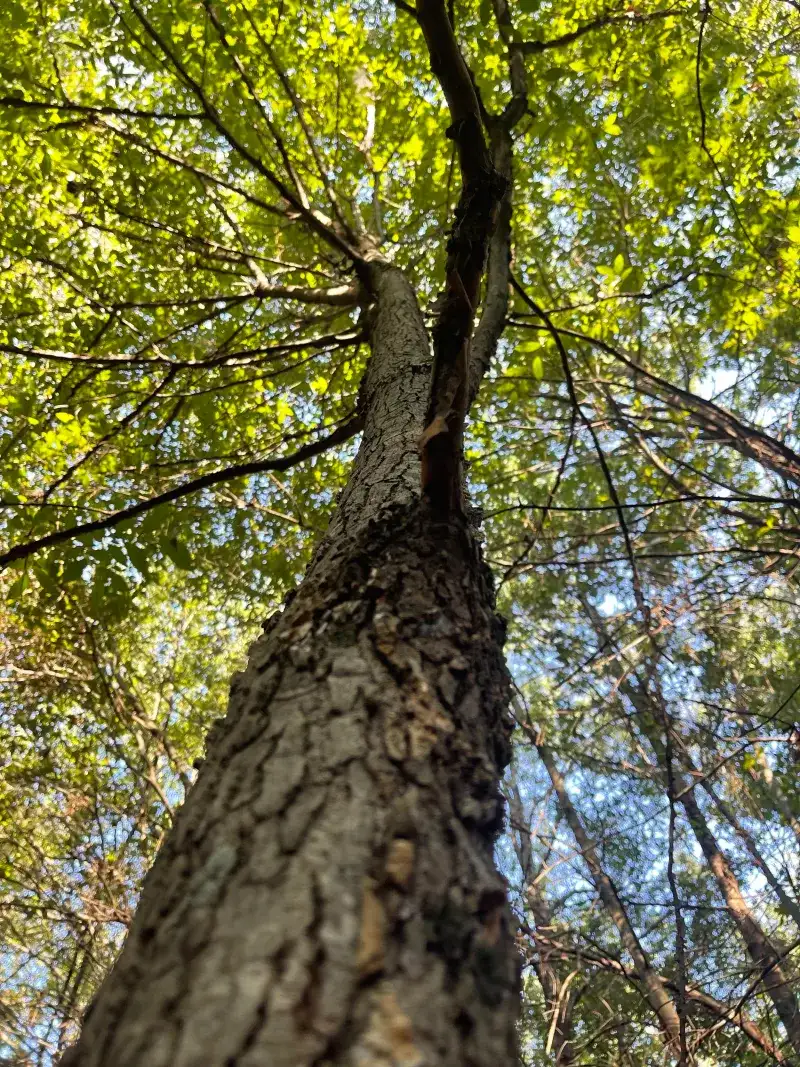
Open yards with no overhead cover can feel like a liability when summer arrives. For winged elm, that same open exposure is actually a good thing.
UF/IFAS lists full sun to partial shade as suitable growing conditions for this species. That makes a wide-open yard a reasonable site rather than a problem to work around.
Treating 95 degrees as relatable headline language is fair, but it is worth being clear that high temperatures can still stress a newly planted tree.
Transplant stress is real, and a young tree sitting in baking sun without established roots needs consistent moisture to push through its first warm season.
Established heat tolerance and transplant stress are two very different situations.
Your Florida Garden Changes Every Week. Your Plan Should Too.
Gardening in Florida changes quickly throughout the season. Every Friday you’ll receive a simple weekly plan showing exactly what to plant, prune, fertilize, harvest, and protect so you never miss the right timing.
Once roots are settled, winged elm performs well in the intense sun that is common across North and Central Florida summers. A practical way to check your planting site is to observe how shadows fall across your yard between noon and four in the afternoon.
If nearby buildings or mature trees block significant light during those hours, the spot may limit the tree more than you expect.
An open, south- or west-facing location gives winged elm the exposure it naturally prefers and sets it up for steady, healthy growth over time.
3. A 30-Foot-Plus Crown Gives Hot Patios Real Afternoon Relief
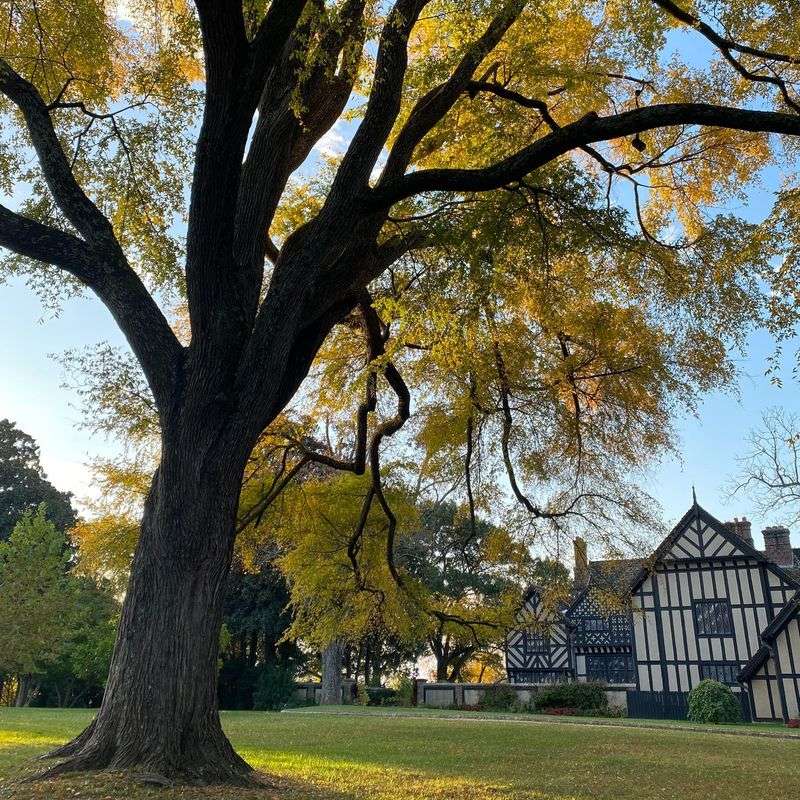
Afternoon shade is not just about comfort. It can make the difference between a patio that gets used and one that sits empty from noon until sundown.
A mature winged elm can develop a 30-to-40-foot spread. When positioned thoughtfully, that canopy can shade a significant portion of a patio, lawn, or west-facing outdoor area.
Placement matters more than most homeowners realize. Positioning the tree to the west or southwest of the area you want to cool allows the growing canopy to intercept the low afternoon sun that causes the most discomfort.
Planting directly beside a foundation to grab shade faster is not a good strategy. The trunk and root system need room to expand safely away from structures.
Setback planning should account for mature height and spread alongside utilities, rooflines, sidewalks, and any overhead wires nearby. A tree that reaches 45 to 70 feet tall needs clear vertical space as well as horizontal room.
Checking with your local utility provider before planting is a straightforward step that prevents serious problems later. Thoughtful shade placement means choosing a spot where the mature canopy works for you.
It should not conflict with structures or infrastructure already on the property. Getting that placement right from the start is one of the most valuable decisions you can make.
4. Established Roots Handle Dry Spells Better Than Many Gardeners Expect
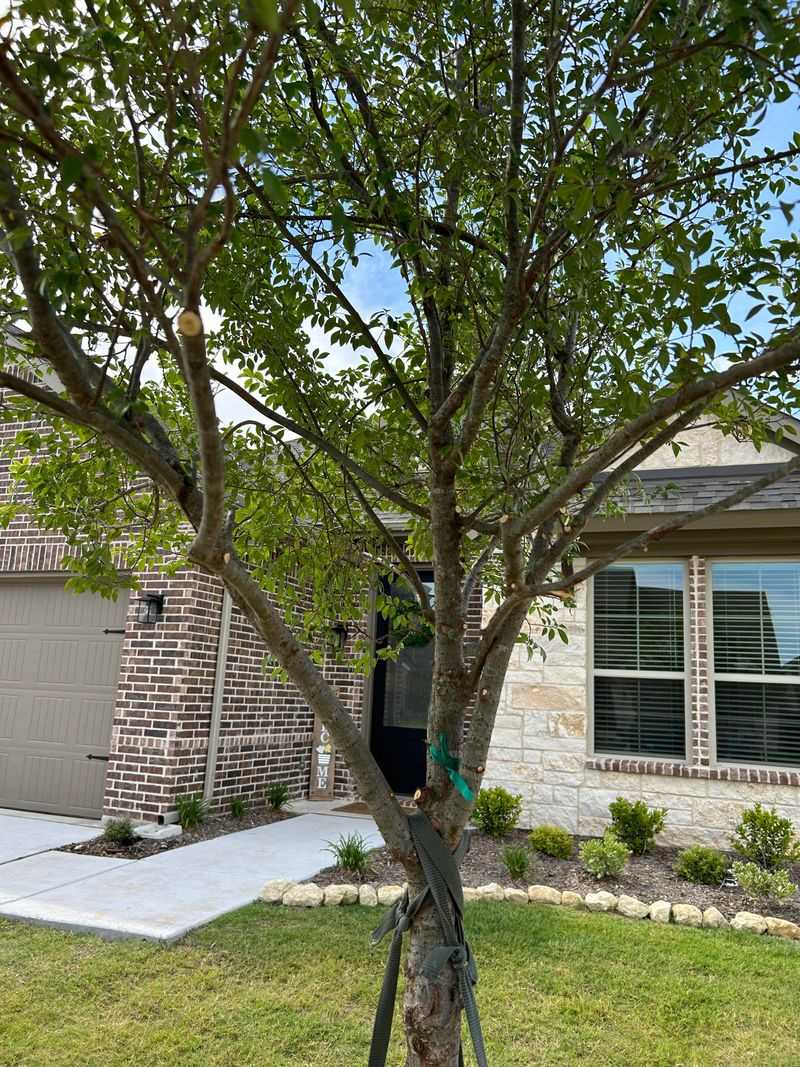
Drought tolerance is one of the most appealing qualities listed for winged elm, and UF/IFAS does document it as high. That reputation is well earned for trees that have had time to settle in.
However, drought tolerance does not remove the need to water a newly planted tree correctly during its first years in the ground.
The establishment period is when the tree is most vulnerable. Roots are still spreading outward and downward to access moisture from a larger soil volume.
During this phase, deep root-zone watering based on actual soil conditions does far more good than frequent shallow sprinkling. Shallow watering encourages surface roots and does little to support a tree through a genuine dry stretch.
Rainfall, soil texture, tree size, and season all affect how much water a young tree actually needs. There is no universal irrigation schedule that fits every yard.
Checking soil moisture a few inches below the surface gives you a more reliable guide than watering on a fixed calendar. Once winged elm is fully established, it becomes a practical choice for landscapes where running irrigation constantly is undesirable.
The key is getting through those early years with consistent, appropriate care. An established tree can handle dry spells with far more resilience than a recently transplanted one.
5. Sand Clay And Loam All Give This Adaptable Tree Room To Work
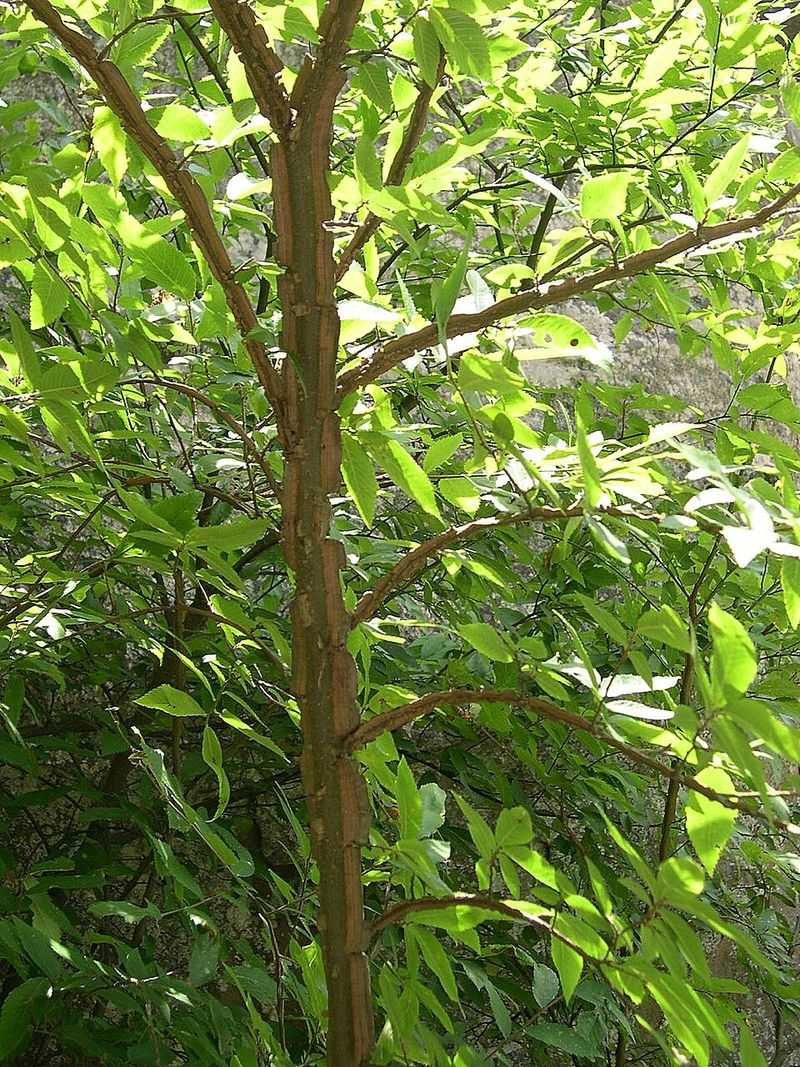
Soil variability is a major challenge in residential landscaping. Across North and Central Florida, soil types can change dramatically even within a single neighborhood.
Winged elm’s documented ability to grow in sand, clay, and loam makes it a genuinely flexible option for varied residential landscapes.
In its natural range, this species occurs across both wetter lowland sites and dry, rocky upland locations. That natural adaptability translates well to the unpredictable conditions homeowners often encounter.
Still, adaptability to different soil textures does not mean soil preparation never matters. Drainage, compaction, planting depth, and available root volume are separate factors that deserve attention regardless of what type of soil you have.
Planting the root flare at the proper level is critical no matter the soil type. Burying the flare under excess soil or mulch is one of the most common planting mistakes, and it can compromise the tree’s long-term health.
Replacing all native soil with an amended planting mix is not recommended either. Roots need to transition into the surrounding native soil to anchor and expand properly.
Loosen compacted soil around the planting area and confirm that drainage is adequate. Leaving the root flare visible at grade also gives winged elm a better start across different soil types.
6. Its Roots Cause Fewer Hardscape Headaches Than Many Big Shade Trees
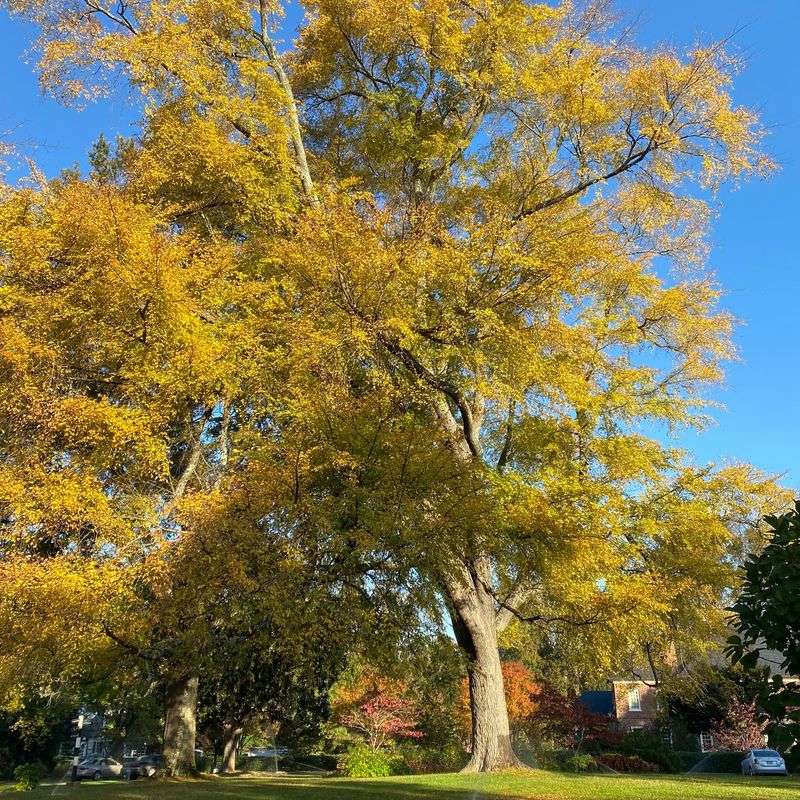
Root damage to driveways, sidewalks, and foundations is one of the most common concerns homeowners raise about large shade trees.
UF/IFAS assesses winged elm roots as generally not a problem, which is a meaningful distinction compared to many other large-canopy species.
That assessment deserves some context, though.
Every large tree still needs adequate soil volume and a reasonable distance from hardscape to behave well over time.
Roots follow moisture and oxygen, and when soil volume is limited or pavement sits close to the trunk, even comparatively manageable roots can eventually create issues.
Construction damage to existing roots is also worth noting because severed or compacted roots can create stability concerns for the tree itself.
The advantage winged elm offers is comparatively manageable root behavior when the tree is given a suitable planting location with enough room to expand.
Promising that it can safely sit immediately beside a driveway or foundation would overstate what the research actually says.
Giving the tree reasonable setbacks from pavement and structures, and protecting the root zone from compaction during any nearby construction, keeps the advantage intact. Choose a planting spot with generous soil volume available.
That is one of the best ways to enjoy the tree’s shade while reducing the risk of future hardscape conflicts.
7. Early Pruning Builds The Strong Framework That Fast Growth Needs
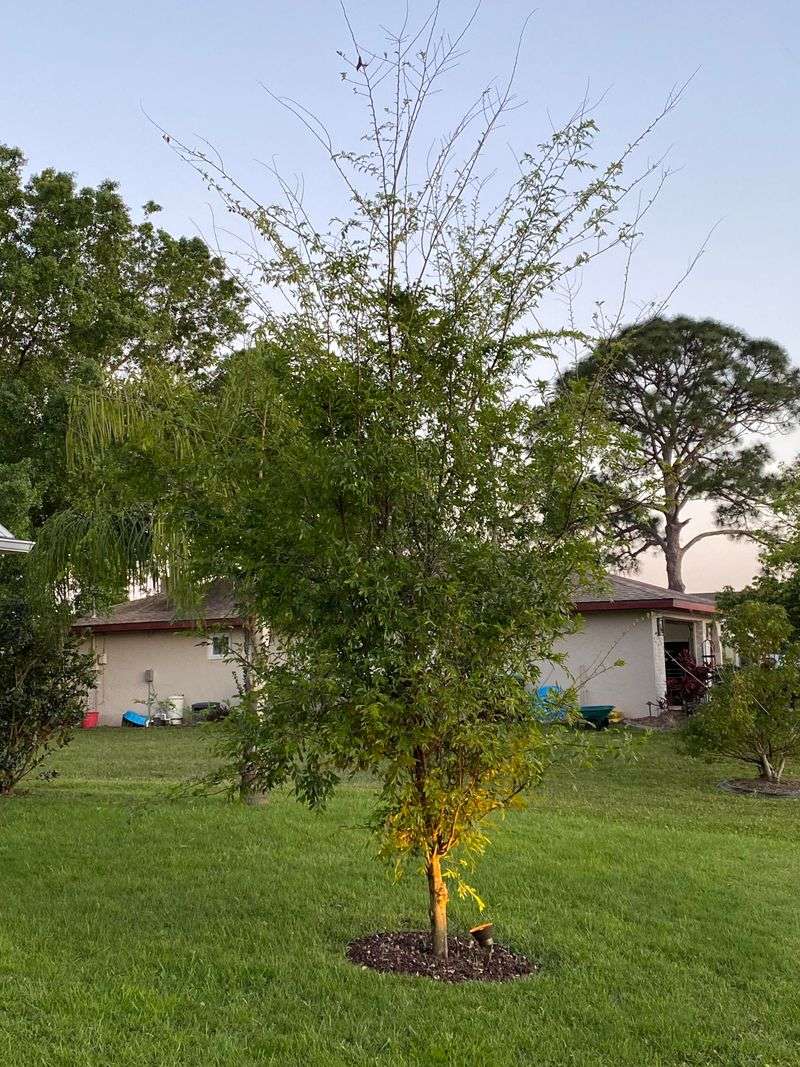
Fast growth is exciting, but it comes with a genuine responsibility that homeowners should understand before planting. UF/IFAS recommends early structural pruning for winged elm.
Young trees may develop multiple trunks or poorly arranged leaders that can become structural liabilities as they grow larger and heavier.
The goal of structural training is to establish one dominant trunk with well-spaced major branches. Branches that compete directly with the central leader, or that emerge at narrow angles, are better addressed early when they are small.
Removing large portions of the canopy at once is not the right approach. Several rounds of light, targeted training over the early years produce far better results than a single aggressive cutback.
Selecting a nursery tree that already shows good initial structure can reduce the amount of corrective work needed later. Look for a clear central leader and branches distributed around the trunk rather than clustered at one height.
For any substantial pruning decisions, guidance from a certified arborist is worth pursuing. Early pruning is genuinely more important than routinely cutting back a mature canopy.
A well-trained young tree grows into a structurally sound adult that is safer, longer-lived, and easier to maintain. This is the part of the winged elm story that balances the low-maintenance reputation with a real and necessary responsibility.
8. South Florida Needs A Warmer-Zone Tree For The Same Shade Job
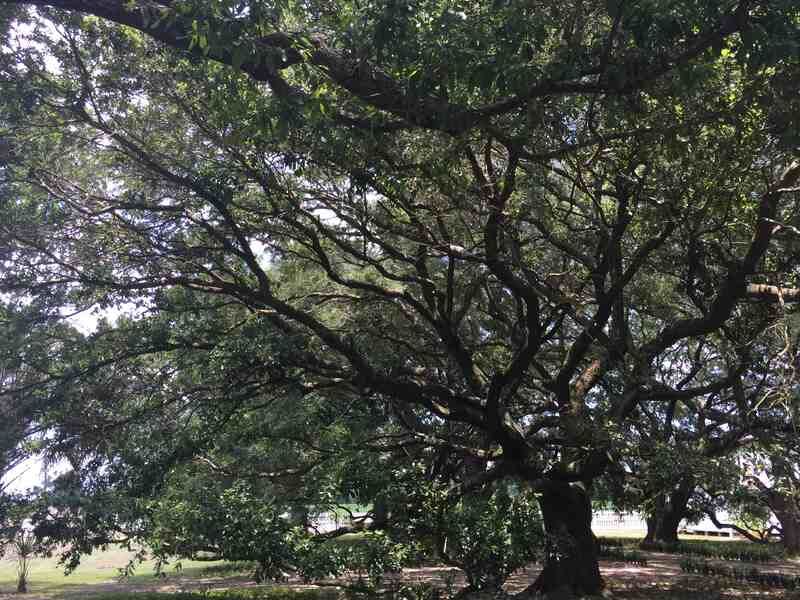
Geography matters when choosing a shade tree, and winged elm has a clear boundary that homeowners should respect. UF/IFAS lists this species as appropriate through USDA hardiness zone 9B.
Its natural distribution across the state is concentrated in northern and central portions, which aligns with where it performs most reliably in a landscape setting.
Recommending winged elm as a default shade tree for tropical South Florida would be a mistake. Gardeners in Miami-Dade, Broward, and similar counties are outside the appropriate climate range for this species.
Planting it there can set the tree up for long-term struggles rather than success. The right tree must match both the site conditions and the local climate.
South Florida gardeners looking for a fast-growing native shade tree have other options worth exploring. Wild tamarind, Lysiloma latisiliquum, is one fast-growing native that UF/IFAS recognizes as appropriate for South Florida.
Before planting, consult local extension guidance to confirm that it suits the specific site. The main takeaway from this entire article is straightforward.
Winged elm is an excellent fast-growing shade option where its climate range fits. Pairing the right tree to the right site, including the right hardiness zone, is just as important as choosing a species that can handle summer heat.