The August Tick Surge Most Ohio Homeowners Don’t See Coming After The First Cool Nights
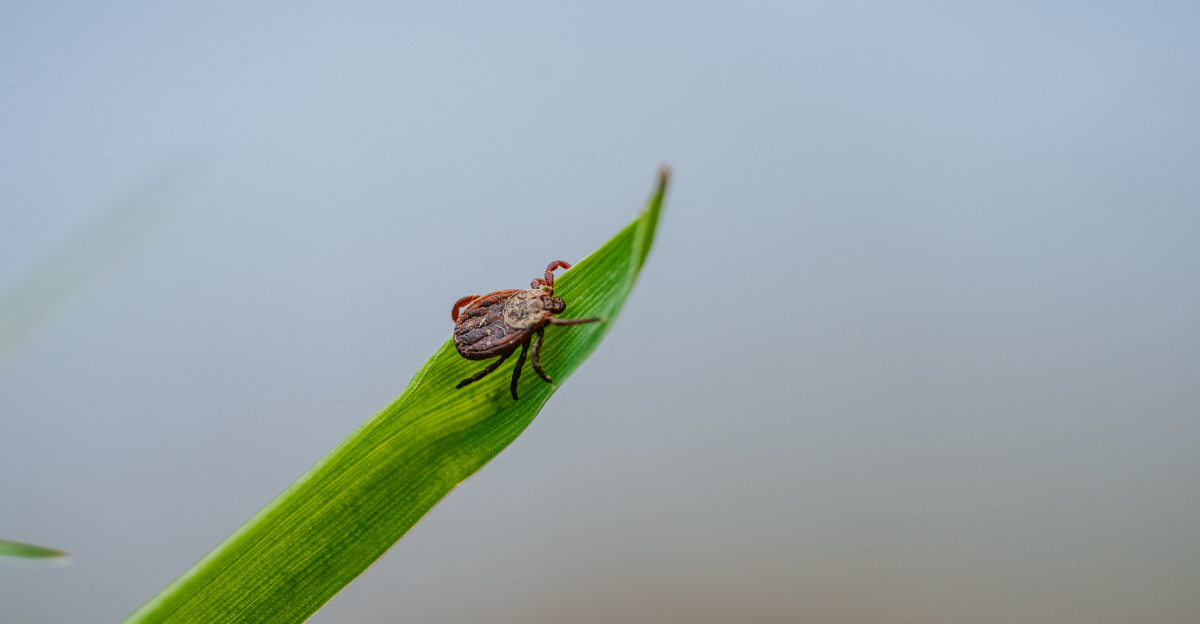
Cooler August nights don’t send Ohio’s ticks into hiding. They do the opposite, sparking a fresh wave of activity right when families expect the season to wind down.
Homeowners assume the danger fades with the pool parties and lemonade stands. Instead, shifting temperatures and shaded gardens create perfect conditions for a late-summer tick surge nobody sees coming.
Pets roll through the grass, kids chase fireflies at dusk, and these tiny hitchhikers find plenty of chances to latch on. The timing catches even careful families off guard.
This shift isn’t random. Specific weather patterns and tick behavior changes drive the spike, and spotting them early can save your family from an unpleasant surprise this fall.
Cooler Nights Push Ticks Into Yards And Gardens
August nights in Ohio start to drop below 70 degrees, and ticks notice immediately. Cooler air signals feeding time, and they move fast toward warm bodies and sheltered spaces.
Ticks are cold-blooded, so they depend on outside temperatures to regulate their activity. When daytime heat softens just a little, they become more aggressive about finding a host before winter arrives.
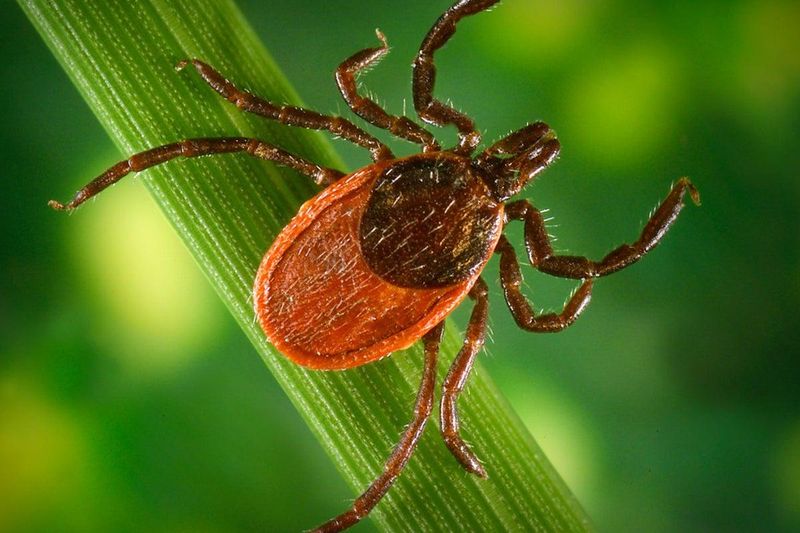
Your yard edges, especially near tree lines and garden borders, become active hunting grounds. Ticks position themselves on tall blades of grass and low shrubs, waiting with front legs stretched out in a behavior called questing.
This late-season shift catches most homeowners off guard because it feels like pest season should be winding down. Neighbors are putting away their bug spray and letting kids play barefoot, not realizing activity is actually peaking.
Gardens are especially risky spots right now. Mulch holds moisture, leaf litter piles up, and shaded soil stays cool enough to shelter dozens of ticks at once.
Mowing your lawn short and trimming back garden borders removes a lot of their favorite staging areas. A simple barrier of wood chips or gravel between your lawn and wooded areas can cut exposure dramatically.
The cooler the night gets, the more urgency ticks feel about attaching to a warm host. Understanding that timing is the first step toward keeping your family safe this season.
Nymphs And Larvae Peak At Different Times
Most people picture a fat, obvious tick when they think about getting bitten. The real danger is much smaller and easier to miss entirely.
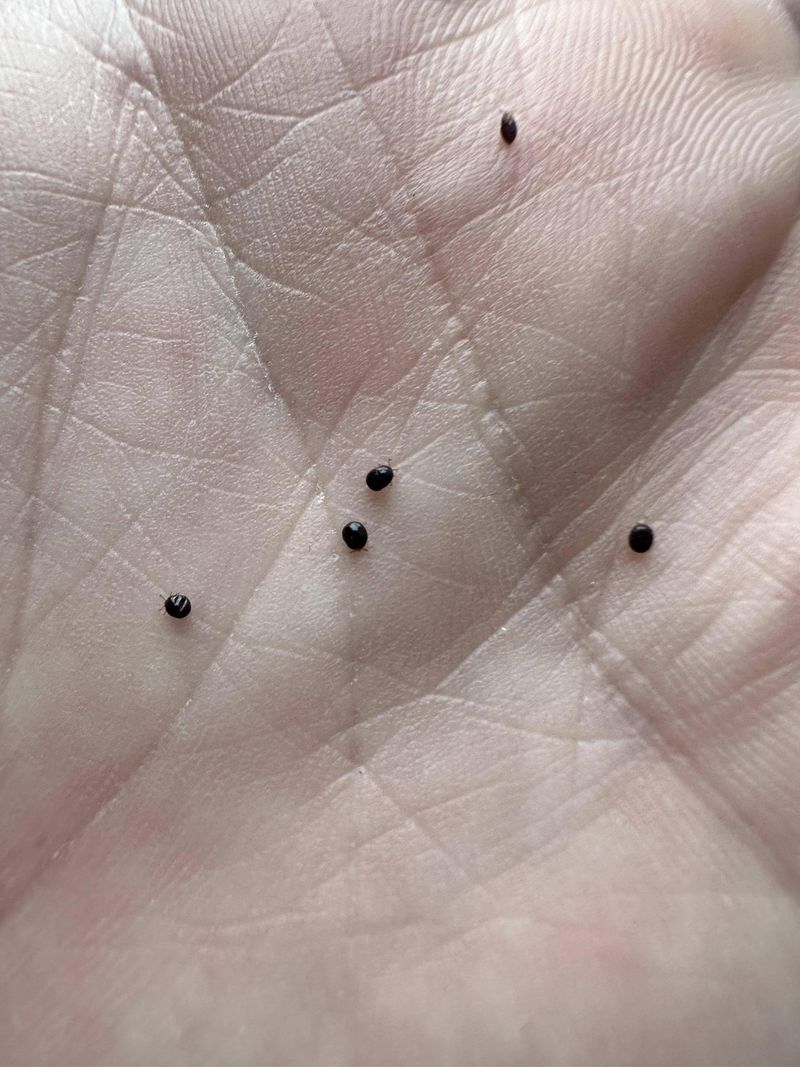
Tick nymphs are about the size of a poppy seed, and larvae are even tinier. Both stages are active in late summer, and both can transmit disease just as effectively as adult ticks.
Nymphs from the black-legged tick, also called the deer tick, peak in late spring through midsummer. But a second wave of larvae begins emerging right around the time Ohio nights start cooling in August.
Larvae are six-legged and nearly invisible against skin or clothing. Most people rarely feel them attach, which means they feed undetected for hours before anyone notices.
This overlap includes both life stages at once, which makes August one of the most complicated months for tick exposure. You are essentially dealing with two different generations at the same time.
Your Ohio Garden Changes Every Week. Your Plan Should Too.
Gardening in Ohio changes quickly throughout the season. Every Friday you’ll receive a simple weekly plan showing exactly what to plant, prune, fertilize, harvest, and protect so you never miss the right timing.
Checking yourself after being outside needs to include a very close look at skin folds, behind the knees, and along the hairline. A magnifying glass earns its place in your toolkit when you’re hunting for larvae.
Wearing light-colored clothing helps you spot these tiny crawlers before they reach skin. Treating outdoor clothing with permethrin gives an added layer of protection that keeps nymphs and larvae from climbing up in the first place.
Lyme Disease Cases Climb Sharply This Month
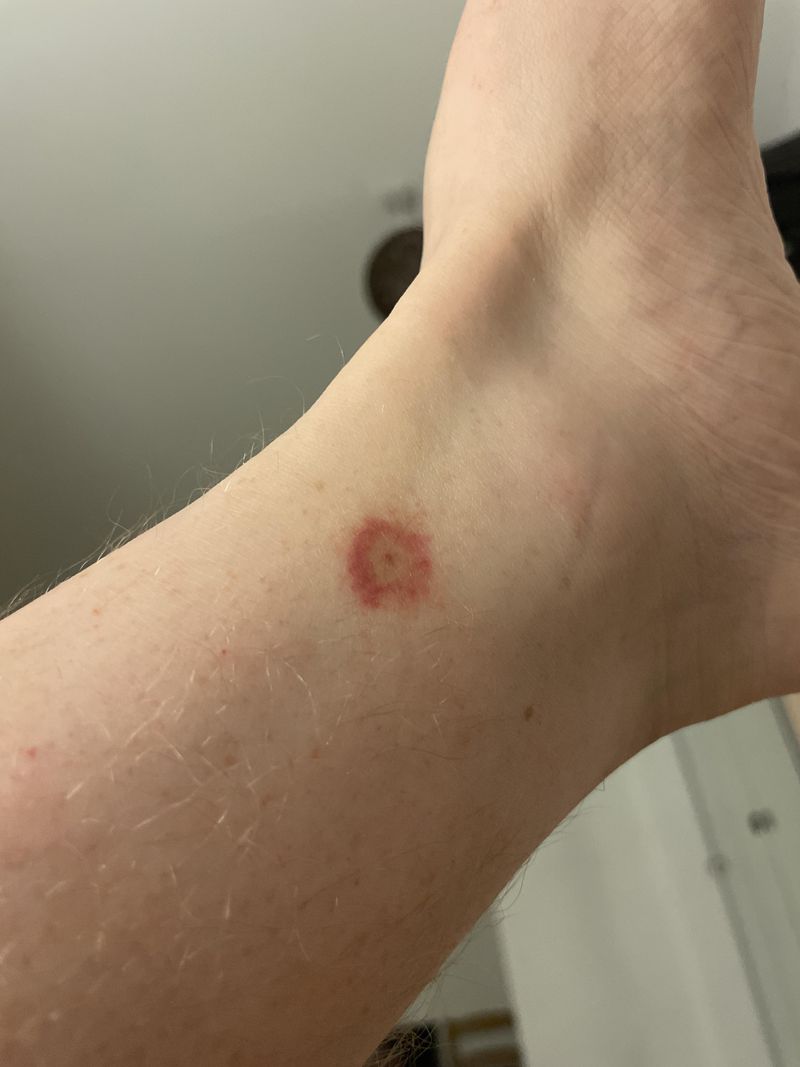
Lyme disease does not spread evenly across the calendar year. Reported cases in Ohio spike noticeably in August, and the timing lines up directly with the nymph and adult surge.
The black-legged tick is the primary carrier in this region, and its numbers grow during the late-summer feeding push. More ticks looking for hosts means more chances for transmission to happen.
A tick generally needs to be attached for 36 to 48 hours to transmit Lyme disease. That window sounds long, but it goes by fast when a nymph is hiding in a hard-to-see spot.
Early symptoms include fatigue, headache, fever, and sometimes a bullseye rash around the bite site. Not everyone gets the rash, which makes early diagnosis difficult and easy to delay.
Untreated Lyme disease can affect joints, the heart, and the nervous system over time. Catching it early with a course of antibiotics makes a significant difference in how quickly someone recovers.
Doctors in Ohio see a jump in tick-related visits every August, often from patients who did not realize they had been bitten. This late-summer spike is a real clinical trend, not just a backyard concern.
If you develop flu-like symptoms after spending time outdoors this month, mention tick exposure to your doctor right away. Early treatment is straightforward, and waiting only makes things more complicated.
Tall Grass And Leaf Litter Are Prime Hiding Spots
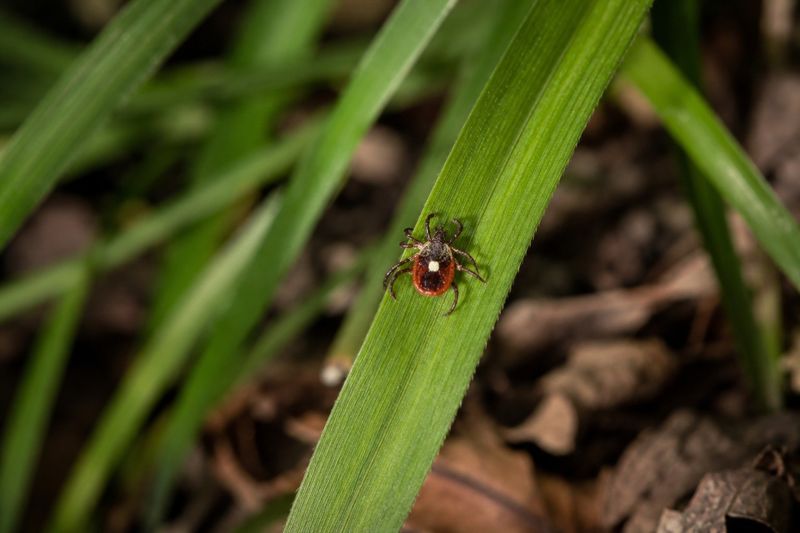
Walk through a patch of tall grass in August and you are walking through tick territory. They do not jump or fly, but they are experts at grabbing onto anything that brushes past.
Ticks wait on vegetation at heights between six inches and two feet off the ground. That range covers most of your lower legs, which is why ankles and calves are such common bite sites.
Leaf litter is just as problematic as tall grass. Decomposing leaves hold moisture, stay cool, and create a sheltered microhabitat that ticks love to rest in between hosts.
Piles of leaves near fence lines, under garden shrubs, or along the edge of a deck are essentially tick condos. A single square foot of damp leaf litter can harbor surprising numbers of them.
Raking and bagging leaf buildup around your yard reduces habitat significantly. Keeping mulch layers thin and dry also removes the moisture ticks need to survive between feeding sessions.
Mowing your lawn to three inches or shorter cuts off their preferred questing height. Ticks that cannot reach a host from their resting spot will eventually dehydrate and become far less of a threat.
A tidy yard is genuinely one of the most effective defenses against the late-summer surge. Simple yard work, done consistently, beats expensive treatments when it comes to long-term tick control.
Pets Bring Ticks Closer To The Family
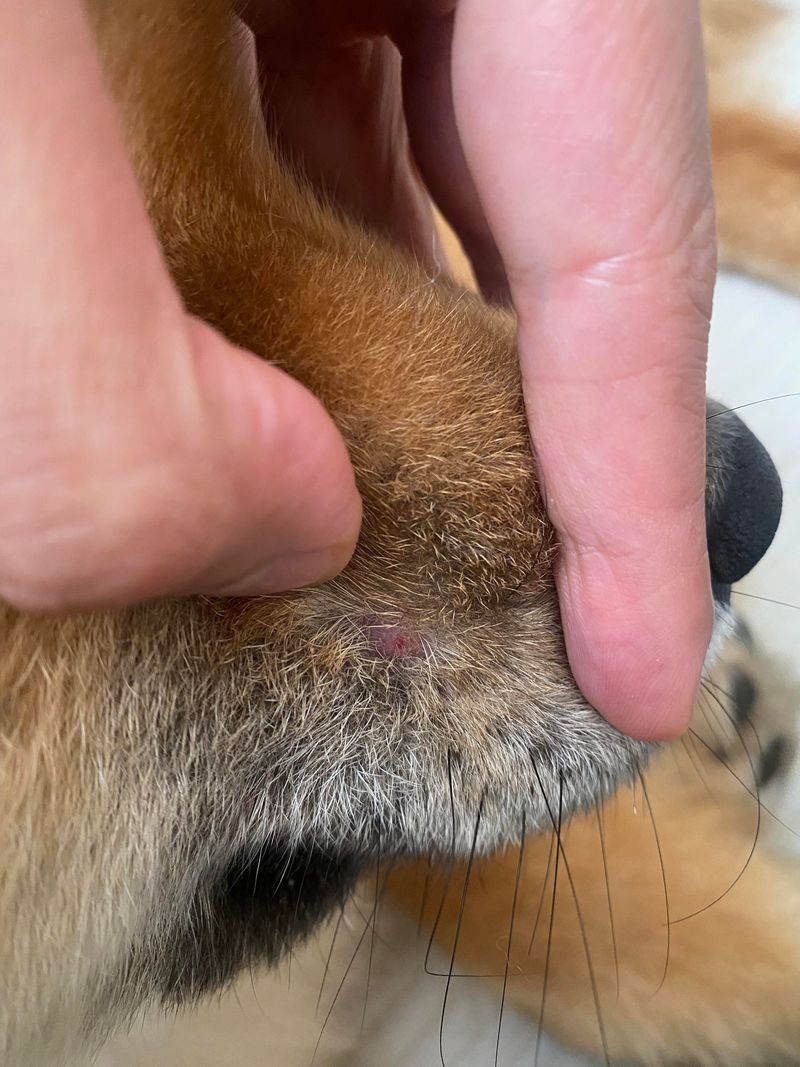
Your dog or cat is a tick magnet, and most pet owners do not check carefully enough after outdoor time. A tick that rides inside on a pet can easily transfer to a couch, a rug, or a child before anyone notices.
Dogs are especially efficient at carrying ticks from wooded edges and tall grass right into the living room. Cats that roam outdoors bring in a different set of tick species and often go unexamined for days.
The American dog tick and the lone star tick are both active in August and both readily attach to pets. These species can also bite humans and cause their own set of health concerns beyond Lyme disease.
Checking your pet after every outdoor session is the most effective habit you can build this month. Run your fingers through their coat slowly, paying close attention behind the ears, under the collar, and between the toes.
Tick preventatives prescribed by a veterinarian offer strong protection for dogs and cats. Topical treatments, oral medications, and treated collars each work differently, so talking to your vet helps you choose the right fit.
A tick that falls off a pet inside your home can survive for days on carpet or fabric. Vacuuming frequently and washing pet bedding in hot water reduces the chance of a tick finding a second host indoors.
Protecting your pet is protecting your whole household during this late-summer spike.
Simple Checks That Catch Them Before A Bite
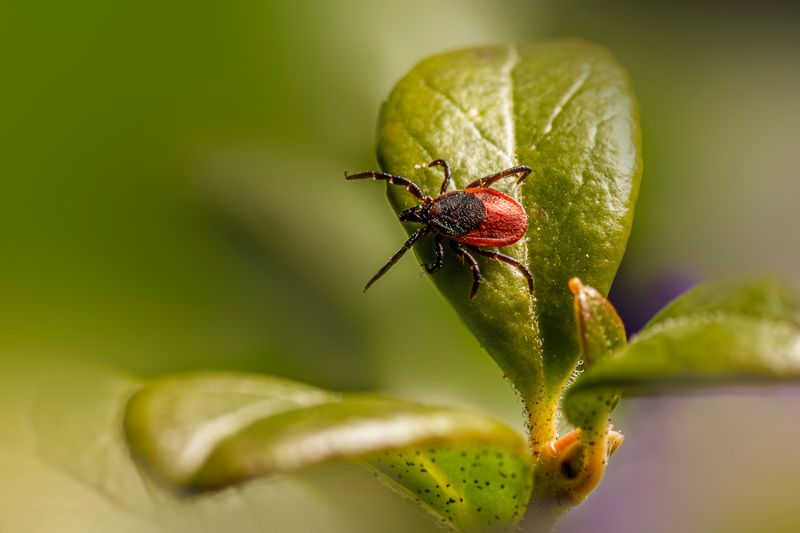
Coming inside after yard work or a walk should come with a quick ritual. A full-body tick check takes about two minutes and can prevent weeks of medical trouble.
Strip down and check your skin from head to toe, using a mirror for hard-to-see spots like the back of the neck and behind the knees. Ticks are small, but moving slowly and methodically means you will catch most of them before they attach.
Shower within two hours of coming indoors during this active season. Running water and scrubbing helps wash off any unattached ticks that are still looking for a spot to feed.
Toss your outdoor clothes into the dryer on high heat for ten minutes before washing. The heat eliminates ticks faster than water alone, and it works even on dry clothing that looks perfectly clean.
If you find an attached tick, use fine-tipped tweezers to grab it as close to the skin as possible. Pull upward with steady, even pressure and avoid twisting, which can break the mouthparts and increase irritation.
Clean the bite area with soap and water after removal. Save the tick in a sealed bag with the date noted, in case symptoms develop and your doctor wants to identify the species.
This late-summer spike in Ohio is real, but a consistent check routine puts the advantage back in your hands.