These Michigan Vegetables Actually Grow Better When Planted In Late August
Most people assume vegetable planting season winds down once summer heat peaks, packing away seed packets until next spring rolls around.
But several vegetables actually perform their best when Michigan gardeners plant them well after that assumption kicks in.
These crops don’t just tolerate a late August start, they genuinely thrive because of it, producing results that early summer planting simply can’t match.
It sounds counterintuitive, especially with cooler weather already on the horizon, but the timing actually works in these vegetables’ favor.
Gardeners who wait until now, rather than rushing earlier in the season, often end up with a noticeably better harvest.
Understanding exactly which vegetables benefit from this later timing could completely change how you plan the rest of your growing season. It turns out patience, in this specific case, actually gets rewarded.
1. Spinach Loves The Cooling Days Ahead
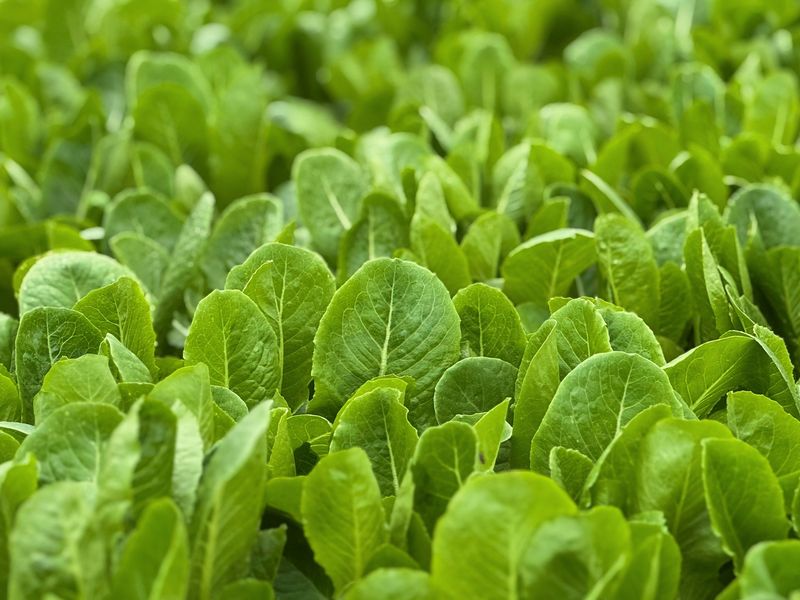
Spinach truly shines once the summer heat starts fading in Michigan. When you plant it in late August, the seeds get to sprout just as cooler nights arrive, which is exactly what this leafy green prefers.
Hot weather makes spinach bolt, meaning it shoots up flowers too fast and turns bitter. Cooler fall temperatures slow that process down, so the plants stay tender and sweet much longer.
That gives you a bigger window to pick fresh leaves for salads and cooking. Michigan gardeners often notice that fall spinach tastes better than the spring crop. A light frost actually boosts the sugar in the leaves, making them richer and more flavorful.
That natural sweetness is one of the best rewards of planting late. Getting started is simple. Loosen your soil, scatter the seeds about half an inch deep, and keep the bed moist until sprouts appear.
Since the sun is gentler now, you will not need to water as often as you did in July. Spinach grows quickly, so you can begin harvesting baby leaves in around four weeks.
Pick the outer leaves first and let the center keep producing for weeks of steady picking. Choose varieties known for cold tolerance if you want the longest season possible.
With a little cover, some plants can push through early frosts and keep giving. Late August spinach is one of the easiest wins for anyone who wants fresh greens well into fall.
2. Radishes Zip From Seed To Plate
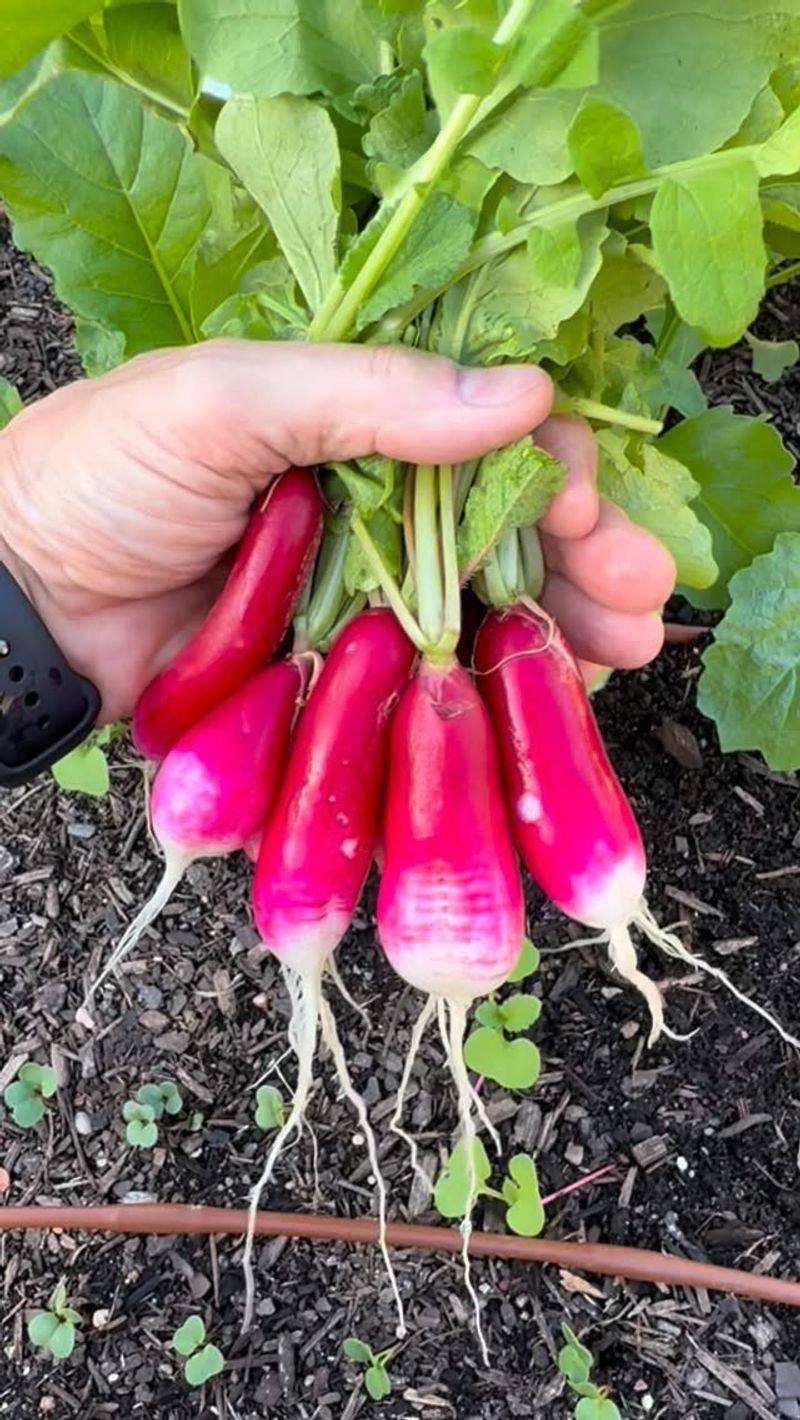
Few vegetables reward you as fast as radishes. From the day you drop the seeds into the ground, some varieties are ready to pull in just three to four weeks.
That speed makes them a perfect match for late August planting in Michigan.
Warm soil in late summer helps radish seeds sprout quickly, while the cooling fall air keeps the roots crisp and mild. Radishes grown in hot weather often turn spicy and woody, but the chilly weather ahead keeps them crunchy and pleasant.
You do not need much space to grow a good crop. A small patch or even a container works fine, and you can tuck radishes between slower plants to use every inch of your garden.
Your Michigan Garden Changes Every Week. Your Plan Should Too.
Gardening in Michigan changes quickly throughout the season. Every Friday you’ll receive a simple weekly plan showing exactly what to plant, prune, fertilize, harvest, and protect so you never miss the right timing.
Plant the seeds about half an inch deep and give each one a little room so the roots can swell. Keep the soil evenly moist, and thin out crowded seedlings so they do not compete for space.
One handy trick is to plant a new row every week. That way you get a steady supply instead of everything ripening at once.
Radishes also handle light frost without any trouble, so a surprise cold snap will not ruin your harvest. In fact, cool weather often makes them taste even better.
For beginners and busy folks alike, radishes offer quick success and plenty of color. Pull them young for the best texture, and enjoy the fastest fall crop your Michigan garden can offer.
3. Lettuce Bounces Back In The Chill
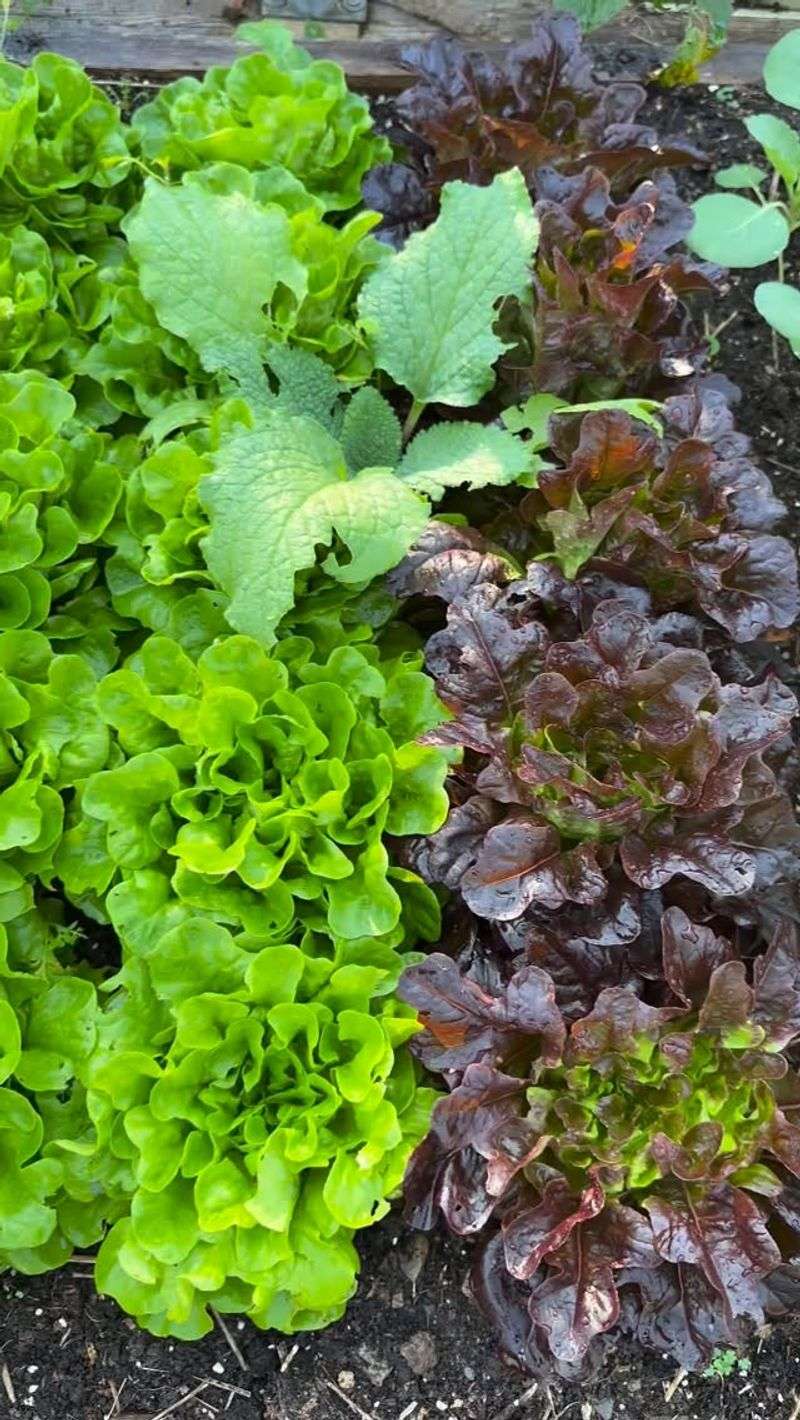
Summer can be rough on lettuce. Hot days make it bolt, turn bitter, and wilt fast. Late August changes everything by giving this leafy favorite the cooler conditions it craves.
As temperatures drop through September and October, lettuce grows slow and steady, staying tender and sweet. The gentle sun means less heat stress, so the leaves keep their crisp texture instead of turning tough.
Michigan gardeners often find fall lettuce easier to grow than spring lettuce. There are fewer pests around, and the plants rarely rush to flower the way they do in June heat.
You have plenty of choices when it comes to types. Loose leaf, romaine, and butterhead all do well in autumn.
Loose leaf varieties are especially handy because you can snip the outer leaves and let the plant keep growing.
Sow the seeds shallowly, just barely covered with soil, since lettuce seeds need a little light to sprout. Keep the bed damp, and you should see tiny green shoots within a week or so.
Because lettuce grows quickly, you can begin harvesting baby greens in about three weeks. For full heads, give the plants a bit more time to fill out.
A light frost usually will not harm lettuce, and some hardy types handle real cold with a simple row cover. That means you can keep enjoying fresh salads long after the tomatoes are done. Late summer really is the smart time to sow a new batch.
4. Kale Gets Sweeter As It Cools
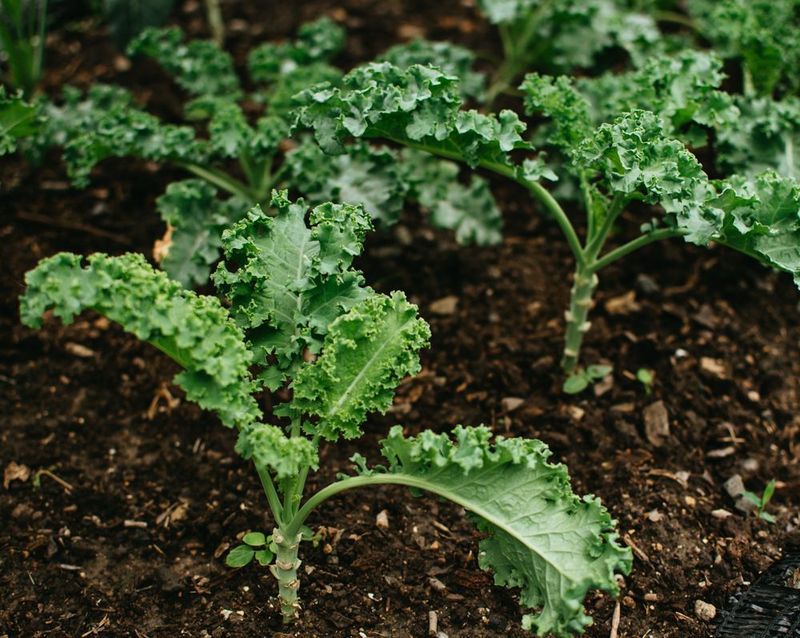
Kale is the tough, dependable friend of the fall garden. This hardy green not only survives cool weather, it actually gets tastier as the temperatures fall.
Planting kale in late August gives the young plants time to grow strong before the cold sets in. By the time frost arrives, the roots are well established and ready to power through chilly nights.
The magic happens after that first light frost. Cold weather signals the plant to store extra sugar in its leaves, which softens the flavor and takes away any bitterness. Many Michigan gardeners swear that frosted kale is the best kale of all.
Start your seeds directly in the soil or set out young transplants for a faster jump. Space the plants a bit apart so their big leaves have room to spread out and catch the sun.
Water regularly while the plants settle in, and add a little mulch to keep the roots cozy. Once established, kale needs very little fuss.
Harvesting is easy and generous. Pick the lower leaves first and leave the center intact, and the plant will keep making new leaves for weeks. Some kale even keeps producing through light snow.
Toss the leaves into soups, bake them into crispy chips, or blend them into smoothies for a healthy boost.
With its cold-loving nature and long harvest window, kale might be the most rewarding crop you can plant in late summer. Give it a spot and it will feed you well.
5. Asian Greens Bring Speedy Flavor
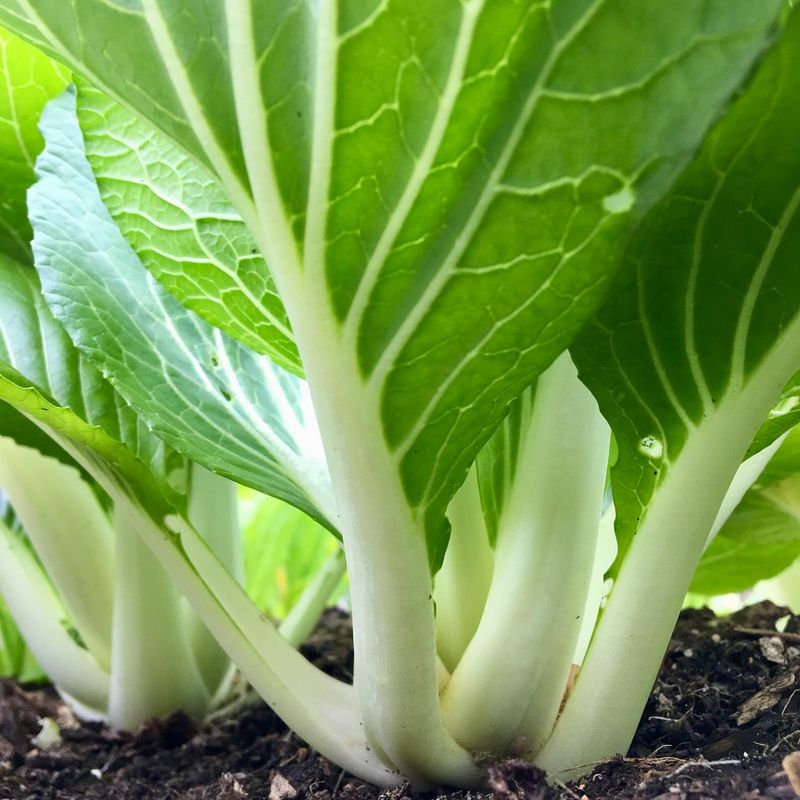
Bok choy, pak choi, and their leafy cousins are hidden gems for the late summer garden. These Asian greens grow fast, taste fresh, and love the cooler weather rolling into Michigan.
Warm summer often makes these greens bolt and turn bitter, so late August is the sweet spot. The dropping temperatures keep the stalks crunchy and the leaves mild, giving you the best flavor possible.
Most Asian greens reach harvest size in just four to six weeks. That quick turnaround means you can enjoy several rounds before the ground freezes if you plant every couple of weeks.
Getting started is simple. Sow the seeds shallowly in rich, moist soil and keep the bed watered while the seedlings take hold. Thin them out so each plant has breathing room to grow full and healthy.
These greens are wonderful in stir fries, soups, and quick sautes. The crisp stems and tender leaves cook up in minutes, making them a busy cook’s dream.
Pests tend to slow down in fall, so your plants have a better shot at staying clean and healthy. A light row cover can protect young leaves from any hungry visitors that linger.
Cool nights actually sweeten the flavor of many Asian greens, much like they do for kale. That makes autumn harvests especially rewarding.
If you have never grown them before, late summer is a great time to try. They are forgiving, fast, and full of flavor, perfect for adding variety to your Michigan garden plate.
6. Carrots Sweeten Up For A Fall Pull
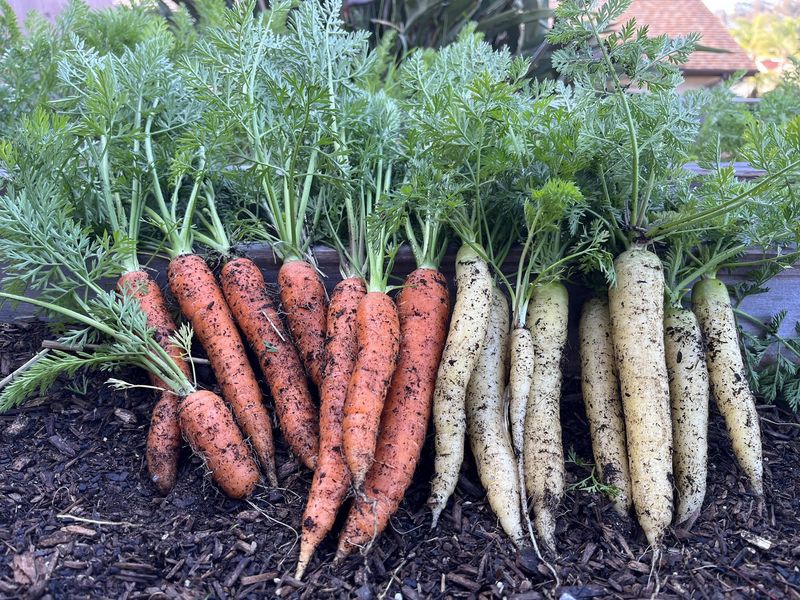
Carrots hold a delicious secret for patient gardeners. When you seed them in late summer, the roots mature just as the weather turns cold, and that cold makes them incredibly sweet.
Michigan gardeners can plant a second carrot crop in late August and still have plenty of time before winter. Carrots take a bit longer than leafy greens, but the wait is well worth it.
Cold weather triggers the roots to store more sugar, turning ordinary carrots into candy-sweet treats. A few frosts before harvest often produce the tastiest carrots of the whole year.
Loose, stone-free soil is the key to straight, healthy roots. Loosen the bed deeply before planting so the carrots can grow down without bending or splitting.
Sow the tiny seeds shallowly and keep the surface moist, since carrot seeds can be slow and stubborn to sprout. A light sprinkle of water each day helps them break through.
Once the seedlings appear, thin them out so each carrot has space to widen. Crowded carrots stay skinny and twisted, so a little thinning goes a long way.
Mulch the bed as fall deepens to protect the roots from hard freezes. Some Michigan growers even leave carrots in the ground under thick straw and dig them up as needed.
Choose shorter, faster maturing varieties for the best odds of a full harvest before deep cold. With a little planning, your late summer carrot patch will reward you with the sweetest crunch of the season.
7. Swiss Chard Keeps On Giving
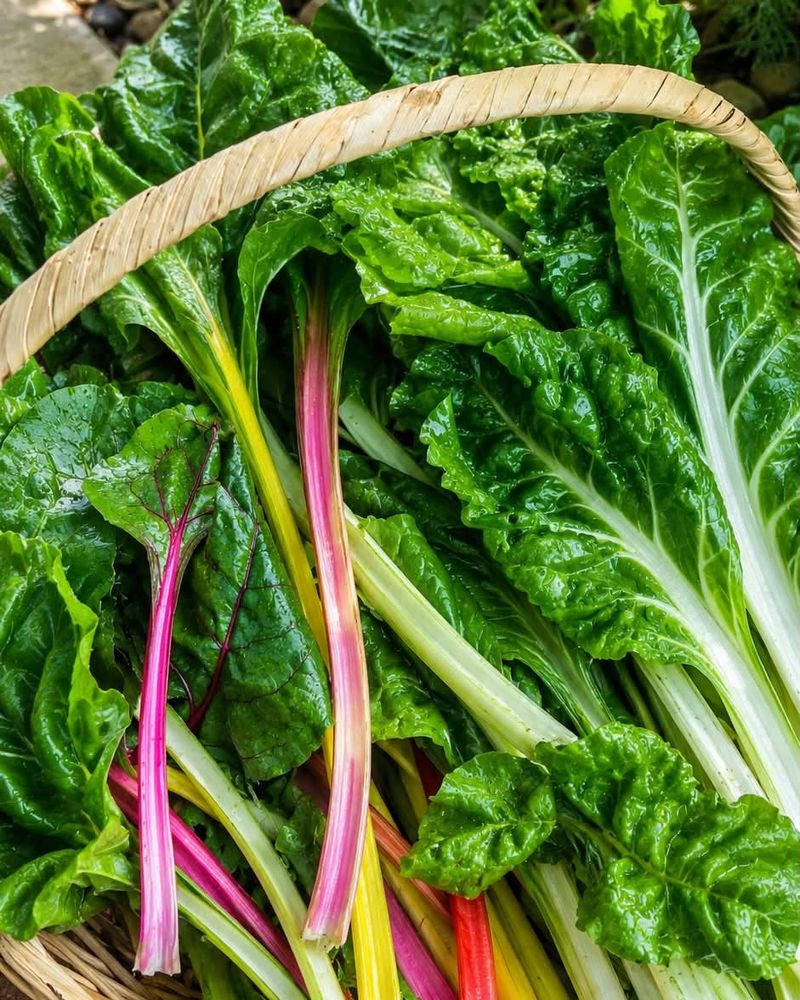
Swiss chard is the workhorse that keeps producing when other plants slow down. As summer heat fades, this colorful green hits its stride and rewards you with leaf after leaf.
Planting chard in late August lets it settle in during the cooling weeks ahead. Unlike lettuce or spinach, chard shrugs off both warm afternoons and chilly nights, making it a flexible choice for the shifting fall season.
The bright stems come in shades of red, yellow, orange, and pink, adding a splash of color to your garden and your plate. Rainbow chard is especially fun to grow and looks beautiful in the kitchen.
Sow the seeds about half an inch deep and keep the soil moist while they sprout. Give each plant enough space to spread, since chard leaves can grow quite large.
One of the best things about chard is its cut and come again habit. Snip the outer leaves and the plant keeps sending up fresh ones for weeks on end.
Chard handles light frost with ease, so it keeps performing long after tender crops have faded. With a little protection, it can stretch well into the cold months.
The leaves work wonderfully in soups, sautes, and casseroles, while the crunchy stems add texture to any dish. Both parts are tasty and packed with nutrients.
For gardeners who want steady harvests with little effort, chard is hard to beat. Plant it now and enjoy fresh greens from your Michigan garden well into fall.
8. Daikon Radishes Reward Quick Growers
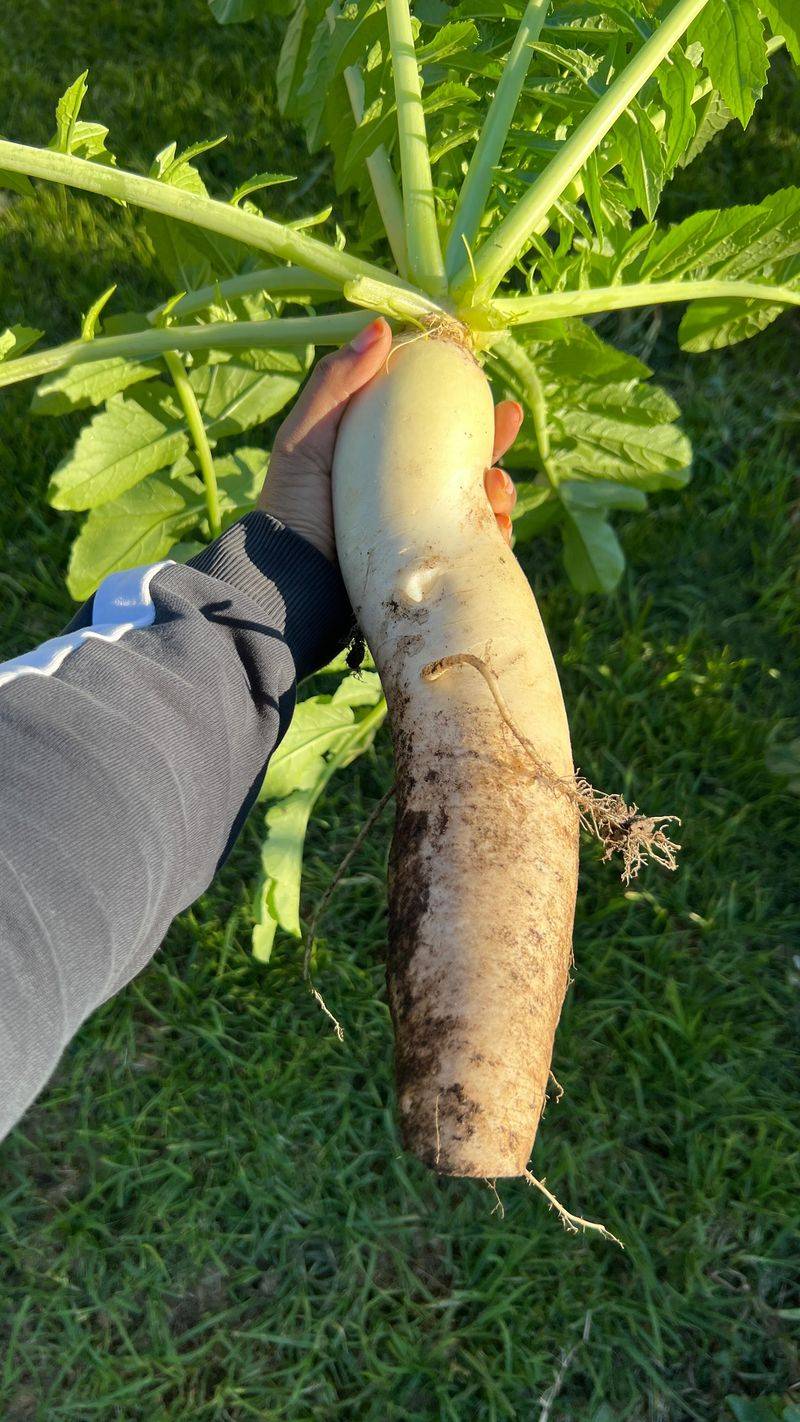
Daikon radishes are the giant, mild cousins of the little red radish, and they make a smart late summer pick. These long white roots grow fast and fit perfectly into Michigan’s shrinking fall window.
Because daikon matures quickly, you can plant it in late August and still pull a full harvest before deep cold arrives. Some varieties are ready in just a couple of months.
Cool weather keeps daikon crisp and mild instead of sharp and hot. That makes fall the ideal time to grow these crunchy roots for slicing, pickling, or tossing into stir fries.
Loose soil helps daikon reach its full length, since the roots grow long and straight downward. Loosen the bed deeply before sowing so nothing blocks their path.
Plant the seeds about half an inch deep and thin the seedlings so each root has room to widen. Keep the soil evenly moist while the plants get going.
Daikon does more than feed you. Its deep roots break up hard, packed soil, which improves the ground for whatever you plant next season.
Many gardeners use it as a natural soil helper. The leafy tops are edible too, so nothing goes to waste. Cook them like other greens for an extra bonus from your crop.
Light frost only sweetens the flavor, so a cool snap works in your favor. For anyone wanting a fast, useful, and tasty root crop, daikon is a rewarding way to close out the Michigan growing year.