The Native Grass Michigan Gardeners Are Choosing Instead Of Pampas Grass
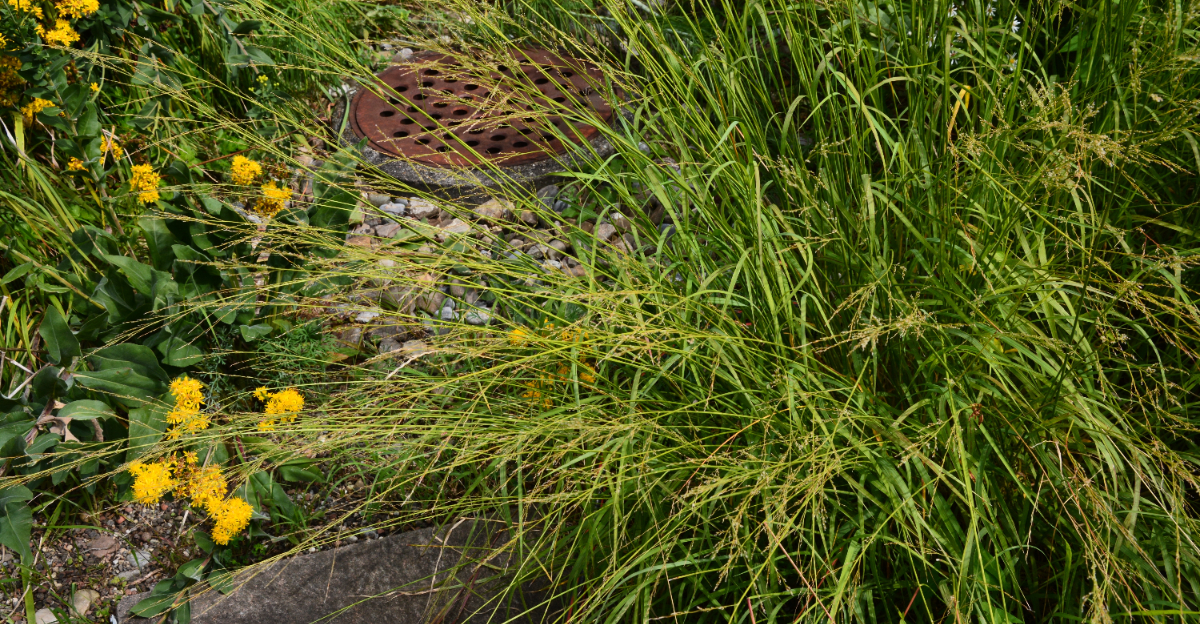
Pampas grass has long been a go to choice for dramatic, feathery texture in the landscape, but Michigan gardeners are increasingly steering away from it.
A quieter, more resilient native grass has been gaining attention instead, offering that same striking movement and texture without the drawbacks pampas grass tends to bring along with it.
This shift isn’t just about appearance either, though the alternative holds its own beautifully in that department too.
There’s a practical reason behind this growing trend, one that becomes obvious once you understand how each grass actually behaves in a Michigan yard over time.
Gardeners making the switch often mention the same handful of reasons once you ask what pushed them toward this change.
It’s a swap that’s quietly gaining popularity, even though most neighbors probably haven’t noticed the difference yet. Once you know what to look for, you’ll start spotting this native grass everywhere.
1. Switchgrass Gives You The Drama
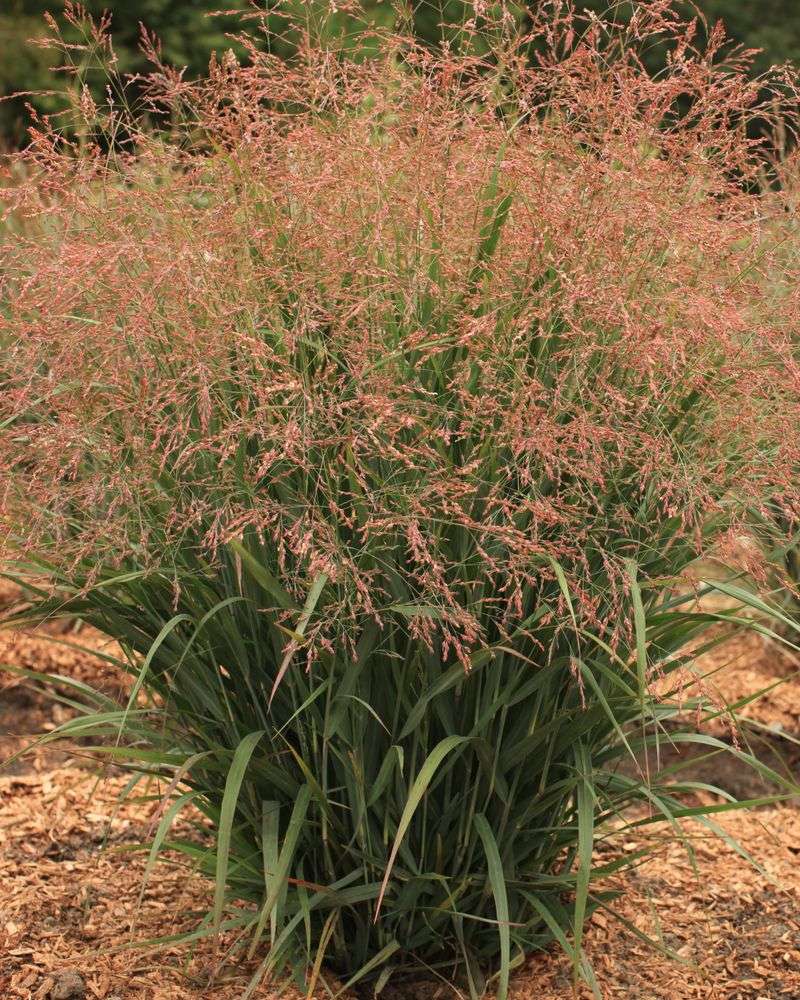
Picture a warm breeze rolling across your yard and setting a whole clump of grass into gentle motion. That soft, dancing movement is exactly what switchgrass brings to a landscape.
Standing anywhere from three to six feet tall, this grass reaches up with strong, upright stems. In late summer, it sends out clouds of tiny flowers that look like a delicate pink or golden mist floating above the leaves.
Those airy flower heads catch the light in a magical way. When the sun hits them just right, the whole plant seems to glow, giving your garden a dreamy, romantic feel that rivals any showy grass.
Many gardeners fall for pampas grass because of its bold plumes, but switchgrass offers a lighter, more graceful version of that same drama. Instead of stiff, heavy tufts, you get a breezy texture that softens fences, borders, and open corners.
Plant a few clumps together and you create a living screen that shifts and sways all season long. It works beautifully as a backdrop for shorter flowers or as a standalone showpiece near a patio.
The color adds even more interest, moving from cool green in summer to warm shades of gold and copper by fall. Every stage brings something new to enjoy.
Best of all, this drama comes from a plant that truly belongs in Michigan. You get the beauty you want and the good feeling of growing something that fits right into your local surroundings.
2. It Is Truly Native To Michigan
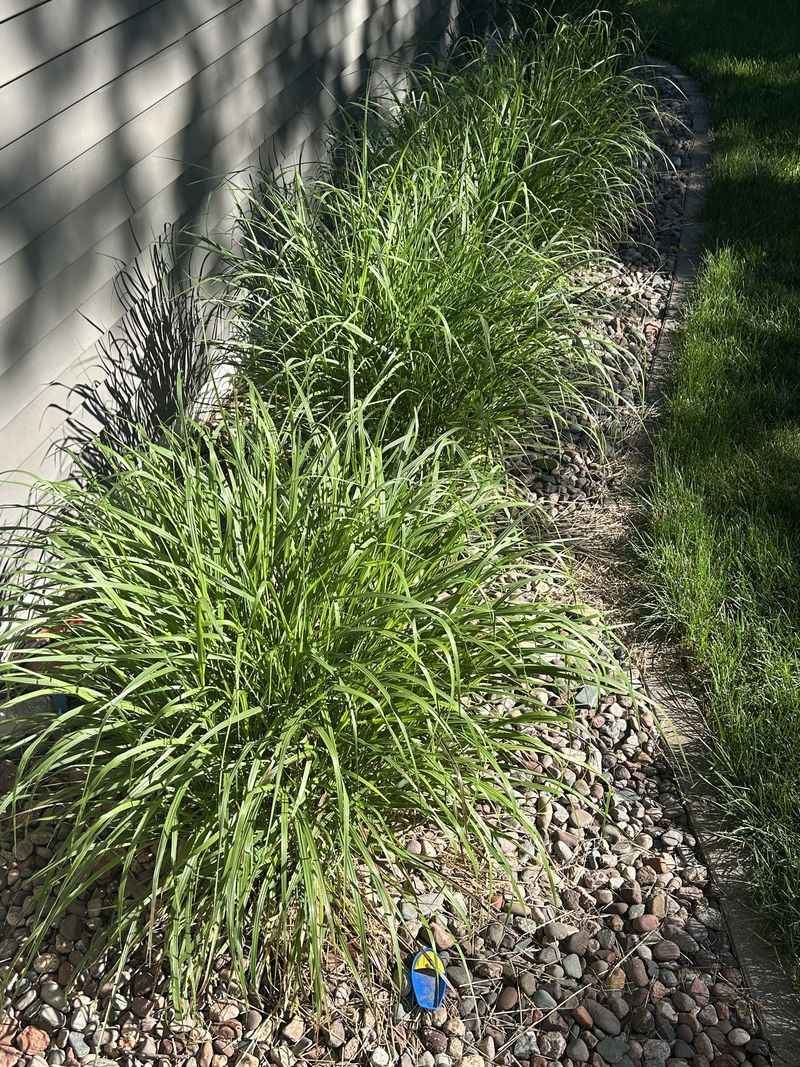
Long before it showed up in garden centers, switchgrass was already thriving across Michigan. It grew wild in prairies, along open fields, and in sunny meadows where native plants gathered together.
Being a true Michigan native means switchgrass fits perfectly into the local landscape. It has grown here for a very long time, sharing space with wildflowers, other grasses, and the many creatures that depend on them.
Choosing a native plant like this comes with real rewards. Birds snack on the seeds, insects find shelter among the stems, and pollinators visit the plants that grow nearby.
Your Michigan Garden Changes Every Week. Your Plan Should Too.
Gardening in Michigan changes quickly throughout the season. Every Friday you’ll receive a simple weekly plan showing exactly what to plant, prune, fertilize, harvest, and protect so you never miss the right timing.
When you plant switchgrass, you are giving back to the natural web of life around your home. Native songbirds, in particular, appreciate the seeds and the cover the grass provides during colder months.
Pampas grass, on the other hand, comes from South America and does not offer the same support to Michigan wildlife. It may look impressive, yet it lacks those deep local roots.
Switchgrass belongs to prairie communities that once stretched across parts of the state. By welcoming it into your yard, you help keep a piece of that heritage alive.
You also get a plant that already knows how to handle Michigan soil, weather, and seasons. There is comfort in growing something that nature designed for this exact place.
For gardeners who care about the environment, that connection matters. Every clump of native switchgrass helps restore a little bit of the wild beauty that once filled the region.
3. It Handles Michigan Winters
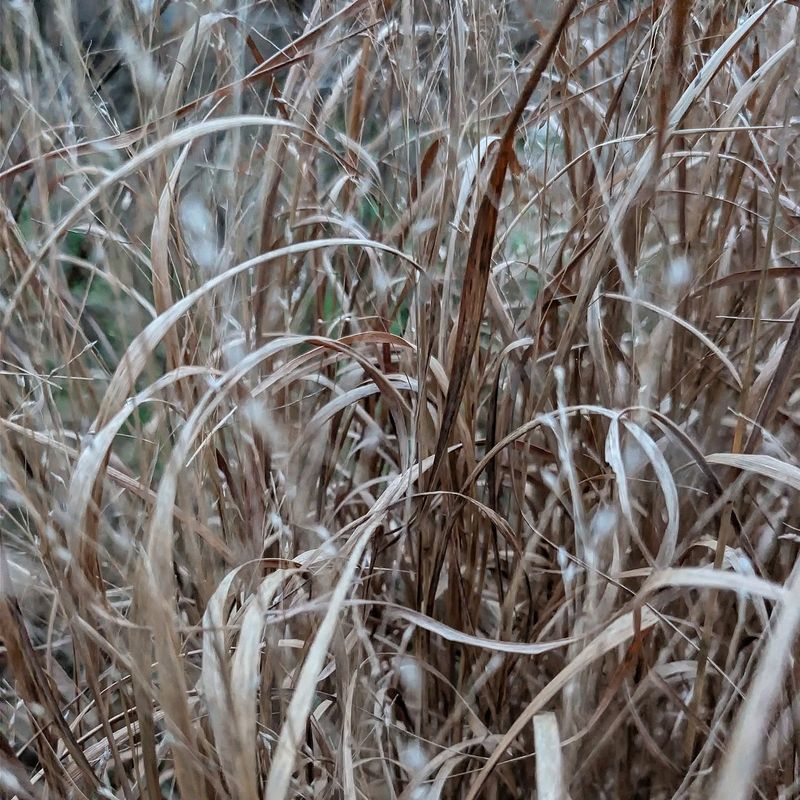
Michigan winters can test even the toughest plants, but switchgrass takes the cold in stride. Certain types, known as upland switchgrass, are especially built to handle chilly northern conditions.
These cold tolerant varieties come from regions with weather much like ours. Their natural hardiness means they bounce back year after year without any fuss from the gardener.
While tender plants often struggle when frost arrives, switchgrass simply goes dormant. It rests through the freezing months and then springs back to life once warmer weather returns.
This ability to survive harsh winters makes it a smart pick for anyone tired of replacing plants each spring. You buy it once and enjoy it for many seasons.
Pampas grass, by comparison, often cannot handle Michigan’s deep cold. Gardeners who try it may find it fading after a rough winter, leaving gaps in the landscape.
Upland switchgrass shrugs off snow, ice, and freezing winds. Its strong roots stay safe underground, ready to push out fresh growth when the ground thaws.
Picking a variety suited to your part of the state gives you the best results. Look for upland types when you shop, since they are matched to colder climates.
There is real peace of mind in growing a plant that expects the cold instead of fearing it. You spend less time worrying and more time enjoying your garden.
Through frost, snow, and biting wind, switchgrass proves it can handle whatever a Michigan winter throws its way.
4. Summer Heat Barely Slows It Down
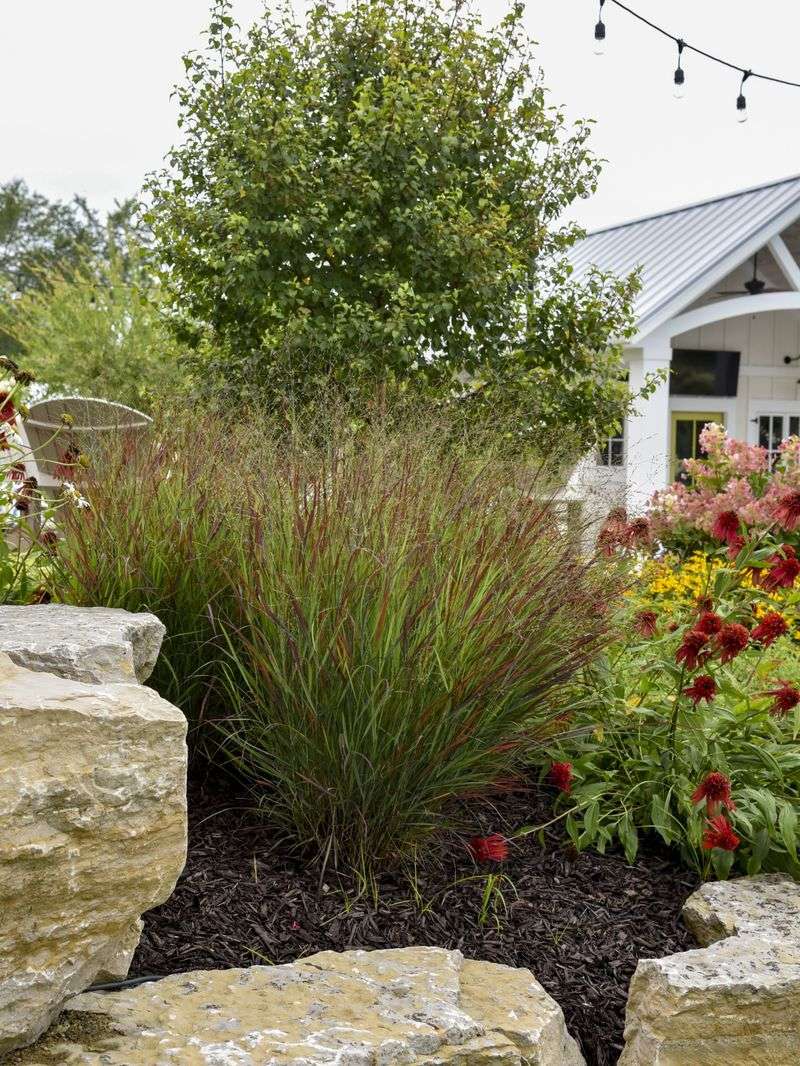
When the summer sun beats down and other plants start to wilt, switchgrass keeps growing strong. This warm season grass actually does its best work when the temperatures climb.
Warm season grasses like switchgrass wake up later in spring and hit their stride during the hottest months. The heat that stresses many plants is exactly what fuels their growth.
Because of this, you get lush, healthy leaves right when your garden needs a burst of green. While cool season lawns fade in July, switchgrass looks fresh and full.
Another big plus is how well it uses water. Once the plant settles in and grows its deep roots, it becomes very efficient, needing far less watering than you might expect.
Those long roots reach far down into the soil, pulling up moisture that shallow plants cannot touch. This helps switchgrass stay green even during dry summer stretches.
For busy gardeners, that means less time dragging hoses around and lower water bills too. The plant mostly takes care of itself once it is established.
You will still want to water it well during its first season, giving the roots time to grow deep and strong. After that, nature handles most of the work.
Compared to thirsty ornamental grasses, switchgrass is a refreshing change. It thrives in the heat and asks very little in return.
So while summer challenges much of the garden, this tough native simply soaks up the sunshine and keeps putting on a beautiful show.
5. It Can Handle Dry Ground
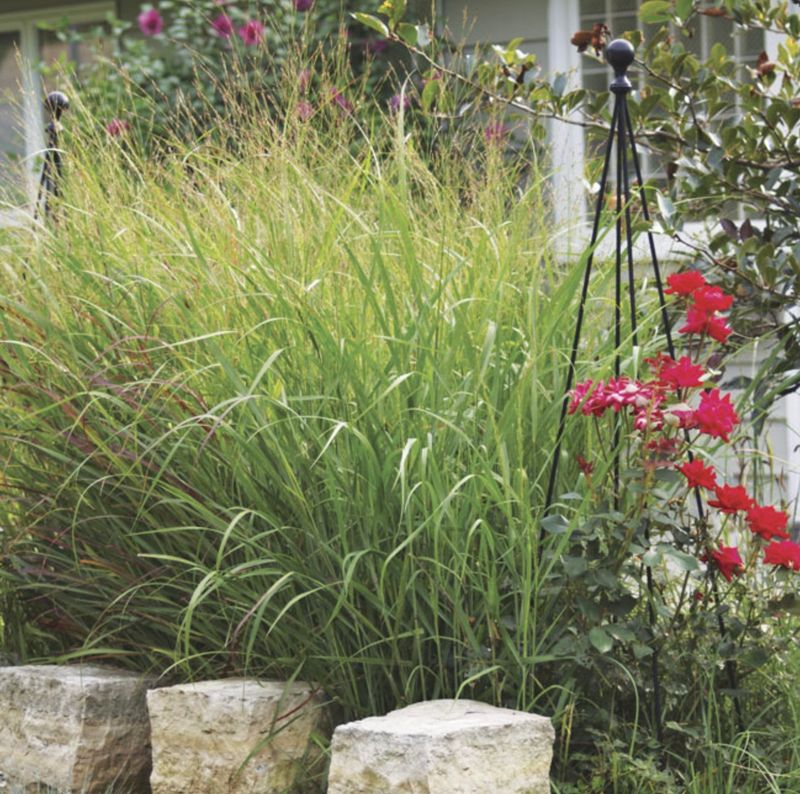
Not every yard has rich, perfect soil, and that is where switchgrass really shines. Once it settles in, this grass shrugs off dry spells that would trouble fussier plants.
Established switchgrass handles drought like a champ. Its deep root system stores and finds moisture even when rain stays away for weeks at a time.
Those roots can stretch several feet down into the earth. This gives the plant access to water hidden far below the dry surface, keeping it alive during long stretches without rain.
Gardeners with sandy or poor soil often struggle to grow much of anything. Switchgrass, however, does not mind less productive ground and often grows just fine there.
This makes it a wonderful choice for tricky spots where other plants give up. Sunny slopes, sandy corners, and open areas all suit it well.
Because it asks so little, switchgrass fits nicely into low maintenance gardens. You do not need to pamper it with constant feeding or special soil.
During its first year, regular watering helps the roots grow deep and strong. After that, the plant becomes remarkably self sufficient.
Pampas grass and many showy grasses need more care to look their best. Switchgrass rewards you with beauty while asking for very little effort.
For anyone who wants a tough, reliable plant that thrives in imperfect conditions, this native grass delivers. It turns problem spots into pretty parts of the garden with almost no trouble at all.
6. The Seed Heads Add Fall Texture
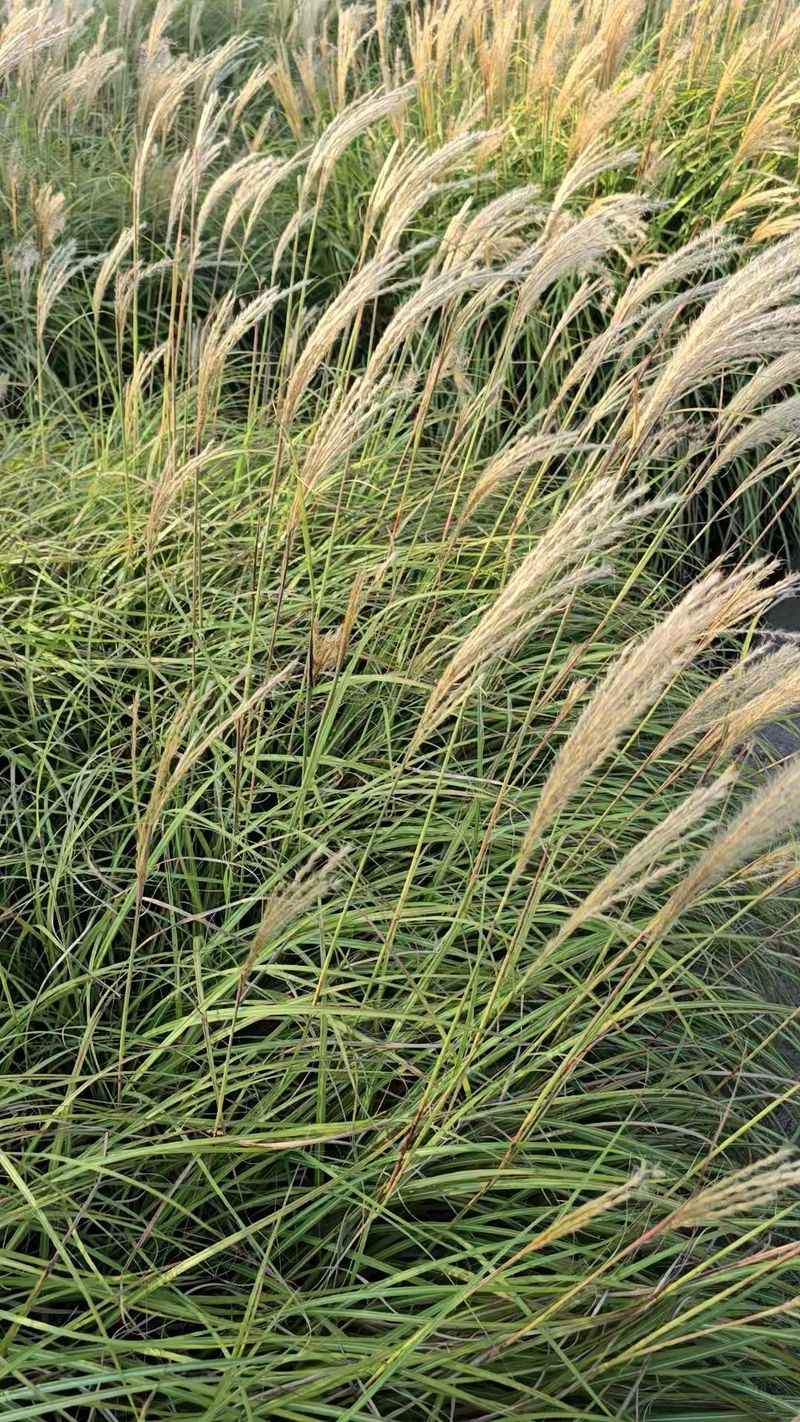
As summer winds down, switchgrass puts on one of its finest displays. Late in the season, it reaches full flowering and sends up airy seed heads that add rich texture to the garden.
These delicate seed heads float above the leaves like a soft cloud. They catch the light and add a fine, feathery detail that few other plants can match.
The show does not stop when the flowers fade. As fall arrives, the seed heads mature and the whole plant begins shifting into warm autumn colors.
Leaves turn shades of gold, yellow, and sometimes deep red or copper. This changing color brings a cozy, seasonal glow to your yard just as other flowers begin to slow down.
Fall gardens can sometimes look tired, but switchgrass keeps the interest going. Its structure and color give you something beautiful to admire well into the cooler months.
The upright stems hold their shape even as the season changes. This steady form adds height and drama when many plants have already faded.
Sunlight streaming through the seed heads on a crisp autumn morning is a sight worth planting for. It creates a shimmering effect that feels almost magical.
Birds also enjoy the seeds during this time, adding movement and song to your garden. You get beauty and wildlife all in one plant.
For a landscape that stays lively long after summer, these graceful seed heads make switchgrass a standout choice among native grasses.
7. Leave It Standing For Winter
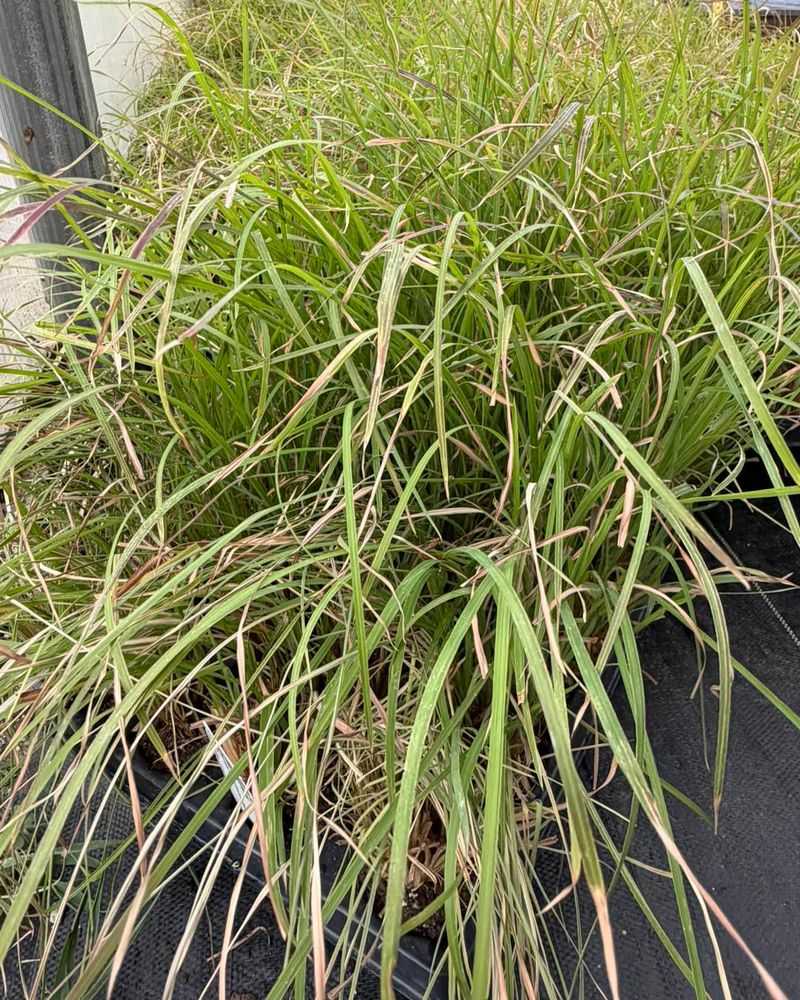
When cold weather rolls in, resist the urge to cut your switchgrass back. Leaving it standing turns a bare winter yard into something worth looking at.
The strong, upright stems hold their shape through snow and wind. Their tan and golden tones stand out beautifully against a white winter backdrop.
Those sturdy seed heads add height and structure when most of the garden has gone quiet. Instead of an empty space, you get a graceful winter silhouette.
Frost and snow settle gently on the stems, creating a scene that looks like something from a postcard. Each morning can bring a fresh, sparkling display.
Wildlife benefits too during these lean months. Birds find seeds to eat and use the thick clumps as shelter from harsh winds and cold.
Leaving the grass up also protects the plant itself. The old stems help shield the base and roots until warmer weather returns in spring.
When you finally trim it back in early spring, you clear the way for fresh new growth. Cutting it low just before the plant wakes up works best.
Many gardeners rush to tidy everything before winter, but switchgrass proves that a little patience pays off. Its winter presence adds beauty during the season that needs it most.
So skip the fall haircut and enjoy the show. Standing tall through the cold, this grass keeps your garden interesting when little else does, giving you a reason to smile out the window.
8. Choose The Right Switchgrass For Your Yard
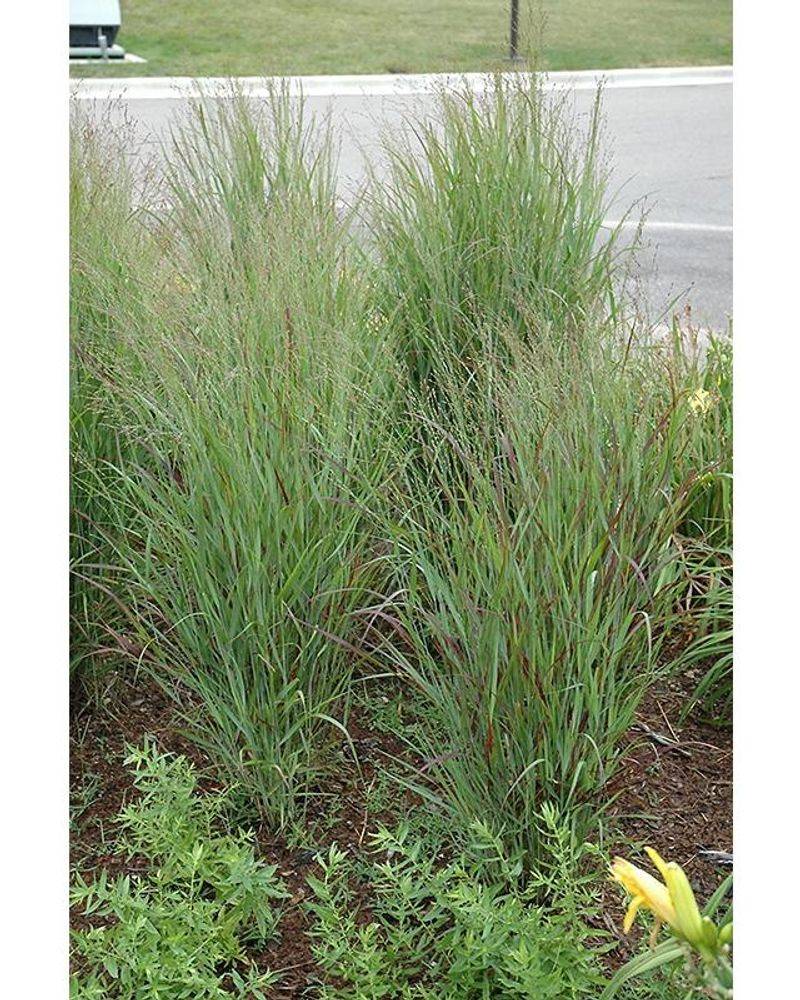
Not all switchgrass is exactly alike, so picking the right type makes a big difference. A little planning helps you find the perfect match for your space.
Different varieties, called cultivars, come in a range of sizes and colors. Some stay compact and tidy, while others grow tall and bold for a striking display.
Start by thinking about your region and climate. In Michigan, cold tolerant upland types tend to perform best and handle winters with ease.
Next, consider how much room you have. A small garden bed may call for a shorter cultivar, while a large open area can showcase the taller kinds.
Mature size matters more than people expect. Reading the plant tag helps you avoid crowding and keeps your garden looking neat as everything fills in.
Soil type plays a role too. Some cultivars prefer moist ground, while others thrive in dry, sandy spots, so match the plant to your conditions.
Color choices add even more fun to the process. Certain varieties turn lovely shades of red or burgundy, while others glow in soft blue green or golden tones.
Talking with a local nursery can point you toward the best options for your area. Staff often know which cultivars shine in Michigan gardens.
Taking a few minutes to choose wisely saves headaches later. The right plant in the right place grows stronger and looks better for years.
With so many wonderful choices available, there is a perfect switchgrass waiting for nearly every yard and gardener.