Why Loquat Trees Are California’s Most Overlooked Backyard Fruit Tree
California backyards hide plenty of surprises, but one of the best often sits right in plain sight.
You may have walked past it for years. The leaves look bold and tropical. The canopy stays full when many other fruit trees look sleepy. Then, during the cooler months, something unexpected starts to happen.
A soft fragrance drifts across the yard. Small blossoms appear when the usual backyard stars have very little to say.
A few months later, the same branches offer another surprise, this time with color you can spot from across the garden.
So why does this tree still get overlooked?
Part of the problem may be familiarity. Some Californians see it so often that they stop noticing what it can actually do. Others know the tree but have never tasted fruit picked at the right moment.
That makes this backyard classic worth another look. Give it a minute, and you may ask why it never ranked higher on your list.
Especially once you see what one tree really offers.
1. Evergreen Foliage Keeps The Backyard Looking Full
A fruit tree does not need fruit on its branches to earn attention.
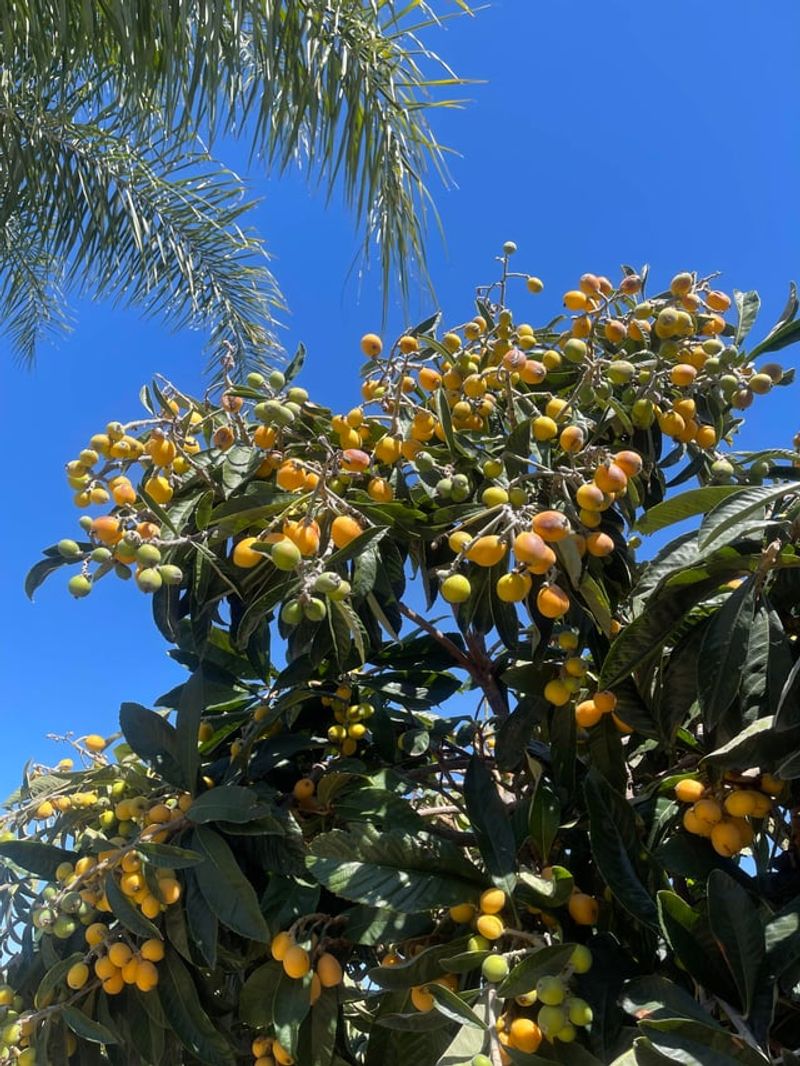
Loquat proves that point every month of the year. Its large, leathery leaves stay green through the seasons, so the tree keeps some visual weight even when nearby deciduous trees look bare.
The leaves do plenty of the decorative work. They are deeply veined, glossy on top, and softly fuzzy underneath. That texture gives the canopy a lush look without making the tree feel overly formal.
For California gardeners, that can be useful. A loquat can act as a fruit tree, a backdrop, or a leafy screen at the same time. You get structure without waiting for spring to put the garden back together.
There is one housekeeping detail worth knowing. Those big leaves eventually drop, and they are not exactly shy about it. A tree beside a pool, narrow walkway, or gutter may hand you more cleanup than you wanted.
Give it a little breathing room instead. In the right spot, fallen leaves become a minor chore rather than the tree’s whole personality.
That is where loquat earns bonus points. Even between bloom and harvest, it still looks like it has a job to do.
Fruit is wonderful. A tree that also keeps the yard from looking half dressed in January is even better.
2. Late-Spring Fruit Fills An Overlooked Harvest Window
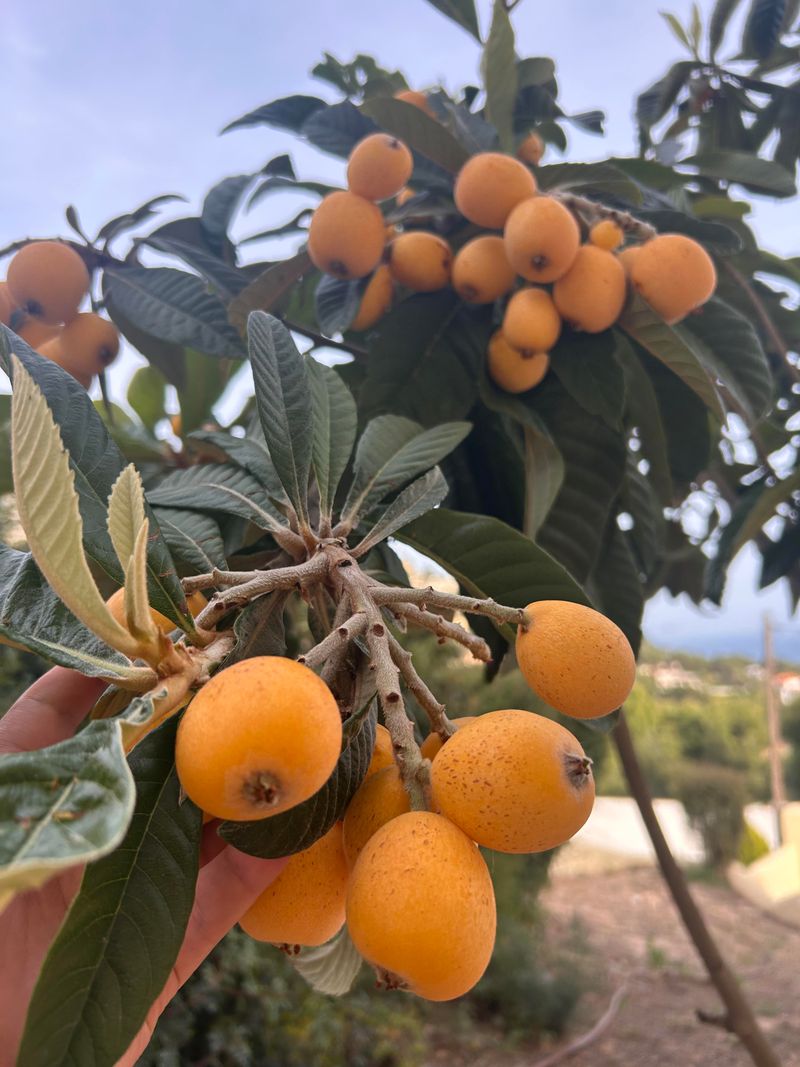
Loquats know how to make an entrance at harvest time.
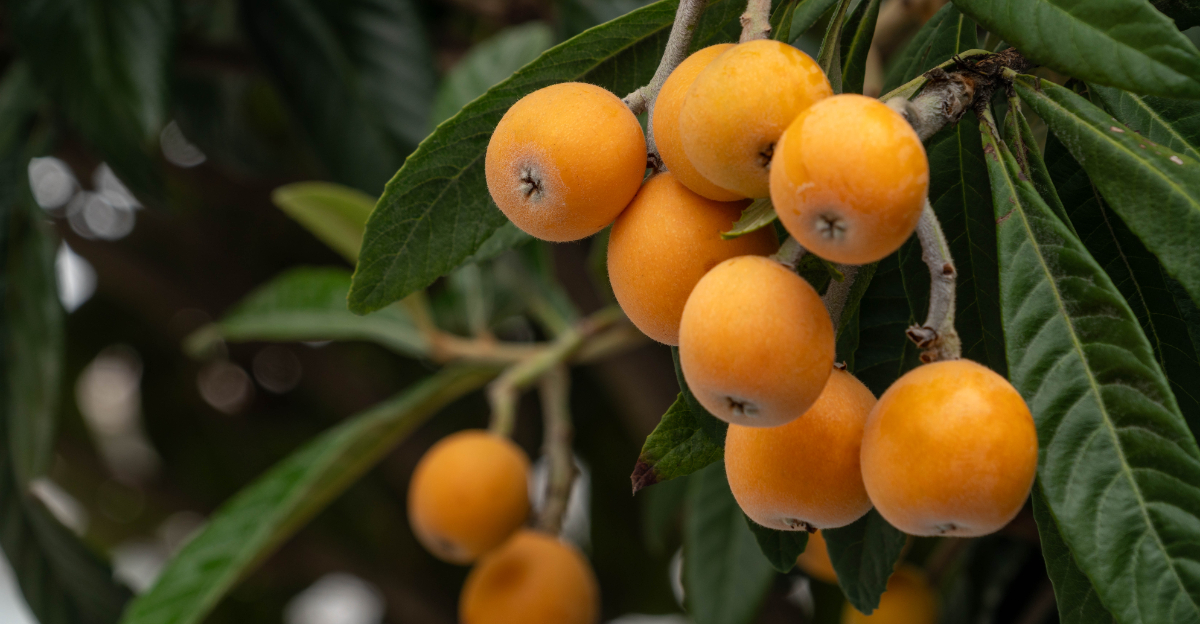
Clusters of yellow to orange fruit can cover the outer branches in late spring or early summer, depending on where you garden in California and which cultivar you grow. Coastal gardens may see ripe fruit earlier. Inland areas can run a little later.
Do not rush the picking part. Loquats develop their best flavor after they color fully and soften slightly on the tree. Fruit picked too early can taste firm, tart, and disappointingly starchy.
That one mistake has probably given this tree more bad reviews than it deserves.
Your California Garden Changes Every Week. Your Plan Should Too.
Gardening in California changes quickly throughout the season. Every Friday you’ll receive a simple weekly plan showing exactly what to plant, prune, fertilize, harvest, and protect so you never miss the right timing.
Use your hands and eyes instead of the calendar alone. Look for rich color. Press very gently. Ripe fruit should give a little and usually separates from the stem without a wrestling match.
Once ready, the fruit has a sweet flavor with a mild tart edge and a soft, juicy texture. It is excellent fresh, but jams, preserves, desserts, and sauces can handle a generous crop too.
You rarely see perfect loquats stacked high at standard grocery stores. The fruit is tender and does not travel or store especially well. That inconvenience becomes a backyard advantage.
You get to eat it where it performs best, close to the tree and at full ripeness.
Some fruits travel well. Loquats would rather stay home and invite you over.
3. Winter Flowers Bring Fragrance At An Unexpected Time
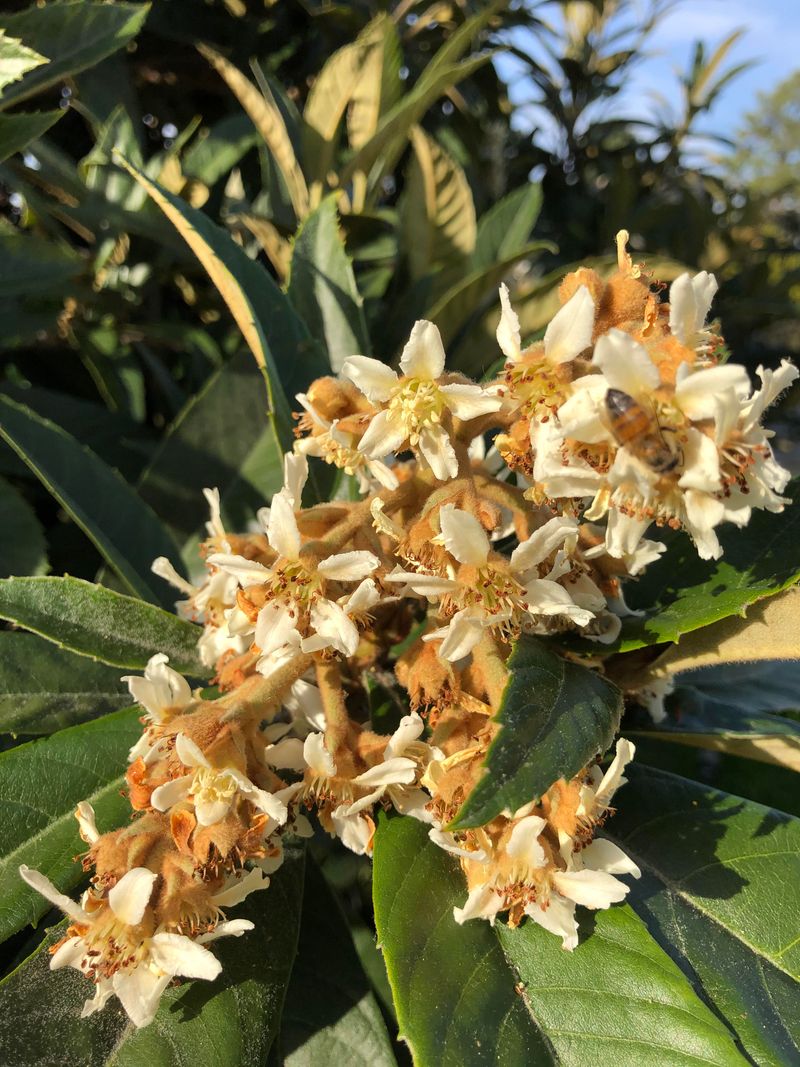
Winter is not usually when people expect a fruit tree to smell like dessert.
Loquat ignores that expectation. Its small cream-colored flowers appear in clusters from late fall through winter, and the fragrance can carry surprisingly well through a cool yard.
The flowers themselves are modest. They do not put on the giant spring display of a flowering cherry or peach. Their scent does the attention grabbing instead, with sweet notes often compared with honey or almond.
That timing gives the tree a strange little advantage. When much of the edible garden feels quiet, loquat suddenly has something going on.
You will probably notice the fragrance before you stop to inspect the flowers. That is part of the fun. The tree quietly announces itself without covering the lawn in petals or demanding center stage.
Cool-season bloom does come with a catch. Open flowers and young fruit can suffer during stronger frost events. Mild coastal parts of California usually have fewer problems, while colder inland valleys and foothill gardens may need more careful placement.
A protected spot near a warm wall can sometimes help in frost-prone areas.
Loquat is also largely self-fruitful, so one tree can produce a crop without a second loquat planted nearby.
That makes the winter show even more useful. The flowers smell good, look charming, and are already working on dessert.
4. Flexible Light Needs Make Loquat Easier To Place
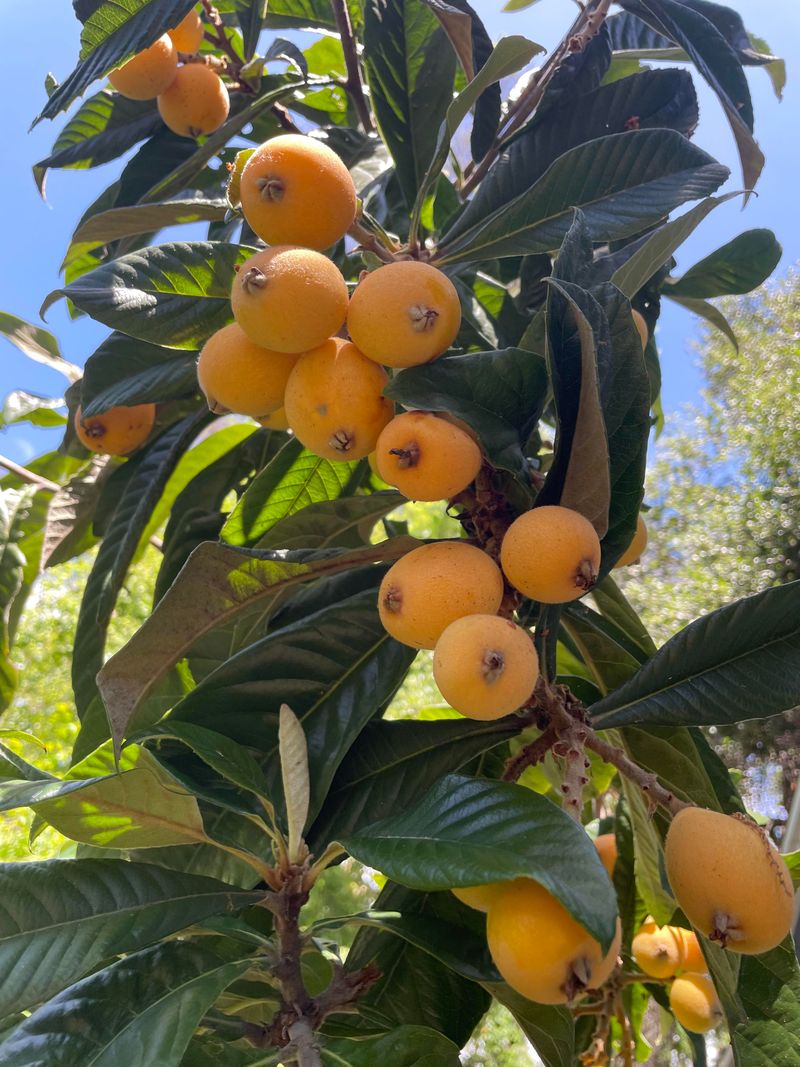
A sunny backyard is great. A perfectly sunny backyard is another story.
Loquat gives California gardeners some flexibility because it can grow in full sun or partial shade. Full sun usually supports heavier fruit production, but the tree can still stay handsome and healthy with less direct light.
That matters in real yards. Fences, neighboring houses, patios, and mature trees rarely leave every planting spot with eight hours of uninterrupted sunshine.
In coastal California, bright conditions with some cloud cover or partial shade can still suit loquat well. Hot inland gardens may even benefit from a little afternoon relief, especially where reflected heat turns a wall or patio into an oven.
The trick is deciding what you want most from the tree.
For generous fruit, give it the sunniest practical location. For evergreen structure, screening, or shade, a site with partial sun may still work nicely.
Do not tuck it into deep shade and expect the same crop. Fewer hours of useful light can mean fewer flower clusters and less fruit.
This is one of those garden choices where perfection is not required. Match the spot to the job, then let the tree do what that location allows.
A loquat does not need the backyard’s VIP seat to be useful.
Still, hand it a sunny table and it may bring dessert.
5. Regular Pruning Keeps The Tree Backyard Friendly
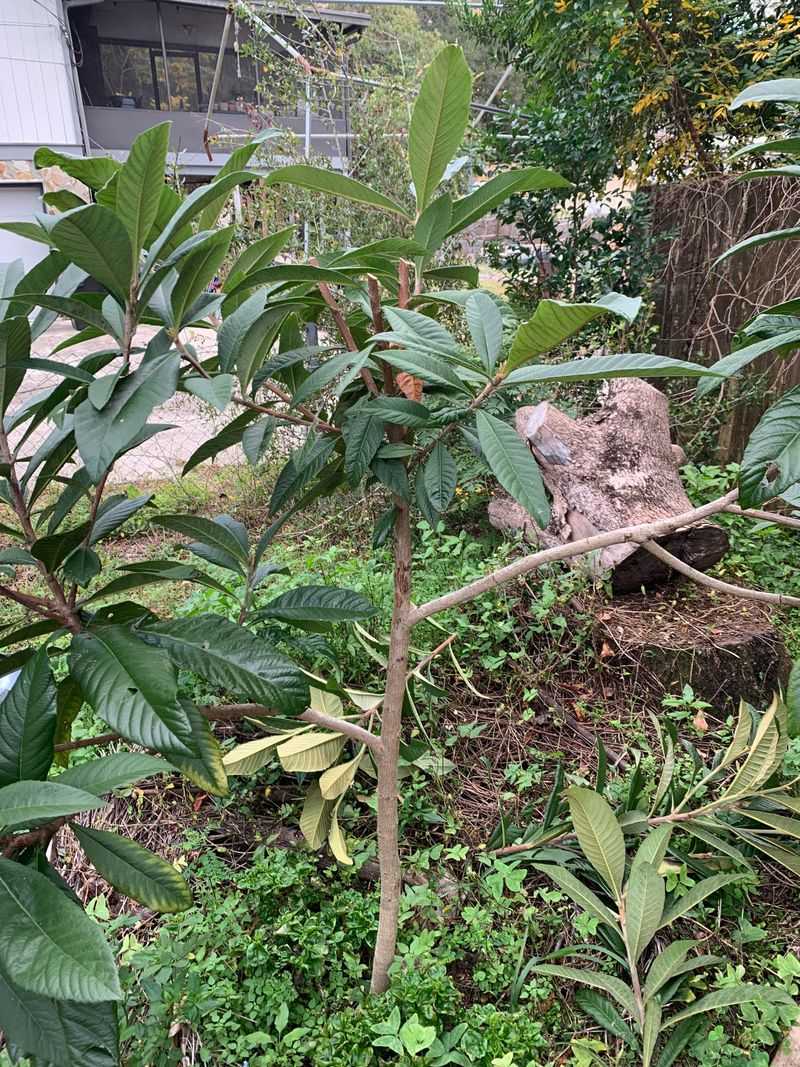
Loquats can get ambitious when nobody hands them a pair of pruning shears.
Left alone for years, a tree may become much larger than a gardener expected. That can be wonderful for shade, but less wonderful when ripe fruit sits far above your reach.
Regular pruning keeps the relationship much friendlier.
The easiest time to shape a loquat is after harvest, before the next strong flush of growth. Remove crossing branches, crowded interior shoots, and limbs that head toward roofs, paths, fences, or other awkward places.
Keep the cuts thoughtful rather than dramatic. Loquat generally responds better to light, regular shaping than to occasional major surgery.
You will thank yourself at harvest. An open, manageable canopy makes fruit easier to reach and gives light and air more room to move through the branches.
Start while the tree is young when possible. A small branch pointed toward the wrong place takes seconds to correct. Ten years later, that same decision can involve a ladder, a large saw, and several creative vocabulary choices.
Before planting, decide roughly how tall and wide you want the tree to become. Then guide it toward that size over time.
The goal is not to force a loquat into a tiny box. It is to keep the tree useful for the space you actually have.
Fruit tastes much better when you do not need climbing gear to reach it.
6. Large Containers Open The Door For Small Spaces
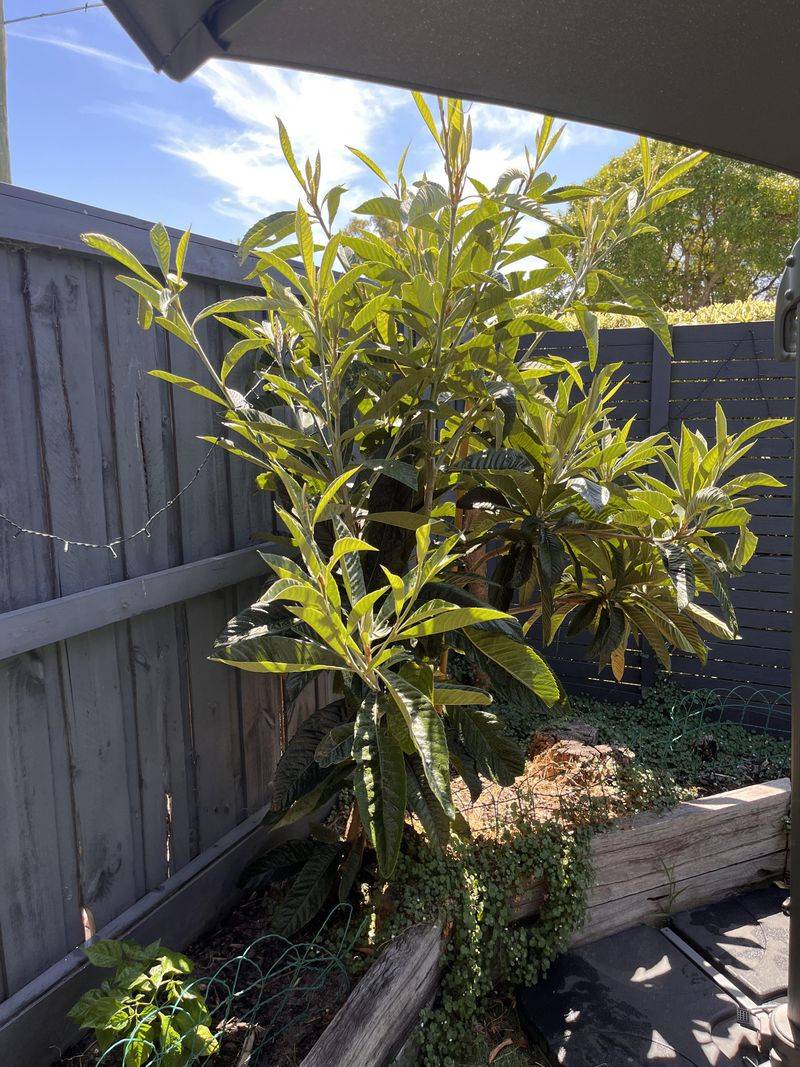
No backyard soil? Loquat may still have a seat on the patio.
A compact selection can grow in a large container, which opens the door for renters, small-space gardeners, and anyone who has more pavement than planting beds.
Container size matters from the start. Aim for something around 20 to 30 gallons or larger so the roots have room to develop. A tiny decorative pot may look cute for a season, but the tree will outgrow the arrangement quickly.
Drainage matters just as much. Use a container with generous drainage holes and a loose potting mix made for woody plants or citrus. Straight garden soil tends to compact in pots and can hold too much water.
Keep an eye on moisture during warm California weather. Containers dry faster than open ground, so a potted loquat may need more frequent checks and watering during summer.
Nutrients also wash through containers faster. Regular feeding during active growth can help keep leaves healthy and support fruit production.
Long-term care takes some effort. Roots eventually fill the available space, so the tree may need fresh potting mix, root pruning, or a larger container later.
Still, the payoff can be impressive.
A patio tree with evergreen leaves, fragrant winter flowers, and homegrown fruit feels slightly unfair to every ordinary flowerpot nearby.
7. Heavy Crops Can Be Thinned For Better Fruit
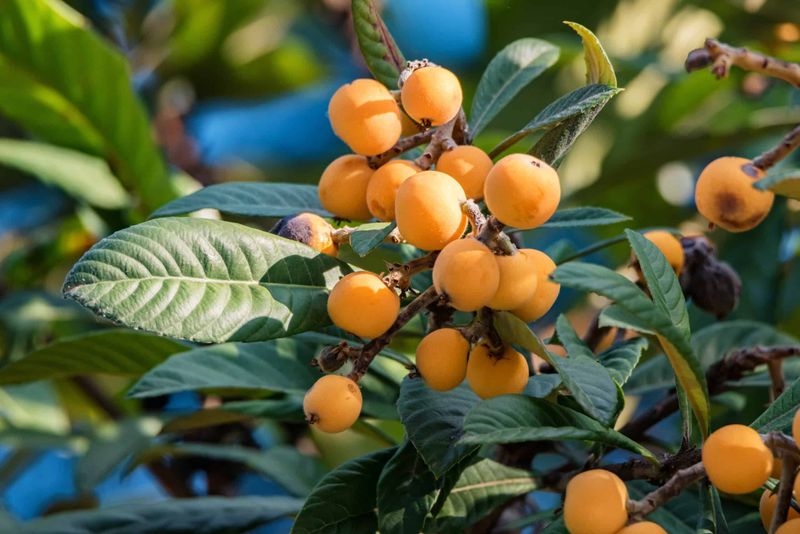
A loquat branch packed with tiny fruit looks impressive enough to earn a photo.
Then comes the slightly painful part. Some of those little fruits may need to go.
Heavy clusters can produce lots of small loquats instead of fewer, better-developed ones. Thinning gives the remaining fruit more room and lets the tree direct its resources into a smaller crop.
Do the job while the fruitlets are still small. Remove the weakest, most crowded, or awkwardly placed ones and leave several well-spaced fruits in each cluster.
Yes, it feels strange the first time. You spent months waiting for fruit, and now you are removing it on purpose. Garden logic can be rude like that.
The benefit usually shows later. Remaining loquats may size up better, and crowded branches carry less weight as the crop matures.
That second point matters on a heavily productive tree. Dense fruit clusters can put extra strain on smaller limbs, especially near the ends of branches.
Thinning does not guarantee enormous fruit or a perfect harvest. Weather, cultivar, irrigation, and tree health still have plenty to say.
It simply gives a crowded crop a better chance to develop well.
Once you taste a properly ripened, juicy loquat from a well-thinned cluster, tossing a few marble-sized fruitlets earlier in the season starts to feel much less tragic.
8. Dense Foliage Adds Structure Beyond The Harvest
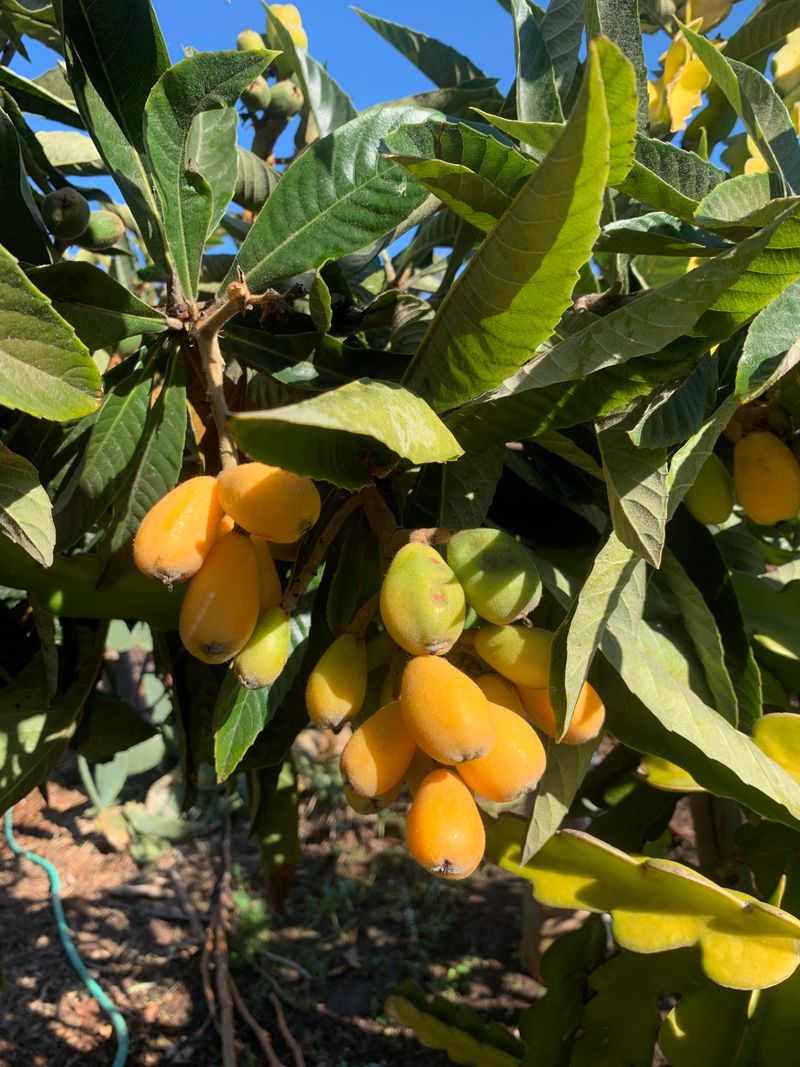
Some fruit trees earn their space only when harvest arrives.
Loquat can work for the yard every day.
Its evergreen canopy creates a strong visual anchor, especially in gardens that need height, privacy, or a leafy backdrop. The large leaves block sightlines well and can soften the look of fences, walls, and neighboring structures.
That makes placement important. Give the tree enough room to mature without crowding a roof, foundation, narrow path, or utility line. A good location now can spare you years of corrective pruning later.
Under the canopy, the garden changes too. Shade can create a cooler pocket during hot California afternoons, which gives shade-tolerant plants a more comfortable place to grow.
You can use that space to build layers. Low shrubs, groundcovers, or other plants suited to filtered light can turn the area beneath the tree into a finished garden instead of bare soil.
The tree can also help divide a yard visually. One well-placed loquat may separate a patio from a neighboring view or make a large open space feel more sheltered.
Then spring arrives and fruit shows up.
That is the trick with loquat. The landscape value does not disappear once you stop thinking about the harvest.
It feeds the garden’s design before it feeds you.
For one tree, that is a pretty good résumé.