8 Things New Jersey Lawns Require Before Fall Arrives To Keep Crabgrass From Spreading
Crabgrass is already stirring beneath your soil, quietly getting ready. Timing matters more than effort when caring for your lawn. New Jersey lawns face a short window before conditions change.
Late summer feels quiet, but seeds are already forming underground. Overlooking this stretch means facing more weeds next spring. Every lawn, thriving or struggling, faces the same situation now.
Homeowners across New Jersey often miss this important moment entirely. Nothing about crabgrass responds well to assumptions or delay. Action taken today shapes what your lawn looks like next year.
Patience alone will not replace precision when timing counts. Waiting longer simply means more work later, whether you notice or not. Your lawn’s future gets decided in these final summer weeks.
Small choices now determine how thick and green things grow. Understanding this timing gives you a clear advantage this season. You truly cannot afford to look away from this now.
1. Pre-Emergent Herbicide Sets Up Next Year’s Prevention
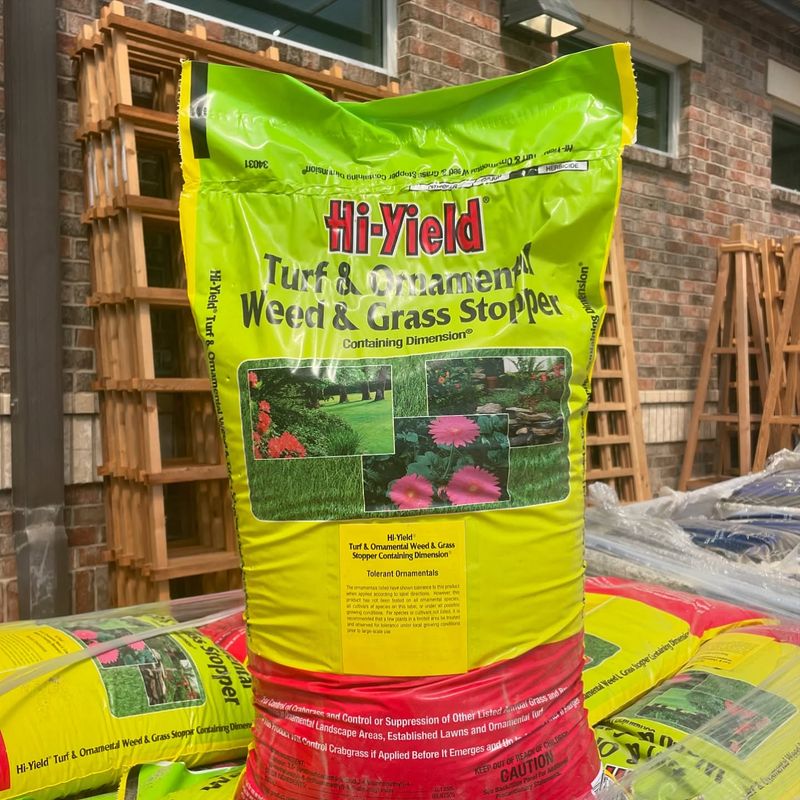
Timing is everything with pre-emergent herbicide. Most people think prevention only matters in spring, but late-season crabgrass is already preparing to drop seed for next year.
Pre-emergent herbicide works by creating a chemical barrier in the soil. That barrier stops weed seeds from developing roots after they sprout.
Applying it once soil temperatures consistently reach around 50 to 55 degrees Fahrenheit is the sweet spot. In New Jersey, that window usually falls in early to mid-spring, before crabgrass seeds get the chance to germinate.
Granular formulas are popular because they are easy to spread with a standard lawn spreader. Liquid options work faster but require more careful application to avoid runoff.
Always read the label before applying any herbicide product. Some formulas can interfere with overseeding, so timing your applications correctly matters a lot.
Skipping this step means crabgrass seeds already in your soil get a free pass to germinate. A single plant can produce a large number of seeds in one season, quickly multiplying next year’s problem.
Those seeds can stay dormant for years and sprout when conditions improve. Applying a pre-emergent now cuts off that cycle before it starts.
Look for products containing prodiamine or dithiopyr as the active ingredient. Both are proven effective for crabgrass prevention in lawns across the Northeast.
This is one of the most effective tools against crabgrass spreading, and planning it correctly now gives your lawn a serious head start next spring.
2. Mowing Height Should Increase Slightly
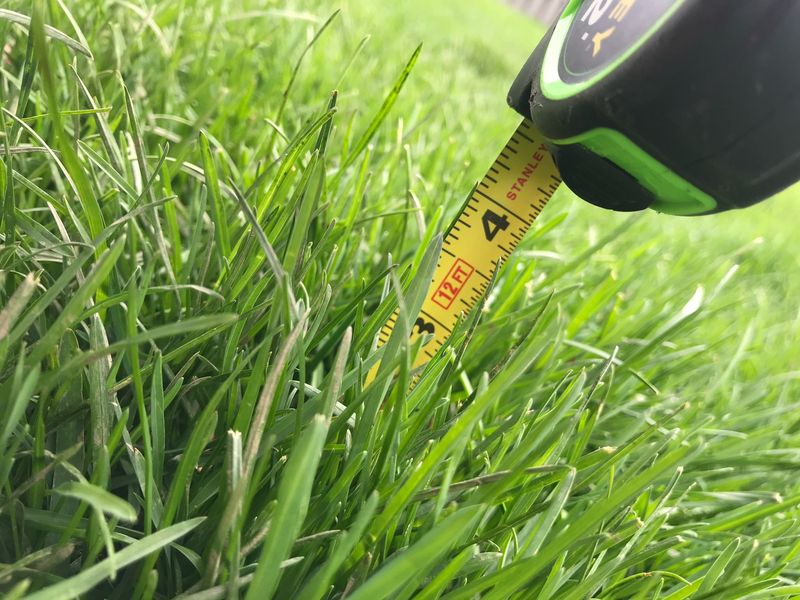
Your mower blade setting is more powerful than most people realize. Cutting grass too short is one of the biggest mistakes homeowners make heading into fall.
Taller grass shades the soil beneath it. That shade keeps soil cooler and prevents crabgrass seeds from getting the sunlight they need to germinate.
For cool-season grasses like tall fescue and Kentucky bluegrass, common in New Jersey, raise your mowing height to about 3.5 to 4 inches. That extra height makes a measurable difference in weed pressure.
Short grass also stresses the turf itself. Stressed grass develops shallow roots, which makes it less competitive against aggressive weeds like crabgrass.
Your New Jersey Garden Changes Every Week. Your Plan Should Too.
Gardening in New Jersey changes quickly throughout the season. Every Friday you’ll receive a simple weekly plan showing exactly what to plant, prune, fertilize, harvest, and protect so you never miss the right timing.
Never remove more than one-third of the grass blade in a single mow. Cutting too much at once shocks the plant and slows recovery significantly.
Sharpen your mower blade before the fall season begins. A dull blade tears grass instead of cutting it cleanly, leaving jagged edges that invite disease.
Mow consistently throughout fall, even as growth slows down. Skipping mows lets the lawn get uneven, which creates bare patches where weeds move in quickly.
Keep your last mow of the season at a slightly shorter height, around 2.5 inches. This helps prevent snow mold from forming over winter.
Adjusting your mowing height costs nothing and takes seconds, but the protective effect on your lawn lasts through the entire season.
3. Deep Watering Encourages Stronger Roots
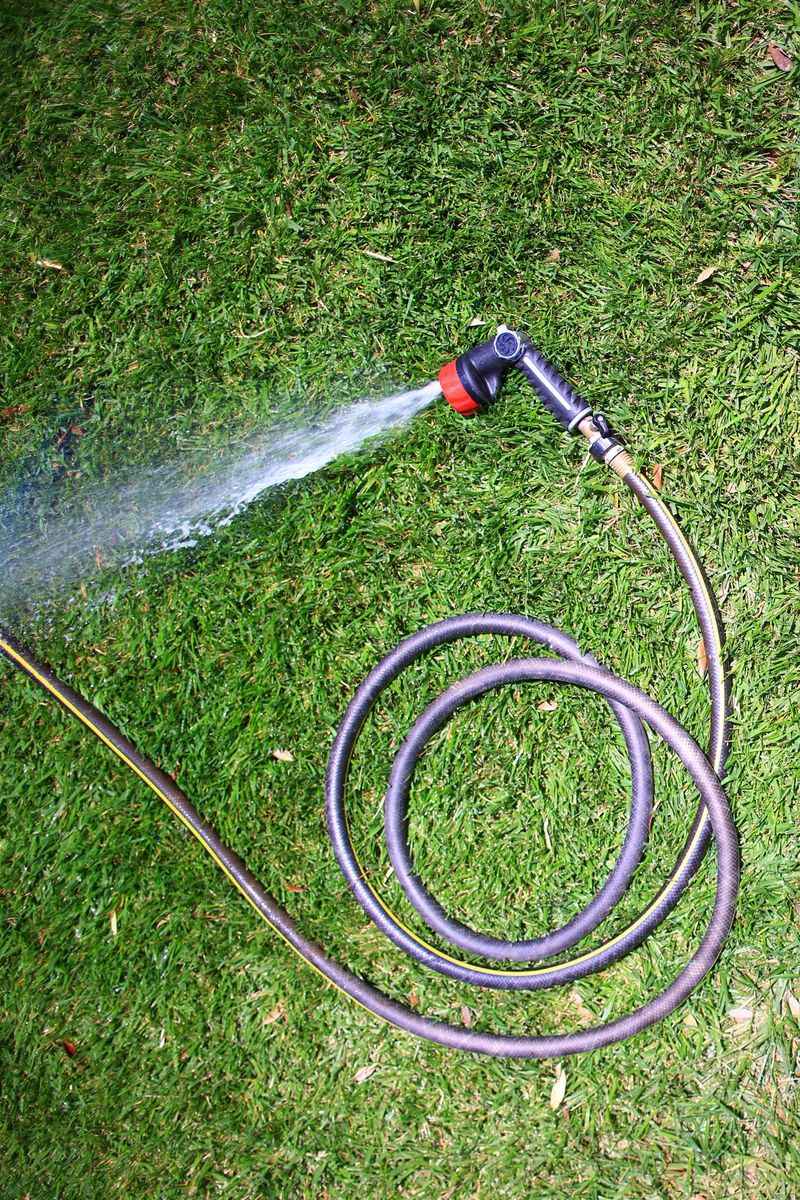
Shallow watering is a common mistake. It feels like you are helping your lawn, but it actually trains grass roots to stay near the surface.
Surface-level roots are weak roots. They dry out fast, stress easily, and leave your lawn vulnerable to weed invasion as temperatures shift.
Deep watering means soaking the soil to a depth of 6 to 8 inches. This encourages grass roots to grow downward, where moisture and nutrients are more stable.
A good rule of thumb is to water your lawn about one inch per week during late summer. That amount supports root development without overwatering the turf.
Water early in the morning whenever possible. Morning watering allows the grass blades to dry out during the day, which lowers the risk of fungal disease.
Evening watering leaves moisture sitting on blades overnight. That wet environment increases the risk of lawn diseases like brown patch and dollar spot.
Use a rain gauge or a simple tuna can to measure how much water your sprinkler delivers. Most homeowners are surprised by how little their systems actually put out.
During dry spells in August and September, increase your watering schedule slightly. New Jersey summers can turn dry fast, and drought-stressed grass loses its competitive edge against weeds.
Strong, deep roots are your lawn’s best natural defense against crabgrass spreading into thin or bare areas across the yard.
4. Nitrogen Fertilization Strengthens Grass Growth
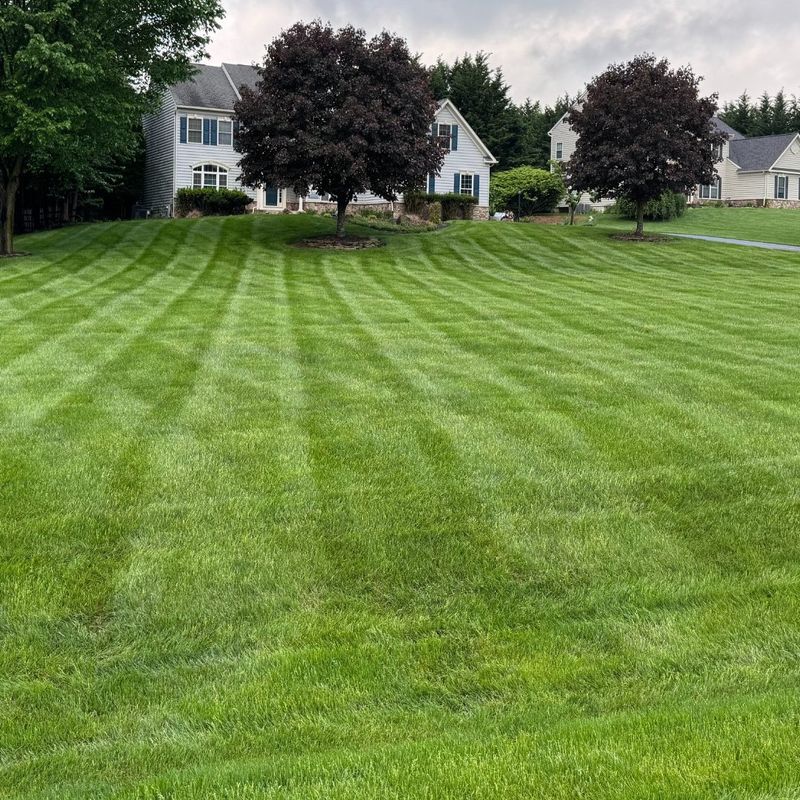
Fall fertilization is an often-overlooked but important step. While spring gets all the attention, fall feeding is actually more important for long-term lawn health.
Nitrogen is the key nutrient that drives leaf and shoot growth. A well-fed lawn in late summer and fall enters winter with strong reserves that fuel spring green-up.
For New Jersey lawns, the best time to apply a nitrogen-rich fertilizer is between late August and mid-October. This window aligns with the active growing period for cool-season grasses.
Look for a slow-release nitrogen formula. Slow-release products feed the grass gradually over several weeks, preventing the boom-and-bust growth cycle that fast-release fertilizers can cause.
A thick, well-fed lawn crowds out crabgrass naturally. Dense turf leaves no room for weeds to find bare soil and establish themselves.
Do not over-fertilize, though. Too much nitrogen too late in the season pushes tender growth that frost can damage easily.
Follow the label directions for your specific grass type and lawn size. Most products recommend a rate of about one pound of actual nitrogen per 1,000 square feet.
After applying fertilizer, water the lawn lightly to help the granules dissolve and move into the soil. Letting granules sit dry on the surface reduces their effectiveness significantly.
A properly fed lawn going into fall is a lawn that fights back against crabgrass spreading on its own terms.
5. Overseeding Crowds Out Thin Patches
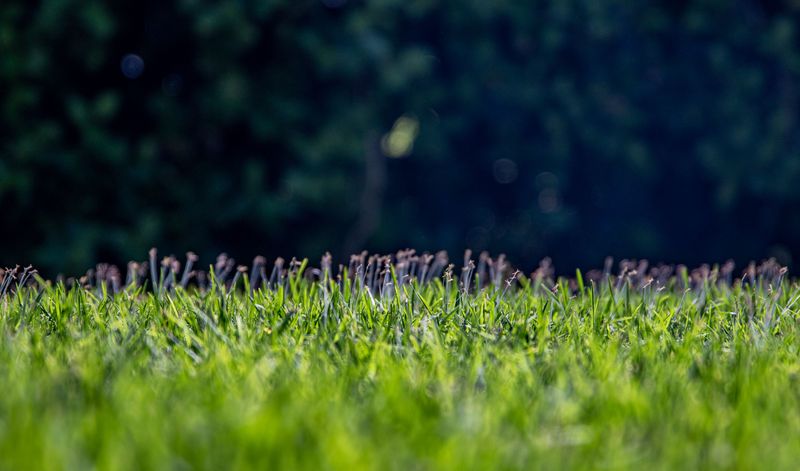
Bare spots allow crabgrass to establish quickly. Wherever grass is thin or absent, weeds spread rapidly into the open space.
Overseeding fills those gaps with fresh, healthy grass plants. A denser lawn is naturally more resistant to weed pressure throughout the year.
Late summer to early fall is the best time to overseed cool-season lawns in New Jersey. Soil is still warm enough to support germination, and cooler air reduces stress on new seedlings.
Choose a grass seed blend that matches your existing lawn type. Mixing fescues with bluegrass or ryegrass creates a lawn that handles both shade and sun well.
Before spreading seed, mow the lawn short and rake out any debris or dried grass. Good seed-to-soil contact is critical for successful germination.
A core aerator run over the lawn before overseeding dramatically improves results. The small holes allow seeds to fall directly into the soil instead of sitting on top of thatch.
Water new seed lightly and frequently, about two to three times per day for the first two weeks. The goal is to keep the top inch of soil consistently moist.
Once seedlings reach about 3 inches tall, reduce watering frequency and allow roots to chase moisture deeper into the soil.
A lawn thick with new growth going into fall has almost no room left for crabgrass to spread, and that is exactly the goal.
6. Aeration Relieves Soil Compaction
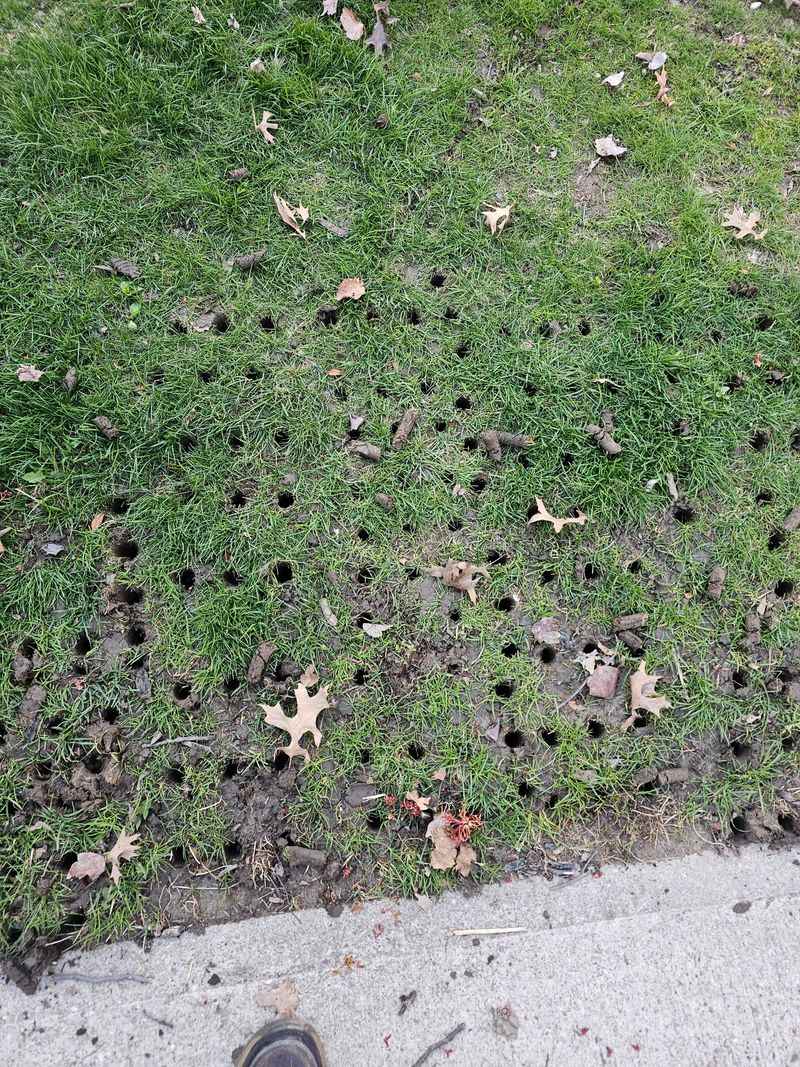
Compacted soil severely weakens lawn health. When soil particles are packed too tightly together, water, air, and nutrients cannot reach the root zone.
Grass struggling in compacted soil grows thin and weak. Thin grass creates exactly the kind of open space that crabgrass loves to exploit.
Core aeration is the solution. A core aerator pulls small plugs of soil out of the ground, creating channels for water and nutrients to penetrate deeply.
New Jersey soils, especially in older suburban neighborhoods, tend to compact heavily from foot traffic and years of mowing. Aerating once a year in fall makes a dramatic difference.
Rent a core aerator from a local equipment shop or hire a lawn care professional to handle the job. Either way, the results speak for themselves within a few weeks.
Leave the soil plugs on the surface after aeration. They break down naturally and return organic matter to the lawn, which improves soil structure over time.
Pair aeration with overseeding for best results. Seeds dropped into aeration holes have direct contact with loose soil, which boosts germination rates significantly.
Water the lawn thoroughly after aerating. Moisture helps the soil channels stay open and encourages grass roots to grow deeper into the newly loosened ground.
Healthy, aerated soil grows grass that is competitive and dense, significantly reducing the opportunities crabgrass has to spread.
7. Thatch Removal Helps Grass Breathe
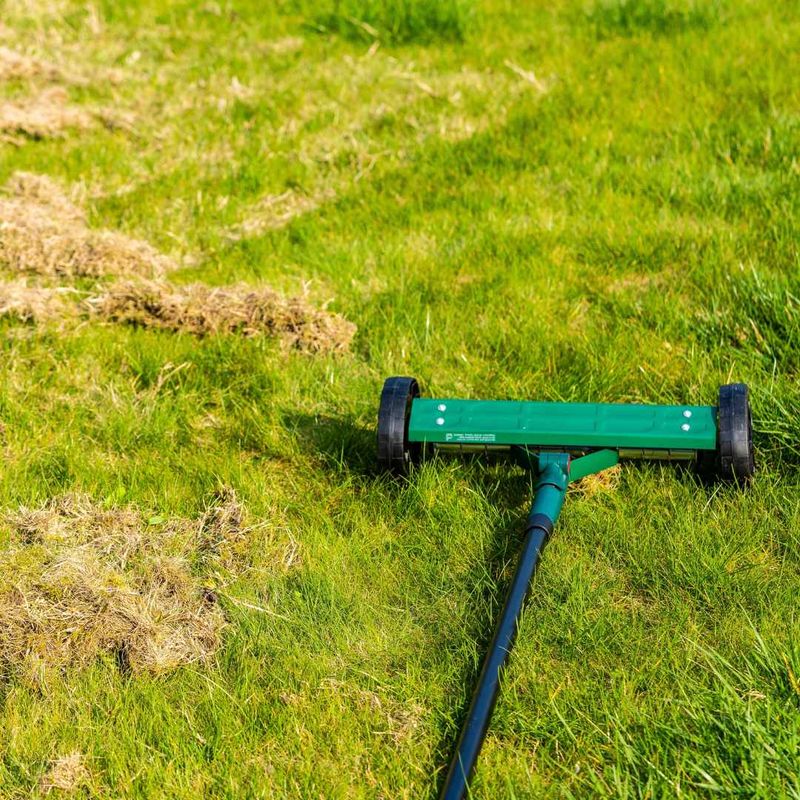
Thatch is that spongy brown layer sitting between your grass blades and the soil surface. A thin layer is fine, but too much thatch becomes a serious problem.
When thatch builds up past half an inch, it blocks water and fertilizer from reaching the roots. Grass weakens, roots stay shallow, and weeds find it easier to move in.
Crabgrass thrives in lawns with thick thatch because the loose organic material creates a perfect germination bed. Removing excess thatch takes away that advantage entirely.
Dethatching can be done with a manual thatching rake for smaller lawns. Larger lawns benefit from a power dethatcher, also called a vertical mower or scarifier.
Late summer to early fall is the right time to dethatch cool-season lawns. Doing it too late in the season does not allow enough recovery time before winter sets in.
After dethatching, the lawn may look rough and torn up. Do not panic, because this is completely normal and the grass rebounds quickly with proper watering and feeding.
Collect and remove the pulled-up thatch material from the lawn surface. Leaving large clumps behind can smother the grass and create new bare spots.
Pair dethatching with aeration and overseeding for a complete lawn renovation approach. These three steps together create a major transformation in lawn density and health.
A lawn that can breathe freely is a lawn that grows thick enough to keep crabgrass from spreading into every open corner.
8. Regular Monitoring Catches Early Crabgrass
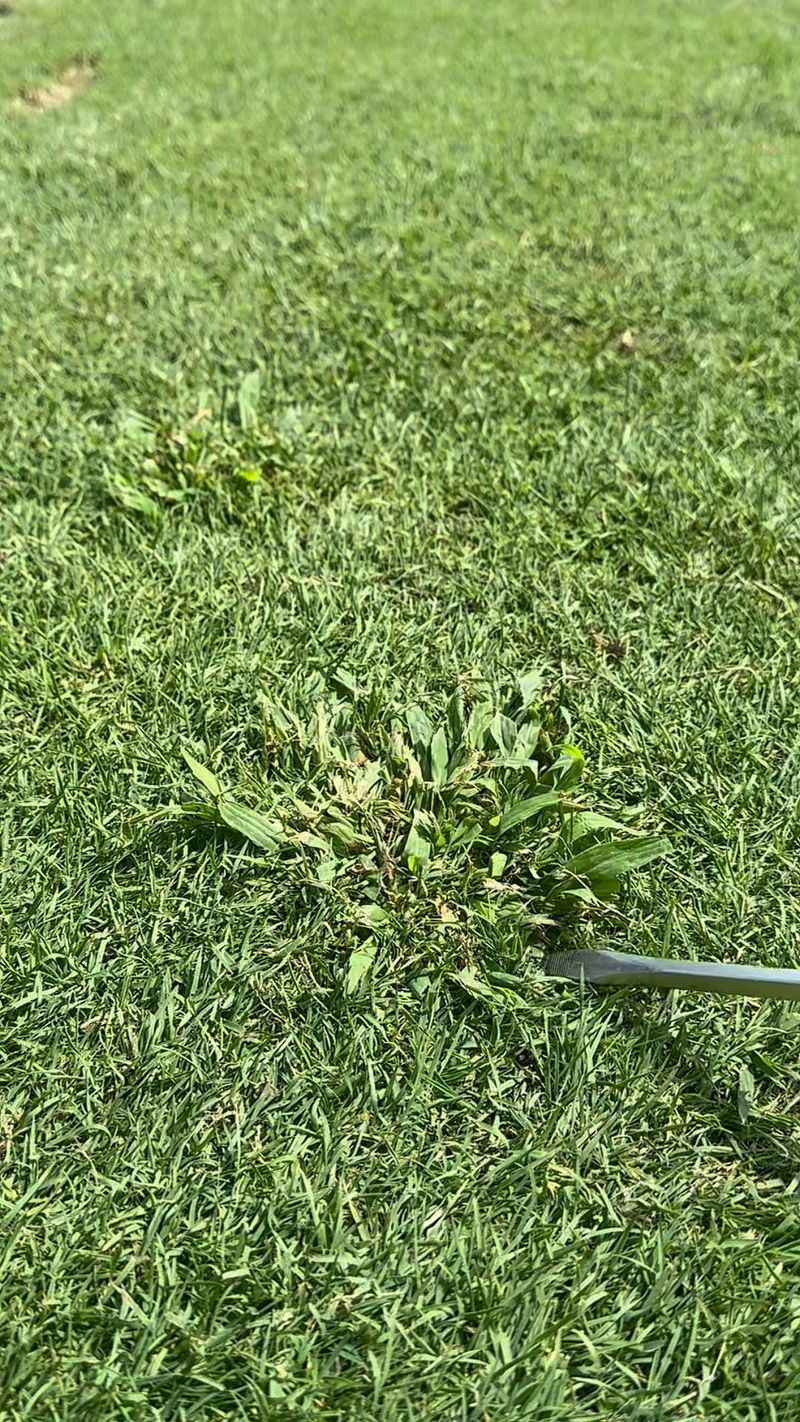
Catching crabgrass early is the difference between a quick fix and a widespread weed problem. Walking your lawn regularly gives you a head start that no product can replace.
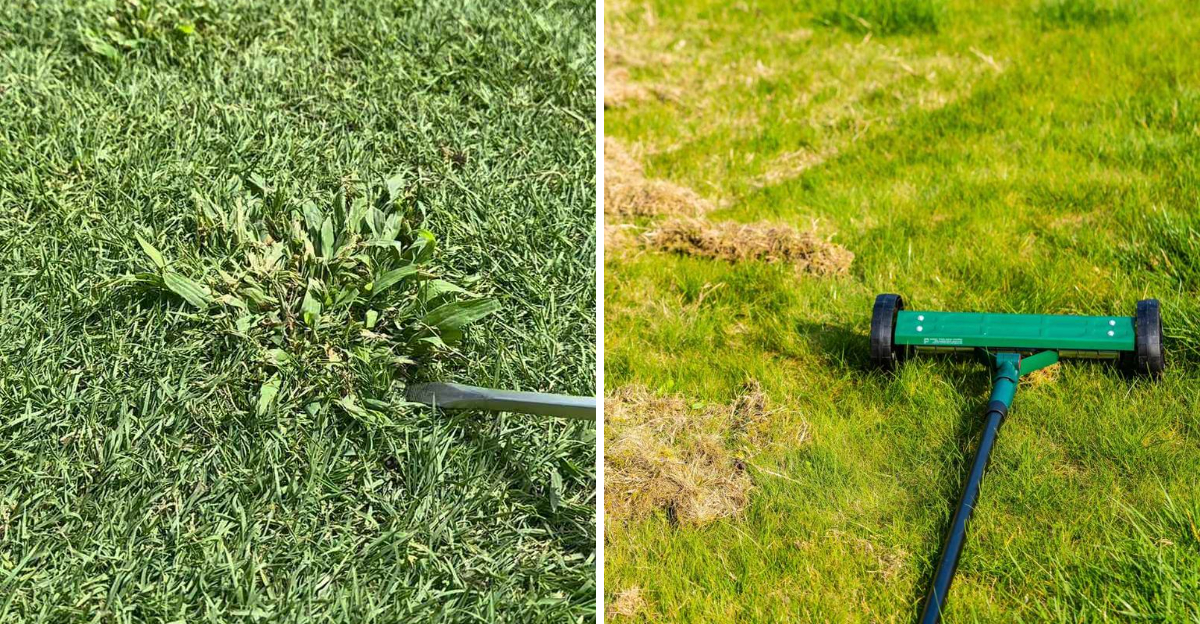
Crabgrass is easiest to spot in late summer when it spreads low and wide across the grass surface. Its light green color and star-shaped growth pattern make it stand out clearly.
Check your lawn at least once a week during August and September. Focus on edges near driveways, sidewalks, and thin areas where crabgrass tends to appear first.
When you find small patches, pull them out by hand before they drop seeds. Removing plants before they seed breaks the cycle and reduces next year’s pressure dramatically.
Use a weeding tool to get the full root system out of the soil. Leaving roots behind allows the plant to regrow and continue spreading across your lawn.
Keep a simple lawn journal to track where problems appear each season. Patterns often repeat in the same spots year after year, which helps you target prevention efforts precisely.
Take photos of suspicious plants if you are unsure whether they are crabgrass or a different weed. Local cooperative extension offices in New Jersey often offer weed identification assistance, sometimes free of charge depending on the program.
Share your observations with a neighbor or lawn care professional if problems seem widespread. Neighborhood-level awareness can help everyone manage crabgrass spreading across property lines.
Staying observant and proactive is the final piece of keeping New Jersey lawns free from crabgrass spreading season after season.