A Large Wild Visitor Is Wandering Closer To New Jersey Backyards Before Winter
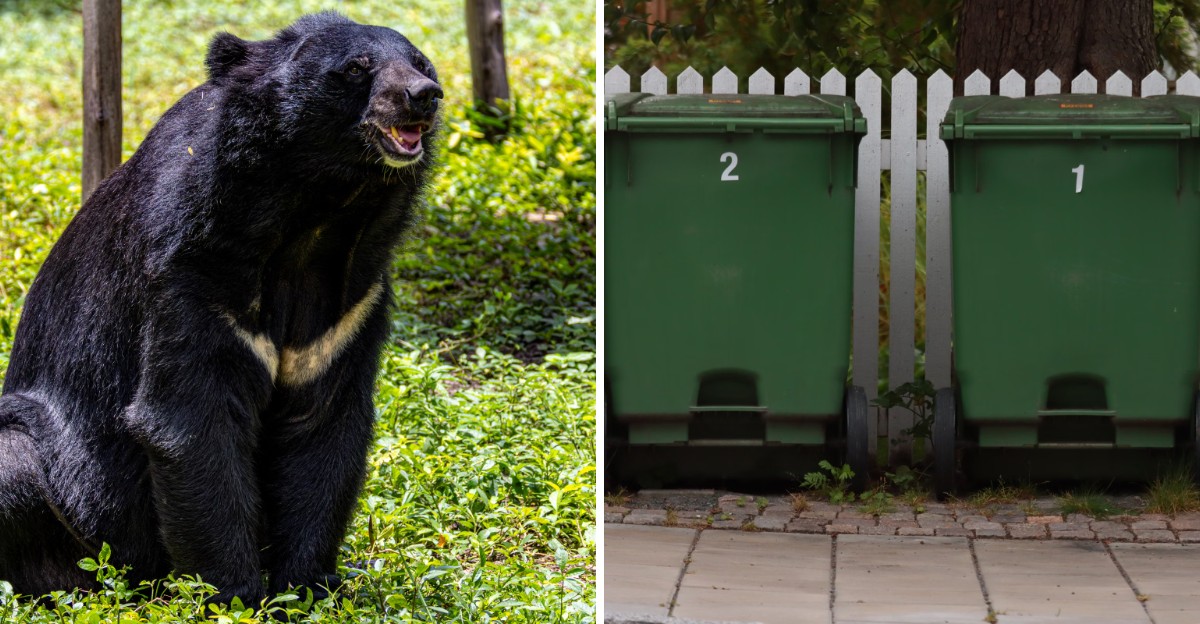
You can smell it before you see it. Somewhere past your fence line, a heavy body is moving. September turns black bears into nonstop eating machines. Hyperphagia pushes them to gain serious weight before winter closes in.
Apples, grass, and leftover barbecue scent carry for many miles. That yard can smell like an easy meal to a hungry bear. Trash cans and bird feeders can act as strong attractants.
Sussex County farmland already feels the pressure. Morris and Passaic suburbs report sightings climbing fast this month. Even towns far from wooded edges get surprise guests.
New Jersey’s bear population keeps pushing into new ground. Distance from the woods no longer keeps you safe. Small changes at home can cut your risk fast.
Calm, deliberate action keeps encounters brief and uneventful. Residents across New Jersey who act early avoid repeat visits. Your next move decides what happens in your yard tonight.
Autumn Appetites Send Bears On The Move
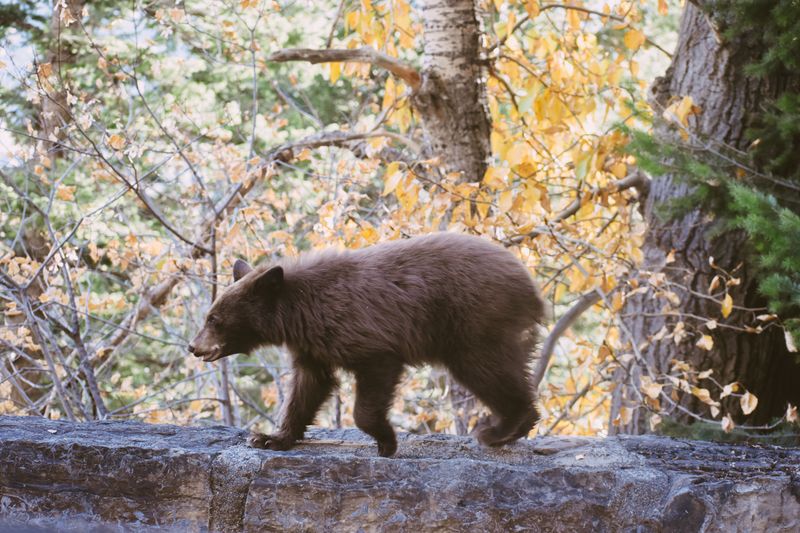
Picture spending most of your waking hours eating. That is roughly the pattern a black bear follows in September and October.
Biologists call the behavior hyperphagia, a fancy word for a huge seasonal appetite. Bears pack on fat reserves to carry them through the cold months when food gets scarce.
A grown male in New Jersey can weigh 400 pounds or more, and he may need thousands of calories a day. Acorns, beechnuts, berries, and insects fill much of that need in a good year.
When the wild nut crop comes up short, bears widen their search. That wider search is exactly how a backyard with a greasy grill or a full bird feeder lands on the menu.
Young males add to the traffic. Many leave their mothers around this age and wander for miles looking for territory of their own.
Those dispersing young bears often show up in places that surprise homeowners. A bear passing through is usually just passing through.
Movement also picks up because daylight shrinks and cooler nights make travel comfortable. Bears cover ground at dawn and dusk, when many of us are out walking or heading to the car.
Keeping food rewards out of reach during these weeks matters more than at any other point on the calendar. A bear that finds one easy meal often returns to check the same spot again.
Give the season a little respect and the wandering stays harmless. Most autumn encounters end with a bear strolling off into the brush.
Where In New Jersey These Visitors Show Up
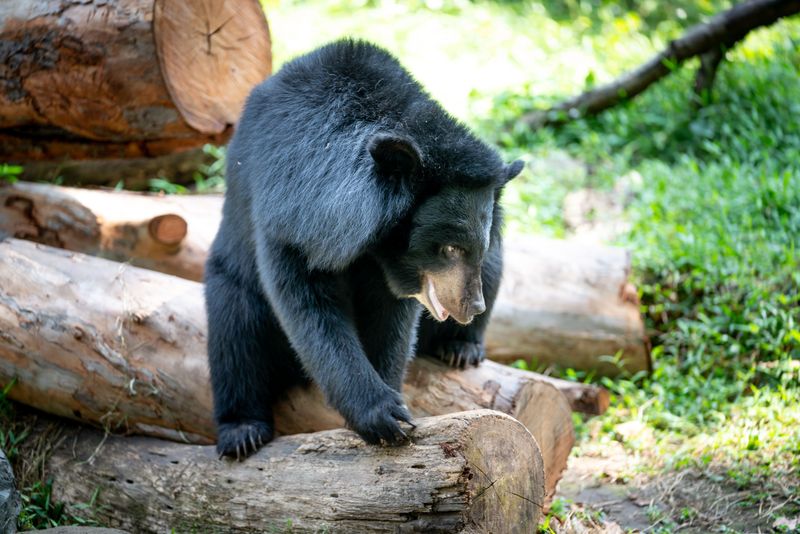
New Jersey is often cited as having one of the denser black bear populations among U.S. states, a notable fact for the state with the busiest highways. Habitat and food supply explain it.
The stronghold sits north of Interstate 78 and west of Interstate 287. Sussex, Warren, Morris, and Passaic counties report the steadiest activity year after year.
Bears have also been documented in all 21 counties at one time or another. Wildlife officials have tracked bears well beyond the core range, into counties such as Middlesex and Monmouth.
Your New Jersey Garden Changes Every Week. Your Plan Should Too.
Gardening in New Jersey changes quickly throughout the season. Every Friday you’ll receive a simple weekly plan showing exactly what to plant, prune, fertilize, harvest, and protect so you never miss the right timing.
Travel corridors do the heavy lifting. Bears follow stream valleys, powerline cuts, farm hedgerows, and protected greenways that stitch woodlots together like a hiking trail system.
That is why a bear can appear in a tidy cul-de-sac miles from any state park. The green ribbon behind the houses functions as a highway for wildlife.
Neighborhoods bordering the Kittatinny Ridge, the Highlands, and the Ramapo Mountains sit right at the edge of prime range. Homeowners there tend to develop bear habits quickly, like storing garbage in a garage.
Suburban towns farther east see fewer visits, but September brings occasional headlines anyway. A single wandering young male can sometimes pass through several municipalities in a short span.
Knowing whether you live in core range or the outer fringe helps you plan. Core-range residents benefit from year-round precautions, while fringe residents can focus on the fall stretch.
Either way, the state Division of Fish and Wildlife keeps sighting reports and guidance online. Checking it once before autumn saves plenty of guesswork later.
Trash Cans Are The Number One Invitation

Ask any wildlife officer what draws bears into neighborhoods and the answer arrives in one word. Garbage.
A bear’s nose is remarkably sensitive, and researchers believe it can detect food odors from a significant distance. Last night’s chicken bones might as well be a flashing sign.
Curbside cans left out overnight are the classic mistake. Bears learn the schedule fast, and they remember which streets pay off.
Storing containers inside a garage, shed, or sturdy outbuilding until collection morning solves much of the problem. If indoor space is tight, bear-resistant containers with locking lids are worth the investment.
Rinsing recyclables and double-bagging meat scraps cuts down odor. Some folks freeze smelly scraps and add them to the can right before pickup, a trick that works surprisingly well.
Spraying the inside of the can with diluted bleach or ammonia once a week helps too. Clean plastic simply broadcasts less scent.
Compost piles deserve attention. Keep them free of meat, dairy, and oily food, and turn them regularly so the pile stays hot and less fragrant.
Remember that feeding bears, even accidentally through careless trash, carries legal consequences in New Jersey. Fines exist because a food-conditioned bear becomes harder to manage and puts both the bear and residents at greater risk.
Talk with neighbors, since one unsecured can undoes a whole block’s effort. A quick group text before trash night builds a habit faster than any pamphlet.
Secure the garbage and you remove the main reason a bear lingers. Take that away, and the visitor keeps walking.
Bird Feeders, Grills, And Other Backyard Temptations
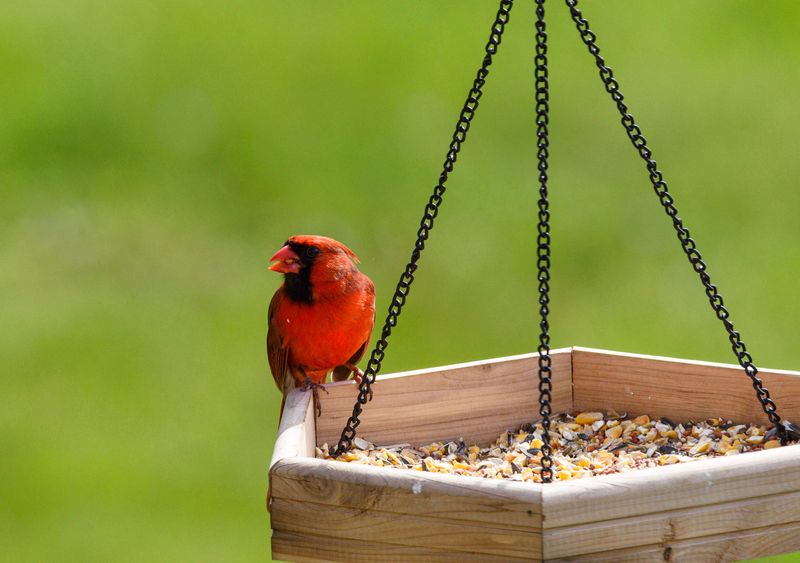
Sunflower seed is calorie-dense, which makes a backyard feeder a jackpot for a hungry bear. Suet blocks and hummingbird nectar rank right up there.
New Jersey guidance suggests taking feeders down from early spring through late fall, or at least through periods of bear activity. Many residents in bear country simply pause feeding until the ground freezes.
Bringing feeders in at night is not enough, because spilled seed under the pole keeps working as bait. Rake the area or move the station occasionally.
Grills tell a similar story. Burn off the grates after cooking, scrub them while warm, and empty the grease trap into a sealed container kept indoors.
Pet food left on a deck is another easy grab. Feed cats and dogs inside, and store big bags of kibble in a closed room rather than the porch.
Fruit trees and grapevines drop a steady supply of sugar in September. Picking ripe fruit and collecting windfalls under the tree cuts the attraction dramatically.
Vegetable gardens and chicken coops benefit from electric fencing, which teaches a bear to look elsewhere without any harm. Plenty of small farms in Warren County rely on it.
Beehives, koi ponds, and outdoor freezers round out the list of surprise draws. If it smells like protein or sugar, assume a bear can find it.
Clearing these temptations takes one weekend afternoon. The payoff is a yard that looks boring to a passing bruin, which is exactly the goal.
How To React If One Turns Up In Your Yard

Calm beats panic here, and the odds are strongly on your side. Black bears in New Jersey typically want distance from people.
Spot one from the window and the best first move is simply to stay inside. Let it finish its walk and move along.
If you are outdoors, avoid running. Stand tall, make yourself look big, and back away slowly while keeping the animal in view.
Noise works well. Shout firmly, clap, bang a pot, or use an air horn to let the bear know the yard belongs to someone else.
Give it an escape route and avoid getting between a mother and her cubs. Cubs that climb a tree usually come down once the coast is clear.
Watch the body language. Huffing, jaw popping, or swatting the ground signals stress, and a bluff charge is a warning rather than a real charge.
Keep dogs leashed during autumn walks, since a loose dog can turn a quiet encounter into a chase. Store the leash by the door as a reminder.
Report any aggressive behavior, property damage, or a bear that will not leave to the New Jersey DEP hotline at 1-877-WARN-DEP. Local police can also reach wildlife officers.
Teach kids a simple rule: go inside and tell an adult. Practicing that once makes the response automatic.
Neighborhood group chats help spread word about a wandering visitor. A little shared awareness keeps everyone relaxed and the bear moving on.
Winter Slowdown And What Comes Next

Here is a fun bit of biology: New Jersey black bears do not truly hibernate the way groundhogs do. They enter a lighter state called torpor.
Denning usually begins in late fall and runs into early spring, though timing shifts with weather and food. A warm December with acorns still on the ground keeps some bears active.
Dens can be brush piles, rock crevices, hollow logs, or a scrape under a fallen tree. Some sit closer to houses than anyone would guess.
Pregnant females settle in earliest and give birth in January or February. Cubs weigh under a pound at birth and nurse while mom rests.
Because torpor is shallow, a bear can wake and step outside on mild days. Winter sightings happen, so keeping trash secure through the season pays off.
Spring brings hungry bears back onto the landscape, which is why fall habits are worth making permanent. A yard that never offered a meal rarely gets rechecked.
For gardeners, September is a smart time to plan. Install that electric fence, prune fruit trees, and set up a locking bin before the leaves finish falling.
Researchers with the state track bears through ear tags and collars, so reporting sightings adds real value to management decisions. Your photo can help build the record.
Living alongside a large wild neighbor takes practice, not fear. Handle the food sources, respect the space, and autumn in New Jersey stays as pleasant as it should be.