The Texas Plants That Quietly Attract Snakes To Your Yard Without You Realizing It
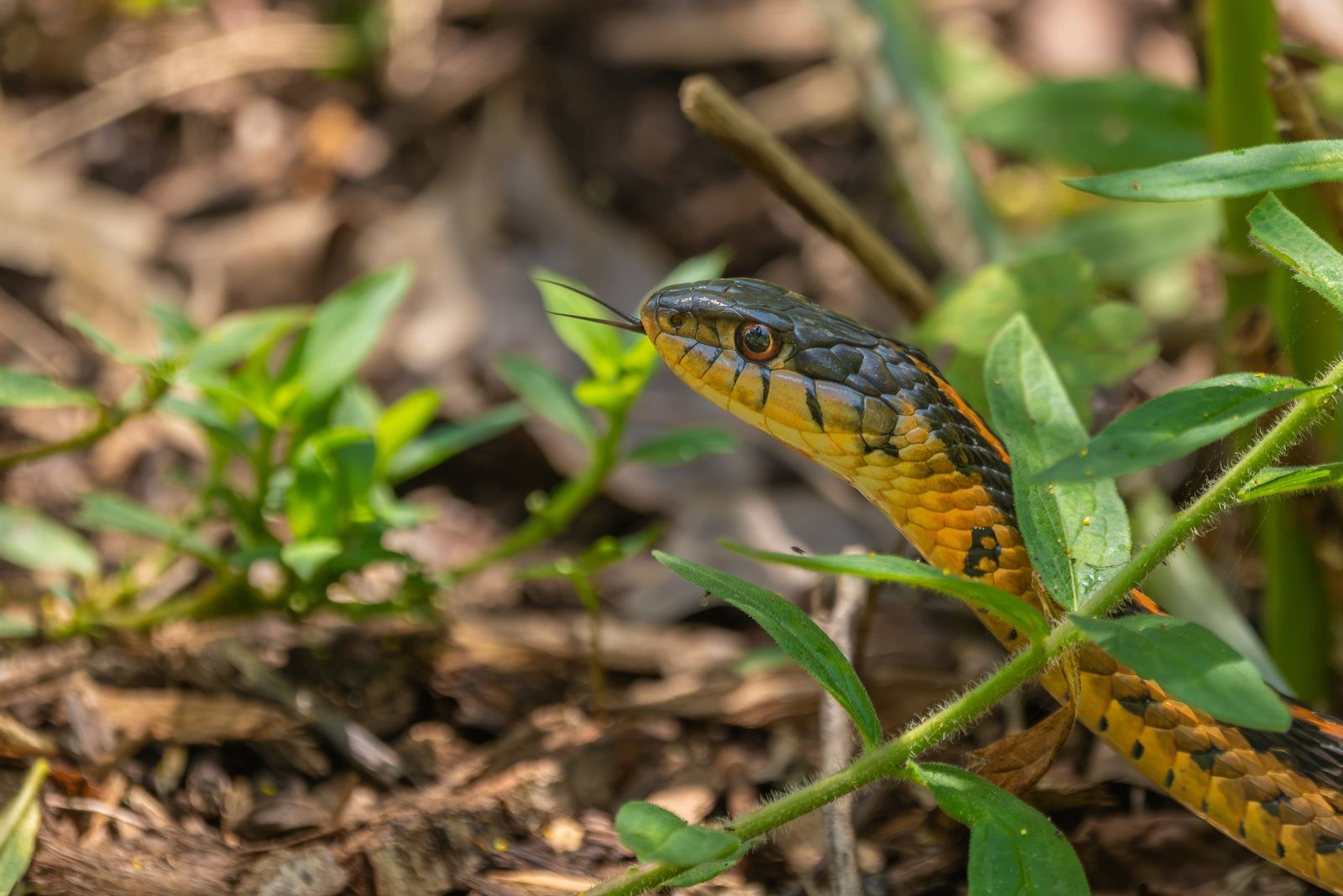
What if the reason snakes keep showing up in your Texas yard has less to do with where you live and more to do with what you’re growing? Most homeowners blame location, nearby fields, or just bad luck when snakes become a regular presence.
But snakes are not random visitors. They go where the conditions are right, and certain plants create those conditions more effectively than most people realize.
Some of the most common Texas garden plants are quietly rolling out the welcome mat for snakes without the homeowner ever connecting the dots. It’s not that these plants attract snakes directly. It’s more subtle than that.
They create the kind of microhabitat, dense ground cover, cool sheltered spaces, reliable prey populations, that snakes actively seek out.
Plant enough of them in the wrong configuration and you’ve essentially designed ideal snake habitat in the middle of your own yard.
Knowing which plants are doing this gives you a real and practical tool for making your outdoor space less attractive to the visitors you’d rather not encounter.
1. Asiatic Jasmine
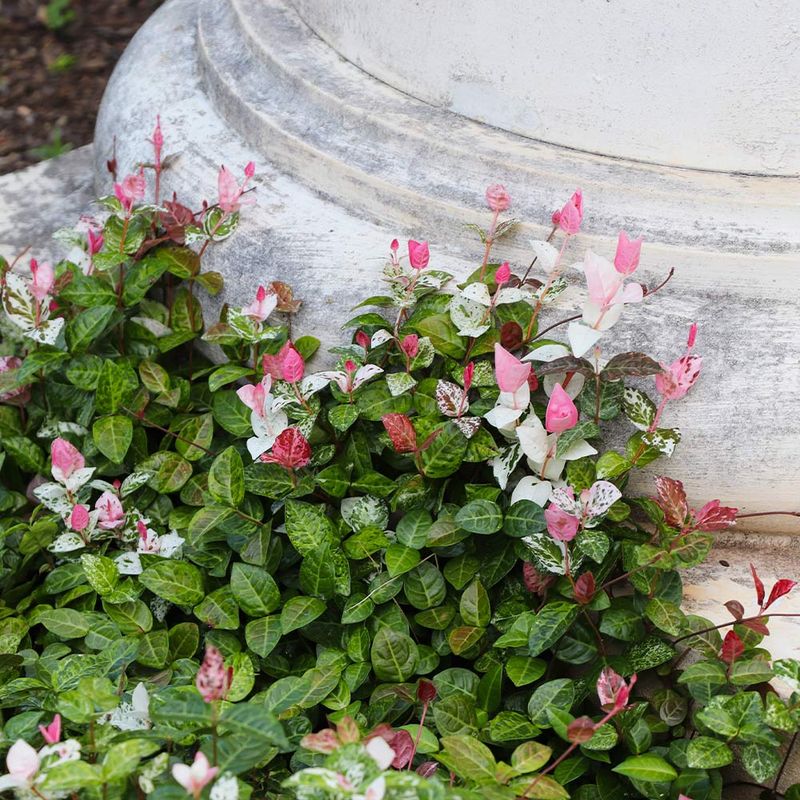
Walk barefoot near a thick patch of Asiatic jasmine and you might not think twice about it. It looks tidy, stays green all year, and covers bare soil beautifully.
But underneath those dense, tangled mats, there is a whole hidden world that snakes find very appealing.
Asiatic jasmine grows in tight, layered mats that press close to the ground. The thick coverage traps cool, moist air underneath, even on hot Texas afternoons.
Snakes are cold-blooded, so they actively seek out spots that help them regulate their body temperature. A shady, sheltered mat of jasmine is practically a perfect resting spot for them.
Small lizards, frogs, and mice also love hiding in dense ground covers like this one. Where small prey animals gather, snakes tend to follow.
So a patch of Asiatic jasmine near your front door or foundation is not just a plant, it is a habitat layered on top of a habitat.
The good news is that you do not have to remove it entirely. Keeping it regularly trimmed back from your home’s foundation and walkways makes a big difference.
Aim to leave a clear buffer of a few inches between the plant’s edge and any structure. Pulling back overgrown patches periodically lets light and air reach the soil, which makes the space less attractive to both snakes and their prey.
A little consistent maintenance goes a long way with this plant. Check underneath thick sections a few times each season, especially in spring and fall when snake activity tends to pick up across Texas.
2. Liriope
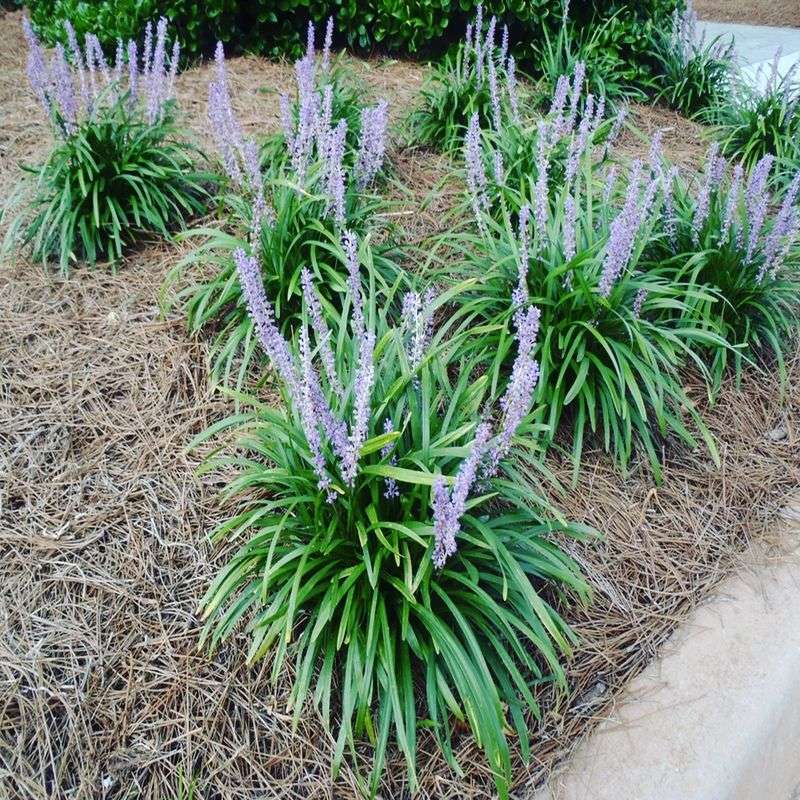
Liriope is one of the most popular landscaping plants in Texas, and it is easy to see why. It handles heat well, stays green through tough conditions, and lines walkways and garden beds with a neat, polished look.
Homeowners plant it everywhere, and honestly, it earns its reputation as a reliable border plant.
Here is the thing though: liriope grows in dense, rounded clumps that create shaded pockets right at ground level. Those clumps are exactly the kind of sheltered, low-profile hiding spots that smaller snakes prefer.
Your Texas Garden Changes Every Week. Your Plan Should Too.
Gardening in Texas changes quickly throughout the season. Every Friday you’ll receive a simple weekly plan showing exactly what to plant, prune, fertilize, harvest, and protect so you never miss the right timing.
A copperhead or a rat snake does not need much space to settle in, and a mature clump of liriope offers plenty of cover.
Beyond snakes themselves, liriope patches also attract the small creatures snakes feed on. Toads, skinks, and small rodents all use dense plantings as shelter.
When you have a food source consistently living inside your landscaping, you are essentially setting up a buffet that can pull in snake activity over time.
Managing liriope is straightforward. Thin out overgrown clumps near the house every year or two by dividing the plants and reducing their overall density.
Keep borders near entryways, garage doors, and HVAC units especially clean and well-spaced. Avoid letting liriope grow into large, unbroken masses right against your foundation.
Spacing plants slightly further apart allows better visibility into the planting bed and reduces the amount of sheltered ground-level space available.
A well-maintained liriope border still looks great and does the job without becoming a snake-friendly habitat. Regular attention through the growing season keeps things under control.
3. Monkey Grass
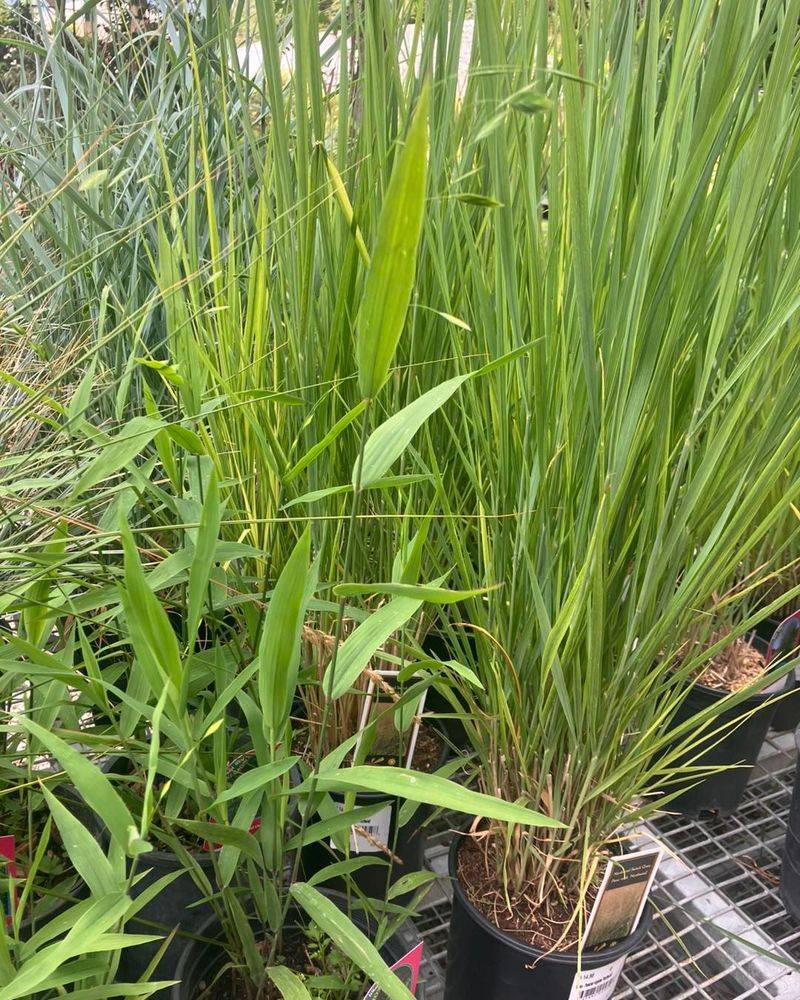
Monkey grass is sometimes confused with liriope because they look so similar, and honestly, they share a lot of the same habits too. Both grow in dense, grassy clumps.
Both are low-maintenance. And both can quietly turn into snake-friendly habitat when they are left to grow unchecked along your home’s borders.
What makes monkey grass especially tricky is how thick and grass-like its growth becomes over time. A well-established patch can get so dense that you genuinely cannot see what is living inside it without pulling the blades apart.
Snakes use that coverage to rest, hunt, and move through a yard without being spotted. Small prey animals feel safe there too, which only adds to the appeal for snakes passing through.
Did you know that some varieties of monkey grass can spread aggressively through underground runners? Over a few seasons, a small border planting can expand into a wide, dense strip that covers a surprising amount of ground.
The larger and denser the planting, the more shelter it provides for wildlife you may not want near your home.
Keeping monkey grass borders neat and visible is the most effective strategy. Trim it back regularly so you can always see the ground beneath the blades.
Avoid letting it grow more than a few inches taller than its intended height without cutting it back. Along walkways, driveways, and near doors, keep plantings thin enough that there are no hidden pockets at soil level.
Pulling back overgrowth a couple of times per year, especially before spring and before fall, keeps this plant looking sharp while reducing its value as wildlife cover.
4. Inland Sea Oats
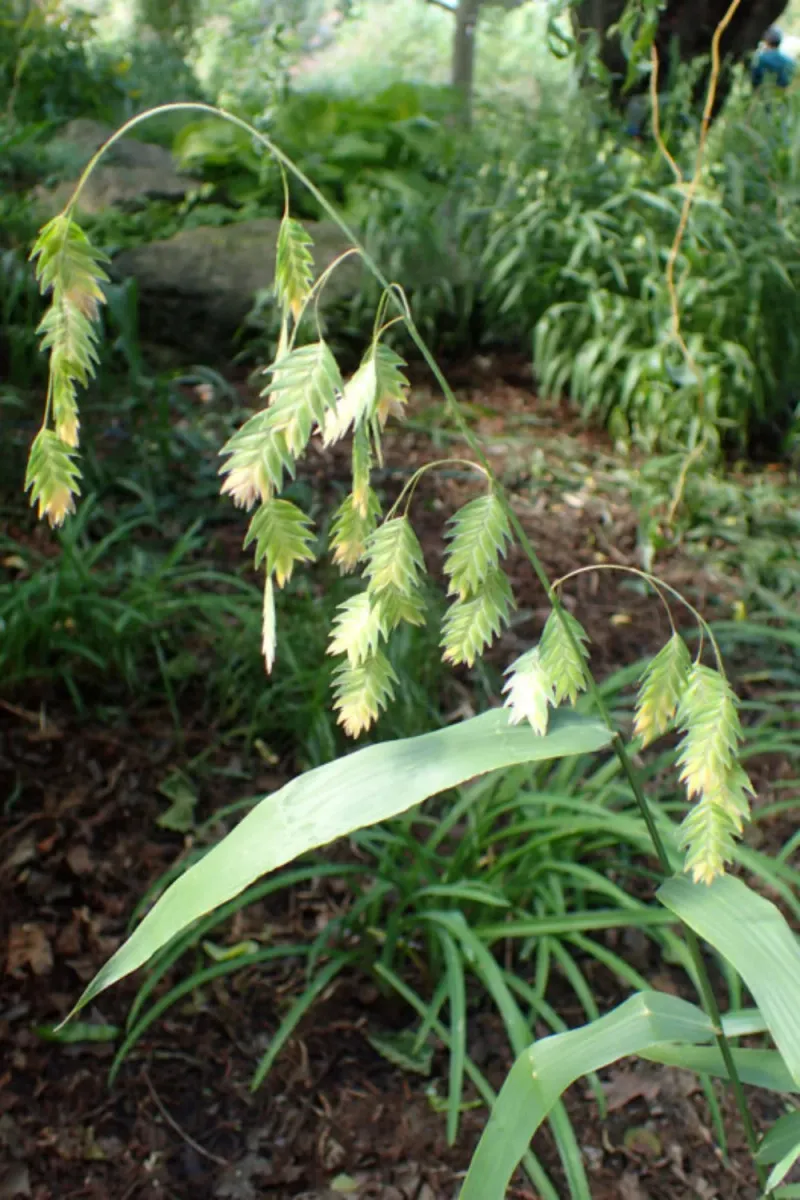
Inland sea oats are a genuinely beautiful Texas native plant. They grow with graceful, arching stems and produce those distinctive dangling seed clusters that catch the breeze and look stunning in a natural garden setting.
Gardeners who love native plants often reach for sea oats when they want something low-water and wildlife-friendly.
The wildlife-friendly part is where things get complicated. Inland sea oats can grow several feet tall and, when left unmanaged, form dense stands that are thick from the ground up.
A large, unmanaged patch creates a layered environment with deep shade at the base, which is exactly what snakes look for when they want to stay hidden and cool during the day.
Birds love the seeds, and where birds gather on the ground to feed, small rodents often follow to pick up fallen seeds. Snakes pick up on the activity.
A big, beautiful stand of sea oats beside a garden path or back door can gradually become a busy little ecosystem that includes visitors you would rather not encounter up close.
Enjoying inland sea oats without the added snake risk comes down to placement and management. Avoid letting large patches grow unmanaged directly beside doors, patios, or pathways where you walk regularly.
Give established stands a hard cutback in late winter before new growth begins, which reduces the amount of dense, ground-level cover. If you have a large planting near the house, consider thinning it into smaller, more spaced groupings rather than one continuous mass.
Strategic placement further out in the yard, away from high-traffic areas, lets you enjoy this native beauty with much less concern.
5. Trailing Juniper
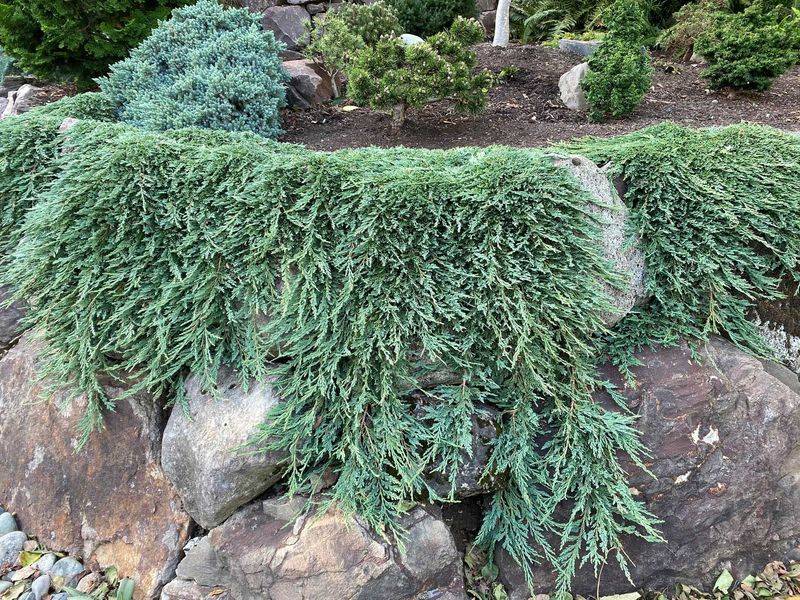
Trailing juniper has a lot going for it as a landscaping plant. It spreads wide, stays low, handles Texas heat without much fuss, and gives slopes and bare areas a full, finished look without a lot of watering.
Many Texas homeowners use it along foundations, retaining walls, and slopes where other plants struggle to take hold.
Underneath those low, spreading branches, though, is a different story. Trailing juniper creates a sheltered, shaded canopy that sits just inches above the soil.
The branches grow densely enough that the space beneath them stays cool and dark even in full sun.
That kind of microenvironment is genuinely attractive to snakes, especially during the hottest parts of the Texas summer when they are looking for relief from the heat.
The dense, scratchy foliage also makes it difficult to see what is moving around underneath without getting uncomfortably close. Snakes can rest there undisturbed for hours.
Small lizards and rodents that also hide under the branches add another reason for snakes to linger in the area.
Pruning trailing juniper regularly makes a real difference. Lift the lower branches periodically to check underneath and to improve airflow at ground level.
Trimming back growth that presses right against your foundation removes the sheltered tunnel effect that makes the plant so appealing as a hiding spot. Keep a visible gap between the plant’s canopy and the soil surface where possible.
Along walkways and near entryways, consider replacing very dense, ground-hugging junipers with more upright varieties that do not create the same level of ground-level cover. A little shaping goes a long way toward reducing hidden spaces close to your home.
6. English Ivy
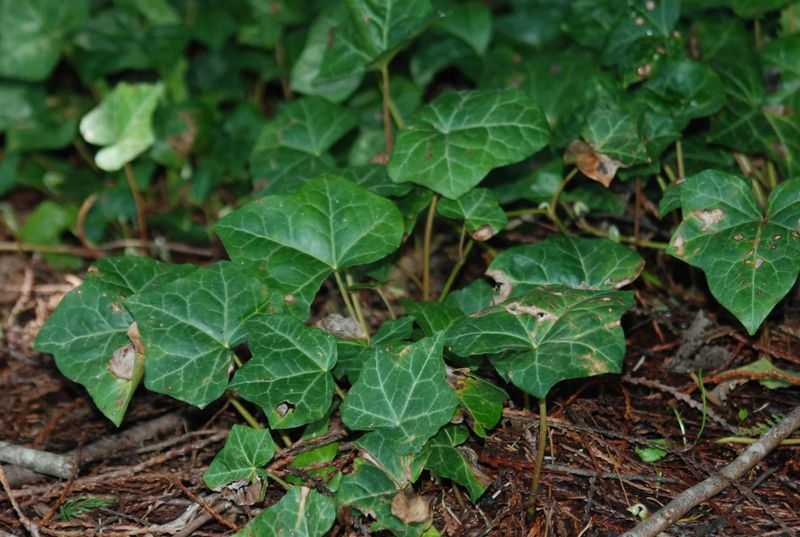
English ivy has a classic, timeless look that many gardeners love. It climbs fences, softens brick walls, and spreads across bare ground with a lush, green carpet that feels almost like something out of an old garden magazine.
In Texas, it can thrive in shaded spots where other plants give up, which makes it a go-to choice for tricky areas of the yard.
The problem with English ivy is just how thoroughly it covers the ground. A mature patch of ivy creates such a dense, layered blanket of leaves that you genuinely cannot see the soil underneath without lifting the vines by hand.
Snakes move through ivy patches easily, staying completely out of sight the entire time. The layer of cool, moist air trapped beneath the foliage makes it a comfortable resting spot as well.
Mice and rats, which are common in Texas yards, also love to nest and travel through thick ivy. Where rodents are active, snakes tend to show up regularly.
Ivy near your home’s foundation or along frequently used garden paths can quietly become a corridor that brings snakes closer to your living spaces than you might realize.
Keeping sprawling ivy patches away from high-traffic areas is one of the most practical steps you can take. Avoid letting ivy grow directly against your foundation or along paths where you walk barefoot or let pets roam.
Pull back overgrown sections seasonally, and consider replacing ground-level ivy near the house with lower-risk alternatives like mulch or decorative rock.
If you love the look, keep ivy contained to areas well away from entryways and outdoor seating spaces where encounters would be most unwelcome.
7. Dwarf Palmetto
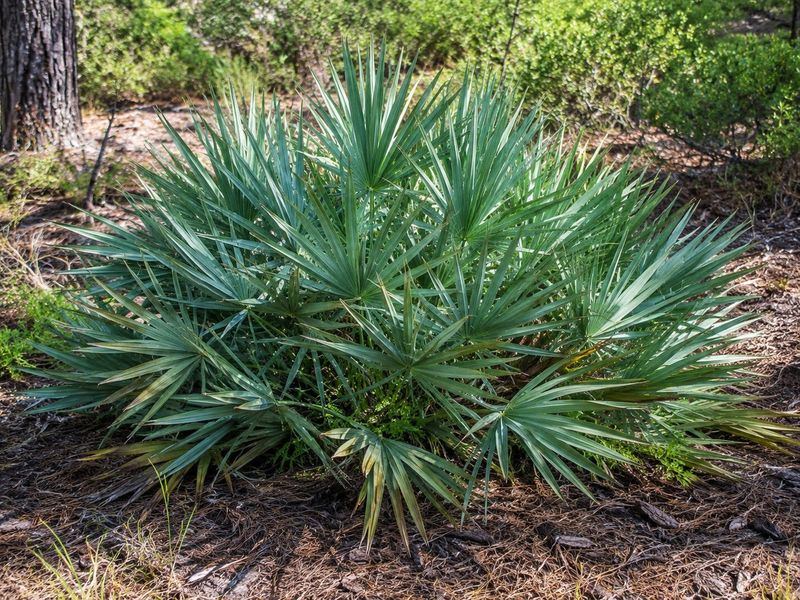
Dwarf palmetto has a tropical, dramatic look that fits right in with the Texas landscape. Its broad, fan-shaped fronds spread low and wide, giving any garden bed an instant lush, layered feel.
Native to parts of Texas, it handles heat and humidity well and comes back strong season after season without much help from the gardener.
When dwarf palmetto grows into large, established clumps, those overlapping fronds create a thick canopy of cover that sits close to the ground. The base of a mature clump can be surprisingly roomy underneath, with cool, shaded soil and excellent concealment from above.
For a snake looking for a safe, sheltered resting spot, a big clump of dwarf palmetto checks every box.
The fronds themselves are dense enough that even a careful visual check from a few feet away will not reveal what is resting at the base. Snakes can move in and out of established palmetto clumps without attracting much attention.
Small animals that also use dense, low plantings for cover add to the draw, making dwarf palmetto patches near your home an active little wildlife zone.
Giving dense palmetto plantings extra clearance around paths and buildings reduces the risk significantly. Trim back fronds that hang low enough to touch the ground and create hidden entrances into the center of the clump.
Avoid planting dwarf palmetto in large, unbroken masses directly beside doorways, garden gates, or seating areas. Spacing individual plants further apart reduces the overall density of the planting and makes it easier to spot any wildlife activity at ground level.
Regular seasonal checks around the base of established clumps are also a smart habit to build into your yard routine.