Massachusetts Gardeners Use This Simple Trick To Protect Clay Soil From Heavy Rain
Rain doesn’t ask permission before it disrupts your garden. Clay soil across Massachusetts grabs water and traps roots.
Your plants struggle under that trapped weight within hours. Beds quickly compact into something closer to concrete.
Nothing breathes, nothing drains, nothing grows properly. Every heavy downpour turns into a slow setback.
Gardeners across the state watch it happen yearly. Gypsum interrupts that cycle before it even starts.
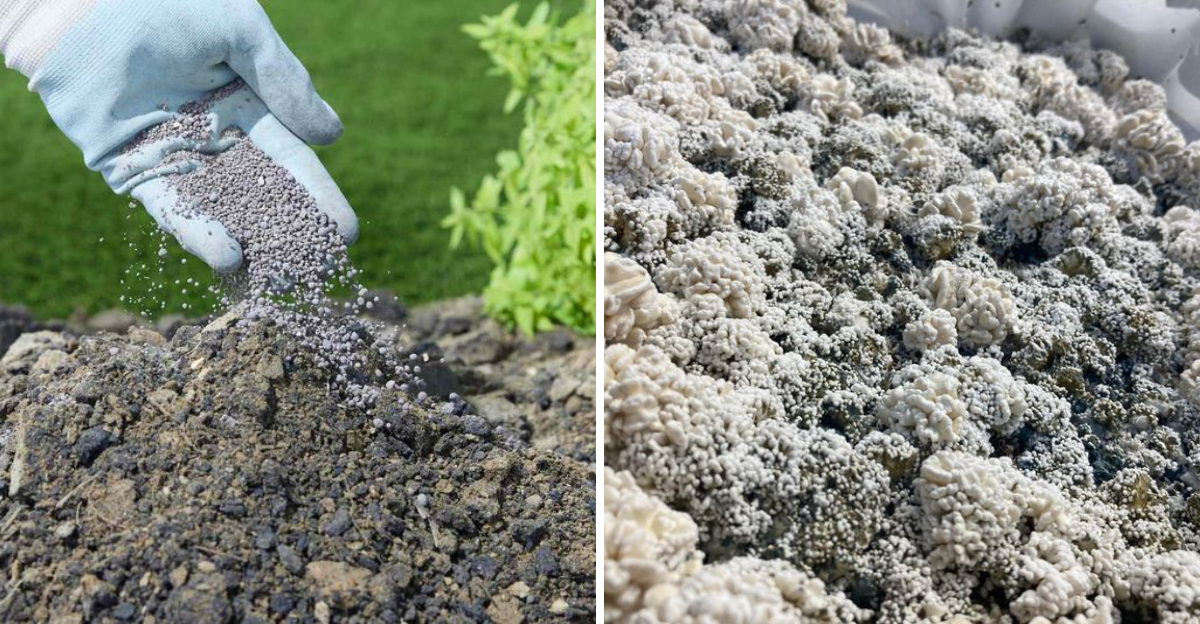
This mineral breaks clay’s grip without disturbing soil chemistry. Particles loosen, water moves, roots push forward again.
Massachusetts gardens respond faster than you might expect. Vegetables stretch deeper while flowers stand taller.
Shrubs gain strength their roots never had before. Drainage improves well before the next storm arrives.
Timing changes everything about how well this works. Application matters just as much as timing does.
Results show faster than you’d ever guess. You need to know exactly how this works before your soil takes another hit.
Why Massachusetts Clay Soil Struggles Before Heavy Rain
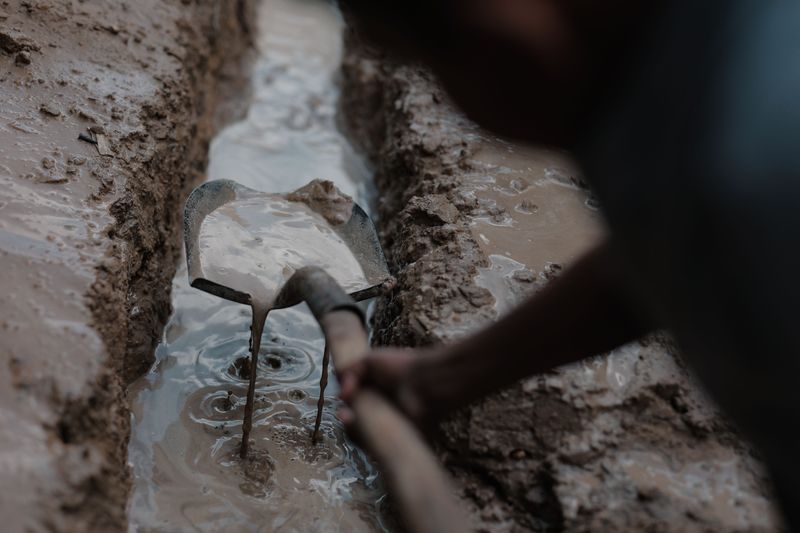
Clay soil resists change. When heavy rain hits Massachusetts gardens, clay soil becomes a major challenge in the yard.
Clay particles are tiny and flat. They pack together tightly, leaving almost no room for water to drain through.
When rain falls fast, the water has nowhere to go. It pools on the surface, saturates the ground, and deprives plant roots below of oxygen.
New England typically sees its heaviest rainfall in spring and fall, based on regional climate patterns. That seasonal soaking leaves clay-heavy beds waterlogged for days before they dry out.
Roots need both water and oxygen to survive. When clay stays waterlogged, oxygen disappears and roots begin to decay from the inside out.
Even experienced gardeners sometimes blame the plants when the real culprit is the soil underneath. Compacted clay also creates a hard crust on the surface that repels future moisture rather than absorbing it.
That crust makes the problem worse over time. Rain runs off instead of soaking in, which causes erosion and washes away precious topsoil.
The good news is that understanding why clay struggles is the first step toward fixing it. Once you know the enemy, the solution becomes a whole lot clearer.
Gypsum Breaks Apart Compacted Clay Particles
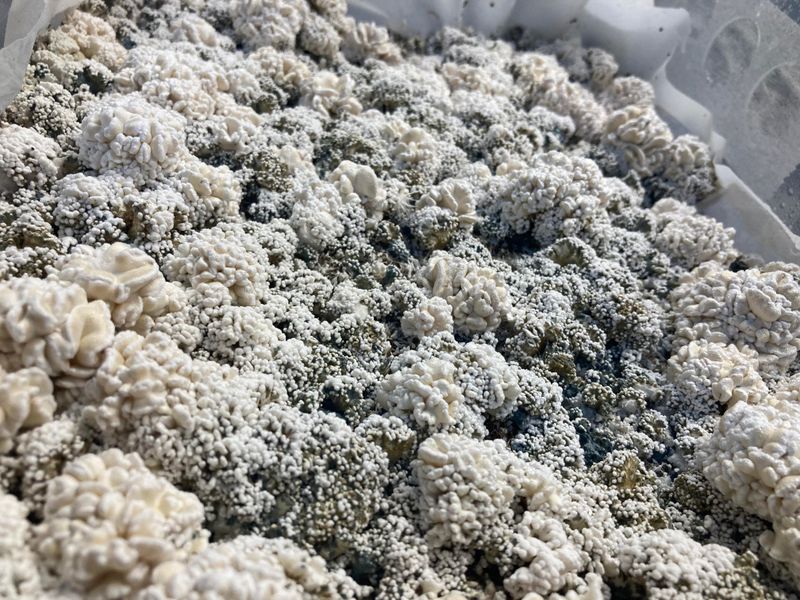
Gypsum may sound unfamiliar, but it is a naturally occurring mineral. Farmers and gardeners have used it for centuries to improve tough soil conditions.
The key reaction happens at a chemical level. Gypsum contains calcium and sulfate, and those two elements work together to shift how clay particles behave.
Clay particles carry a negative charge. They cling to each other and form dense, tight clusters that block water and air from moving freely.
Calcium from gypsum attaches to those particles. It acts like a bridge, pulling the tiny plates apart and encouraging them to group into larger, looser clusters called aggregates.
Those aggregates create space between them. That space allows water to flow through more easily and lets air reach the roots that need it most.
Think of it like rearranging a pile of flat books stacked perfectly. Tilt them slightly and suddenly there are gaps between every one.
Your Massachusetts Garden Changes Every Week. Your Plan Should Too.
Gardening in Massachusetts changes quickly throughout the season. Every Friday you’ll receive a simple weekly plan showing exactly what to plant, prune, fertilize, harvest, and protect so you never miss the right timing.
Gypsum does exactly that to clay. It disrupts the tight formation without destroying the soil structure entirely.
The result is soil that drains faster, breathes better, and holds just the right amount of moisture for healthy plant growth. Protecting clay soil from heavy rain starts with breaking that compaction cycle at the source.
How Gypsum Improves Drainage Without Changing pH
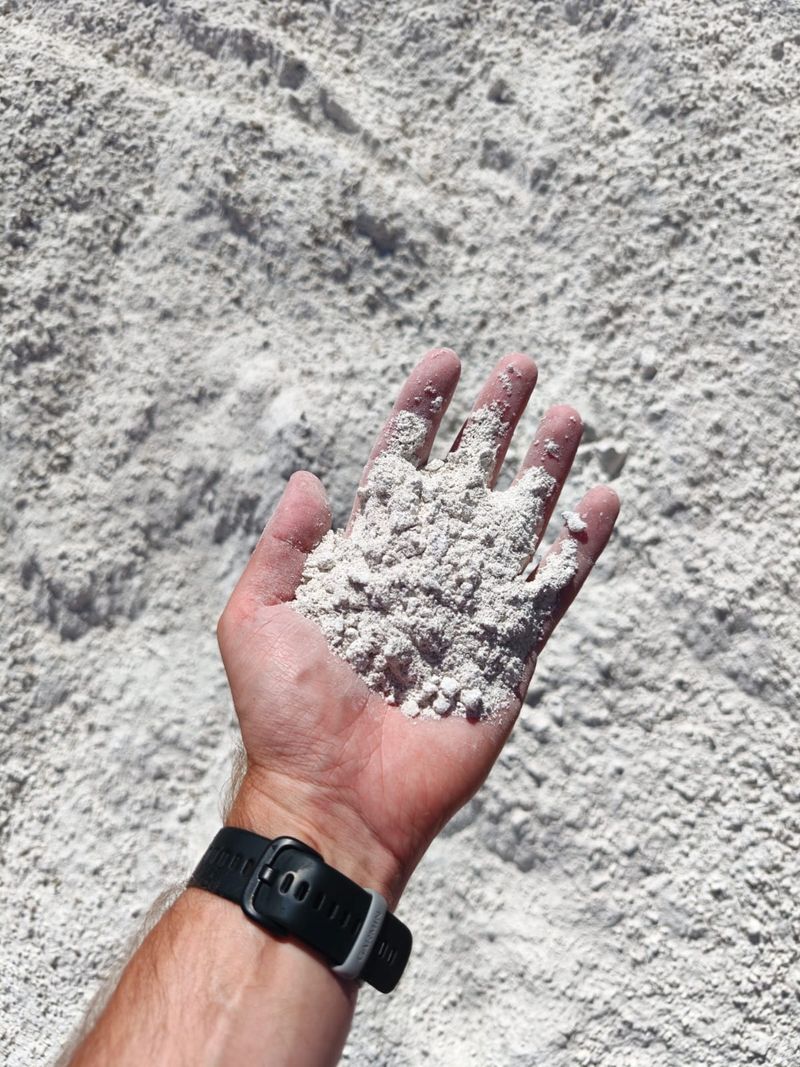
One of the best things about gypsum is what it does not do. Unlike lime, which is another common soil amendment, gypsum has little to no effect on soil pH.
That matters more than most people realize. Many plants are sensitive to pH shifts, and adding the wrong amendment can throw off nutrient availability for an entire growing season.
Gypsum stays largely neutral. It improves the physical structure of clay without meaningfully disturbing the chemical balance that your plants depend on.
Drainage improves because the soil structure opens up. Water can now move downward through those aggregate gaps instead of sitting on the surface after every rain.
Roots follow the water path deeper into the ground. Deeper roots mean more stable plants that can handle both wet periods and dry spells much better.
Gardeners in Massachusetts often deal with acidic soil from years of pine needle and oak leaf decomposition. Adding a pH-neutral amendment like gypsum lets them improve drainage without accidentally making the soil more alkaline.
That kind of targeted improvement is rare in the gardening world. Most amendments come with trade-offs, but gypsum is one of the few that delivers drainage benefits cleanly.
Your vegetables, perennials, and shrubs get better footing without any chemical surprises. Protecting clay soil this way keeps the whole garden ecosystem in balance.
The Best Time To Apply Gypsum Before Rain
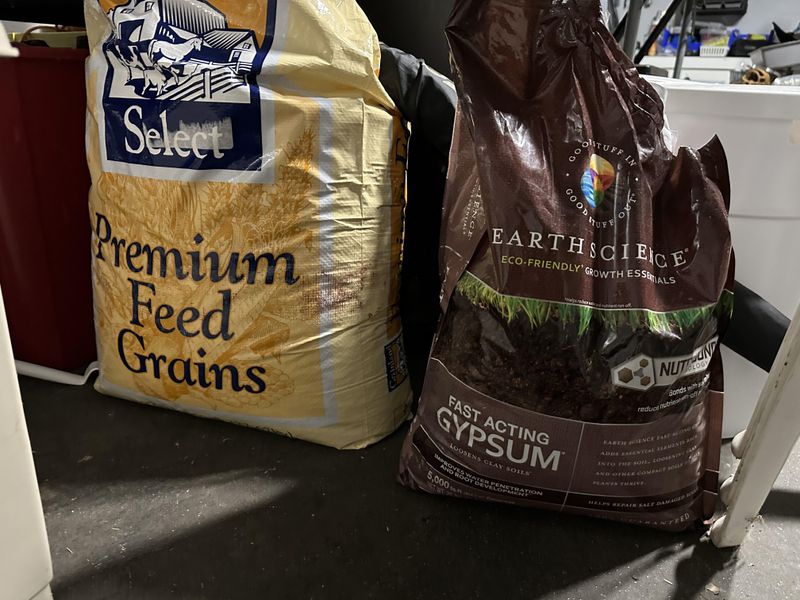
Timing is everything in gardening, and gypsum is no exception. Apply it at the wrong moment and you lose half the benefit before it even starts working.
The ideal window is right before a moderate rain is in the forecast. A light rain helps gypsum dissolve into the soil surface and begin its work immediately.
Spring is the prime season for application in New England. Soil is thawing, moisture levels are rising, and clay is at its most vulnerable to compaction from heavy downpours.
Early fall is a strong second choice. Applying gypsum in September or October gives it time to work through the soil before winter freeze sets in.
Avoid applying gypsum to bone-dry soil. Without moisture, the mineral cannot dissolve or reach the clay particles it needs to reform.
Also skip heavy rain days. A downpour right after application will wash the gypsum off the surface before it can soak in properly.
Granular gypsum is easier to time than powdered forms. Granules sit on the soil surface and release slowly as rain or irrigation activates them.
As a general starting point, gardeners often apply about 20 to 40 pounds per 1,000 square feet, though a soil test is the best way to determine the right amount. Protecting clay soil from heavy rain starts with getting this timing right every single time.
Pairing Gypsum With Compost For Better Results
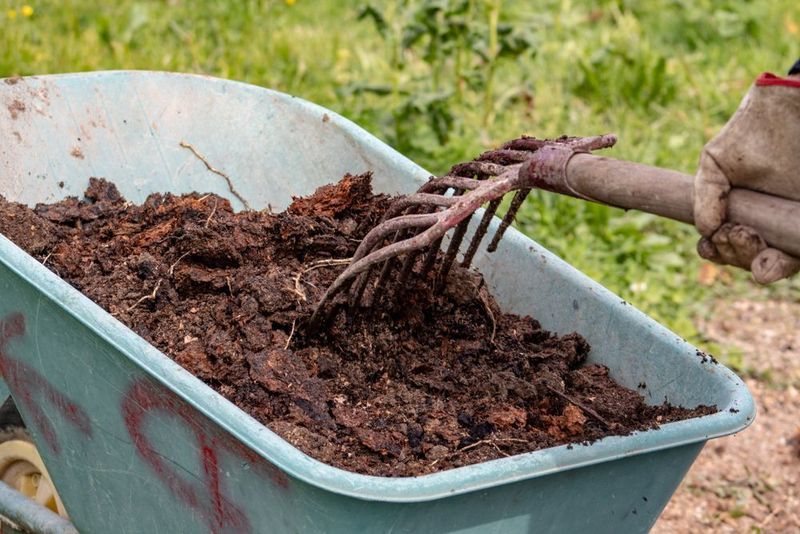
Gypsum alone is powerful, but pairing it with compost takes clay soil improvement to another level. Think of them as an effective combination.
Compost adds organic matter to the soil. That organic matter feeds beneficial microbes, improves nutrient levels, and helps soil hold the right amount of moisture without drowning roots.
When gypsum opens up clay particles and compost fills those new spaces with organic material, the results are significant. Soil that once felt like concrete starts to crumble and breathe.
Apply a 2 to 3 inch layer of compost on top of your bed first. Then spread gypsum over the compost and work both into the top 6 inches of soil with a fork or tiller.
That combined approach builds soil structure from two different directions. Gypsum handles the physical clay problem while compost handles the biological and nutritional side.
Worms are drawn to this combination. They move into loose, organic-rich soil quickly, and their burrowing helps keep the structure open longer than gypsum alone would.
Earthworm activity also improves aeration naturally. Every tunnel they create is a tiny drainage channel that helps heavy rain move through instead of pooling on top.
Over one or two seasons, this pairing noticeably improves stubborn clay’s texture, making it feel more like garden soil. Protecting clay soil becomes a self-sustaining process when biology and minerals work together.
Signs Your Clay Soil Is Finally Improving
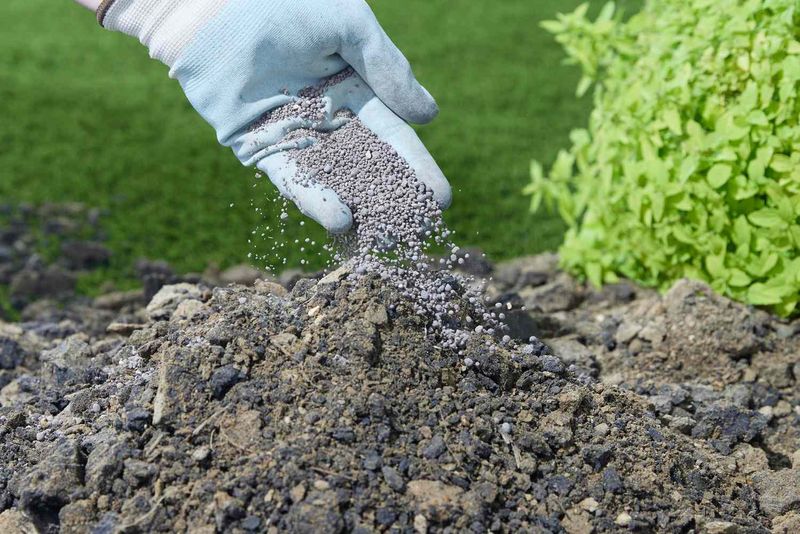
Progress in the garden is not always obvious, but clay soil tells you when it is changing. You just need to know what to look for.
The first sign is faster drainage after rain. If puddles that used to linger for two days are now gone in a few hours, the structure is shifting.
Pick up a handful of soil after it dries. Improved clay crumbles apart instead of forming a hard clump that you have to break with your fingers.
Push a pencil or stick into the bed. If it slides in with light pressure, your roots are getting the same easy access to depth that they need.
Plants will tell you too. Leaves that were pale or yellowing from root stress often green up noticeably once drainage improves and oxygen returns to the root zone.
Worm sightings are a great signal. Earthworms avoid compacted, waterlogged soil and show up in good numbers only when conditions improve enough to support them.
Look at your soil surface after a rain. Improved clay absorbs moisture instead of forming a sealed crust that repels water and sends it running across the surface.
These changes do not happen overnight, but most gardeners notice clear improvement within one growing season. Protecting clay soil from heavy rain is a long game, and every small win is proof that you are on the right track.
Keeping Clay Soil Protected Season After Season
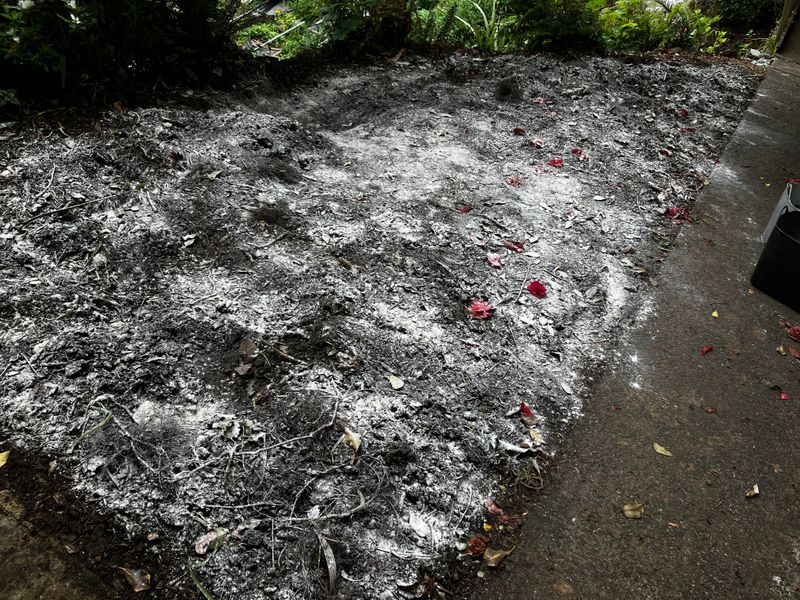
One application of gypsum is a great start, but long-term protection requires a seasonal routine. Clay soil has a memory, and without maintenance, it will slowly tighten back up.
Many gardeners apply gypsum once or twice a year, though frequency is best confirmed with a soil test. Spring and early fall are the best windows, and staying consistent makes each application more effective than the last.
Mulching your beds between applications is a smart move. A 2 to 3 inch layer of wood chips or straw insulates soil, reduces surface compaction from rain impact, and feeds organic matter back in as it breaks down.
Avoid walking on garden beds whenever possible. Foot traffic compacts clay faster than almost anything else, undoing months of soil improvement in just a few steps.
Use stepping stones or raised pathways to keep weight off the beds. That simple habit protects the loose structure you have worked hard to create.
Cover crops like clover or rye are another seasonal tool. Their roots break up clay from below while their foliage protects the surface from heavy rain erosion.
Cut them down in spring and turn them into the soil for a natural compost boost. That cycle of growing and incorporating organic matter keeps clay soil moving in the right direction.
Protecting clay soil from heavy rain is not a one-time fix. Build the habit, stay consistent, and your garden will show better drainage and healthier plants year after year.