What Cluster Flies Are Really After When They Swarm Kentucky Homes In August
Your house has become a target, and you don’t even know it yet. Kentucky homes turn into landing pads every August without warning. Flies aren’t just visiting, they’re planning to move in permanently.
Warmth pulls them straight toward your siding and window frames. Small gaps become doorways once temperatures start dropping at night. These aren’t ordinary houseflies chasing food scraps or garbage bins.
Cluster flies want shelter, and your walls offer exactly that. Farmland blends with suburbs across Kentucky, making this worse. Earthworms, oddly, are the real reason these flies exist at all.
Their larvae depend on worms hiding beneath your lawn. That connection explains why some homes attract flies yearly. Overlooking this pattern now guarantees a bigger problem later.
Every sunny wall becomes an invitation you never intended to send. Timing matters more than most homeowners ever realize. You need to understand this pattern before it slips inside your home.
Why Cluster Flies Start Scouting In August
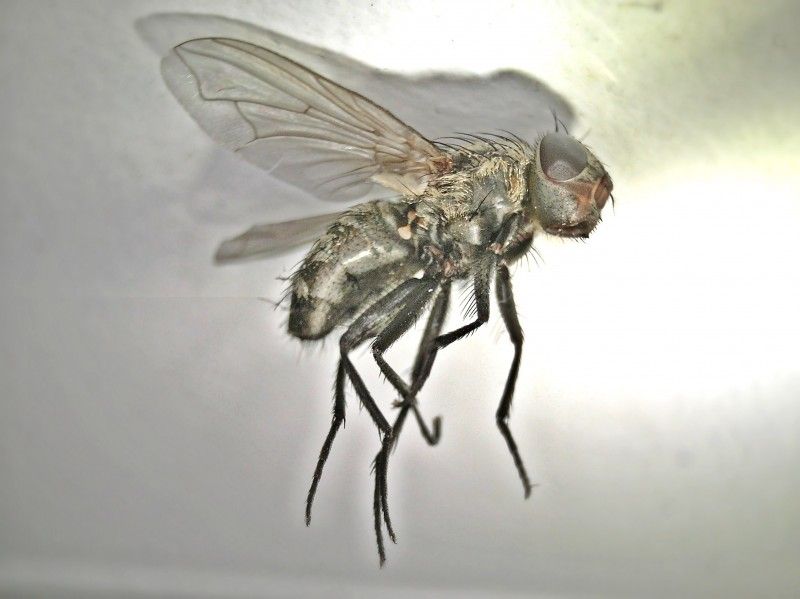
August heat coincides with a shift in fly behavior. Cluster flies begin sensing shorter days and cooling nights, even when daytime temperatures still feel intense.
These flies spend their spring and summer as parasites on earthworms. Once that phase ends, their bodies shift into a new survival mode entirely.
Shorter daylight hours trigger a biological shift in their nervous system. This shift prompts flies to begin seeking shelter before temperatures drop.
Kentucky homes become targets because the state sits in a climate zone with warm summers and cold winters. That temperature swing is exactly what cluster flies are biologically programmed to escape.
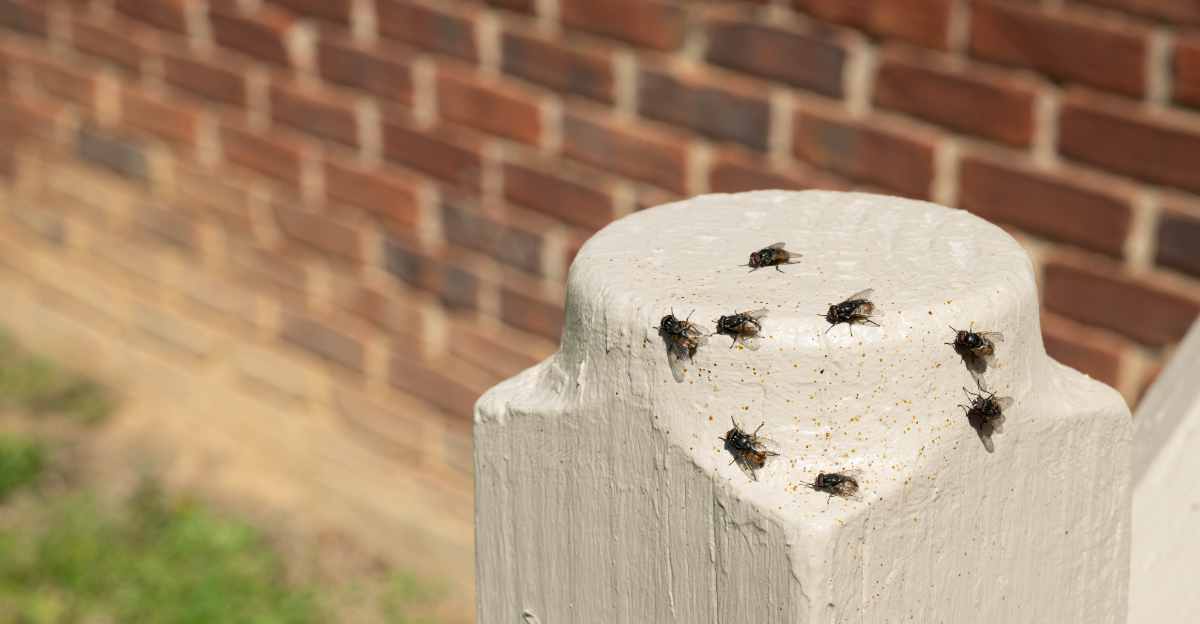
Scouting behavior starts on the warmest, sunniest days of late summer. Flies land on exterior walls, testing surfaces for heat and stability.
They are not looking for food at this stage. They are mapping potential entry points and assessing thermal conditions around your home’s exterior.
What cluster flies are really after when they swarm Kentucky homes in August is warmth storage. A sun-baked wall holds heat long after sunset.
Homeowners who notice flies crawling slowly on south-facing walls in August should take that as an early warning sign. Action taken now prevents a much bigger indoor problem in October.
Early scouting is your best window for intervention. Catching the behavior in August gives you weeks to seal gaps before the full swarm arrives.
Sun-Warmed Walls Signal Shelter To Flies
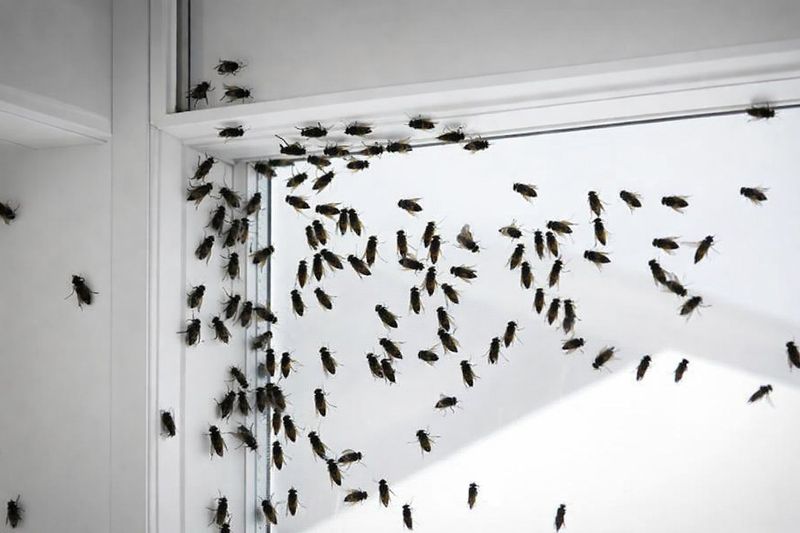
Brick, vinyl, and wood siding all do the same thing on a hot August afternoon. They absorb solar heat and radiate it back outward for hours.
Cluster flies are cold-blooded, so external temperature directly controls their body function. A warm wall is a strong attractant for scouting flies.
South-facing and west-facing walls receive the most direct sunlight during peak hours. These surfaces heat up fastest and hold warmth the longest after the sun shifts.
Flies gather on these specific walls in large numbers because warmth signals safety to their nervous system. A cold wall gets almost no attention from a scouting cluster fly.
Your Kentucky Garden Changes Every Week. Your Plan Should Too.
Gardening in Kentucky changes quickly throughout the season. Every Friday you’ll receive a simple weekly plan showing exactly what to plant, prune, fertilize, harvest, and protect so you never miss the right timing.
The color of your siding also plays a role. Darker surfaces absorb more heat, making dark-painted or dark-stained homes especially attractive targets during August scouting season.
Light-colored homes are not immune, though. Any surface that sits in direct sun for several hours will warm enough to attract these flies.
Cluster flies are not randomly choosing your house. They are responding to thermal cues shaped by generations of seeking shelter this way.
Homeowners sometimes mistake this wall-crawling activity for a nest nearby. There is no nest involved, just flies following heat signals with impressive biological accuracy.
Understanding the sun-wall connection helps you predict where flies will concentrate. Check your warmest exterior walls first when you begin any prevention or sealing effort.
Cracks And Gaps Let Cluster Flies In
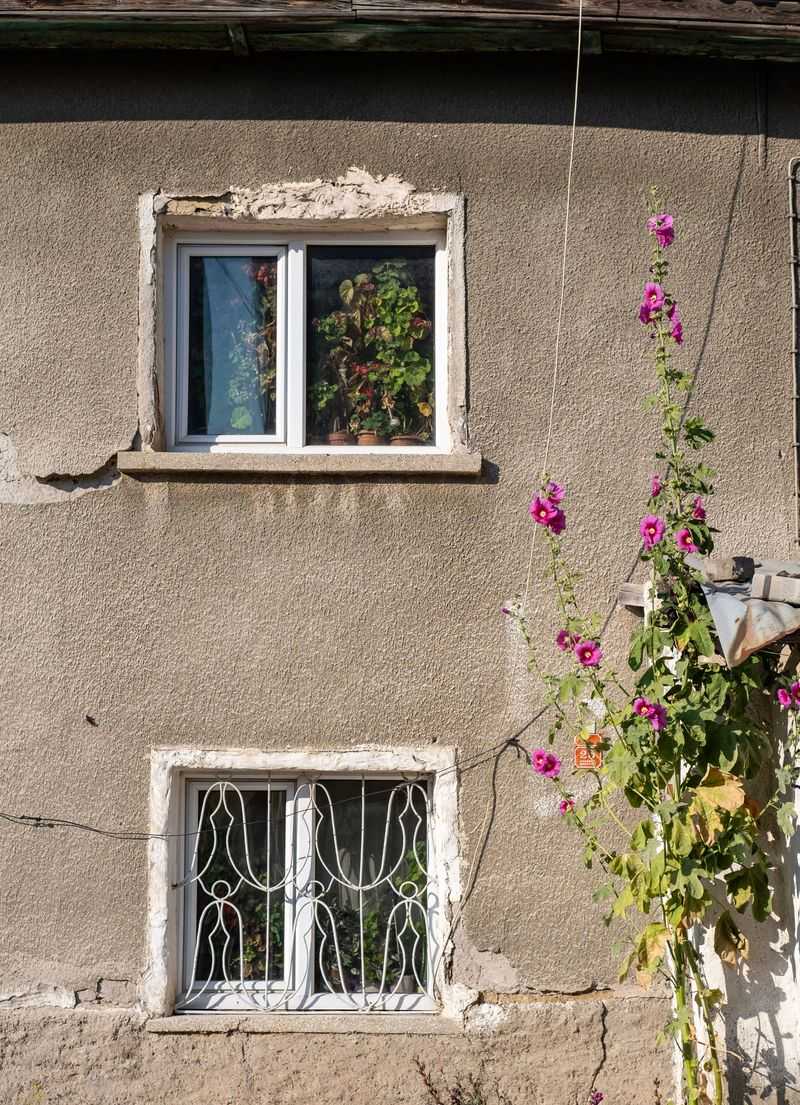
Even a very small gap, just a few millimeters wide, can be enough for a cluster fly to squeeze through. Most homeowners would never notice an opening that small.
Common entry points include gaps around window frames, door trim, utility pipes, and soffit vents. These openings exist on nearly every home, regardless of age or construction quality.
Cluster flies do not chew or bore through material like some other pests. They simply exploit existing gaps that weather, settling, and age have created over time.
Weatherstripping that has dried and cracked is one of the most overlooked entry points. It looks intact from a distance but leaves a continuous gap along the entire door edge.
Utility penetrations are another major weakness. Every spot where a pipe, wire, or cable passes through an exterior wall is a potential entry point if not properly sealed.
Roof lines and soffits deserve special attention in August. Flies often enter near the roofline because those areas are less visible and less frequently inspected by homeowners.
Older Kentucky homes built before modern construction standards are especially vulnerable. Decades of settling create gaps in places that were once perfectly sealed.
A thorough exterior inspection in early August can reveal dozens of potential entry points. Walking the perimeter slowly and checking every seam, frame, and penetration is time well spent.
Caulk and foam sealant are your first line of defense. Closing gaps before flies begin scouting in earnest stops the problem before it ever reaches your interior walls.
Wall Voids And Attics Become Hideouts
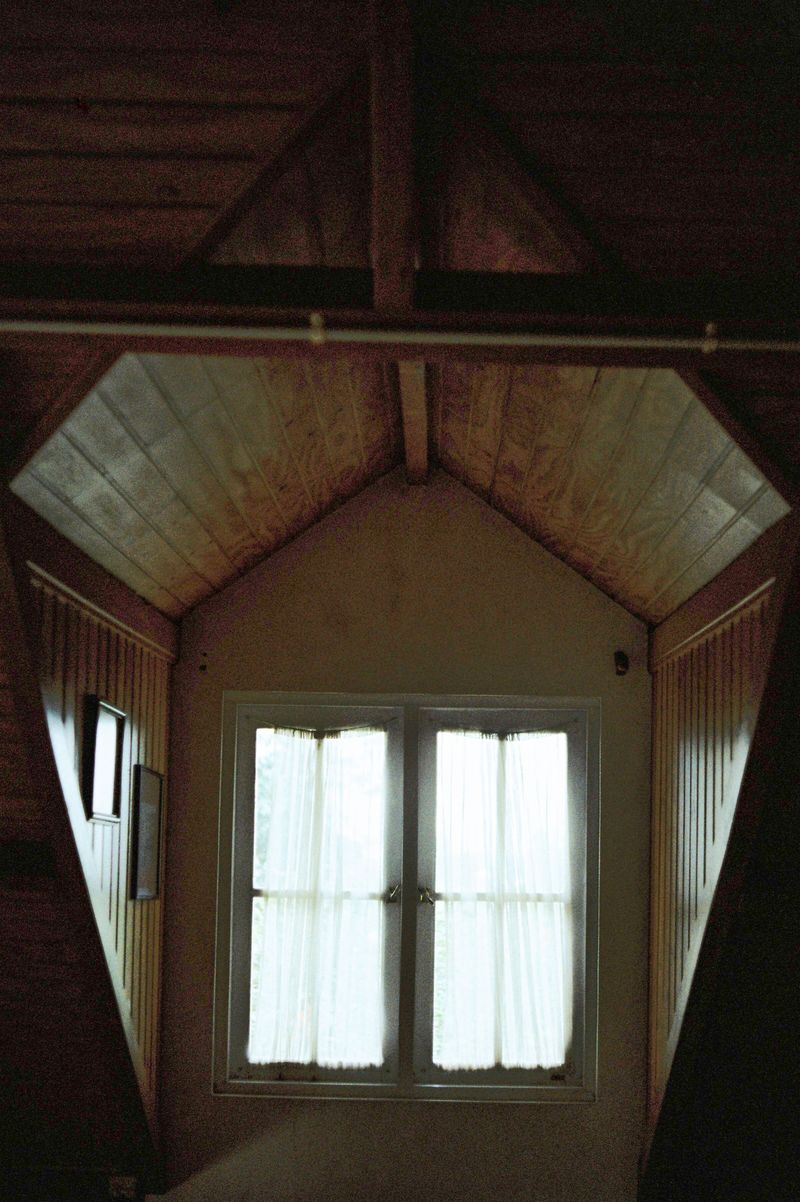
Once inside, cluster flies head straight for the darkest, most insulated spaces they can find. Wall voids and attics are perfect matches for what they need.
These spaces maintain relatively stable temperatures compared to the outdoor environment. That stability is exactly what a fly preparing for overwintering is searching for.
Cluster flies do not build anything inside these spaces. They simply pile together in large groups, using each other’s body heat to stay warm through the coldest months.
An attic can harbor thousands of flies without a homeowner ever noticing until spring. The flies remain sluggish and mostly inactive during cold months, which keeps them hidden.
Wall voids between interior and exterior walls are equally attractive. The insulation inside those cavities creates a microclimate that buffers the flies from extreme cold.
Homeowners sometimes hear a faint buzzing from inside walls on warm winter days. That sound usually means cluster flies have settled into the void and are reacting to a brief temperature rise.
Flies that overwintered successfully will begin moving toward light in late winter and early spring. They emerge inside the living space through electrical outlets, light fixtures, or gaps in trim.
Finding flies inside your home in February or March is a clue about what happened last August. The entry point was likely created or ignored months before the flies appeared indoors.
Attic ventilation screens and wall insulation both help reduce void attractiveness. Addressing these areas now limits the number of flies that successfully establish a winter hideout.
Homes Beat Natural Shelters For Overwintering
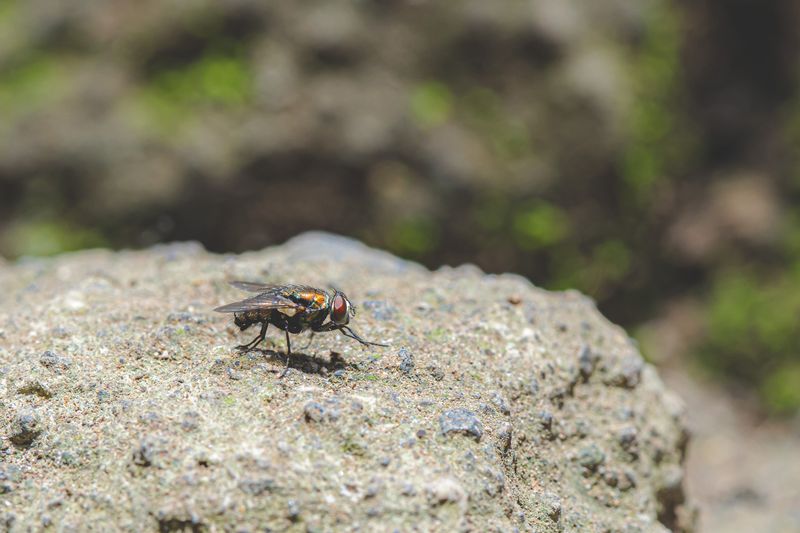
Before humans built homes, cluster flies overwintered in hollow trees, rock crevices, and dense leaf litter. Those natural options still exist, but houses are simply better.
A modern home offers superior insulation, more stable temperatures, and far more protected interior spaces than any hollow log can provide. Natural shelters generally offer less consistent protection.
Flies that choose a house over a tree cavity may have better odds of surviving harsh winters. Stable indoor shelter appears to support higher survival rates over time.
Kentucky winters can swing from mild to severely cold within a single week. A hollow tree offers almost no protection during those sudden cold snaps, but a well-insulated home does.
The sheer size of a home also matters. More square footage means more potential hiding spots, more thermal mass, and more buffer from exterior temperature changes.
Cluster flies are not being opportunistic in a random way. They appear to follow a biological preference linked to living alongside human structures.
Rural Kentucky properties tend to see heavier cluster fly pressure than urban ones. Nearby farms and fields may support larger earthworm populations, which could contribute to larger fly populations each summer.
Homeowners near agricultural land should expect more intense August scouting activity. The combination of abundant breeding habitat and nearby human structures creates ideal conditions for large swarms.
Your home tends to offer more consistent shelter than natural sites. That is both the problem and the clearest explanation for why cluster flies keep coming back each year.
Sealing Entry Points Before Fall Arrives
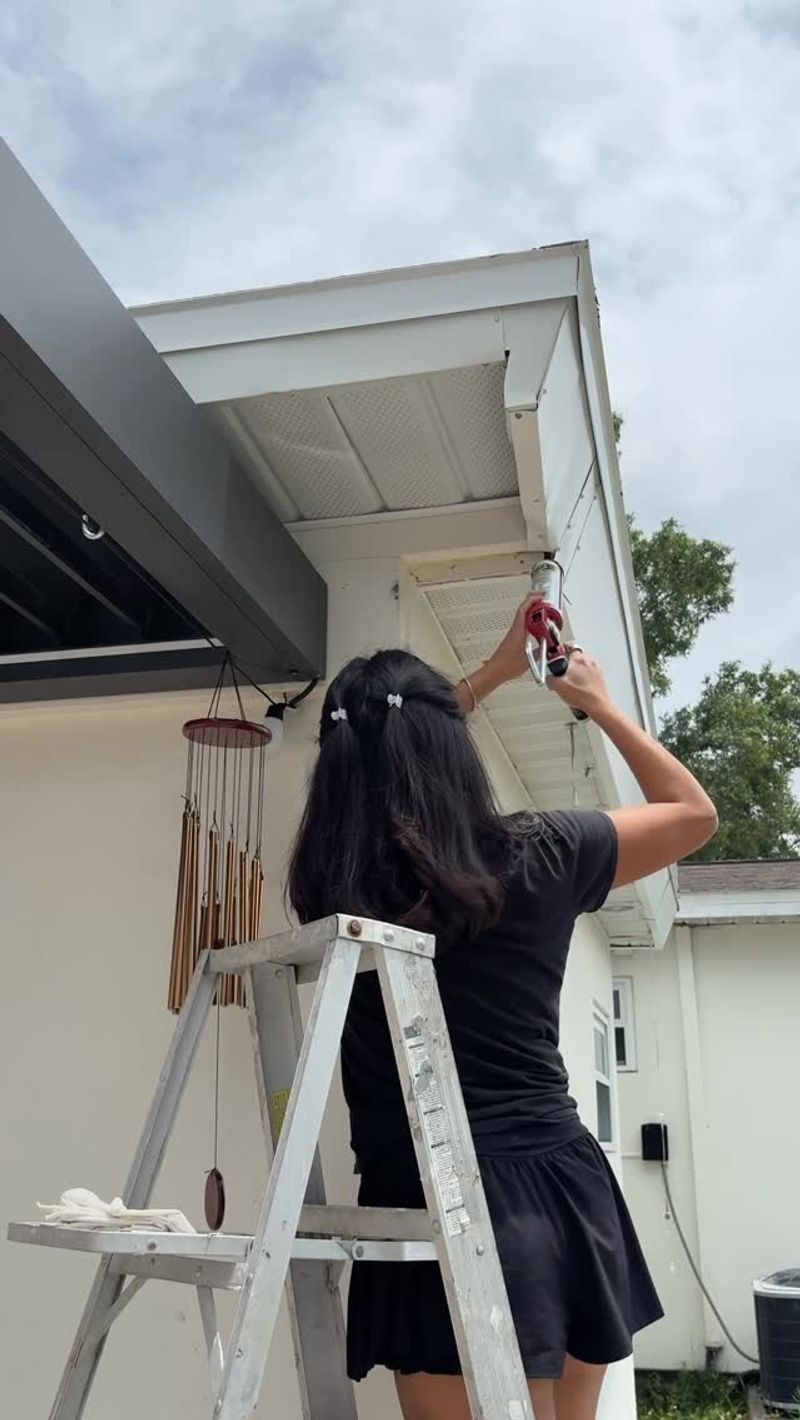
Sealing your home in August is the single most effective thing you can do against cluster flies. Waiting until October means the flies are already inside.
Start with a full exterior inspection on a sunny afternoon. Walk slowly around the entire perimeter and mark every gap, crack, and unsealed penetration you find.
Silicone caulk works well around window and door frames. It stays flexible through temperature changes and creates a long-lasting barrier that paint-grade caulk cannot match.
Expanding foam sealant handles larger gaps around pipes, cables, and utility penetrations. Apply it carefully, let it cure fully, and trim any excess flush with the surface.
Weatherstripping replacement is one of the most impactful upgrades a homeowner can make in August. Fresh weatherstripping on every exterior door closes the continuous gaps that old material leaves behind.
Attic vents and soffit screens deserve a close look too. Damaged or missing screens turn these openings into wide-open doors for scouting flies.
Window screens with tears or gaps should be repaired or replaced before August ends. A torn screen is essentially a welcome mat for any flying insect looking for interior access.
Chimney caps and dryer vent covers are two more spots that homeowners frequently overlook. Both can allow significant fly entry if they are missing or damaged.
Addressing what cluster flies are really after when they swarm Kentucky homes in August means taking away their options. A well-sealed home significantly limits entry opportunities, and that is exactly the outcome worth working toward.