The Texas Tomato Topping Technique Worth Learning Before August Ends
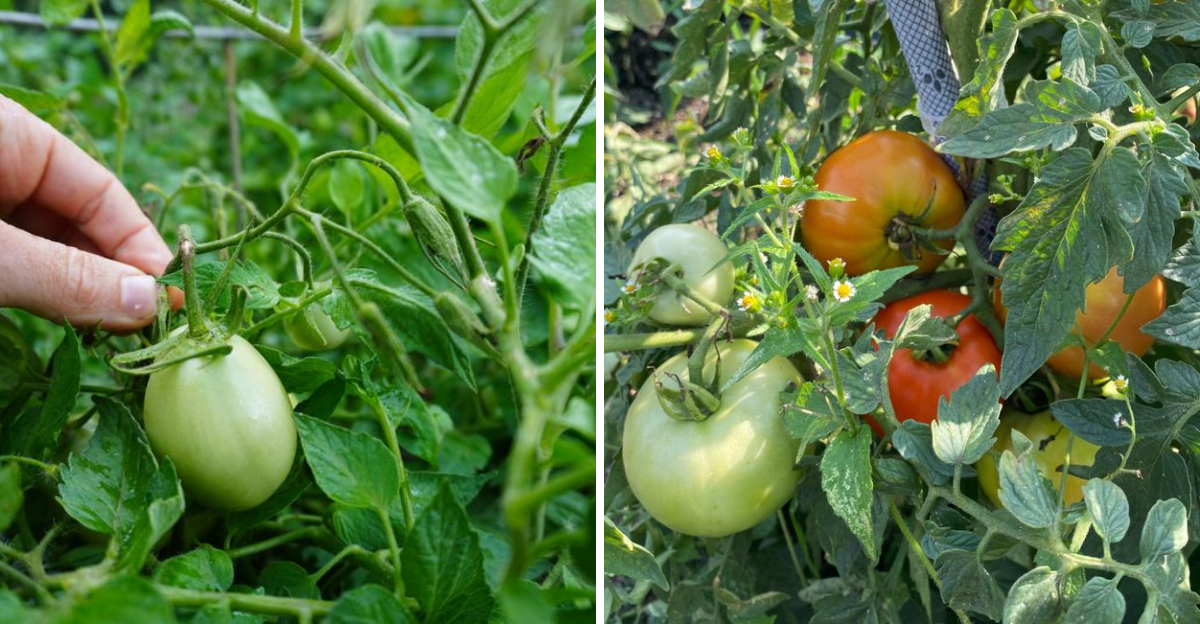
Most Texas gardeners have heard of pruning tomatoes. Fewer have heard of topping them, and even fewer have tried it with any confidence or clear understanding of why it works.
But as August winds down and the growing season heads toward its final stretch, topping is one of the most valuable techniques a Texas tomato grower can have in their toolkit. Done correctly, it changes how the plant spends its remaining energy.
Instead of continuing to push new growth and set fruit that won’t have time to ripen before the season closes, a topped tomato redirects everything it has toward the fruit that’s already on the vine.
The result is a faster, fuller ripening of the tomatoes that matter most, rather than a plant still reaching upward while the clock runs out on the season.
Texas has a specific window where topping makes sense, and the end of August is right in the middle of it.
Here’s exactly what tomato topping is, why it works in the Texas growing calendar, and how to do it correctly before the technique stops being useful for this season.
Topping Means Removing The Growing Tip
Picture this: your tomato plant is stretching taller and taller, reaching for the sky while the tomatoes already on the vine are just sitting there, slowly ripening. That upward growth is not doing your harvest any favors late in the season.
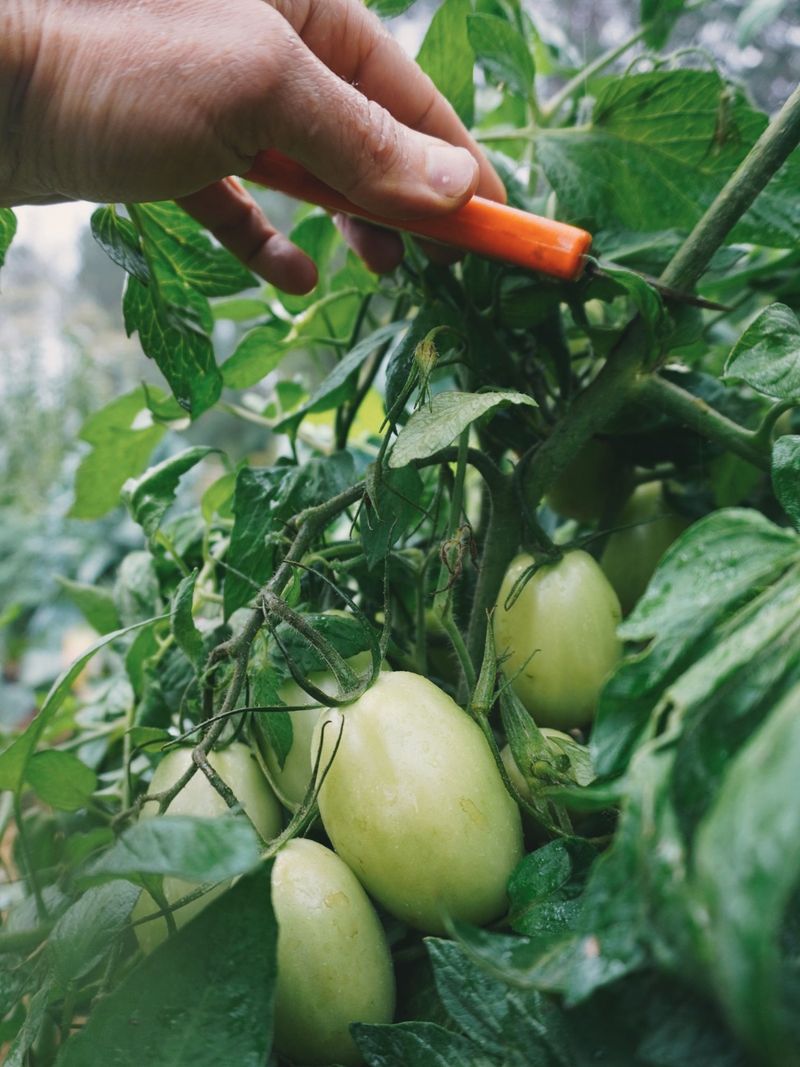
Topping is the act of cutting off the very top growing tip of the main stem on your tomato plant.
When you remove that tip, the plant stops putting energy into growing new stem and leaves at the top. Instead, all of that stored energy gets redirected toward the fruit that is already hanging on the vine.
Think of it like closing one door so that another one can open wider. The tomatoes already there get a better chance to ripen fully and quickly.
To do this correctly, use a clean, sharp pair of garden scissors or pruning shears. Make your cut just above a set of healthy leaves.
A clean cut helps prevent any unwanted problems from spreading through the plant. You do not need any special tools or training to do this well.
Many gardeners are nervous the first time they top a plant. It feels a little strange to cut off a perfectly healthy piece of a growing vine.
But once you see how the existing fruit responds, you will feel confident doing it again. The plant does not suffer.
It simply shifts its focus, which is exactly what you want it to do when the end of the growing window is approaching fast in Texas heat.
Only Top Indeterminate Tomatoes
Not every tomato plant works the same way, and that matters a lot when you are deciding whether to top yours. Tomatoes come in two main types: indeterminate and determinate.
Knowing which type you have is the first step before you even pick up a pair of scissors.
Your Texas Garden Changes Every Week. Your Plan Should Too.
Gardening in Texas changes quickly throughout the season. Every Friday you’ll receive a simple weekly plan showing exactly what to plant, prune, fertilize, harvest, and protect so you never miss the right timing.
Indeterminate tomatoes keep growing taller and producing new flowers all season long. Popular varieties like Cherokee Purple, Brandywine, and Sweet 100 cherry tomatoes fall into this group.
These plants can grow six feet tall or more if you let them. Because they never really stop on their own, topping them late in the season makes good sense.
You are simply helping the plant focus on what it has already started rather than chasing new growth that will not have time to become ripe fruit.
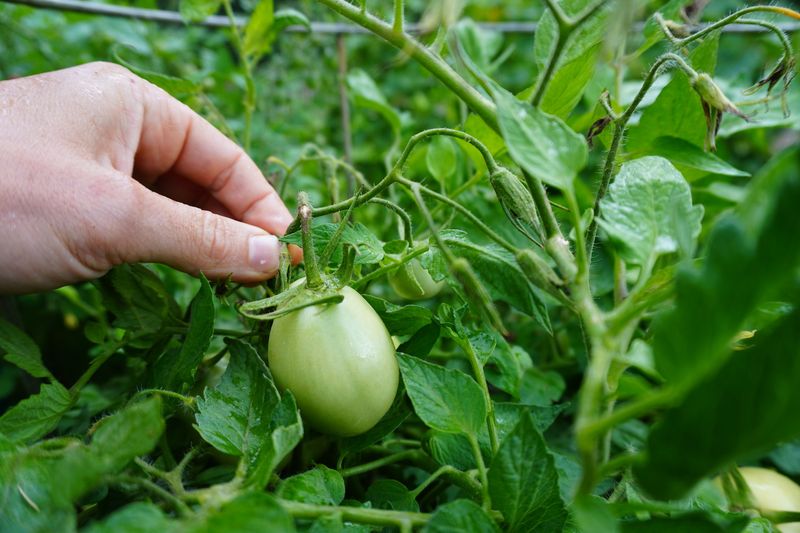
Determinate tomatoes are built differently. They grow to a set height, flower all at once, and then stop on their own.
Roma tomatoes and Celebrity tomatoes are common examples. These plants have a natural stopping point already built in.
Topping a determinate tomato can actually reduce your harvest because you may be cutting off the very flowers and fruit sets the plant was counting on to finish its cycle.
Always check the seed packet or plant tag before you start. If it says indeterminate, go ahead and plan your topping.
If it says determinate, leave it alone and let it do its thing. Getting this detail right protects your harvest and saves you from accidentally cutting away the tomatoes you worked all summer to grow.
A quick label check takes about ten seconds and is absolutely worth it.
Timing Matters More Than The Calendar
A lot of gardeners hear the word “August” and automatically assume that is the magic month to top their tomatoes. But the truth is, the calendar date is not the most important factor.
What matters most is understanding how much growing time is actually left in your specific location in Texas.
Texas is a massive state with very different climates from one end to the other. The Texas Panhandle near Amarillo can see its first frost as early as mid-October.
Meanwhile, the Rio Grande Valley near Brownsville may not see frost until late December or even January. That difference of two or more months changes everything about when topping makes sense for you.
The real question to ask is this: do the new flower buds on my plant have enough days to turn into fully ripe tomatoes before frost arrives? Most tomato varieties need somewhere between 45 and 70 days to go from flower to ripe fruit.
If your first expected frost is only 30 or 40 days away, new flowers are not going to make it in time. That is when topping becomes the smart move.
Check your local frost date using your county extension office or a reliable gardening website. Then count backward from that date.
If the math tells you that new growth will not ripen in time, grab your shears and top the plant. If you still have 60 or more days, you might want to wait a little longer.
Topping too early can cut off fruit that still had plenty of time to grow and ripen on its own. Let the timing guide your decision, not just the month on the calendar.
Keep Leaves Around Existing Fruit
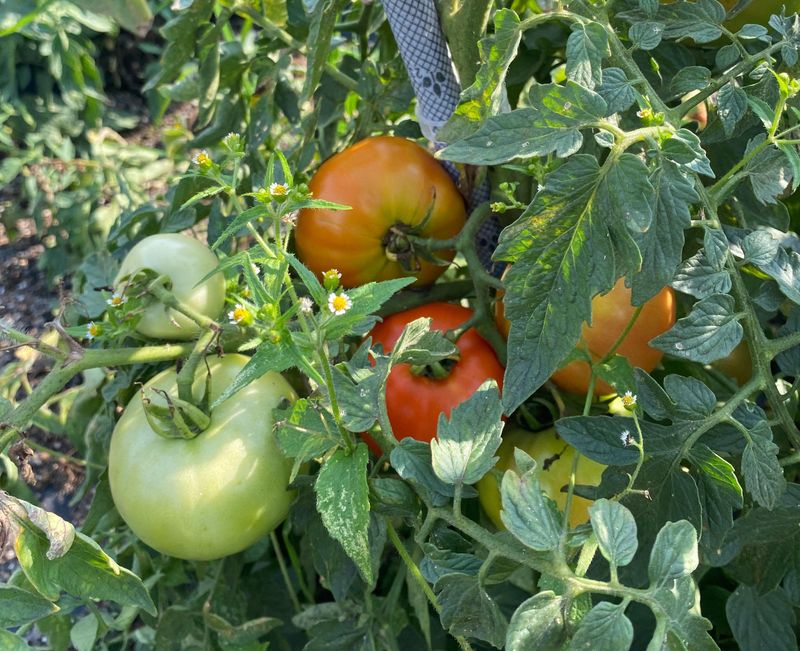
After topping a tomato plant, some gardeners make the mistake of going too far and stripping off most of the leaves as well. That is one of the most common errors in late-season tomato care, and it can seriously hurt your final harvest.
The leaves on your plant are not just decorations. They are tiny solar panels working every single day.
Tomato leaves absorb sunlight and turn it into energy through photosynthesis. That energy is what ripens the fruit.
If you remove too many leaves after topping, the plant loses its ability to power the ripening process. Your tomatoes may stay green and firm for weeks longer than expected, which is the opposite of what you want.
Leaves also provide important shade for the fruit itself. Texas summer sun is incredibly intense, especially in August.
Direct, unfiltered sunlight hitting tomatoes for hours at a time can cause a condition called sunscald, where the skin of the fruit turns pale, leathery, and tough. Keeping a good layer of healthy foliage around your tomatoes acts like a natural sunshade.
After you top the plant, take a step back and look at the whole vine. Remove only leaves that are yellowed, spotted, or clearly unhealthy.
Leave the green, healthy foliage in place. A well-leafed plant with focused energy is exactly what you want going into the final stretch of the season.
The goal is to work with the plant, not against it. Healthy leaves mean healthy fruit, and that is always the outcome every Texas gardener is working toward when August starts counting down.
Continue Watering Through Late-Summer Heat
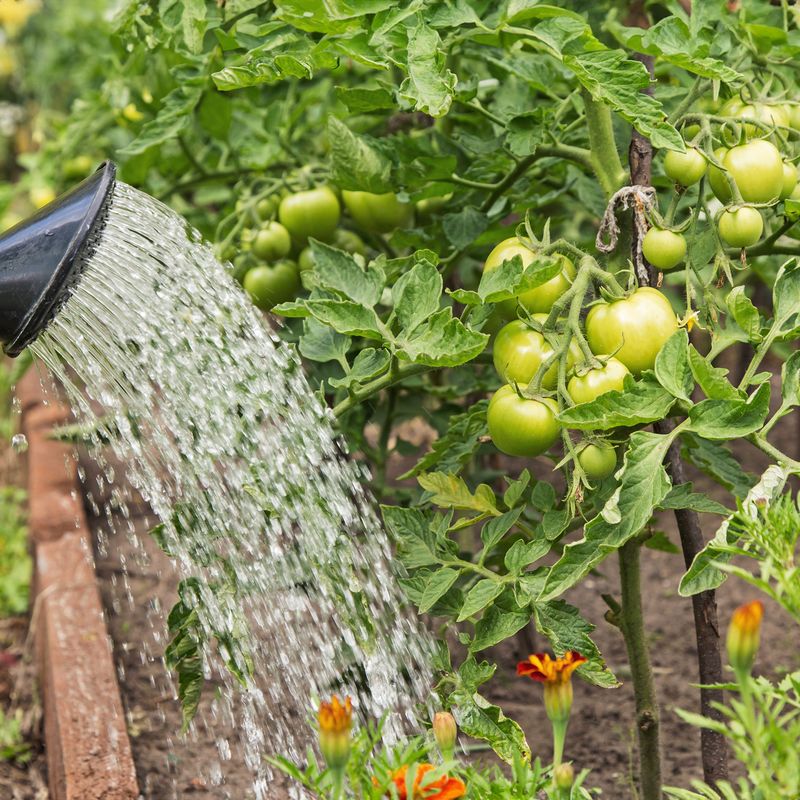
Topping your tomato plant changes what the plant is focusing on, but it does not change how much water it needs. Some gardeners assume that once they top a plant, they can ease up on watering.
That is a myth worth busting right away. August in Texas is seriously hot, and your tomato plants still need consistent moisture to survive and thrive.
Water stress during the final weeks of the season can cause all kinds of problems. Tomatoes that do not get enough water may develop blossom end rot, cracking, or tough skin.
The fruit may also shrivel before it fully ripens. None of those outcomes are what you worked all summer to achieve. Keep your watering schedule consistent, even after topping.
Deep watering is more effective than light, frequent sprinkles. When you water deeply, you encourage the roots to grow down into cooler, more stable soil.
Shallow watering keeps roots near the surface where they are more exposed to heat and dryness. Aim to water slowly and thoroughly at the base of the plant, letting the water soak at least six to eight inches into the soil.
Mulch is your best friend during Texas late-summer heat. A layer of straw, wood chips, or shredded leaves around the base of your plants helps lock in moisture, keeps soil temperatures lower, and reduces how often you need to water.
Apply mulch two to three inches thick, keeping it a few inches away from the main stem. Between deep watering and good mulch coverage, your tomato plants will have what they need to push those existing fruits across the finish line before the season ends.
Remember That August Is Still Growing Season In Much Of Texas
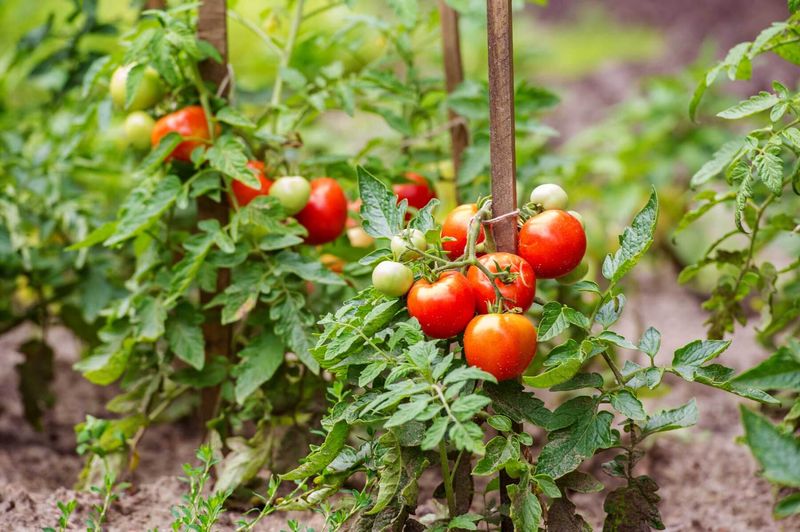
Here is something that surprises many new Texas gardeners: August is not the end of tomato season across the whole state. In fact, for gardeners in central and south Texas, August is right in the middle of the second tomato growing window.
Texas is so big and so climatically diverse that one blanket rule simply does not work for everyone.
Many experienced Texas gardeners plant a second round of tomatoes in late July or early August, timing them to mature before the first frost in October or November. These fall tomato plants are just getting established in August.
Topping them at this stage would be a mistake because they have not even had time to set fruit yet. For these plants, August is about encouraging growth, not limiting it.
The key is always to match your gardening decisions to your local conditions and your plant’s current stage of development.
A tomato plant that was put in the ground back in March and has been growing since spring is in a very different situation than one that went in the ground six weeks ago. Age and maturity of the plant matter just as much as the date on the calendar.
Before you top any plant in August, ask yourself a few quick questions. How long has this plant been growing?
How many tomatoes does it already have on the vine? How many weeks until my local first frost?
Answering those three questions will tell you far more than the month alone ever could. August is a checkpoint, not a finish line.
Treat it that way, and your tomatoes will thank you with a full and flavorful harvest before the season truly winds down.