Why You Should Avoid Walking On Bare Kentucky Soil After Heavy Thunderstorms
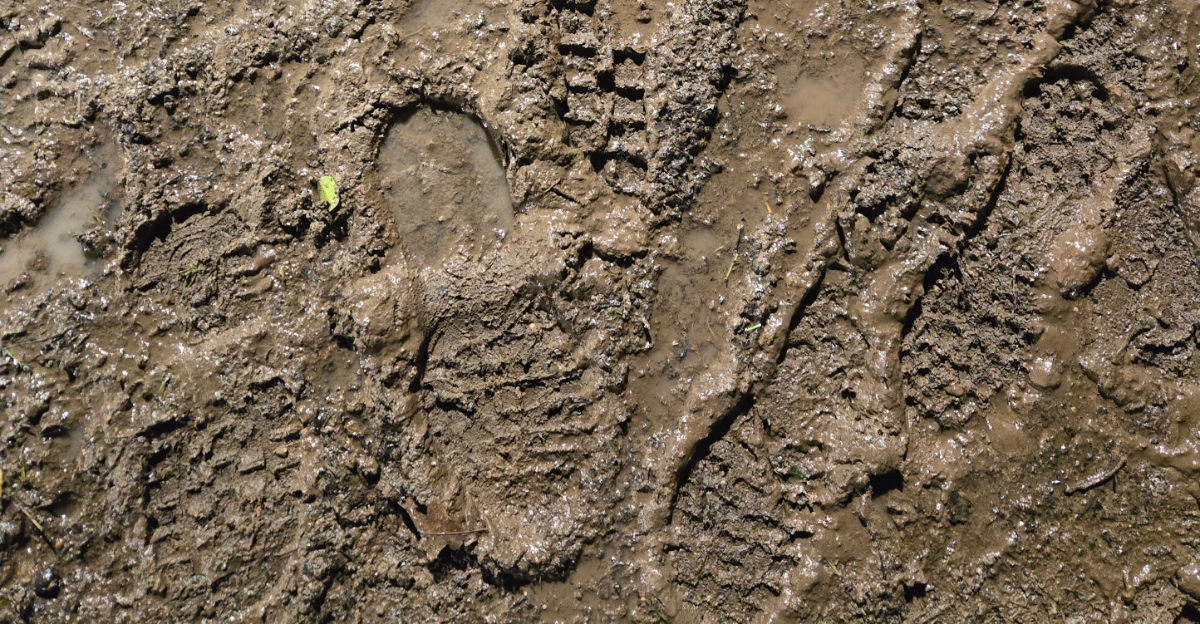
Kentucky rain has a way of making everything look calm right after it passes. The grass glistens, the air smells clean, and the yard seems ready for a stroll.
But something quiet is shifting underneath that shine. Clay-heavy ground holds water differently than most soil types, and a single walk across it can leave marks you won’t notice for weeks.
Most homeowners cross their lawn without a second thought, chasing the mail or checking on flower beds. Few realize their footsteps are setting off changes below the surface.
By the time the damage shows up in patchy grass or slow drainage, the connection to that post-storm walk feels impossible to trace. What happens between rainfall and rebound matters more than it seems.
The Hidden Damage This Common Habit Causes
Most people do not think twice about walking across their yard after a storm. It feels harmless, even normal, to stroll outside and check on things once the rain stops.
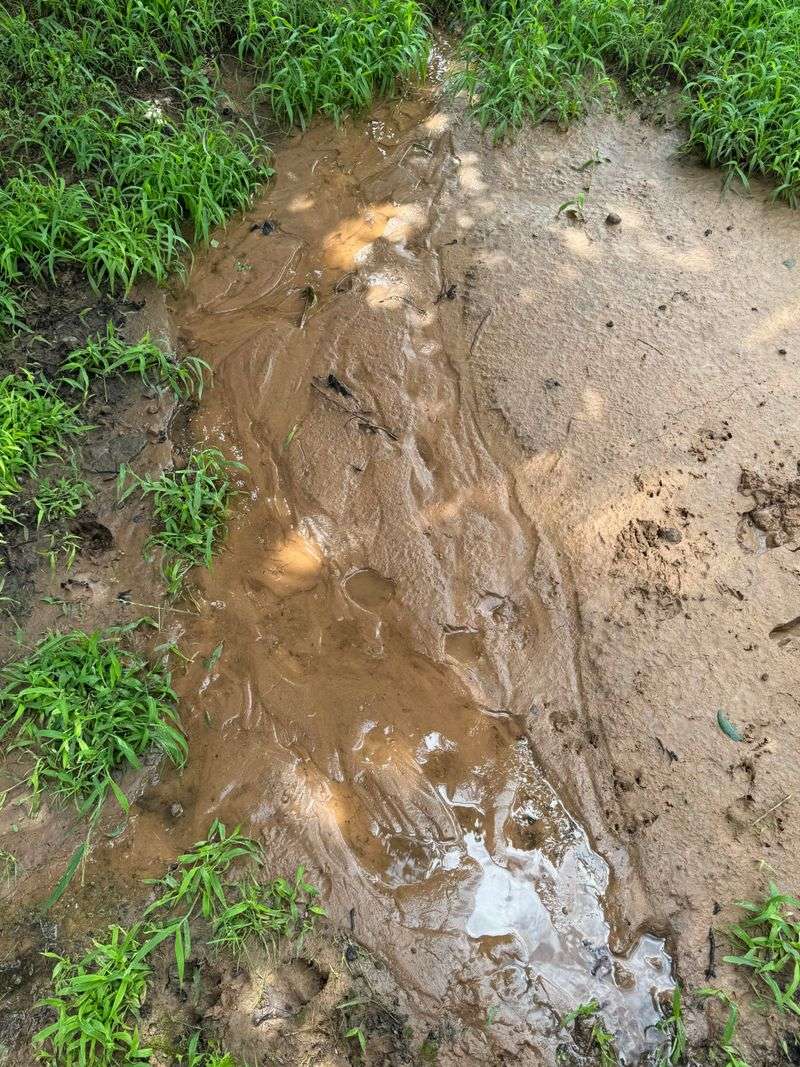
But bare Kentucky soil after heavy thunderstorms is in a fragile, almost liquid state. The water has pushed air pockets out of the ground, leaving the soil structure wide open to collapse.
Every footstep you take on that soft surface presses soil particles tightly together. Those particles bond tightly under pressure, forming a dense layer that water and roots struggle to break through later.
This process is called compaction, and it starts faster than most people expect. Repeated walks across a wet lawn can cause damage that takes months to reverse.
The surface might look fine an hour later once it dries out. But underground, the structure has already shifted in ways that affect drainage, plant health, and soil biology for a long time.
Earthworms and beneficial microbes live in those air pockets you just crushed. Losing that underground ecosystem can hurt your Kentucky yard just as much as drought or pests.
Think of wet soil like a wet sponge that has been squeezed flat. Once it dries in that compressed shape, it stays that way until you actively work to fix it.
Skipping that post-storm stroll is one of the simplest, most powerful things you can do for your yard’s long-term health.
Compaction’s Effect On Root Growth And Drainage
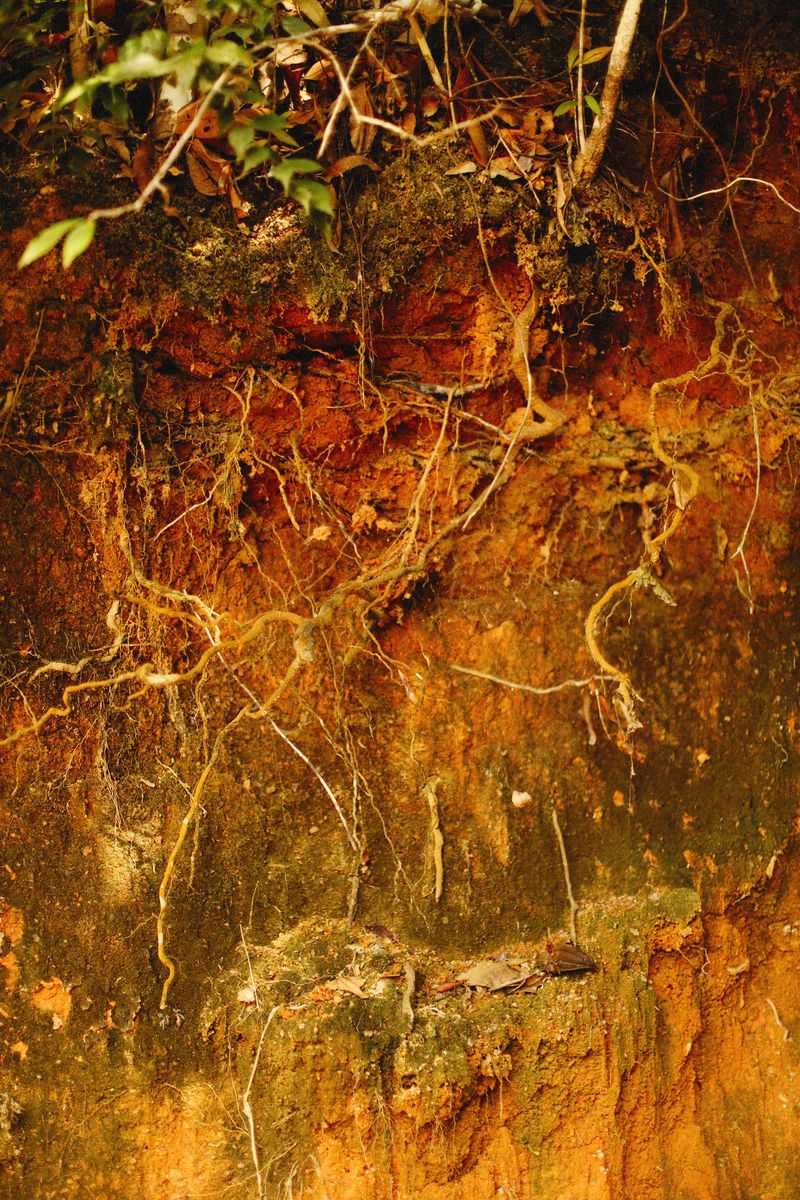
Roots are not as tough as they look. They follow the path of least resistance underground, spreading through soft, airy soil to find water and nutrients.
When soil gets compacted after a storm, those pathways close off. Roots hit a wall of dense, packed earth and simply stop growing deeper.
Shallow roots mean shallow plants. A tree or shrub with compressed soil beneath it cannot anchor itself well or access the moisture it needs during dry spells.
Drainage takes a serious hit too. Compacted soil cannot absorb water quickly, so rain sits on the surface and runs off instead of soaking in where it belongs.
That runoff carries topsoil with it, stripping away the most nutrient-rich layer of your Kentucky yard. Over time, your lawn starts looking patchy and thin without any obvious cause.
Your Kentucky Garden Changes Every Week. Your Plan Should Too.
Gardening in Kentucky changes quickly throughout the season. Every Friday you’ll receive a simple weekly plan showing exactly what to plant, prune, fertilize, harvest, and protect so you never miss the right timing.
In clay-heavy ground, which covers a huge portion of Kentucky, compaction is even more severe. Clay particles pack together like bricks, leaving almost no room for air or water movement.
Gardens built on compacted clay soil become waterlogged during storms and bone dry between them. Plants in these conditions are constantly stressed, making them more vulnerable to disease and pests.
Fixing drainage problems caused by compaction is expensive and time-consuming. Avoiding the walk in the first place costs you nothing and saves you a lot of frustration later.
Signs Your Soil Has Already Been Compacted
Your yard might already be sending distress signals that are easy to overlook. Spotting the right signs can help you catch the problem before it gets worse.
Standing water that lingers for hours after a storm is one of the clearest signs. Healthy, loose soil absorbs rainfall quickly and rarely holds puddles for long.
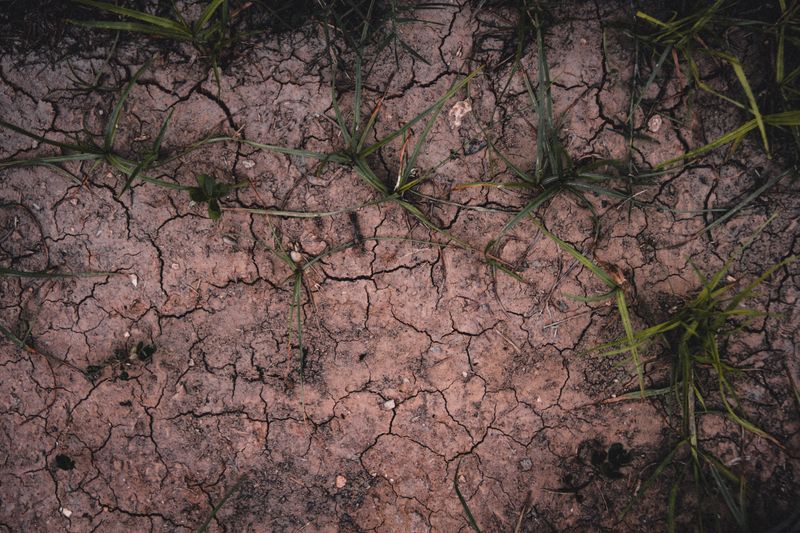
Hard, crusty ground that cracks when it dries is another warning flag. That surface crust forms when soil particles fuse together after being compressed while wet.
Grass that grows in thin, patchy strips rather than thick, even coverage is often struggling with compaction below the surface. The roots simply cannot spread far enough to support a full, lush lawn.
Try pushing a screwdriver or a pencil straight into the ground. If you cannot push it in at least two inches without forcing it, the soil is too dense.
Moss growing in areas where grass used to thrive is a classic sign too. Moss loves compacted, low-oxygen environments that grass finds nearly impossible to survive in.
You might also notice water pooling near your home’s foundation after storms. That is a drainage problem rooted in compacted soil redirecting water in the wrong direction.
Catching these signs early gives you options. The longer compaction sits untreated, the harder the fix becomes, so checking your Kentucky yard now is well worth the effort.
Safer Ways To Check On Your Yard After Storms
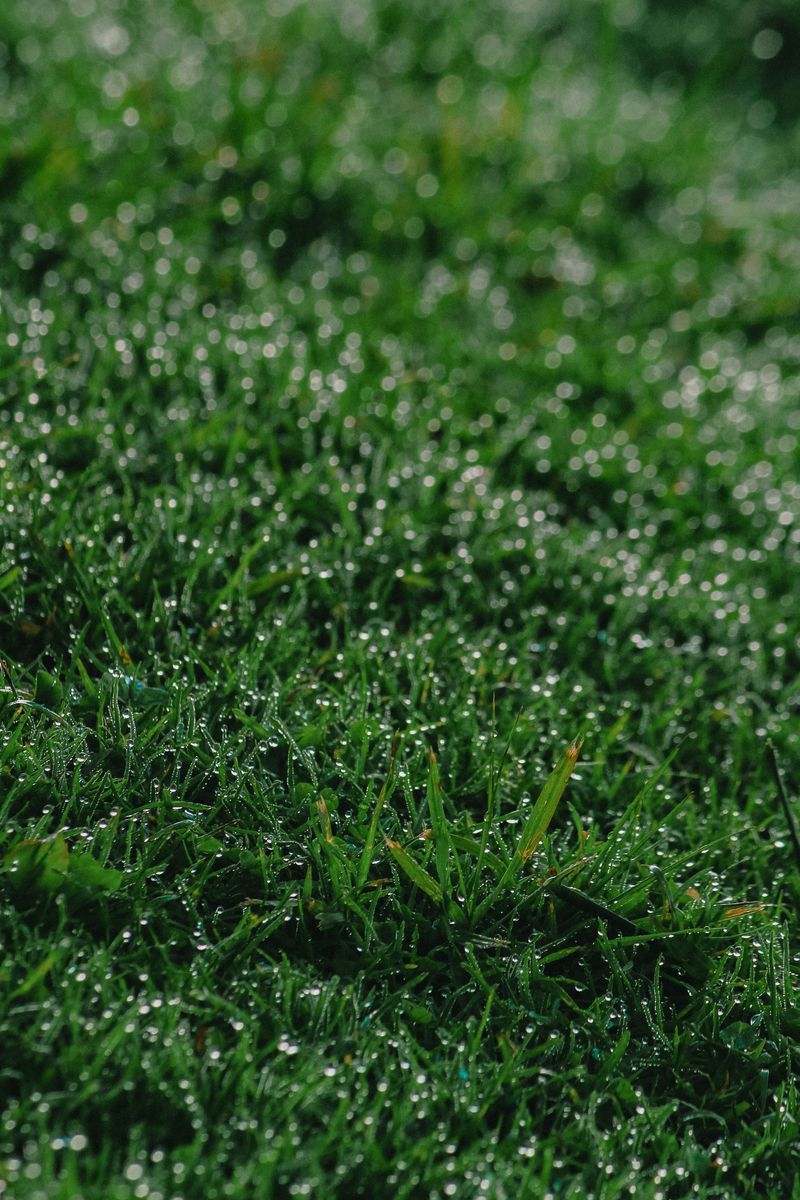
Curiosity after a big storm is completely natural. You want to see if branches fell, if your garden survived, or if the fence held up under the wind.
The trick is checking on things without stepping on bare, saturated soil. A few smart habits can protect your ground while still letting you survey the damage.
Stick to hard surfaces whenever possible. Concrete paths, stone walkways, and wooden decks give you a stable place to stand while you assess the yard from a safe distance.
If you need to get closer to a specific area, lay down a wide wooden plank or a piece of scrap lumber first. Spreading your weight across a larger surface reduces the pressure on any single spot.
Wearing wide, flat-soled shoes instead of narrow heels or pointed boots also helps distribute your weight more evenly. Stiletto heels on wet soil are basically tiny jackhammers driving straight into the ground.
Wait at least 24 hours after a heavy storm before doing any serious yard work on bare areas. That window gives the soil time to drain and regain some structural strength.
Use binoculars or simply step up on a porch railing to get a better view of distant parts of your yard. A little creativity goes a long way toward protecting your soil.
Patience right after a storm is genuinely one of the best gardening tools you own.
Restoring Soil Structure After Compaction Damage
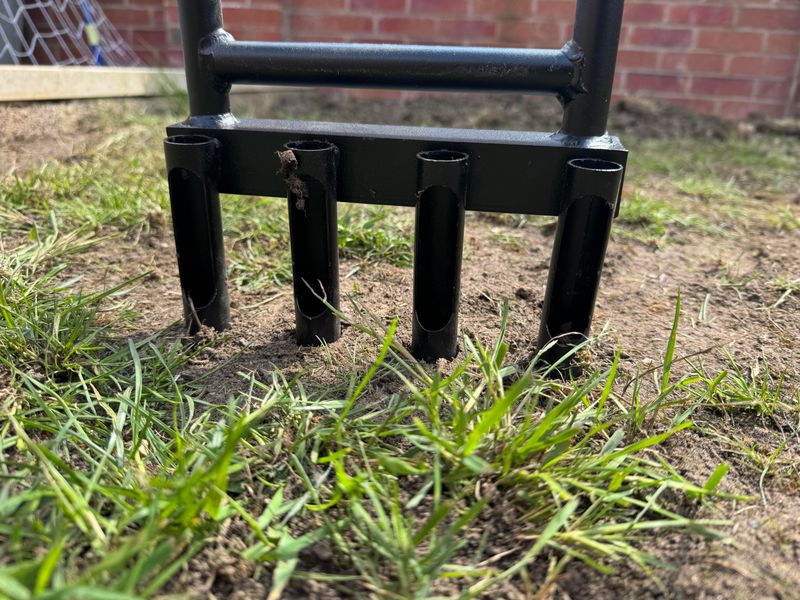
Compacted soil is not the end for your yard. With the right approach, you can restore structure and bring your ground back to life over a season or two.
Core aeration is the most effective first step. A core aerator pulls small plugs of soil out of the ground, opening up channels for air, water, and roots to move through again.
The best time to aerate in the Bluegrass region is late summer through early fall for cool-season grasses. That timing gives your lawn a full growing season to recover before winter arrives.
After aerating, top-dress the area with a thin layer of compost. Compost improves soil texture, feeds microbes, and helps break up clay particles over time.
Adding organic matter consistently is the long game here. Each season you add compost or aged leaf mulch, the soil becomes a little looser, a little more alive, and a little more resilient.
Gypsum is another tool worth trying on clay-heavy ground. It works by loosening clay particles without dramatically changing your soil’s pH, making it a low-risk amendment.
Planting deep-rooted cover crops like clover or annual ryegrass also helps. Their roots break up compaction naturally as they grow, acting like tiny underground tillers.
Restoration takes time, but every step you take moves your yard closer to the thriving, healthy ground it was meant to be.
Protecting Bare Soil Before The Next Storm Hits
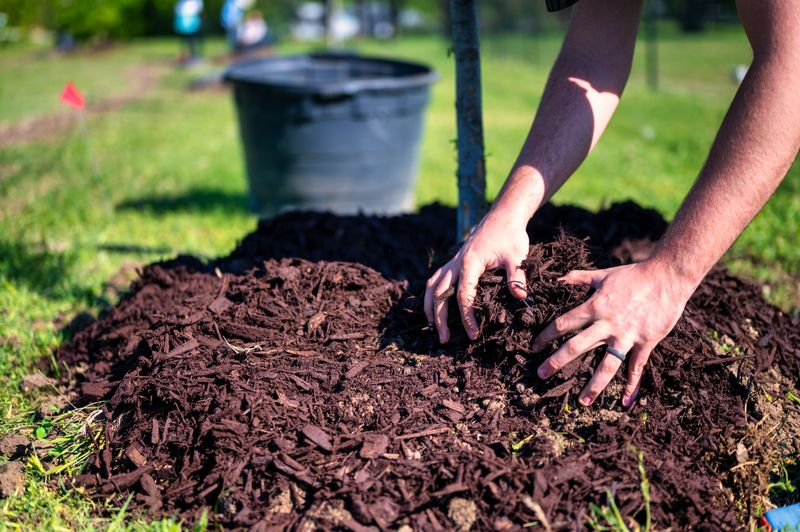
The best defense against storm damage is a good offense. Covering bare soil before the next storm is far easier than repairing compaction damage after the fact.
Mulch is your first and most powerful tool. A two-to-three inch layer of wood chips, straw, or shredded leaves acts as a buffer between heavy rain and vulnerable soil below.
Mulch slows the impact of raindrops, which can shatter the soil surface and cause what scientists call splash compaction. That protective layer keeps the ground loose and absorbent even during intense downpours.
Ground cover plants are another excellent option for areas that are hard to mulch. Low-growing plants like creeping thyme, clover, or native sedges hold soil in place with their root systems year-round.
Grass itself is a powerful protector when it is healthy and thick. A dense lawn canopy intercepts rainfall and reduces the force that hits the soil surface beneath it.
Seeding bare patches as soon as they appear keeps vulnerable ground covered. Even a quick application of annual ryegrass buys you protection while slower perennial grasses establish themselves.
Installing simple rain garden swales or berms in low-lying areas redirects stormwater away from bare zones. A little earthwork now prevents a lot of muddy chaos later.
Protecting bare Kentucky soil after heavy thunderstorms starts with these small, consistent choices that add up to a yard that weathers every storm with strength.