The Native Ohio Berry Shrub Migrating Songbirds Need In Late August
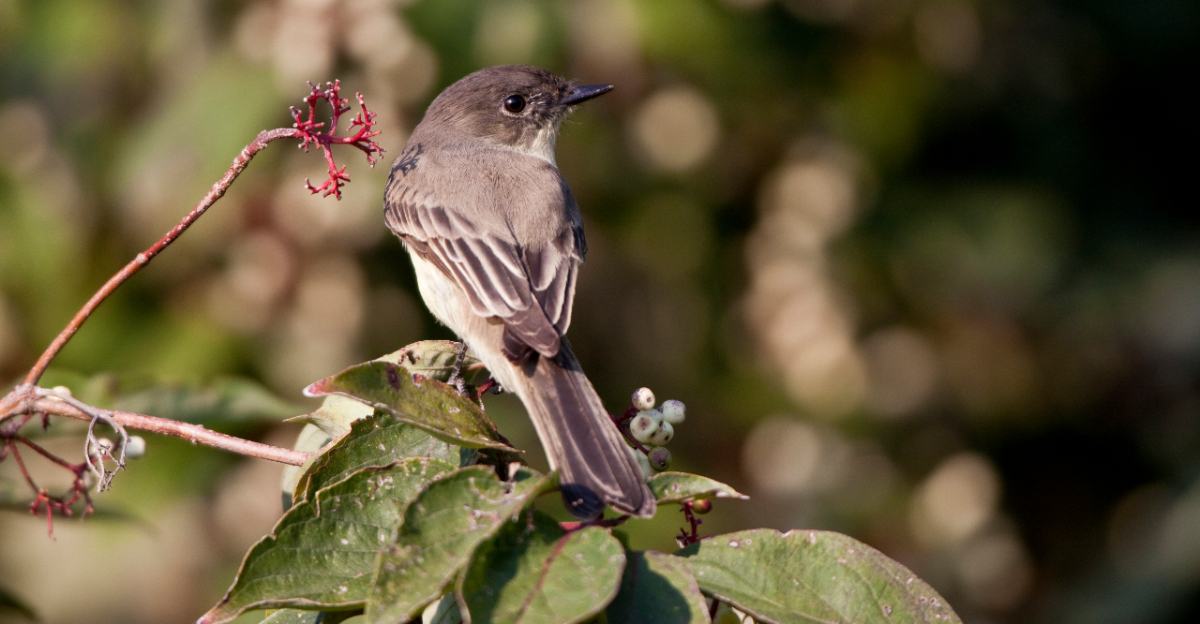
Late August migration moves through Ohio faster than most people realize. The birds passing through right now are not leisurely travelers.
They are running an energy calculation that every stop either supports or fails to cover, and the yards without the right food sources are flyovers before the bird even slows down. One native shrub produces berries at exactly this moment in the season.
Not spring, not fall. Late August, when the migration pressure is building and the fuel requirements of a bird preparing for a long journey are at their most demanding.
The yards that have it become stops worth making. The yards without it get passed over by species that most birdwatchers spend the entire year hoping to see up close.
Migration season in Ohio is measured in days and fuel. This shrub is one of the more reliable ways a yard earns a place on that route.
1. Late August Is When Gray Dogwood Starts Paying Off
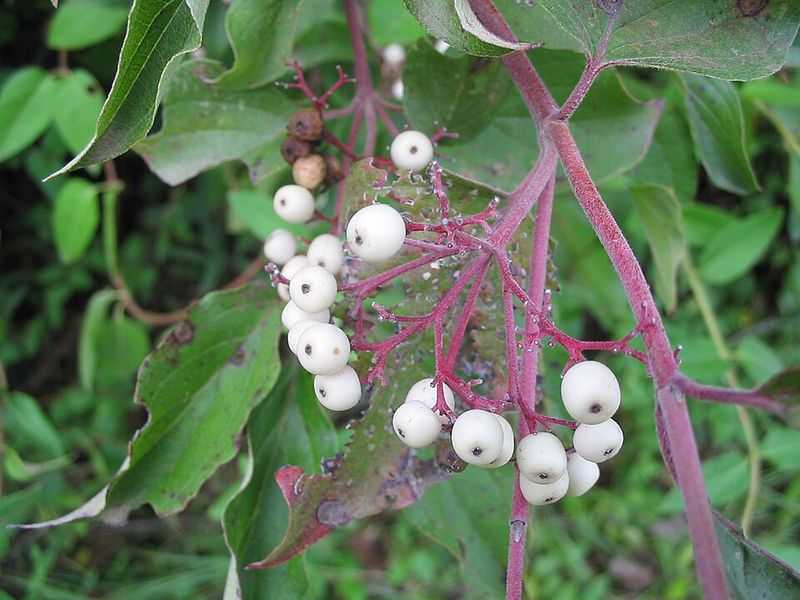
Clusters of small pale fruit appearing on a woody shrub might not look dramatic at first glance. On gray dogwood, though, that moment carries real seasonal weight.
The shrub typically begins producing ripe fruit in late summer, with timing that can shift depending on site conditions, weather patterns, and plant maturity.
Fruit development does not follow a single fixed schedule across Ohio. A shrub growing in a sunny, open area may ripen fruit earlier than one tucked into a partially shaded border.
Seasonal temperatures and moisture during the growing season can also influence when fruit becomes fully ready.
Late August is when some of the earliest fall-moving songbirds begin appearing in the region. Not every species moves at the same time.
Age, weather, and individual variation all affect when a particular bird starts traveling. But the general window of late summer and early fall is when seasonal movement begins building for many species.
Having fruit available during this window gives birds a food source they can use without much effort. Ripe fruit on an accessible shrub is easier to consume quickly than hunting insects through dense foliage.
For birds building energy reserves or recovering from a night of travel, that efficiency can matter. Gray dogwood’s fruiting period lines up reasonably well with the start of this broader seasonal transition.
2. White Berries Arrive Right As Migration Picks Up
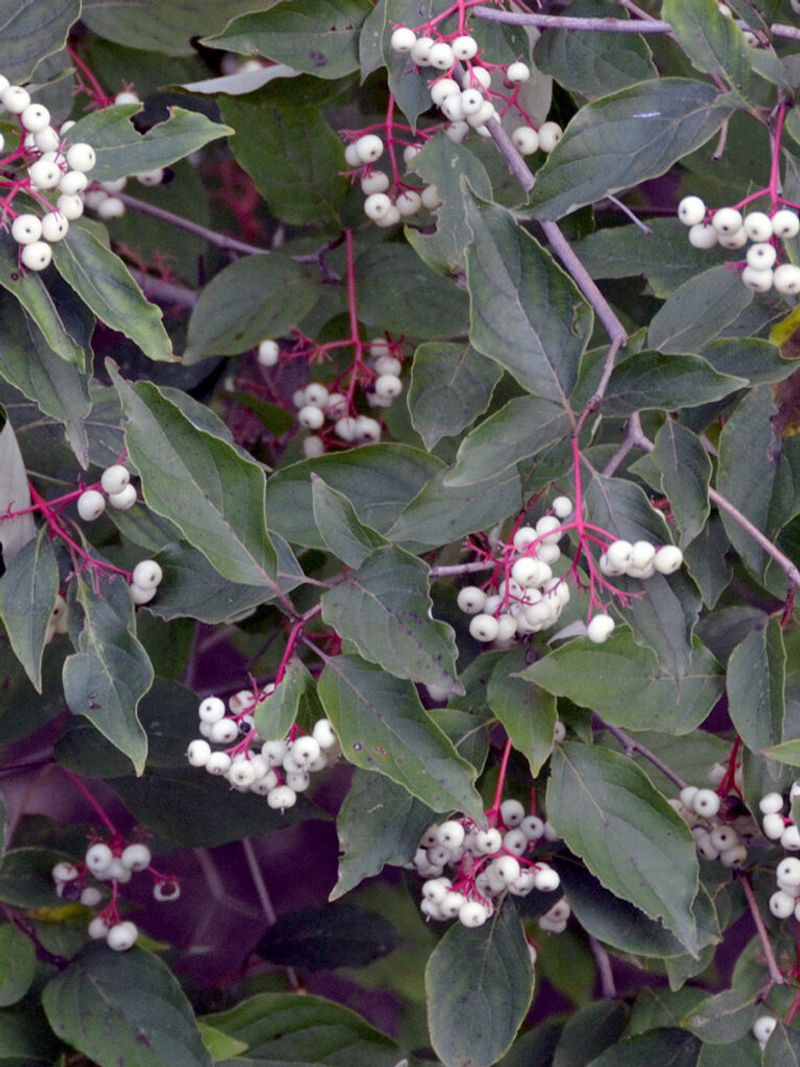
Mature gray dogwood fruit is white, held in clusters above distinctive reddish stems called pedicels. The contrast between the pale fruit and the reddish stalks makes the shrub visually recognizable when fruit is present.
Fruit typically appears in late summer and may persist briefly before birds remove it or it drops naturally.
The white color distinguishes gray dogwood fruit from several other native shrubs fruiting around the same time. Identifying the plant correctly matters, since different Cornus species produce fruit in different colors and at different times.
Silky dogwood, for example, produces bluish fruit, while red osier dogwood fruit also differs in appearance.
Birds that eat fruit during fall movement are generally seeking energy-dense foods. Fruit sugars provide accessible fuel for traveling birds.
Your Ohio Garden Changes Every Week. Your Plan Should Too.
Gardening in Ohio changes quickly throughout the season. Every Friday you’ll receive a simple weekly plan showing exactly what to plant, prune, fertilize, harvest, and protect so you never miss the right timing.
Broader ornithological literature also notes that some dogwood fruits can be useful to fruit-eating songbirds during seasonal travel.
Species-specific nutritional data for gray dogwood fruit is limited in published research, so precise fat or calorie values are not cited here.
What can be said is that fruit-eating birds actively seek ripe fruit during late summer and fall in Ohio. A shrub producing white clusters in August and September sits within that seasonal window.
Catbirds, thrushes, and several other fruit-eating songbirds are documented visitors to dogwood shrubs during fall movement. Individual visits still depend on local conditions and food availability.
3. Hungry Birds Can Strip The Fruit In A Hurry
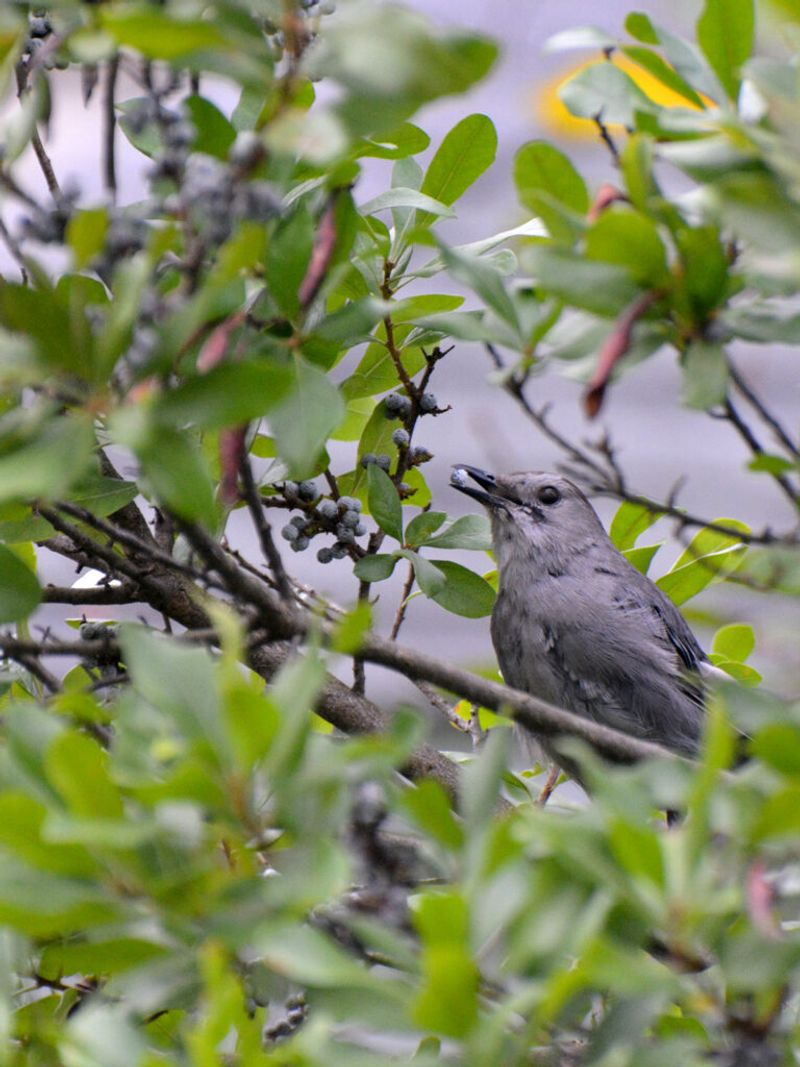
A shrub loaded with white fruit one morning can look nearly bare by afternoon if a small group of fruit-eating birds moves through. Rapid fruit removal from native shrubs is a documented pattern during late summer and fall.
It reflects seasonal demand rather than any single bird’s preference for one plant over another.
Several songbird species that eat fruit during fall movement have been observed using dogwood shrubs. Gray catbirds are regular visitors to fruiting shrubs throughout the eastern United States during late summer.
Veeries, Swainson’s thrushes, and other thrush species also consume fruit during fall movement, and dogwood shrubs are among the plants they use.
Not every bird visiting a gray dogwood in late August is a migrant. Some may be Ohio local breeders finishing their summer season.
Young birds from nearby nests may be exploring food sources before any long-distance movement begins. The presence of a bird on a fruiting shrub in August does not automatically indicate that it is traveling.
Still, the speed at which ripe fruit disappears from a productive shrub suggests real demand during this period. Fruit clusters disappearing within a day or two are a strong sign of active feeding.
The visitors may be resident birds, wandering young birds, or early seasonal travelers. The shrub does not distinguish between them, and neither does the fruit.
4. Dense Branches Give Travelers A Place To Pause
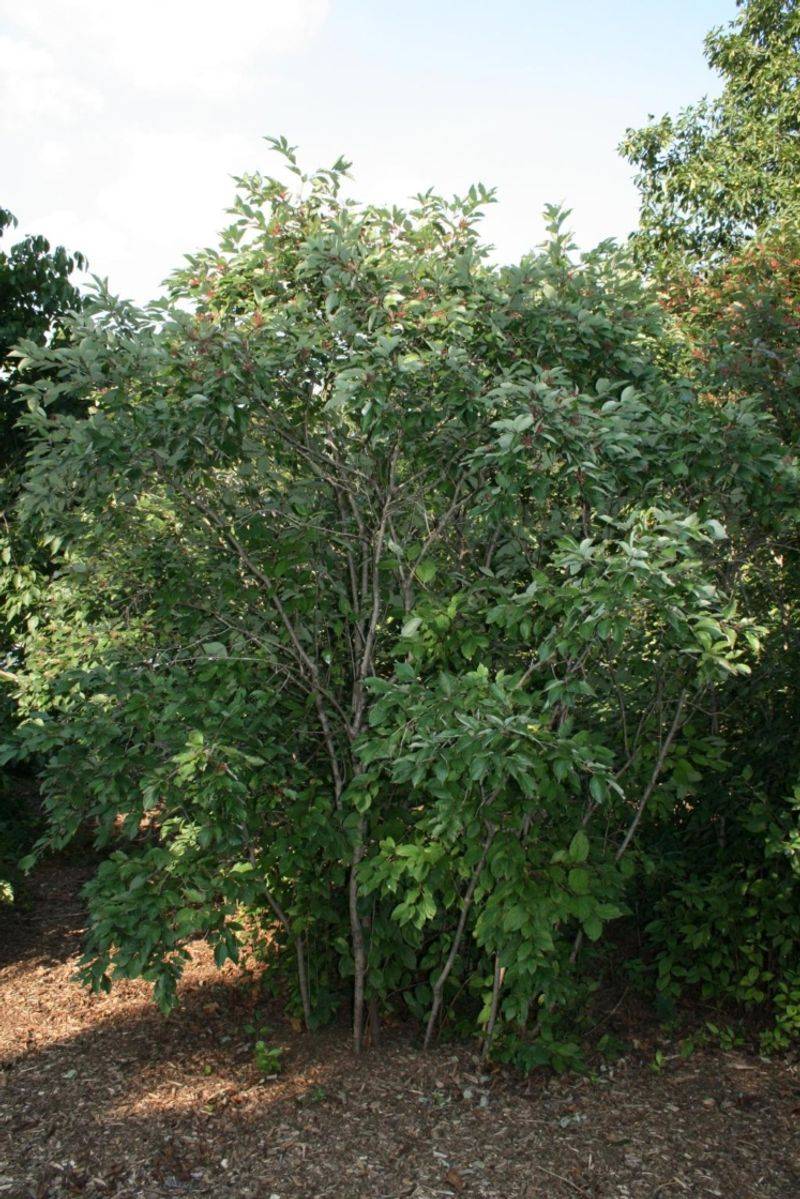
Woody cover along a migration corridor can matter just as much as food. A bird that has traveled through the night may spend daylight hours resting and feeding before moving again.
Dense branching within a shrub provides a place to pause out of open sight, which many birds appear to prefer during daylight rest periods.
Gray dogwood tends to grow with multiple stems and can develop a fairly dense branching structure, especially when allowed to spread naturally into a colony. That structure creates interior space that is less exposed than open lawn or bare branches.
Birds using dense shrubs for daytime rest are not necessarily nesting. They are using available cover during a temporary stop.
The value of that cover depends on more than the shrub itself. Surrounding vegetation, proximity to water, and the overall landscape context all influence whether a particular site becomes useful to traveling birds.
A dense shrub growing alongside other native plantings, near a tree line or water source, may attract more use than an isolated specimen in a mowed lawn.
Gray dogwood’s branching habit suits it well for edges and naturalized borders. Planted or allowed to spread along a property boundary or woodland margin, it can contribute both structure and fruit to a site.
The combination of food and cover in one plant makes it a practical choice for wildlife-minded landscapes with adequate space.
5. Sun Or Shade Gives This Shrub Room To Work
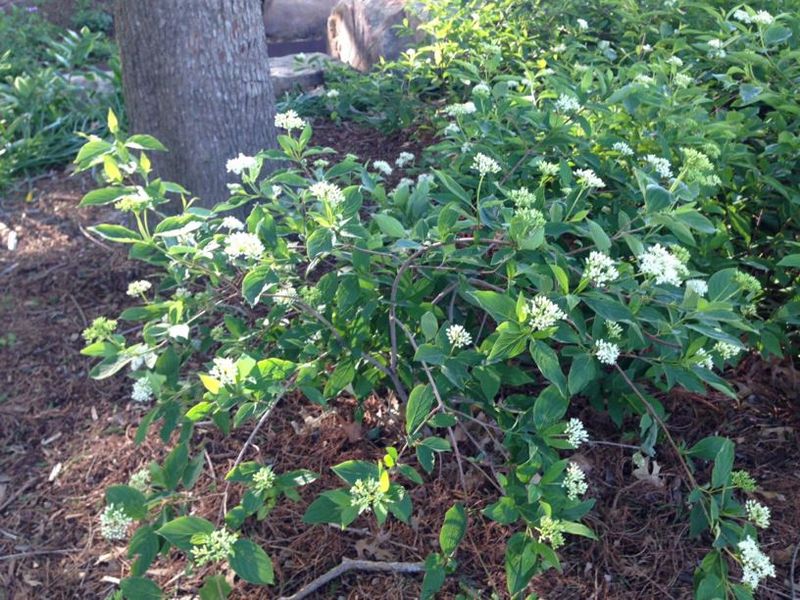
Placement flexibility is one of the more practical traits gray dogwood brings to an Ohio landscape. The shrub is documented as tolerant of both full sun and partial shade, which gives it a wider range of useful planting positions than many native shrubs require.
That adaptability makes it easier to fit into varied yard conditions.
Growth and fruit production may differ between sunny and shaded sites. Shrubs in full sun generally produce more fruit and develop a denser form.
Plants growing in partial shade may become somewhat more open in structure but can still fruit and provide cover. Deep shade under a closed forest canopy is less suitable and may significantly limit both growth and fruiting.
Woodland edges tend to suit gray dogwood well. These transitional zones often provide a mix of light conditions across the day.
The shrub can anchor the edge of a naturalized border, fill the space between a lawn and a tree line, or grow along a fence line where sun exposure varies by season.
Property boundaries and larger naturalized areas also work well, provided there is room for the shrub to spread over time. Mature specimens can reach roughly six to ten feet in height with a comparable spread, and suckering can extend the colony further.
Choosing a site with space to accommodate that growth avoids the need for frequent management to keep the plant contained.
6. Wet Or Dry Ground Does Not Rule It Out
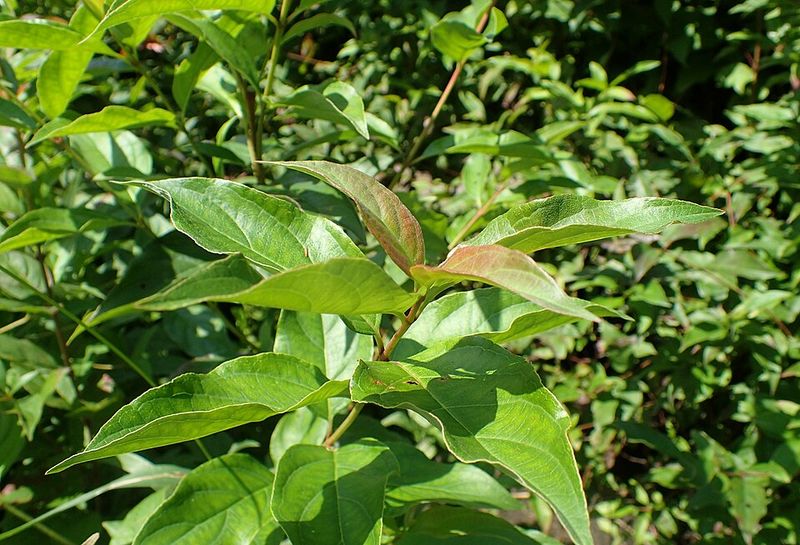
Soil conditions that discourage many ornamental shrubs are less likely to stop gray dogwood. The species is documented as tolerant of a range of soil types, including moist soils, average garden soils, and moderately drier conditions.
Clay soils, which are common across much of the state, are generally within its tolerance range.
That said, tolerance has limits. Gray dogwood is not suited to sites with standing water or prolonged flooding.
At the other extreme, severely compacted or extremely dry soils can stress the plant, particularly during establishment. Moisture tolerance in an established shrub does not translate to carefree performance on a newly planted one.
New plantings benefit from consistent moisture while roots are developing. The first full growing season after planting is typically the most critical period.
Supplemental watering during dry stretches helps a young plant establish before it can draw on its broader tolerance. Soil conditions, rainfall, and temperature all affect how quickly establishment proceeds.
Once gray dogwood is well established, it tends to handle seasonal variation in soil moisture without significant intervention. A site that stays moderately moist in spring but dries somewhat in late summer is generally suitable.
This flexibility makes the shrub practical for yards where soil conditions are inconsistent or where irrigation is limited. Matching the plant to a realistic site description leads to better long-term results than assuming it will thrive anywhere.
7. Suckers Can Turn One Shrub Into A Useful Thicket
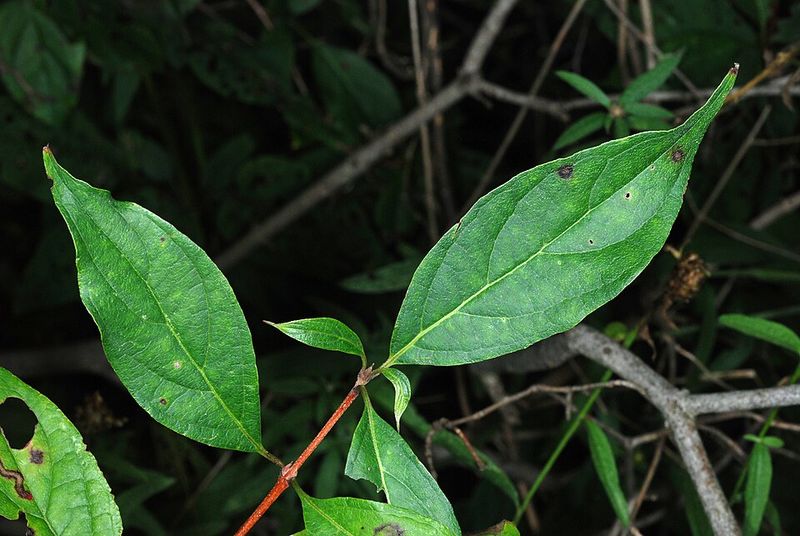
New stems appearing a foot or two beyond the original plant are one of gray dogwood’s defining characteristics. The shrub spreads through underground stems, producing suckers that grow into new upright shoots over time.
A single plant can gradually expand into a multi-stemmed colony if left unmanaged in a suitable location.
That spreading habit is genuinely useful in the right setting. A naturalized border, larger wildlife planting, or roomy property edge can suit gray dogwood well.
As the colony matures, its thicket structure can become a useful feature in those settings. More stems mean more fruit-bearing branches and more interior cover for birds and other wildlife.
The tradeoff is real, though. A shrub that spreads through suckers is not a good fit for a formal foundation bed, a narrow walkway border, or a small perennial garden.
Suckers appearing among smaller plants can crowd them out over several seasons. The plant is not invasive in an ecological sense, but its growth habit does require an honest assessment of available space before planting in Ohio.
Suckers can be removed by cutting or digging them out when they appear in unwanted areas. Managing spread is possible with regular attention, but it adds maintenance to what might otherwise seem like a low-effort plant.
In a location where spreading is welcome, no management is needed. Choosing the right site from the start makes the difference between a useful colony and a recurring garden problem.
8. Leave The Late Summer Fruit For The Birds
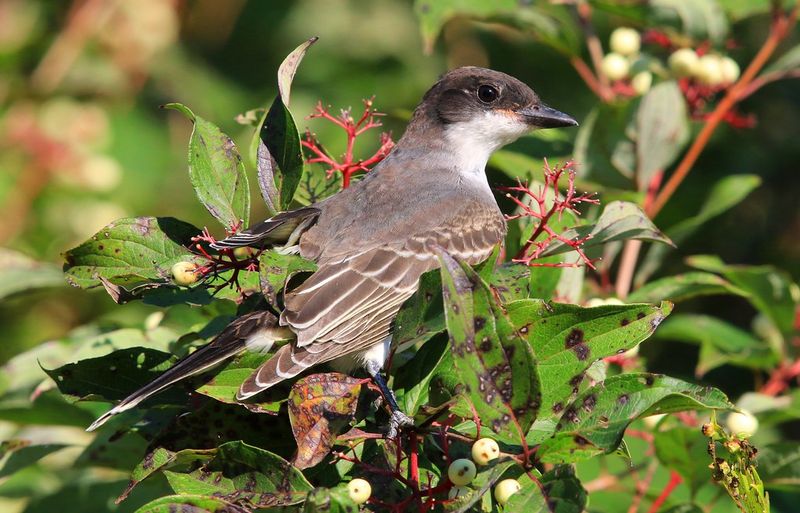
Ripe white clusters sitting on gray dogwood stems in late August have a straightforward purpose in a wildlife-minded landscape. Leaving that fruit in place costs nothing and allows birds that pass through or forage locally to use it on their own schedule.
The fruit does not require any special preparation or supplemental feeding from the gardener.
Pruning timing matters when fruit is present. Heavy pruning done in late summer or early fall can remove branches that still carry ripe or nearly ripe fruit.
If supporting birds during this seasonal window is a priority, avoid major shaping while fruit is present. Save that work for late winter or early spring, before new growth begins.
Minor maintenance, like removing a damaged stem or clearing a path, is unlikely to meaningfully affect the shrub’s overall fruit supply.
The concern is with heavy cutting that removes a significant portion of the canopy during a period when the fruit is actively available to wildlife.
Gray dogwood fruit has no documented culinary use for people, so there is no competition between human harvest and wildlife use. The fruit can simply remain until birds consume it or it drops naturally as the season progresses.
A native shrub contributes most when its fruiting season, growth habit, and site conditions align with the landscape around it. Getting that match right from the beginning is what allows the plant to do its job without constant intervention.