Ohio’s Late-Season Native Combo That Keeps Monarchs Fueled Before Migration
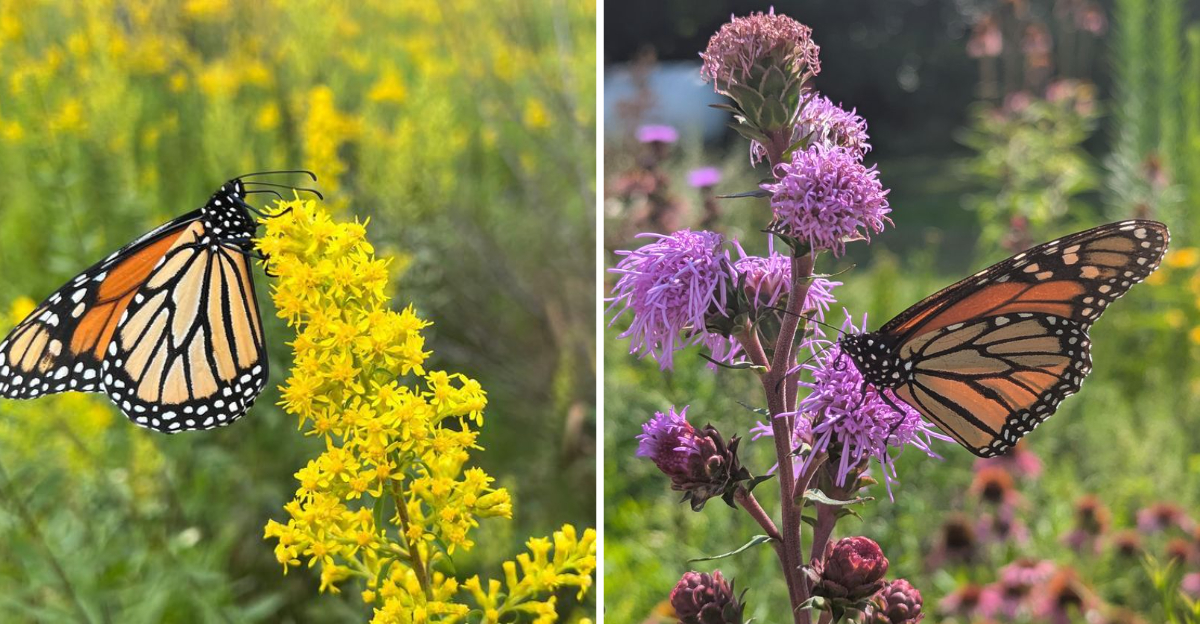
Every autumn, a tiny traveler sets out on a journey longer than most road trips humans take in a lifetime. Wings barely thicker than paper carry it thousands of miles toward a destination it has never seen.
That kind of trip demands fuel, and not just any fuel. For gardeners in Ohio, that fuel stop might be growing right in the backyard.
Two plants growing quietly in backyard gardens hold the answer. Their late-season blooms open right when this traveler needs them most, offering exactly the boost required for the miles ahead.
Pair them together, and a small patch of soil becomes something bigger: a fueling station for one of nature’s most remarkable migrations.
Blazing Star And Goldenrod Make A Powerful Late-Season Pair
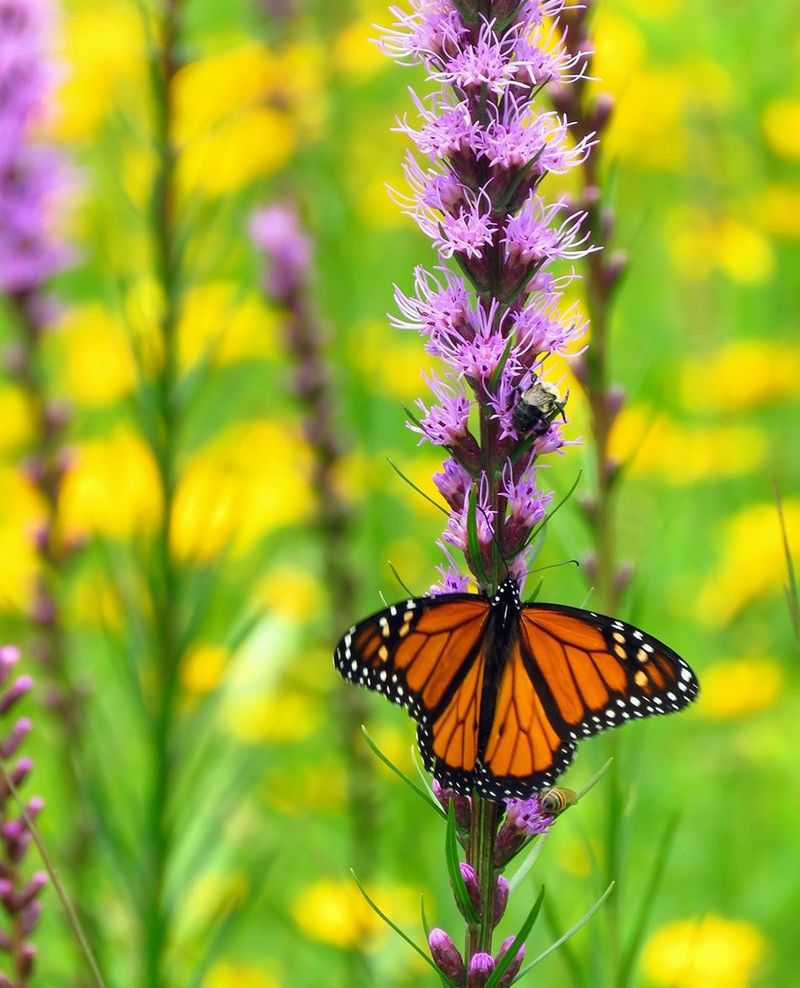
Picture this: a late-summer garden glowing purple and gold, alive with fluttering wings. That is exactly what happens when Blazing Star and Goldenrod grow side by side.
These two native plants are a classic duo for monarch migration support. Blazing Star, known scientifically as Liatris, shoots up tall purple spikes that monarchs find irresistible.
Goldenrod fills in with bright yellow plumes that buzz with pollinator energy all season long. Together, they create a landing strip monarchs cannot ignore.
This pairing works so well because both plants hit their stride at exactly the right moment. They overlap during the critical fall window when monarchs are building fat reserves for their long flight.
Blazing Star tends to peak in August, while Goldenrod carries the nectar torch through September and even October. That staggered bloom keeps the buffet open longer. Monarchs do not have to search far for their next meal.
Beyond monarchs, this pairing attracts painted ladies, bees, and dozens of other pollinators. Your Ohio garden becomes a living ecosystem, not just a pretty space. Neighbors are likely to stop and take notice.
Native plant combinations like this one also require less water and fewer inputs than traditional garden plantings. They evolved here, so they thrive here naturally. Starting with this pair is one of the smartest moves a pollinator gardener can make.
Bloom Times That Line Up With The Migration Window
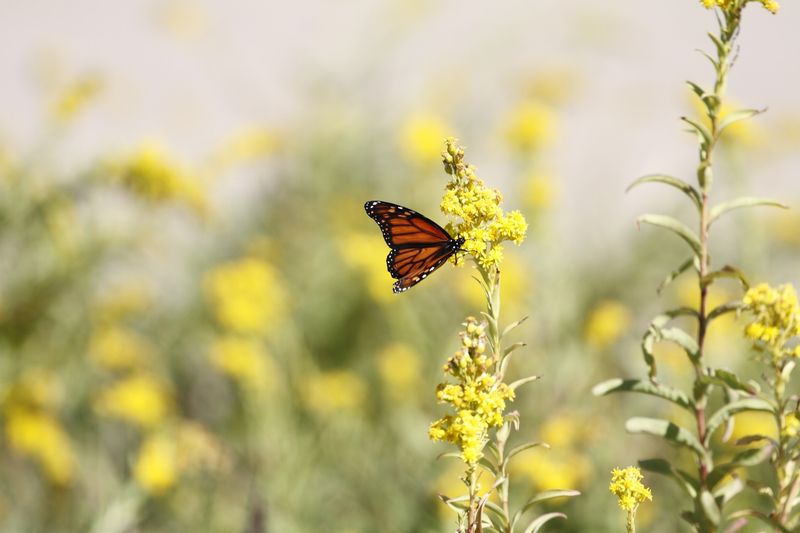
Timing is everything when monarchs are on the move. These butterflies pass through most of the continental U.S. between late August and mid-October, depending on the region.
Blazing Star opens its purple blooms right as the first monarchs begin heading south. It hits peak bloom in August in many areas, acting like a welcome sign for early migrants.
The flowers are packed with nectar and easy for butterflies to land on. Goldenrod picks up right where Blazing Star leaves off.
Most Solidago species bloom from late August through October, giving monarchs a reliable food source as migration peaks. That handoff between the two plants is what makes this combo so effective.
A monarch can nearly double its total body weight before migration, much of it stored as fat for the journey. That takes a lot of nectar from a lot of flowers over several weeks.
Your Ohio Garden Changes Every Week. Your Plan Should Too.
Gardening in Ohio changes quickly throughout the season. Every Friday you’ll receive a simple weekly plan showing exactly what to plant, prune, fertilize, harvest, and protect so you never miss the right timing.
Having two plants that bloom back-to-back means monarchs can keep feeding without interruption. Gardeners in the Midwest and Northeast are especially well-positioned to support this migration corridor.
Planting both species gives butterflies a reason to stop, rest, and refuel in your Ohio yard. That stopover can be the deciding factor in a monarch’s journey south.
Check your local bloom times using native plant databases or your county extension office. Matching the right cultivars to your region sharpens the timing even further. A well-timed garden is a gift monarchs cannot afford to pass up.
Nectar Output Both Plants Deliver Late In The Season
Not all flowers are created equal when it comes to nectar. Some look gorgeous but offer almost nothing to a hungry butterfly passing through in September.
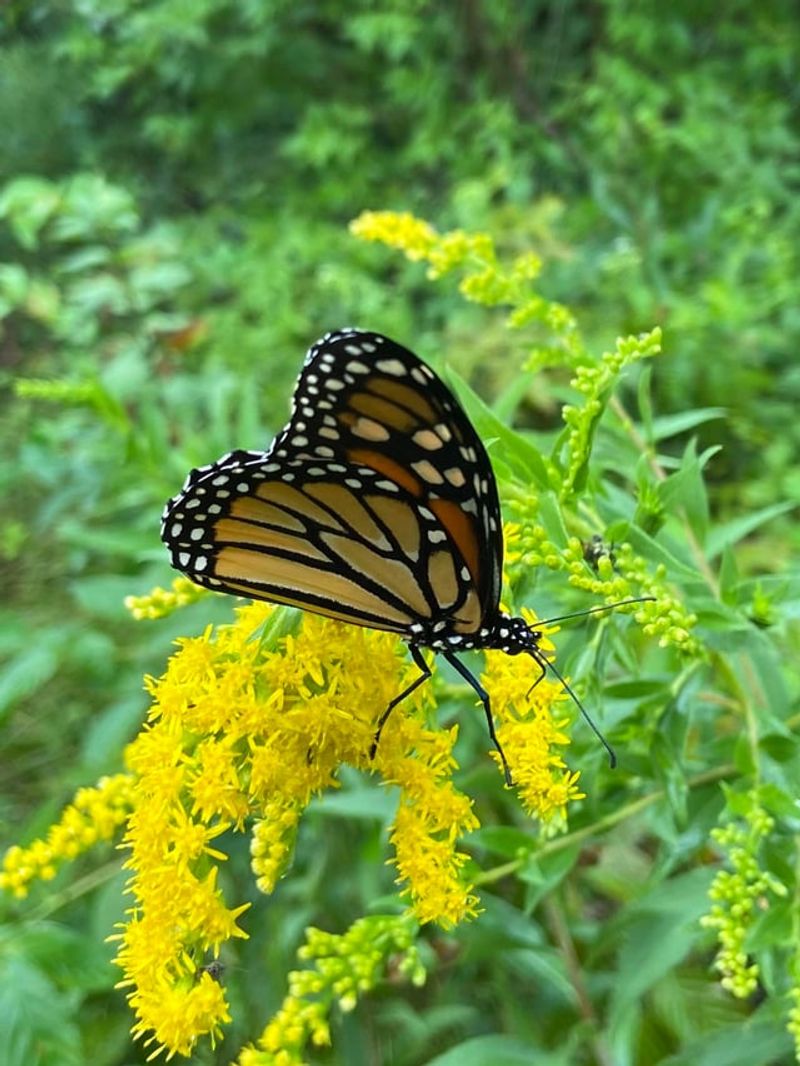
Goldenrod is known for producing unusually generous amounts of nectar compared to many other late-season natives.
One plant can support dozens of insect visits in a single afternoon, making it a critical fuel stop on the migration route. Blazing Star is no slouch either.
Its tubular florets are perfectly shaped for butterfly feeding, and they produce steady nectar throughout the bloom period. Monarchs tend to spend longer on Liatris blooms than on many other flowers, which says a lot about its quality.
Late-season nectar is especially important because many other flowering plants have already faded by August. Gardens that still offer food in September are rare and valuable. Monarchs will travel out of their way to find them.
Goldenrod nectar stays reliably rich even as fall temperatures drop. That means monarchs get more energy per sip as the season winds down. It is like switching from a light snack to a high-calorie energy bar.
Combining these two plants maximizes the nectar window in your Ohio garden. Together, these two plants deliver results any Ohio pollinator garden can count on. Your yard becomes a pit stop monarchs will remember, and return to, year after year.
Growing Conditions That Suit Them Both
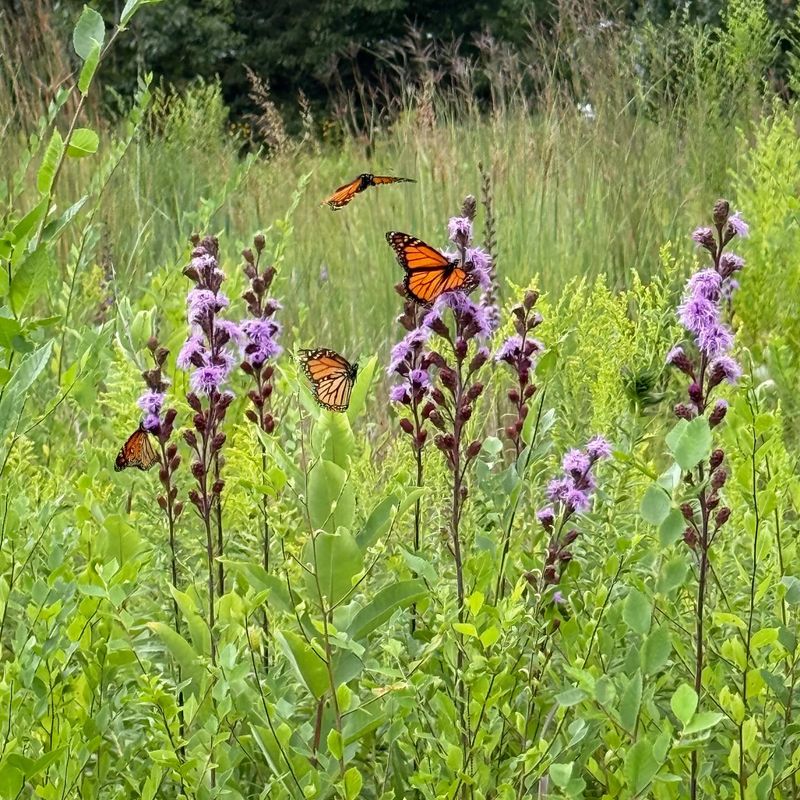
Gardeners who do not want two totally different care routines are in luck. These plants are practically roommates in terms of what they need. Both Blazing Star and Goldenrod thrive in full sun and well-drained soil.
Blazing Star grows from a corm, which is a bulb-like structure that stores energy underground. Plant it about two to three inches deep in spring, and it will reward you with tall purple spikes by midsummer.
Goldenrod is even tougher. It spreads through rhizomes and self-seeds readily, making it one of the easiest native plants to establish. Give it a sunny spot with average soil, and it will do the rest on its own.
Both plants prefer soil that is not overly rich. Too much fertilizer pushes leafy growth at the expense of flowers, which is the opposite of what you want. Skip the heavy amendments and let them grow lean and mean.
Neither plant needs much supplemental water after the first season. Their deep root systems tap into moisture that shallower plants cannot reach. This makes them ideal for gardeners in drier regions or those trying to cut back on irrigation.
They also coexist without crowding each other out, especially when planted with a bit of spacing. A gap of 18 to 24 inches between clumps keeps airflow healthy.
Happy, well-spaced plants produce more blooms, and more blooms mean more monarchs stopping by.
Planting Them Together For Steady Pollinator Activity
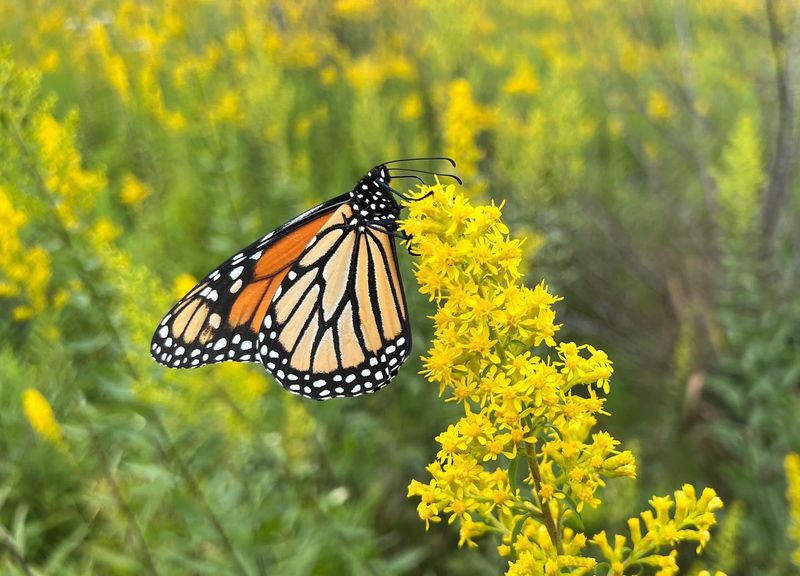
Planting these two species together is less about design rules and more about strategy. You want monarchs, bees, and other pollinators moving through your Ohio garden without long gaps between food sources.
A simple approach is to plant Blazing Star in clusters of three to five corms. Group them near the front or middle of a bed where their tall spikes can catch the eye of passing butterflies.
Place Goldenrod behind or beside the Liatris clumps. Its arching yellow plumes create a warm backdrop that contrasts beautifully with the purple spikes. The visual combo also signals to monarchs that this is a serious nectar zone worth investigating.
Stagger your planting dates slightly to stretch the bloom window even further. Starting Blazing Star two weeks before Goldenrod gives each plant its moment in the spotlight. Pollinators respond to fresh blooms, so a rolling harvest keeps them coming back.
Avoid planting in a single straight row. Clusters and drifts mimic how native plants grow in the wild, which makes the planting feel more natural to pollinators. Monarchs evolved alongside these plants in meadows, not formal garden rows.
Once established, this pairing largely takes care of itself. Cut back spent Goldenrod in late fall or leave the seed heads for birds. This native combo rewards low-maintenance gardeners with high-impact results every single year.
Extending Support With A Few Companion Bloomers
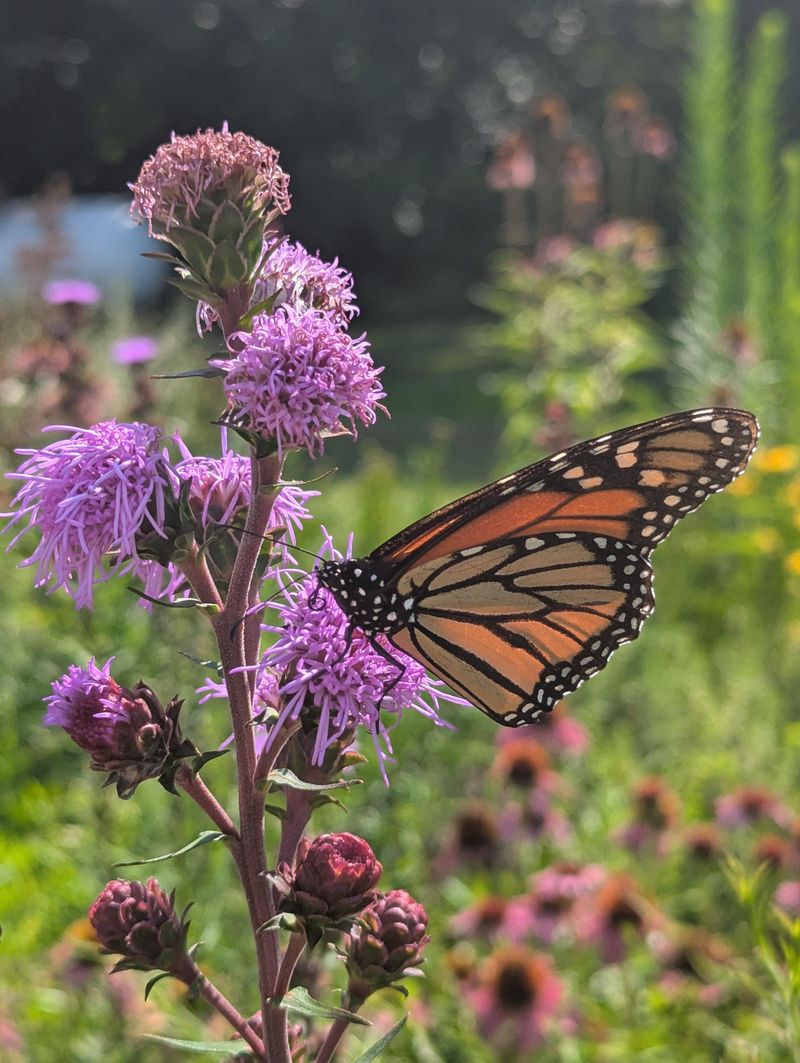
Blazing Star and Goldenrod are a fantastic foundation, but adding a few companions takes your garden to the next level. Think of it as building a full meal instead of just the main course.
New England Aster is the obvious third wheel in the best possible way. It blooms from September through October, often outlasting Goldenrod, and monarchs flock to its purple daisy-like flowers.
Planting it nearby extends your nectar window into mid-fall. Wild Bergamot, or Monarda fistulosa, blooms earlier in the season and bridges the gap before Blazing Star fully opens.
It keeps early-season pollinators happy while the main duo gets ready. A healthy early crowd signals to monarchs that your yard is worth a return visit.
Cup Plant and Joe Pye Weed are two more native powerhouses that fill in nicely. Both bloom in mid-to-late summer and attract monarchs alongside dozens of other beneficial insects. They also add height and structure to larger garden spaces.
When choosing companions, stick with straight species or locally sourced cultivars when possible. Some hybridized varieties produce less nectar than their wild counterparts. A plant that looks great but feeds nothing is a missed opportunity.
Spacing companions around your Blazing Star and Goldenrod creates a mosaic of bloom times and flower shapes. That variety keeps pollinators engaged throughout the entire season.
This combo gets even stronger with a few well-chosen friends by its side.