How To Help Backyard Frogs Survive California Heat Waves
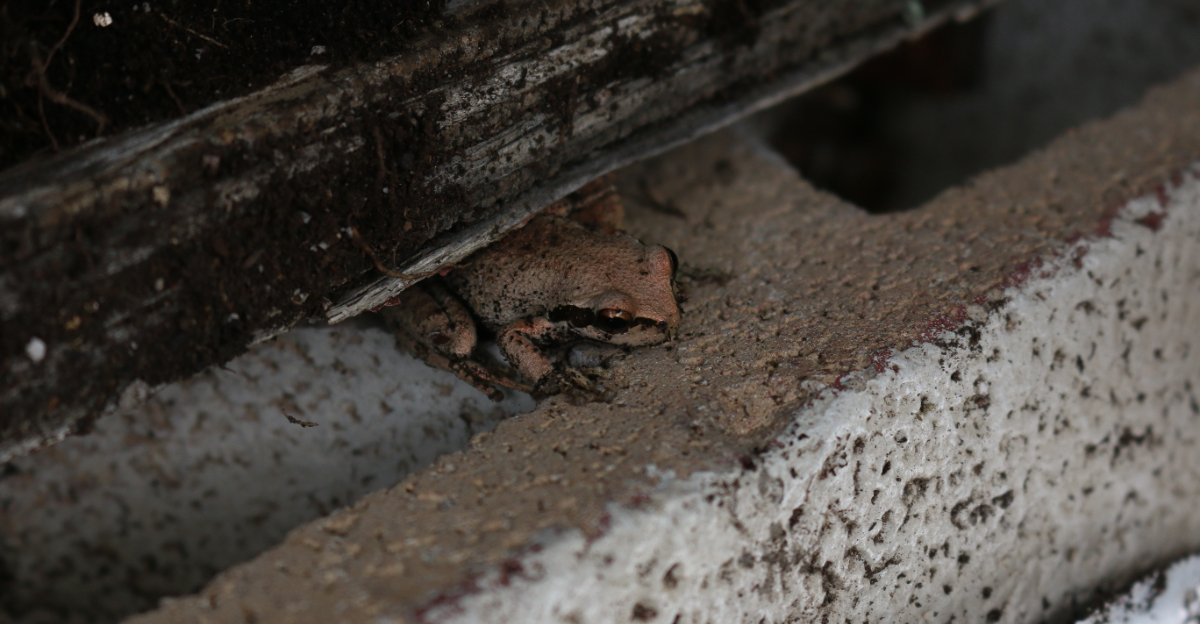
A tiny frog tucked beneath a planter or hiding beside the hose can be easy to miss, but during a California heat wave, that shady little corner suddenly feels much more important.
Backyards can become surprisingly active wildlife refuges when temperatures soar, and frogs are among the visitors that may quietly depend on whatever comfort a garden can offer.
Unlike birds or squirrels, frogs are not exactly great at announcing themselves. You may only notice one after watering, moving a pot, or hearing a few unexpected croaks after sunset.
Cute? Absolutely. Built for a blazing patio at 105 degrees? That is another question.
Helping backyard wildlife through extreme weather can also require a different mindset than ordinary garden care.
The choices that seem useful for plants or people are not always the same ones that make sense for a small amphibian trying to get through a brutally hot day.
If frogs regularly visit your California yard, a heat wave is a good reason to look at the space through their eyes.
A few thoughtful adjustments can make your garden a much friendlier place when the temperature climbs.
1. Keep A Shallow Water Source Available
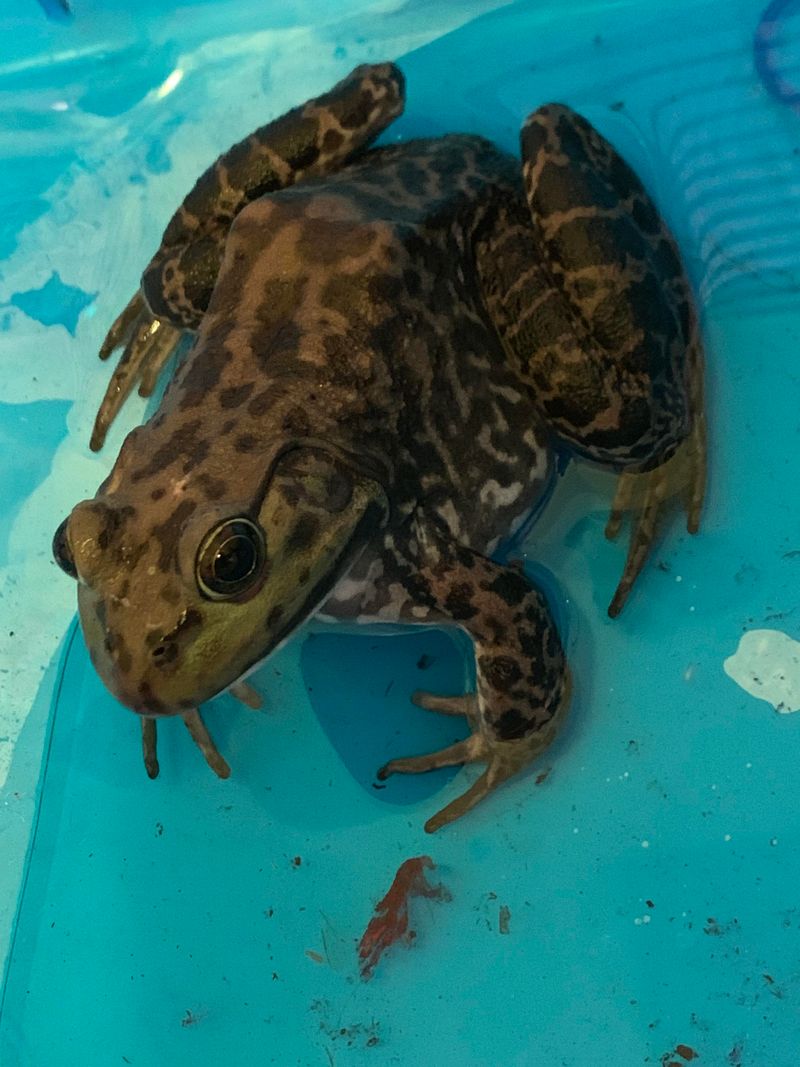
Frogs do not drink water the way we do. Instead of swallowing it, they absorb moisture directly through their skin.
That makes a reliable water source one of the most important things you can offer during a heat wave.
A simple ceramic or plastic dish works perfectly. Fill it with clean, dechlorinated water and place it in a shaded spot close to plants or ground cover.
The dish should be shallow enough that a small frog can sit in it without struggling. Aim for no more than two to three inches deep.
Drop a few flat rocks inside so frogs have something to grip. Without a rough surface, they may slip and feel unsafe.
Smooth rocks or a piece of rough bark work great too. Change the water every one to two days to keep it fresh and free of algae or mosquito eggs.
Avoid placing the dish in direct sunlight. Water heats up fast in the sun and can actually harm frogs instead of helping them.
A shaded corner near a fence, bush, or garden bed is ideal. If you already have a birdbath, consider adding a second dish at ground level just for frogs.
They rarely jump up high to drink, so keeping water low and accessible makes all the difference when temperatures rise sharply.
2. Add Shade Around Ponds And Damp Corners
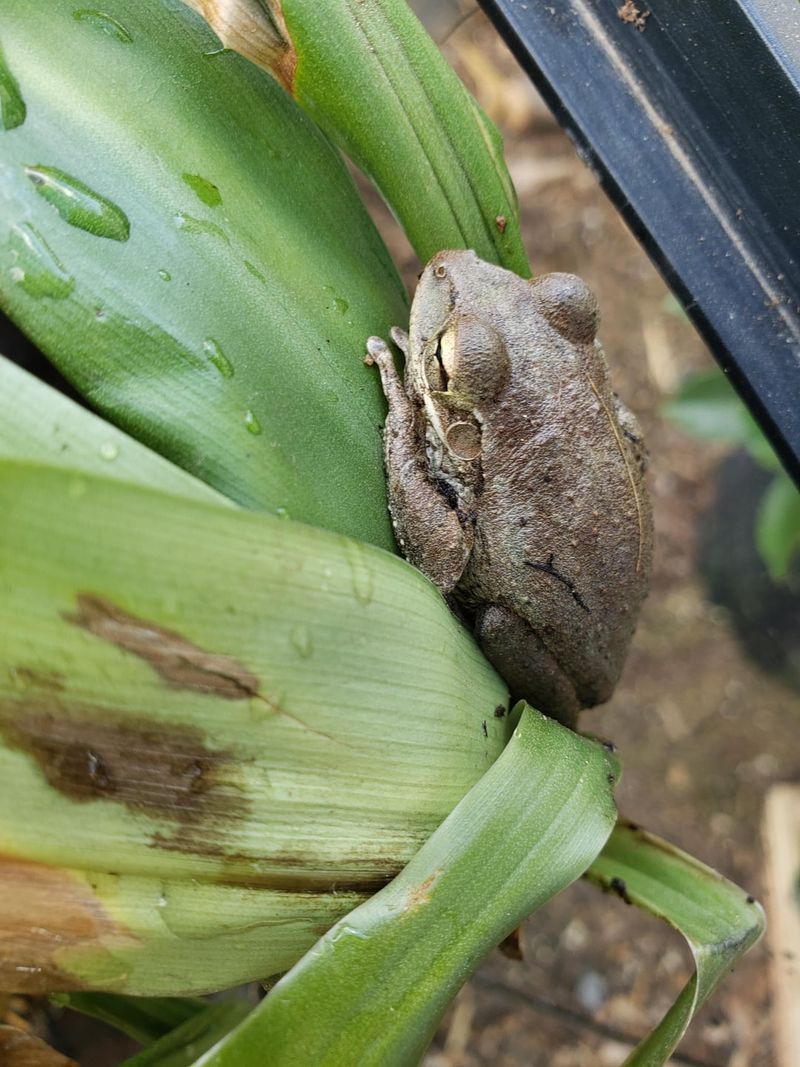
Direct sunlight can turn a helpful pond into a dangerous heat trap. During a heat wave, water temperatures can spike quickly, making ponds uncomfortable or even harmful for frogs.
Adding shade is one of the easiest ways to keep those wet spots safe and cool. Tall potted plants placed around a pond’s edge work really well. Ferns, hostas, and native shrubs all provide good coverage without blocking airflow.
You can also use a simple garden umbrella or a stretch of shade cloth secured over part of the pond. You do not need to cover the whole surface, just enough to block the harshest midday sun.
Your California Garden Changes Every Week. Your Plan Should Too.
Gardening in California changes quickly throughout the season. Every Friday you’ll receive a simple weekly plan showing exactly what to plant, prune, fertilize, harvest, and protect so you never miss the right timing.
Damp corners of your yard deserve the same attention. If you have a spot where water tends to collect or soil stays moist, that area is gold for frogs.
Planting low-growing ground covers around it helps trap moisture and keeps the temperature lower near the ground.
Think about where the sun hits hardest between noon and three in the afternoon. That window is usually the most intense.
Blocking that light with a trellis, lattice panel, or even a row of tall potted plants can drop the temperature in shaded areas by several degrees.
Small changes like these give frogs a fighting chance when the heat outside feels relentless and there is nowhere else cool to go.
3. Let Leaf Litter Create Cool Hiding Places
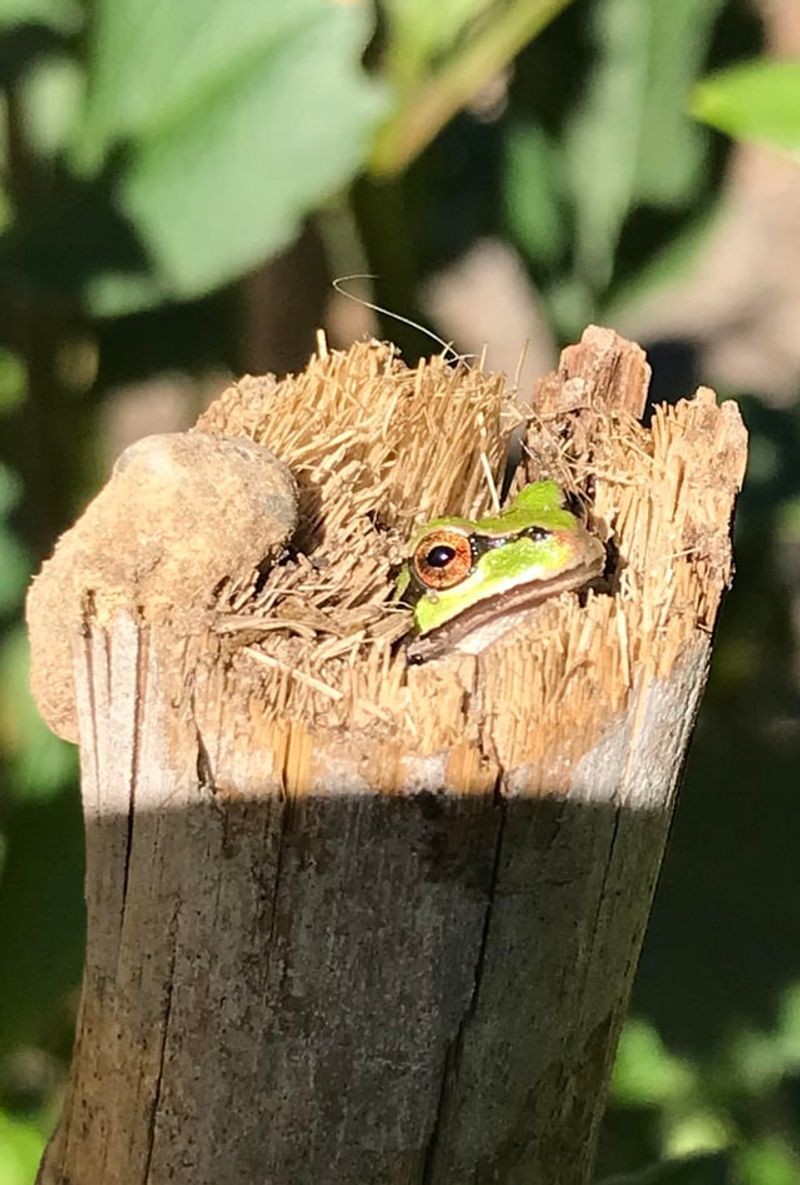
Most people rake up leaves and toss them without a second thought. But for frogs, a pile of leaf litter is basically a five-star hotel during a heat wave.
Leaves trap moisture, block sunlight, and create a cool microclimate just a few inches above the ground.
You do not need a huge pile to make a difference. A modest cluster of leaves tucked under a shrub or along a fence line gives frogs a place to burrow in and stay cool.
Leaves from oak, maple, or other deciduous trees work well. Avoid treated or chemically sprayed leaves, since frogs absorb everything through their skin.
Leaf litter also attracts the small insects and worms that frogs eat. So by leaving a few leaf piles around your yard, you are creating both shelter and a food source at the same time. That is a pretty efficient setup with almost zero effort on your part.
Try placing leaf piles near your water dish or pond so frogs can move easily between moisture and shade.
During extreme heat, frogs will often press themselves flat against cool soil and stay very still to conserve energy.
A shaded leaf pile gives them the perfect place to do exactly that. Resist the urge to tidy up every corner of your yard, because sometimes a little messiness is exactly what wildlife needs most.
4. Avoid Letting Small Ponds Dry Out Completely
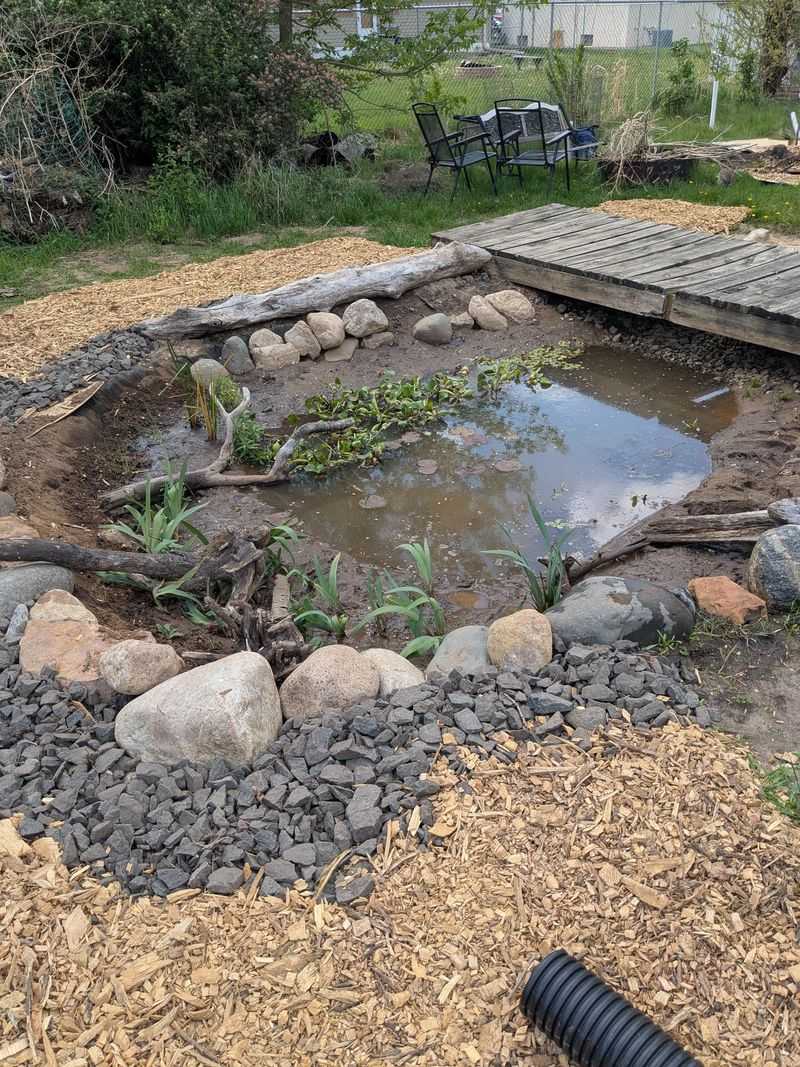
A dried-out pond is one of the worst things a frog can encounter during a summer heat wave.
Frogs rely on standing water not just to drink but to regulate their body temperature and keep their skin moist. When that water disappears, their options shrink fast.
Check your pond or water feature every day during a heat wave. Evaporation happens much faster than you might expect when temperatures are high and humidity is low.
Even a pond that looked full yesterday can drop several inches overnight during a stretch of hot, dry weather.
Top off your pond with fresh water before it gets too low. Try to use dechlorinated water when possible, since chlorine can irritate a frog’s sensitive skin.
You can let tap water sit out overnight in a bucket to allow chlorine to dissipate naturally. That small step makes the water much safer for any frogs using your pond.
If you have a very small pond or container water garden, consider adding a floating thermometer to track water temperature. Water above 80 degrees Fahrenheit can become stressful for many frog species.
Adding a few handfuls of aquatic plants like water lettuce or duckweed helps shade the water from below and keeps temperatures more stable.
Keeping that water topped off and cool is one of the most direct ways to support frogs through brutal heat stretches.
5. Give Frogs Easy Ways In And Out Of Water
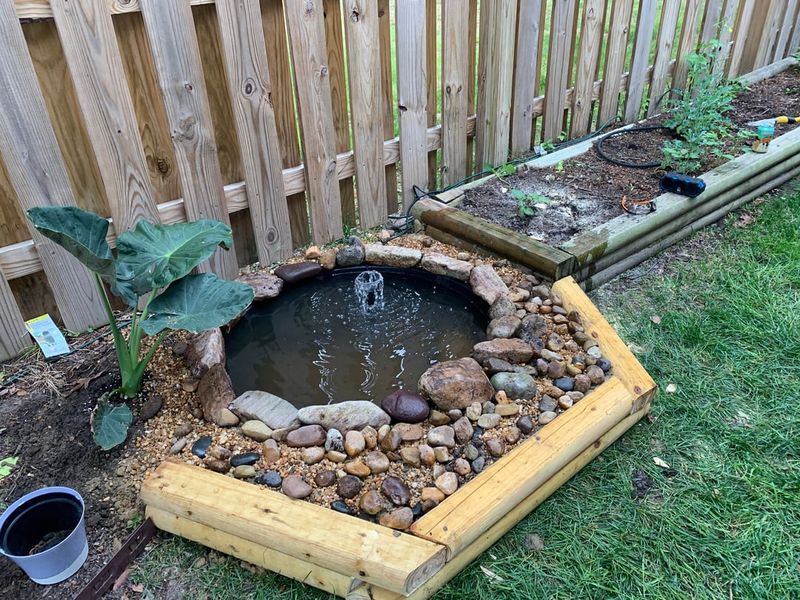
Picture a frog trying to climb out of a smooth-sided container with no grip and no ledge. It sounds exhausting, and honestly, it is.
Frogs that cannot easily get in and out of water can wear themselves out or get stuck, especially when they are already stressed by heat.
Flat stones, bricks, or pieces of rough bark arranged as a gentle ramp work perfectly. Place them so they slope gradually from the ground down into the water.
The texture gives frogs something to grip with their toe pads, making entry and exit simple and safe.
For deeper ponds, consider adding a mesh ramp or a bundle of sticks propped at an angle along one edge. Some garden centers sell small wildlife ramps designed specifically for this purpose.
They are inexpensive and easy to install. The exit point matters just as much as the water itself. A frog that gets overheated needs to move quickly between cool water and shaded ground cover.
If getting out of the pond requires too much effort, frogs may avoid it altogether, even when they desperately need to cool down. Check your pond edges regularly and adjust the ramp stones if they shift around.
Making water access easy is a small fix that removes a big barrier for frogs trying to survive a long, punishing California summer heat wave.
6. Skip Pesticides Around Their Shelter Areas
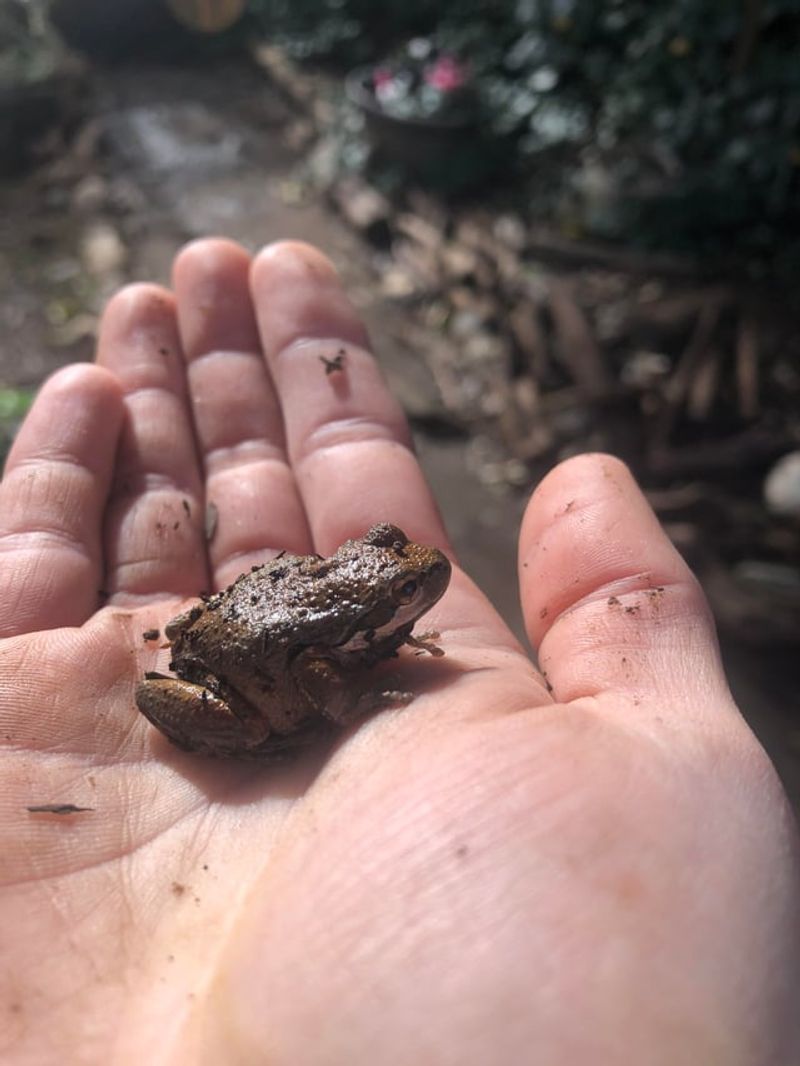
Frogs have incredibly sensitive skin. Unlike most animals, they do not have a tough outer barrier protecting them from chemicals in the environment.
Whatever lands on the ground near their shelter can get absorbed directly into their bodies, and that includes pesticides, herbicides, and chemical fertilizers.
During a heat wave, frogs press themselves close to the ground and stay there for hours. That means extended contact with any chemicals you have applied to your lawn or garden.
Even products labeled as safe for plants can be harmful to amphibians. The risk is not just from direct spraying but from residue left on soil, leaves, and stones.
Switching to natural pest control methods is a smart move for any yard with frogs in it. Neem oil, diatomaceous earth, and companion planting are all effective options that do not leave toxic residue in the areas where frogs rest and shelter.
Pulling weeds by hand around frog zones is also a safe and straightforward approach.
If you must use any chemical product in your yard, apply it far away from water sources, leaf piles, and shaded corners where frogs tend to gather. Read the label carefully and follow all safety guidelines.
A pesticide-free shelter zone is not hard to create, and it makes your backyard dramatically safer for every frog trying to wait out the heat in your yard.
7. Keep Some Groundcover Dense Enough To Hold Moisture
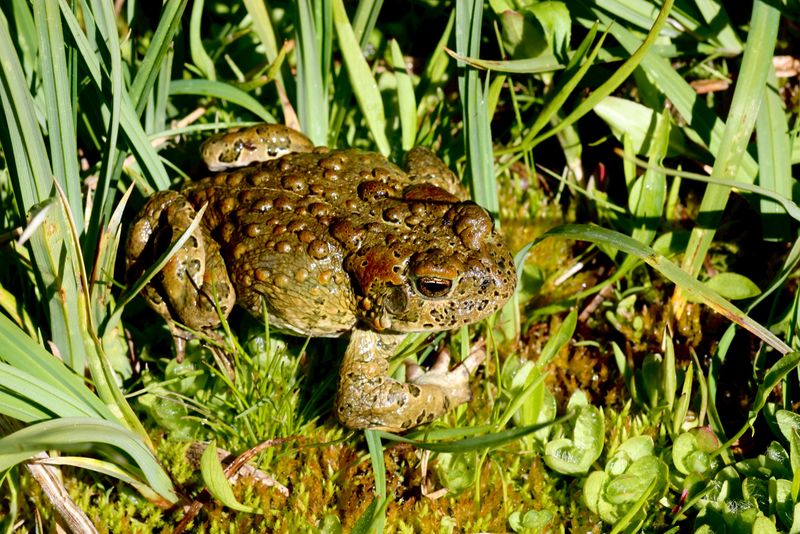
Bare soil dries out fast. When the sun beats down on exposed dirt, moisture evaporates within hours and the ground can become almost too hot to touch.
For a frog trying to stay cool and hydrated, bare ground offers almost no relief at all.
Dense groundcover plants change that completely. Low-growing plants like clover, creeping thyme, or native groundcovers form a thick mat that shades the soil below.
That shade keeps the ground cooler and helps moisture stay in the soil longer, even during a stretch of intense heat.
When choosing groundcover, look for plants that stay low and spread naturally without needing much water once established.
Native California plants like yarrow or carex grasses are excellent choices because they are adapted to local conditions and tend to hold soil moisture well without constant irrigation.
Plant groundcover in the areas of your yard where frogs are most likely to shelter. That usually means near your water source, under shrubs, or along fence lines where shade already exists.
The denser the coverage, the more effective it will be at keeping conditions cool and moist.
Thick groundcover also gives frogs cover from predators like birds and cats. That sense of security encourages frogs to stay in your yard rather than wandering off in search of better conditions.
A well-planted yard is a frog-friendly yard, especially when the heat is at its worst.
8. Water Early So Cool Refuge Areas Last Longer
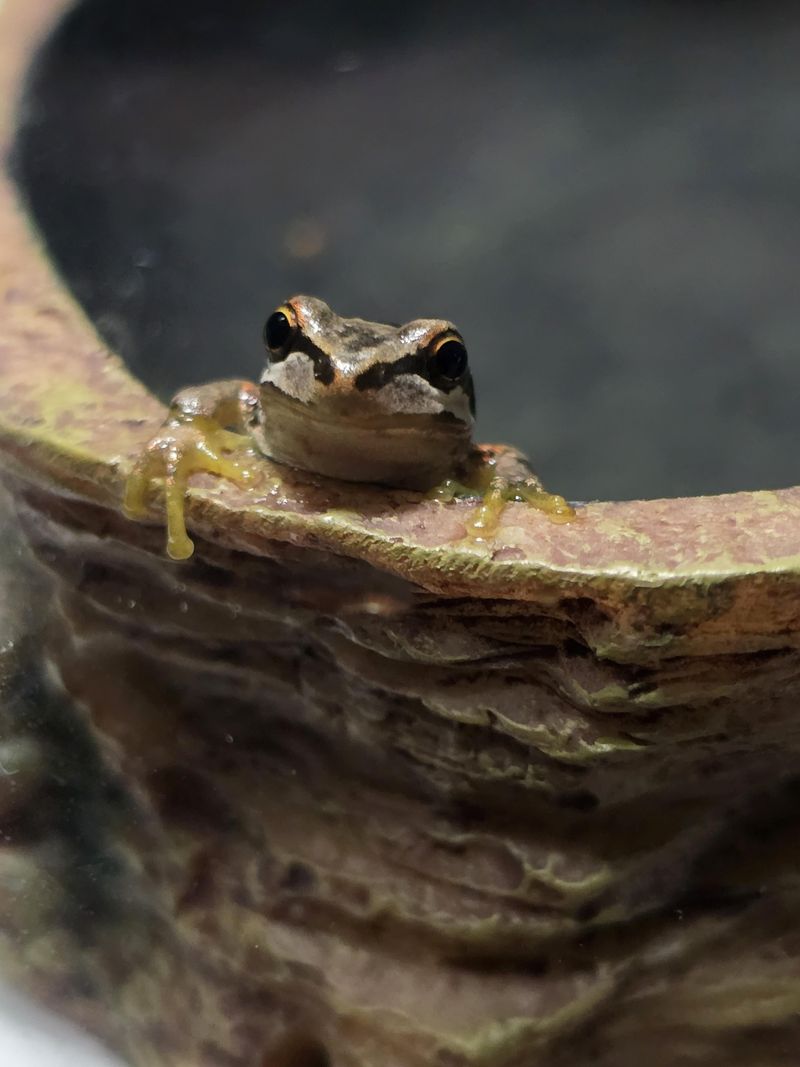
Timing your watering makes a bigger difference than most people realize. Watering in the middle of the day means most of that moisture evaporates before it can do much good.
But watering early in the morning gives the soil, plants, and leaf piles time to absorb moisture before the heat of the day arrives.
For frogs, a yard that was watered at six or seven in the morning will still have cool, damp spots available by noon. That window of relief is crucial during a heat wave when temperatures can climb fast and stay high for hours.
Damp soil under a shady shrub can be several degrees cooler than the surrounding air, and that small difference matters a lot for a small frog.
Focus your early watering on the areas frogs are most likely to use. That includes shaded corners, the ground around your pond, under leaf piles, and near dense groundcover.
You do not need to soak these areas heavily, just enough to keep them noticeably cooler and damp through the hottest part of the day.
Setting a sprinkler timer makes this easy and consistent. You will not have to remember every morning, and your frogs will benefit from reliable moisture even on the hottest days.
Early watering is one of the simplest habits you can build, and it has a lasting positive effect on every cool spot in your yard throughout the day.