The One Plant Texas Fire Officials Say Should Never Touch Your House
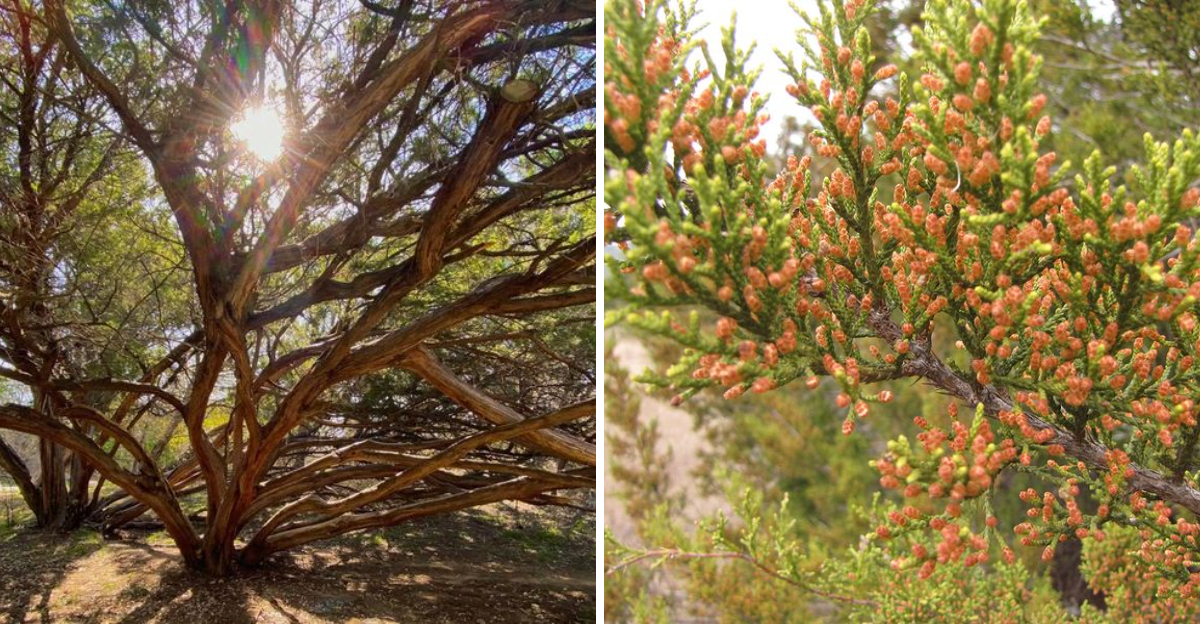
Texas fire officials have been saying it for years, and most homeowners still aren’t listening.
There is one plant growing in yards across the state, right up against homes and along fences connected to structures, that fire professionals describe as a significant and completely preventable risk. It looks harmless. That’s the entire problem.
Most people who have it touching their house planted it intentionally, maintain it occasionally, and have never once thought about what it becomes during a dry Texas summer when fire conditions escalate and embers travel.
What looks like attractive screening in normal conditions can become a direct pathway for fire to reach your home in the conditions Texas increasingly faces.
Fire safety experts are not being dramatic when they flag this plant. The link between certain vegetation in direct contact with structures and faster, more destructive home fires is well documented.
Keep Ashe Juniper Away From The House
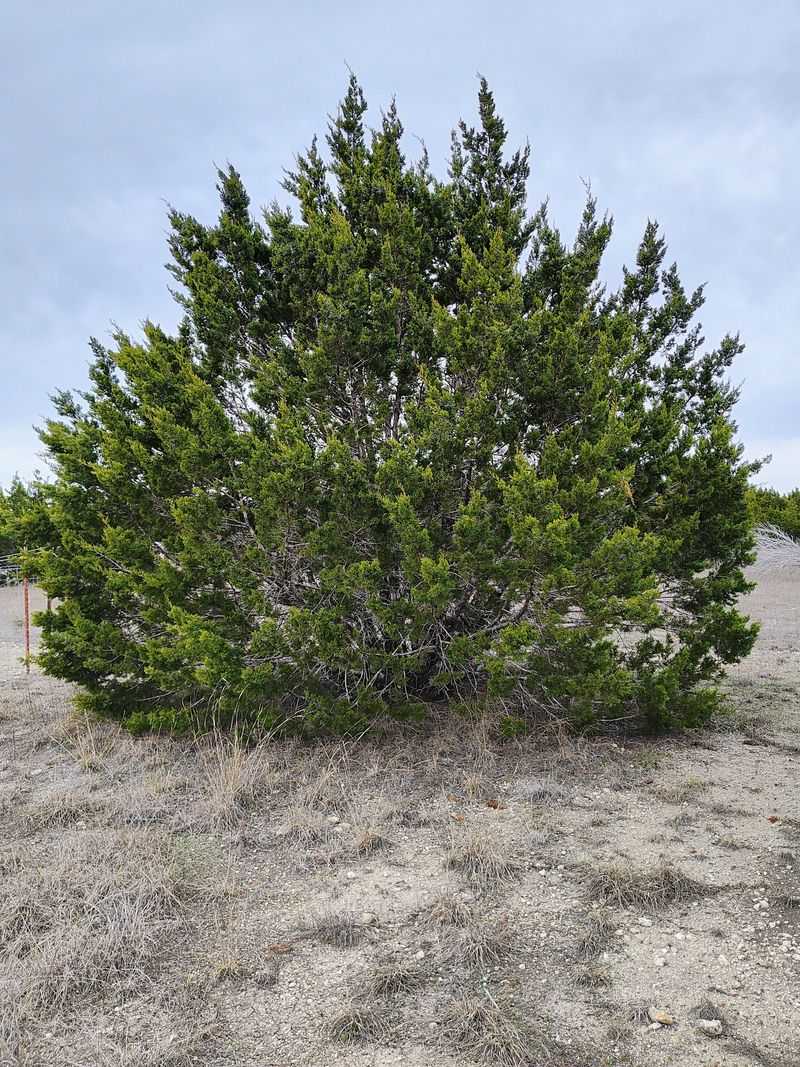
Ashe juniper is one of the most widespread trees across central and western Texas, and it is also one of the most misunderstood when it comes to fire safety. Most homeowners plant or allow shrubs and trees to grow close to their walls for shade or curb appeal.
But fire officials have a very different opinion about how close is too close. After extended dry periods, Ashe juniper becomes highly combustible. The oils naturally found inside the tree’s foliage make it burn fast and hot.
When conditions are dry and windy, a single spark landing in juniper foliage can start a fire that spreads within seconds.
Texas wildfire guidance from state fire agencies recommends keeping all woody vegetation out of the first five feet surrounding any structure. That five-foot buffer zone is not just a suggestion.
It is a critical safety margin that gives your home a fighting chance if a grass or brush fire moves through your area.
Removing or relocating juniper that sits within that zone is one of the highest-impact things a Texas homeowner can do. You do not have to clear every juniper from your property.
The focus is specifically on that immediate zone right next to your walls, foundation, decks, and fences. Keeping that space clear of combustible vegetation reduces the chance that fire will reach your home’s exterior directly.
Starting with the plants closest to your structure is the right move. Work outward from there, and you will be following the same fire-safe landscaping approach that professional firefighters recommend across the state.
Its Low Branches Can Help Fire Climb
Picture a grass fire moving quickly across a dry Texas field. The flames are low at first, burning through dry grass and brush along the ground.
Then they reach a juniper tree with branches hanging close to the surface. Suddenly, the fire has a path to climb straight up into the canopy, and the situation changes completely.
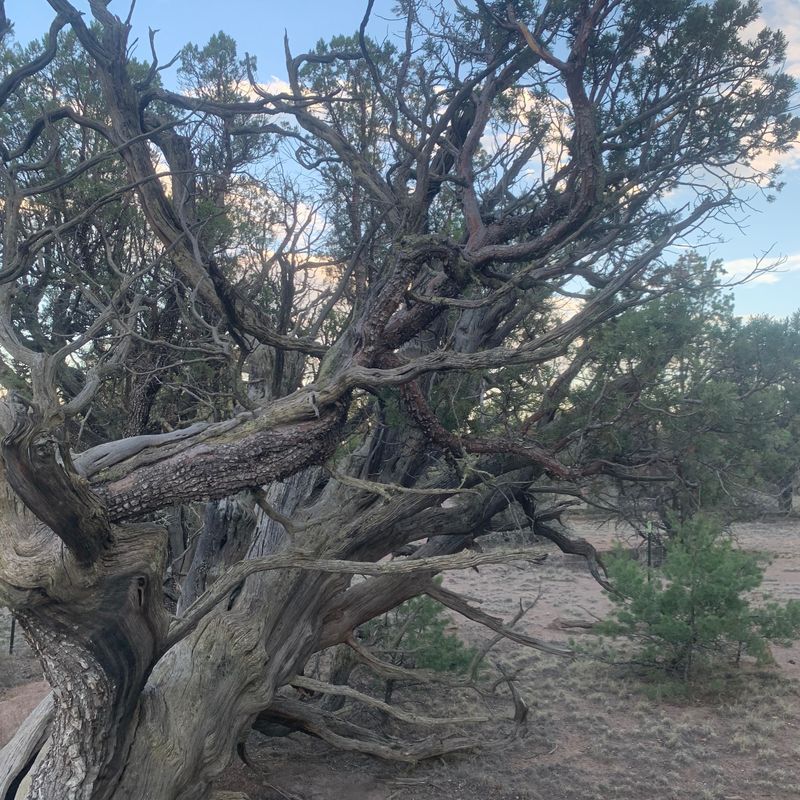
Juniper foliage often extends very close to the ground, sometimes touching it entirely. Those low-hanging branches act like a ladder for fire.
Your Texas Garden Changes Every Week. Your Plan Should Too.
Gardening in Texas changes quickly throughout the season. Every Friday you’ll receive a simple weekly plan showing exactly what to plant, prune, fertilize, harvest, and protect so you never miss the right timing.
Grass fires can ignite the lower branches in seconds, and from there the flames travel upward through the tree with shocking speed. Once fire reaches the canopy, it can produce embers that travel on the wind and land on rooftops, decks, and dry vegetation nearby.
This process, known as ladder fueling, is one of the most dangerous aspects of having juniper near your home.
Even a tree that sits a short distance from your house can become a serious threat if its branches hang low enough to catch a ground-level fire and carry it upward.
The fix is straightforward. Prune the lower branches of any juniper trees on your property, especially those within or near the defensible space around your home.
Removing branches from the bottom third of the tree breaks that ladder effect and makes it much harder for a ground fire to climb upward.
Fire officials across Texas consistently list ladder fuels as one of the top controllable risks in residential wildfire situations. Taking a few hours to prune your trees can genuinely change the outcome during a fire event.
Dry Juniper Can Burn With Intense Heat
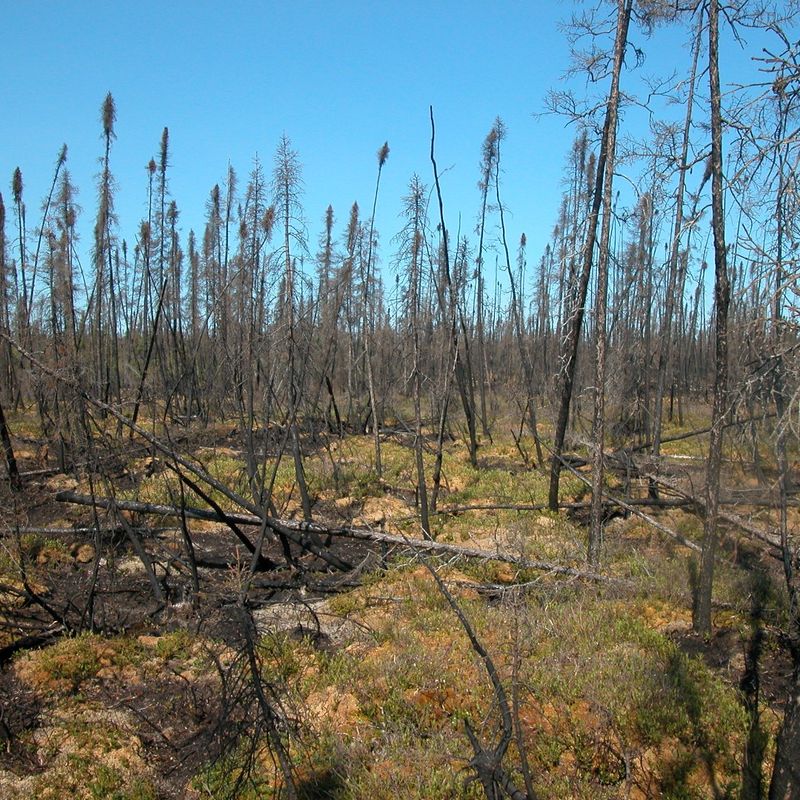
There is a reason Texas ranchers and rural residents have long called Ashe juniper “cedar” and talked about it with a mix of frustration and respect. When this tree burns, it does not just smolder.
It erupts. The natural oils in juniper foliage ignite quickly and produce a fire that burns hotter and faster than many other common landscape plants.
Dense juniper stands can generate what fire scientists call high-intensity fire behavior. That means the flames are taller, the heat release is greater, and the fire moves faster than in areas with lighter vegetation.
Structures caught in the path of a dense juniper burn face extreme radiant heat, which can cause siding, windows, and roofing to fail even before direct flames arrive.
Thick cedar growing close to a home can also produce dangerous embers. As the tree burns, pieces of flaming or glowing material break off and get carried by the wind.
These embers can travel hundreds of yards and land on dry roofs, gutters filled with debris, or other vegetation, starting new fires far from the original source.
Understanding this behavior helps explain why fire officials feel so strongly about juniper placement near homes. A tree that looks harmless during a rainy spring can become an extreme hazard by late summer after months without significant rainfall.
Keeping juniper thinned and well-spaced reduces the intensity of any fire that does occur. Spacing trees so their canopies do not touch each other limits how quickly fire can spread from one plant to the next, which slows the whole process significantly.
The First Five Feet Around Your Home Matter Most
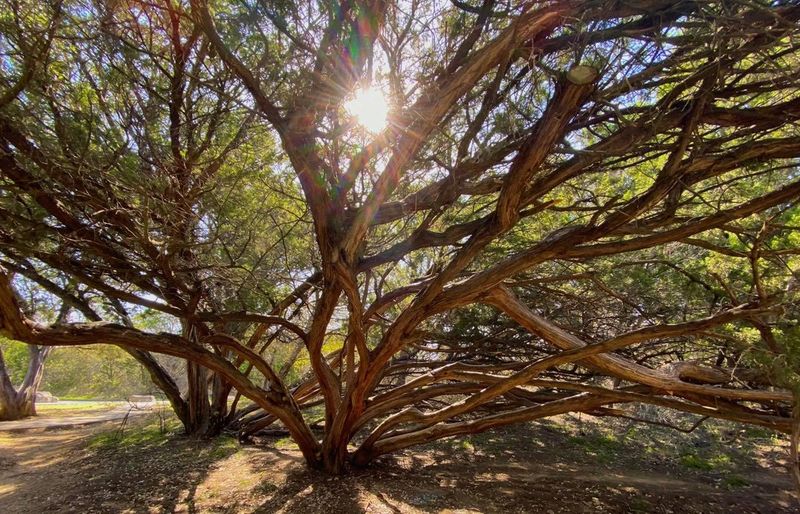
Walk around your home right now and look at what is touching your walls. If you see plants, mulch, wood piles, or other combustible materials pressed right up against the foundation or siding, you are looking at a fire risk that you can fix today.
The first five feet surrounding your home is called the immediate zone, and fire officials say it deserves your full attention first.
The goal for this zone is to keep it as noncombustible as practically possible. That does not mean your home has to look bare or unattractive.
Rock, gravel, decomposed granite, concrete pavers, and other hard surfaces are all excellent choices for this area. They do not burn, they do not carry embers, and they create a buffer that slows or stops fire from reaching your walls directly.
Mulch is a common landscaping choice that many homeowners use right up against their homes, but it can be a hidden risk. Organic mulch, including wood chips and bark, can smolder and carry fire toward your foundation.
If you love the look of mulch, consider switching to a rock-based ground cover within that critical five-foot zone.
Potted plants, wooden furniture, and decorative items stored against exterior walls can also add to the fuel load in this area. Moving those items back or choosing noncombustible alternatives makes a real difference in how your home performs during a wildfire.
Small changes in this zone can have a big effect on your home’s chances of surviving a nearby fire. Fire officials consistently say the immediate zone is where homeowners should start when improving their property’s fire resistance.
Prune And Thin Juniper Farther From The House
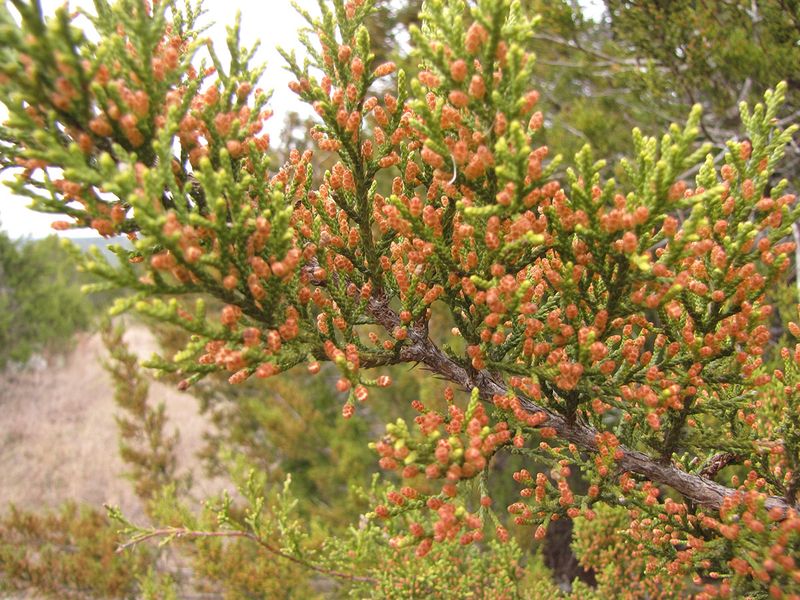
Beyond that critical five-foot zone, your work is not finished. The area extending from five feet out to about thirty feet from your home is just as important for slowing a wildfire before it reaches your walls.
Fire professionals call this the intermediate zone, and managing the vegetation here is all about breaking up continuous fuel.
Ashe juniper tends to grow in dense clusters. When multiple trees or shrubs grow close together with touching canopies and overlapping branches, fire can move through them like a highway.
The goal in the intermediate zone is to interrupt that path. Removing dry material from inside the plants, cutting out low branches, and thinning crowded clusters so canopies do not touch are all effective strategies.
Dry wood inside juniper trees is a particular concern. Branches that have already lost their foliage are extremely dry and ignite easily.
Cleaning out that dry material from the interior of each tree reduces the amount of fuel available and makes the whole plant less likely to ignite quickly during a fire.
You do not have to remove every juniper beyond five feet. Selective thinning and careful pruning can keep your landscape looking natural while still reducing the fire risk significantly.
The idea is to create gaps in the vegetation so fire cannot travel in an unbroken path from one plant to the next and directly toward your home.
Hiring a certified arborist or contacting your local Texas A&M Forest Service office for guidance is a smart move if you are unsure where to start. Many counties offer free consultations or resources specifically for wildfire-prone properties.
Remember That Ashe Juniper Is Not The Only Risk
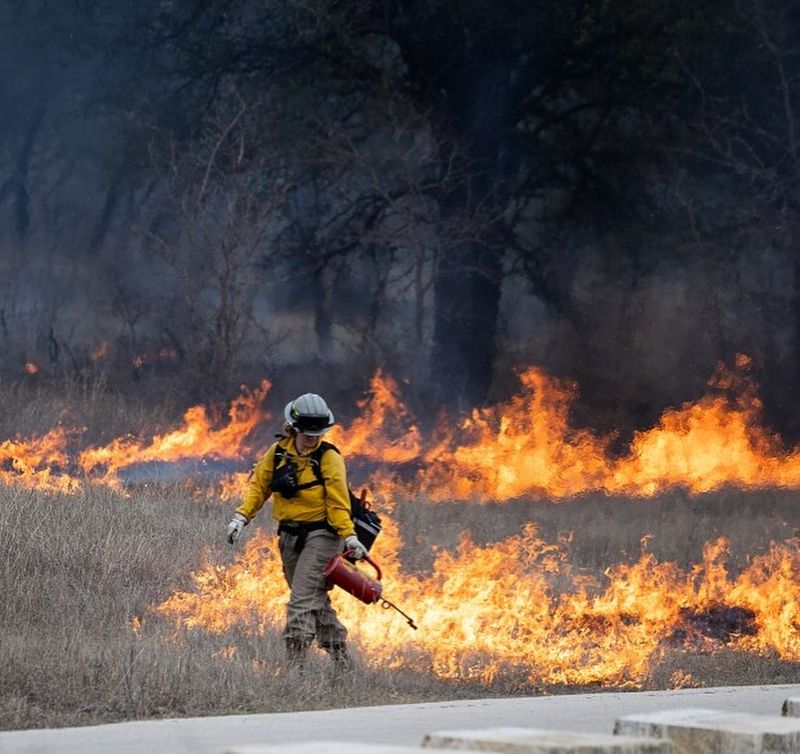
Ashe juniper gets a lot of attention from Texas fire officials, and for good reason. But focusing only on one plant can give homeowners a false sense of security.
Any vegetation can become wildfire fuel under the right conditions, and Texas summers provide plenty of those conditions every single year.
Dry grass is actually one of the fastest-burning fuels in the landscape. A lawn that has not been watered in weeks becomes a carpet of dry material that can carry fire quickly across a yard and right up to a structure.
Keeping grass mowed short during fire season reduces its ability to carry flames and slows the spread of a ground fire significantly.
Ornamental shrubs, privacy hedges, and even garden plants can become serious fuel sources when they dry out. Plants that are crowded together, unpruned, or full of dry interior growth are especially risky.
Regular maintenance across your entire yard, not just near the juniper, is what makes a property genuinely more fire-resistant.
Dry plant material is often the most overlooked part of this picture. Piles of leaves, fallen branches, dried flower stalks, and decomposing debris all add to the fuel load around your home.
Removing that material regularly is one of the simplest and most effective things any homeowner can do.
Good spacing between plants, consistent maintenance throughout the year, and a habit of clearing dry material are the foundations of a fire-safe landscape in Texas.
Ashe juniper is the plant officials highlight most often, but building a safer home means thinking about everything growing in your yard, from the ground up.