Small Arizona Yards Are Growing More Food By Going Vertical
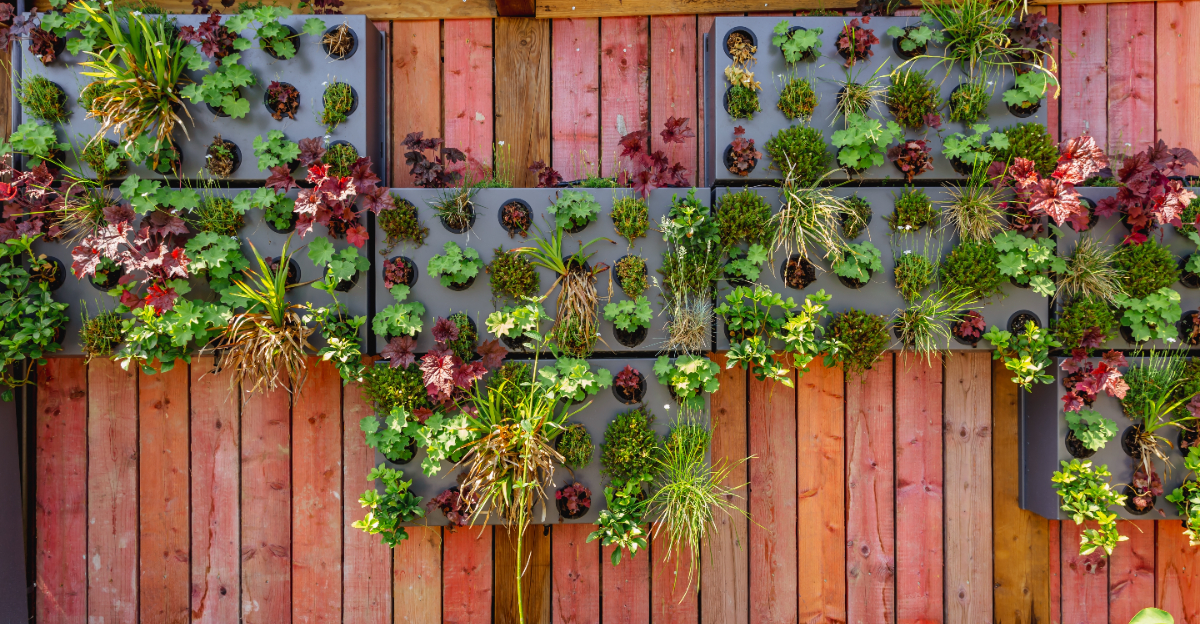
Think your small yard has already reached its growing limit? Look again, because some of the most useful planting space may still be completely untouched.
Gardeners with tight outdoor areas often focus too much on available ground. That can make a perfectly workable yard feel smaller than it really is.
In Arizona, where every useful patch can matter, changing how you view your space can open surprising possibilities. You do not always need another garden bed.
Start looking at the areas around your plants from a different angle. The smartest place for your next crop might not be where you normally expect.
This approach can make a compact yard feel far more productive without crowding every corner. It also creates interesting options for everyday gardeners.
Before giving up on another homegrown harvest, look upward instead.
1. Vertical Growing Makes Better Use Of Limited Space
Square footage is not the only thing that matters in a garden. Vertical space is just as valuable, and most small yards have plenty of it going unused.
Growing upward lets you stack more plants into a compact footprint. A flat garden bed that holds six plants might only take up four square feet.
A vertical setup using that same wall space could support three or four times as many plants at once.
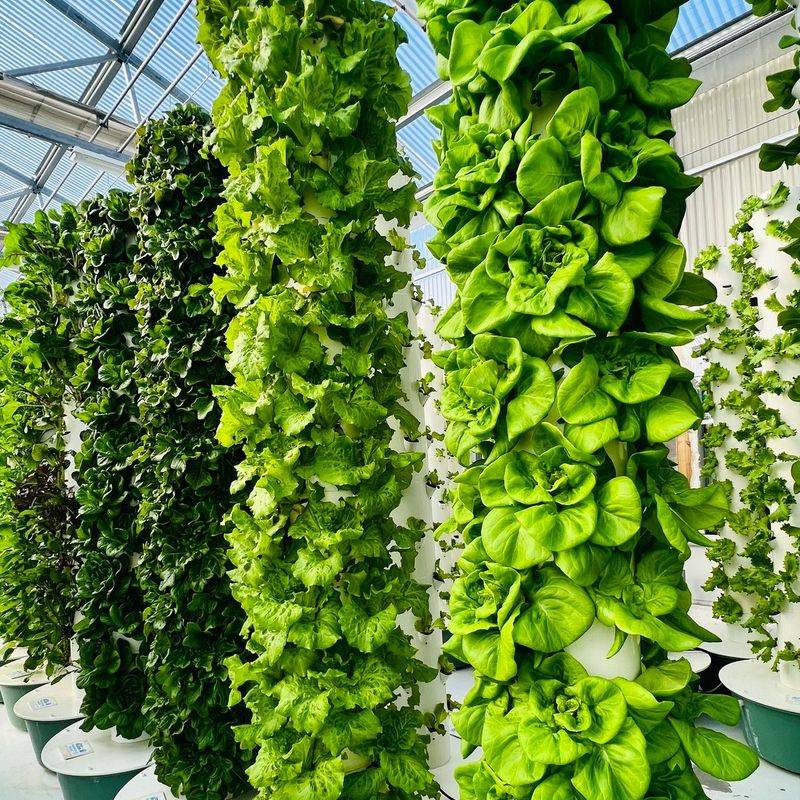
Pocket planters, stacked pots, and tower gardens are all practical options for tight spaces. Each layer adds growing room without expanding outward.
Hot desert summers can actually work in your favor here. Vertical surfaces warm up faster, which helps certain crops get going earlier in the season.
That said, afternoon shade from walls or structures can protect plants from intense midday heat.
Raised vertical systems also tend to have better drainage than flat beds, which reduces waterlogging in heavy clay soils. Good drainage matters for root health in any climate.
Starting small is a reasonable approach. One tower or one wall panel is enough to learn how vertical growing works before scaling up.
Results will vary depending on plant choice, sun exposure, and how consistently you water and maintain the setup.
2. Walls And Fences Can Become Useful Growing Areas
A bare fence is wasted growing real estate. With the right setup, that vertical surface can produce herbs, greens, and even small fruiting plants without taking up a single inch of ground space.
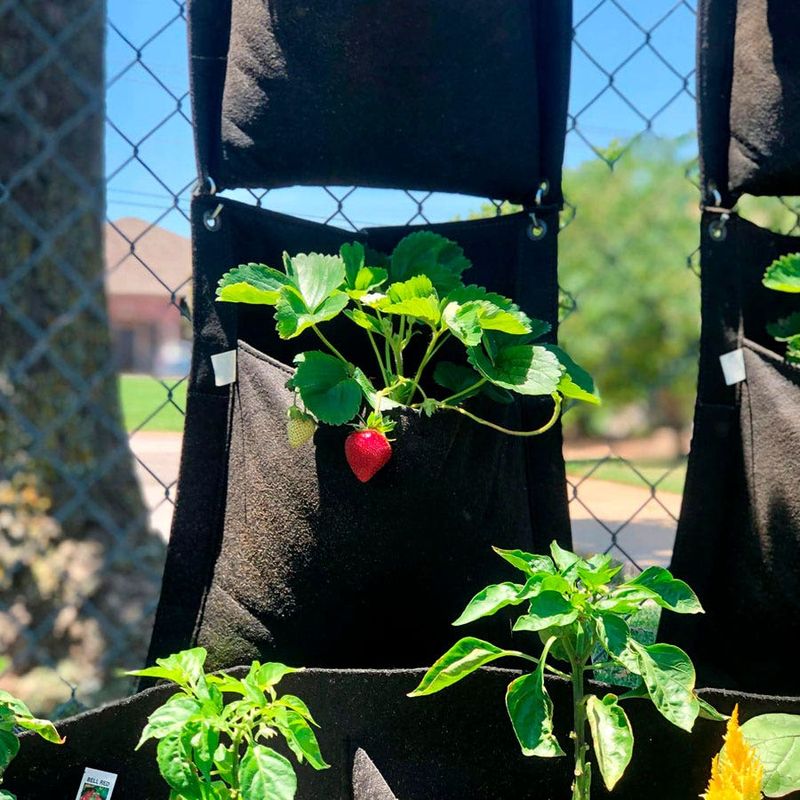
Fabric pocket planters are one of the easiest options to attach to a fence. They hang flat against the surface and each pocket holds enough soil for one plant.
Herbs like basil, parsley, and cilantro do well in these setups.
Wood fences work fine for hanging planters, but make sure the structure is solid enough to handle added weight when the soil is wet. A wobbly fence post is worth fixing before loading it up.
Block walls are common in Arizona yards. They hold heat well into the evening, which can extend the growing season slightly in cooler months.
On the flip side, west-facing block walls can get extremely hot in summer and may stress heat-sensitive plants.
Your Arizona Garden Changes Every Week. Your Plan Should Too.
Gardening in Arizona changes quickly throughout the season. Every Friday you’ll receive a simple weekly plan showing exactly what to plant, prune, fertilize, harvest, and protect so you never miss the right timing.
Orientation matters a lot. South and east-facing walls tend to get gentler morning sun, which is generally better for most vegetables.
West-facing walls can work for heat-tolerant crops like peppers.
Attaching a simple wire grid to any wall gives you a trellis surface right away. Hooks, zip ties, or wall anchors keep the setup secure.
Checking the attachment points every few weeks helps catch any loosening before it becomes a problem.
3. Trellises Keep Vining Crops Growing Upward
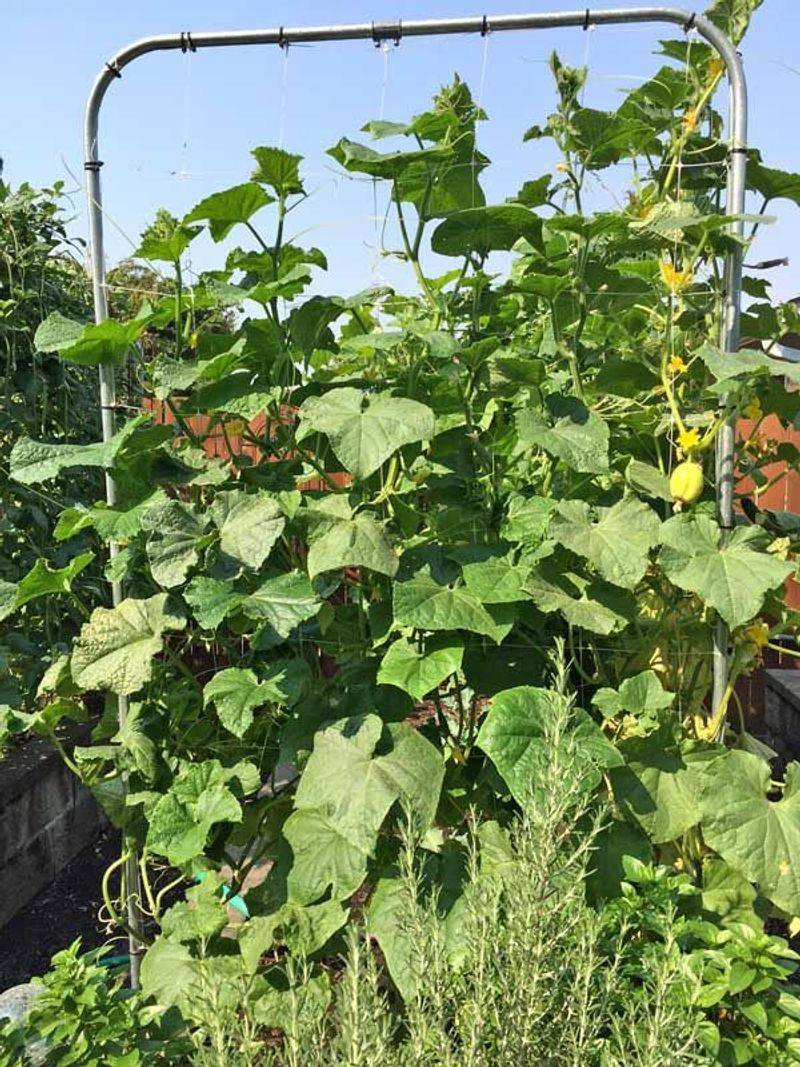
Vining plants want to spread, and without support, they sprawl across the ground and take over. A trellis gives them a clear direction to grow and keeps the garden tidy at the same time.
Green beans, peas, cucumbers, and squash are all natural climbers. They grab onto supports with small tendrils or flexible stems.
A simple trellis made from wood stakes and garden twine can be enough to get them started.
Height matters when planning a trellis. Most vining vegetables can reach six feet or taller under good conditions.
Building the trellis tall enough from the start saves the trouble of extending it mid-season.
Metal cattle panels are a popular trellis option in desert gardens. They are sturdy, rust-resistant, and can handle the weight of heavy crops like squash or melons.
They also last multiple seasons with minimal upkeep.
Spacing between trellis rows should allow enough airflow. Crowded vines trap humidity, which can encourage fungal problems even in dry climates.
Leaving at least 18 to 24 inches between rows helps air move through.
Tying plants loosely to the trellis with soft garden tape or strips of fabric prevents stem damage. Checking ties every week or two keeps plants guided upward without cutting into growing stems.
Consistent training early in the season makes the biggest difference.
4. Tomatoes And Cucumbers Work Well With Support
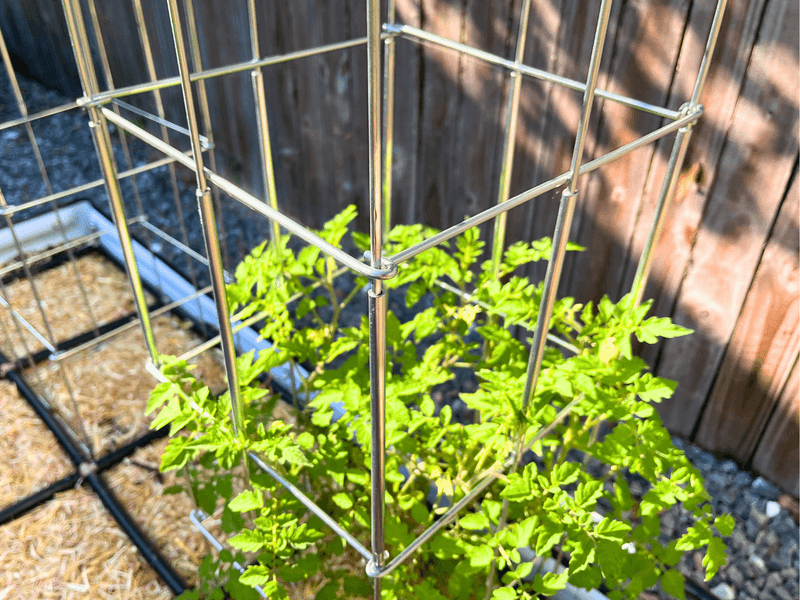
Tomatoes left to sprawl on the ground are more likely to develop rot and pest problems. Getting them off the soil and onto a support structure makes a real difference in plant health and yield.
Cages, stakes, and string systems are the three most common support methods. Cages work well for compact or determinate tomato varieties.
Indeterminate types, which keep growing all season, tend to outgrow standard cages and do better with tall stakes or string trellises.
Cucumbers climb naturally when given something to grab. A simple wire mesh panel is enough.
Training the main stem upward early keeps the plant growing in the right direction instead of tangling with itself.
Vertical growing also makes it easier to spot cucumbers before they get too large. Hidden cucumbers that stay on the vine too long can turn bitter and signal the plant to slow fruit production.
Checking daily during peak season helps catch them at the right size.
In hot desert summers, fruit on vertical plants can be more exposed to direct sun. Shade cloth rated at 30 to 40 percent can protect developing fruit during the hottest part of the day without blocking too much light for photosynthesis.
Both crops benefit from consistent moisture at the roots. Drip irrigation set at the base of each plant delivers water where it is needed without wetting the leaves, which can reduce fungal issues in humid stretches.
5. Containers Can Add Another Growing Level
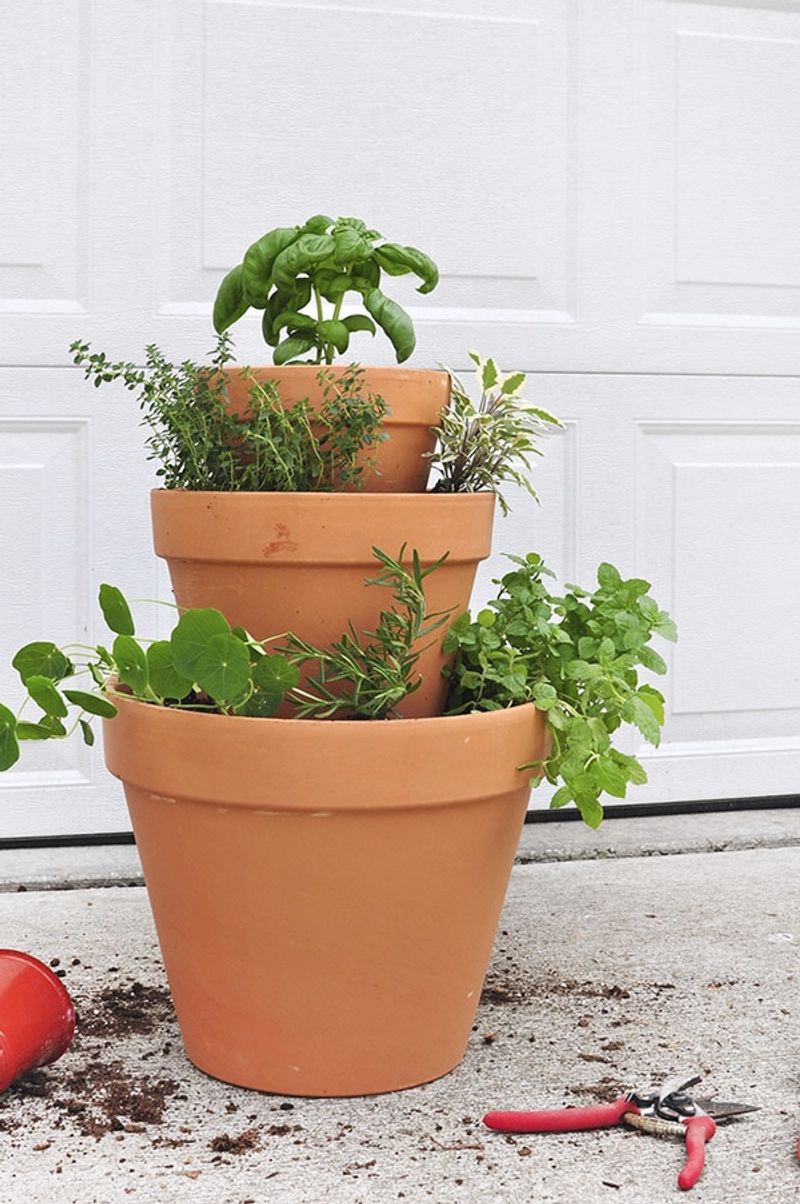
Containers are one of the most flexible tools in a small garden. Move them around to chase the sun, group them to save space, or stack them to create height without building any permanent structure.
Tiered pot stands let you arrange multiple containers at different heights on a small patio or balcony. Each level gets its own light exposure, which lets you grow sun-loving crops on top and shade-tolerant herbs below.
Pot size matters more than most beginners expect. Tomatoes need at least a five-gallon container to develop properly.
Smaller pots dry out faster and restrict root growth, which limits how productive the plant can be.
Dark-colored containers absorb more heat, which can stress roots during peak summer in hot desert regions. Light-colored or insulated pots keep soil temperatures more stable.
Wrapping dark containers with burlap or reflective material is a simple fix if swapping them out is not practical.
Self-watering containers with built-in reservoirs reduce how often you need to water. In dry climates, that feature can make a noticeable difference during busy weeks when daily watering is hard to maintain.
Grouping containers together slows moisture loss from individual pots. Plants create a small microclimate when clustered, which can reduce heat stress slightly.
Even two or three pots placed close together tends to perform better than the same pots spread far apart across a hot surface.
6. Good Spacing Helps Leaves Get Enough Air And Sun
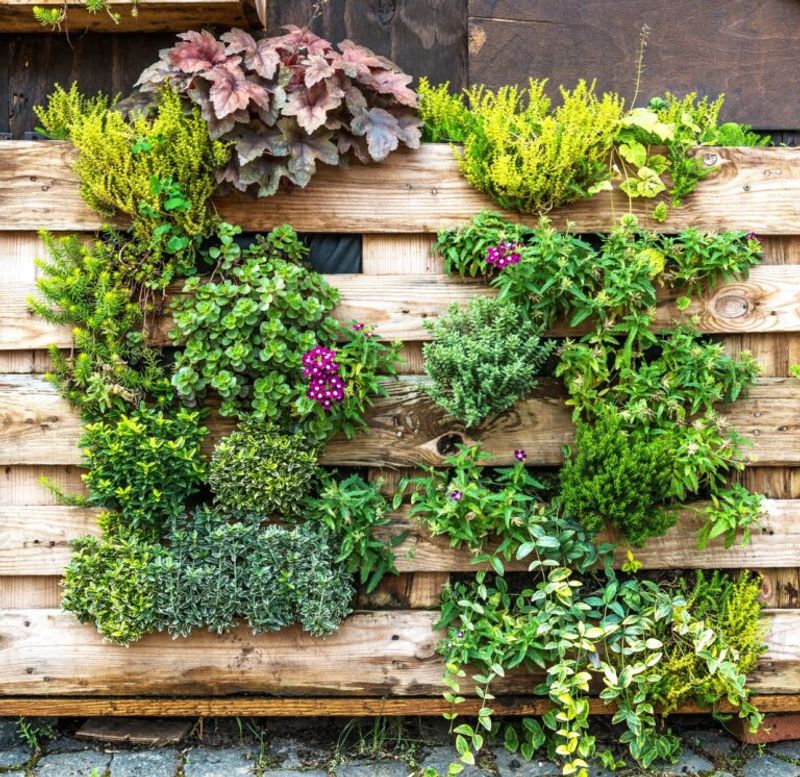
Crowding plants together might seem like a way to grow more food in less space, but it often backfires. Leaves that overlap block light from reaching lower growth, and poor airflow creates conditions where fungal problems can take hold.
Vertical growing does not automatically fix spacing issues. Plants growing up a trellis still need horizontal room between stems.
Packing too many vines onto a single panel leads to tangled growth that is hard to manage and harder to harvest.
A general guideline for most vining crops is to space plants eight to twelve inches apart along a trellis. That gap allows each plant to spread its leaves without shading neighbors.
Actual spacing needs can vary by crop, so checking seed packet recommendations is worth the extra minute.
Sunlight access changes throughout the day. Morning sun from the east and afternoon sun from the west hit vertical surfaces at different angles.
Knowing which direction your trellis or wall faces helps you choose crops that match that light pattern.
Pruning side shoots on tomatoes, a practice called suckering, keeps the plant focused on upward growth and improves air circulation around the main stem.
Not every gardener removes suckers, but it is a common technique for managing indeterminate varieties in tight spaces.
Checking plants weekly for signs of overcrowding lets you catch problems early. Yellowing lower leaves or visible mold on stems are signals that airflow or light needs to improve.
7. Regular Watering Matters More In Small Growing Spaces
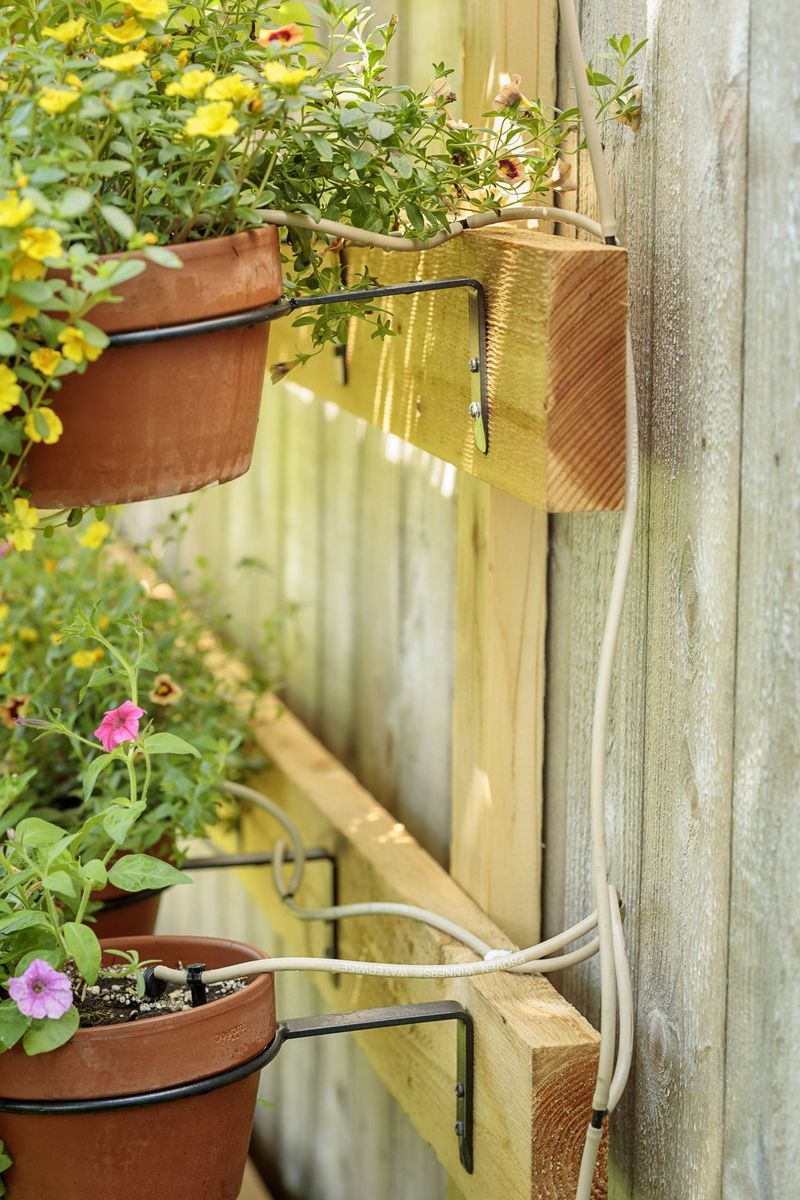
Small containers and vertical planters dry out faster than in-ground beds. Less soil volume means less water stored around the roots, and hot dry air pulls moisture out quickly, especially in desert climates.
Checking soil moisture daily during warm months is a reasonable habit. Sticking a finger two inches into the soil gives a quick read on whether watering is needed.
Wilting leaves are a sign the plant is already stressed, so catching dryness before that point is the goal.
Drip irrigation is one of the most practical solutions for vertical setups. Emitters placed at each plant deliver water directly to the root zone without wetting leaves.
That targeted approach reduces evaporation and keeps foliage drier, which helps limit fungal issues.
Watering in the early morning gives plants time to absorb moisture before the hottest part of the day. Evening watering can work but tends to leave foliage damp overnight, which is not ideal in humid stretches.
Mulching the top of containers slows evaporation noticeably. A thin layer of straw, wood chips, or shredded leaves keeps the soil surface cooler and holds moisture longer between waterings.
Over-watering is just as problematic as under-watering. Soggy roots in a container with poor drainage can develop root rot quickly.
Making sure every container has drainage holes and that water flows freely is a basic step that protects plant health throughout the growing season.
8. The Right Setup Can Make Harvesting Easier
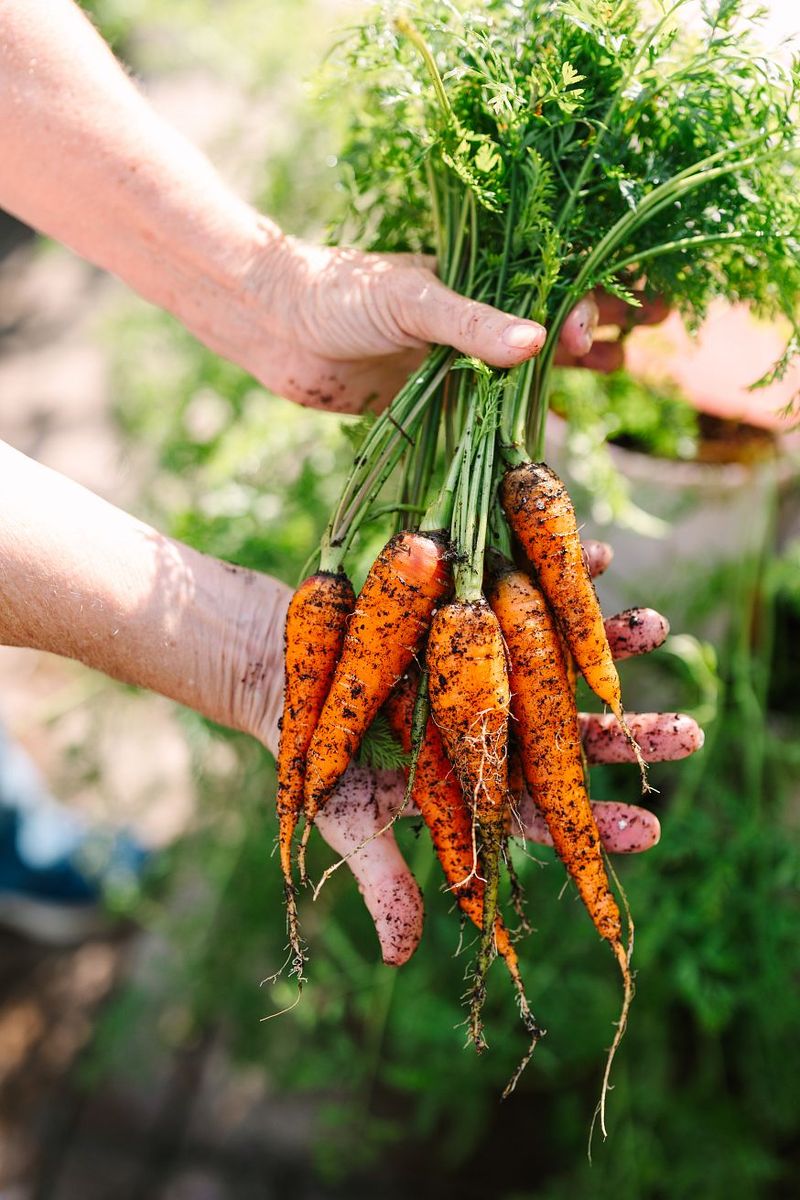
One underrated benefit of vertical growing is how much easier it makes picking crops. Fruit hanging at eye level or chest height is far simpler to spot and reach than produce buried under sprawling ground-level foliage.
Planning the layout with harvesting in mind saves frustration later. Leaving a clear path along the front of a trellis or wall planter lets you reach every plant without stepping over or through other crops.
Even a narrow walking space of 18 inches makes a real difference.
Tall structures can create a reach problem if plants climb beyond arm height. Building trellises at a manageable height, or using a small step stool for taller setups, keeps harvesting practical.
Crops like pole beans and cucumbers can be trained to stop at a comfortable picking height by pinching off the top growth.
Harvesting frequency matters as much as the setup itself. Crops like cucumbers and zucchini should be picked regularly to keep the plant producing.
Leaving mature fruit on the vine too long signals the plant to slow down, which reduces overall output.
Organizing vertical space by crop type also simplifies the process. Grouping fast-maturing crops together means you can focus your attention on one section at a time.
In a compact yard, that kind of organization makes the whole garden easier to manage from planting through the end of the growing season.