What Georgia Homeowners Should Know Before Removing Mushrooms From Their Lawn
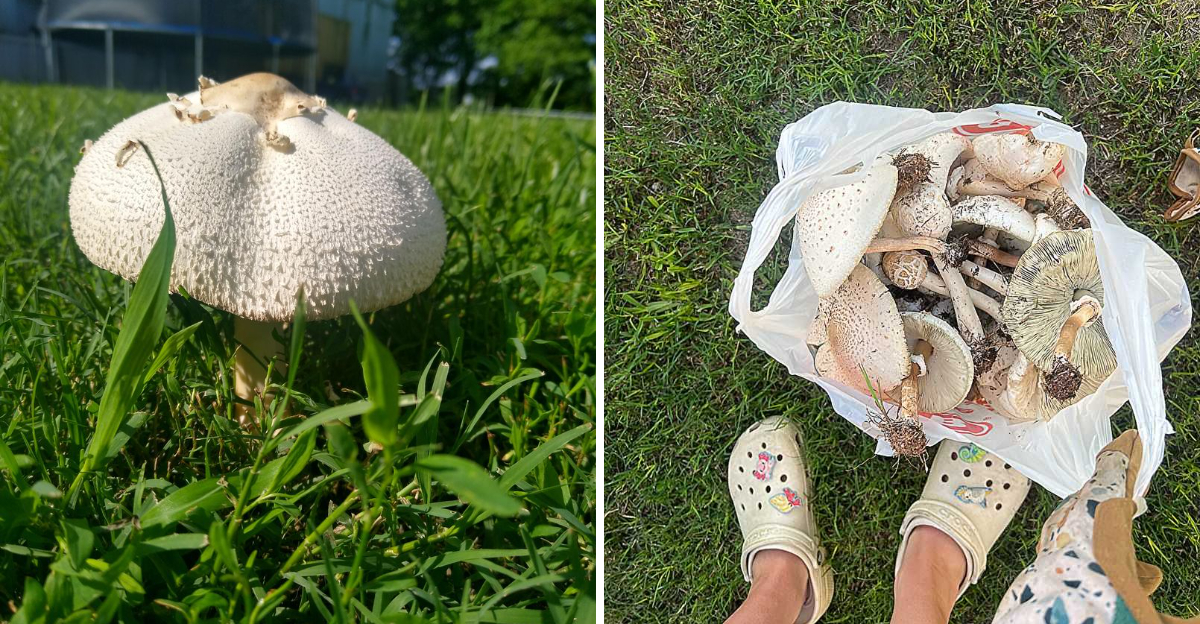
Those mushrooms popping through your lawn may look like you should remove them immediately. Before you grab a bag or mower, take a closer look at what is happening.
Mushrooms often appear when moisture and organic material create the right conditions beneath the grass. In Georgia, warm and humid weather can make those conditions noticeable.
That does not mean every mushroom deserves the same response. What you see above ground can tell you something about the soil below.
Pay attention before you start pulling, mowing, or treating the area. A quick reaction may miss the bigger reason those mushrooms appeared.
Some situations call for simple cleanup, while others deserve more careful attention. Knowing the difference can save you unnecessary work.
Before removing anything, understand what your lawn may be telling you.
1. Why Mushrooms Suddenly Appear In Your Lawn
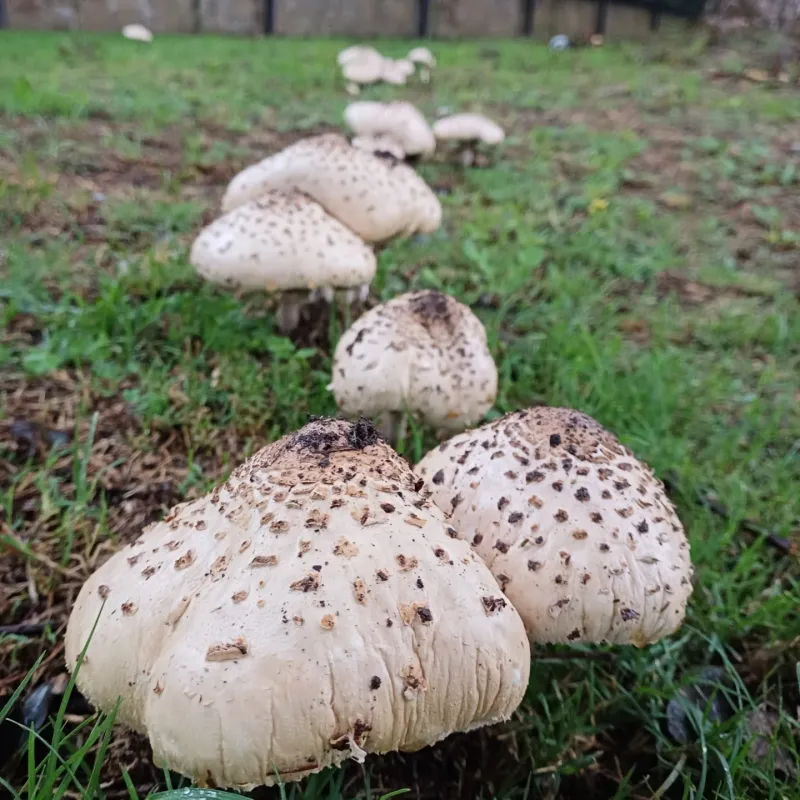
Overnight mushrooms feel like magic, but there is a simple explanation. Fungi live underground as a network of thread-like roots called mycelium.
Mushrooms are just the visible part that pops up when conditions are right.
Warm temperatures, shade, and moisture create the perfect setup for a flush of mushrooms. Georgia summers bring exactly that combination.
After heavy rain followed by humid nights, spores activate and push through the soil fast.
Mushrooms tend to cluster near organic material. Rotting roots, buried logs, old mulch, and even grass clippings give fungal networks a food source.
Yards with heavy tree cover or shaded corners are especially prone to sudden flushes.
Timing also matters. Spring and fall tend to produce the most visible growth because temperatures are moderate and rainfall is more frequent.
Summer storms can trigger short bursts of mushroom activity too, especially in low-lying areas where water pools.
Knowing why they appear helps you respond more calmly. Mushrooms are not a sign of a neglected yard.
Even well-maintained lawns can host them when the weather cooperates. The underground fungal network may have been present for months or even years before you ever noticed a single cap above ground.
2. Most Lawn Mushrooms Do Not Harm Grass
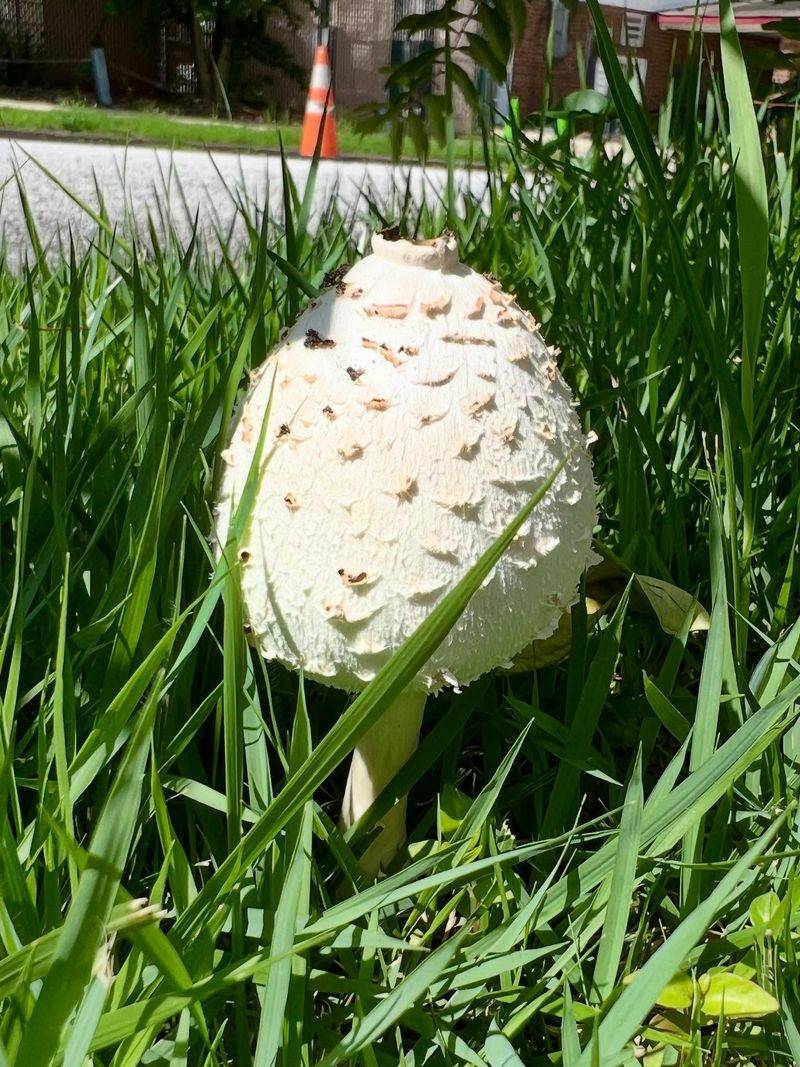
Mushrooms growing in your grass are not feeding on your turf. Fungi break down organic matter underground, not living grass roots.
Your lawn is not being consumed from below.
Most lawn fungi actually support a healthy soil ecosystem. Fungal networks help break down organic material into nutrients that plants can absorb.
In many cases, their presence signals that your soil is biologically active.
Grass near mushroom clusters often looks just as healthy as the rest of the yard. Occasionally, you might see a ring of darker or faster-growing grass near a cluster.
That happens because the fungi release nitrogen as they break down organic matter, giving nearby turf a temporary nutrient boost.
Mushrooms only become a concern for grass when soil drainage is severely compromised or when a heavy mat of mycelium forms just below the surface. That condition, sometimes called fairy ring, can create a water-repellent layer in the soil.
Even then, it is manageable with proper aeration.
Your Georgia Garden Changes Every Week. Your Plan Should Too.
Gardening in Georgia changes quickly throughout the season. Every Friday you’ll receive a simple weekly plan showing exactly what to plant, prune, fertilize, harvest, and protect so you never miss the right timing.
Removing mushrooms does not protect your grass from harm because, in most situations, no harm is occurring. Homeowners often assume the worst when they see a flush of growth.
Staying calm and observing your turf before reacting can help you avoid unnecessary work and keep your yard in good shape throughout the season.
3. Removing Them Will Not Solve The Source
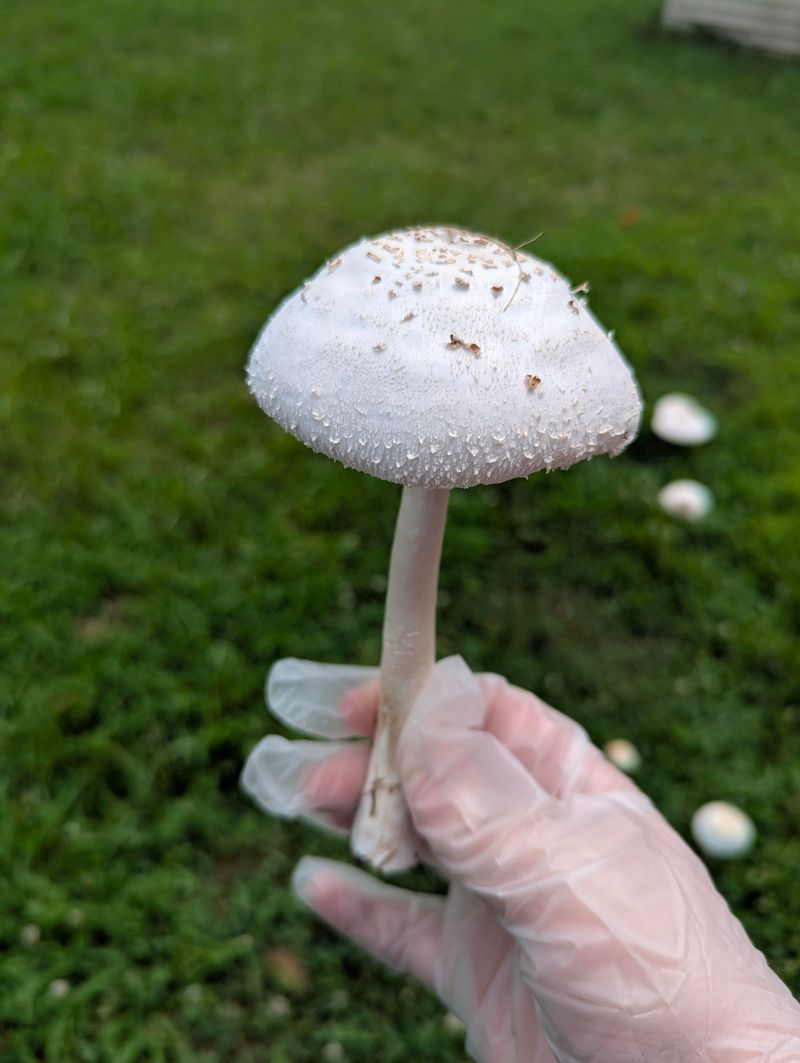
Pulling mushrooms out of the ground feels productive, but it barely scratches the surface of the issue. Mushrooms are fruiting bodies, not the organism itself.
Removing the cap leaves the entire fungal network untouched below the soil.
Mycelium can spread several feet in every direction underground. Removing visible mushrooms stops spore spread temporarily, but the network continues growing and will likely produce more caps when conditions are right again.
Some homeowners try breaking mushrooms up or mowing them down. Mowing can scatter spores across a wider area of the yard, which may lead to new clusters appearing in spots that were previously clear.
Hand removal is a cleaner option if you want to limit spore spread.
Fungicides are available, but they rarely penetrate deep enough to reach established mycelium. Most products only suppress surface-level growth and do not address what is feeding the fungal network underground.
Results tend to be inconsistent and short-lived.
The most effective long-term approach is addressing the food source. Removing buried wood, old roots, or excessive organic buildup gives the fungal network less to feed on.
Mushrooms may still appear occasionally even after cleanup, but flushes tend to become smaller and less frequent over time as the underground material breaks down completely.
4. Moisture Can Keep Mushrooms Coming Back
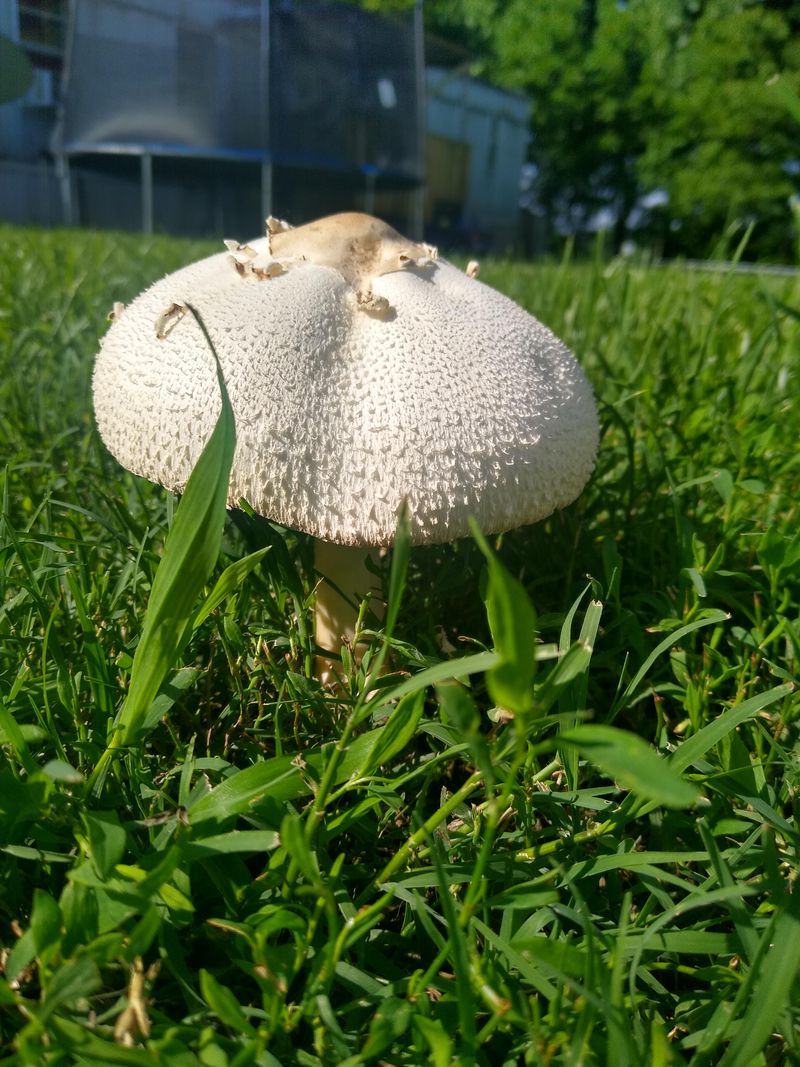
Wet conditions are the single biggest trigger for repeated mushroom growth. Fungi need moisture to fruit, and yards that stay damp for extended periods create an ideal environment for ongoing flushes throughout the growing season.
Overwatering is a common issue in many Georgia yards. Warm-season grasses like Bermuda and Zoysia need less water than homeowners often give them.
Excess irrigation keeps the topsoil moist for longer than necessary, giving fungal networks the moisture they need to keep producing.
Poor drainage adds to the problem. Low spots, compacted soil, and areas shaded by trees or fences stay wet long after the rest of the yard dries out.
Mushrooms tend to cluster in exactly those spots.
Adjusting your watering schedule can help reduce frequency. Watering deeply but less often encourages grass roots to grow deeper while allowing the topsoil to dry between sessions.
Shifting irrigation to early morning also helps because the sun and daytime heat dry the surface before nightfall.
Improving drainage in problem areas may require aerating compacted soil or regrading low spots to redirect water flow. These are not quick fixes, but they address the root condition that keeps mushrooms returning.
Managing moisture is one of the most practical steps a homeowner can take without needing to treat the soil chemically.
5. Buried Wood May Be Feeding Their Growth
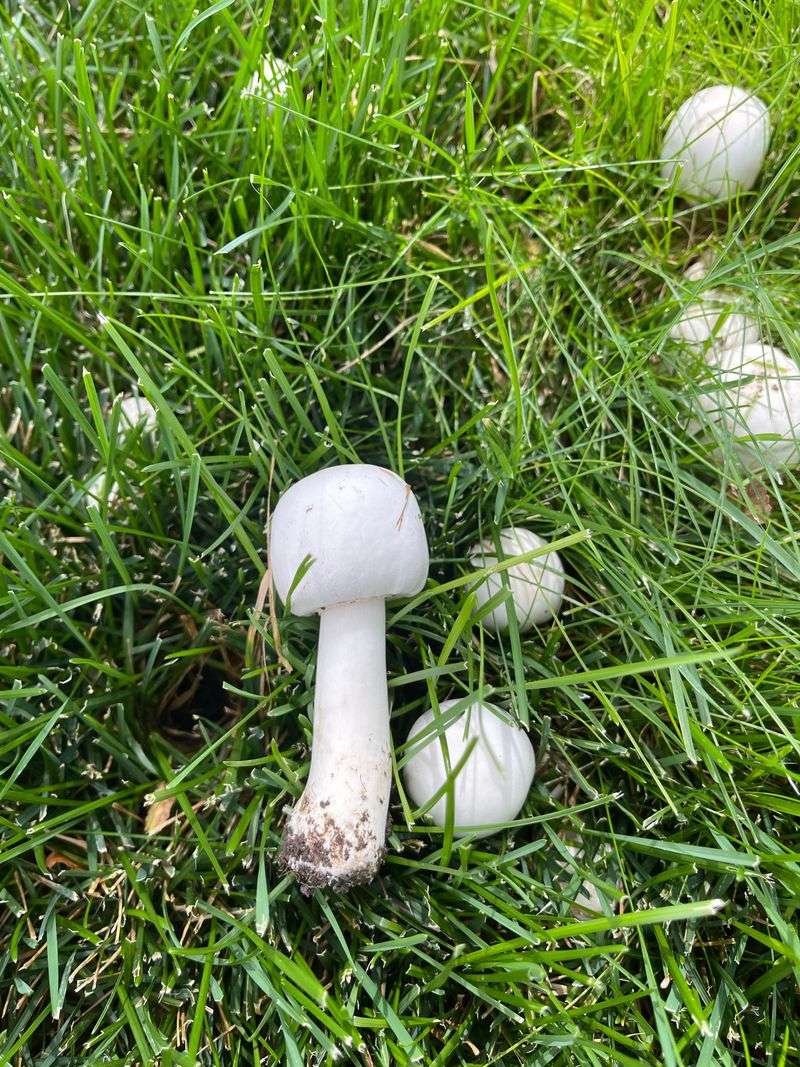
Buried wood is one of the most overlooked reasons mushrooms keep appearing in the same spot year after year.
When trees are removed, stumps are ground down, or old roots are left in place, that organic material stays underground and slowly breaks down. Fungi are highly efficient at doing that job.
Construction fill is another culprit. Homes built on lots where trees were cleared often have chunks of wood, bark, and root material buried under the topsoil.
Builders sometimes cover this debris with a layer of fresh soil and sod, leaving the buried material to decompose slowly over many years.
Old fence posts, buried lumber scraps, and even thick layers of decomposing mulch can serve the same purpose. Anywhere organic material sits in moist soil, fungal networks can establish and thrive.
Locating buried wood requires some digging. Mushrooms tend to grow directly above or near the food source, so their location gives you a starting point.
Probe the soil with a metal rod or narrow spade around the area where clusters appear most often.
Once buried wood is found and removed, mushroom activity in that spot typically slows over time as the remaining organic material breaks down further.
Complete elimination may take a season or two depending on how much material was present and how deeply it was buried.
6. When Clearing Lawn Mushrooms Makes Sense
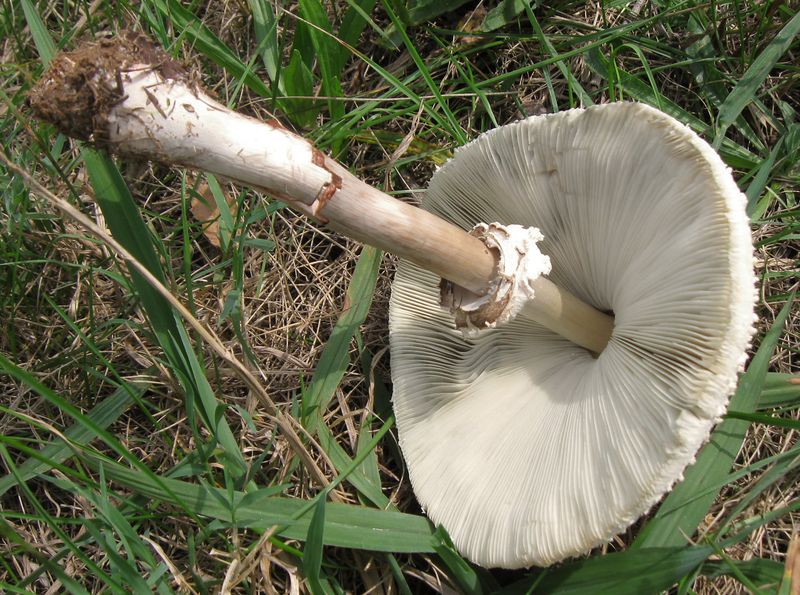
Not every mushroom needs to come out, but there are situations where removal makes clear sense. Safety is the most straightforward reason.
If young children or pets spend time in the yard, removing mushrooms promptly reduces the risk of accidental contact or ingestion.
Identifying mushroom species accurately requires expertise. Most lawn mushrooms are not toxic, but some varieties can cause serious illness if consumed.
Without formal training in mycology, visual identification alone is not reliable enough to make that call confidently.
Aesthetics are another valid reason. A yard full of mushrooms before a gathering or event is a reasonable thing to want addressed.
Removing them by hand before mowing keeps the yard looking clean without spreading spores across a larger area.
Removing mushrooms before they mature and release spores can slow the spread to other parts of the yard. Caps that open fully and release spores can seed new areas of mycelium, particularly in moist or shaded sections nearby.
Wear gloves during removal and bag the mushrooms rather than composting them. Placing them in yard waste bags or sealed trash bags limits the chance of spores spreading.
Wash hands thoroughly after handling any lawn fungi, especially if you cannot confirm the species. Removal done carefully is practical and low-risk when the goal is safety or keeping the yard presentable.
7. What To Do If Mushrooms Keep Returning
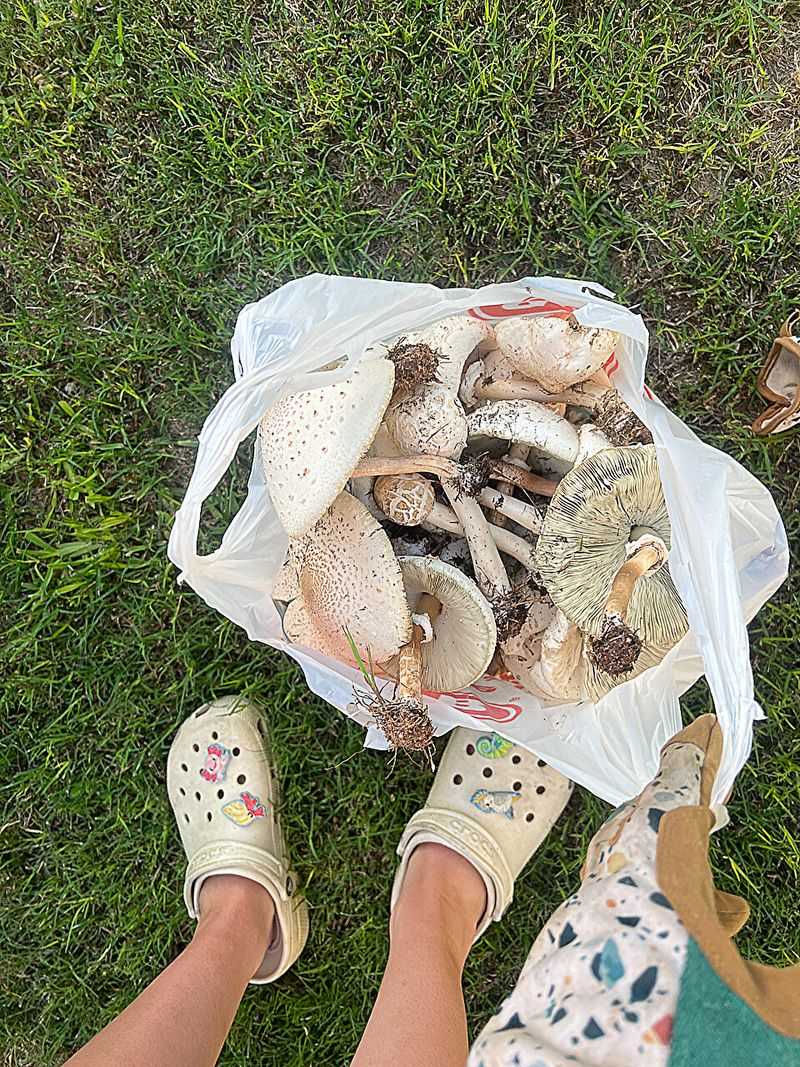
Persistent mushrooms signal that something underground is sustaining the fungal network. Repeated removal without addressing that source will produce the same results season after season.
A different approach is needed.
Start by improving soil drainage in the areas where mushrooms appear most often. Aeration breaks up compacted soil and allows water to move through more freely.
Dethatching removes the layer of organic buildup near the soil surface that can hold excess moisture and feed fungal growth.
Reducing shade helps in some yards. Trimming back overhanging branches allows more sunlight and airflow to reach the soil.
Dry, well-lit soil is far less hospitable to frequent mushroom flushes than shaded, damp patches.
If buried wood or roots are suspected, locating and removing that material is worth the effort. Hiring a landscaper to probe and excavate problem areas can resolve recurring growth that nothing else seems to address.
Lawn care habits matter too. Avoid over-fertilizing with nitrogen-heavy products, which can accelerate the breakdown of organic matter and temporarily increase fungal activity.
Balance your fertilizer program based on a soil test rather than guessing.
Patience is part of the process. Fungal networks take time to exhaust their food sources.
Consistent improvements to drainage, shade, and organic matter levels will reduce mushroom frequency over time, even if they do not stop entirely right away.