The Mowing Mistake Making Crabgrass Harder To Control In Oregon Lawns
An Oregon lawn can look freshly cut and still be quietly setting itself up for a weed problem.
The mistake happens in minutes.
A mower passes over the yard, the grass looks neat, and nothing seems wrong until thin patches begin appearing as temperatures climb.
Then a fast-growing annual weed finds those openings and spreads where the turf should have been strongest.
So what went wrong?
The clue is not in the fertilizer bag or the herbicide shelf. It is in how much green tissue disappeared during the last mowing and what that exposed at soil level.
Cool-season lawns depend on leaf area, root strength, and a dense canopy to compete through spring and summer.
Change that balance too aggressively, and weed pressure can rise even when every other lawn-care step looks reasonable.
The fix costs nothing.
It starts with one mower adjustment, followed by a few habits that keep Oregon turf denser, cooler, and much harder for opportunistic seedlings to exploit throughout this year’s growing season from spring onward.
Stop Mowing The Lawn Too Short
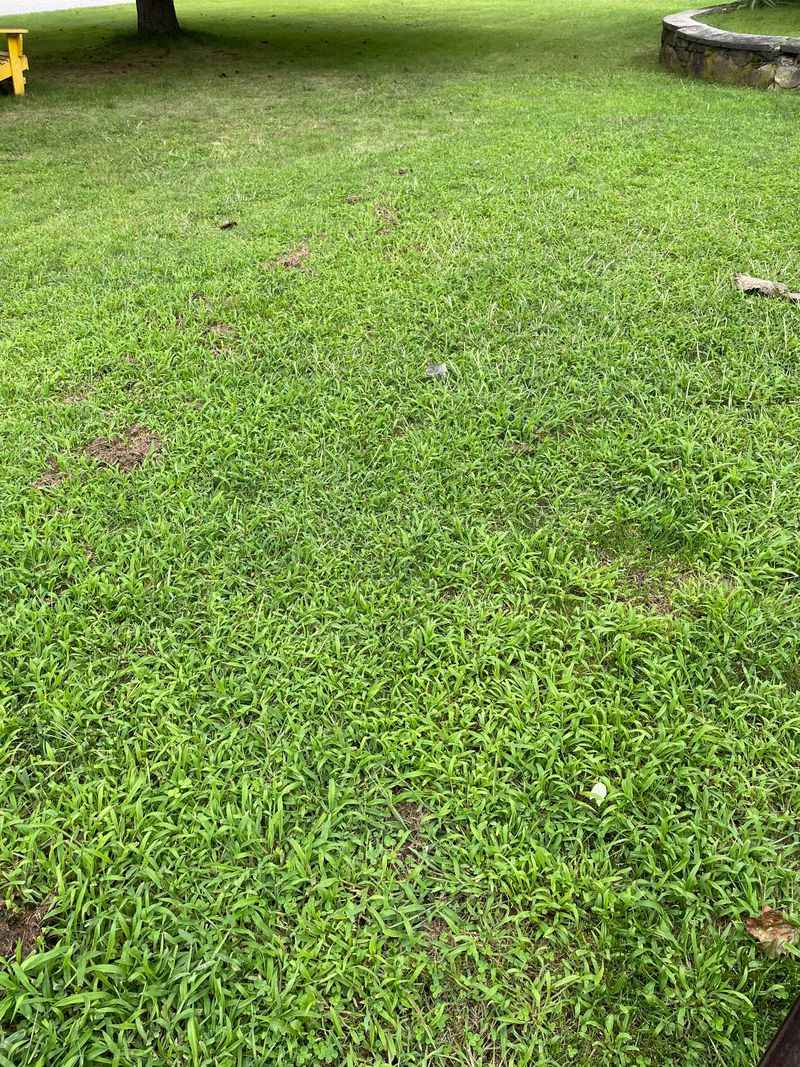
A freshly buzzed lawn can look tidy while losing the very defense that keeps annual weeds in check.
Cutting cool-season turf too low removes a large share of its leaf area. That leaves the grass with less surface for photosynthesis, weakens recovery, and can expose more soil to sunlight.
Crabgrass benefits from those openings because its seeds establish more readily where warm soil and light are easier to reach.
The problem becomes more noticeable as Oregon moves from wet spring growth into warmer, drier weather.
Scalped turf has less canopy shading the soil and less resilience when summer stress arrives. Thin areas around sidewalks, driveways, slopes, and compacted spots can become especially vulnerable.
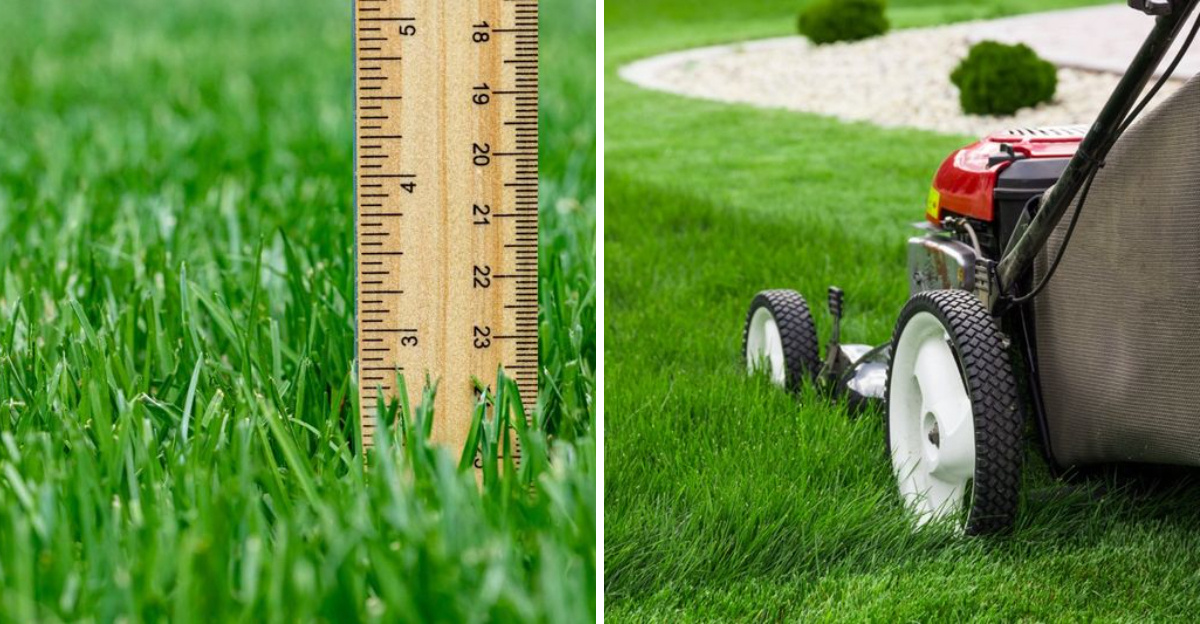
Raise the deck rather than trying to make every mowing last longer.
The correct height depends on the dominant grass and region, but western Oregon lawns generally benefit from keeping common cool-season species noticeably higher than a one-inch buzz cut.
Oregon State University identifies proper mowing height and dense turf as important parts of crabgrass prevention.
One short mowing will not guarantee an infestation, and mowing alone will not solve a severe one. Still, repeated low cuts keep creating conditions crabgrass can exploit.
The sharpest-looking lawn on mowing day can become the patchiest one later. Leave enough green above the mower blade for the grass to defend its own ground.
Raise The Deck Before Crabgrass Finds Light
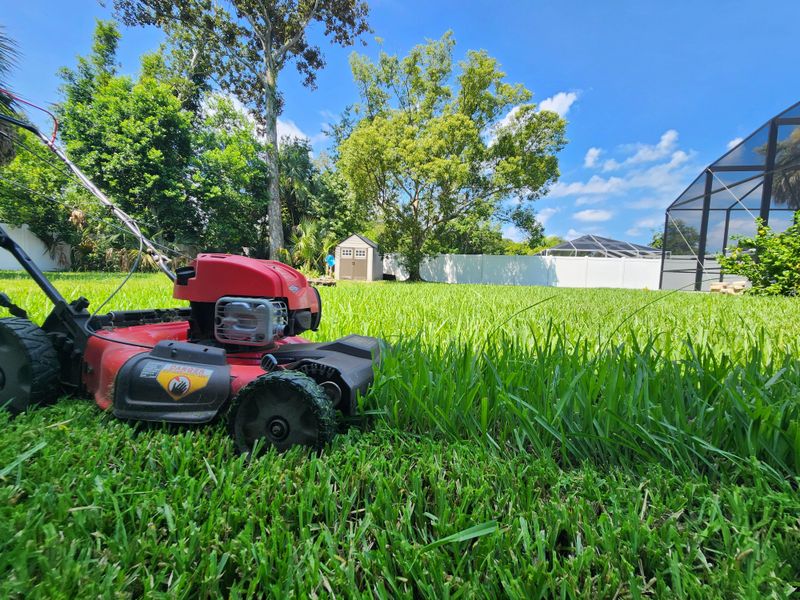
The soil surface is where the mowing decision becomes a weed-control decision.
A taller turf canopy intercepts sunlight before much of it reaches the ground. That matters because crabgrass is an annual weed that must establish from seed each season. Dense grass gives emerging seedlings less light and less open space to work with.
A low mower deck changes that balance.
When blades are shortened aggressively, the canopy opens and small gaps become brighter and warmer. That does not make every dormant crabgrass seed germinate, but it removes one of the lawn’s most useful competitive advantages.
Your Oregon Garden Changes Every Week. Your Plan Should Too.
Gardening in Oregon changes quickly throughout the season. Every Friday you’ll receive a simple weekly plan showing exactly what to plant, prune, fertilize, harvest, and protect so you never miss the right timing.
Oregon State University recommends maintaining dense turf and mowing at an appropriate height as part of crabgrass prevention.
Its western Oregon lawn guidance places tall fescue around 3 to 4 inches and many fine fescues and perennial ryegrass lawns around 2 to 3 inches, with lower targets for bentgrasses.
That range matters because Oregon lawns are not all built from the same species.
Raise the deck according to the lawn you actually have rather than choosing the mower’s lowest setting by habit. Then maintain that height consistently instead of alternating between shaggy growth and a severe cut.
Once established crabgrass is sprawling through the lawn, extra shade will not magically remove mature plants.
This strategy works earlier. The idea is to keep the door dim before crabgrass seedlings ever get comfortable walking through it.
Keep Turf At Its Proper Mowing Height
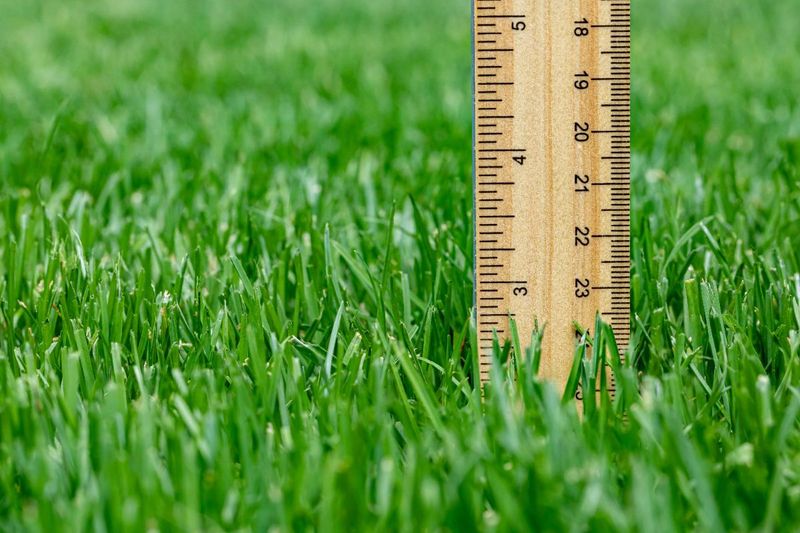
A number printed on the mower deck is not automatically the right answer for every Oregon yard.
Grass species respond differently to cutting height, and western and eastern Oregon lawns can contain different mixes.
Perennial ryegrass and fine fescues are common west of the Cascades, while Kentucky bluegrass and tall fescue become important elsewhere.
That makes identification worth the effort.
Oregon State University’s western Oregon lawn guide lists tall fescue at roughly 3 to 4 inches, fine fescues and perennial ryegrass around 2 to 3 inches, and bentgrasses much lower.
Separate central Oregon guidance places several common turf types around 2 to 3 inches under those conditions.
The point is not memorizing one statewide number.
It is avoiding a cut that repeatedly leaves your dominant turf stressed and thin.
Look at seed records when available, compare leaf texture and growth habit, or use local Extension resources when the lawn is a mystery mixture.
Older lawns often contain several species, so choosing a moderate height that favors the dominant desirable grass may be more realistic than chasing perfection.
Then leave the setting alone long enough for the turf to stabilize.
Constantly changing height can expose weak spots.
Crabgrass does not need your lawn badly managed everywhere.
It only needs a few sunny openings.
Species-appropriate mowing helps keep those openings from becoming permanent invitations.
Follow The One Third Rule
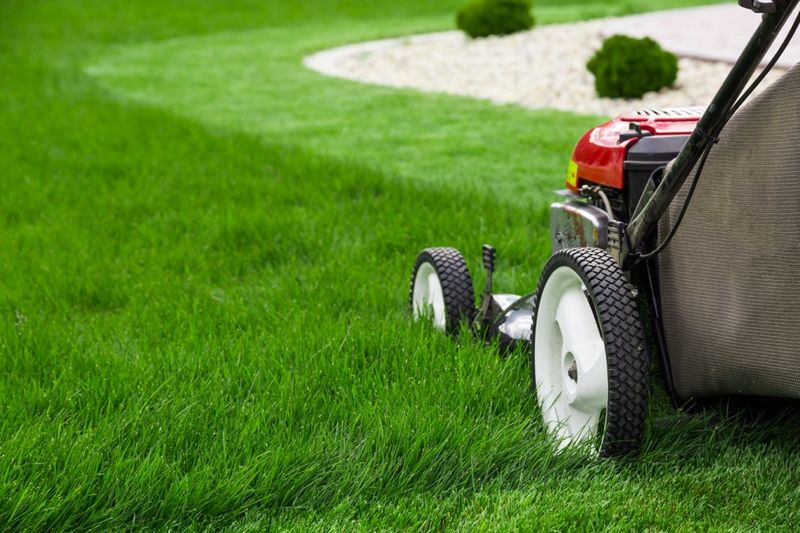
A week of Oregon spring rain can turn a manageable lawn into a shaggy one almost overnight.
The tempting response is to drop the mower and remove all that growth in one pass.
That is where another crabgrass-friendly mistake begins.
Oregon State University recommends the one-third rule: avoid removing more than about one-third of the grass blade during a single mowing. Taking much more at once sharply reduces leaf area and can leave the turf stressed while it rebuilds.
During fast spring growth, that may mean mowing more often than the usual Saturday routine.
The interval matters less than the amount removed. Once growth slows in summer, mowing can slow with it. A lawn that enters summer dormancy may need little or no regular cutting until active growth resumes.
When you fall behind, do not punish the grass for the missed week.
Raise the mower and take off a smaller amount first. After the turf recovers, lower the deck gradually over another mowing or two until you reach the normal height for that grass.
This approach keeps more photosynthetic tissue intact and avoids suddenly exposing lower stems and soil.
It also prevents piles of heavy clippings from smothering portions of the lawn.
Crabgrass loves weak, open turf more than it cares about your mowing calendar.
The one-third rule keeps a delayed haircut from becoming an accidental renovation project.
Avoid Scalping Uneven Summer Turf
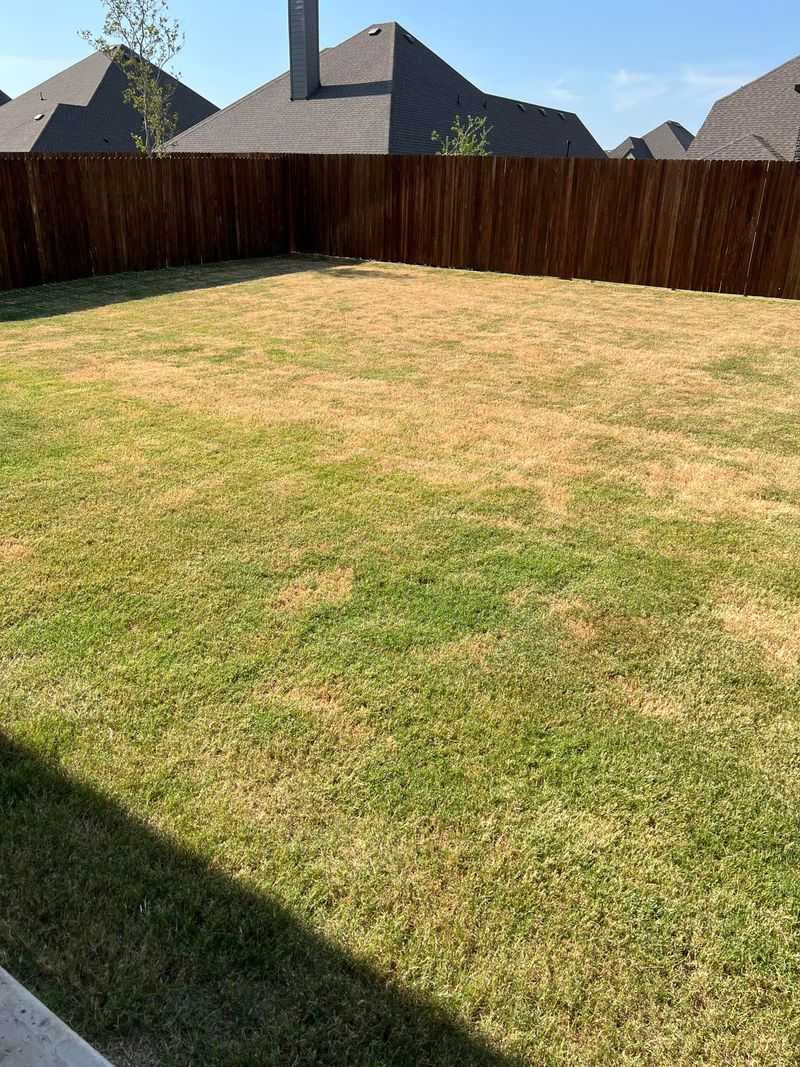
The mower may be set correctly and still cut certain parts of the yard far too short.
Uneven ground is the culprit.
When a wheel drops into a rut or the deck crosses a raised patch, blades can suddenly slice much closer to the crown. Oregon State University notes that rotary mowers set low are particularly prone to scalping undulating or rutted surfaces.
Those pale or brown patches are more than cosmetic.
Scalped turf has lost much of its protective leaf cover, so the exposed area heats and dries faster. Recovery becomes harder during summer, while open soil gives opportunistic weeds more room to establish.
Raise the deck slightly on bumpy lawns.
Slow down over uneven sections and avoid forcing the mower tightly across humps or abrupt changes in grade. Changing your mowing direction from one session to another can also reduce repeated wheel traffic in the same tracks.
Longer term, correct shallow depressions or rough surfaces gradually rather than trying to compensate with an extremely low cut across the entire lawn.
Pay extra attention beside sidewalks and driveways.
Those edges already experience reflected heat and soil disturbance, which can make scalping more consequential.
One isolated patch does not guarantee crabgrass.
Repeated bare spots, however, give its seed bank more chances every year.
A mower should skim the lawn evenly.
It should not carve tiny sunny landing pads for the weed you are trying to prevent.
Mow Often Enough To Keep Grass Dense
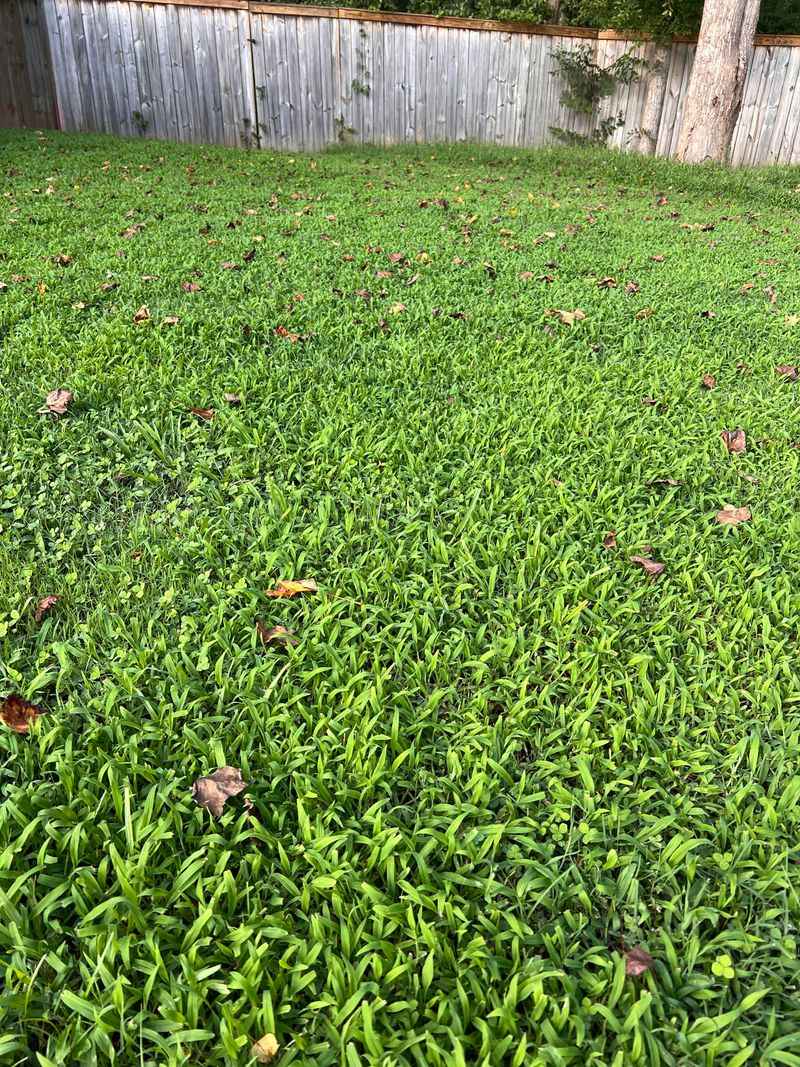
A rigid mowing schedule sounds organized until the grass ignores it.
Oregon’s cool, wet spring can produce rapid growth, while summer growth may slow dramatically.
Mowing every seven days regardless of what the turf is doing can leave you either cutting unnecessarily or allowing the lawn to become too tall before a harsh catch-up cut.
Use growth as the trigger.
When the grass reaches the point where mowing would remove about one-third of the blade, cut it. Oregon State University notes that the one-third rule can translate to at least weekly mowing during peak growth, with far less frequent mowing when growth slows.
That consistency helps preserve a dense canopy.
It does not mean mowing itself magically creates a weed-proof lawn. Density also depends on irrigation, fertility, species, traffic, disease, and whether thin areas have been repaired.
Still, regular mowing at the appropriate height avoids the repeated cycle of overgrown turf followed by severe removal.
Keep the blade sharp too.
A dull mower tears grass rather than cutting cleanly, leaving ragged tips and adding another avoidable stress while the lawn is trying to compete.
Let summer conditions dictate the pace.
A dormant lawn does not need to be shaved simply because the mower usually comes out on Sunday.
Good mowing follows the grass.
Crabgrass gets more opportunities when the schedule matters more than what is actually happening under the mower wheels.