The Invasive Shrub North Carolina Gardeners Should Remove Before It Roots From Every Broken Piece
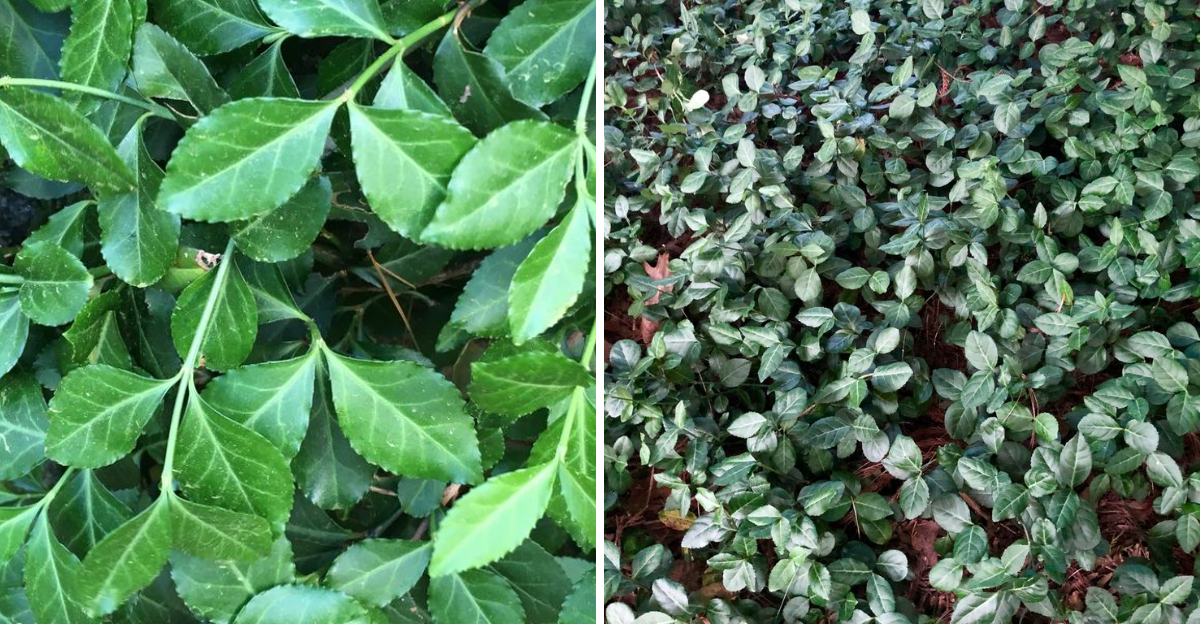
A North Carolina garden can hide a stubborn problem under what looks like ordinary evergreen growth.
At first, it hugs the ground. Then stems slip beneath mulch, creep across bed edges, and climb whatever happens to be nearby. Pull one section, and another patch seems to appear a few feet away.
That persistence is not magic.
The plant spreads through a combination of creeping stems, rooted nodes, and seed, which means a rushed cleanup can leave behind exactly the pieces most capable of starting again.
So what should gardeners remove first?
The answer depends on tracing how the plant has spread before making the first cut.
A few careful steps can turn a sprawling removal job into something much more manageable, while one common mistake can leave the site looking clear only temporarily.
North Carolina gardeners dealing with this invader need less force and more strategy.
The goal is not simply to cut away what you can see.
It is to remove the parts still capable of holding their ground.
Target Wintercreeper Before Stems Reach New Soil
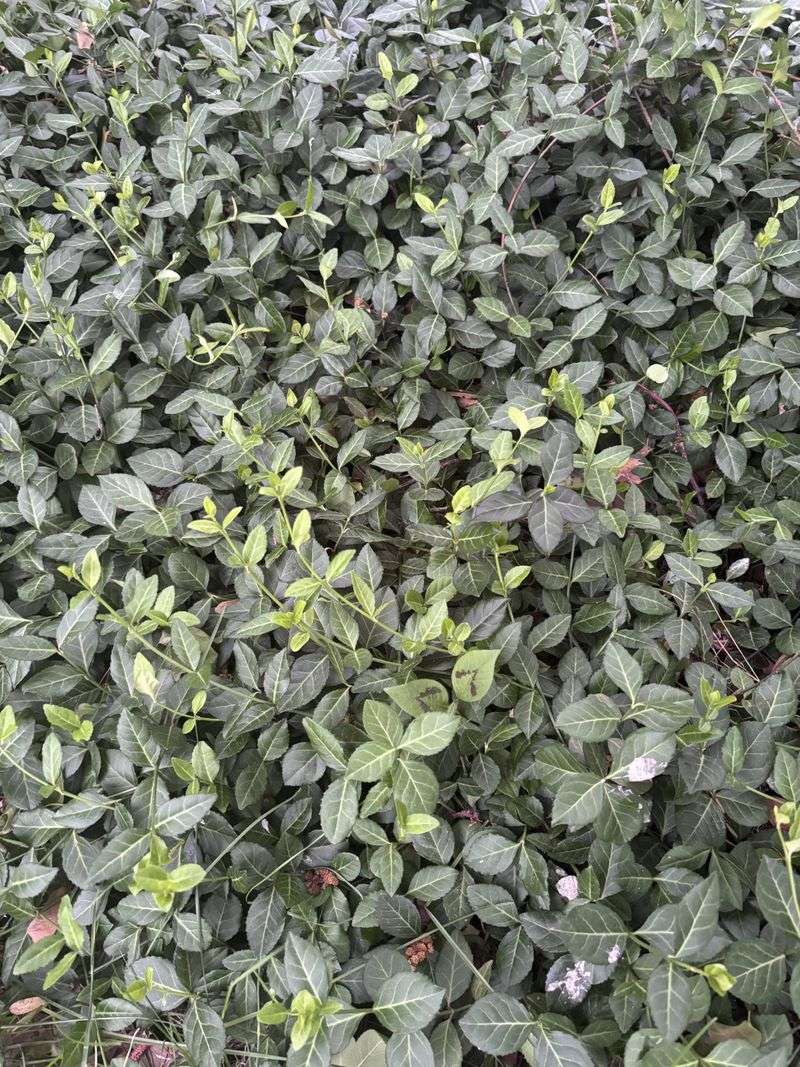
The reveal is wintercreeper, Euonymus fortunei, an evergreen woody vine that can behave like a groundcover until it finds something to climb.
Its biggest removal challenge is the way trailing stems can root at nodes that stay in contact with moist soil.
That does not mean every broken piece instantly becomes a new plant, but rooted sections and overlooked crown tissue can keep the infestation going after the obvious top growth is gone.
Start at the outer edge of the patch.
Lift runners gently and follow them back toward thicker stems rather than chopping everything into short pieces immediately.
This lets you see where individual sections have already anchored and where several runners connect to the same crown.
Early removal is much easier than waiting until the vine has climbed shrubs, fences, or trees. Once stems reach vertical surfaces, they become harder to trace and can hide beneath other vegetation.
Watch especially beneath mulch and leaf litter.
Those cool, protected spots hold moisture and give creeping nodes better conditions for rooting. Pull the cover back as you work so you can see where stems actually touch soil.
The goal is not speed.
It is finding the connected network before you break it apart. The more intact the vine stays during that first pass, the fewer rooted surprises you are likely to discover later.
Trace Sprawling Branches Back To The Crown
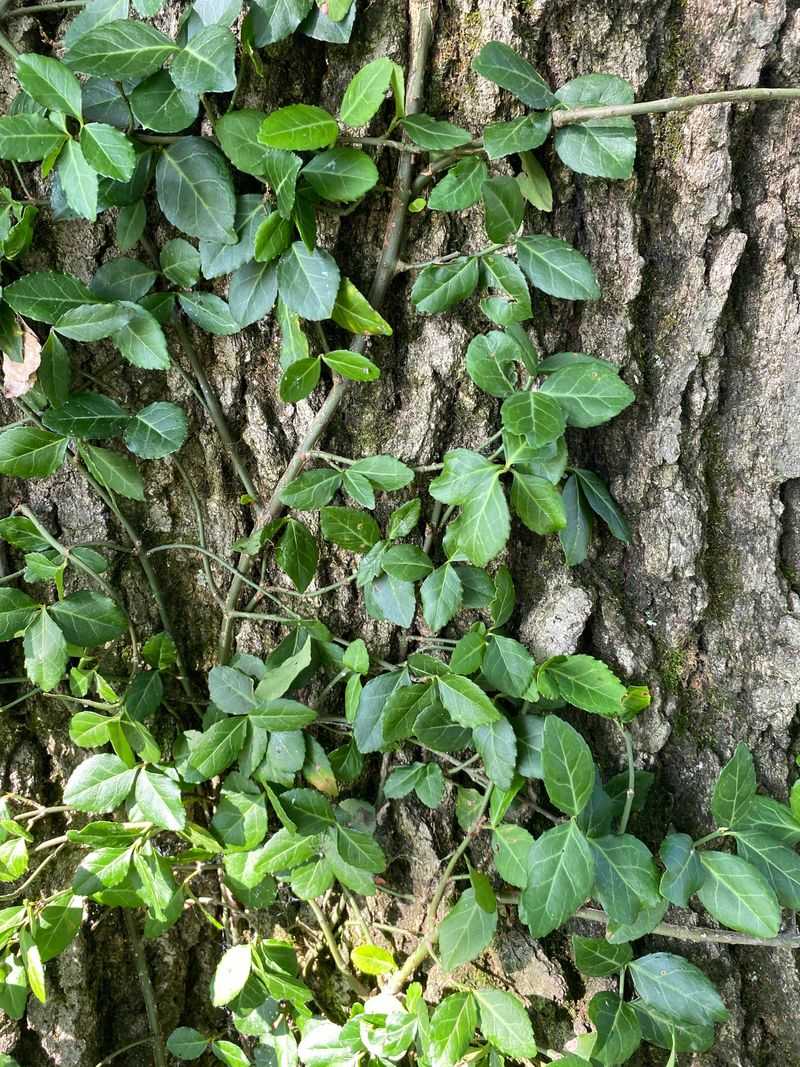
A sprawling patch can look like dozens of separate plants when much of it may still connect back to a smaller number of crowns.
Trace before you cut.
Follow each runner by hand, moving leaves and mulch aside until you find where the stem thickens or disappears into the soil.
Mark those points with flags or small stakes when the patch is large, because several runners can cross over one another and make the layout confusing.
This step matters because random chopping creates more loose material to manage and makes it harder to tell which sections were already rooted.
Your North Carolina Garden Changes Every Week. Your Plan Should Too.
Gardening in North Carolina changes quickly throughout the season. Every Friday you’ll receive a simple weekly plan showing exactly what to plant, prune, fertilize, harvest, and protect so you never miss the right timing.
As you trace, look for resistance.
A runner that lifts easily may simply be resting on the soil. One that stays anchored probably has roots at a node. Leave that section connected until you are ready to loosen the rooted point with a hand fork or trowel.
Work from the outside inward.
Freeing the farthest runners first reduces the tangle and gives you a clearer view of the central crown. It also keeps removed material from getting dragged across clean soil.
Thick climbing stems may need a different approach, especially where they have attached to bark or structures. Cut them near the base and deal with the rooted crown separately rather than ripping them from a tree.
Wintercreeper removal gets much easier once the patch stops looking like chaos and starts looking like a map.
Lift Rooting Stems Before Making Cuts
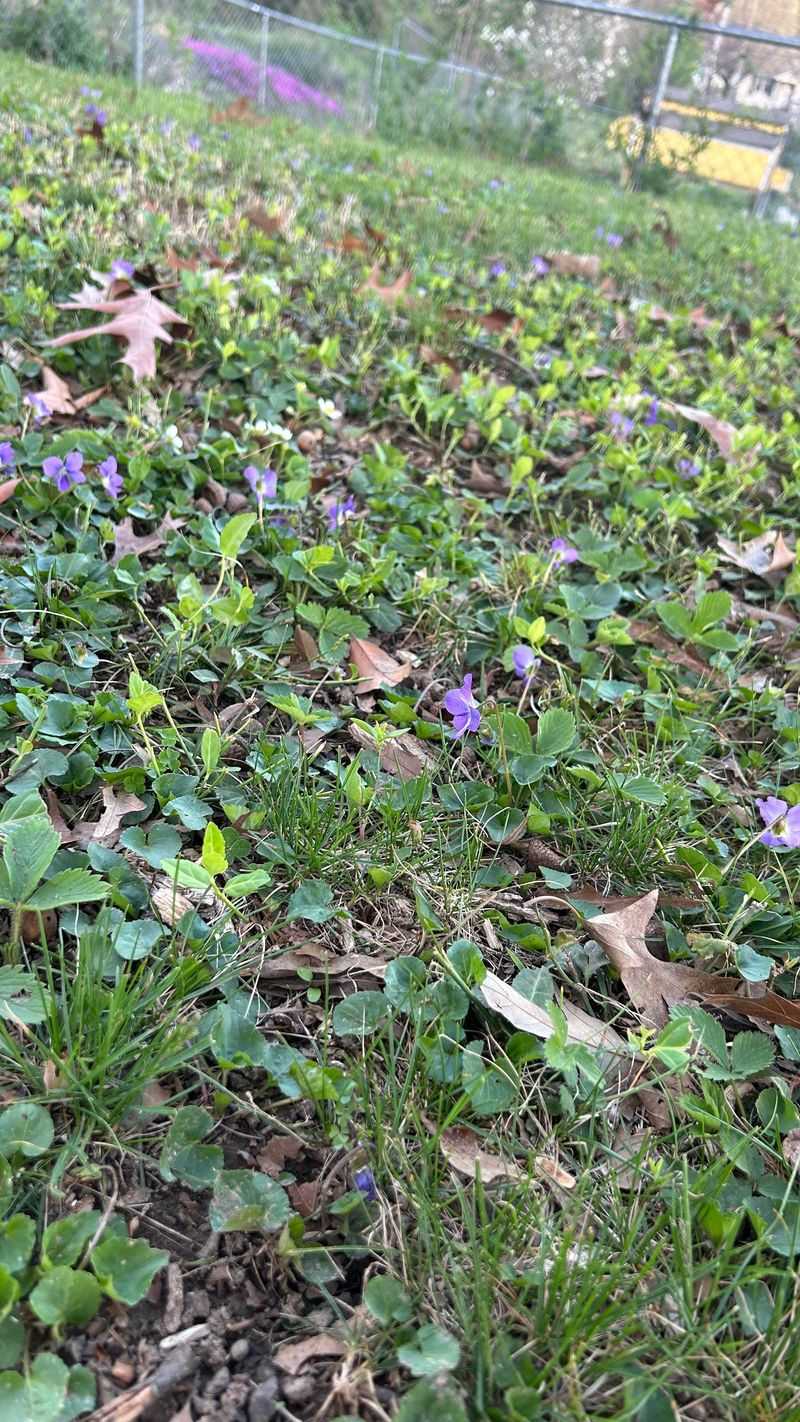
The most frustrating regrowth often comes from sections that were already rooted before the gardener started pulling.
Loosen those points before applying force.
Slide a narrow trowel or hand fork beneath the runner and lift the soil around each rooted node. Damp soil usually releases roots more cleanly than hard, dry ground, so working a day after rain or light irrigation can make the job easier.
Avoid yanking long runners across the bed.
A hard pull can snap the stem between rooted nodes, leaving an anchored section behind while the loose piece comes away in your hand. That makes the area look cleaner without actually finishing the removal.
Lift one node at a time instead.
Follow the stem, loosen the root cluster, and continue until the entire section is free. Fine roots may break, but the priority is removing the rooted stem tissue and crown portions capable of producing new shoots.
Keep freed vines off bare soil as you work.
A freshly removed runner is not guaranteed to reroot, but leaving viable stems in a damp pile creates an unnecessary opportunity. Place material directly onto a tarp, into a container, or into bags designated for disposal.
This is slower than attacking the patch with a string trimmer.
It is also far more controlled.
The best removal technique leaves fewer mystery pieces underground and gives follow-up inspections a much smaller area to police.
Bag Cut Stems Instead Of Dropping Them Nearby
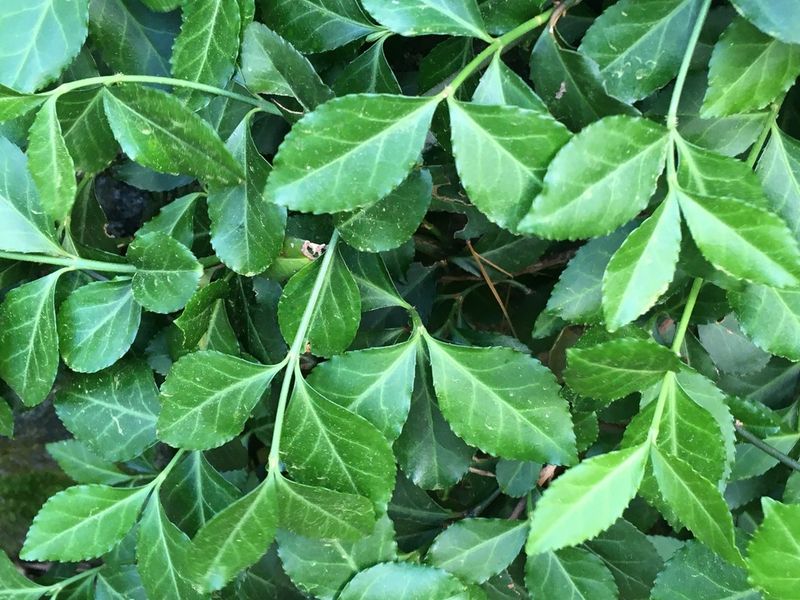
A pile of cut vines beside the bed can undo some of the care you just spent removing them.
Contain the material immediately.
Use a tarp, heavy garden container, or sturdy bags so stems do not stay in contact with moist soil. This is especially important for sections that include rooted nodes, crown pieces, or berries.
Do not assume a home compost pile will make the problem disappear quickly.
Wintercreeper is tough plant material, and viable stem or root pieces can survive when a pile stays cool or unevenly managed.
Seeds from fruiting vines add another concern. Disposal rules vary by community, so use the local yard-waste or invasive-plant guidance available where you live.
Avoid carrying loose cuttings across the yard.
Small pieces can drop into shrub beds, along fences, or beside woodland edges where they become difficult to notice. Keeping everything contained from the moment it comes free makes the cleanup much easier.
Climbing vines deserve extra care too.
Cut thick stems near ground level rather than pulling attached growth forcefully from tree bark. Once the upper portion dries and releases, it can be removed more safely while the rooted base gets separate attention.
The removal pile should be the end of the line, not a temporary nursery.
A tidy work area also makes it much easier to spot the green shoots you actually missed instead of searching through yesterday’s debris.
Dig Out Rooted Nodes Around The Shrub
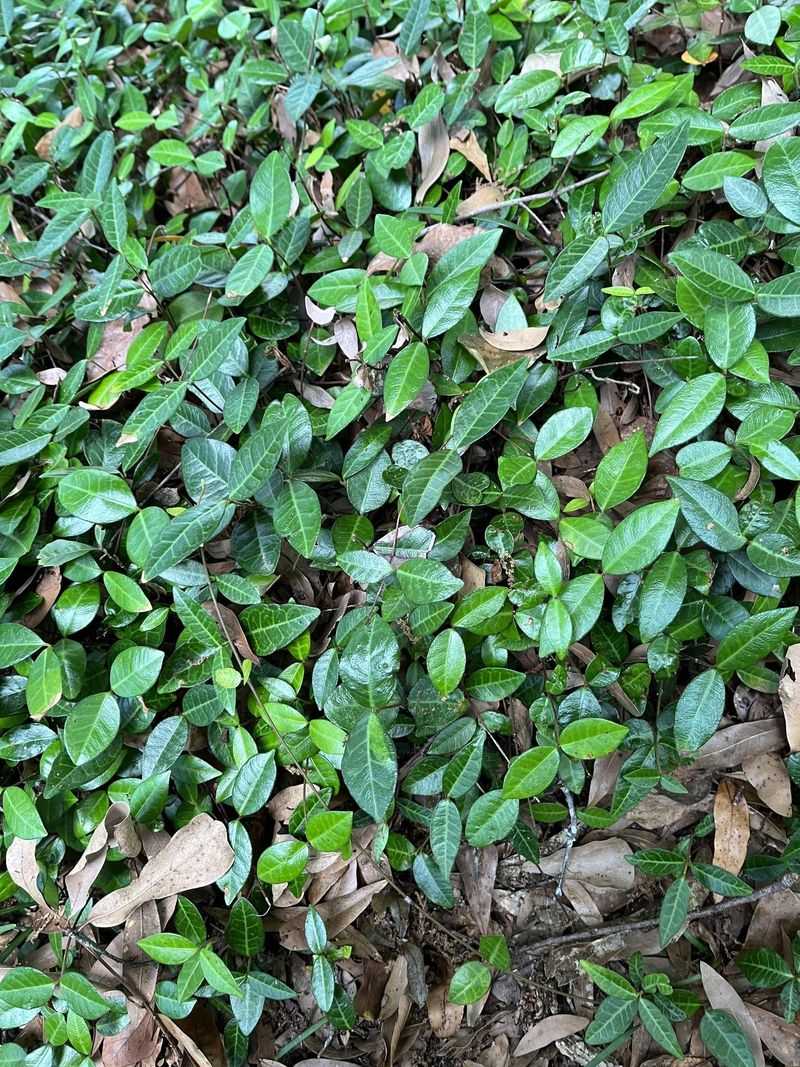
Once the long runners are gone, the soil often reveals why the patch kept expanding.
Rooted nodes can sit just beneath mulch or shallow leaf litter, sometimes several feet from the original crown. Each one deserves a careful pass rather than a quick rake over the surface.
Start at the former outer edge.
Move inward in narrow strips and loosen the top few inches of soil wherever a runner had been anchored. Look for stem pieces attached to small root clusters and for thicker crown material that resists a gentle pull.
Do not dig the entire bed deeply unless the infestation requires it.
Excessive soil disturbance can bring buried weed seed to the surface and damage nearby desirable roots. Target the areas where stems actually rooted instead.
Mulch can hide the most important clues.
Pull it back around former runner paths and inspect the soil beneath before replacing it. Dense groundcovers can conceal rooted wintercreeper too, so separate their foliage carefully rather than assuming green shoots all belong to the plant you want.
Bag or contain every rooted section you remove.
Then smooth the soil lightly and mark areas where major crowns or clusters came out. Those spots deserve extra attention during the next few weeks because any missed tissue will often reveal itself there first.
The first cleanup removes the bulk.
This second pass removes the quiet anchors that make wintercreeper seem impossible to finish.
Recheck The Site For Fresh Growth
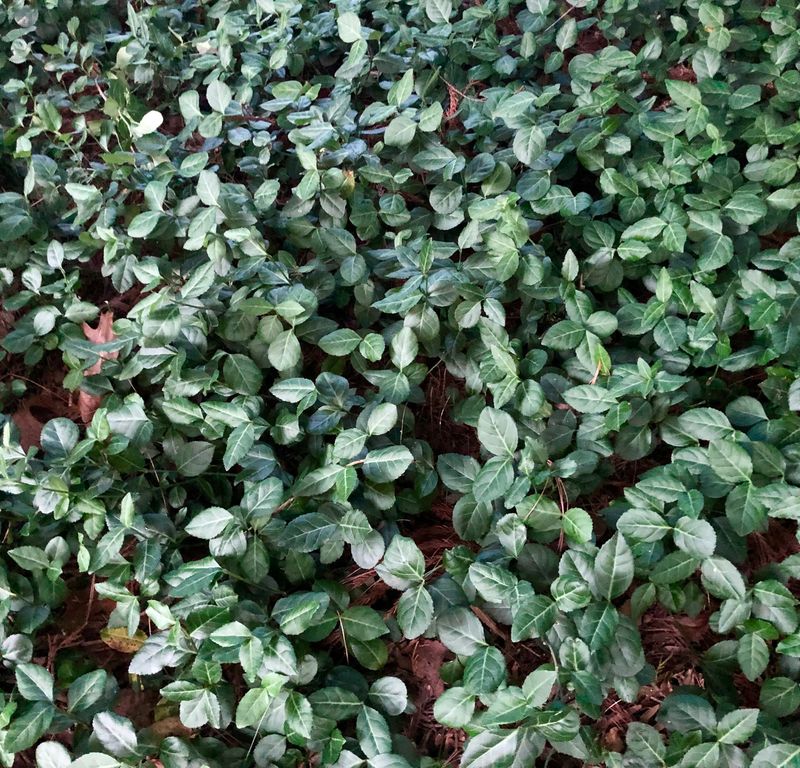
A clean-looking bed after removal is only the beginning of the final phase.
Return regularly and watch for fresh shoots.
Missed crown tissue, overlooked rooted nodes, and seedlings from earlier fruiting can all show up after the main vines are gone.
Young regrowth is much easier to remove than another mature network, so short inspections save far more work than one dramatic annual cleanup.
Check the site every few weeks through active growth.
Focus first on places where large crowns came out, along former runner paths, beneath shrubs, and near fences or woodland edges where tiny shoots can hide. Pull new growth while the root system is still small.
Seedlings may appear separately from old crowns.
They tend to start as individual young plants rather than shoots attached to obvious woody remnants. Remove them before they gain enough size to become another spreading patch.
Keep surrounding mulch moderate rather than burying the site beneath a deep new layer immediately.
A reasonable cover helps suppress other weeds, but you still need to see emerging wintercreeper shoots clearly enough to catch them.
Take a quick photo after the first cleanup if the patch was large.
That gives you a reference for where the original infestation sat and makes subtle regrowth easier to notice.
Persistence matters more than perfection on day one.
Wintercreeper becomes manageable when every comeback is small, obvious, and removed before it reconnects the map.