This Common California Landscaping Choice Is Quietly Feeding A Rat Colony
A beautifully finished California yard can hide some surprising secrets. The details that make a landscape look polished may also create conditions that invite unwanted backyard visitors.
The frustrating part is that these changes rarely cause immediate concern. Everything can seem perfectly normal during the day, while hidden areas become more active after dark.
By the time signs appear, the activity may have been building quietly for a while. A simple landscaping decision made for appearance or convenience can sometimes have effects that go far beyond looks.
The clues are often easy to miss, especially in places homeowners rarely inspect. Small shifts around the yard can slowly turn into a much bigger issue over time.
1. Thick Mulch Layers Create Hidden Spaces For Rats
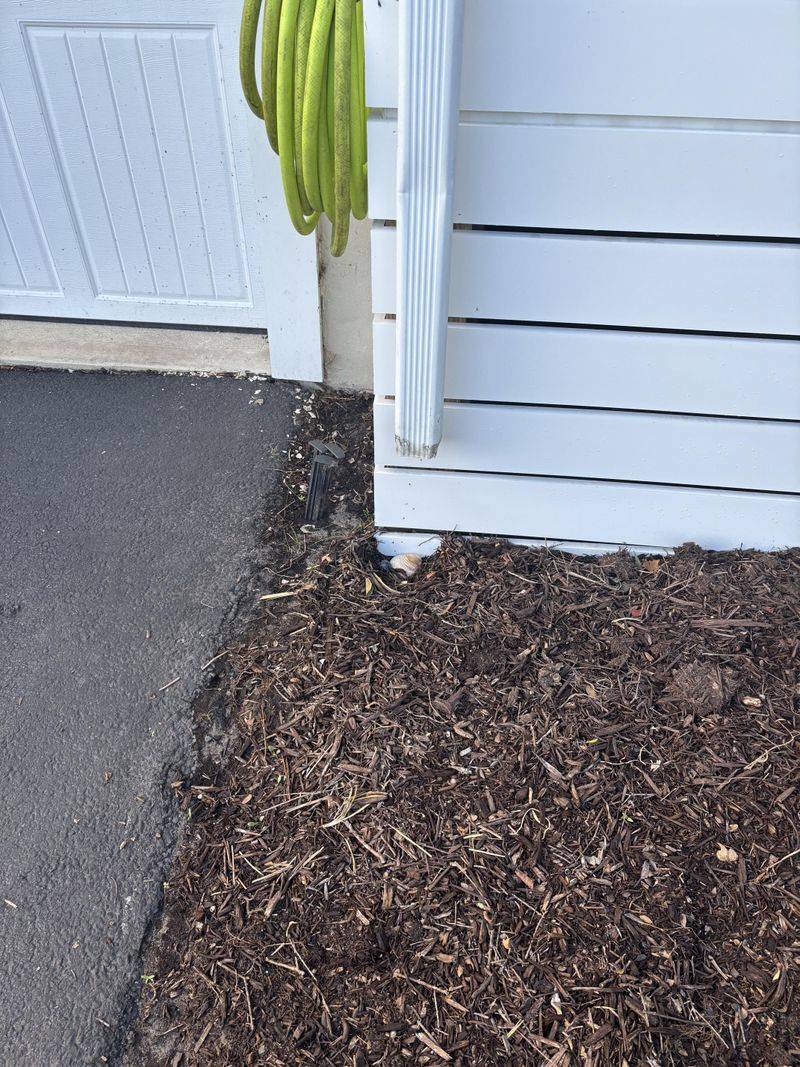
Everyone assumes that more mulch means a healthier California garden. That is partly true, but too much mulch creates a serious problem that most homeowners never see coming.
When mulch is layered more than three inches deep, it forms a spongy, dark environment underneath. Rats love exactly that kind of space.
Inside a thick mulch layer, the ground stays soft and easy to dig. Rats can tunnel through it quickly and quietly.
They build nests, store food, and raise young ones without ever being exposed to open air. From the outside, the bed looks perfectly normal. That is what makes it so tricky to catch early.
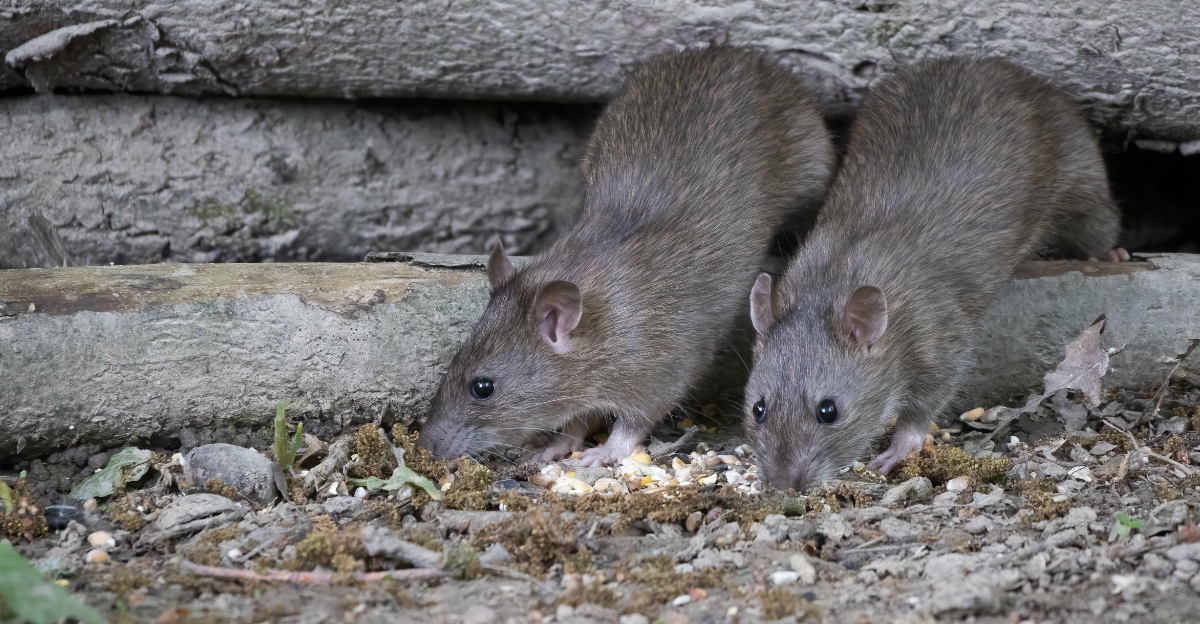
Roof rats and Norway rats are both commonly found in mulched garden beds. Roof rats prefer to nest above ground, but they use mulch as a travel layer.
Norway rats go deeper and may tunnel all the way into the soil below. Either way, a thick mulch bed gives them a safe place to operate. The fix is simple. Keep mulch at a depth of two to three inches maximum.
Rake it regularly to break up any packed layers underneath. Fluffing mulch every few weeks removes the dark, compressed zones that rats prefer.
A thinner, well-aerated mulch layer still protects your plants without rolling out a welcome mat for rodents.
2. Mulch Piled Against Structures Gives Rodents Cover
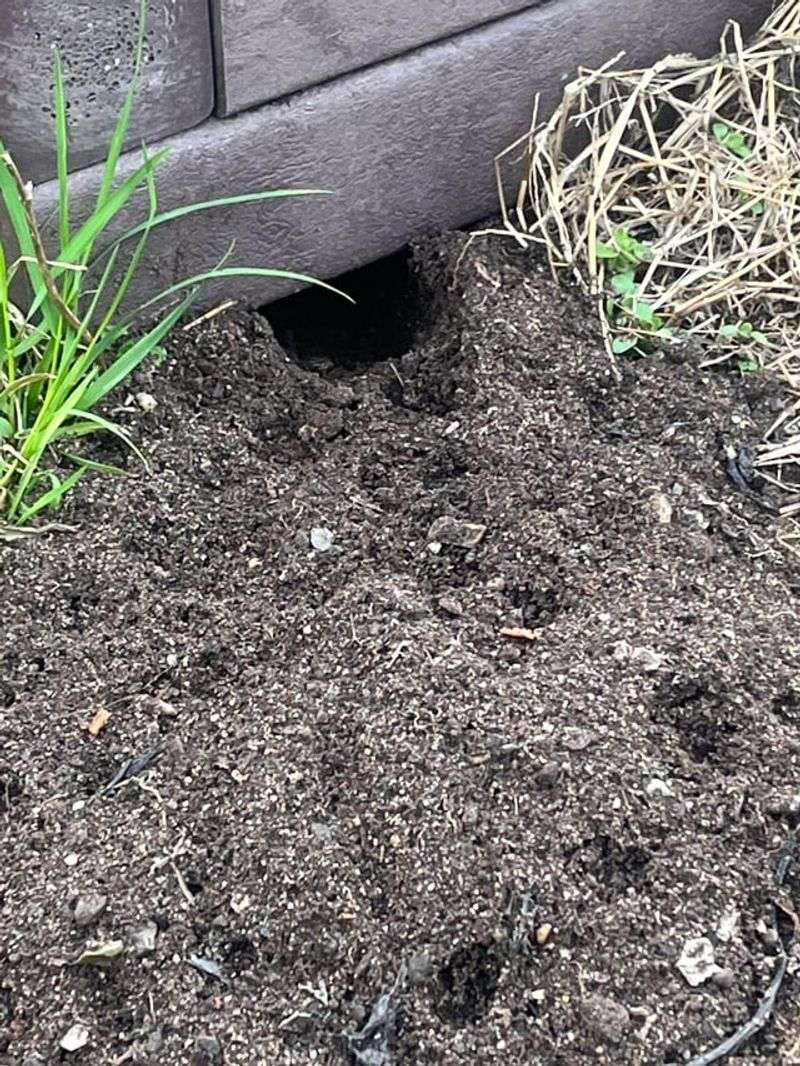
One of the most common mistakes California homeowners make is letting mulch touch their home, fence, or shed.
It looks tidy from a distance, but up close it is basically a bridge for rats to move from the garden directly into your structure.
Mulch pressed against wood gives rodents the cover they need to chew without being noticed.
Rats are cautious animals. They avoid open spaces whenever possible.
When mulch runs all the way to a wall, it gives them a hidden path from the yard to the building. They travel along that edge, protected on both sides. Once they find a gap, crack, or soft spot in the wood, they start working on it.
Pest control experts recommend keeping mulch at least six inches away from any structure. That gap might seem small, but it removes the sheltered corridor that rats depend on.
Without that cover, they are exposed and much less likely to approach the building. Check your garden beds today. Look at where the mulch ends and where your walls or fences begin.
Your California Garden Changes Every Week. Your Plan Should Too.
Gardening in California changes quickly throughout the season. Every Friday you’ll receive a simple weekly plan showing exactly what to plant, prune, fertilize, harvest, and protect so you never miss the right timing.
If they are touching, pull the mulch back. Use a edging border if needed to hold the mulch in place while keeping that gap open.
A few minutes of work now can prevent a much bigger problem later. Consistent spacing is one of the easiest rat deterrents available.
3. Deep Mulch Keeps The Ground Cool And Protected
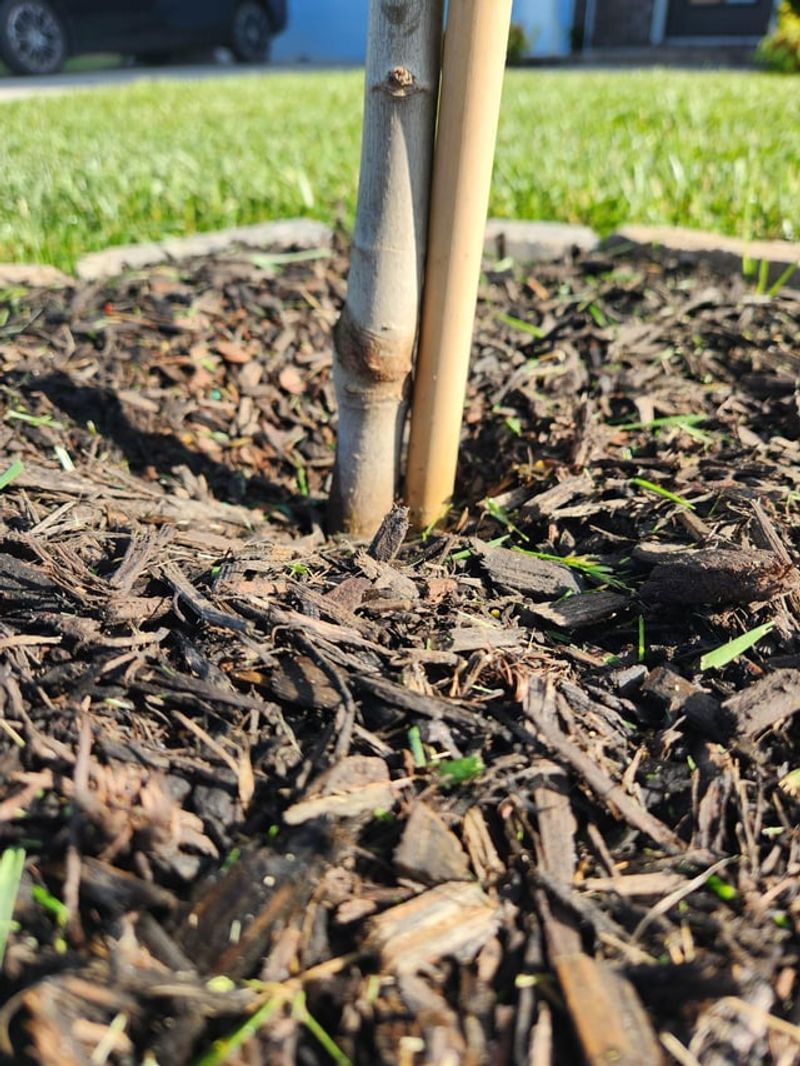
Rats are warm-blooded, but they actually prefer cool, stable environments for their nests. Deep mulch acts like insulation for the ground beneath it.
In summer, it keeps the soil several degrees cooler than the surrounding area. That temperature difference is a major draw for rodents looking for a comfortable place to settle.
Think of it like a built-in air conditioner for pests. The mulch blocks heat from the sun and traps cool air near the ground.
Rats nesting inside or below a thick mulch bed experience far less temperature stress than those out in the open. This makes the bed a year-round habitat, not just a seasonal one.
Beyond temperature, deep mulch also protects rats from predators. Hawks, owls, and cats cannot easily spot or reach a rat that is tucked under six inches of wood chips.
The mulch layer acts as both a roof and a hiding place, which is exactly what rats look for when choosing a nesting site.
Switching to a shallower mulch layer disrupts this comfort zone. When the ground below mulch is exposed to more sunlight and air movement, it becomes less attractive to nesting rodents.
You can also try using gravel or rock mulch in areas close to your home. Rock does not compress or provide nesting material, making it a much less appealing option for rats seeking shelter.
4. Rats Use Undisturbed Beds As Safe Travel Routes
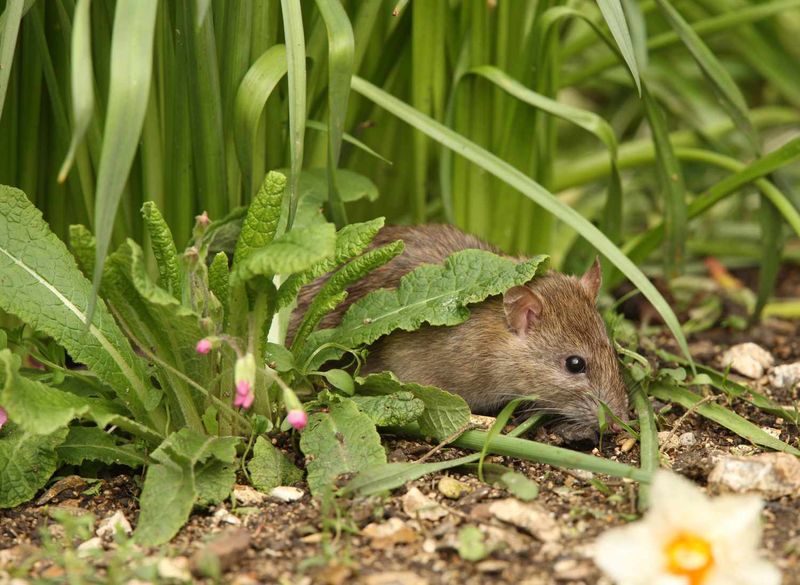
A mulch bed that never gets touched is practically a highway for rats. Rodents are creatures of habit.
They use the same routes over and over, and they strongly prefer paths that offer cover from above. A long, undisturbed mulch bed running along a fence or wall is exactly the kind of route they look for.
Over time, rats create what pest experts call runways. These are narrow, packed-down paths through vegetation or ground cover.
In a mulch bed, these runways form just below the surface, hidden from view. You might never notice them unless you dig down and look. But the rats know exactly where they are.
These travel routes connect food sources to nesting areas. A rat might travel from a fruit tree at one end of the yard to a compost bin at the other, using the mulch bed as its protected corridor the entire way.
Regular disruption of that path breaks the habit and forces rats to find new routes, which increases their exposure to predators.
Raking and turning your mulch beds every one to two weeks is one of the best ways to break up these travel patterns. You do not need special tools or chemicals.
Just regular physical disturbance makes the bed feel unsafe to rodents. Pair that with removing any food sources nearby, and you make the whole route less worth the trip for rats looking for an easy path.
5. Moist Mulch Beds Can Support The Food Chain Rats Follow
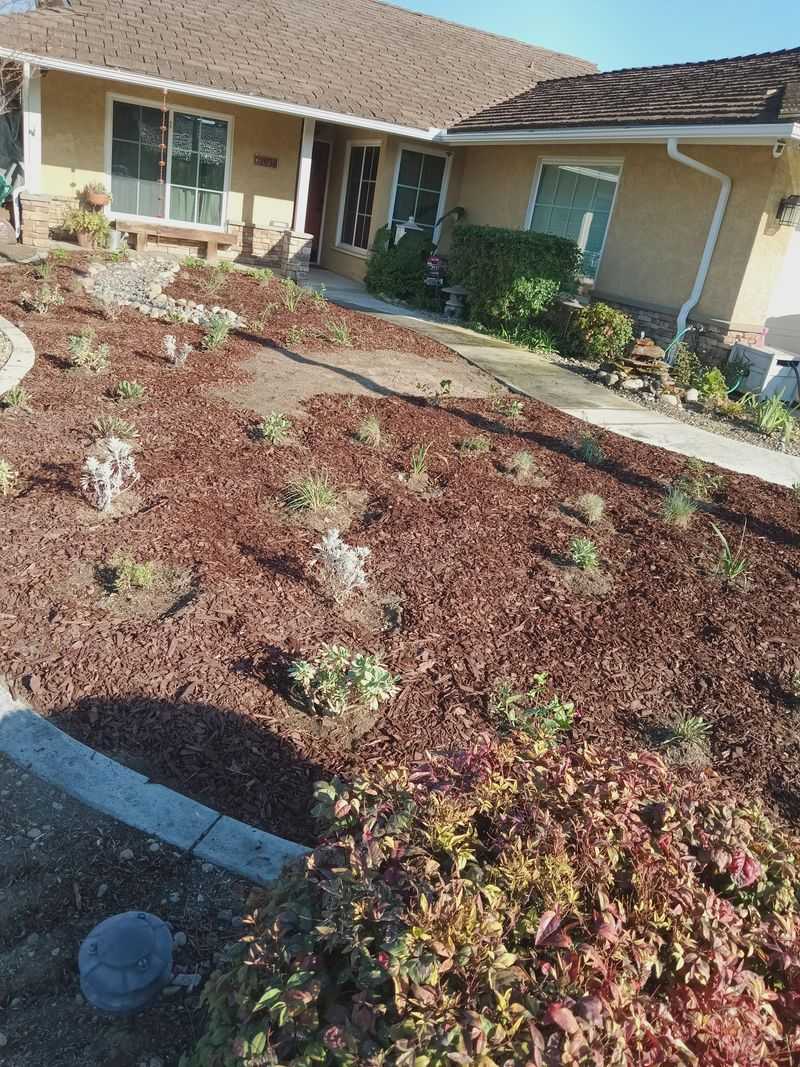
Rats do not just eat seeds and scraps. They are opportunistic feeders, which means they eat whatever is available and easy to find.
Moist mulch beds are loaded with the kinds of small creatures that rats snack on regularly. Earthworms, beetles, snails, slugs, and grubs all thrive in damp, organic mulch.
Where the prey is, the predator follows. When mulch stays consistently wet, it becomes a living ecosystem. Fungi grow in it.
Insects lay eggs in it. Decomposing plant matter attracts even more small organisms.
This is great for soil health in many ways, but it also creates a buffet for rats that patrol garden beds at night looking for easy protein.
Overwatering your garden beds makes this problem worse. Drip irrigation systems that run too long or too frequently can keep mulch saturated for days at a time.
That constant moisture builds up a thriving insect population, which in turn draws more rodent activity to the area.
To reduce this effect, adjust your irrigation schedule so mulch has time to dry out between watering cycles. Also consider the type of mulch you use.
Finer, organic mulches like shredded bark hold more moisture than coarser wood chips. Coarser mulch allows better airflow and dries out faster.
Less moisture means fewer insects, and fewer insects means the area becomes less appealing to rats searching for a reliable food source nearby.
6. Old Mulch Layers Can Hide Activity For Months
Fresh mulch looks great, but old mulch tells a different story. Over time, the top layer of wood chips or bark breaks down and compresses.
It turns dark, soft, and dense. That aged layer is far more attractive to rats than fresh mulch because it is easier to tunnel through and holds its shape better as nesting material.
Here is something that catches many homeowners off guard. Rats can be active inside an old mulch bed for weeks or even months before anyone notices.
Because the surface looks undisturbed, there are no obvious signs of a problem. Below the surface, though, tunnels, nests, and stored food can all be present and growing.
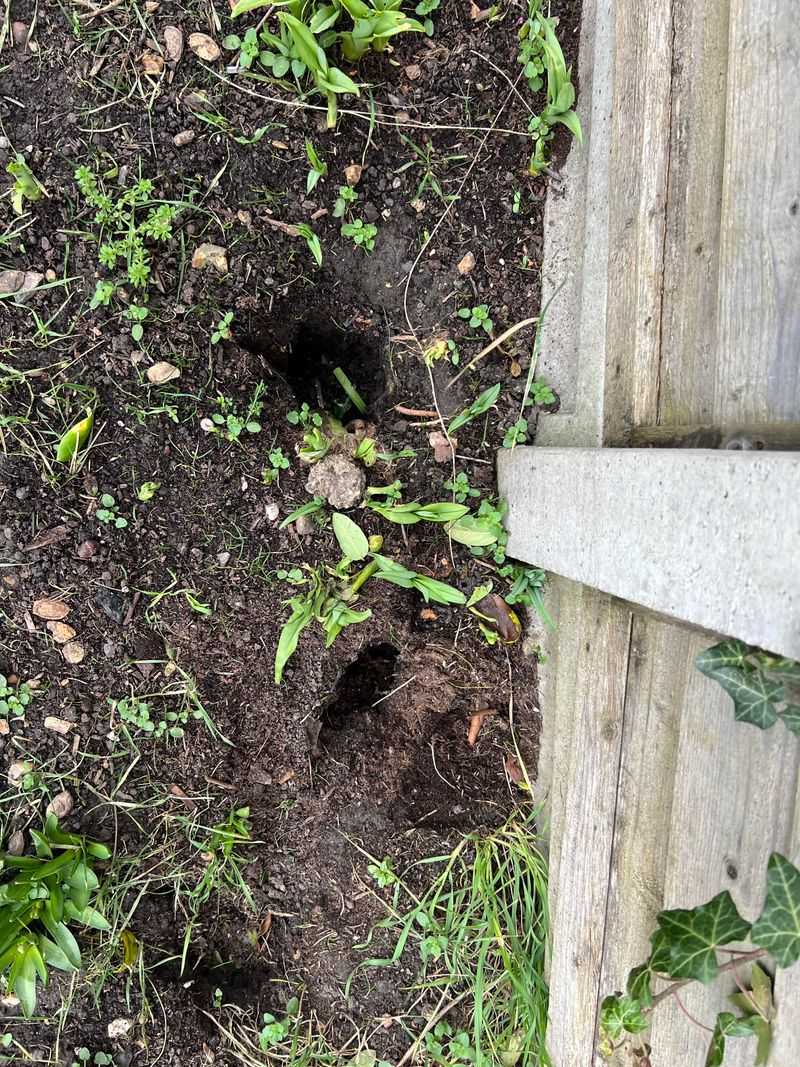
Signs to watch for include small holes at the edge of mulch beds, greasy smear marks along nearby walls or fences, and droppings near the base of plants. These clues are easy to miss if you are not actively looking for them.
Most people only notice a problem once it has become a large one.
Replacing old mulch at least once a year is a smart habit. When you remove the old layer, inspect the soil below for tunnels or nesting material.
If you find any signs of activity, do not just add new mulch on top. Clear the area completely, check for entry points nearby, and let the soil air out for a few days before applying fresh mulch at the recommended shallow depth.
7. Keeping Mulch Away From Walls Removes Easy Shelter
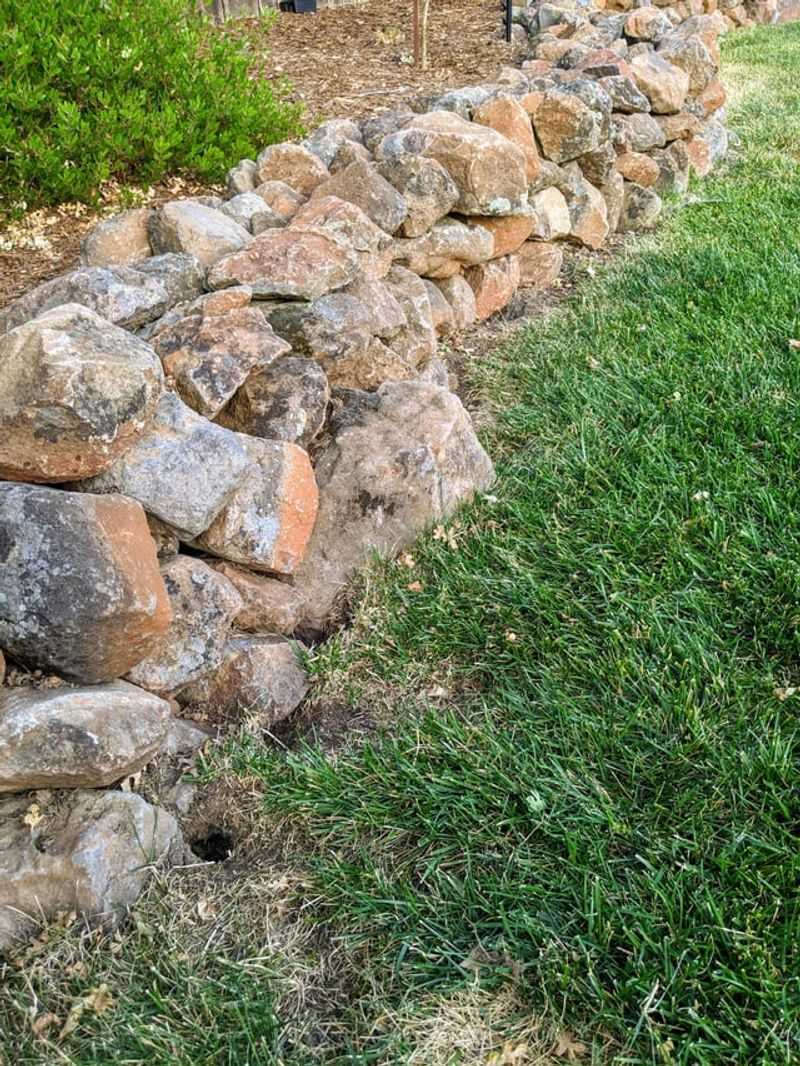
There is a straightforward rule that pest control professionals repeat constantly: keep mulch away from walls.
It sounds simple, but a surprising number of homeowners skip this step because they want their beds to look full and finished right up to the edge of the house. That visual preference can come with a real cost.
When mulch touches a wall, it creates direct contact between an outdoor organic material and a structure. Rats exploit that contact immediately.
They move through the mulch, reach the wall, and begin searching for any weakness. Gaps around pipes, cracks in stucco, and spaces under doors are all entry points they will find and use if given the chance.
Maintaining a clear zone between your mulch and your home is one of the most effective low-effort changes you can make.
Six inches of bare soil or gravel between the mulch edge and the wall creates a visible, open space that rats are reluctant to cross. They prefer not to be exposed, even for a short distance.
In California, where mild winters keep rat populations active year-round, this gap matters even more than it would in colder climates. Use a garden edger or a simple border strip to hold the mulch back.
Check the gap every month or two, especially after rain or wind moves mulch around. Keeping that space clear and open is one of the easiest ways to protect your home from unwanted guests.
8. Maintaining The Right Mulch Depth Keeps Beds Safer

Getting mulch depth right is not just about plant health. It is also one of the most practical things you can do to reduce rodent activity in your yard.
The sweet spot is two to three inches. That depth is enough to retain moisture, block weeds, and regulate soil temperature without creating the thick, dark environment that rats need to feel safe nesting.
Many homeowners apply mulch once and then add more each year without removing the old layer first. After two or three seasons, the total depth can reach six inches or more.
At that point, the lower layers have broken down into something closer to soil than mulch, and it becomes prime nesting territory for rodents.
A simple annual routine makes a big difference. In early spring or fall, pull back the old mulch and check what is underneath.
If the lower layer is dark, compacted, and soft, remove it before adding anything new. Start fresh with a clean two-inch layer and your beds will look great while staying far less hospitable to pests.
Choosing the right type of mulch also helps. Cedar and cypress mulches have natural oils that insects and some rodents find unpleasant.
While no mulch is completely rat-proof, using these varieties at the correct depth gives you an extra layer of protection.
Combine proper depth with regular raking, good spacing from structures, and reduced moisture, and your yard becomes a much less inviting place for rat colonies to take hold.