Are Resistant Armyworms Chewing Through Your Georgia Garden Right Now?
Caterpillars are tearing through Georgia lawns faster than sprays can handle, and pesticides that worked last year barely slow them now. Patches of brown grass appear across your yard almost overnight.
Nothing about the pattern resembles ordinary drought stress, yet Georgia gardeners report identical damage popping up county by county. Treatments applied exactly by label instructions still come up short.
Local extension offices are fielding complaints faster than they can respond, since damage this severe usually takes weeks, not hours. Every yard on your street could face the same threat.
Waiting even a few days can cost you the whole lawn, and spraying blindly now only wastes money and time. Ignoring this shift risks losing your entire lawn before you notice.
A Common Pattern That Means Your Usual Treatment Isn’t Working
You spray. You wait. Nothing changes. That pattern is one of the clearest early signs that resistant armyworms have moved into your yard.
Most gardeners reach for the same product they have used for years. When it stops working, the first assumption is usually user error, like bad timing or wrong dilution.
But the problem may not be your technique at all. Resistance in armyworm populations has been quietly building for over a decade across the Southeast.
What makes this tricky is that the product still looks like it is doing something. You might see a few caterpillars slow down or curl up, which feels encouraging.
Then, two days later, the damage keeps spreading. The survivors are the ones that matter, because they are the ones laying the next generation of eggs.
Pyrethroids are the most commonly affected class of pesticides. Products with bifenthrin, permethrin, or lambda-cyhalothrin may show little to no effect on resistant strains.
A good test is to collect a few caterpillars and place them on a treated surface. If they walk away unfazed after 24 hours, resistance is likely your issue.
Repeated use of the same chemical class is the main driver of this problem. Rotating active ingredients is not just a best practice, it is now a survival strategy for Georgia gardeners.
Recognizing the pattern early saves you money, time, and a whole lot of frustration down the road.
The Reason Some Armyworm Populations No Longer Respond To Sprays
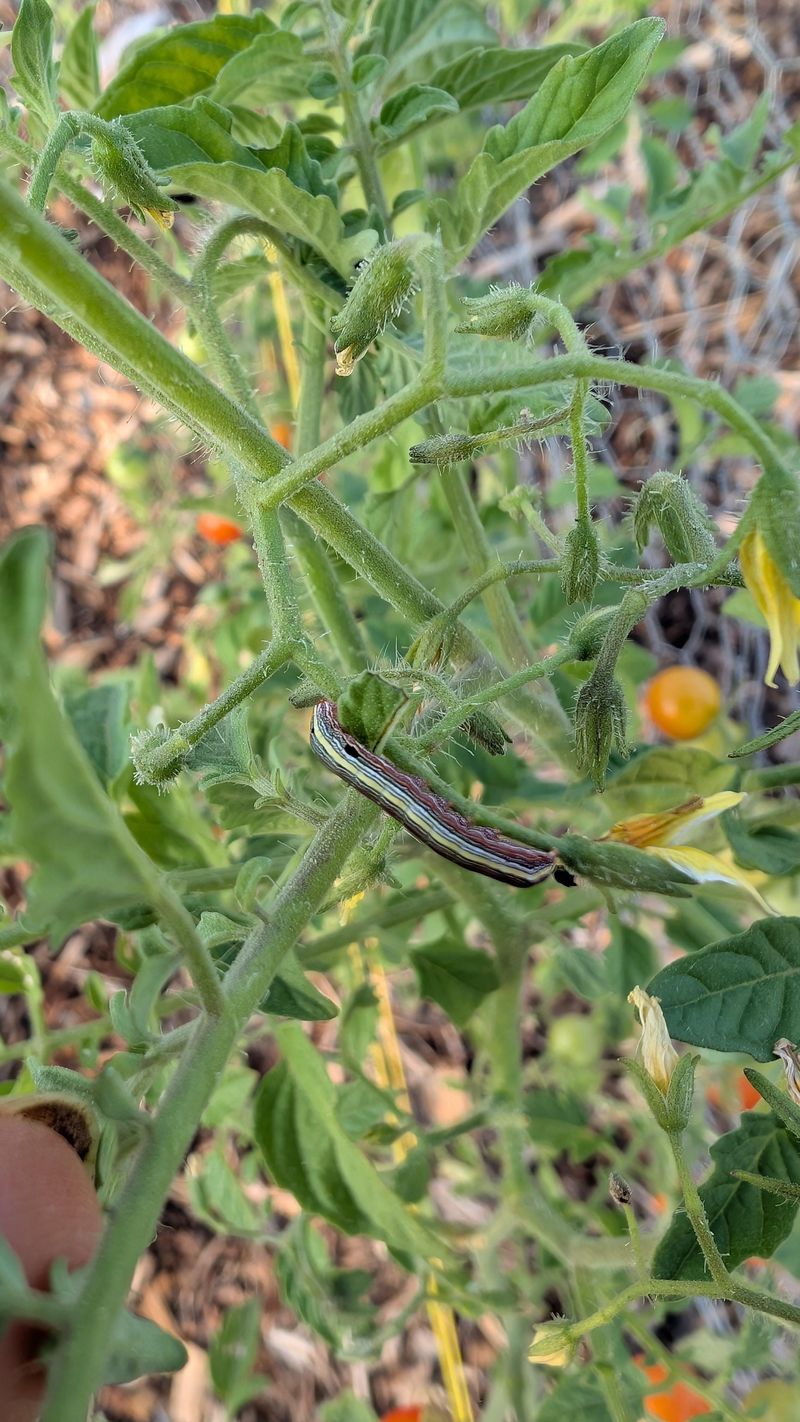
Pesticide resistance is not random luck. It is evolution happening in your backyard, faster than most people expect.
When a spray is applied, most armyworms are affected. But a small number carry a genetic mutation that helps them survive the chemical exposure.
Those survivors reproduce, and their offspring inherit the same protective trait. After just a few generations, the resistant ones outnumber the rest.
In Georgia, warm temperatures allow armyworms to cycle through multiple generations per season. That speeds up the selection process considerably compared to cooler states.
The fall armyworm is the primary culprit here. Scientists have documented target-site resistance in this species, meaning the chemical no longer binds properly to the insect’s nervous system.
This is especially common with pyrethroids, which work by disrupting nerve signals. Resistant caterpillars have a modified sodium channel that blocks the chemical from doing its job.
Your Georgia Garden Changes Every Week. Your Plan Should Too.
Gardening in Georgia changes quickly throughout the season. Every Friday you’ll receive a simple weekly plan showing exactly what to plant, prune, fertilize, harvest, and protect so you never miss the right timing.
Some populations also show metabolic resistance. Their bodies break down the pesticide before it can cause harm, essentially neutralizing it from the inside out.
This is not a new discovery. University of Florida and Auburn researchers have flagged rising resistance levels for well over a decade. The problem has only grown since then.
Understanding why resistance develops helps you choose smarter solutions. Spraying harder with the same product will not fix a biological problem rooted in genetics.
Signs You’re Dealing With A Resistant Strain, Not Just Bad Luck
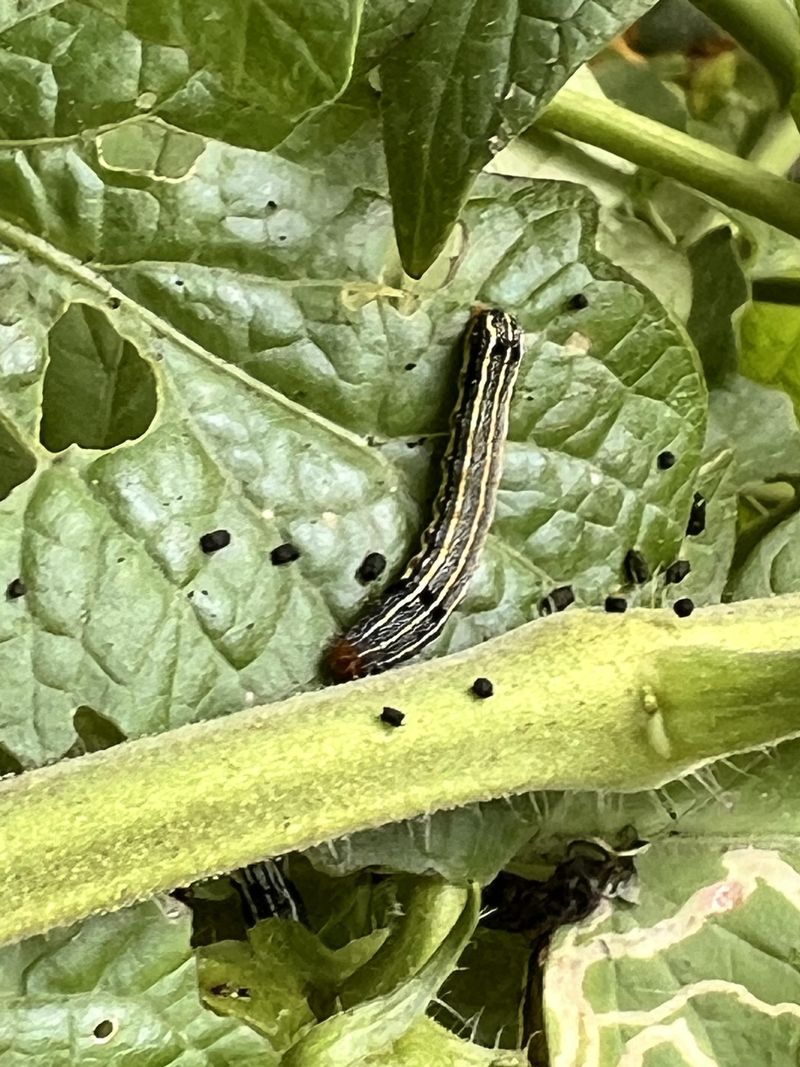
Bad luck looks like one bad patch. Resistance looks like damage that keeps growing after treatment, spreading section by section across your yard.
One of the clearest indicators is timing. If you applied a product correctly and the infestation worsened within 72 hours, something is off.
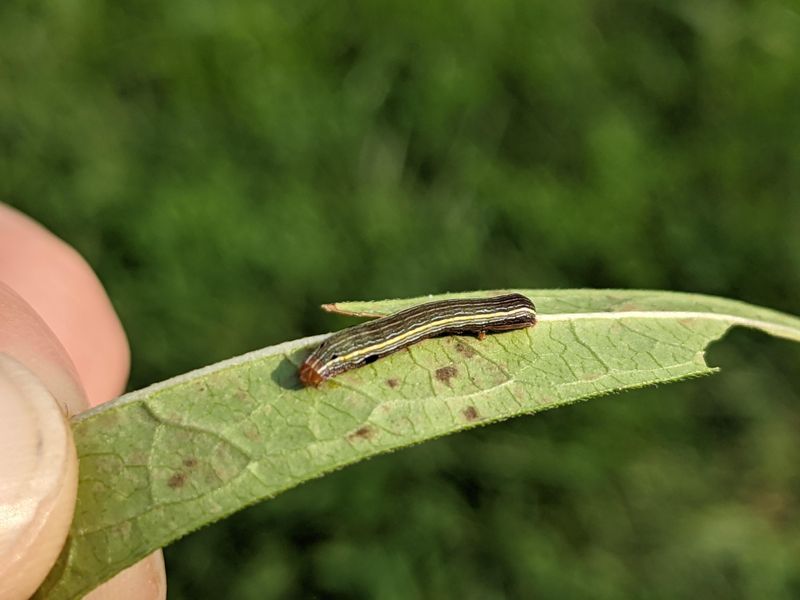
Check the caterpillars themselves. Resistant armyworms often appear sluggish for a few hours after exposure, then recover and resume feeding as if nothing happened.
Pull back the damaged grass near the soil line. If you find larvae still actively feeding in treated areas, that is a strong signal of resistance at work.
Another clue is neighbor comparison. Talk to people on your street or in local gardening groups. If many people report the same product failing around the same time, it is almost certainly a resistant population moving through the area.
Resistant strains also tend to cause faster, more aggressive damage. Because fewer caterpillars are being slowed by the spray, the feeding pressure on your plants stays high.
Look at the edges of your damaged area. With a normal infestation, damage often slows after treatment. With a resistant one, the boundary keeps moving outward.
Your local county extension office can help confirm resistance if you bring in samples. They have seen these patterns before and can guide you toward more effective options quickly.
Trust your observation. You know your Georgia garden, and something that feels wrong probably is worth investigating further.
Damage Patterns That Set These Infestations Apart
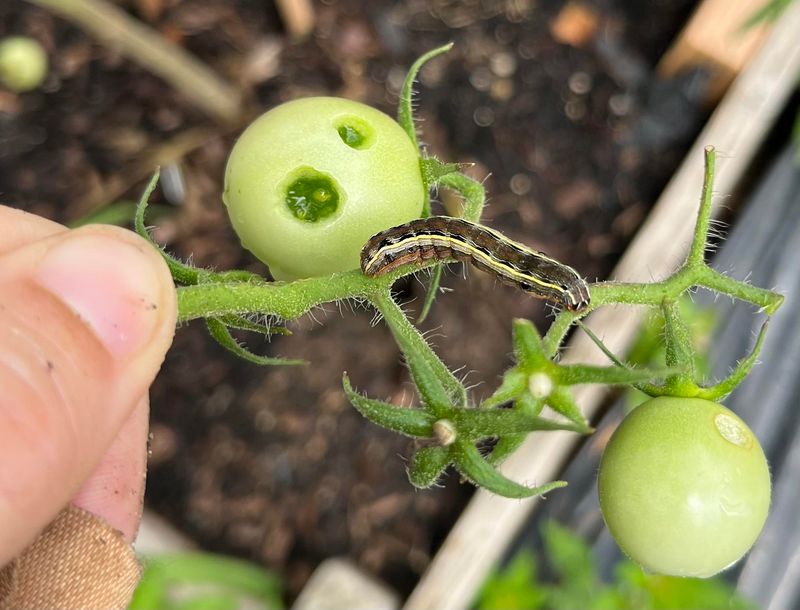
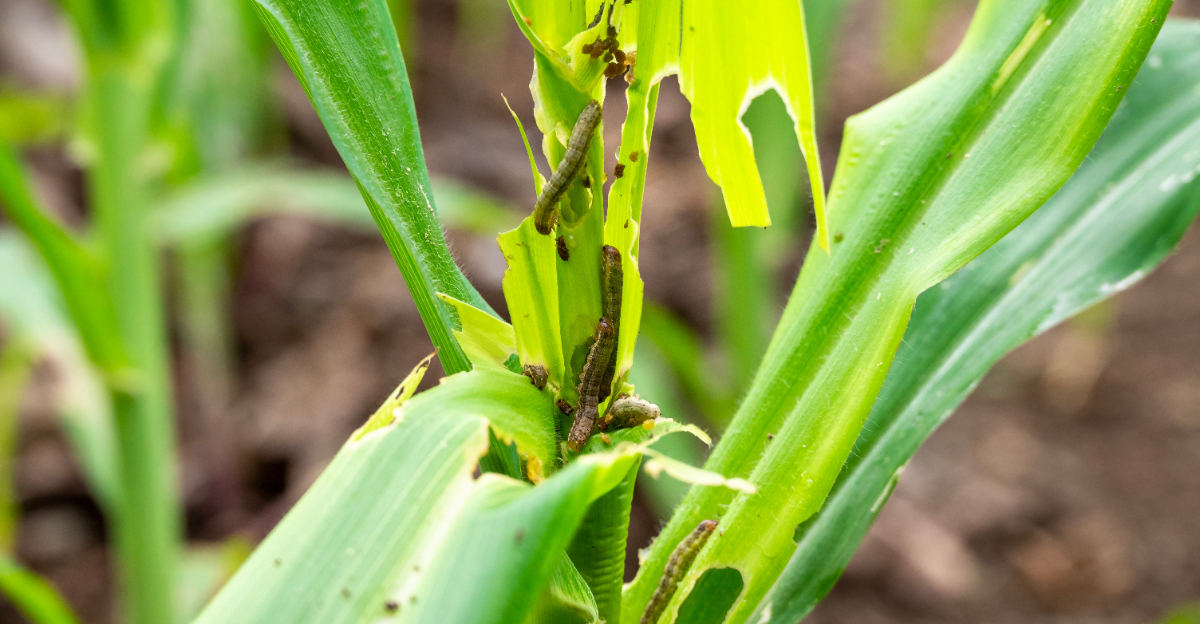
Armyworm damage has a look. Once you have seen it up close, you rarely confuse it with drought stress or fungal issues again.
The feeding starts at the tips of grass blades and works downward. Blades take on a translucent, paper-thin appearance before turning brown and collapsing.
One of the most distinctive features is the speed. A healthy lawn can look stripped and brown within 24 to 48 hours of a heavy infestation moving through.
Resistant populations tend to concentrate feeding in dense clusters. You may notice a clearly defined edge of damage, almost like a line moving across the lawn in one direction.
In garden beds, look for ragged leaf edges and missing foliage on lower leaves first. Armyworms rarely climb high on plants, preferring to feed at ground level or just above it.
Frass is another telltale sign. Tiny green or brown pellets scattered on the soil surface indicate active feeding happening nearby, often just under the thatch layer.
Resistant infestations sometimes look worse near previously treated zones. That is because surviving caterpillars often regroup and concentrate in areas where competition from weaker siblings has been reduced.
Birds can help you locate active feeding zones. Flocks of starlings or robins pecking intensely at one section of lawn are essentially pointing at your problem for free.
Catching the damage pattern early gives you a real advantage before the next generation emerges from the soil.
Treatment Options That Still Work Against Resistant Populations
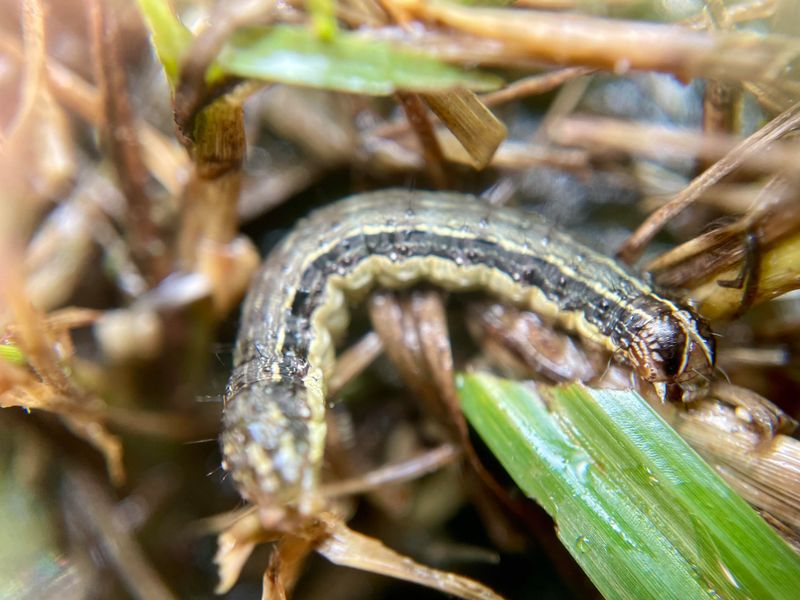
Switching your approach is not giving up. Choosing a different mode of action is exactly what the science recommends when resistance is confirmed or suspected.
Spinosad is one of the most effective alternatives available to home gardeners right now. It targets the nervous system through a different pathway than pyrethroids, so resistant caterpillars have little built-in defense against it.
Look for products containing spinosad at your local garden center or feed store. Apply in the late afternoon or evening, since armyworms feed most actively after dark.
Bacillus thuringiensis, commonly called Bt, is another strong option. This naturally occurring soil bacteria produces proteins that are toxic to caterpillars but harmless to humans, pets, and beneficial insects.
Bt works best on young, small caterpillars. If the larvae are already large, combine Bt with another mode of action for faster results.
Chlorantraniliprole, sold under brand names like Acelepryn, is a newer synthetic option with a different mechanism. It targets muscle function rather than nerve signals, making it highly effective against resistant strains.
Some Georgia gardeners have had success with neem oil as a repellent and growth disruptor, especially for early-stage infestations. It is not a knockdown treatment, but it disrupts feeding behavior effectively.
Rotate between two or three different active ingredients across a season. Sticking with one product, even a good one, can accelerate resistance in the next generation of resistant armyworms.
Steps To Protect Your Garden From The Next Generation
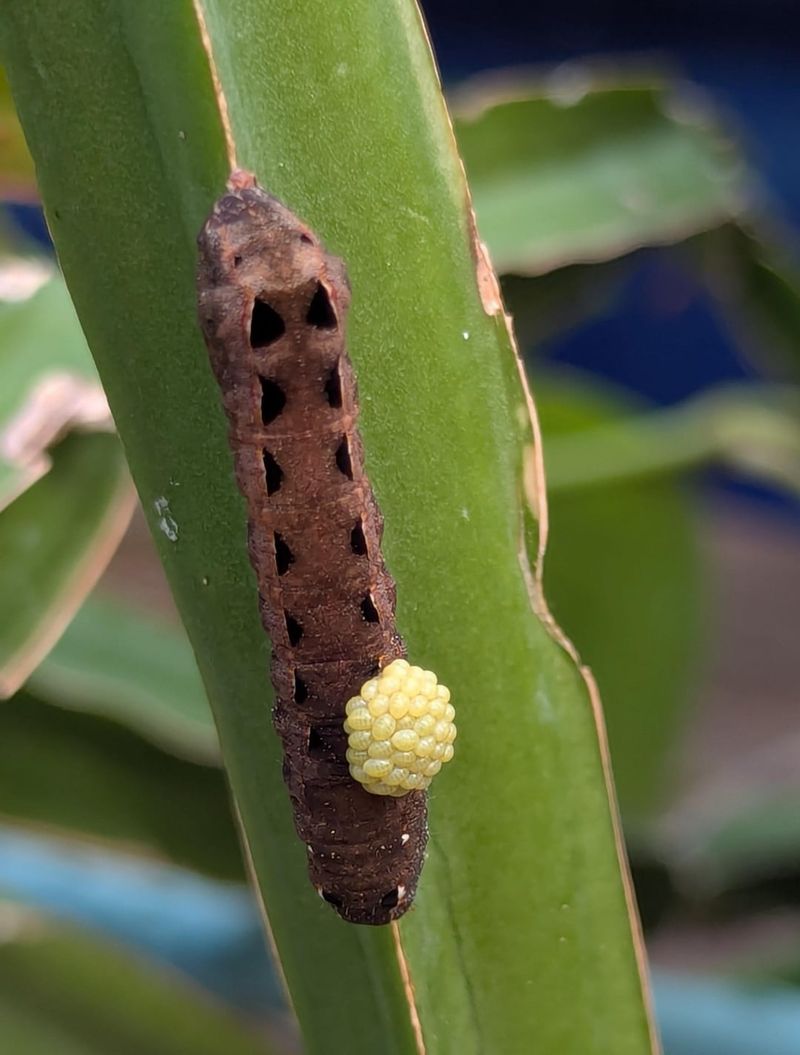
Armyworms do not take breaks. Adult moths are already laying eggs for the next generation while you are still cleaning up from the last one.
Monitoring is your first line of defense. Place pheromone traps around your property to catch adult fall armyworm moths before they lay eggs in your Georgia garden beds.
Check your traps every few days. A sudden spike in moth counts is a reliable warning that a new egg-laying event is underway nearby.
Maintain healthy, thick turf through proper fertilization and watering. Dense grass is harder for newly hatched caterpillars to establish in and gives you more time to respond.
Avoid over-fertilizing with nitrogen in late summer. Lush, fast-growing grass is more attractive to egg-laying moths and tends to support faster caterpillar development.
Encourage natural predators in your yard. Ground beetles, parasitic wasps, and birds all feed on armyworm eggs and young larvae, providing free and ongoing pressure.
Keep thatch levels low. Thick thatch gives caterpillars a protected hiding spot during the day and makes it harder for treatments to reach them at soil level.
Connect with your local cooperative extension service for seasonal pest alerts. They track moth flight patterns and can tell you when peak egg-laying periods are expected in your county.
Staying ahead of resistant armyworms means treating your garden like a system, not just reacting when you see the damage already spreading across your yard.