Why Heavy August Rains Cause Georgia Tomatoes To Split And How To Save The Rest
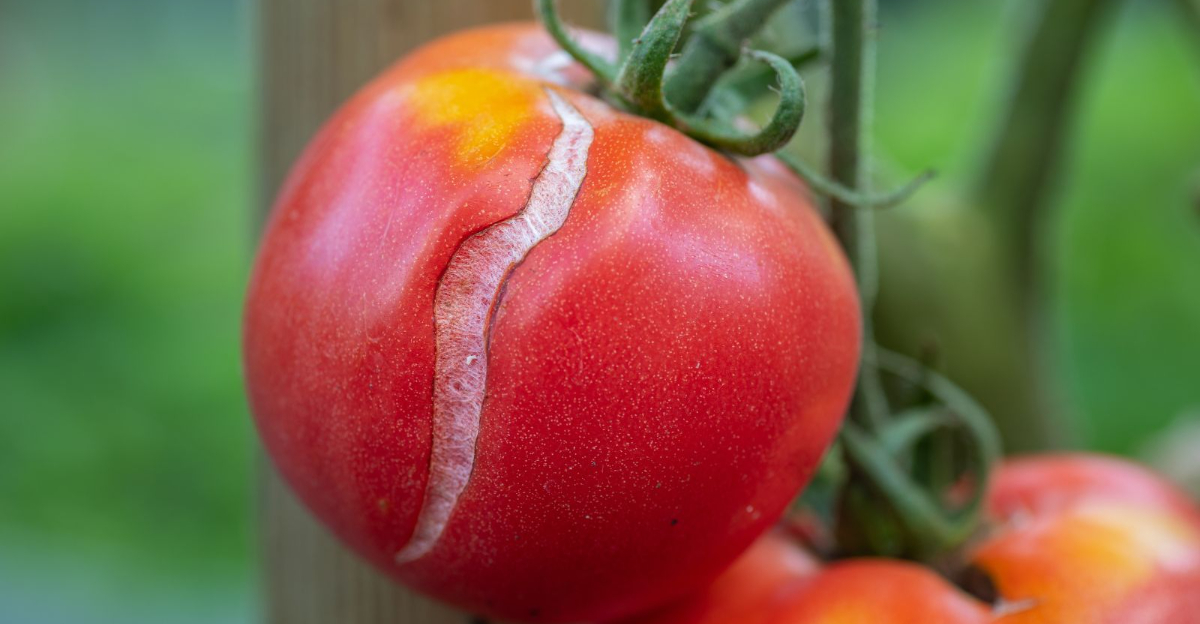
Few things are more disheartening than walking out to the garden after a summer thunderstorm and finding your best tomatoes split wide open right when they were almost ready to pick.
It’s one of those Georgia garden moments that feels deeply unfair, especially after weeks of careful watering and patient waiting.
The culprit is usually the weather doing exactly what Georgia summer weather does: swinging from dry and cracked to completely saturated in the span of a single afternoon.
When that happens, tomato plants absorb water rapidly and ripening fruit expands faster than its skin can keep up with.
August makes this especially common because the heat is intense, the storms are unpredictable, and tomatoes at that stage of ripening are particularly vulnerable to the whole situation.
The good news is that a few practical steps can help reduce how often it happens.
1. Dry-To-Wet Swings Make Tomatoes Split Fast
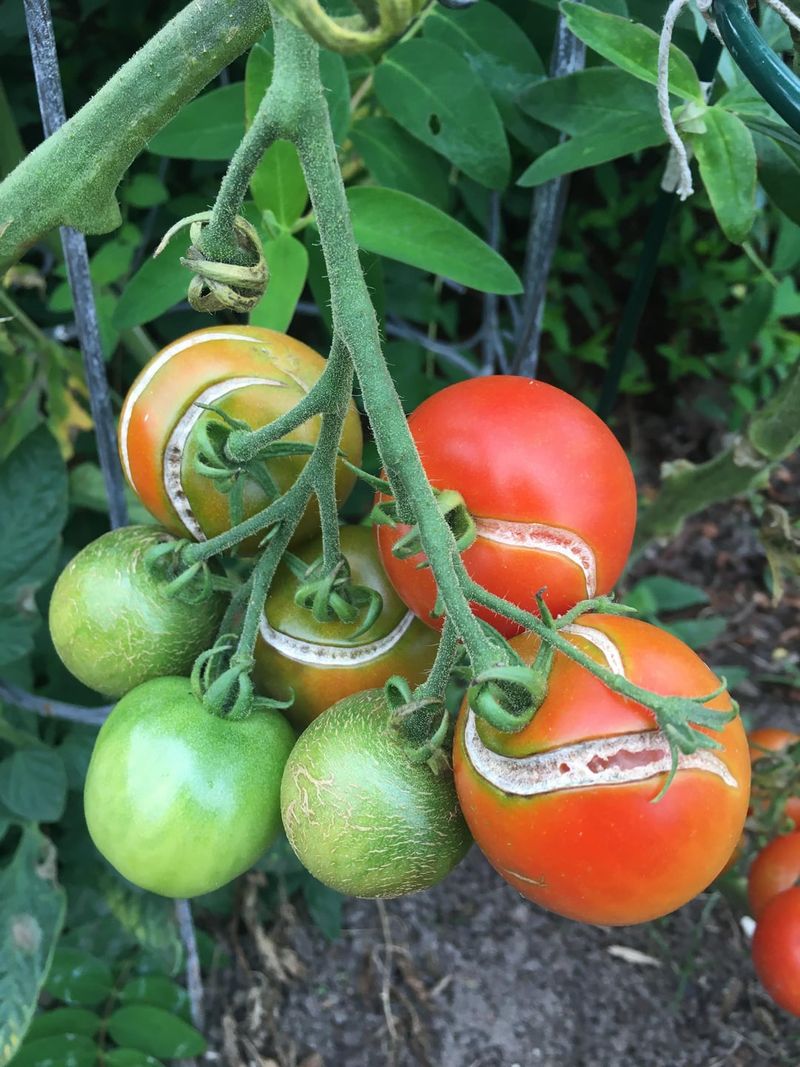
Walk out to a Georgia garden the morning after a heavy summer thunderstorm and it is not unusual to find tomatoes that were perfectly smooth the day before now showing deep cracks running outward from the stem.
Those splits are not caused by raindrops physically striking the fruit. The real problem happens inside the plant, driven by a rapid change in water availability.
When garden soil stays relatively dry for several days and then receives a large amount of rain all at once, tomato roots absorb water quickly and push it up into the fruit.
The flesh inside the tomato expands faster than the outer skin can stretch to accommodate the sudden growth.
That mismatch between interior expansion and skin flexibility is what causes the fruit to crack open.
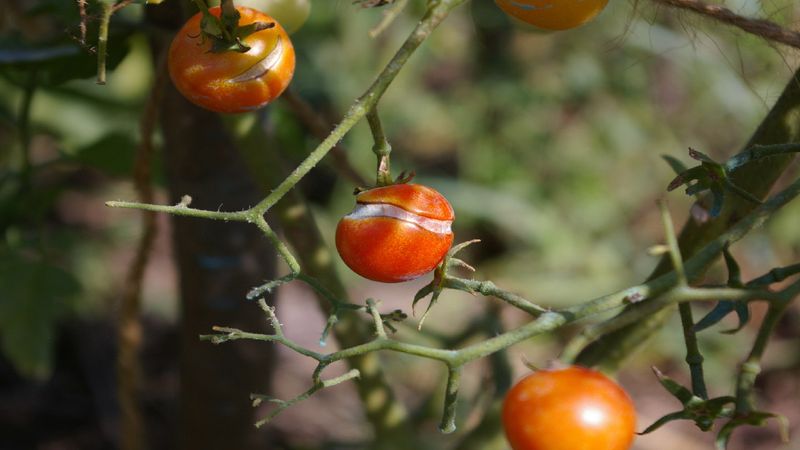
Two common crack patterns appear in Georgia gardens after heavy rain. Radial cracks extend outward from the stem end like spokes on a wheel, while concentric cracks form a ring around the stem area.
Both types are connected to rapid changes in moisture rather than any single weather event.
Tomatoes that have already cracked cannot be made whole again. Shallow cracks on otherwise sound, firm fruit can still be used promptly for fresh eating if the tomato looks and smells normal.
Inspect each cracked tomato carefully, and avoid using fruit that shows signs of mold, softening, or significant deterioration, especially for canning or preserving.
2. August Heat Raises The Cracking Risk
Stepping outside during a Georgia August afternoon feels like opening a hot oven, and that same relentless heat plays a real role in making tomatoes more likely to crack.
High temperatures combine with prolonged wet soil to create conditions that put extra stress on ripening fruit.
When air temperatures hover around 90 degrees Fahrenheit or climb higher and wet conditions persist, the cracking risk increases noticeably.
Exposed tomatoes sitting in strong direct sunlight can heat up significantly on their own, which may make the fruit skin less flexible and less able to adjust when rapid water uptake begins.
A tomato that has been baking in the sun for hours is already under considerable stress before a thunderstorm ever arrives.
Your Georgia Garden Changes Every Week. Your Plan Should Too.
Gardening in Georgia changes quickly throughout the season. Every Friday you’ll receive a simple weekly plan showing exactly what to plant, prune, fertilize, harvest, and protect so you never miss the right timing.
The combination of intense heat and sudden soil saturation is particularly hard on fruit that is already in the later stages of ripening. Skin that has been toughened by sun exposure and heat may respond poorly to the quick expansion that follows a heavy rain event.
Not every tomato will crack whenever temperatures reach a specific number, because garden conditions, soil drainage, and individual fruit maturity all play a role.
Understanding that August heat is a contributing factor, rather than the single cause of cracking, helps Georgia gardeners think more clearly about protecting their crop.
Managing moisture before storms arrive, rather than reacting after the damage is done, tends to produce better results in hot summer gardens.
3. Even Soil Moisture Protects The Next Fruit
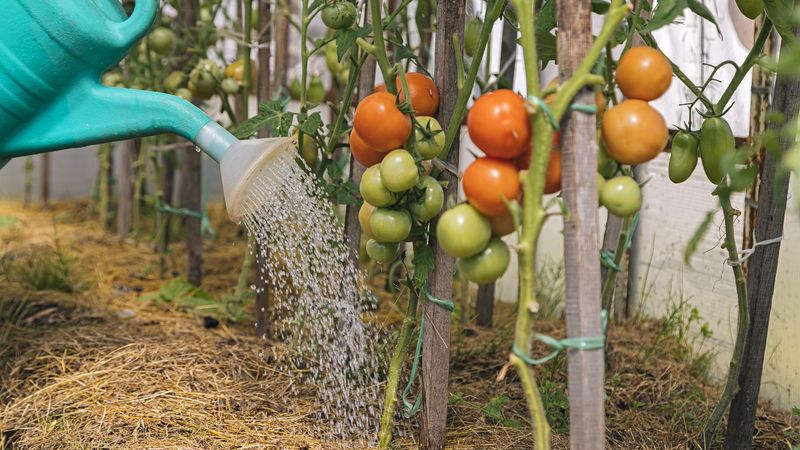
Keeping soil moisture relatively consistent between Georgia’s summer storms is one of the most practical ways to reduce the extreme swings that lead to cracking.
When soil dries out significantly between rain events and then receives a large amount of water all at once, the resulting surge in moisture uptake can overwhelm ripening fruit.
Maintaining a steadier level of soil moisture before storms arrive can help buffer that sudden shift.
Thorough, deep watering of the root zone during dry periods works better than frequent light sprinkling. Light watering encourages shallow root development and does little to stabilize moisture deeper in the soil where tomato roots actively draw water.
Watering slowly and deeply gives roots access to consistent moisture and reduces the contrast between dry soil and post-storm saturation.
Irrigation should be adjusted based on recent rainfall, current soil moisture, soil type, and how well the garden drains.
Sandy soils in parts of Georgia dry out quickly and may need more frequent attention, while heavier clay soils hold moisture longer and can become waterlogged if overwatered.
The goal is soil that remains appropriately moist and drains adequately, not soil that stays constantly saturated.
Checking soil moisture before watering, rather than following a fixed schedule, helps gardeners respond to actual conditions rather than assumptions.
A simple finger test a few inches into the soil can reveal whether the root zone genuinely needs water or still holds enough moisture from a recent rain event.
4. Mulch Helps Buffer Moisture Swings
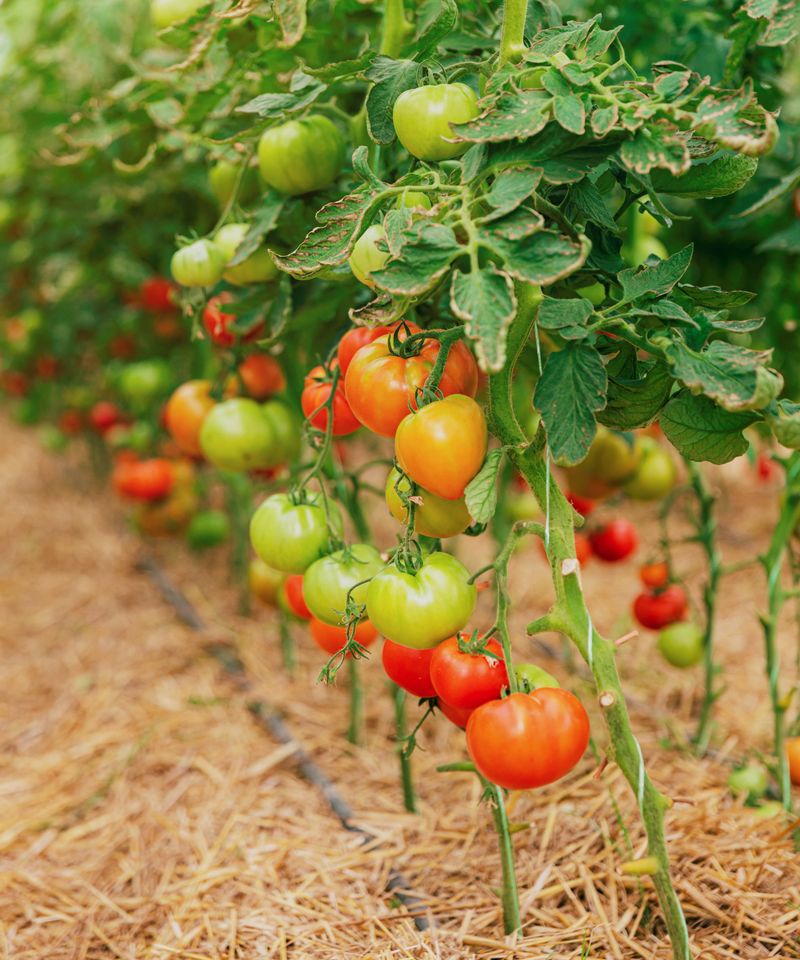
Bare soil in a Georgia August garden loses moisture quickly under the intense summer sun, and that rapid drying between storms is part of what makes the eventual downpour so damaging to ripening tomatoes.
Spreading a layer of organic mulch around tomato plants is a straightforward way to slow that moisture loss and help keep soil conditions more stable between rain events.
Straw, pine straw, and shredded leaves are commonly used organic mulch options that work reasonably well in Georgia vegetable gardens.
A layer of about two to three inches applied around the base of tomato plants can reduce surface evaporation, moderate soil temperature, and help slow the rapid drying that contributes to extreme moisture swings.
When the next thunderstorm rolls in, soil that has retained more of its moisture between storms may not experience quite as dramatic a shift in water availability.
Mulch should be kept a few inches away from the main stem of each tomato plant to reduce the chance of moisture-related problems developing near the base.
Piling mulch directly against stems can trap excess dampness and create conditions that are not ideal for plant health.
Spread it outward across the root zone instead, where it can do the most good.
Mulch is a helpful tool, but it cannot fully protect tomatoes from every period of heavy rainfall. Combining mulch with consistent irrigation practices gives ripening fruit the best chance of staying intact through summer storm season.
5. Harvest Turning Tomatoes Before Heavy Rain
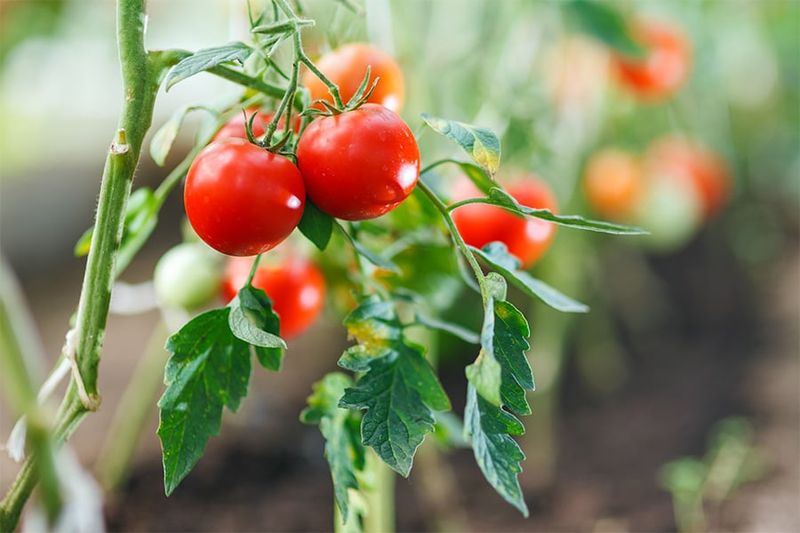
Watching a line of heavy thunderstorms on the forecast while ripe tomatoes hang on the vine is a familiar and uncomfortable situation for Georgia gardeners.
One practical option that does not get enough attention is harvesting tomatoes that have already begun changing color before a major rain event arrives.
A tomato that has moved past the fully green stage and begun shifting toward yellow, orange, or pink has reached a point where it can continue ripening successfully indoors.
Extension guidance describes this transition as the breaker or turning stage, when the fruit has developed enough that indoor ripening produces acceptable results.
Bringing these tomatoes inside before heavy rain reduces the chance that they will remain on the vine during a sudden surge in water uptake.
Tomatoes at the turning stage should be stored at room temperature away from direct sunlight, not in the refrigerator. Cold temperatures can reduce flavor and affect texture in tomatoes that have not fully ripened.
A counter or shaded shelf works well for allowing them to finish developing over several days.
Picking small, fully green tomatoes simply because rain is in the forecast is not the same strategy. Immature green tomatoes that have not yet reached the breaker stage may not ripen well indoors and are better left on the plant.
The goal is to identify fruit that is sufficiently mature and already transitioning in color, then bring that vulnerable group inside before the storm has a chance to cause splitting.
6. Healthy Leaf Cover Shields Ripening Fruit
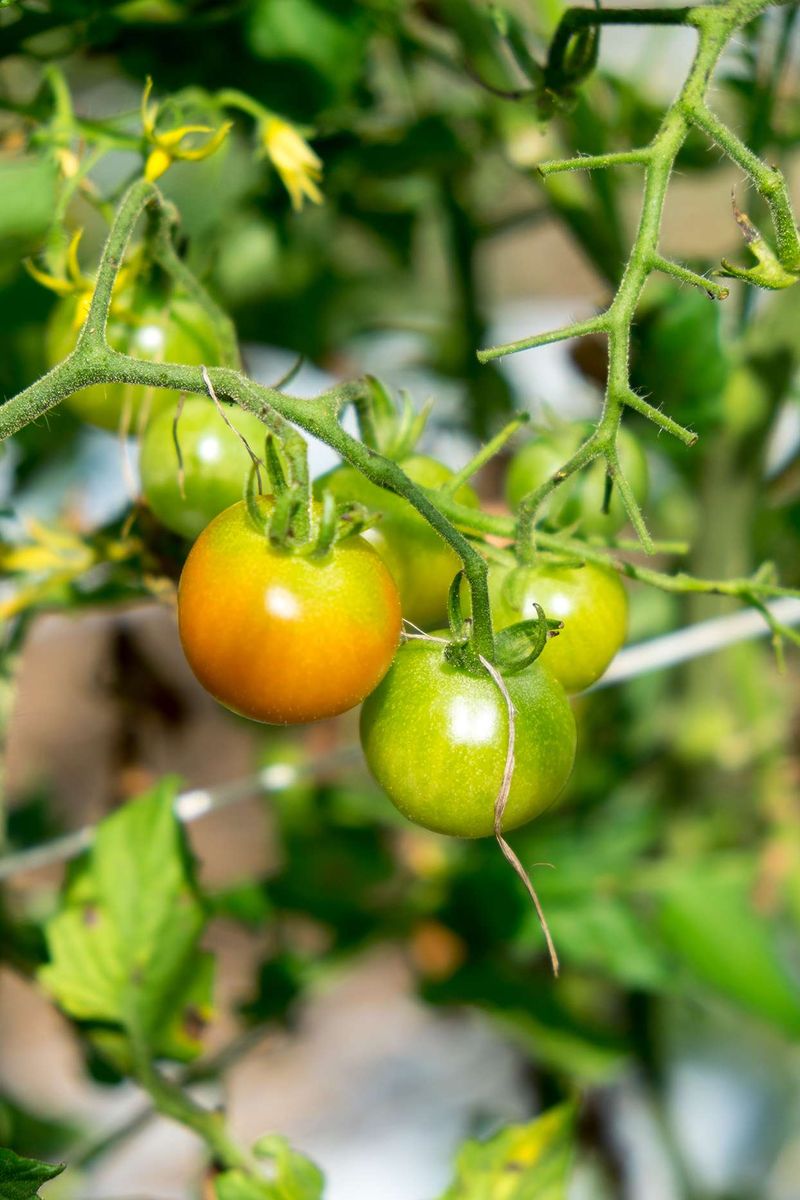
Ripening tomatoes that spend long hours in direct Georgia summer sunlight face more than just sunscald risk.
Fruit exposed to intense heat without the natural shade provided by surrounding foliage can become more susceptible to cracking when moisture levels shift suddenly.
Leaf cover plays a quiet but meaningful role in protecting developing fruit from temperature extremes.
Excessive pruning is one gardening practice that can unintentionally increase cracking risk. When too many leaves and branches are removed, tomatoes that were previously shaded become exposed to full sun and high heat.
Extension guidance identifies excessive pruning combined with intense sunlight as factors that may contribute to cracking, particularly during hot summers when temperatures are already stressful for ripening fruit.
Maintaining healthy foliage does not mean allowing plants to become overcrowded or poorly ventilated. Adequate airflow through the plant canopy is still important for overall plant health and reducing the conditions that favor fungal problems.
The balance to aim for is enough leaf cover to shade developing fruit without creating a dense, airless environment.
Removing damaged, yellowing, or diseased leaves makes sense at any point in the growing season.
Removing large amounts of healthy green foliage from tomato plants during August, when fruit is actively ripening and Georgia heat is at its peak, can leave fruit unnecessarily exposed.
Thoughtful pruning that preserves natural shade around developing tomatoes is a small adjustment that can make a noticeable difference through summer storm season.
7. Fertilizer Spikes Can Worsen Cracking
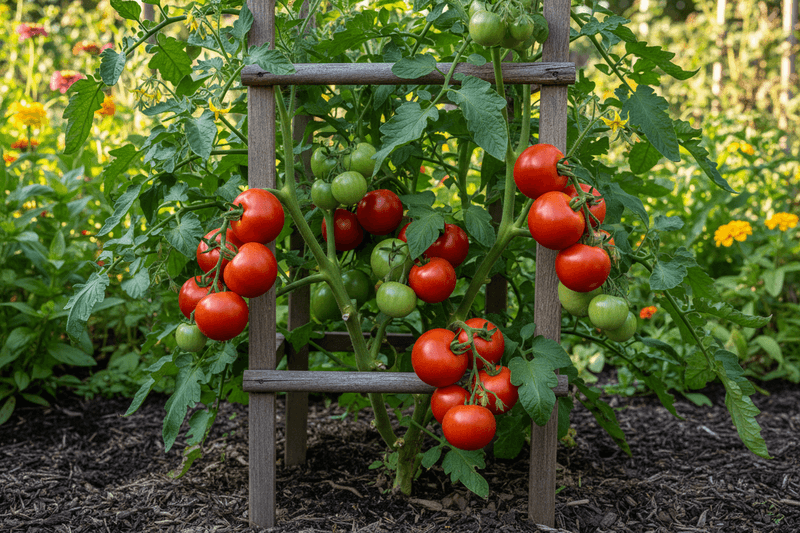
After a stretch of heavy rain leaves cracked tomatoes on the vine, the instinct to do something helpful can lead some gardeners toward adding fertilizer as an emergency response.
Fertilizer is not a fix for split tomatoes, and adding large or poorly timed amounts can actually contribute to the conditions that make cracking more likely on fruit that is still developing.
Nitrogen is the nutrient most directly connected to this concern. Excessive nitrogen encourages rapid, vigorous vegetative growth, which can create uneven development patterns within the plant.
When growth surges quickly and soil moisture is also fluctuating because of summer storms, the combination can put additional stress on ripening fruit and make skin expansion less predictable.
A soil test is the most reliable starting point for any fertilizer decision in a Georgia vegetable garden. Soil tests through the University of Georgia’s testing program provide specific recommendations based on actual nutrient levels rather than general assumptions.
Following those recommendations helps gardeners apply what the soil actually needs rather than guessing.
Fertilizing according to a soil test, applying nutrients at appropriate times before the season is well underway, and avoiding heavy applications once fruit is actively ripening are all practices that support steady, balanced plant growth.
Steady growth is less likely to contribute to the kind of rapid expansion that stresses tomato skin during wet conditions.
Consistent, measured fertility management tends to support more stable fruit development through Georgia’s unpredictable August weather.
8. Crack-Resistant Varieties Reduce Future Losses
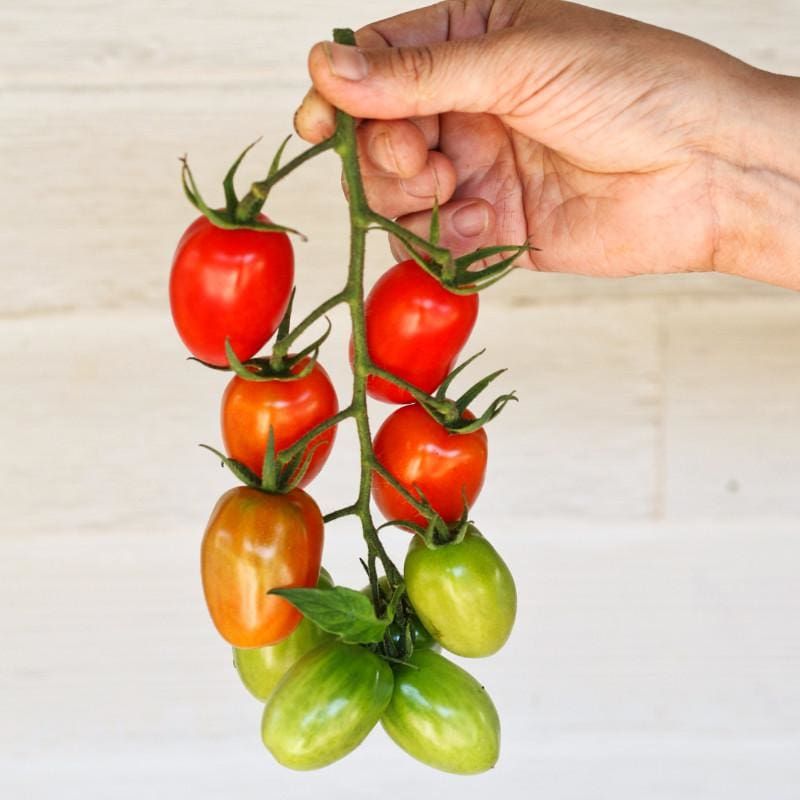
Some tomatoes are simply more prone to cracking than others, and that difference often comes down to genetics.
Certain cultivars have been developed or selected over time specifically for better resistance to the growth cracking that follows heavy rain and rapid moisture changes.
For gardeners who deal with repeated splitting season after season, exploring crack-resistant varieties is a reasonable step worth considering for the next planting.
Large-fruited tomato types and some heirloom varieties tend to be more susceptible to cracking, depending on the specific cultivar and growing conditions.
Larger fruit has more interior volume to expand when water uptake increases suddenly, and some heirloom varieties were not selected with cracking resistance as a priority.
This does not mean all heirlooms crack or that all large tomatoes are poor choices, but it is worth researching individual cultivar characteristics before selecting varieties for Georgia’s challenging August conditions.
Crack-resistant cultivars often appear in seed catalogs and at garden centers with resistance noted on the label or in the description.
Varieties described as having good crack tolerance may still show some splitting under severe weather or extreme moisture swings, because no cultivar offers complete protection under every possible condition.
Talking with local Extension agents or experienced Georgia gardeners about which varieties have performed well in similar growing conditions can provide useful, region-specific guidance.
Choosing better-adapted varieties is a long-term strategy that complements good soil moisture management, mulching, and thoughtful harvesting practices rather than replacing any of them.