One Amish Layering Method Virginia Gardens Depend On Through Fall
Bare soil in your garden is quietly working against you. Weeds spread the instant ground sits exposed and empty. Moisture disappears fast under a Virginia summer sun.
Frustration builds every time you pull the same weeds twice. Amish growers solved this problem long before garden blogs existed. Their method costs you almost nothing and asks little effort.
Nothing about it demands special tools or rare materials. Layers of natural material do all the heavy work for you. Virginia clay turns soft and workable under this kind of care.
Your plants respond within days, not seasons. Roots grow deeper without any strain on your part. Watering bills drop as moisture stays locked in your soil.
Neighbors start noticing the difference within weeks. Curiosity spreads faster than the weeds ever did. You need to see exactly how this system works before September arrives.
The Three-Layer System Behind This Method
Compost forms the base, a barrier layer sits above it, then mulch locks everything in place. Each layer does a distinct job, and skipping one weakens the whole structure.
A half-inch of finished compost goes down first, feeding soil microbes from day one. This layer works quietly underground while everything above it gets the attention.
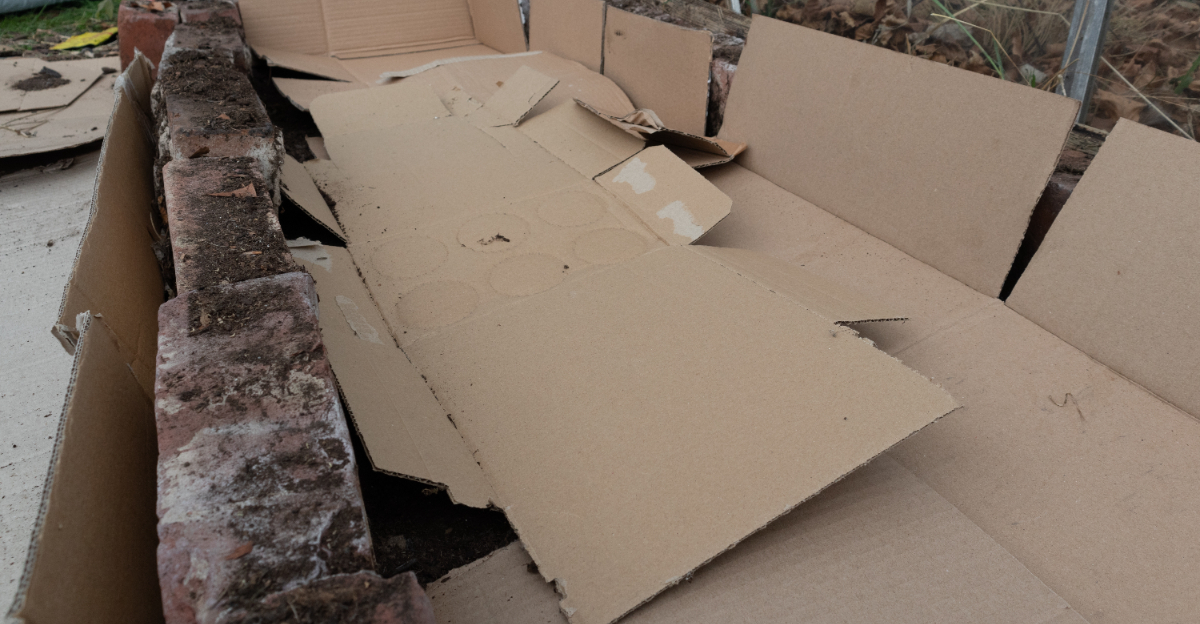
Wet newspaper or flattened cardboard comes next, pressed flush against the compost. That barrier blocks weed seeds from reaching sunlight, cutting off their only path to sprouting.
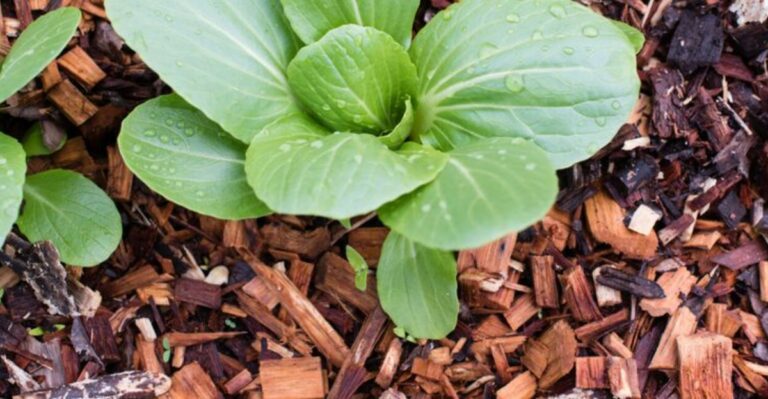
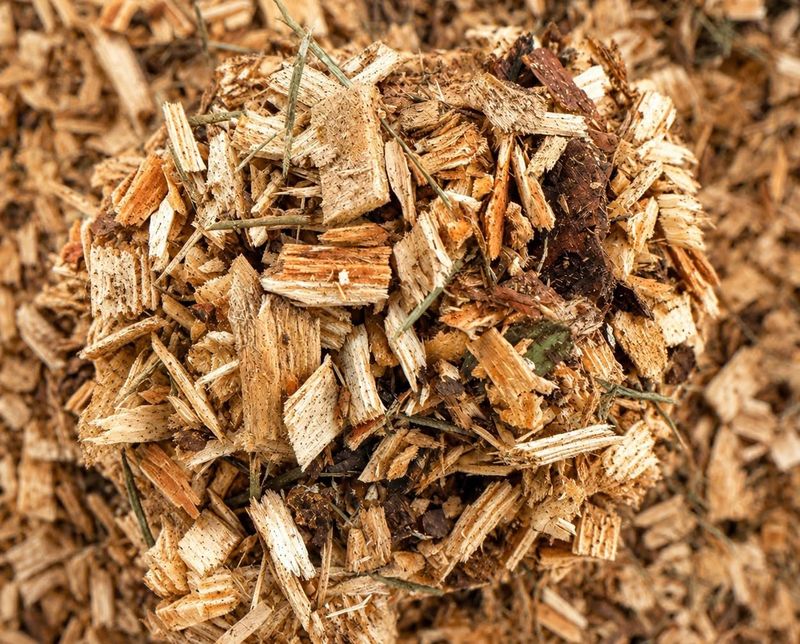
Straw, wood chips, or shredded leaves finish the stack at three to four inches deep. This top layer holds moisture, insulates roots, and keeps the barrier from blowing away.
Virginia gardeners who follow all three steps see results single-layer approaches never deliver. Skipping the compost or the barrier leaves gaps this system was built to close.
Together, these three layers form one continuous system rather than separate techniques. Removing any single layer breaks the chain and lets weeds or heat back in.
Each step supports the next, and none of them work well in isolation. That connection is exactly why this method holds up through Virginia’s toughest summer stretches.
Most gardeners who try it once never go back to bare beds again. The layers demand little effort but return far more than they cost in time.
Once the system is in place, maintenance drops to almost nothing for weeks at a time. That trade-off, a bit of setup work for months of ease, is the whole appeal.
Building The Compost Base First
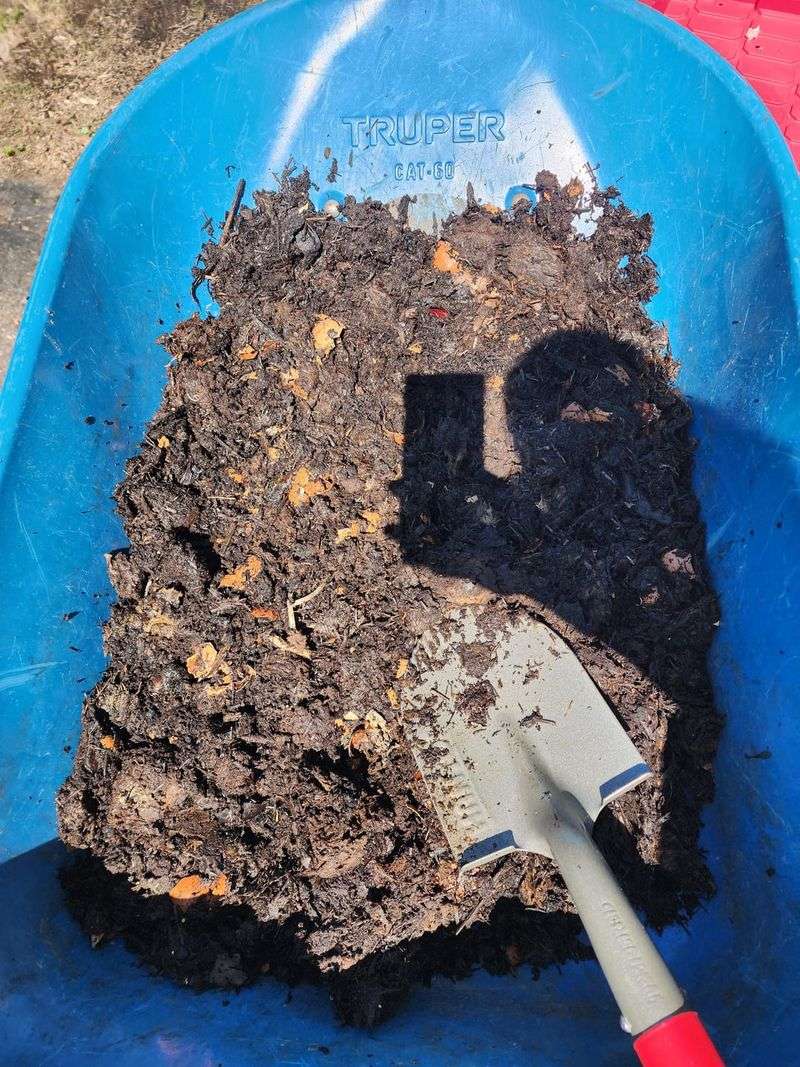
Every strong layer starts underground, out of sight. Compost feeds the soil long before anything visible happens above it.
Spread a thin, even layer across bare soil before adding anything else. Half an inch is plenty, since compost works slowly and does not need bulk to help.
Microbes in the compost break down organic matter and release nutrients gradually. Roots pull from that supply steadily, without any sudden spike or crash in nutrition.
Virginia soil, often heavy in clay, benefits enormously from this early boost. Compost loosens dense clay over time, letting roots push through ground that once resisted them.
Your Virginia Garden Changes Every Week. Your Plan Should Too.
Gardening in Virginia changes quickly throughout the season. Every Friday you’ll receive a simple weekly plan showing exactly what to plant, prune, fertilize, harvest, and protect so you never miss the right timing.
Skipping this step does not ruin the system, but it slows everything down. Plants still grow, yet they lack the steady nutrient stream compost provides beneath the barrier.
Getting this base right sets up every layer that follows. Nothing above it performs as well without this quiet, underground start.
Homemade compost works fine, but store-bought bagged versions do the job just as well. What matters most is spreading it evenly, not where it originally came from.
Avoid piling compost too thick in one spot, since uneven depth creates uneven results above it. A consistent, thin spread beats a generous pile every single time.
The Barrier Layer That Blocks Weeds Cold
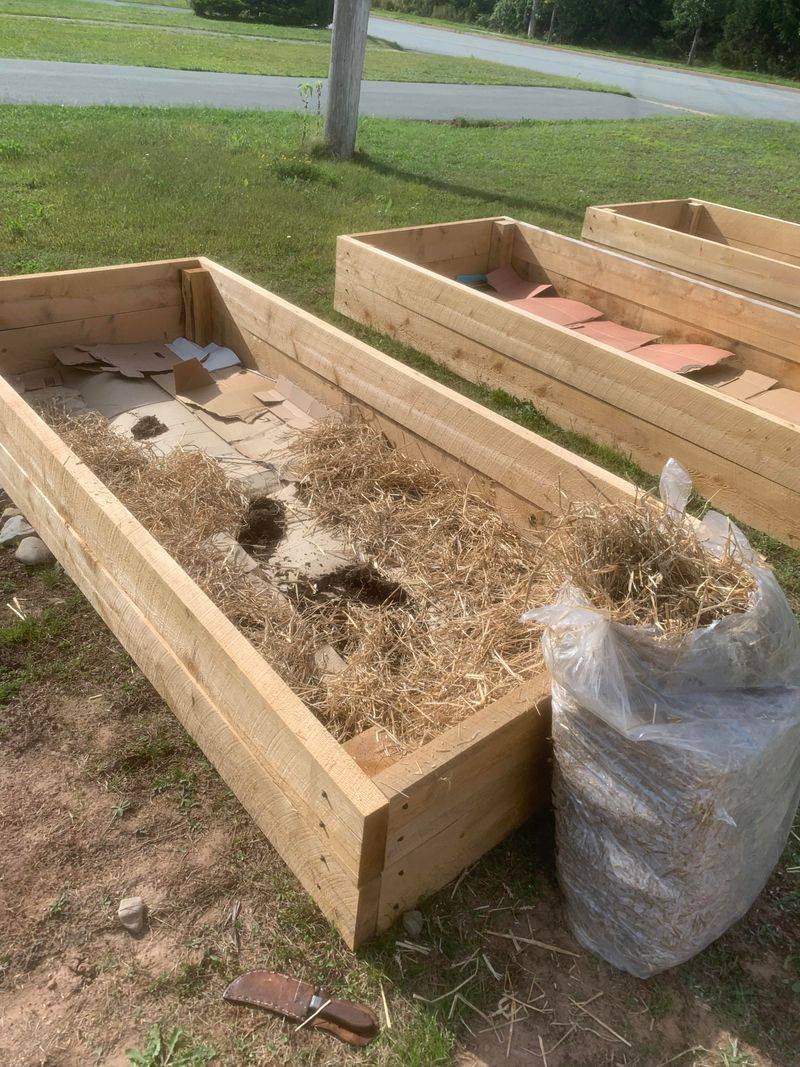
Weeds need sunlight to sprout, and this layer removes that option entirely. Newspaper or cardboard placed flat cuts off their only path upward.
Four to six sheets of wet newspaper work well across most garden beds. Overlap every edge by three inches so no gaps let light slip through.
Cardboard lasts slightly longer in wet conditions than newspaper does. Break down boxes flat, strip off any tape, and lay them directly over the compost.
Press the barrier firmly against the soil to eliminate air pockets. Any gap becomes a hiding spot where weed roots can take hold undisturbed.
This layer breaks down slowly across the season, feeding soil as it decomposes. Earthworms gather around it, pulling nutrients deeper into the ground below.
Without this barrier, the compost layer alone cannot stop weeds from pushing through. The system depends on this middle layer holding its ground through summer heat.
Avoid glossy flyers or magazine pages, since the coatings on them resist breaking down. Plain newsprint and unwaxed cardboard decompose cleanly without leaving residue in the soil.
Leave small gaps around existing plant stems when you lay this layer down. Covering a stem directly traps moisture against it and invites rot within days.
Choosing The Right Top Mulch Material
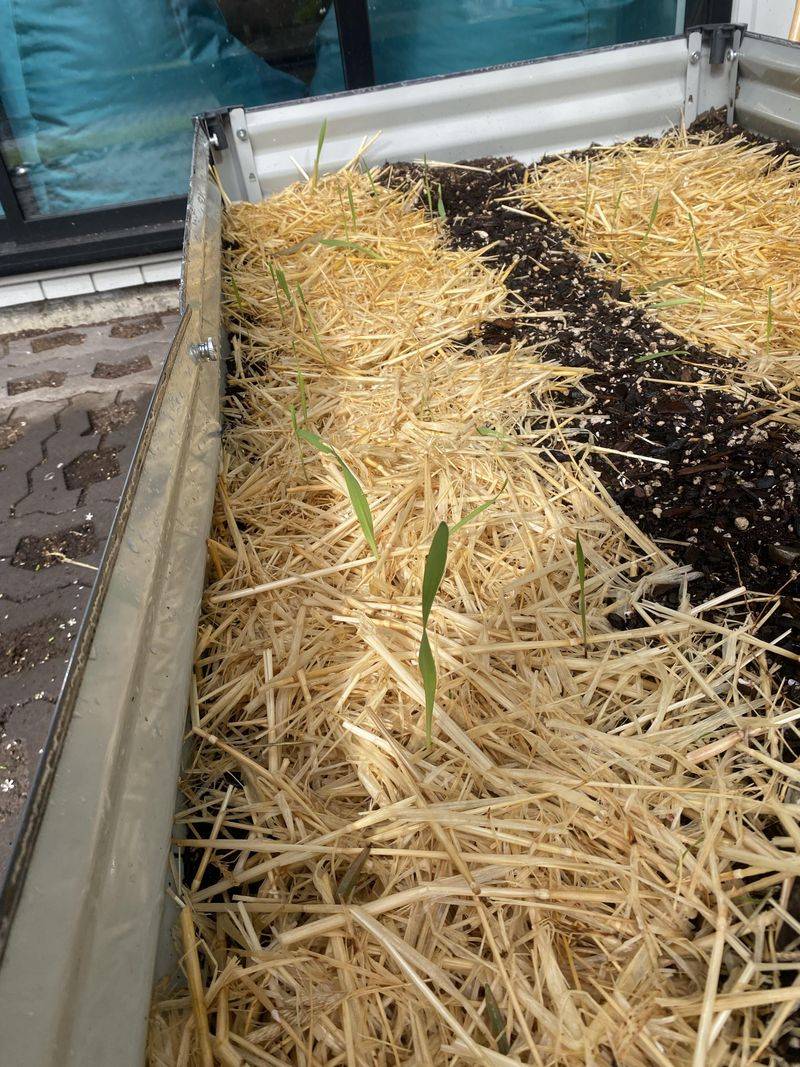
The top layer finishes the system and takes the most exposure. Straw, wood chips, and shredded leaves all serve this role in different ways.
Straw spreads easily and lets rain pass straight through to the layers below. Its light weight makes it the fastest material to apply across large beds.
Wood chips break down more slowly, which suits perennial beds and fruit trees best. One solid application often lasts an entire season without needing a refresh.
Shredded leaves work well for homeowners who already have them on hand each fall. Running a mower over dry leaves first keeps them from matting and blocking airflow.
Three to four inches of any material gives full coverage without smothering the barrier below. Thinner layers leave gaps where sunlight and weeds can still find a way through.
Choosing between these options depends on what sits in your yard already. Each one finishes the system the same way, just with a different texture on top.
Mixing two materials together, like straw and shredded leaves, works just as well as using one alone. What matters most is depth and coverage, not sticking to a single type.
Whatever you choose, spread it evenly so no thin spots form near bed edges. Those edges are usually the first place weeds manage to break through.
Keeping The System Intact Through Late Summer Storms
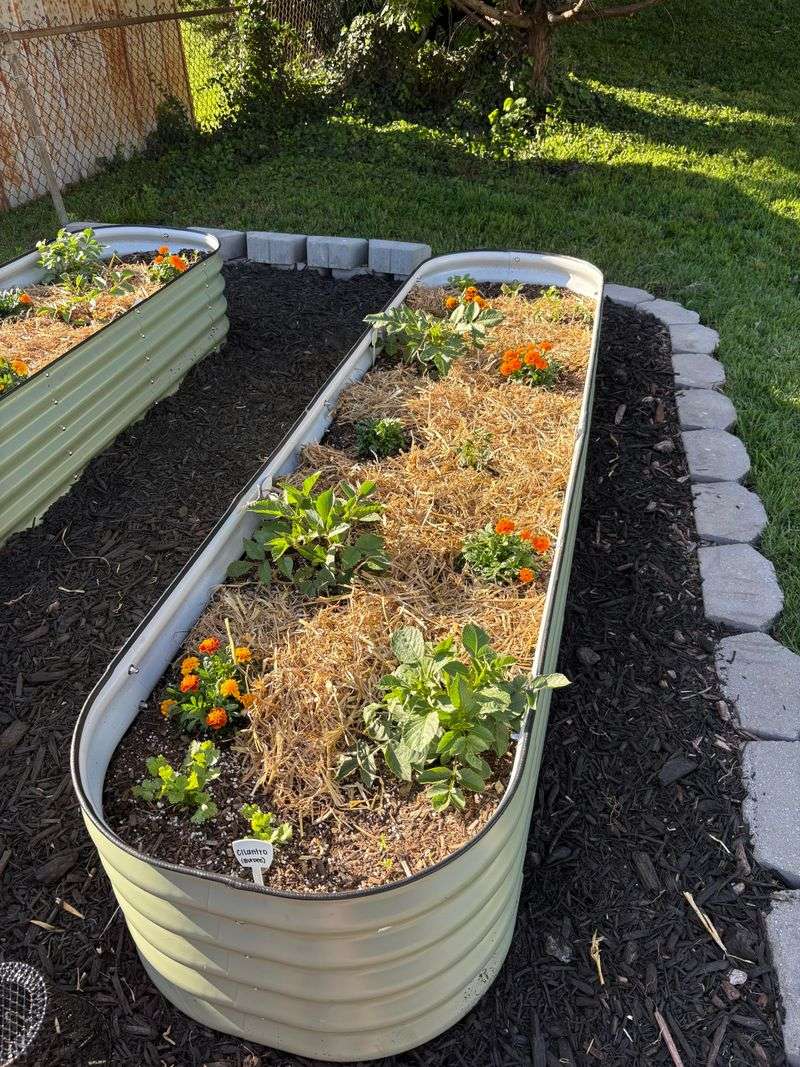
Virginia storms in late summer arrive fast and hit hard. A loose top layer can scatter across the yard before the rain even stops.
Straw is the lightest material in the system and the most likely to shift. Wet newspaper underneath helps anchor it, but a few extra steps make a real difference.
Press the top layer down firmly with the back of a rake after spreading it. That compression helps the material lock together instead of lifting in a strong gust.
Watering the whole system right after setup is not optional. A soaked layer weighs more and resists scattering far better than a dry one does.
Check your beds within a day after any major storm passes through. Bare patches left by scattered mulch invite weeds within a week if they go unnoticed.
Keep a small reserve of extra material on hand to patch thin spots quickly. Staying ahead of gaps is far easier than rebuilding a section from scratch later.
Some gardeners line bed edges with thin branches or low stakes as a windbreak. That small addition keeps the outer edges from peeling back during heavy rain.
Storm damage is the one part of this system that catches people off guard. A few minutes of attention after each storm keeps the whole structure working as intended.
Why This System Pays Off Most By September
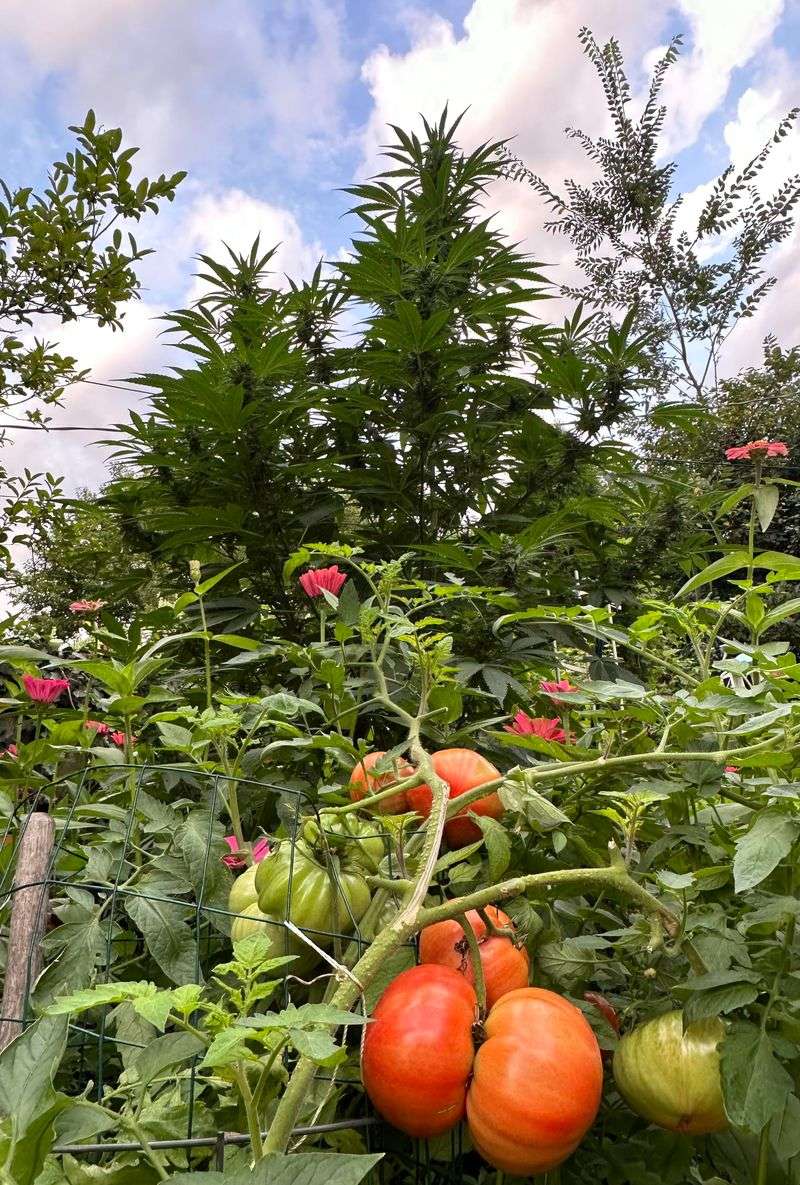
By September, every choice made back in August becomes visible in the garden. Beds that received the full system look lush and noticeably easier to maintain.
Soil under this layered setup stays several degrees cooler than bare, exposed ground. That gap in temperature keeps roots active even as daytime heat continues to press hard.
Moisture stays consistent under the full three-layer setup, sparing plants the stress of uneven watering. Stressed plants tend to drop fruit early and become easy targets for pests.
Weed pressure drops sharply by September in beds that received this treatment. Any weeds that do appear pull out easily, since the soil beneath stays loose and moist.
That same looseness makes fall prep simple when the time comes. Pull the mulch back, place your seeds or transplants, then push the cover back into place.
The decomposed newspaper and organic matter have been quietly building soil structure since August. By September, the difference in color and texture compared to untreated soil is obvious.
Patience is really the only price this system asks for. September is when that patience turns into a garden still producing well past when most others have stopped.