What Georgia Homeowners Should Do With Overgrown Wisteria Before Fall
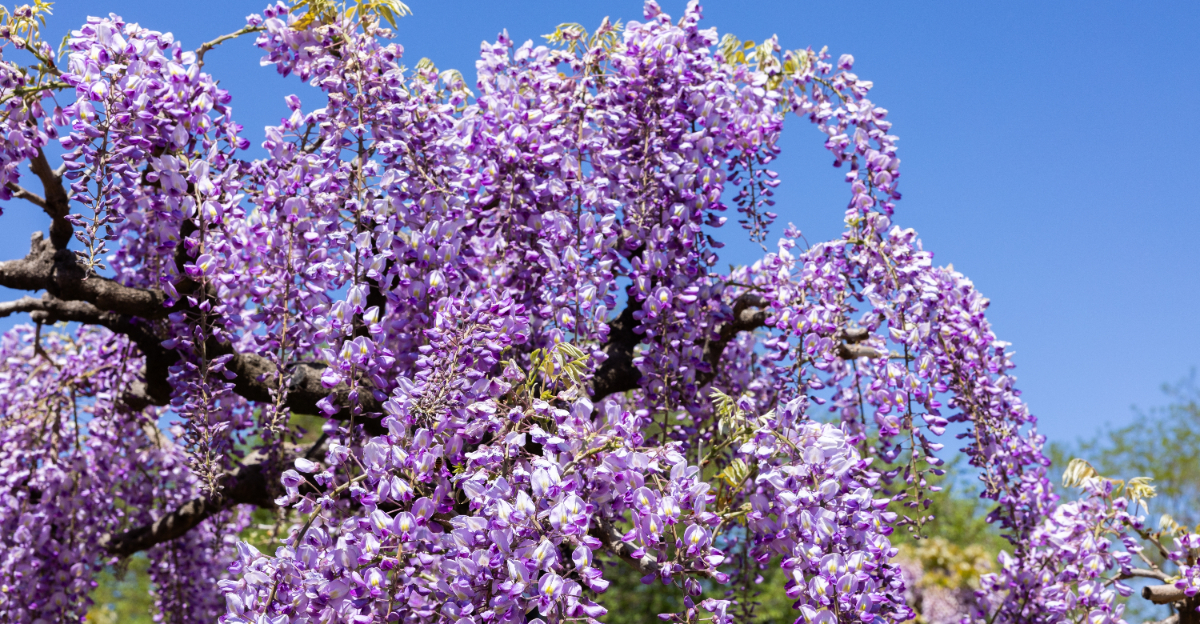
Overgrown wisteria can turn from a beautiful feature into a tangled mess fast. Before fall arrives, give those wandering vines attention.
By August, long shoots may be stretching beyond the space you intended for them. In Georgia, this is the time to assess that unruly summer growth.
Do not start cutting everything because the plant looks too large. Wisteria responds better when you understand which growth needs attention and which should remain.
A thoughtful approach now can make the vine easier to manage without spoiling its shape. It can also prepare the plant for the changing season ahead.
Look closely before reaching for your pruning tools, because timing and technique both matter.
Knowing what to tackle now can help you manage an overgrown wisteria with more confidence before fall arrives.
1. Check How Far The Wisteria Has Spread
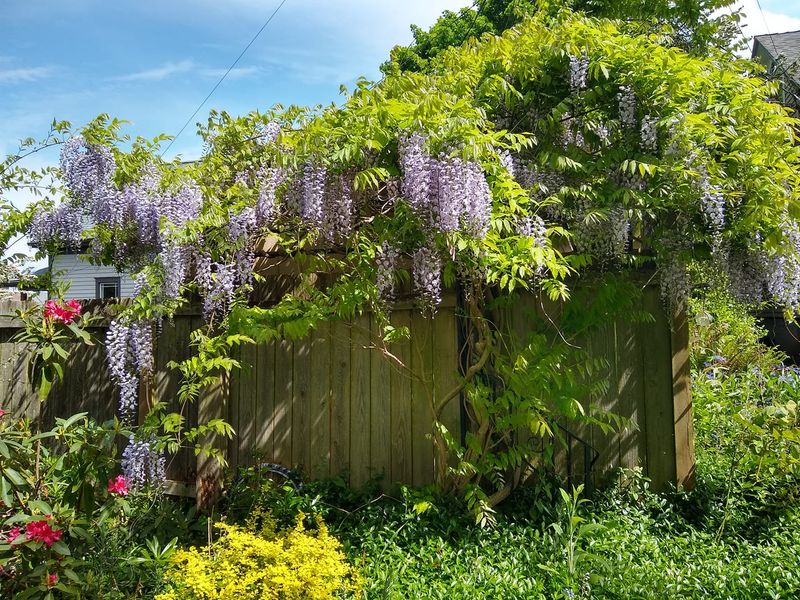
Wisteria does not ask permission before spreading. One season of inattention and it can cross a fence line, creep into a neighboring yard, or climb twenty feet up a tree without you noticing until the damage is done.
Walk the full perimeter of your yard before doing anything else. Check along fences, under decks, around tree bases, and near any structure where vines might have anchored themselves.
Look closely at ground level too, since runners often travel underground before popping up somewhere unexpected.
Mark the outer edges of the growth with small flags or stakes. Knowing exactly how far things have spread helps you plan your work in stages instead of getting overwhelmed.
Tackling it section by section is much more manageable than trying to address everything at once.
Pay special attention to areas near your home’s foundation. Wisteria roots can be persistent and may probe into soft soil near concrete or brick over time.
Spotting early spread near structures gives you a chance to redirect growth before it becomes a bigger problem.
A thorough spread check takes maybe thirty minutes but saves hours of frustration later. You cannot make a good plan without knowing what you are actually dealing with first.
2. Move Long Stems Away From Nearby Trees
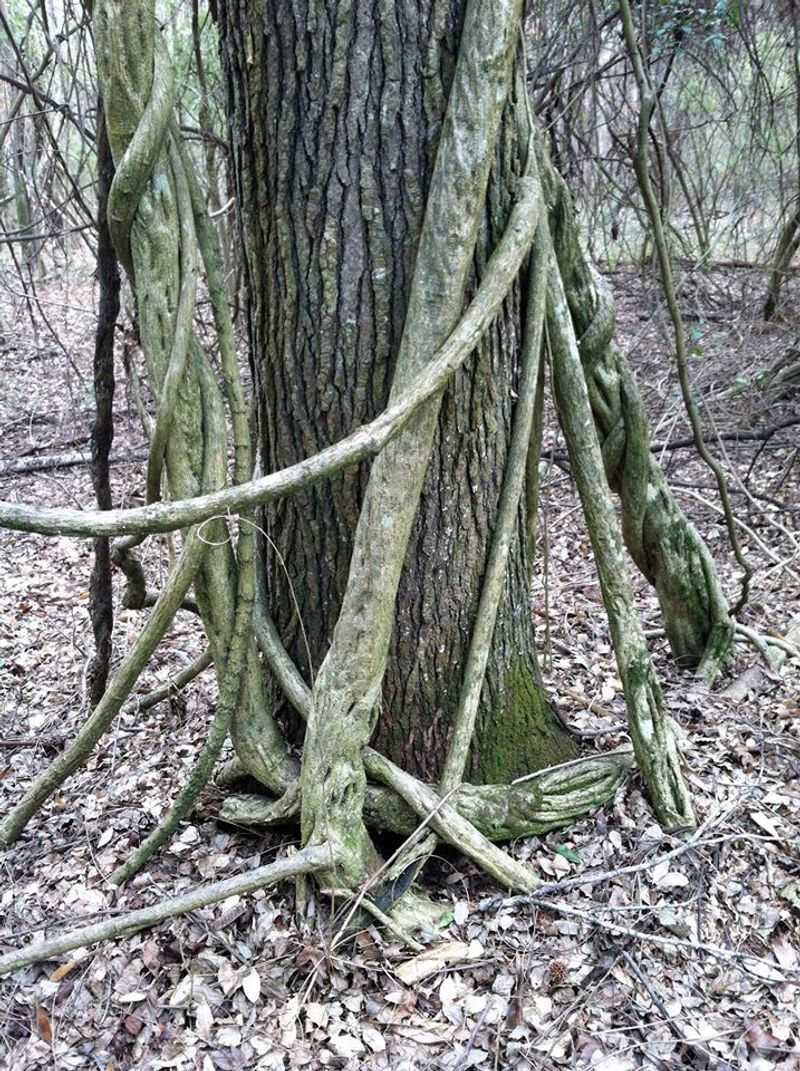
Wisteria wrapped around a tree is not a harmless picture. Those vines can tighten over time, restrict bark growth, and weaken branches by adding significant weight during wet or windy weather.
Start by locating where the vine connects to the tree. Do not yank the whole thing at once.
Instead, cut the vine at the base near the soil and then carefully unwind the upper portions from the branches by hand, working slowly to avoid snapping limbs.
Smaller, thinner stems are easier to remove without damaging the tree. Thicker, older vines that have fused to the bark may need to be cut in sections rather than peeled away completely.
Forcing them off can strip bark and leave the tree vulnerable to insects or disease.
After removing the vine, check the tree’s bark for any visible damage. Compressed or grooved areas where the vine sat tightly may need time to recover.
Your Georgia Garden Changes Every Week. Your Plan Should Too.
Gardening in Georgia changes quickly throughout the season. Every Friday you’ll receive a simple weekly plan showing exactly what to plant, prune, fertilize, harvest, and protect so you never miss the right timing.
Keeping the area around the tree clear going forward reduces the chance of regrowth reaching it again.
In Georgia, trees stressed by vine overgrowth heading into fall may struggle more during winter. Giving them a clean start before temperatures drop is genuinely worth the effort and not nearly as complicated as it sounds.
3. Make Sure The Trellis Can Handle The Weight
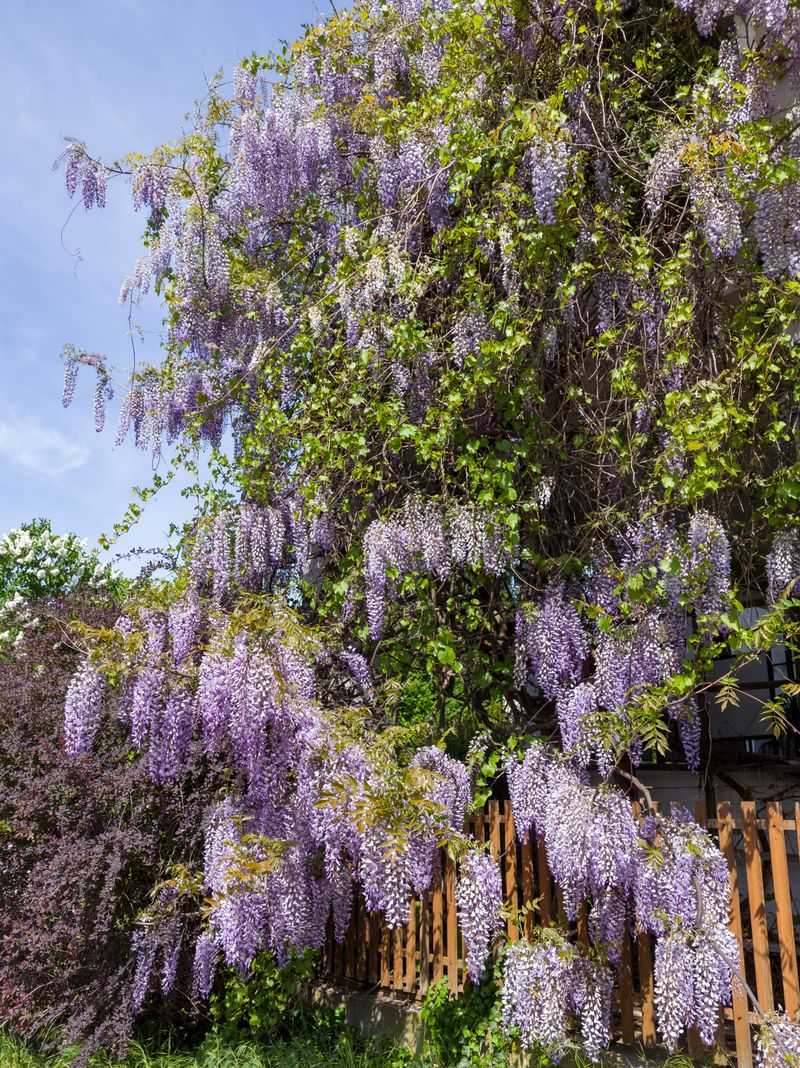
A trellis that looked sturdy three years ago might be close to failing under mature wisteria. Older vines can weigh significantly more than people expect, especially when they hold moisture after rain.
Push against the trellis firmly with both hands. Check the posts at ground level for rot or soft spots.
Look at the joints where sections connect, since those are usually the first places to show weakness under long-term pressure.
Wooden trellises in humid Southern climates tend to deteriorate faster than those in drier regions. If you see cracked wood, loose screws, or sections leaning away from vertical, address those issues before fall storms arrive.
A collapsed trellis mid-season can damage nearby plants and structures.
Reinforcing a weak trellis does not require a full rebuild. Adding metal corner brackets, driving a new stake beside a soft post, or replacing a single damaged board can extend the structure’s life considerably.
Temporary fixes are fine as long as they hold through the season.
If the entire structure is beyond repair, consider cutting back the vine significantly and replacing the trellis during winter when the plant is less active. Trying to do a full replacement while the vine is in full growth is much harder to manage practically.
4. Clear Vines Away From Gutters And Structures
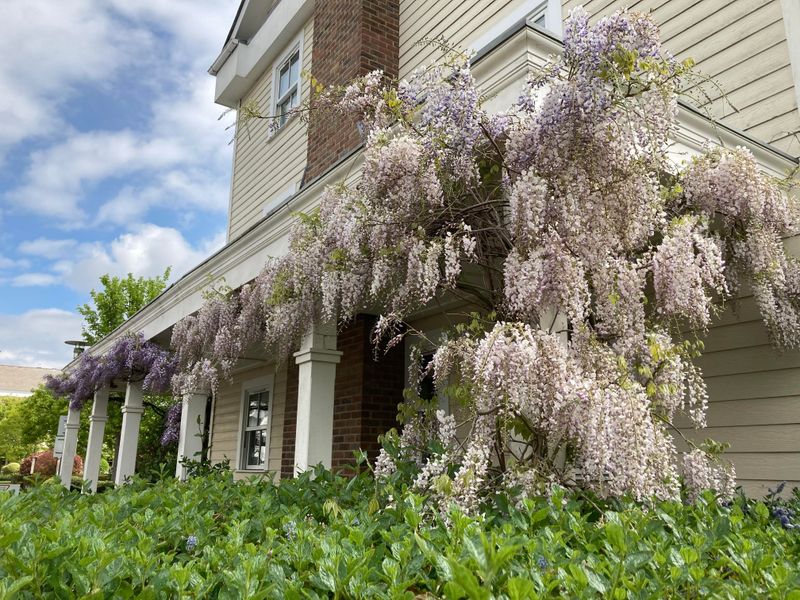
Gutters clogged with wisteria are a real problem that goes beyond a simple mess. Vines growing into gutters can hold moisture against the roofline, block drainage, and even lift shingles if they find a gap to push through.
Use a sturdy ladder and check your gutters carefully before fall rain season picks up. Pull out any vine sections growing inside the channel.
Cut vines that have reached the roofline and remove them carefully to avoid dislodging shingles or flashing.
Pay attention to where the vine is anchoring itself to the structure. Wisteria can grip wood siding, brick mortar, and painted surfaces with strong tendrils.
Removing them from painted wood sometimes pulls off paint, so work slowly and use a flat tool to gently separate the attachment points.
Check around window frames and doorframes as well. Vines growing near these openings can work into small gaps over time, especially where caulk has aged or cracked.
Sealing those gaps after clearing the vine is a practical follow-up step.
Homes in Georgia with older wood siding are especially worth monitoring closely. Moisture trapped by vines against aging wood can lead to soft spots that show up as bigger repair bills down the road.
Clearing growth from structures now is a straightforward way to protect your home heading into wetter weather.
5. Pull New Shoots Coming Up From The Ground
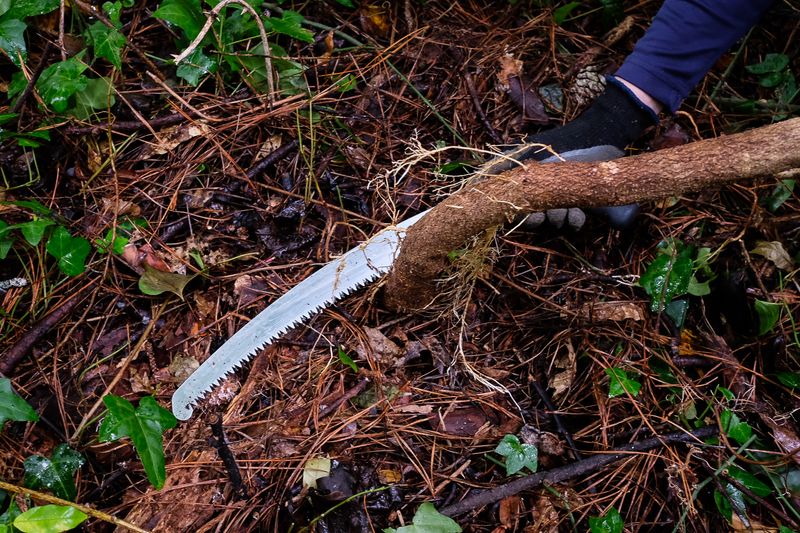
Young shoots coming up from the ground are easy to overlook but fast to establish. Left alone for even a few weeks, a small sprout can develop a woody base that is much harder to remove later in the season.
Walk the area around your established wisteria and look for thin, flexible stems emerging from the soil.
Pull them by hand while they are still young, gripping as close to the soil as possible to remove as much of the root as you can reach without major digging.
Some shoots come up several feet away from the main plant through underground runners. Check garden beds, lawn edges, and even cracks in paving near the vine.
Wisteria runners can travel farther than most people expect before surfacing.
Pulling shoots regularly throughout late summer reduces how many come back the following spring. Consistency matters more than any single big effort.
A quick scan every couple of weeks is more effective than one thorough session followed by months of ignoring the area.
Avoid letting pulled shoots sit on the soil surface if they still have roots attached. Bag them or move them to a compost pile away from the garden.
Some vine cuttings can re-root if left on moist ground, particularly during warm and humid Southern summers.
6. Leave Healthy Established Growth In Place

Not every vine needs to go. Healthy, well-positioned wisteria growing on a strong structure is worth keeping, and cutting it back too aggressively can stress the plant without any real benefit to you.
Before removing anything, ask yourself whether the growth is causing an actual problem. Vines covering a pergola without touching the house, gutters, or nearby trees are generally fine to leave as they are through the season.
Established wisteria with thick, woody main stems took years to develop. Removing those main stems unnecessarily sets the plant back significantly and often triggers aggressive regrowth the following year as the plant tries to recover.
Targeted management works better than wholesale removal.
Focus your energy on the problem areas identified during your initial spread check. Redirect vines that are heading somewhere they should not go rather than cutting back growth that is behaving well.
A light hand is often the smarter approach with mature plants.
In Georgia’s climate, wisteria that is healthy and well-fed going into fall tends to bloom more reliably the following spring. Stripping back healthy growth right before a seasonal transition can disrupt that cycle.
Protecting established, controlled growth while managing the problematic sections gives you the best outcome without unnecessary setbacks for the plant.
7. Avoid Heavy Pruning Before Fall
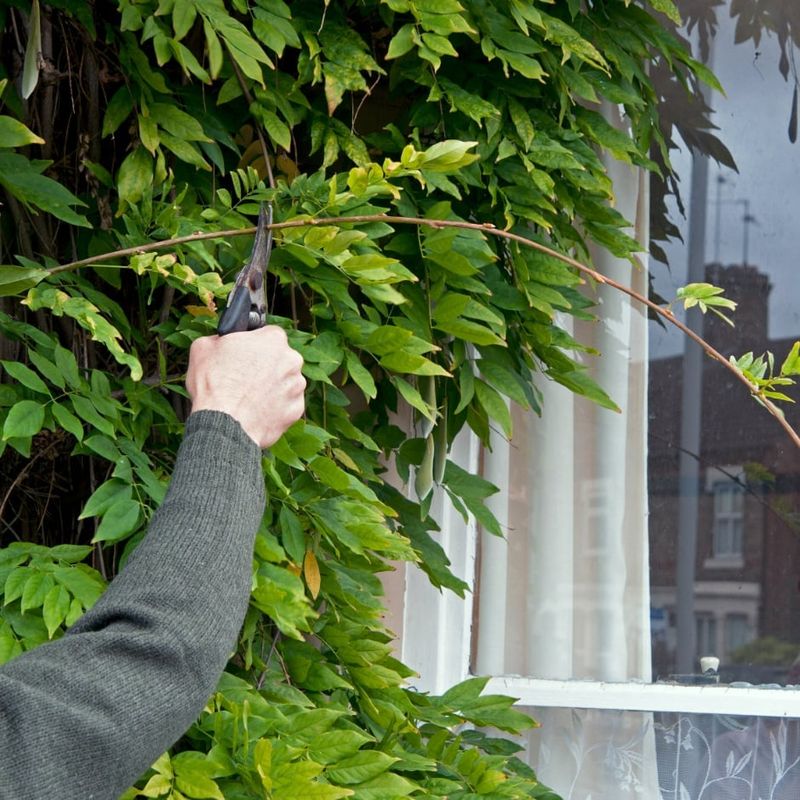
Cutting too much off wisteria in late summer is one of the more common mistakes homeowners make.
Heavy pruning right before fall can push the plant into producing new growth that does not have enough time to harden off before cooler temperatures arrive.
Soft, new growth heading into late fall is more vulnerable to cold snaps than established stems. In Georgia, winters are mild but not without the occasional freeze.
Fresh growth that has not had time to toughen up can suffer damage during those cold spells.
Stick to light corrective cuts before fall. Remove vines that are actively causing problems, such as those growing into structures or wrapping around trees, but leave the bulk of healthy growth alone.
Major reshaping is better saved for late winter when the plant is dormant.
Wisteria blooms on old wood from the previous season. Heavy pruning before fall can reduce next spring’s flower display significantly.
If seeing those blooms matters to you, be conservative with how much you remove heading into the cooler months.
A good rule of thumb is to ask whether the cut is solving a real, immediate problem. If the answer is yes, make the cut.
If you are trimming just for the sake of tidying up, consider waiting until the plant is fully dormant. Patience here pays off with a better-looking plant next spring.