These Invasive Pests Are Spreading Through Minnesota Gardens This Fall
Unusual activity is stirring beneath your garden beds this fall. Minnesota soil is losing structure faster than most gardeners realize.
These invaders move quickly, disrupting delicate root systems within days. Jumping worms react instantly the moment your fingers touch them.
Their tails detach easily while you watch in complete surprise. Nurseries, mulch, and shared compost likely carried them straight into your garden.
You may already host a serious infestation without realizing it. Local reports across Minnesota show worm numbers climbing earlier each fall.
Populations surge now, multiplying rapidly before soil goes dormant for winter. Awareness gives you a real advantage before damage becomes permanent.
Coffee ground textured soil often signals worms have already settled in. Understanding their behavior gives you genuine control over the outcome.
Every small detail you notice sharpens your response and protects your garden. Ignoring these signs now could cost you your entire garden by next spring.
Jumping Worms, Minnesota’s Fast-Spreading Fall Threat
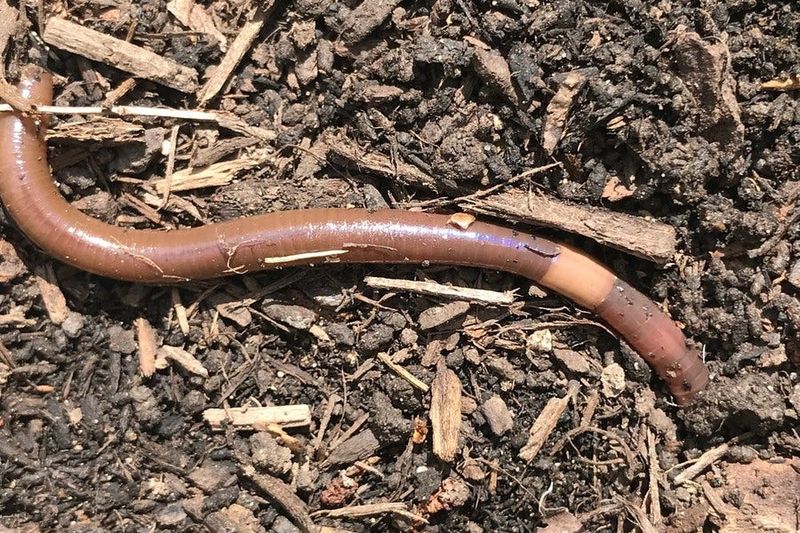
Your garden soil just got a new, unwanted tenant. Jumping worms, known scientifically as Amynthas species, are spreading fast through yards and garden beds across the state.
These invasive pests are spreading through Minnesota gardens this fall at a pace that surprises even experienced gardeners. They were first confirmed in the state around 2006, and populations have grown significantly in recent years.
Unlike the familiar pink earthworms most people grew up with, jumping worms are aggressive and highly destructive. They consume organic matter at a rapid rate and reproduce without a mate, making control extremely difficult.
A single worm can lay cocoons that survive winter and hatch in spring. By midsummer, a new generation is already feeding and growing fast.
Fall is when adult populations hit their peak numbers. Gardeners doing end-of-season cleanup are often shocked to find dozens of them writhing just beneath the surface.
The name is not an exaggeration. Touch one and it will thrash and curl into an S-shape, sometimes moving several inches off the ground.
Identifying These Invasive Worms In Your Garden
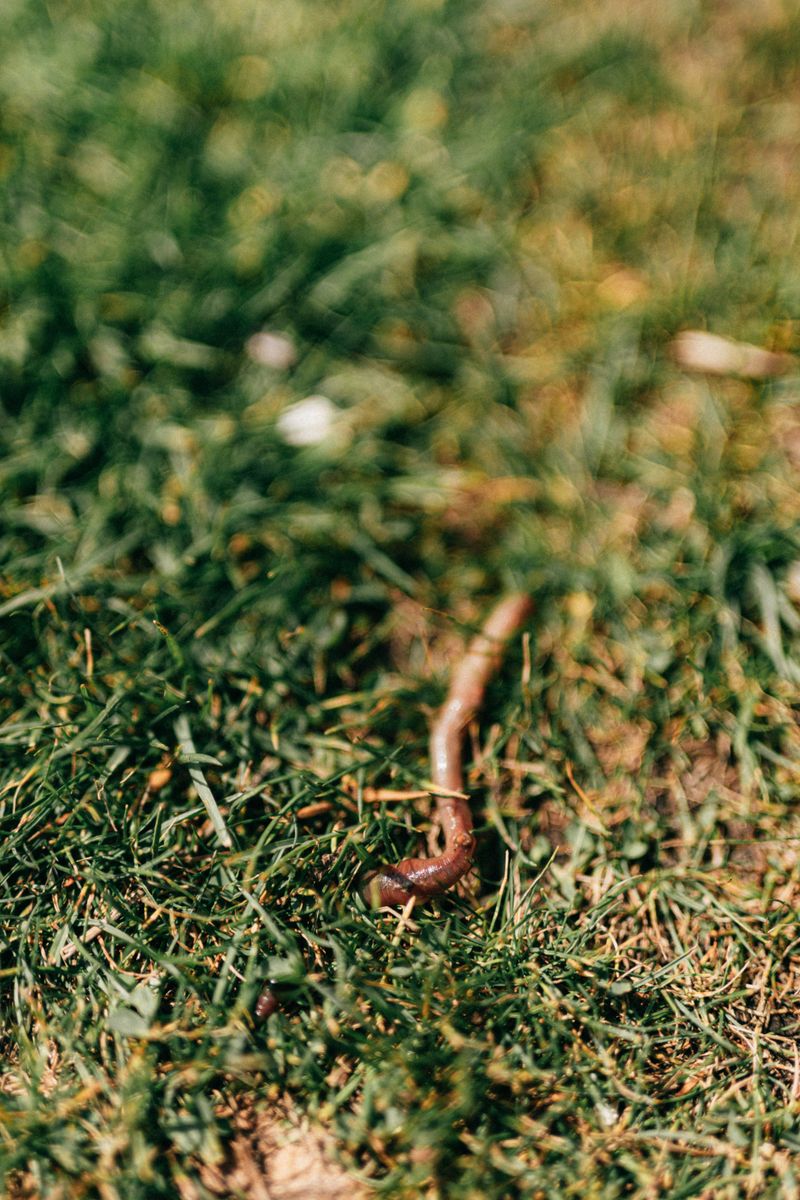
Spotting a jumping worm is easier than you might think, once you know the clues. The most reliable feature is a smooth, light-colored band near the head called the clitellum.
On a common earthworm, that band is raised and pinkish. On a jumping worm, the clitellum is flat, white or gray, and wraps completely around the body like a collar.
The skin also looks different. Jumping worms tend to have a shinier, darker appearance compared to the muted, moist look of a regular earthworm.
Size can vary, but most adults measure between four and five inches long by midsummer. They are typically thinner than nightcrawlers but can move with surprising speed when disturbed.
One quick field test is the mustard pour. Mix one-third cup of ground yellow mustard into a gallon of water and pour it slowly over a square foot of soil.
Within a few minutes, any worms present will surface. Jumping worms will immediately begin moving in a distinctive, vigorous way that no other worm species replicates.
Your Minnesota Garden Changes Every Week. Your Plan Should Too.
Gardening in Minnesota changes quickly throughout the season. Every Friday you’ll receive a simple weekly plan showing exactly what to plant, prune, fertilize, harvest, and protect so you never miss the right timing.
You can also check your soil texture for clues. Infested areas often have grainy, dry-looking soil that resembles used coffee grounds or coarse sand, even right after rain.
If you see that texture combined with worms moving erratically and violently, trust your instincts. You are likely dealing with an invasive species that needs attention fast.
Why They Damage Soil More Than Regular Earthworms
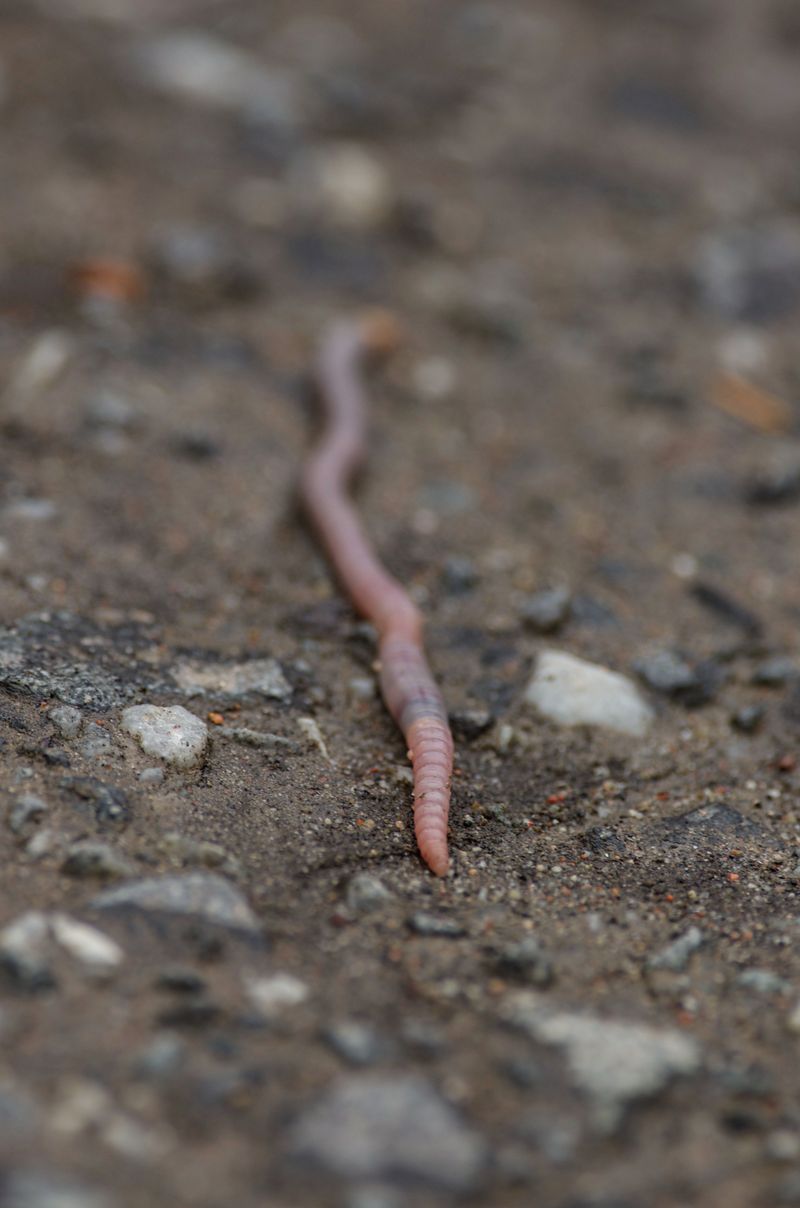
Most people assume all worms are good for gardens, and that belief is completely understandable. European earthworms, the ones most of us grew up with, do help soil by creating tunnels and mixing nutrients.
Jumping worms operate differently, and the contrast is dramatic. They consume the organic layer of soil at the surface, which is the nutrient-rich zone that plants depend on most.
As they feed, they convert that rich material into grainy, dry castings. Those castings do not hold water well and lack the structure that plant roots need to anchor and grow.
Healthy topsoil typically has a crumbly, moist texture that holds together loosely. Soil damaged by jumping worms looks and feels more like aquarium gravel than garden earth.
The damage accelerates quickly because these worms reproduce so fast. A patch of healthy soil can be stripped of its organic layer within a single growing season.
Plants in affected areas often show signs of stress, including yellowing leaves and poor growth, even when watering and fertilizing seem normal. The problem is below the surface, where roots cannot find what they need.
Trees and shrubs are not immune either. Forest ecologists have found that large infestations can alter entire woodland ecosystems by removing the leaf litter layer.
Home gardens face the same threat on a smaller scale. Protecting your soil now means your plants have a real fighting chance when spring arrives.
Spreading Through Mulch, Compost, And Shared Soil
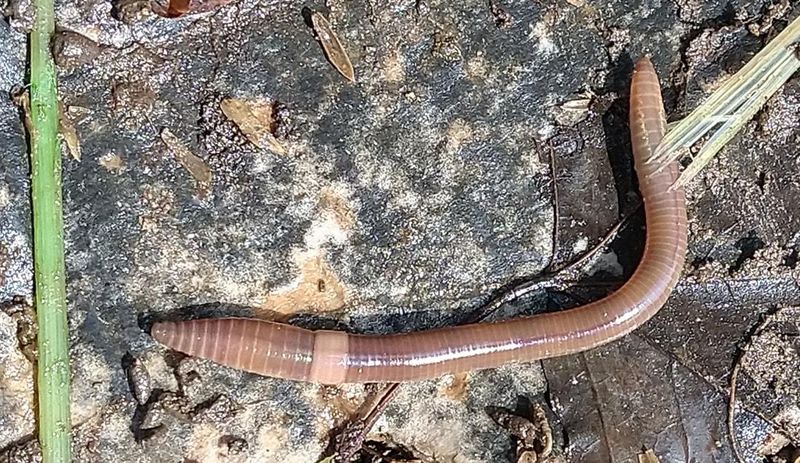
Here is an important consideration for gardeners who like to share plants: doing so may unintentionally spread the problem. Jumping worm cocoons are tiny, about the size of a mustard seed, and nearly impossible to see with the naked eye.
Those cocoons can hide in potted plants, root balls, compost, and bagged mulch. When you pass a division of your hostas to a neighbor, you might be passing along uninvited guests too.
Commercial mulch is one of the most common pathways for spreading this pest. Cocoons have occasionally been found in mulch and soil products sold at garden centers, according to extension researchers tracking the pest’s spread.
The cocoons are also heat-resistant enough to survive most standard composting processes. Unless a compost pile reaches very high internal temperatures consistently, cocoons can remain viable.
Community garden plots are particularly vulnerable because soil, tools, and amendments move between participants frequently. One contaminated wheelbarrow of compost can introduce the pest to a previously clean area.
Buying plants from reputable nurseries helps, but it is not a guarantee. Ask suppliers whether they have tested for or found jumping worms on their property before purchasing.
When moving plants or soil between areas of your own yard, clean tools with a stiff brush and rinse with water to reduce transfer risk. Simple habits make a meaningful difference.
The spread of these invasive pests is largely driven by human activity. Being mindful of what moves in and out of your garden space is one of the most powerful prevention tools available.
Warning Signs Every Gardener Should Watch For
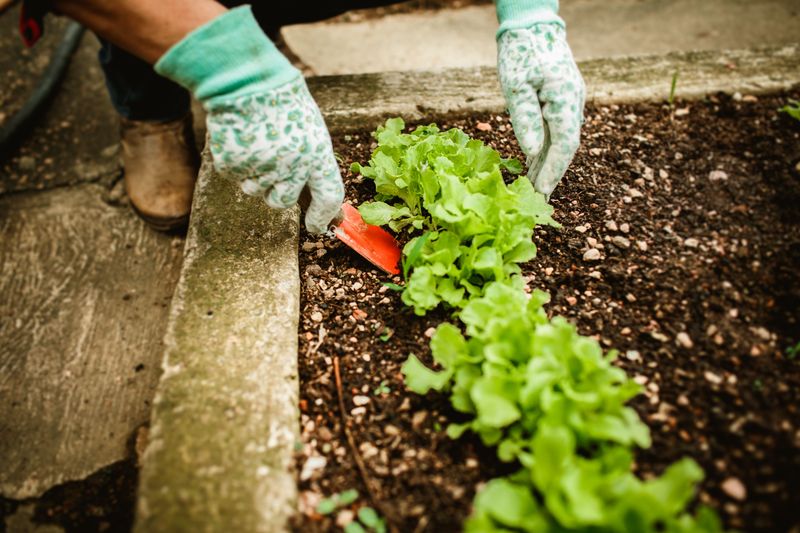
Fall is actually the best time to catch an infestation early, before cocoons overwinter and hatch in spring. Knowing what to look for can save your garden from a much bigger problem next year.
The most obvious sign is that strange, granular soil texture mentioned earlier. If your beds suddenly look dry and gritty despite regular watering, that is a strong early indicator.
Watch for plants that seem to be struggling without a clear reason. Wilting, yellowing, or stunted growth in otherwise healthy beds can point to soil disruption happening below the surface.
Look at the base of plants and along garden edges where organic matter accumulates. Jumping worms tend to concentrate in areas rich with leaf litter, mulch, and decomposing material.
You might also notice birds acting strangely in your yard. Robins and other ground-feeding birds often detect worm activity before humans do, and they may start foraging more intensely in affected spots.
Check under boards, pots, and garden debris on warm fall days. Worms often gather in sheltered spots where moisture and organic material collect near the soil surface.
If you find worms that move vigorously and snake-like rather than curling slowly, photograph them before they escape. Photos help local extension offices confirm the species.
Reporting confirmed sightings to your local extension office matters. Citizen reports help researchers track the spread of these invasive pests and develop better response strategies for the future.
Steps To Prevent And Control An Infestation
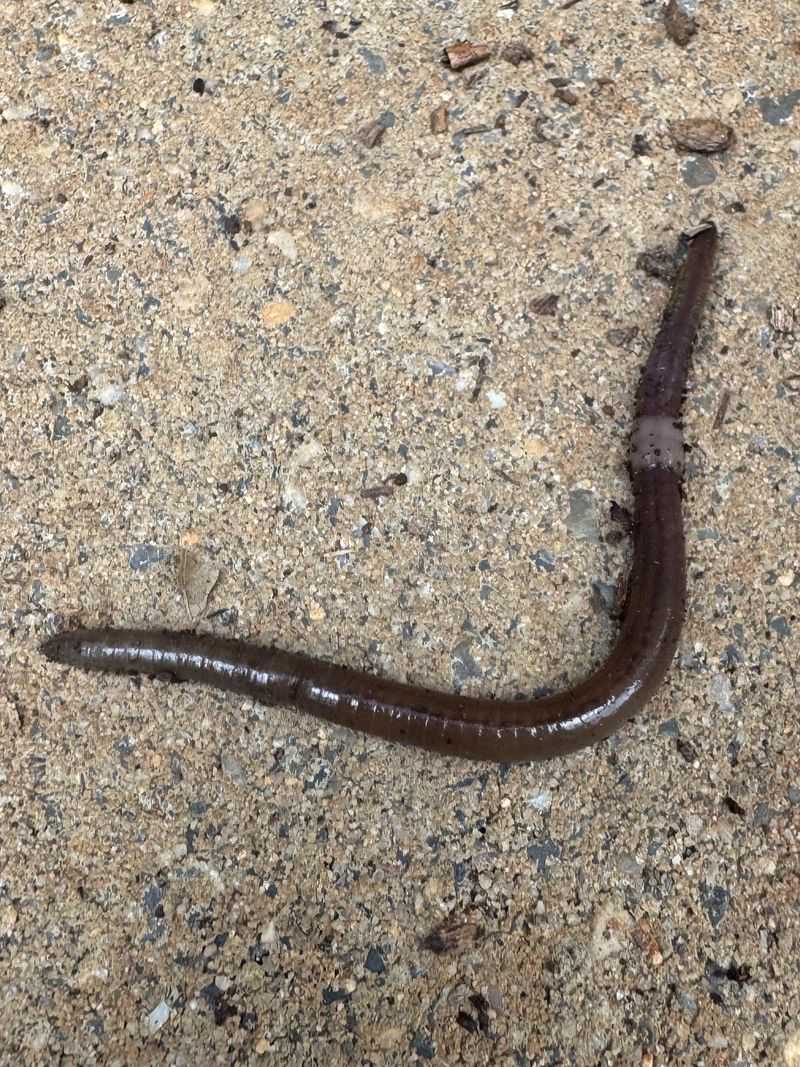
No perfect fix exists yet, but there are real steps that slow the spread and protect your garden. Starting with prevention is always smarter than scrambling to fix a full infestation.
Heat treatment is one of the most effective options for contaminated soil or compost. Spreading material in a thin layer on a black tarp in direct sunlight can raise temperatures high enough to break down cocoons.
Solarization works best during the warmest months, but even fall sun can generate useful heat under plastic sheeting. Aim for soil temperatures of approximately 104 degrees Fahrenheit, the threshold research suggests is needed to break down cocoons.
A product called Early Bird fertilizer, which contained saponins from tea seed meal, showed promise in early small-scale research trials.
However, the manufacturer discontinued the product in 2019, it is no longer available for purchase, and university extension offices currently state there is no proven evidence it effectively controls jumping worm populations.
Avoid purchasing plants or soil from unknown sources, especially if you are in an area where these invasive pests are already confirmed. Clean your boots and tools between garden areas as a regular habit.
Adding fresh organic matter like wood chip mulch can help offset some soil damage in affected beds. It will not reverse the problem, but it gives plants more resources to draw from while you manage the situation.
Do not move soil, compost, or plants from infested areas to clean parts of your yard. Containing the problem to one zone buys time and limits further damage significantly.
Staying alert and acting early gives your garden the best chance. These invasive pests are spreading through Minnesota gardens this fall, but informed gardeners are taking action.