This Michigan Weed Stings You But Is Surprisingly Useful
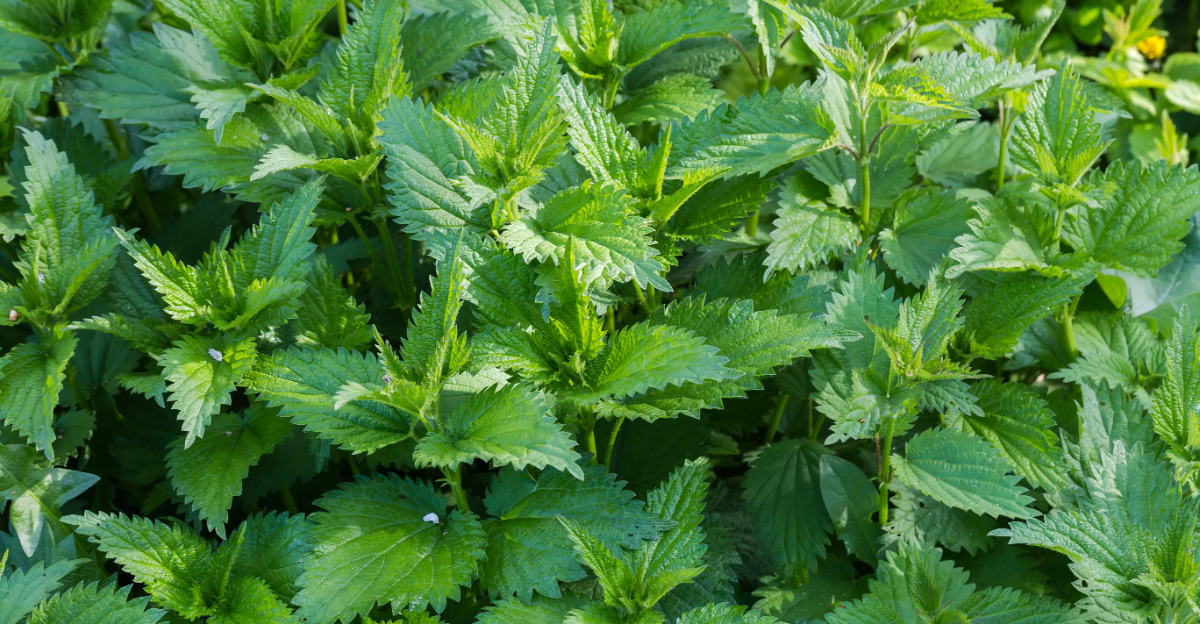
Few plants get pulled as quickly as the one that stings the moment your skin brushes against it while working in a Michigan garden.
Most people yank it out immediately, frustrated and rubbing at the irritation left behind on their hands or arms.
But this weed carries a surprising reputation once you look past that painful first impression, one that completely changes how many gardeners view this so called nuisance plant.
Understanding what makes it worth a second look could shift your entire approach the next time you spot it growing nearby.
Some gardeners have even started intentionally leaving a patch alone once they learn what it actually offers. It turns out the plant everyone avoids might be doing more for your garden than half the things you’re actually trying to grow there.
Once you know its story, you may never look at this weed the same way again.
1. The Sting Comes From Tiny Hairs
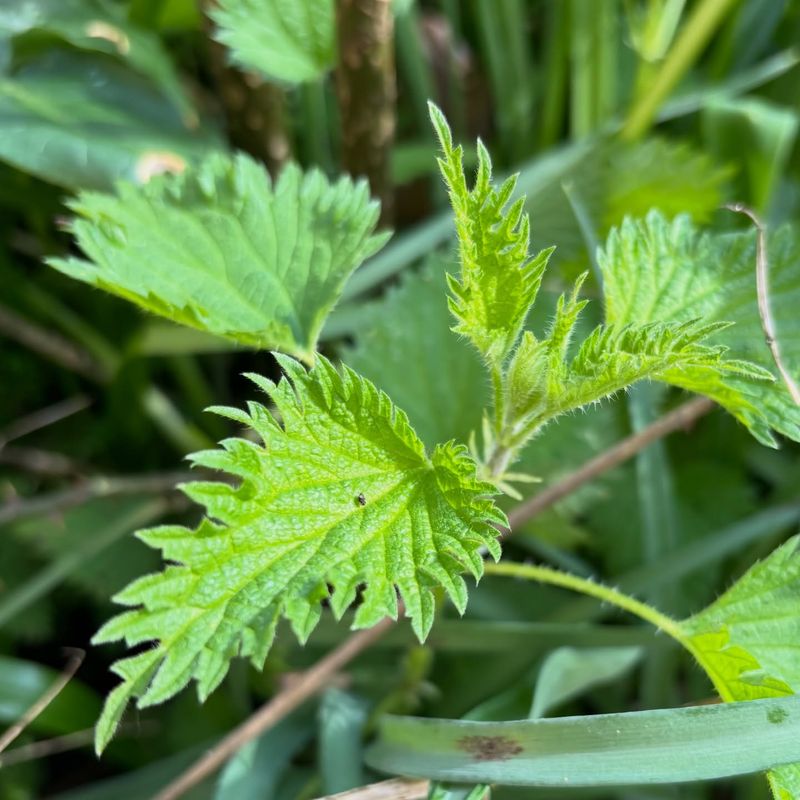
Those tiny hairs covering the leaves and stems are the reason nettle earned its name. Each one works like a super small needle made of a glassy material. When your skin bumps into them, the tips break off and poke you.
Once the tip snaps, a bit of stinging fluid slips into your skin. That fluid holds natural chemicals like formic acid and histamine, which set off that burning, itching feeling. It is the same kind of sting some ants can give, which is why it catches you off guard.
The reaction usually shows up as red bumps and a prickly sensation that can last from a few minutes to a few hours. Most people feel fine after a while, though it sure is annoying while it lasts. Cool water and a little patience often help calm things down.
What makes this clever is that the plant uses those hairs as armor. Hungry animals learn quickly to leave nettle alone, so the plant survives and spreads. It is a simple trick, but it works really well.
Interestingly, the sting mostly fades once the leaves are cooked or dried. Heat breaks down the parts that cause the burn, which is why people can safely eat nettle later. So the same plant that hurts your hand can become dinner with the right steps.
Next time you spot nettle, remember those hairs are tiny but mighty. Give the plant some space and it will not bother you at all.
2. It Loves Rich Soil
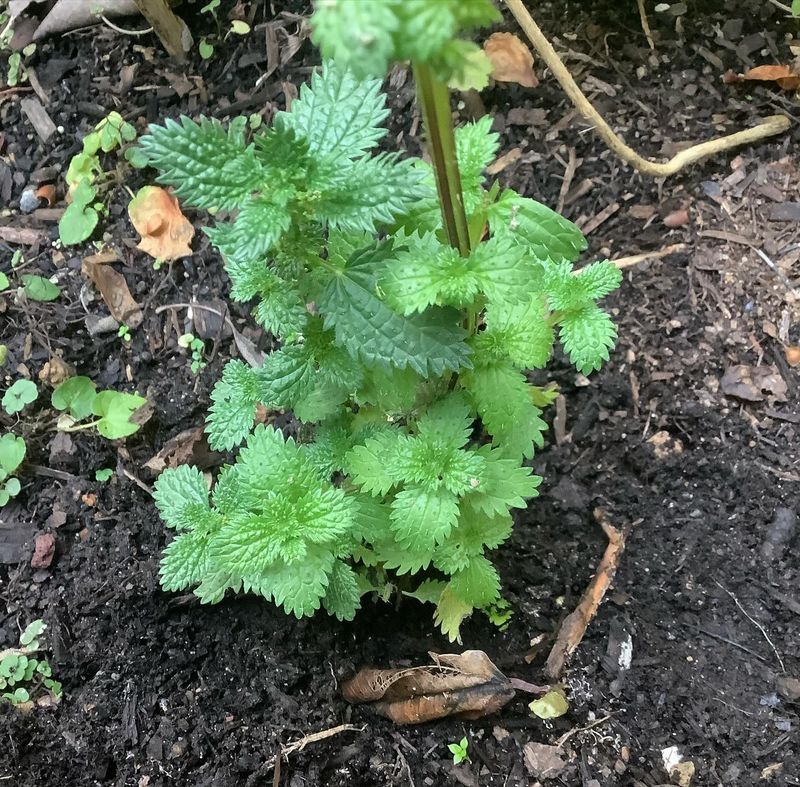
Ever notice nettle popping up in the same spots year after year? That is because this plant is picky about where it settles. It craves soil packed with nutrients, especially nitrogen and phosphorus.
You will often find thick patches near old barns, compost piles, riverbanks, and low areas where water collects. These places tend to hold lots of natural food for plants. Nettle takes full advantage and grows tall and strong there.
Because it likes moisture too, damp ground suits it perfectly. Shady woodland edges and ditches in Michigan give it the cool, wet conditions it enjoys. When soil stays rich and a bit soggy, nettle really takes off.
Your Michigan Garden Changes Every Week. Your Plan Should Too.
Gardening in Michigan changes quickly throughout the season. Every Friday you’ll receive a simple weekly plan showing exactly what to plant, prune, fertilize, harvest, and protect so you never miss the right timing.
Gardeners sometimes use this as a clue. If nettle shows up in a spot, the soil there is probably fertile and full of good stuff. Some folks even see it as a sign the ground would grow vegetables well.
The plant also gives back to the earth in its own way. As its leaves break down, they add nutrients right back into the soil. That makes the area even more welcoming for future growth.
People who make garden fertilizer sometimes soak nettle leaves in water to create a nutrient-rich liquid feed. Plants seem to love the boost it gives them. So the same weed that thrives in good dirt can help improve your dirt too.
Understanding where nettle grows helps you predict it. Check the damp, shady, nutrient-heavy corners of your yard, and you will likely find it waiting.
3. Butterflies Use This Plant
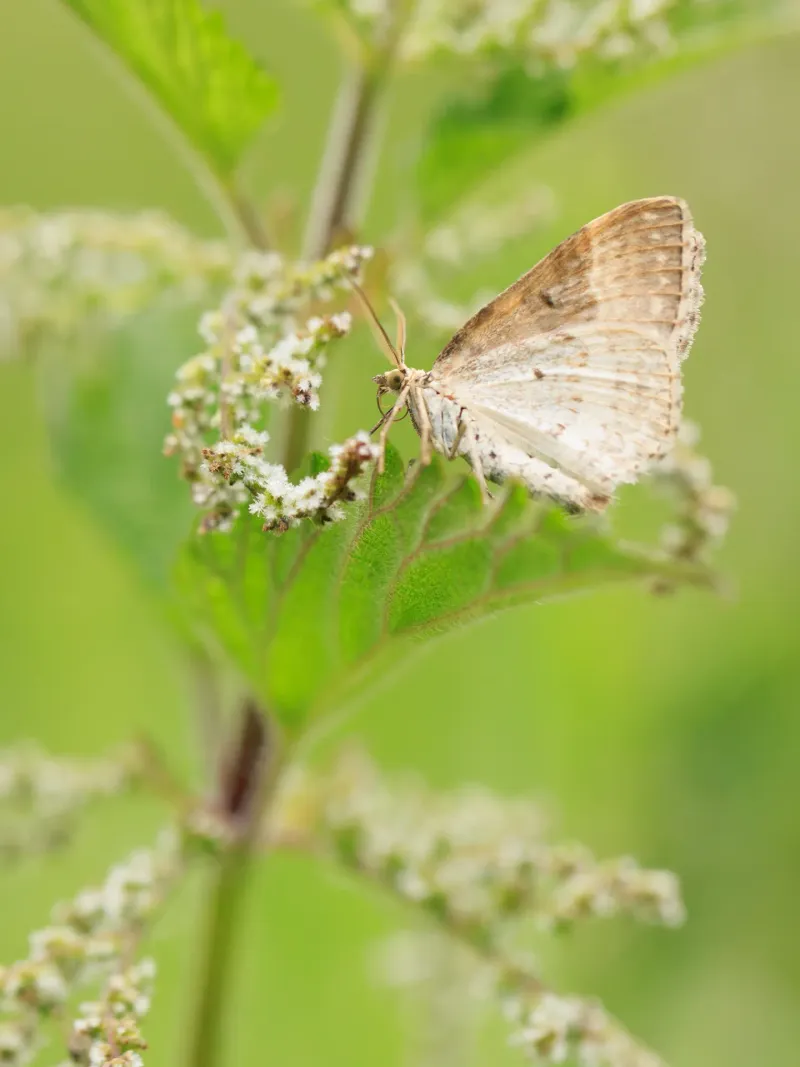
Here is a surprise that might change your mind about nettle. Several beautiful butterflies depend on it to raise their young. The prickly leaves that scare people away are a safe nursery for tiny caterpillars.
Species like the red admiral and painted lady lay their eggs right on nettle. Once the eggs hatch, the caterpillars munch happily on the leaves. The stinging hairs even help protect them from hungry birds and other predators.
The caterpillars are pretty clever about it. Some fold or spin the leaves together to make little shelters where they can hide and eat in peace. It is like having a snack bar and a safe fort all in one plant.
Without nettle, these butterflies would have a much harder time finding a place for their babies. That means a single weedy patch can support a whole cycle of colorful winged visitors. Pretty cool for a plant most people want gone.
If you enjoy watching butterflies flutter through your yard, leaving a small nettle patch in a back corner can help. You get the joy of extra pollinators without the plant taking over your main garden beds.
Many wildlife lovers plant nettle on purpose for this exact reason. It is a simple way to support local nature and bring more life into your space.
So the next time nettle bugs you, remember the butterflies that call it home. That little sting protects some of the prettiest creatures around.
4. Young Leaves Can Be Useful
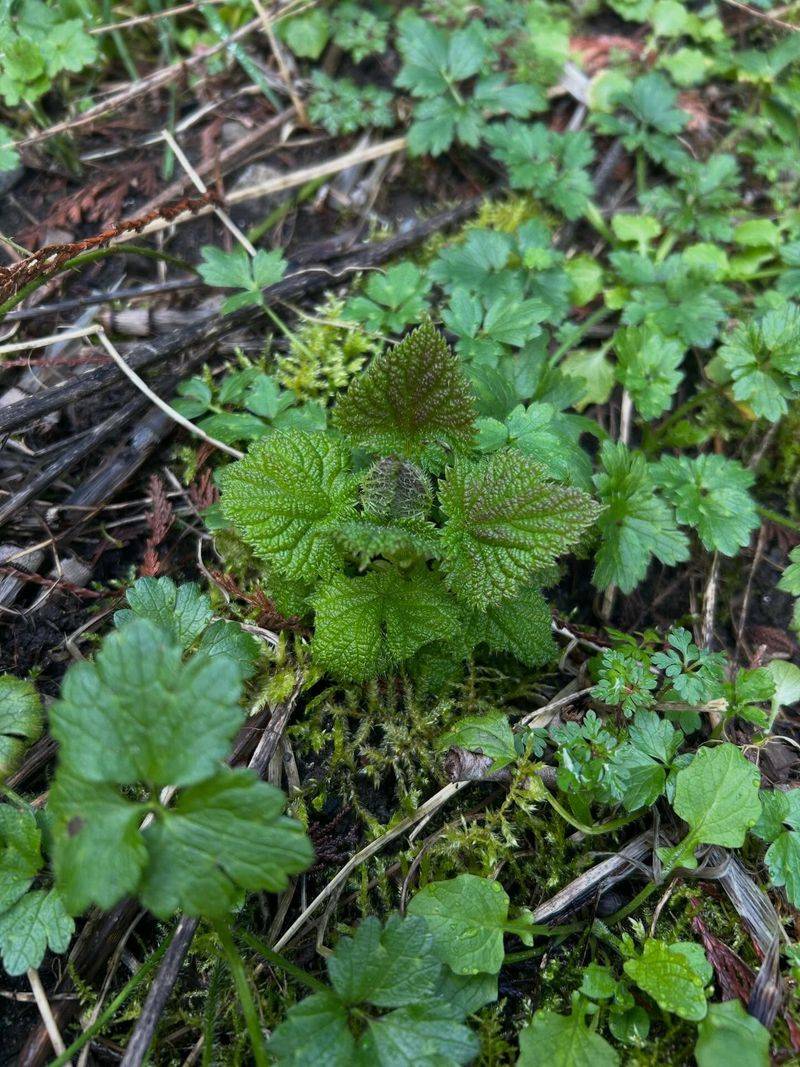
Believe it or not, that stinging plant can end up on your dinner plate. For hundreds of years, people have gathered young nettle leaves in spring and cooked them into tasty meals. The secret is treating them the right way first.
The sting completely goes away once the leaves are heated. Boiling, steaming, or sauteing breaks down the parts that cause the burn. After a quick cook, the leaves become soft and totally safe to eat.
Many people say cooked nettle tastes a lot like spinach, only a bit earthier. You can toss it into soups, stir it into pasta, or blend it into a green sauce. Some folks even brew the dried leaves into a warm, comforting tea.
Beyond the flavor, nettle packs plenty of good nutrition. The leaves carry vitamins, minerals, and iron that give your body a healthy lift. That is why it has been a springtime favorite in many cultures.
Only the young, tender tops are best for eating, and always gather them before the plant flowers. Older leaves get tough and gritty, so early spring is the prime time. Wear gloves while picking so you avoid the sting.
Always be sure you have correctly identified the plant before eating it. If you are new to foraging, learning from an expert first is a smart move.
Turning a painful weed into a nourishing meal feels like a neat little kitchen victory. It proves nettle is far more than a nuisance.
5. The Plant Has A Fiber History
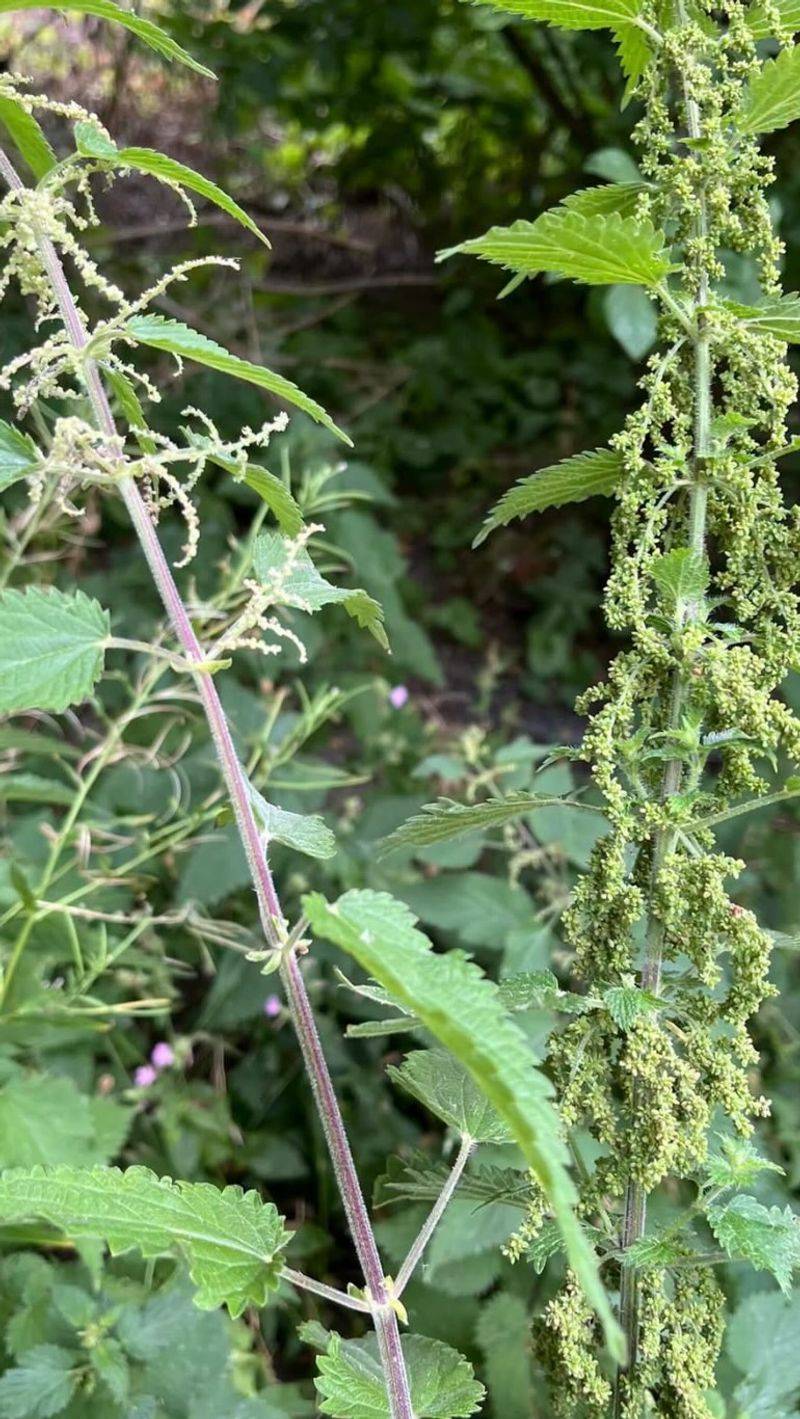
Long before cotton took over, people turned to nettle stems to make cloth. Hidden inside those stalks are strong, stringy fibers perfect for weaving. Folks figured this out thousands of years ago.
To get the fiber, people would soak and dry the stems, then peel out the tough strands inside. Those strands could be spun into thread and woven into fabric. The result was surprisingly durable material.
Nettle cloth was used for clothing, ropes, fishing nets, and bags. In some parts of Europe, it was a common material during times when other fabrics were hard to find. Soldiers even wore nettle-based cloth during certain wars when cotton ran short.
The fiber is smooth and strong, which made it a solid choice for everyday items. People valued it because the plant grew almost everywhere for free. Why buy material when a useful weed grew right outside the door?
Today, some designers and crafters have brought nettle fiber back. They like that the plant grows fast and does not need many chemicals or lots of water. That makes it a friendly option for eco-minded fashion.
Working with nettle fiber takes patience and skill, but the tradition keeps going. Modern makers blend it with other fibers to create soft, lasting fabric.
It is amazing to think a plant known for stinging hands once helped clothe entire communities. That long history shows just how resourceful people can be with what nature provides.
6. It Can Spread Through Roots
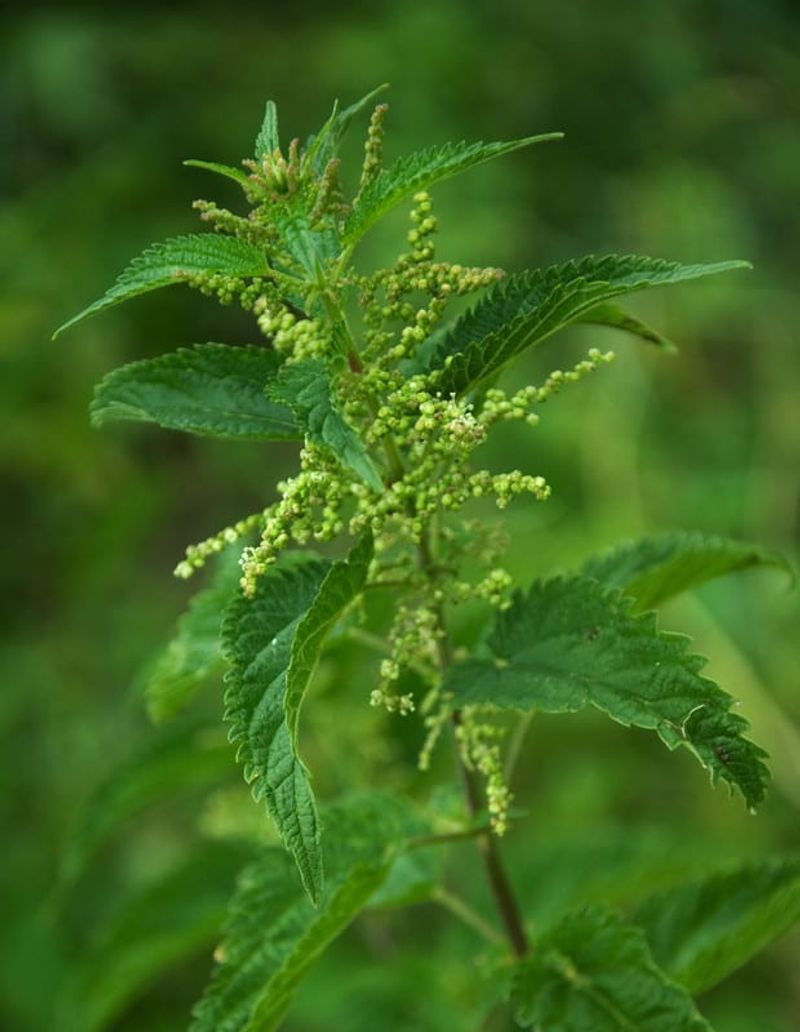
One nettle plant can quietly turn into a whole colony. The trick lies underground, where it grows creeping stems called rhizomes. These spread sideways through the soil and send up brand new shoots.
Because of this, a single patch can widen fast if nobody stops it. Even a small piece of leftover root can grow into a fresh plant. That is what makes nettle so tricky to fully remove.
Pulling the tops off does not do much on its own. The roots stay tucked in the ground and simply push up new growth again. Many gardeners feel like they are fighting the same battle over and over.
To really control it, you have to dig out as much of the root system as you can. Missing even a chunk gives the plant a chance to bounce back. Persistence is the name of the game here.
The rhizomes also help the plant survive winter and tough weather. They store energy underground and wake up when spring arrives. This makes nettle a hardy return visitor year after year.
In garden beds, this spreading habit can crowd out the plants you actually want. It steals space, water, and nutrients from your veggies and flowers. That is why catching it early matters so much.
If you notice a few nettle shoots, deal with them right away before the roots stretch out. A little effort now saves you a big headache later. Staying ahead of those underground runners keeps your garden yours.
7. Gloves Are Always Needed
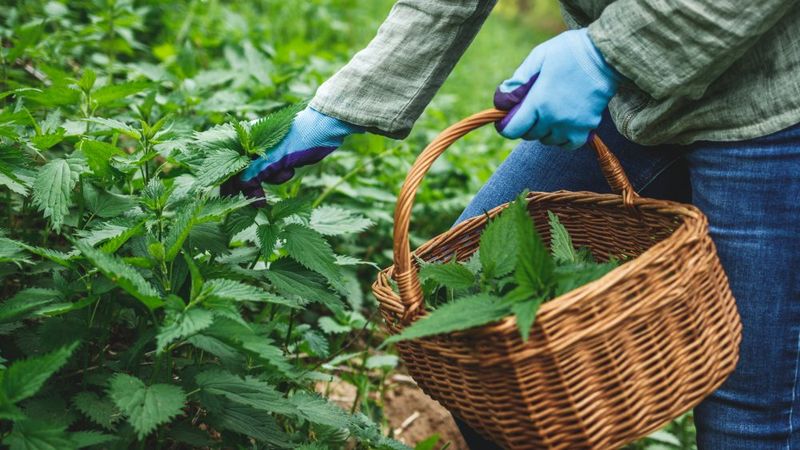
If you plan to tangle with nettle, protect your skin first. Those stinging hairs do not care whether you meant to touch the plant or not. One quick brush is all it takes for an itchy surprise.
Thick gardening gloves are your best friend here. Regular thin gloves might not be enough, since the tiny needles can poke right through soft material. Sturdy leather or heavy-duty rubber gloves work much better.
Cover the rest of yourself too. Long sleeves, long pants, and closed shoes keep the sting away from your arms, legs, and ankles. Nettle can reach any bare patch of skin it touches.
The hairs live on both the leaves and the stems, so grabbing anywhere without protection is risky. Even the underside of a leaf can get you. It pays to treat the whole plant with respect.
When you pull nettle, grip firmly and try to remove it in one steady motion. Toss the plants into a bag or bin instead of leaving pieces around. Bits left behind can still sting later and may root again.
If you do get stung, rinse the area with cool water and avoid rubbing it. Rubbing can push more of the stinging fluid into your skin. Give it time and the burning usually fades on its own.
Handling nettle safely turns a painful chore into a simple task. With the right gear, you stay comfortable and get the job done without a single sting.
8. Useful Does Not Mean Welcome Everywhere
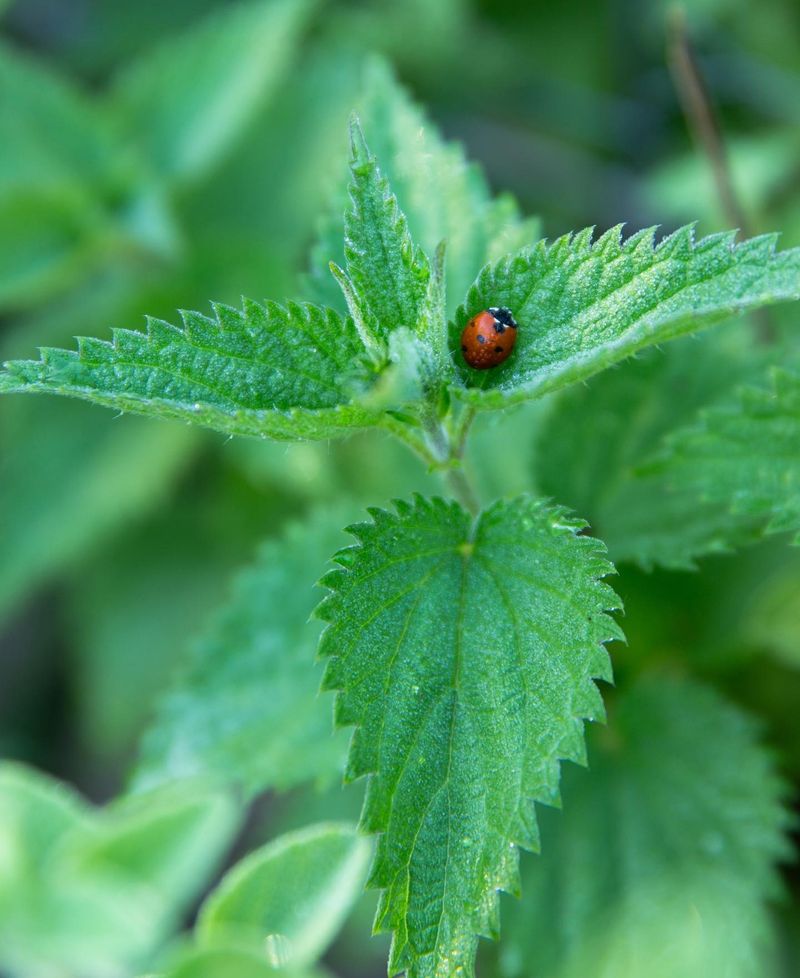
A plant can be both helpful and a hassle at the same time. Nettle proves this perfectly. It feeds butterflies and offers food and fiber, yet it still causes trouble in the wrong spots.
The problem is location. Nettle growing in a quiet back corner is wonderful for wildlife. That same plant sprouting beside a walkway or in a play area becomes a real nuisance.
Nobody wants a stinging surprise while walking to the mailbox. Kids and pets can bump into it without knowing, ending up with itchy skin. In busy spaces, safety comes first.
In garden beds, nettle competes hard with your favorite plants. Its spreading roots and fast growth can take over before you know it. Letting it run wild often means losing space you needed for veggies.
The smart move is balance. You can appreciate what nettle offers while still keeping it out of the places people use every day. Choosing where it grows makes all the difference.
Some gardeners set aside a small wild zone just for plants like this. That way butterflies get their nursery and the family keeps a safe, clear yard. Everybody wins with a little planning.
Managing nettle is not about hating it. It is about deciding what belongs where. Nature and neat gardens can share the same property with the right approach.
So give this prickly plant a fair shake, then guide it to the right home. Respect its value, control its reach, and you get the best of both worlds.