Why Tennessee Homeowners Are Trading Lawn Space For Food Gardens
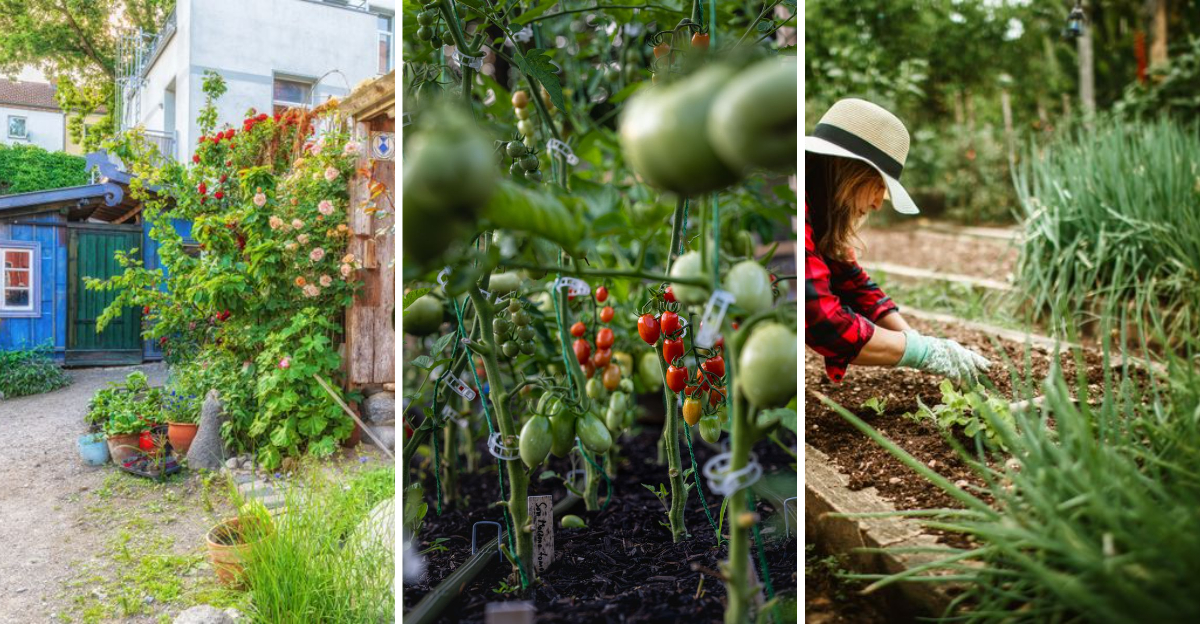
Grass is disappearing fast from front yards across Tennessee this entire summer. You already noticed the shovels leaning quietly against fences next door. Tomatoes now stand tall where thick, tidy sod used to stretch.
Prices at the grocery register refuse to slow down or apologize. Families across Tennessee are answering back with dirt under their fingernails. Nobody waited around long before reshaping their own front lawn.
Squash vines now climb tall trellises where mowers once stood. Peppers turn bright red while grocery totals keep climbing higher. Herbs crowd porches and windowsills constantly, fragrant, useful, and alive.
Control feels far better than mere convenience does right now. Every raised bed marks a small, quiet, personal declaration. Curiosity keeps pulling you toward your own patch of open soil.
Watching this unfold, you start questioning your own front lawn choices carefully. Nothing about your lawn will ever look ordinary again.
1. Rising Costs Push Families Toward Growing Food
Grocery bills are not playing around anymore. A single shopping trip can leave families surprised by the total at the register.
Prices on produce alone have jumped sharply over the past few years. Families across the state are feeling that squeeze every single week.
Growing your own food flips that script fast. A single packet of tomato seeds costs just a few dollars and, with good care, can produce fruit for a family throughout the growing season.
Raised beds can pay for themselves within one season. Many homeowners find that an established garden meaningfully reduces their annual grocery spending.
The savings can be significant once you see the numbers side by side. Spending twenty dollars on soil and seeds beats spending that same amount on two bags of salad greens.
Many families start small with just one raised bed. That first harvest often changes how they think about grocery shopping going forward.
Food insecurity is also a real concern for many households. Having a steady supply of homegrown vegetables removes some of that financial pressure month after month.
Tennessee homeowners trading lawn space for food gardens are making a genuinely smart economic choice. Your lawn cannot feed you, but a garden absolutely can.
2. Homegrown Produce Tastes Fresher Than Store-Bought
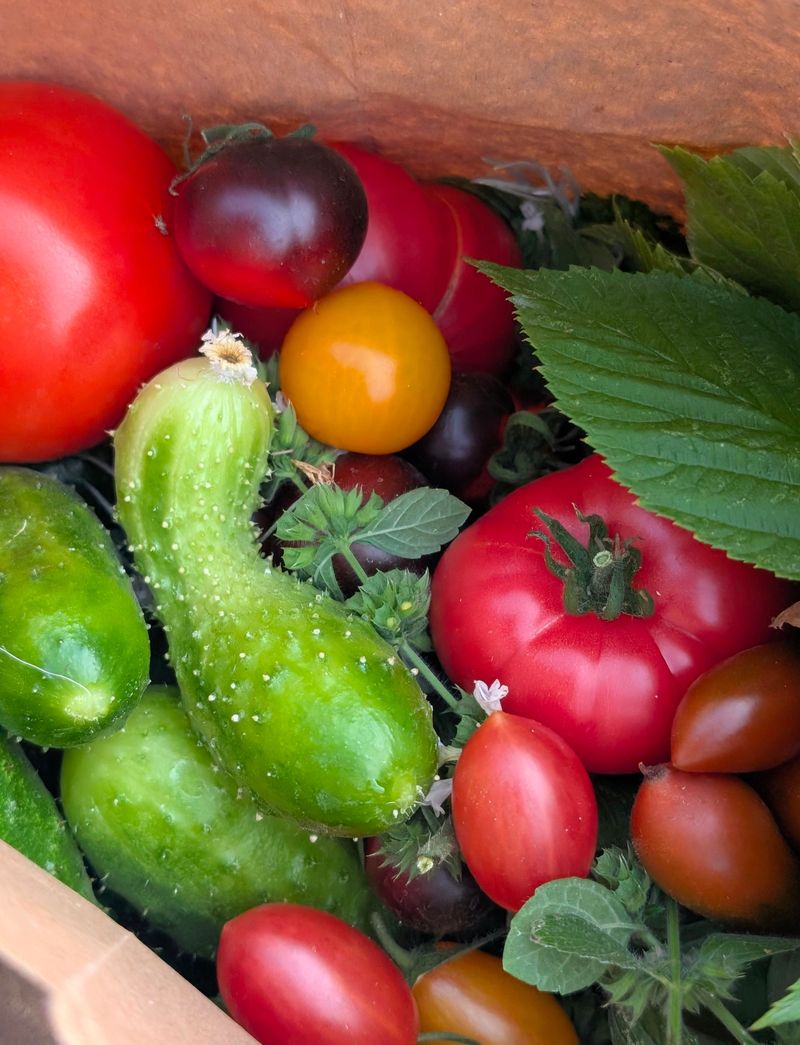
Bite into a tomato from your own garden and you will never want a grocery store tomato again. The difference is not subtle at all.
Store-bought produce travels hundreds of miles before it reaches your plate. That journey strips away flavor, texture, and nutrients that you simply cannot get back.
Homegrown vegetables are picked at peak ripeness, not weeks early. That timing alone makes an enormous difference in how food actually tastes on your fork.
Gardeners often describe their first backyard harvest as a revelation. A cucumber picked fresh and eaten within minutes tastes almost like a completely different vegetable.
Herbs are another game changer for home growers. Fresh basil, mint, and cilantro grown steps from your kitchen make every meal taste more vibrant and alive.
Heirloom varieties offer flavors that commercial farms simply do not grow at scale. Purple Cherokee tomatoes, lemon cucumbers, and dragon tongue beans are just a few crowd favorites among local gardeners.
Your Tennessee Garden Changes Every Week. Your Plan Should Too.
Gardening in Tennessee changes quickly throughout the season. Every Friday you’ll receive a simple weekly plan showing exactly what to plant, prune, fertilize, harvest, and protect so you never miss the right timing.
Chefs have long known this secret about freshness. Home cooks who grow their own produce start cooking with more confidence and creativity because the ingredients inspire them.
There is also something deeply satisfying about serving a meal you grew yourself. That pride adds a flavor no grocery store label can ever replicate or bottle.
3. Small Yards Still Offer Enough Garden Space
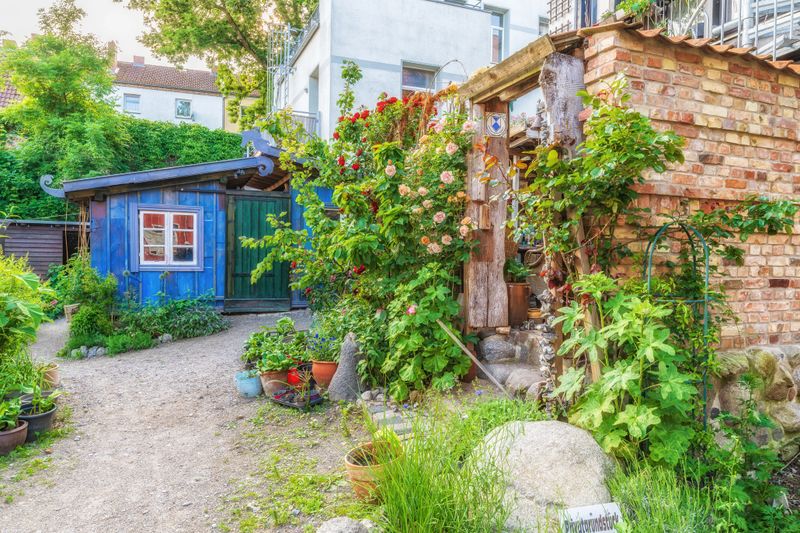
You do not need a sprawling farm to grow real food. Even a modest patch of yard can produce a surprising amount of fresh vegetables.
Container gardening has opened up possibilities for people with tiny outdoor spaces. Tomatoes, peppers, and lettuce all thrive happily in large pots on a sunny patio.
Vertical gardening takes things even further by using wall space instead of ground space. Trellises, pocket planters, and stacked systems let gardeners grow upward instead of outward.
A four-by-eight raised bed can produce enough food to supplement a family’s weekly salads all season. That is a pretty impressive return for a space smaller than a parking spot.
Square-foot gardening is a popular method that maximizes every inch of available soil. Planting in a grid pattern instead of rows squeezes more vegetables into less space efficiently.
Window boxes are another underrated option for apartment dwellers or homeowners with minimal yard access. Herbs, lettuce, and radishes grow beautifully in a sunny window box.
Many gardeners also repurpose unused side yards, fence lines, and walkway edges. Those forgotten strips of ground can become productive growing zones with just a little creativity.
The size of your yard is far less important than your willingness to use it well. Small spaces grow big rewards when you plan them thoughtfully and plant with purpose.
4. Tennessee’s Climate Supports A Long Growing Season
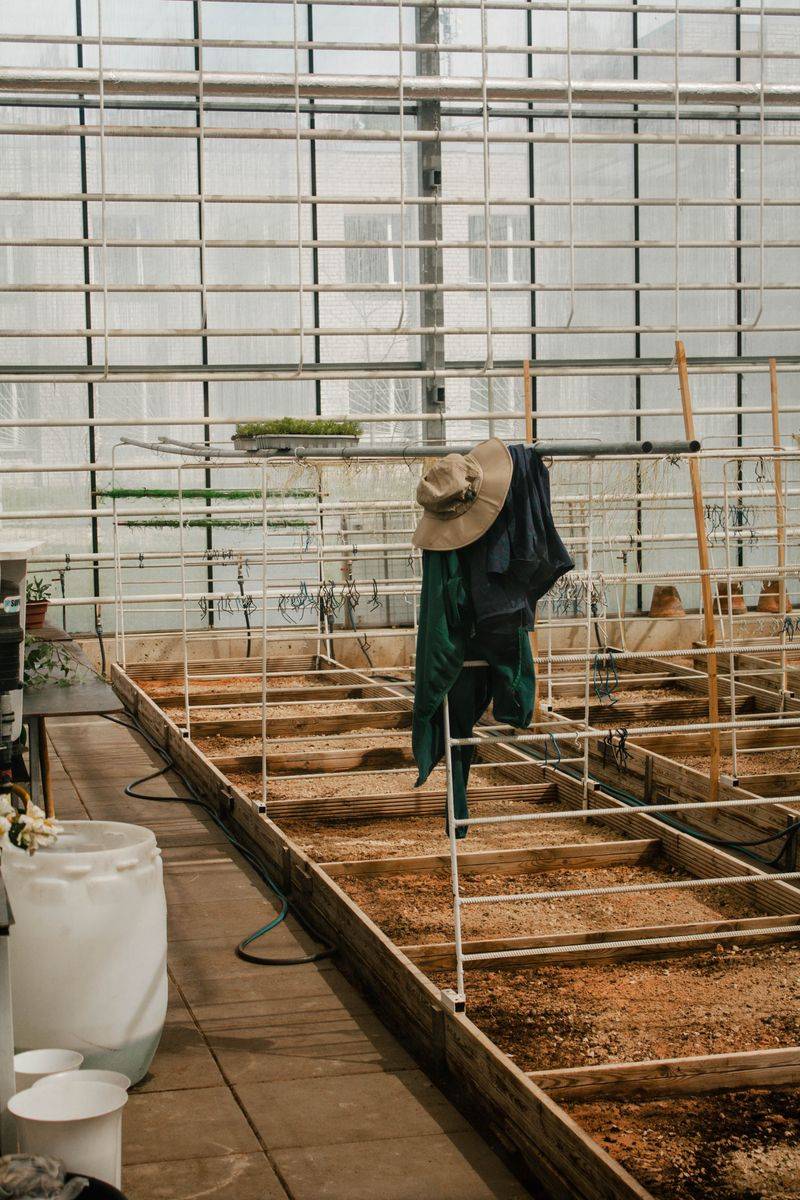
Living in Tennessee comes with a serious gardening advantage that most people never fully appreciate. The growing season here stretches far longer than in most northern states.
Spring planting can begin as early as late February in many parts of the state. That head start gives gardeners months of production before summer even officially arrives.
Warm summers support heat-loving crops like okra, sweet corn, watermelon, and peppers. These plants thrive in the long sunny days that Tennessee summers reliably deliver year after year.
Fall gardening is where things get really exciting for local growers. Cooler temperatures from September through November are perfect for leafy greens, root vegetables, and brassicas.
Kale, spinach, carrots, and broccoli actually taste sweeter after a light frost. That natural sugar boost is a lesser-known benefit of gardening through the fall.
Some dedicated gardeners extend their season even further with row covers and cold frames. These simple tools protect plants from frost and push harvest time well into December.
The mild winters in many lower elevation areas of the state allow certain crops to overwinter outdoors. Garlic, onions, and hardy greens can survive and thrive through the coldest months.
That kind of year-round potential is a major reason why Tennessee homeowners trading lawn space for food gardens keep expanding their growing areas each season. More months growing means more food on the table.
5. Gardening Provides Stress Relief Outdoors
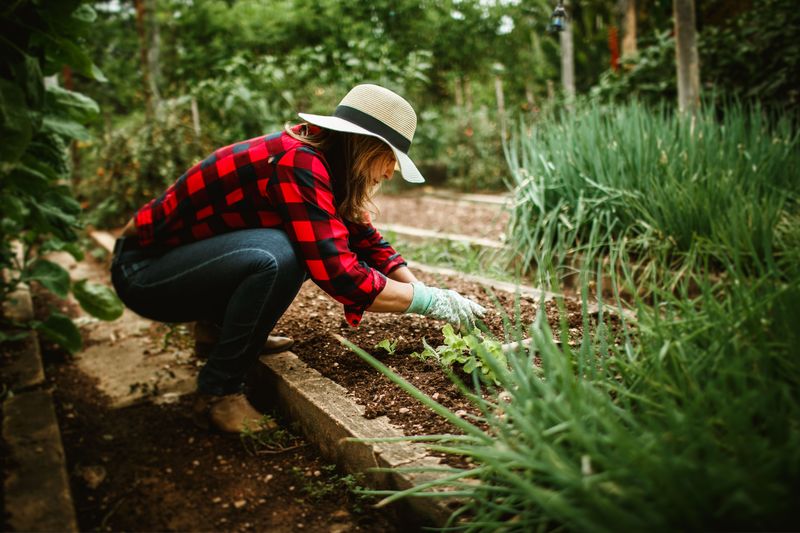
There is something genuinely calming about putting your hands in the soil. The stress of a long workday seems to melt away within minutes of being in the garden.
Some early research suggests gardening may support a better mood. While the science is still developing, many gardeners simply enjoy how relaxed they feel after time outside.
Being outside in natural light also helps regulate the body’s internal clock. Sunlight exposure during outdoor gardening supports better sleep, sharper focus, and a calmer overall mood.
Gardening gives the mind a gentle but absorbing task to focus on. Weeding, watering, and pruning require just enough attention to quiet anxious or racing thoughts effectively.
Many people describe their garden as their favorite place to decompress after work. That daily ritual of tending plants creates a reliable and grounding mental health routine.
Physical movement in the garden also adds up quickly without feeling like exercise. Digging, bending, hauling soil, and carrying water all build strength and burn calories naturally.
Families who garden together often report stronger communication and connection with each other. Shared outdoor time, away from screens and noise, creates the kind of calm that modern life rarely offers on its own.
6. Neighbors And Groups Inspire Participation
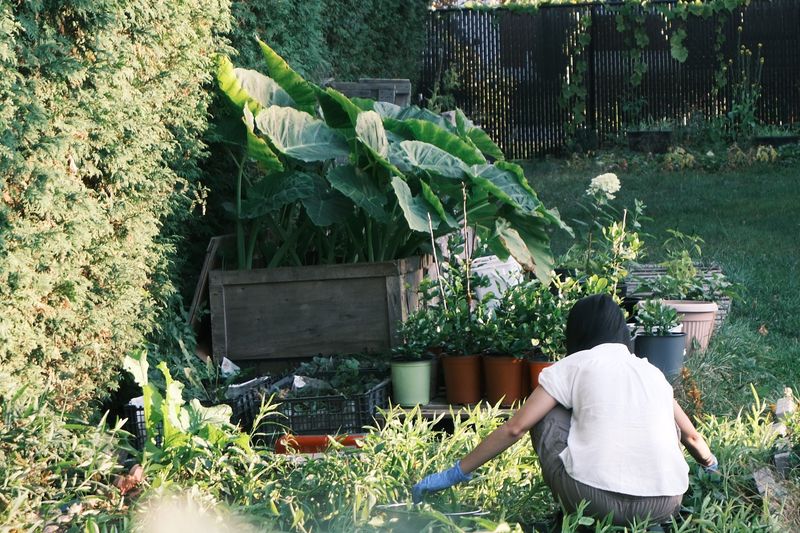
Gardening used to feel like a solo hobby, but that is changing fast in neighborhoods across the state. Community gardens and neighborhood growing groups are popping up everywhere.
Seeing a neighbor’s raised beds overflowing with tomatoes is one of the most effective forms of advertising. Curiosity is contagious, and so is enthusiasm about a great harvest.
Community garden plots give people without yard space a dedicated place to grow food. These shared spaces also create a natural gathering point for neighbors who might never otherwise meet.
Local Facebook groups and neighborhood apps are full of people swapping seeds, sharing tips, and trading surplus produce. That generosity builds a sense of connection that goes well beyond gardening itself.
Master Gardener programs across the state often offer free or low-cost workshops and hands-on support for beginners. These volunteer-led programs lower the barrier for anyone who feels intimidated by starting from scratch.
County extension offices often provide low-cost or subsidized soil testing, along with planting guides specific to local growing zones. That kind of tailored advice makes a real difference in first-year success rates.
Plant swaps are another beloved tradition in many communities. Bringing a flat of seedlings to trade with neighbors is a fun and affordable way to diversify a home garden quickly.
Once you join a gardening community, the momentum carries you forward. Encouragement from fellow growers keeps beginners motivated through the inevitable early mistakes and learning curves.
7. Kids Learn Where Their Food Comes From
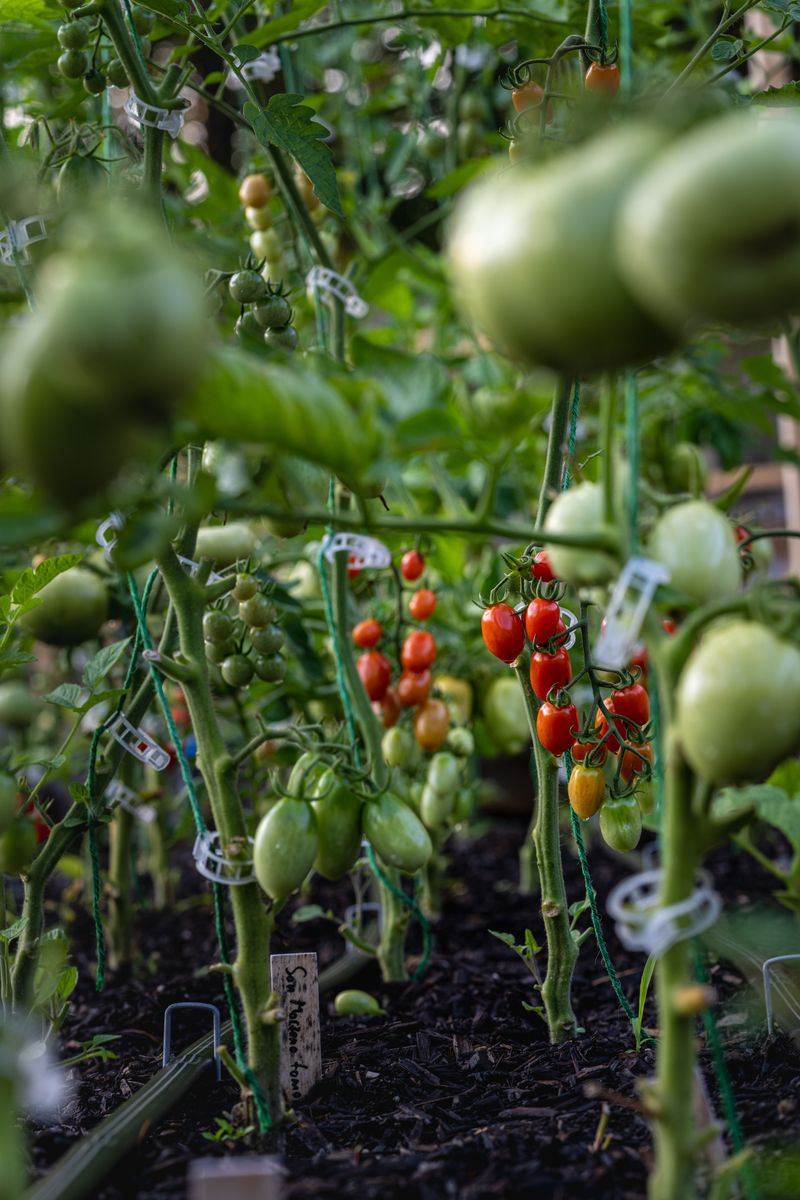
Ask a child where carrots come from and many will say the grocery store. A backyard garden changes that answer permanently and delightfully.
Growing food with kids gives them a hands-on, close-up look at how plants grow. Watching a seed sprout into a plant that feeds the family is a genuinely engaging experience for kids.
Children who grow vegetables are often more willing to eat them. That is a win most parents would happily trade a patch of lawn for.
That is a win most parents would happily trade a patch of lawn for without a second thought.
Garden chores teach responsibility in a hands-on and meaningful way. Watering, weeding, and harvesting give kids real tasks with real consequences and real rewards attached.
Science comes alive in a garden setting in ways no classroom can fully replicate. Kids observe pollination, photosynthesis, composting, and the water cycle all in one small outdoor space.
Math sneaks into gardening too, through measuring rows, spacing plants, and tracking days to harvest. Learning feels effortless when it happens while getting your hands dirty outside.
Family gardens also create shared memories that children carry into adulthood. Many adults who love cooking today trace that passion back to a childhood garden experience.
Raising kids who understand where food originates builds a foundation for healthier choices throughout their lives. Tennessee homeowners trading lawn space for food gardens are giving their children something no screen can offer.
8. Sustainability Concerns Drive Home Growing
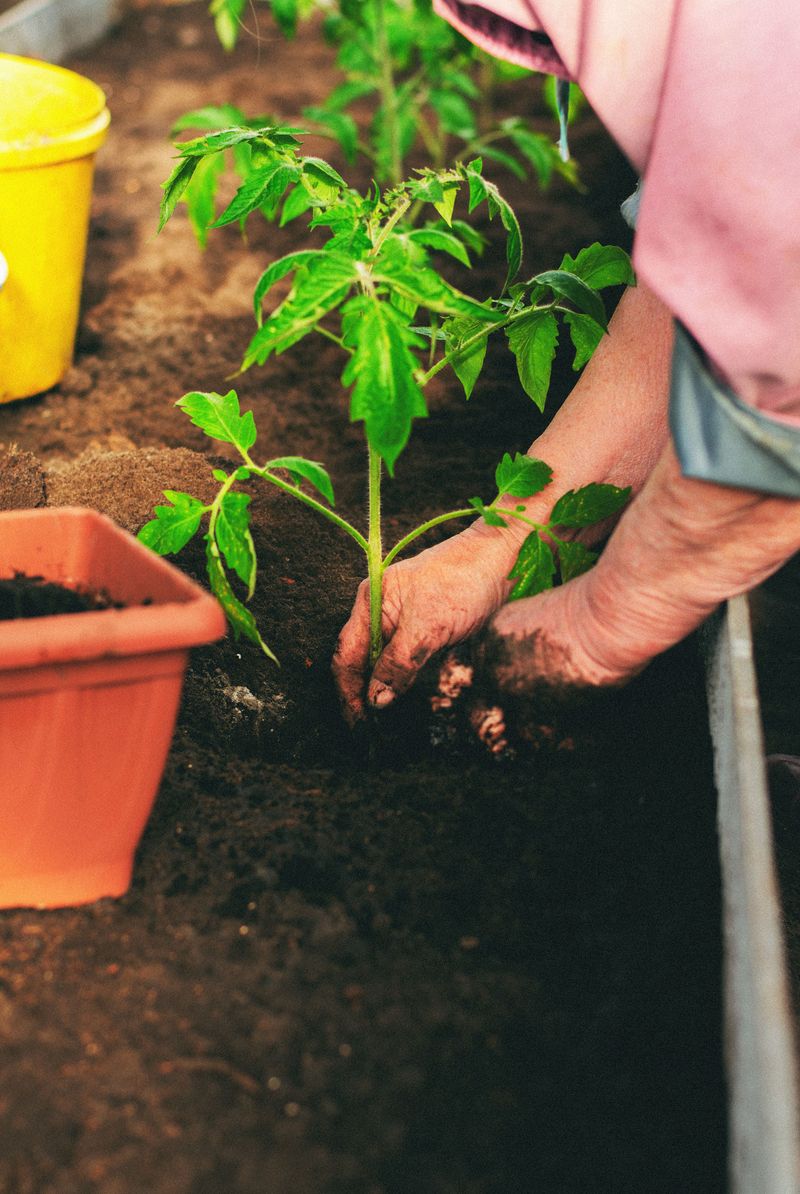
More families are thinking seriously about where their food comes from and at what cost to the planet. That awareness is pushing many toward growing food at home.
Commercial agriculture relies heavily on fossil fuels for transportation, refrigeration, and packaging. A backyard garden reduces most of that carbon footprint with almost no effort.
Composting kitchen scraps is one of the most satisfying sustainability habits a household can adopt. Turning food waste into rich garden soil closes a natural loop that just makes sense.
Rainwater collection is another practice gaining traction among home gardeners. A simple barrel system reduces water bills and conserves a precious resource at the same time.
Avoiding synthetic pesticides and herbicides is a priority for many sustainability-minded growers. Organic methods like companion planting and hand-picking pests protect the garden without harming local ecosystems.
Pollinators like bees and butterflies thrive in food gardens filled with flowering plants. Creating that habitat in your own backyard contributes to broader ecological health in your neighborhood.
Heirloom seed saving is another growing trend among environmentally conscious gardeners. Preserving rare varieties builds genetic diversity and reduces dependence on commercial seed suppliers.
Every tomato grown at home is one less shipped from hundreds of miles away. Tennessee homeowners trading lawn space for food gardens are making choices that benefit their families and their planet at the same time.