Why Goldenrod Doesn’t Cause Your Allergies (Ragweed Does) – And Why Ohio Gardens Need It
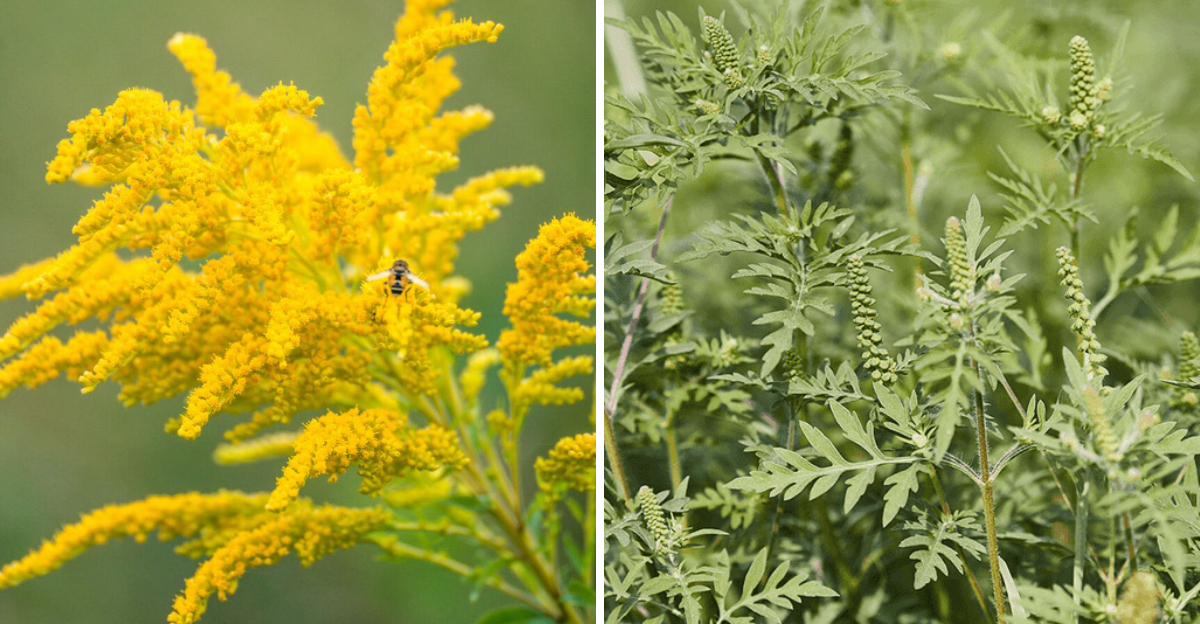
Goldenrod gets blamed for your itchy eyes and sneezing every fall, and it’s almost never the actual cause.
That bright yellow bloom lighting up Ohio roadsides right now relies on insects to move its pollen, heavy, sticky grains built to cling to a bee’s legs, not drift through the air into your sinuses.
Ragweed does the opposite. It releases lightweight pollen by the billions, straight into the wind, at the exact same time goldenrod happens to be blooming nearby.
Wrong plant, right season, and decades of confusion later, goldenrod still carries a reputation it never earned. That mistaken identity has cost Ohio gardens a genuinely valuable native plant, one pollinators depend on heavily as summer color fades.
Setting the record straight changes how you might look at this plant growing wild along your own property.
1. Ragweed Is The Real Fall Allergy Culprit
Fall sneezing season hits Ohio hard every August through October, and for decades, goldenrod has taken the blame. The timing feels logical at first glance.
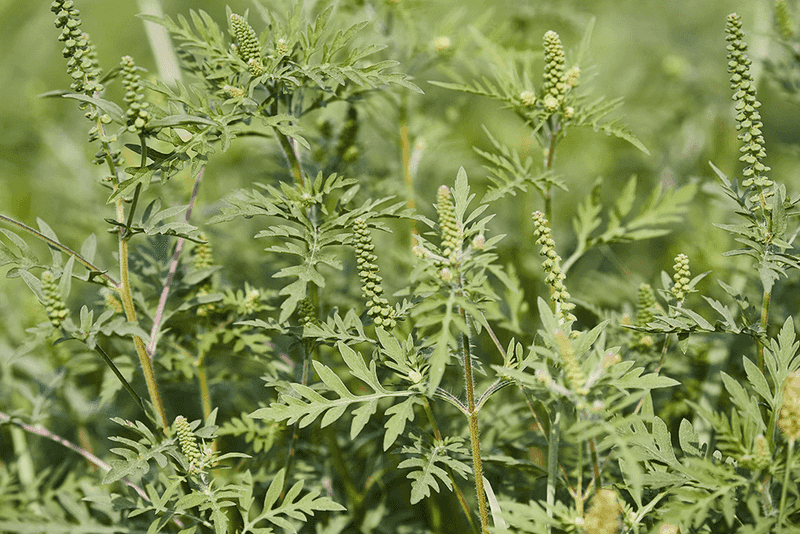
Both plants bloom around the same time, and goldenrod is easy to spot with its bright yellow clusters standing tall along roadsides and fields. Ragweed, by contrast, blends into the background with its small, greenish flower spikes that most people walk right past without noticing.
Ragweed is the far more significant airborne allergen of the two. According to the American Academy of Allergy, Asthma and Immunology, ragweed pollen is one of the most common triggers of seasonal allergic rhinitis in North America.
A single ragweed plant can release billions of pollen grains during a season. That pollen is extremely lightweight, which allows the wind to carry it for miles.
Ohio State University Extension notes that common ragweed, Ambrosia artemisiifolia, and giant ragweed, Ambrosia trifida, are both widespread across the state. Both species release airborne pollen in large quantities during late summer and fall.
Goldenrod pollen, by comparison, is rarely the primary cause of widespread airborne fall allergy symptoms. Ragweed is simply better designed by nature to travel through the air and trigger reactions in sensitive people nearby.
2. Goldenrod Pollen Mostly Stays Put
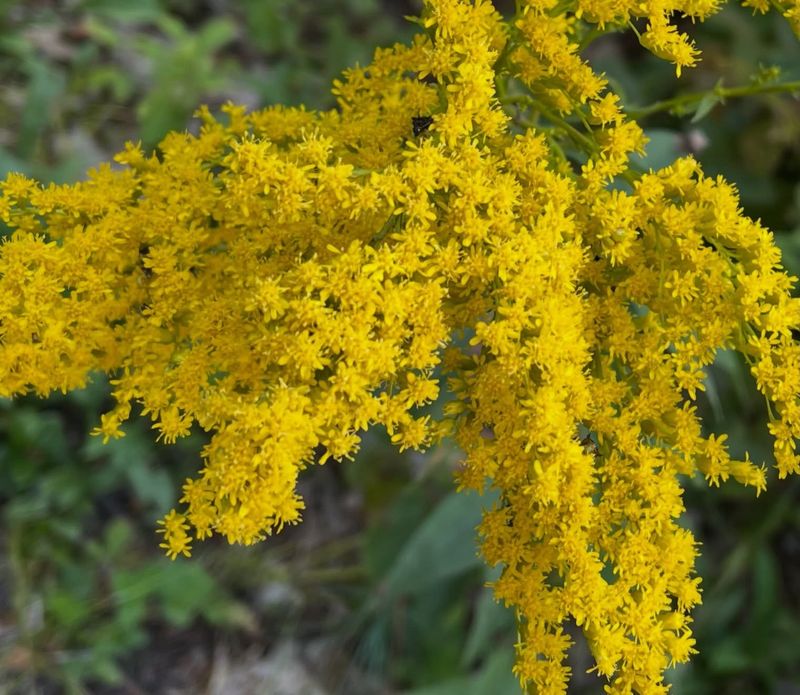
Watch a patch of goldenrod on a sunny afternoon and you will notice something interesting. Bees, beetles, and butterflies are constantly landing on the flowers.
That activity is not accidental. Goldenrod relies heavily on insects to move its pollen from flower to flower, which is a system called entomophily, or insect pollination.
Because goldenrod needs insects to carry its pollen, the pollen grains are built differently from ragweed pollen. Goldenrod pollen is relatively heavy and sticky, designed to cling to the bodies of visiting insects.
It is not the kind of pollen that floats freely through the air in massive clouds the way ragweed pollen does. This physical difference is a major reason why goldenrod rarely causes the kind of widespread airborne allergy symptoms that ragweed triggers.
Ohio State University Extension confirms that goldenrod is insect-pollinated. That helps explain why its pollen is not typically a major airborne allergen for most people.
Your Ohio Garden Changes Every Week. Your Plan Should Too.
Gardening in Ohio changes quickly throughout the season. Every Friday you’ll receive a simple weekly plan showing exactly what to plant, prune, fertilize, harvest, and protect so you never miss the right timing.
That said, someone who buries their face directly in goldenrod flowers could potentially pick up pollen through direct contact. For the average person walking through a meadow or neighborhood, ragweed is the more likely cause of sneezing.
Goldenrod growing nearby is far less likely to be responsible.
3. Late Blooms Keep Pollinators Fed
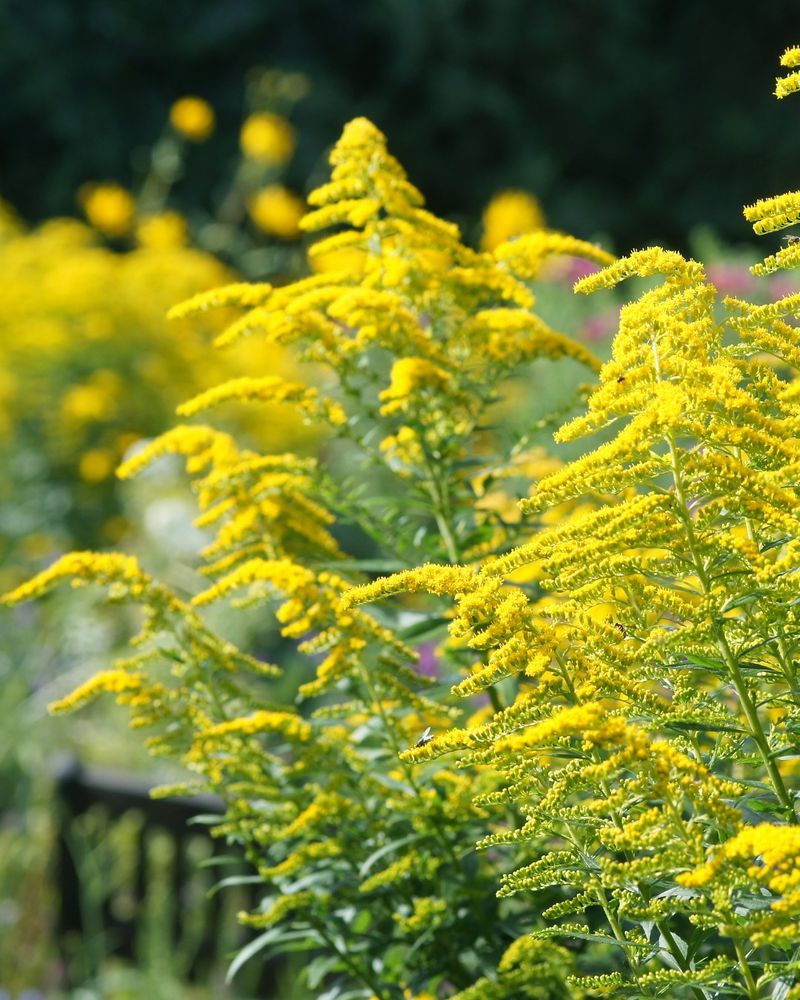
By the time September arrives in Ohio, many of the summer’s most reliable nectar sources have already faded. Coneflowers finish up.
Bee balm goes to seed. Milkweed pods begin to split open and release their fluff.
Just as the garden starts to feel like it is winding down, goldenrod steps in and delivers a generous flush of late-season food.
The State University Extension and related native plant resources recognize goldenrod as a valuable late-season nectar and pollen source for a wide range of pollinators. Bees need to build food stores before cooler months arrive.
A reliable nectar source in September and October can benefit both colonies and solitary bee species. Butterflies preparing for migration or looking for energy before temperatures drop also benefit from these late blooms.
Late-blooming plants like goldenrod help fill what ecologists sometimes call a late-season gap in food availability. Summer bloomers have finished, and many insects still need fuel.
A yard or garden that includes goldenrod extends the active feeding season well past what most ornamental gardens offer. Planting even a modest patch in a yard gives visiting insects a meaningful food source at a time when options are genuinely scarce.
That kind of ecological generosity costs the gardener very little effort.
4. Monarchs Get A Fall Nectar Boost
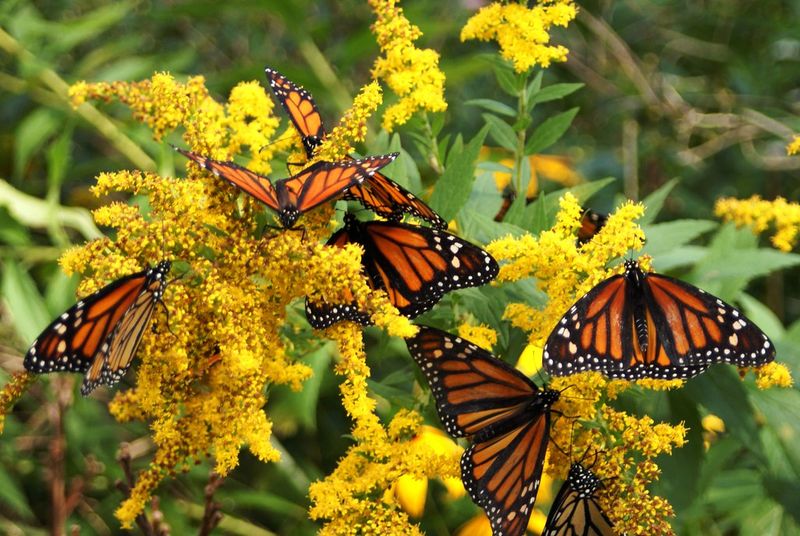
Monarch butterflies passing through Ohio in late summer and early fall are on one of nature’s most remarkable journeys.
They are heading from breeding grounds across the eastern United States and Canada all the way to overwintering sites in the mountains of central Mexico.
That journey demands enormous amounts of energy, and adult monarchs fuel it almost entirely by drinking nectar from flowers along the way.
Goldenrod is frequently noted as a nectar source that monarchs visit during their fall migration. The U.S.
Fish and Wildlife Service and monarch conservation organizations recognize goldenrod as a fall-blooming resource. It forms part of the broader landscape supporting migrating adult monarchs.
Adult monarchs feed on nectar from a variety of flowers. Goldenrod is a nectar plant, not a host plant.
Monarch caterpillars require milkweed as their host plant, which is an entirely different and separate role in the monarch life cycle.
Ohio sits along a significant migration corridor for monarchs moving south and west toward Mexico. Having goldenrod in bloom across yards, roadsides, and natural areas means migrating monarchs have reliable pit stops available.
Planting goldenrod alongside native milkweed species in a garden addresses two different needs for monarchs at two different life stages.
Together, those plants make a yard meaningfully more supportive for one of the most watched insect migrations in North America.
5. Native Bees Crowd The Golden Flowers
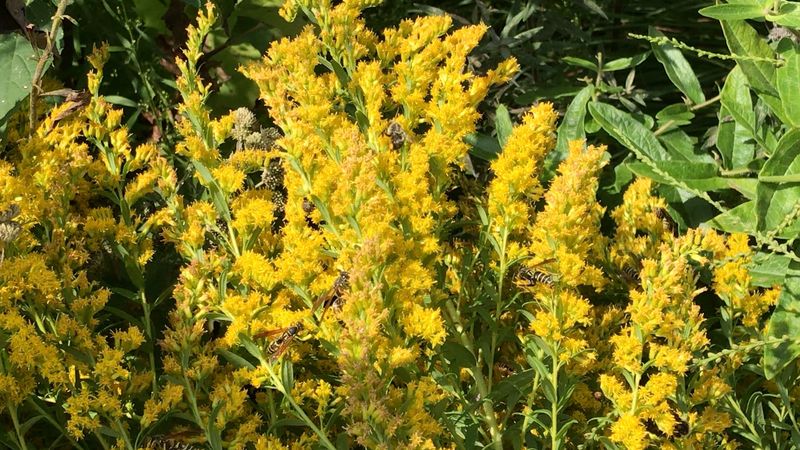
Step up close to a patch of goldenrod in bloom and the activity happening on those tiny flower clusters can be genuinely surprising. The individual flowers are small, but they grow together in dense arching sprays.
That structure creates an accessible feeding platform for many insect visitors. The open flower structure makes nectar and pollen relatively easy to reach, which is part of why so many different species show up.
Ohio State University Extension and entomology resources note that goldenrod supports a wide range of native bee species.
Bumblebees are among the most visible visitors, but smaller native bees including sweat bees and mining bees also work goldenrod flowers regularly.
Some bee species have been documented with particularly strong associations with goldenrod pollen. Beyond bees, goldenrod flowers attract beetles, wasps, flies, and other beneficial insects that contribute to a healthy garden ecosystem.
The diversity of insects using goldenrod goes beyond just feeding. Predatory insects like ambush bugs and spiders also use goldenrod as a hunting ground, which adds another layer of ecological function to the plant.
A single clump of goldenrod in a yard can support food webs that extend well beyond what is immediately visible. Choosing goldenrod as part of a native planting is not just about adding color.
It is about adding a plant that genuinely pulls its ecological weight in the garden.
6. Goldenrod Keeps Working After Summer
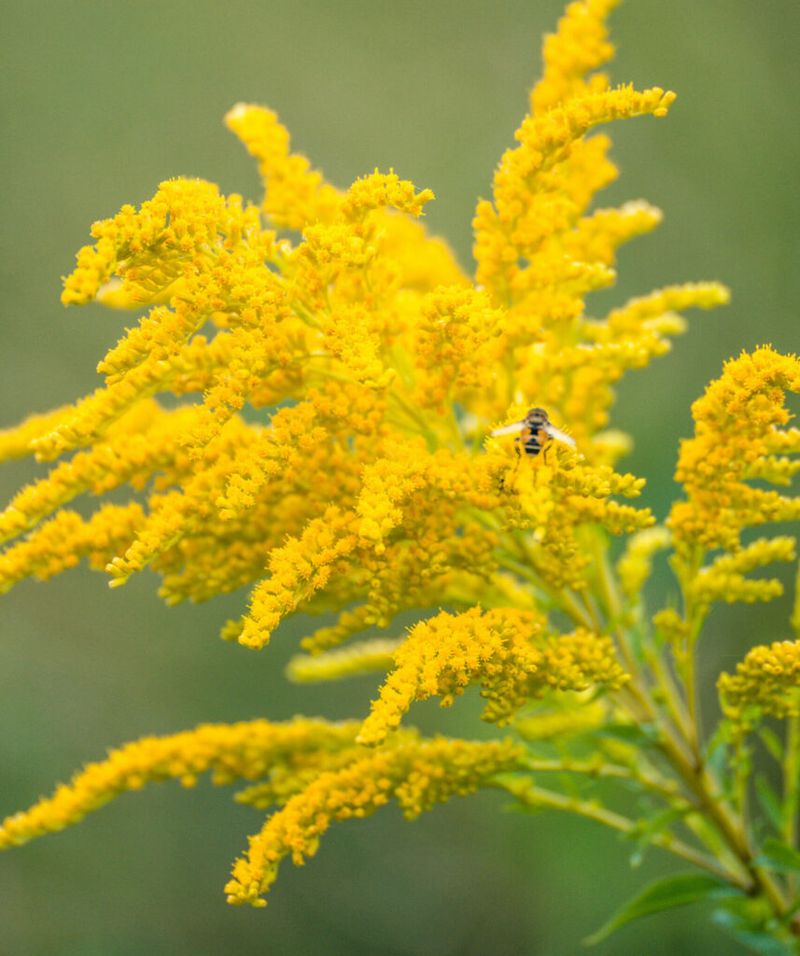
Most ornamental gardens hit their peak sometime between June and August. After that, the color starts to fade, seed heads replace flowers, and the garden can feel like it is just waiting for winter.
Goldenrod pushes back against that pattern in a meaningful way. Depending on the species, goldenrods can bloom from late July through October.
This extends the garden’s visual season beyond what many other perennials offer.
Ohio State University Extension acknowledges that bloom timing varies among goldenrod species and is also influenced by local growing conditions, site, and weather. Gardeners should not expect every goldenrod to bloom on the same schedule.
Choosing a mix of species with slightly different bloom windows can help spread the color and ecological value across a longer stretch of the season. That kind of layered planting approach is a solid strategy for keeping a garden active and interesting into fall.
Beyond the flowers themselves, goldenrod seed heads provide food for small birds like goldfinches and sparrows after blooming ends. The upright stems and foliage also offer overwintering habitat for native insects that nest or shelter in plant material.
Native plant advocates recommend leaving goldenrod stems standing through winter. This simple practice provides support for beneficial insects.
A plant that feeds pollinators, birds, and insects across multiple seasons earns its place in any garden.
7. Ohio Has Goldenrods For Sun And Shade
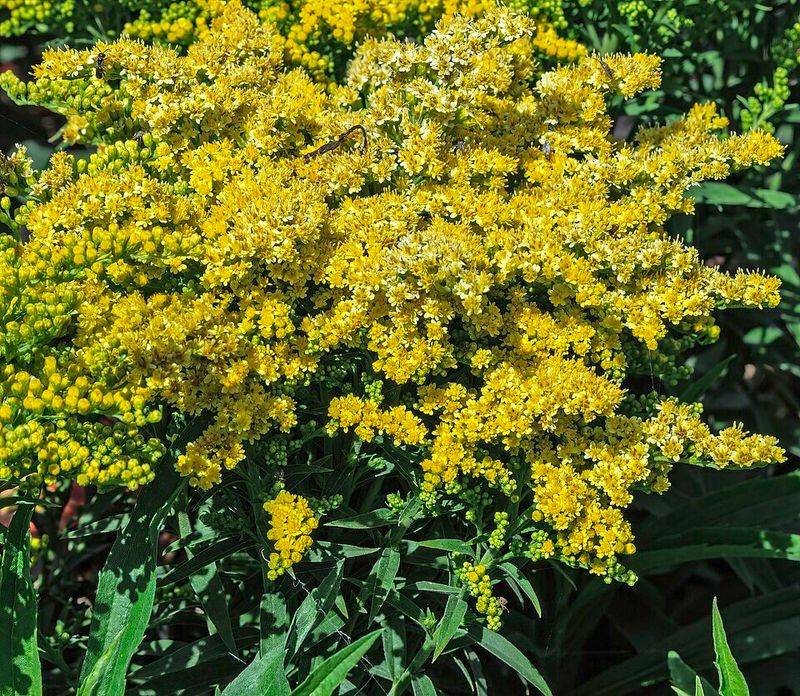
A common reason people avoid adding goldenrod to their yards is the assumption that it only works in open sunny fields. That picture is accurate for some species, but Ohio’s native goldenrod diversity is broader than most people realize.
The genus Solidago includes multiple species native to Ohio, and they do not all share the same growing requirements or habits.
Solidago canadensis and Solidago gigantea are among the taller, sun-loving species that thrive in open areas and can spread vigorously. For shadier gardens, Solidago flexicaulis, or zigzag goldenrod, is a native option.
It naturally grows along woodland edges and in partial shade. Goldenrod species vary significantly in their preferred light, moisture, and soil conditions.
Ohio State University Extension and native plant resources recommend matching each species to the right site.
Choosing the correct species for your specific yard conditions is the most practical step a gardener can take. A sun-loving species planted in heavy shade will not perform well, and a shade-tolerant woodland goldenrod may struggle in a hot, dry open site.
Visiting a local native plant nursery and asking specifically about Ohio-native goldenrod species suited to your conditions is a smart starting point. The right match makes the plant easier to manage and far more rewarding to grow over time.
8. The Right Variety Keeps Spreading Manageable
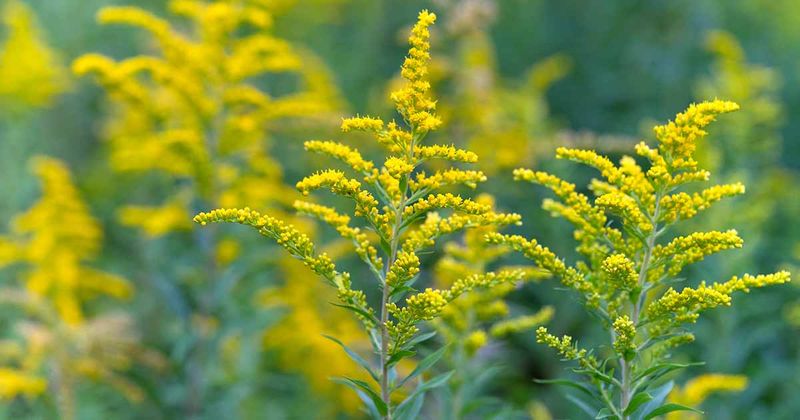
Spreading is the concern that comes up most often when gardeners consider adding goldenrod. The worry is not entirely unfounded.
Some goldenrod species spread through underground rhizomes and self-seeding. Under favorable conditions, they can move into parts of the garden where they are not wanted.
Calling a native plant invasive, though, is not accurate. Goldenrod is native to Ohio and plays a natural role in local ecosystems.
The key difference lies in choosing the right species for a managed garden setting. Solidago canadensis is known to spread vigorously and may require more active management in a smaller yard.
Solidago rugosa and Solidago odora tend to be better behaved in garden settings. Horticultural sources and native plant nurseries often recommend selecting compact or clump-forming cultivars if spreading is a real concern for a specific site.
Practical management tools include dividing established clumps every few years to keep them in check, which also gives you new plants to share or move to other spots. Removing spent flower heads before seeds fully mature can reduce self-seeding spread.
Giving goldenrod enough room from the start, rather than crowding it against other plants, also helps avoid competition problems.
Ohio State University Extension encourages gardeners to research individual species before planting and to give native plants appropriate space.
A well-chosen goldenrod in the right spot is a low-maintenance asset, not a garden headache.