This Pennsylvania Snake Can Eat Up To 190 Mice Per Year
Most Pennsylvania homeowners who spot a snake in the yard react the same way. Step back, give it a wide berth, and start thinking about how to discourage it from returning.
The instinct is understandable. But for one particular Pennsylvania snake, that reaction is costing homeowners one of the most effective and completely free forms of rodent control available anywhere in the state. This snake eats mice. A lot of them.
Research suggests a single individual can consume up to 190 mice in a year, working quietly through the seasons when rodent activity peaks without any assistance, any cost, or any intervention required from the homeowner.
No traps, no bait stations, no monthly pest control visits. Just a snake doing precisely what it evolved to do.
For Pennsylvania homeowners dealing with persistent mouse problems around the property, understanding which snake this is, what it looks like, and why it deserves protection rather than removal could genuinely change how the situation plays out in your yard.
Black Rat Snakes Are Powerful Rodent Hunters
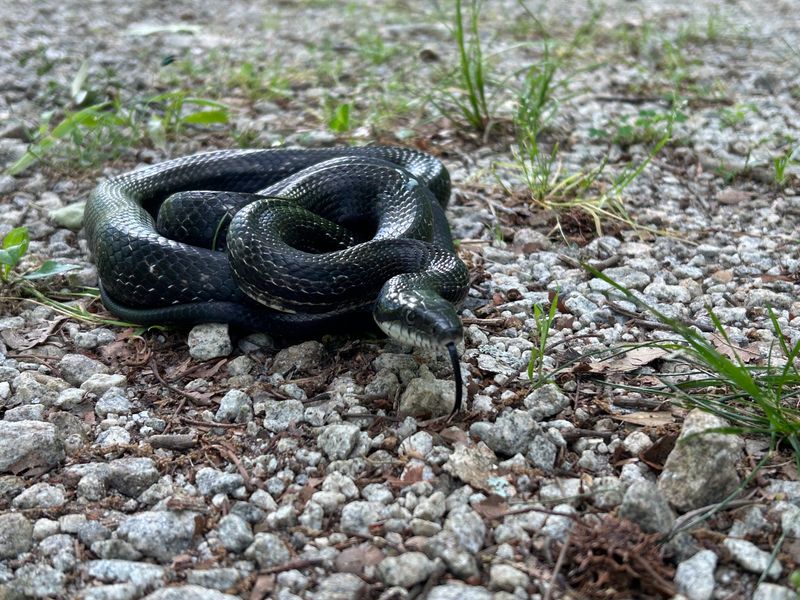
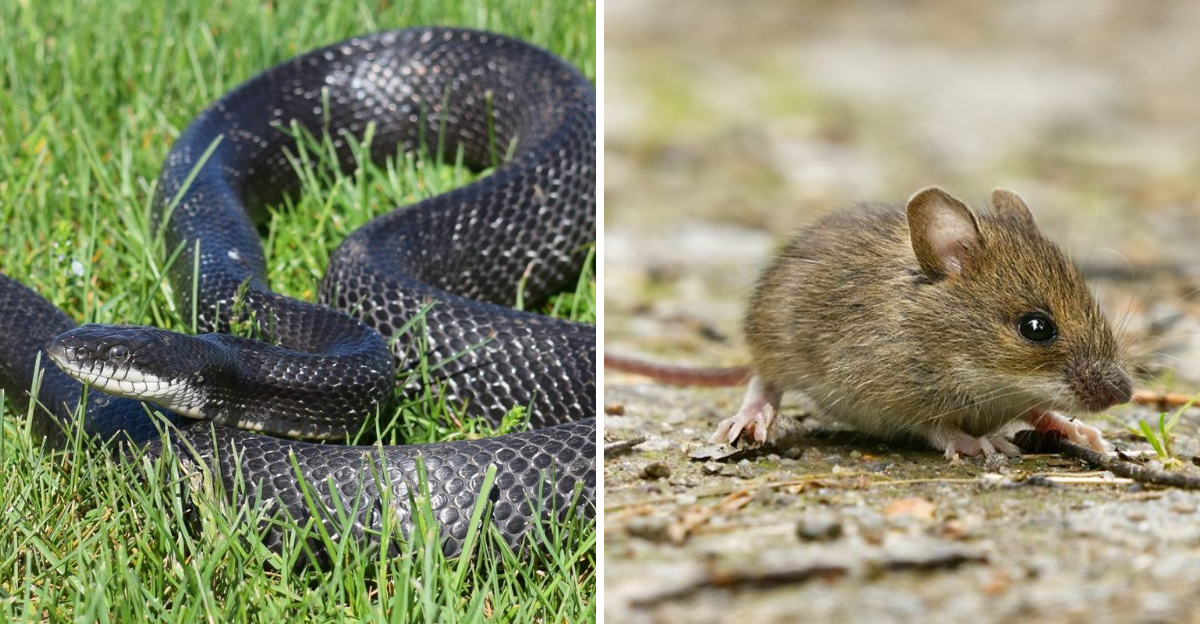
Few animals in Pennsylvania are as effective at controlling rodent populations as the black rat snake. These large, nonvenomous constrictors can grow up to eight feet long, making them one of the biggest snakes in the state.
Their size alone gives them a major advantage when hunting mice, rats, and other small mammals.
Black rat snakes use a method called constriction to capture prey. They wrap their powerful bodies tightly around a mouse or small animal, squeezing until the animal stops moving.
It is quick, efficient, and requires no venom at all. A single black rat snake can eat up to 190 mice in one year. That number might sound hard to believe, but these snakes are active hunters that spend a lot of time searching for food.
They are especially busy during warmer months when prey is easier to find. Rodents can cause serious problems for homeowners and farmers. They chew through wires, spoil stored grain, and spread disease.
Having a black rat snake nearby naturally reduces the number of rodents without the need for traps or chemical poisons.
These snakes have excellent senses that help them track down prey. They use their forked tongues to pick up scent trails left behind by mice and other small animals. Even in the dark, a black rat snake can follow a rodent right to its hiding spot.
Many people are surprised to learn that one snake can do so much. But black rat snakes have been perfecting their hunting skills for millions of years. They are truly built for the job.
They Often Appear Where Rodents Are Active
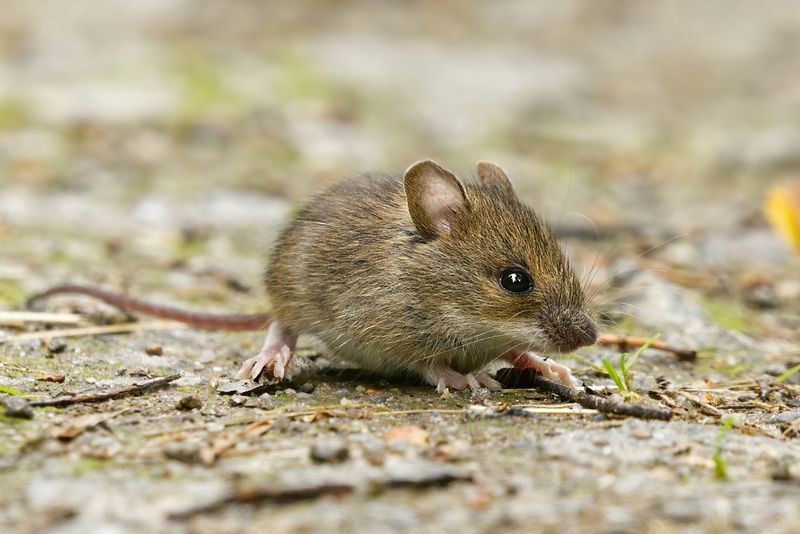
Spotting a black rat snake near your barn or shed is not random. These snakes go where the food is, and if rodents are active nearby, the snake will not be far behind. They are smart, observant hunters that learn the routines of their prey over time.
Barns are one of the most common places to find black rat snakes in Pennsylvania. Stored grain and animal feed attract mice, and mice attract snakes. It is a simple food chain playing out right in your backyard or farm.
Your Pennsylvania Garden Changes Every Week. Your Plan Should Too.
Gardening in Pennsylvania changes quickly throughout the season. Every Friday you’ll receive a simple weekly plan showing exactly what to plant, prune, fertilize, harvest, and protect so you never miss the right timing.
Stone walls, woodpiles, and brush piles also make great hiding spots for rodents. Black rat snakes know this and often patrol these areas regularly.
If you keep seeing a snake in the same general location, it has probably found a reliable food source there.
Sheds and outbuildings are another favorite hangout. Gaps in the foundation or walls give mice an easy way in, and snakes follow right behind them.
A snake showing up inside a structure usually means there is a rodent problem worth addressing.
Some people feel uneasy seeing a large black snake near their home. That reaction is completely understandable.
But knowing that the snake is there because rodents are present can actually help you identify and fix a pest problem you might not have noticed yet.
Rather than focusing on the snake itself, look at what might be attracting rodents to the area. Seal up gaps, remove clutter, and store food properly.
Taking those steps helps reduce both the rodent population and the number of snake sightings over time.
They Help Protect Gardens And Outbuildings
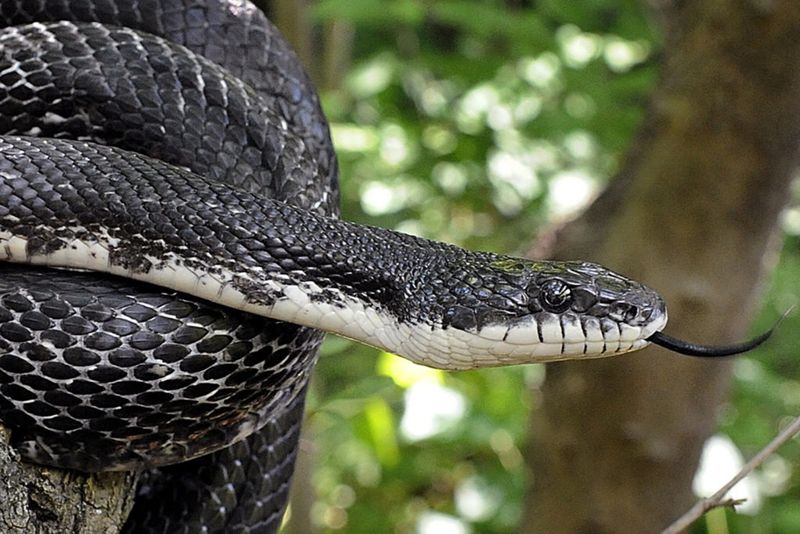
Gardeners and farmers across Pennsylvania have long benefited from having black rat snakes around, even if they did not always realize it. By eating mice, voles, and other small rodents, these snakes protect gardens, crops, and stored food from serious damage.
Rodents can ruin a garden fast. They dig up seeds, chew through plant stems, and burrow into root systems.
A single mouse family can cause surprising amounts of destruction in just a few weeks. Black rat snakes help keep those numbers in check naturally.
Outbuildings like chicken coops and storage sheds can also suffer when rodents move in. Mice chew through bags of feed, contaminate food supplies, and gnaw on wood and wiring. Having a black rat snake patrol the area can reduce these problems significantly.
Some farmers intentionally leave black rat snakes alone because they understand the value these reptiles bring. Instead of spending money on traps or pest control services, they let nature handle the job.
It is a cost-free, chemical-free solution that has worked for generations. Black rat snakes are especially useful in rural and suburban areas where rodent pressure tends to be higher.
Large properties with fields, gardens, and storage buildings create perfect conditions for mice and rats to thrive. A resident snake can make a real difference in those environments.
The best part is that the snake asks for nothing in return. It simply hunts, eats, and moves on.
Letting a black rat snake do its job around your property is one of the easiest and most natural forms of pest management available.
They Are Excellent Climbers
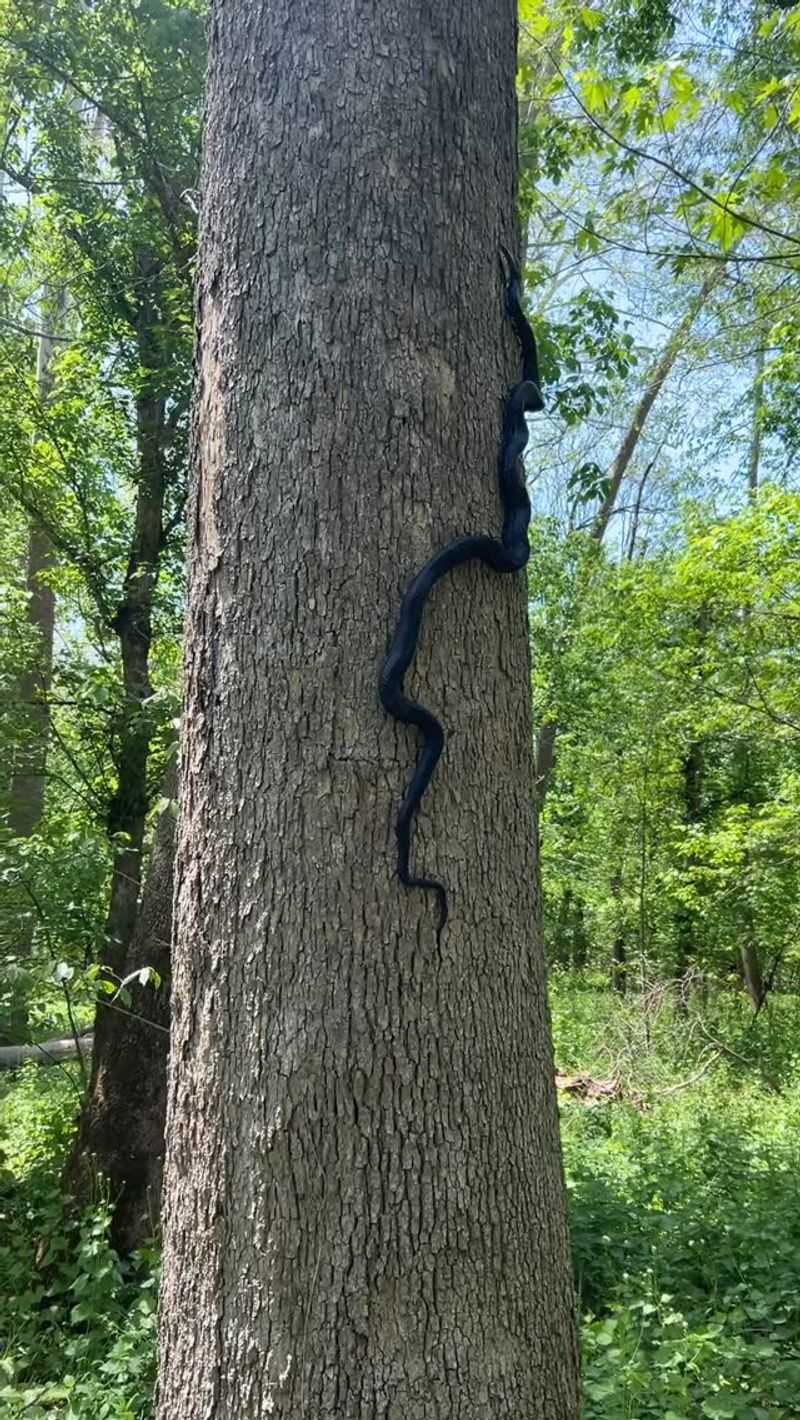
Most people think of snakes as ground-level animals, but black rat snakes are surprisingly talented climbers. They can scale trees, wooden fences, stone walls, and even the sides of buildings with impressive ease.
Their muscular bodies and rough belly scales give them excellent grip on almost any surface.
Climbing is not just for fun. Black rat snakes head up into trees and structures for several practical reasons.
Sometimes they are searching for bird eggs or young birds in nests. Other times they are looking for a safe, warm place to rest or escape a predator.
Farmers sometimes discover black rat snakes inside chicken coops on elevated shelving or near nesting boxes. The snakes are usually there because they can smell eggs.
While this can be frustrating for poultry owners, it is simply the snake following its natural instincts.
Their climbing ability also makes them harder to spot than people expect. A large black snake resting in the branches of a tree blends in surprisingly well.
Many people walk right past them without ever knowing the snake is there, watching quietly from above.
Young black rat snakes tend to climb more often than adults. Juveniles are smaller and more vulnerable on the ground, so getting up off the forest floor gives them some protection.
As they grow larger, they spend more time at ground level but never fully lose their climbing skills.
Watching a black rat snake move up a tree trunk is actually pretty remarkable. They move with smooth, flowing motions, looping their body around branches and pulling upward without slipping.
It is one of nature’s quietly impressive athletic performances.
They Are Nonvenomous And Usually Avoid People
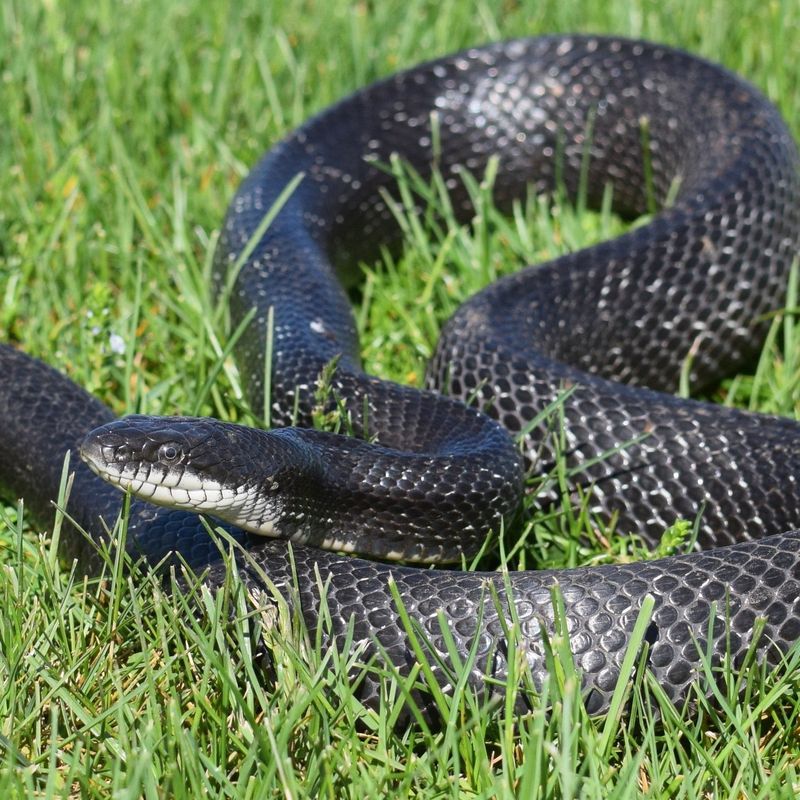
One of the most important things to know about black rat snakes is that they are completely nonvenomous. They pose no chemical threat to people or pets.
Their only real weapon is their body strength, which they use for constriction rather than any kind of toxic bite.
When a black rat snake feels threatened, its first instinct is almost always to escape. These snakes would rather slip away quietly than stand their ground.
They are not aggressive by nature, and encounters with people usually end with the snake retreating into nearby vegetation or cover.
If cornered or handled roughly, a black rat snake may flatten its body, vibrate its tail, and release a musky smell from glands near its tail. This behavior is meant to seem intimidating. But it is all a bluff. The snake is scared, not dangerous.
Some people mistake black rat snakes for venomous species because of their size and dark coloring. In Pennsylvania, the timber rattlesnake and the copperhead are the only venomous snakes.
Black rat snakes look nothing like either of them when you take a closer look at their smooth, shiny scales and rounded head.
Children and pets are generally safe around black rat snakes as long as they give the animal space. Trying to grab or corner the snake is what usually leads to a defensive bite, which is harmless but still unpleasant.
The smartest approach is simply to step back and let the snake move on its own. Respecting the snake’s space is the key. Most of the time, a black rat snake just wants to be left alone to do its job.
A Black Rat Snake In The Yard Usually Does Not Need Removing
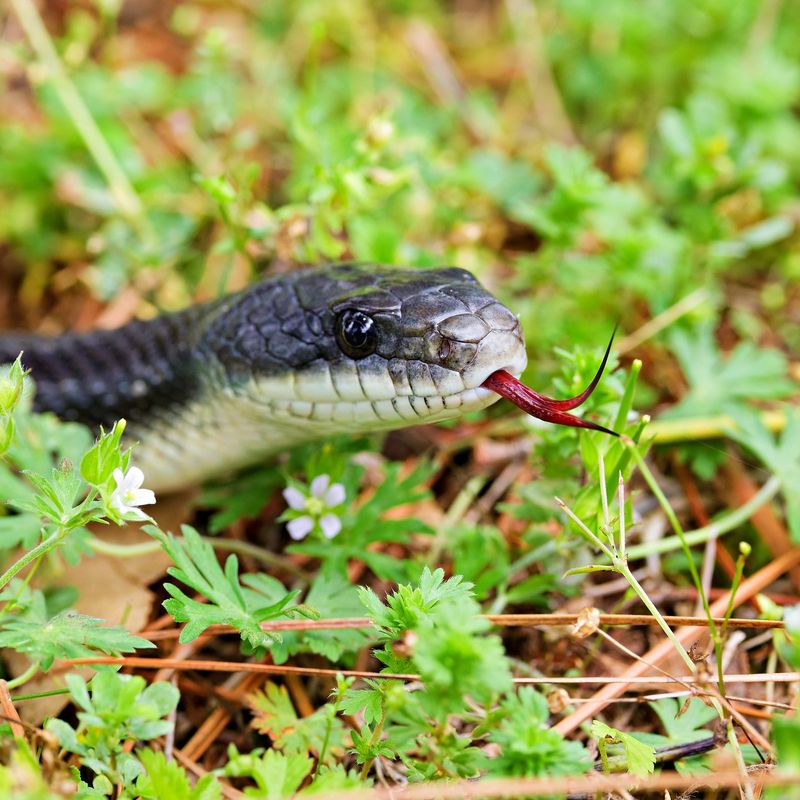
Seeing a large black snake in your yard can feel alarming at first. But before calling animal control or trying to move it yourself, consider this: the snake is probably doing you a favor.
Black rat snakes are beneficial visitors that naturally reduce the rodent population on your property.
If the snake is outdoors and not blocking a doorway or entry point into your home, the best thing to do is leave it alone. It will move on when it is ready.
Snakes do not set up permanent camps in one spot. They follow food and then keep moving.
Trying to relocate a black rat snake can actually cause more harm than good. Snakes moved to unfamiliar territory often struggle to find food, shelter, and safe hiding spots.
Leaving the snake where it is gives it the best chance of continuing to help manage local rodents.
If sightings become frequent and feel uncomfortable, the real solution is to make the property less appealing to rodents. Remove woodpiles and debris that give mice places to hide.
Seal gaps around your foundation and outbuildings. Store birdseed and pet food in sealed containers.
When rodents have fewer places to live and less food to eat, their numbers drop. When their numbers drop, snakes have less reason to hang around.
It is a straightforward cycle that starts with addressing the root cause rather than targeting the snake itself.
Black rat snakes are protected under Pennsylvania law in many situations, which reflects how much wildlife experts value them.
Treating them with basic respect is not just the kind thing to do. It is also the smart thing to do for your yard and garden.