The Most Underrated September Flower In Pennsylvania Gardens
September in Pennsylvania gardens tends to feel like an ending rather than a moment. Summer blooms are fading, the beds are looking tired, and most gardening attention shifts toward cleanup and fall planting preparation.
It’s easy to write September off as a month to coast through on whatever is still standing from summer.
But one native Pennsylvania flower peaks in September with a display that genuinely earns its moment.
It blooms abundantly as temperatures begin to ease, draws in an impressive range of late season pollinators at exactly the time when reliable food sources matter most, and provides the kind of rich, saturated color that fall light shows off beautifully.
It handles Pennsylvania’s late summer and early fall conditions without complaint and keeps performing well into October when most of the garden has long since wound down.
Most Pennsylvania gardeners have never planted it specifically for September. They’re missing one of the most rewarding flowering moments the native plant calendar has to offer.
Here’s the most underrated September flower in Pennsylvania gardens and why it belongs in yours.
New England Aster Peaks Just As Summer Flowers Fade
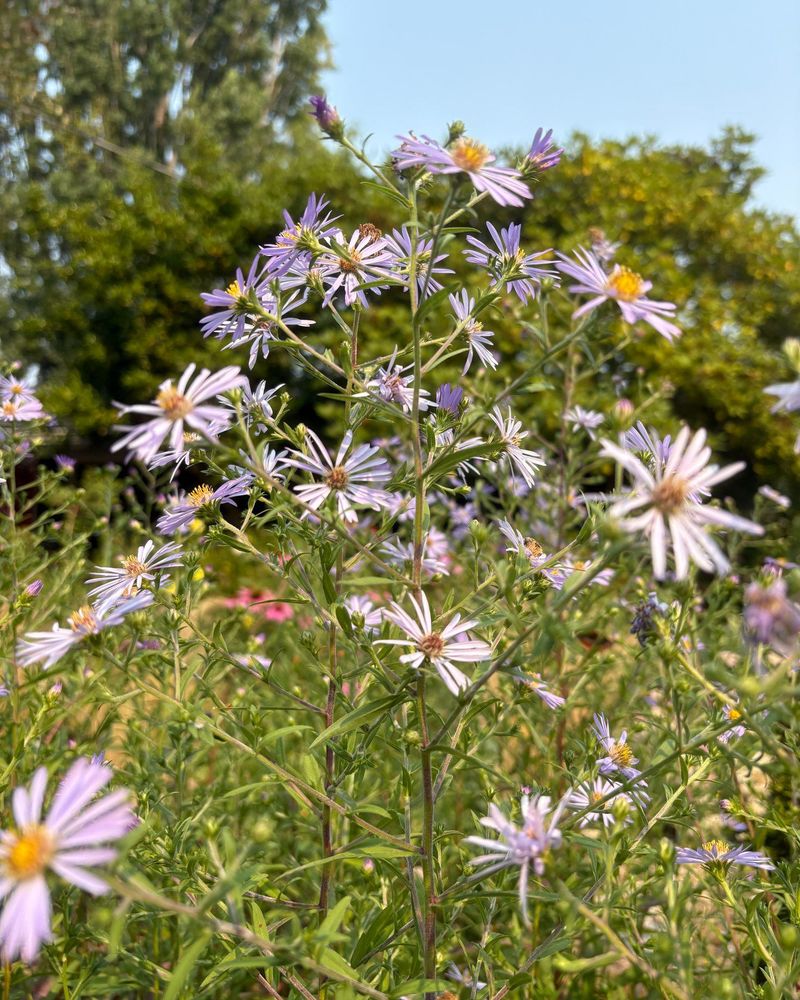
Most gardeners start packing it in by late August, but the New England aster is just getting started. Symphyotrichum novae-angliae is its scientific name, and it is a native wildflower that has been growing across Pennsylvania for centuries. September is truly its moment to shine.
While other flowers wrap up their season, the aster pushes out fresh blooms that last well into fall. You will often find it still going strong in October, long after most other plants have called it quits.
That kind of staying power is rare and very welcome in any garden. New England aster is not a new arrival to the gardening world. Native Americans used it for various purposes, and early settlers noticed how reliably it bloomed each fall.
Today, it is still just as dependable, which makes it a great choice for gardeners who want low-effort, high-reward plants.
Planting it is simple. You can start with transplants from a local nursery or grow it from seed.
Either way, once it is established, it tends to come back year after year without much fuss. It is a perennial, so you plant it once and enjoy it for many seasons.
If your garden feels dull in September, this flower is the fix you have been looking for. It fills that late-season gap with confidence and color.
No other native plant quite matches its ability to carry a garden through the transition from summer to fall with such ease and reliability.
Its Purple Flowers Bring Strong Fall Color
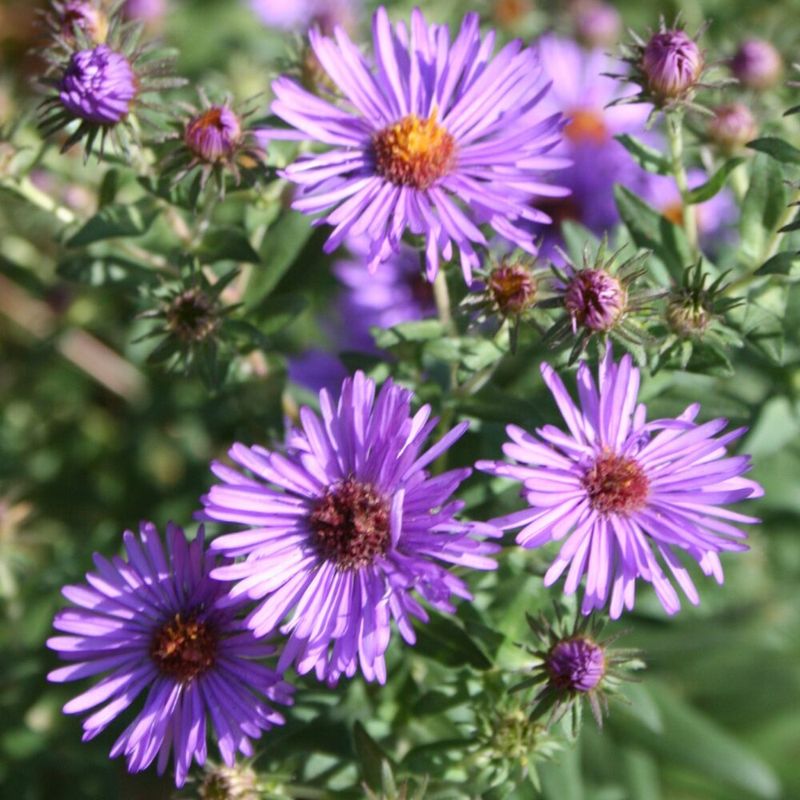
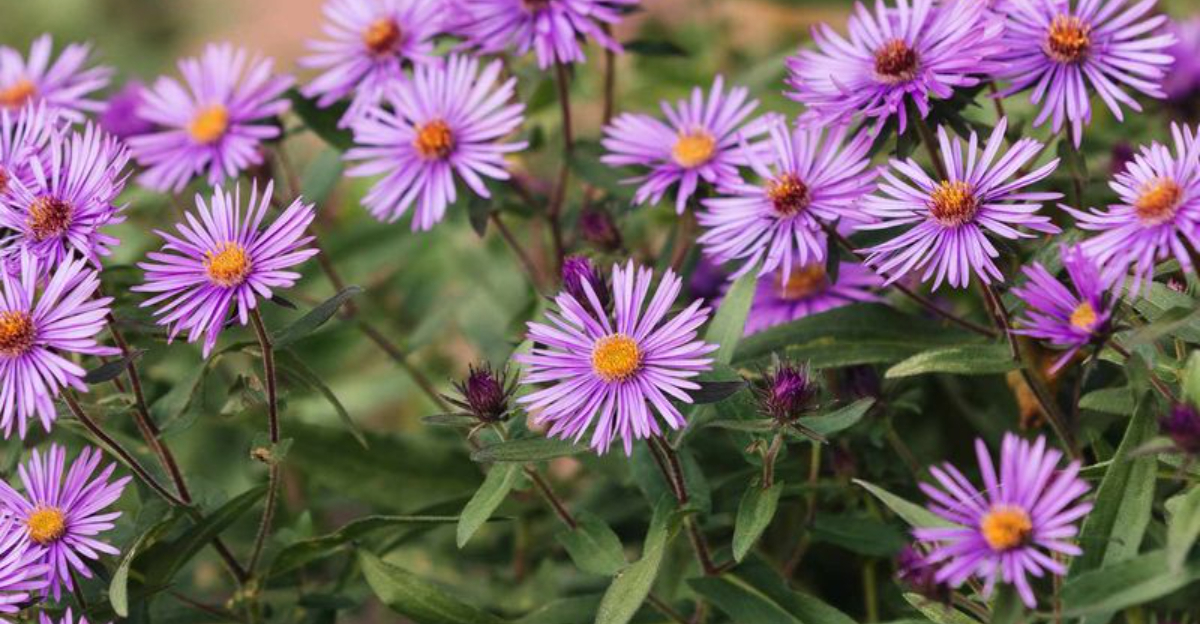
Walk past a patch of New England aster in full bloom and it is almost impossible not to stop and stare. The flowers come in rich shades of violet, purple, and sometimes pink, with bright yellow centers that pop like tiny suns.
In a fall garden that is quickly turning brown, that kind of color hits differently. Each bloom is small on its own, but the plant produces them in huge numbers. A single mature plant can be covered in hundreds of flowers at once.
Your Pennsylvania Garden Changes Every Week. Your Plan Should Too.
Gardening in Pennsylvania changes quickly throughout the season. Every Friday you’ll receive a simple weekly plan showing exactly what to plant, prune, fertilize, harvest, and protect so you never miss the right timing.
That dense, cloud-like display is what makes it such a showstopper in borders and native garden beds throughout Pennsylvania.
Garden designers often place New England aster near ornamental grasses, black-eyed Susans, or goldenrod to create bold fall combinations. The purple tones play beautifully against warm golds and oranges.
You do not need a lot of design experience to pull off a stunning look with this plant. One great tip is to pinch the plant back in early summer, around late June or early July. Cutting it back by about one-third encourages bushier growth and more blooms later in the season.
You end up with a fuller, more compact plant that puts on an even better show in September.
Color variety is another perk. While purple is the most common shade, you can find cultivars in deep magenta, soft lavender, and pale pink.
Shopping at a local nursery gives you a chance to see the colors in person and pick exactly what fits your garden best.
Late-Season Pollinators Depend On It
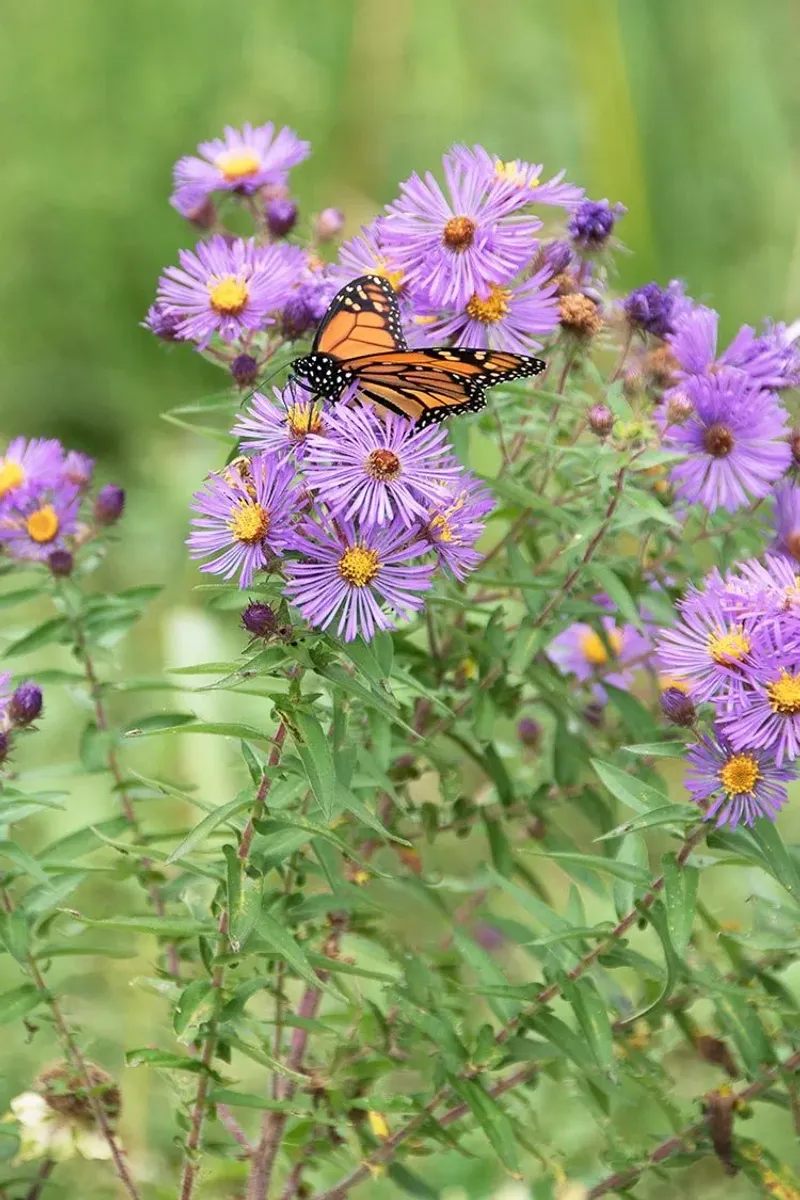
Here is something that might surprise you: by September, most flowering plants have already stopped producing nectar.
That leaves bees, butterflies, and other pollinators scrambling for food right when they need it most. New England aster steps in at exactly the right time.
Bumblebees absolutely love this plant. You will often see them working the flowers from early morning until dusk, collecting both nectar and pollen.
Honeybees visit too, and so do a wide range of native bee species that are easy to overlook but incredibly important to local ecosystems.
Monarch butterflies are perhaps the most exciting visitors. Every fall, monarchs travel through Pennsylvania on their long migration south.
They need fuel stops along the way, and asters are one of their top choices. Planting New England aster in your yard can turn your garden into a rest stop on the monarch highway.
Swallowtail butterflies, skippers, and painted ladies also visit regularly. On a warm September afternoon, a blooming aster patch can feel like a butterfly festival.
Watching all that activity is genuinely entertaining, and it gives kids a great reason to spend time outside paying attention to nature.
Supporting pollinators is not just good for the environment. It also helps your vegetable garden, fruit trees, and other flowering plants nearby.
When you plant New England aster, you are not just adding beauty. You are creating a small ecosystem that benefits everything around it. That is a pretty big return for one easy-to-grow native flower.
It Handles Tough Garden Conditions
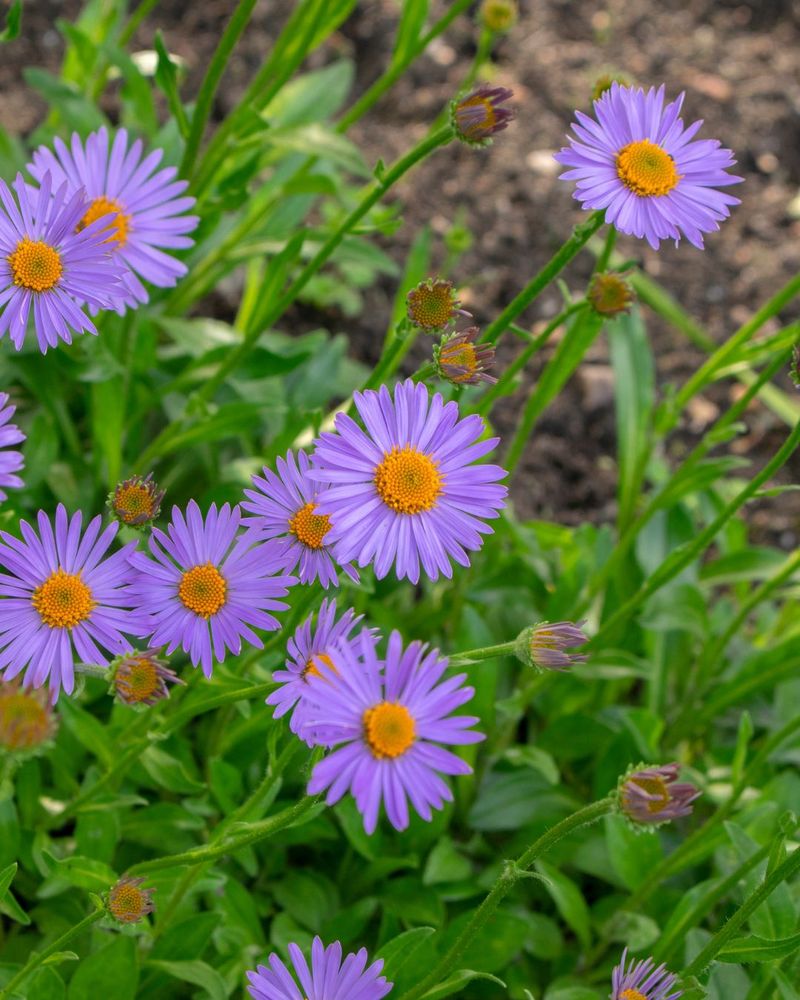
Not every garden has perfect, fluffy soil and ideal growing conditions. Most real yards have challenges, whether that is heavy clay, occasional drought, or spots that get a lot of afternoon sun.
New England aster handles all of that without complaint, and that is a big reason why it deserves more respect.
Full sun is where it performs best. Give it at least six hours of direct sunlight per day and it will reward you with the most blooms possible.
That said, it can tolerate a bit of light afternoon shade without completely falling apart, which gives you some flexibility in placement.
Clay soil is a common headache for Pennsylvania gardeners. Many plants struggle in it, but New England aster has adapted to grow in heavier soils over thousands of years.
It does not need you to amend the soil with bags of compost or special mixes. Just plant it and let it settle in.
Watering needs are pretty modest once the plant is established. During its first season, give it regular water to help it get rooted.
After that, it can handle dry spells reasonably well. You do not need to baby it through every hot stretch of summer.
One thing to watch is powdery mildew on the lower leaves. It can show up during humid stretches, but it rarely affects the flowers or the overall health of the plant.
Good air circulation helps prevent it. Spacing plants about 18 to 24 inches apart is usually enough to keep airflow moving and reduce that issue naturally.
Give It Enough Space To Grow
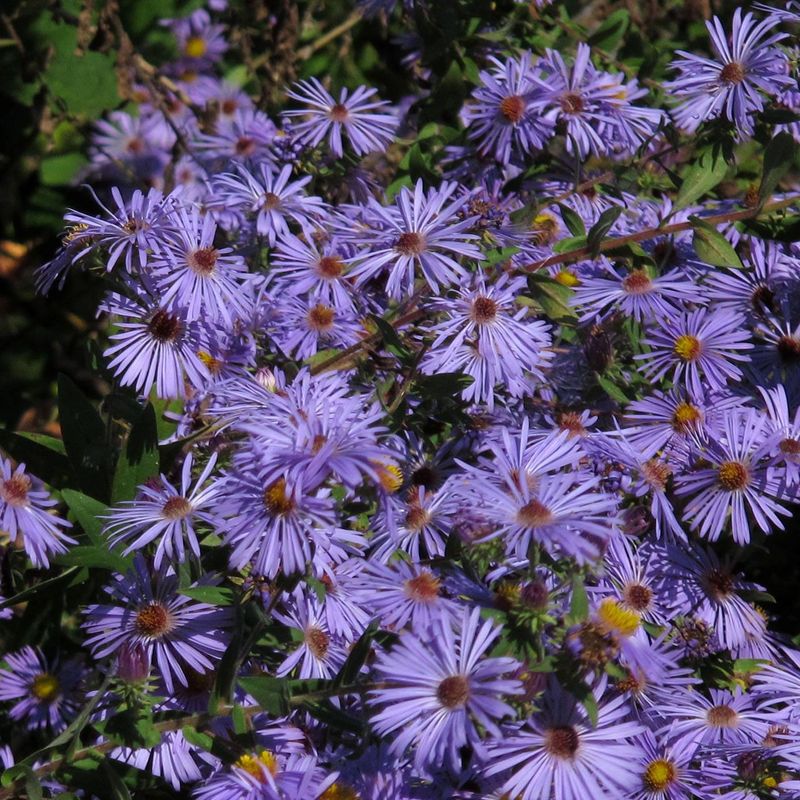
New England aster has a big personality, and it needs the space to match. Left to grow without any pruning or management, a mature plant can reach four to six feet tall and spread just as wide.
That is a lot of plant, and knowing this ahead of time saves you from some awkward garden moments later.
Placing it toward the back of a garden border is a smart move. Shorter plants in front can hide the sometimes-leggy lower stems while the aster towers above and shows off its blooms at eye level.
It creates a natural layered look that feels intentional and polished. Meadow-style plantings are another perfect fit. Mixed in with grasses, coneflowers, and goldenrod, New England aster looks completely at home.
Pennsylvania has a strong tradition of native plant gardens, and this flower fits that style effortlessly. It brings structure and height without needing any staking in most cases.
If you want to keep the plant more compact, the pinching trick mentioned earlier really works. Cutting it back in late June or early July by about one-third reduces the final height and encourages more branching.
The result is a bushier, more manageable plant that still blooms generously. Dividing clumps every two to three years is also a good habit. Over time, the center of the plant can get woody and produce fewer blooms.
Digging it up, splitting it into sections, and replanting the outer pieces gives you fresh, vigorous growth. It also means you end up with more plants to fill other spots or share with neighbors who want some fall color of their own.
Leave The Seedheads Standing After Bloom
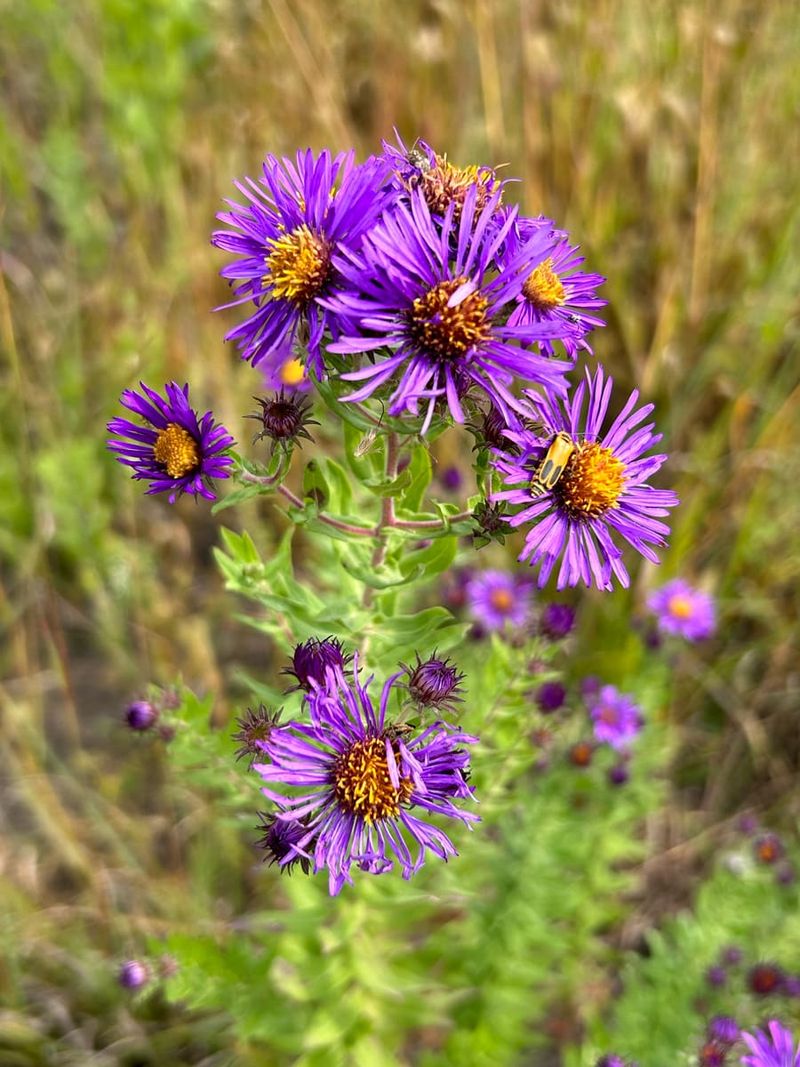
Once the flowers fade in late fall, many gardeners reach for the pruners right away. But with New England aster, holding off on that cleanup is actually one of the best things you can do.
The spent stems and seedheads that remain have real value for the garden and for wildlife. Birds love the seeds. Goldfinches, sparrows, and juncos are among the species that will visit dried aster plants throughout winter looking for food.
Leaving the stems standing gives them a reliable source of nutrition during the coldest months when natural food is hard to find across Pennsylvania.
The structure of the dried stems also adds something visually interesting to the winter garden. Frost-covered seedheads catch the morning light in a way that is genuinely beautiful.
A garden that looks interesting in January is something most people do not think about until they are staring out the window wishing they had planned for it.
Small insects also use hollow stems for overwintering. Native bees and beneficial insects tuck themselves into plant stems during cold months, waiting for spring.
Cutting everything down in fall removes those hiding spots and reduces the local insect population heading into the next growing season.
A good rule of thumb is to wait until late winter or very early spring before cutting back your asters. By then, the birds have had their fill and the overwintering insects have moved on.
You get all the wildlife benefits without sacrificing a tidy garden come spring. It is a simple habit that costs nothing and gives back quite a lot.